
Relax on the idyllic beaches of Zanzibar, the spice island, and explore historic Stone Town. Then head to the wildlife-rich Serengeti and Ngorongoro Crater on Tanzania’s Northern Safari Circuit, and the legendary Masai Mara in Kenya.
Crossing into Uganda, see beautiful African Rift Valley lakes, visit the Chimpanzees of Budongo Forest and try adventure activities on the Nile River at Jinja, Uganda’s adventure capital. To crown it all, go trekking with the Mountain Gorillas. This epic Tanzania, Kenya & Uganda Overland Tour ends in Nairobi.
During this trip, you are likely to come across activities that encourage tourists to participate in lion, elephant, or other wildlife interaction. This includes walking with lions, riding elephants and any other tourist operation putting travellers in close contact with animals that would normally live wild and separate from human contact.
We absolutely do not encourage or endorse this type of wildlife interaction operation. For more information on why this is not good for Africa's wild animals, please see our detailed blog post on the subject.
-2__large.jpg "Zanzibar Beach")




__large.jpg "Gorillas Lake Bunyoni")

Welcome to Zanzibar! This 25-Day Tanzania, Kenya & Uganda - Zanzibar to Gorillas Camping Overland Safari begins in Stone Town.
Upon arrival, you have the day free to explore the vibrant city at your own pace. Stone Town was once a thriving port on the Swahili trading route for spices, silk, and slaves during the 19th century. Narrow winding streets lined with coral stone buildings and intricate carved wooden doors reveal new secrets around every corner. Crumbling limestone palaces and faded mansions, winding alleys, colourful shops, and the enchanting aroma of exotic spices will transport you to a bygone era. The many restaurants offer a tantalizing fusion of flavours, with its cuisine reflecting Zanzibar’s cultural diversity, with delicious fresh seafood and aromatic dishes infused with an array of spices.
Meet the tour group and crew at 16:00 at the Hotel accommodation. Here, you’ll check in and receive a brief orientation about the exciting days ahead.
Please note that a guided walking tour of Stone Town is included in your itinerary and will take place tomorrow.
Day 2 begins with a walking tour of Stone Town, where your guide will point out well-known landmarks, including the birthplace of Freddy Mercury. Then we are collected for a road transfer to our beach resort, where we will stay for two blissful nights.
On the way, we stop for a spice tour, a guided walk through a local village and its spice plantations. Here you will see how the island produces its exotic spices like cloves, nutmeg, cinnamon, cardamom, black pepper, and vanilla. Witness first-hand how farmers climb the trees to seek them out. You will also have the opportunity to purchase fresh spices directly.
Once settled into your beach hotel, your time is free to relax and unwind on the beautiful beaches and their crystal-clear turquoise waters. Soak up the sun, go swimming, or try one of the many optional activities on offer. Explore the vibrant coral reefs and a diverse array of marine life snorkeling or diving, luxuriate with a spa treatment, sail on a traditional wooden dhow, take a Swahili cooking class, book a guided tour around the island, or hire a bicycle or scooter to explore for yourself.
This morning, our Tanzania, Kenya & Uganda Safari bids farewell to the idyllic Zanzibar Island as we head to the mainland of Tanzania..Here we join our overland truck and set off to reach the town of Bagamoyo, where we'll camp for the night. Established in the late 1700s, this town continues the age-old tradition of building the dhow sailing boats that have been used by fishermen and traders on the Swahili trading routes for centuries. The name "Bagamoyo," is Swahili for "Lay down your heart," evoking the poignant history of this place as a prominent trading hub in the slave trade.
Leaving behind the coastal lowlands of Bagamoyo, we head to Moshi. Today’s journey takes us inland through an ever-changing landscape. As we ascend into the rugged highlands, the scenery transitions from open savannah to lush agricultural regions dotted with remote villages and bustling market towns. Along the way, we’ll gain insight into the rhythms of daily life in rural Tanzania and experience the natural beauty that defines this part of the country.
We will arrive in Moshi by afternoon, and if time allows, you may choose to join an optional excursion—either a visit to a local coffee plantation to learn about traditional growing and roasting methods, or a guided cycling tour through the surrounding countryside for a more active encounter with the landscape.
Although the distance to Karatu is relatively short, much of the day will be spent making our way closer to the famed Ngorongoro Crater. En route, we’ll stop at the vibrant Mto wa Mbu Market, located in the small but culturally diverse village of the same name. Nestled along the main route linking Arusha to the Serengeti and Ngorongoro Conservation Area, Mto wa Mbu is known for its unique agricultural output, including rice paddies and its locally grown red bananas.
By late afternoon, we’ll arrive in Karatu, a gateway town set on the edge of the Ngorongoro Highlands. This evening, your guide will provide a detailed briefing in preparation for our upcoming two-night adventure into one of Africa’s most extraordinary wildlife regions.
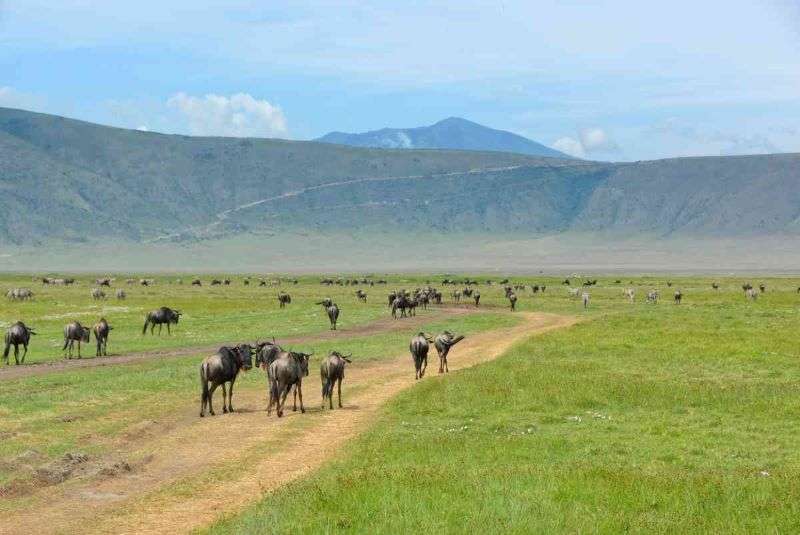
We make an early start, setting off in 4x4 safari vehicles for an action-packed day of 4x4 game viewing in the Ngorongoro Crater. Ngorongoro is a gigantic caldera formed by a collapsed volcano, which has created a massive natural amphitheater that holds a secret world within - it is home to some of Africa's highest concentrations of large animals. Descending the steep slopes, we spend the morning exploring the crater floor in search of the animals which roam here.
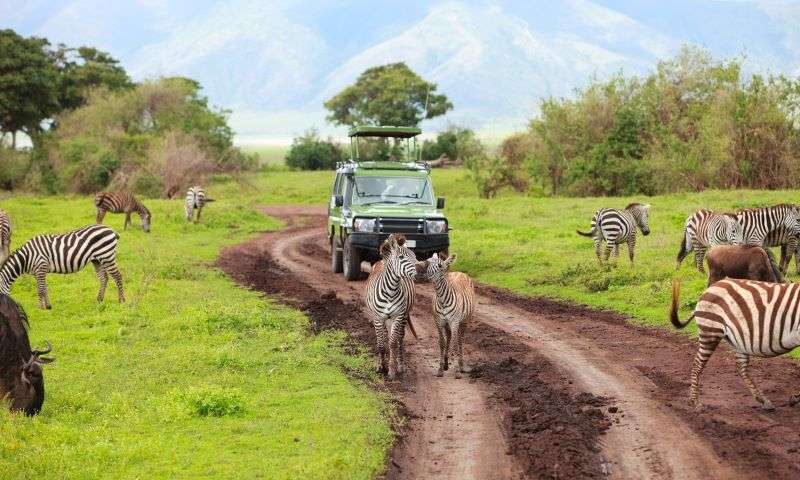
The crater's unique ecosystem showcases a variety of habitats, from lush wetlands to arid grasslands. It is home to the "Big 5" - Lions, Leopards, Elephants, Buffalos, and both Black and White Rhinos. The shimmering lakes are a haven for Pink Flamingos and happily wallowing Hippos. On the plains, you can often see herds of Zebras and Wildebeest, a host of antelope species, elegant Giraffes and many other animals and birds.
After an unforgettable day game viewing, we head back up the steep slopes and make our way to the nearby Serengeti National Park. We enjoy more wildlife viewing en route to our safari camp in the Seronera region at the heart of the park. Our tented camp, which will be home for the next two nights, has stunning views over the central plains bustling with large animal herds. As the day ends, relax and witness a tranquil sunset over the legendary Serengeti.
This morning, we rise early to enjoy a full day’s game drive through Serengeti National Park. The central Seronera plains are known for the large herds of herbivores attracted by the juicy grazing here. And the predators are not far behind. Seronera is sometimes called the 'Big Cat Capital of Africa' for its outstanding big cat sightings, majestic lions, leopards, and cheetahs. Sit back and soak in the sights as we explore the vast plains and woodlands teeming with wildlife. After an epic day on safari, we return to our tented camp for another magical night under the stars.
There is an option to take a Hot Air Balloon Safari while in Serengeti for an unparalleled bird's eye view of the sweeping plains and its wildlife. However, this excursion is incredibly popular, so pre-booking is essential and is subject to weather conditions.
On Day 9, our overland tour takes us to Arusha, via the scenic Great Rift Valley, full of amazing memories. We will overnight at our campsite in Arusha, where we will spend the night reminiscing about our adventure in the Serengeti and Ngorongoro Crater and preparing for what lies ahead.
Our Tanzania, Kenya & Uganda Safari journeys northward, crossing into the next country on our tour, Kenya. Keep a lookout for a glimpse of majestic Mount Kilimanjaro, visible on clear days. Upon crossing into Kenya, we travel through the savannah, passing small towns and villages before reaching the vibrant, sprawling city of Nairobi, Kenya’s capital city and our next overnight destination. The name 'Nairobi' originates from the Maasai “Enkare Nyorobi”, meaning "place of refreshing waters."
Tonight, you have the option to dine out at one of the many local restaurants and experience the city's lively nightlife. Nairobi boasts a remarkably diverse culinary landscape, with international and Kenyan cuisine, and nyama choma (grilled meat) street food. Tomorrow, we leave on a two-night excursion to Masai Mara in smaller 4x4 safari vehicles, so we need to pack smaller overnight bags due to space constraints.
Today our Overland Camping Safari leaves Nairobi in smaller 4x4 safari vehicles, heading southwest to the iconic Masai Mara National Reserve, the quintessential ‘Out of Africa’ Safari destination, which has been the subject of numerous documentaries and films. We pass through rural Kenyan landscapes dotted with rural hamlets, home to the semi-nomadic Maasai people, known as formidable warriors and for their colourful traditional dress. For the next two nights, we will stay in a beautiful tented camp in Masai Mara.
Day 12 is set aside for wildlife exploration in the Masai Mara, Kenya's most densely populated wildlife reserve, bordering Tanzania and covering about 1,510 square kilometres (580 square miles) of protected land. We crisscross the plains in search of Africa's Big 5 - lion, leopard, rhino, elephant, and buffalo - alongside cheetahs, giraffes, zebras, hippos, wildebeest, and smaller creatures like jackals, hyenas, baboons, warthogs, bat-eared foxes, and a variety of antelope species such as impalas and topi.
The Masai Mara Reserve is best known for the annual Great Migration, a dramatic movement of thousands of wildebeest, zebra, and Thompson’s gazelle between the sprawling plains of Masai Mara and neighbouring Tanzania's Serengeti. These herds cross the open plains and pass through the Mara River, evading lurking Nile crocodiles as they cross. However, note that this migration is seasonal, so sightings vary depending on the time of year.
This morning, our East African Safari resumes as we board our overland vehicle once more and set course for Lake Nakuru. This Great Rift Valley soda lake is renowned for the massive flocks of flamingos that congregate here at certain times of the year, drawn by the alkaline waters of the lake. We will embark on an afternoon game drive in the surrounding National Park.
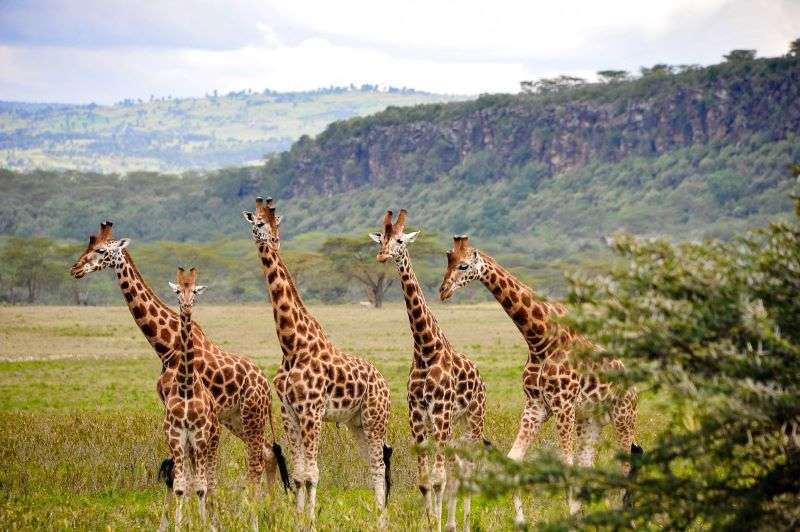
Lake Nakuru National Park, recently expanded to cover 180 square kilometres (69 square miles), boasts one of Kenya's highest concentrations of black rhinos, with more than 25 residing here, alongside about 70 white rhinos. Other commonly spotted animals include impala, warthogs, waterbucks, resident hippos, and large tree pythons. Predators like lions, cheetahs, and leopards also roam the park, along with buffalo, Rothschild giraffe, and eland. Initially established as a bird sanctuary, the national park is home to over 400 resident bird species and a variety of migratory birds.
Our overnight stay is at a comfortable hotel in nearby Nakuru, Kenya's third-largest city.
Today, our overland adventure crosses into Uganda, affectionately known as "The Pearl of Africa". This is a land of verdant landscapes, abundant wildlife, and a string of beautiful Rift Valley lakes. On the route, we cross the equator, pausing for a photo opportunity to commemorate this auspicious event.
Tonight’s stop is near Jinja, the country's second-largest city, lying on Lake Victoria's northern shores. This is recognized as the starting point of the Nile River (officially the Victoria Nile), where it exits Lake Victoria and embarks on its 6,695-kilometre (4,160-mile) journey northwards through East Africa, towards Egypt, and finally into the Mediterranean Sea. Jinja is also known as the adventure capital of Uganda, with white-water rafting being particularly popular. It is also reputed to produce the tastiest pineapples in East Africa!
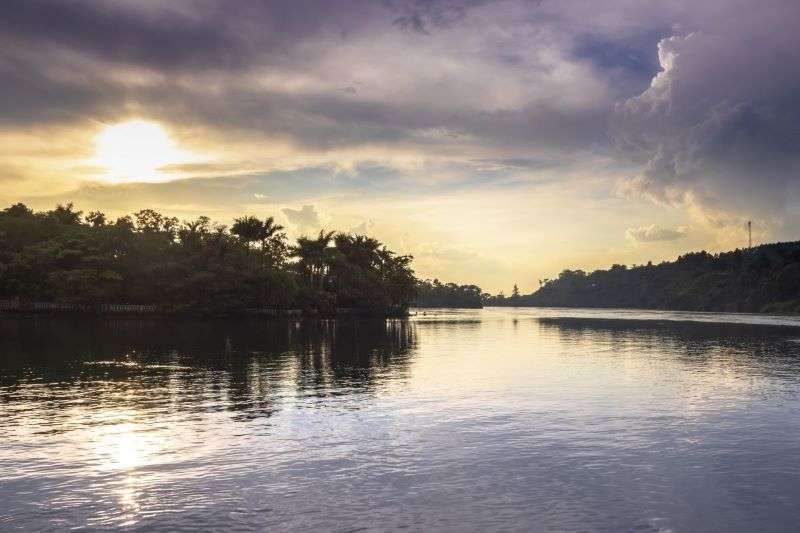
Our camp for the night is nestled in the rainforest on the banks of the Victoria Nile at the breathtaking Kalagala Falls. We will be returning here after our Uganda adventures to take advantage of the many activities available here.
Day 15 sees us continue northwest towards the shores of Lake Albert. Our campsite for the next two nights lies just beyond the town of Masindi with its British colonial-era architecture. The area is also renowned for its proximity to Budongo Forest, one of Uganda's largest natural mahogany forests, and the expansive Murchison Falls National Park, the country's largest national park, boasting a rich variety of wildlife. The Victoria Nile River flows through here, passing through a narrow gorge and plummeting to form the breathtaking Murchison Falls before flowing into Lake Albert.
In the afternoon, you have the option to visit the Ziwa Rhino Sanctuary to take a bush walk in search of the highly endangered rhinoceros. Covering 7,000 hectares, this sanctuary plays a vital role in the rhino conservation efforts led by a non-profit organization known as Rhino Fund Uganda (RFU), aimed at combating the serious poaching of rhinos within Uganda's national parks. The sanctuary breeds rhinos, intending to reintroduce them into the wild.
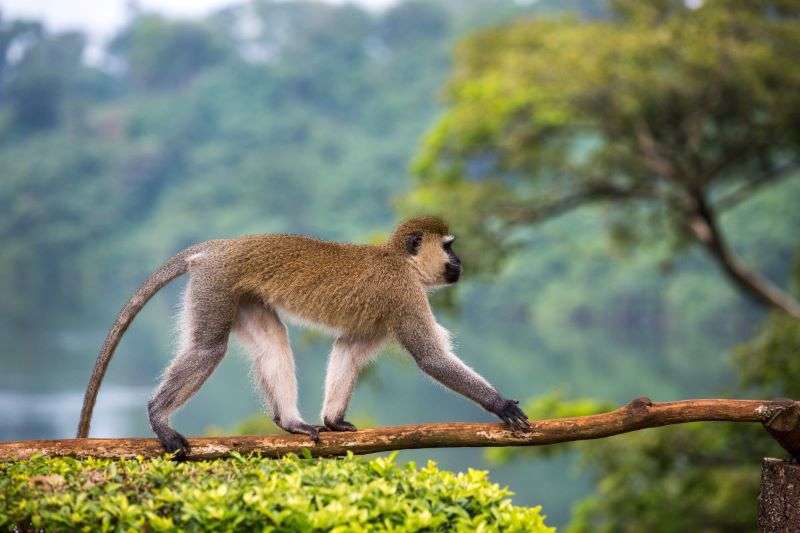
Today, our Tanzania, Kenya & Uganda Safari goes in search of chimpanzees in the Budongo Forest. Magnificent Budongo Forest is the biggest Mahogany Forest found in the whole of East Africa and is home to the largest number of chimpanzees throughout Uganda, believed to be between 600 – 700 in number, together with eight other primate species. We meet up with local guides and trek into the forest in groups of 12 people in search of chimp families and the other creatures of the forest. When you encounter the chimpanzees, you have the opportunity to spend an hour observing these beautiful creatures in their natural habitat.
In the afternoon, we embark on a game-viewing Nile River boat cruise in the Murchison Falls National Park, spotting animals on the riverbanks. We could see four of the Big 5 - lion, leopard, elephant, and buffalo - along with many other animals and birds. The plan for the day needs to be flexible due to the size constraints of the chip trekking groups. You may take the cruise in the morning and the chimp trek in the afternoon, or vice versa.
This morning we continue our Uganda adventure, travelling to our next campsite perched on a hill with stunning views of Lake Kikorongo, situated on the fringes of Queen Elizabeth National Park. Lake Kikorongo is a crater lake, an extension of Lake George lying on the eastern boundary of the National Park. The park itself is known for its unusual geography of quirky volcanic rock formations and is home to a variety of wildlife, including hippos, crocodiles, bush elephants, buffalos, lions, and chimpanzees, along with over 500 species of birds.
Today, we cross the equator once more as we journey towards southwestern Uganda, near the Rwanda border. We're headed for the picturesque Lake Bunyonyi, one of Africa's deepest lakes, nestled in the heart of gorilla territory. Our campsite is situated on the banks of Lake Bunyonyi, which will serve as our base for the next three days as we gear up for our thrilling trek to see the mountain gorillas. Lake Bunyonyi means "lake of little birds" and is a paradise for bird enthusiasts. The tranquil waters, dotted with 29 small islands and encircled by verdant hills, provide an ideal habitat. The lake is safe for swimming and is a popular location for various watersports.
This evening, we will receive a briefing on what to expect for the gorilla trekking expedition scheduled for the following days.
It's time for one of the most unforgettable tour highlights of our journey – a Gorilla Safari. You are required to have a permit to visit these critically endangered Mountain Gorillas (only approximately 1000 of these remarkable creatures are left in the wild) in order to restrict human interaction with them and generate revenue to assist in conservation efforts. Our planned gorilla trekking destination is Bwindi National Park in Uganda, but this is dependent on permit availability. The natural habitat of these magnificent animals does not follow human-made borders – their range spans across Uganda, and neighboring Rwanda, and the Democratic Republic of Congo (DRC). If permits for Bwindi Park in Uganda are not accessible, we will inform you in advance, and we will explore the options of neighbouring Rwanda or the DRC.
You will embark on this adventure in groups of six, accompanied by ranger guides who will lead you through the challenging terrain of steep mountain slopes and dense vegetation in search of a gorilla family group. The trek may be physically demanding, but this is soon forgotten once you have the incredible experience of encountering these gentle giants and sitting with them for an hour. Witnessing the interactions within the group, from the commanding silverback leader to the playful youngsters, is truly awe-inspiring.
We have allocated two days in the itinerary to ensure flexibility in case of limited permits or large tour groups. On your free day, you have the option to relax and revel in the tranquillity of Lake Bunyonyi's surroundings. You can explore the lake by kayak or boat, go hiking or explore the area on a mountain bike. You may also take a day trip to neighbouring Rwanda or pay a visit to a local pygmy tribe.
Please note: The Gorilla Trekking permit is not included in the overland tour price.
On Day 21 of our epic Africa Overland Tour, we bid farewell to the tranquil environment of Lake Bunyonyi and head to Lake Mburo National Park in Western Uganda. This park has five shallow lakes encircled by acacia savannah, dotted with papyrus swamps, and verdant rolling hills. Bird lovers are in for a treat as this location attracts over 300 bird species, including the elusive shoebill stork.
We camp at a beautiful campsite on the outskirts of the park. Listen to the melodic symphony of the birds as you unwind with a refreshing drink and soak in the panoramic vistas from the camp restaurant.
Today, we return to Jinja, the second-largest city in Uganda, and settle back into our overland camp on the riverbank, surrounded by lush rainforest and offering stunning views of the Victoria Nile and breathtaking Kalagala Falls. We will be staying here for two nights.
On arrival, enjoy a hearty lunch and then your time is free to soak up the surroundings. Unwind at the resort or opt for the various adventure activities on offer. Most popular is tackling the legendary rapids on a white-water rafting half-day expedition. Alternatively, try river bugging, kayaking, or take a motorized boat cruise to explore Lake Victoria and discover the source of the White Nile. You can go Bungee Jumping, or for those who prefer staying on solid ground, opt for Horse Riding, or Quad Biking.
Day 24 sees our Tanzania, Kenya & Uganda Safari cross back into Kenya. Our last night will be spent at a campsite in Eldoret, the country’s fifth-largest city. The Great Rift Valley is still the dominant geographical feature of this region, and Eldoret lies at an elevation of 2,100 meters (6,890 feet) above sea level. Many famous Kenyan athletes, including Olympic champions, hail from Eldoret and the city is now a centre for high-altitude training camps that attract athletes from across the globe.
Day 25 sees us heading southeast, returning to Nairobi, where our epic tour will come to an end. Many tour groups opt to gather for an optional dinner this evening, providing an opportunity to swap memories and exchange contact information with fellow travellers.
The Itinerary is flexible and can be changed without notice to accommodate the best possible viewing of the Mountain Gorillas. The Permit price to visit the Gorillas can also change without notice.
We recommend booking your incoming and onward flights at least one day before and after this Tanzania, Kenya & Uganda Safari is scheduled. It is advisable to arrive the day before departure from Stone Town and fly out the day after the overland tour ends in Nairobi to allow for delays and changes.
Simply ask your friendly travel advisor to add pre-tour and post-tour accommodation to your safari booking.
This Camping Overland Tour is also available as a Lodge Overland Tour, which follows the same itinerary and stays at comfortable lodges instead of camping.
For more details, contact African Budget Safaris
Please note that the Wildebeest Great Migration is seasonal. As a natural wildlife phenomenon, it is fluid and unpredictable. For this reason, seeing the Great Migration cannot be guaranteed.
The wildebeest and other wild herbivores migrate between the Masai Mara in Kenya and the Serengeti in Tanzania. These herds move in a massive circular route covering some 1200 miles (1931km). It is a continuous movement of wildlife that can be seen in different areas at different times of the year. During certain phases of this annual trek, the animals disperse or slow down, whilst at other times the migration picks up speed, with the herds becoming larger and denser. Not only does the Wildebeest Great Migration vary from place to place and season to season, but the movement of these large wildlife herds varies from year to year.
Please talk to a travel expert at African Budget Safaris about seeing the Wildebeest Great Migration on your safari to find out more. Also, check out our detailed article about the Great Migration in Serengeti and Masai Mara.
For up-to-date and confirmed pricing info for optional items, please drop us an enquiry.
This tour does not take children.
All Stone Town Departures |

1. Zanzibar, Tanzania
Overland Lodge Safari from Zanzibar to Tanzania Northern Safari Circuit & Kenya Masai Mara, then Rift Valley Lakes, Chimp & Gorilla Trekking in Uganda, ending in Nairobi

This epic overland camping tour combines an affordable Zanzibar holiday and a Tanzania safari in Serengeti and Ngorongoro Crater, ending in Nairobi Kenya.

 Climb Kilimanjaro Hiking Tour via Marangu Route is a fully-inclusive, affordable private guided hike staying in huts on the easiest Kilimanjaro hiking trail.
More on 8 Day Kilimanjaro Private Hiking Tour - Marangu Route
Our team has the destination knowledge to help you plan an unforgettable African adventure. We're based in Cape Town and ready to help.
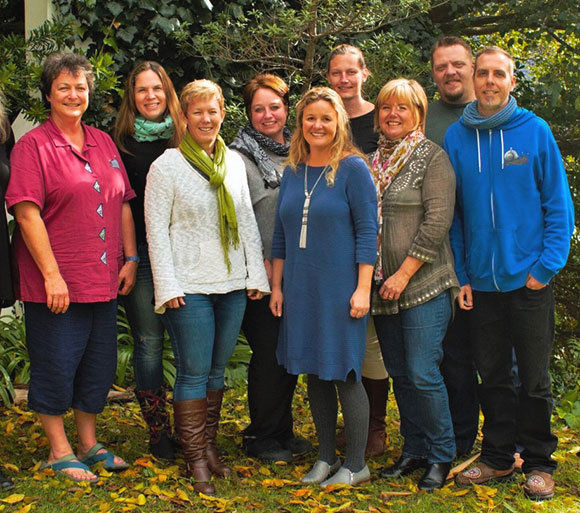
We can also plan you an affordable private group or tailor-made tour. We built our business on turning luxury travel into affordable travel.