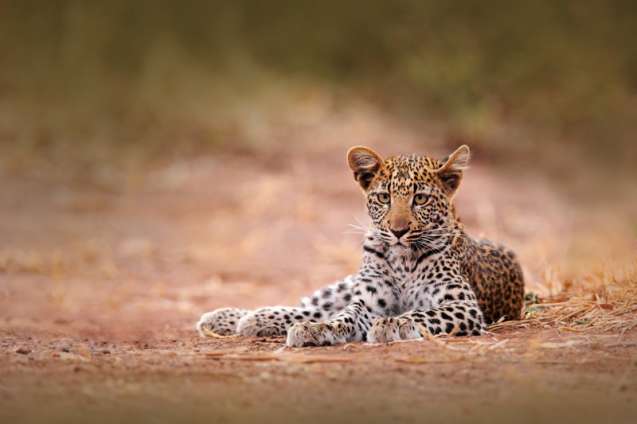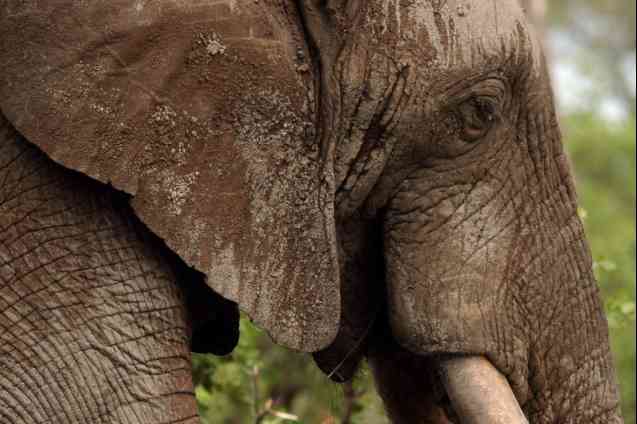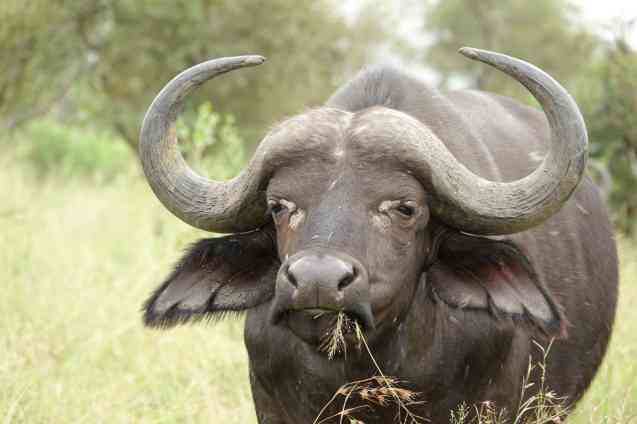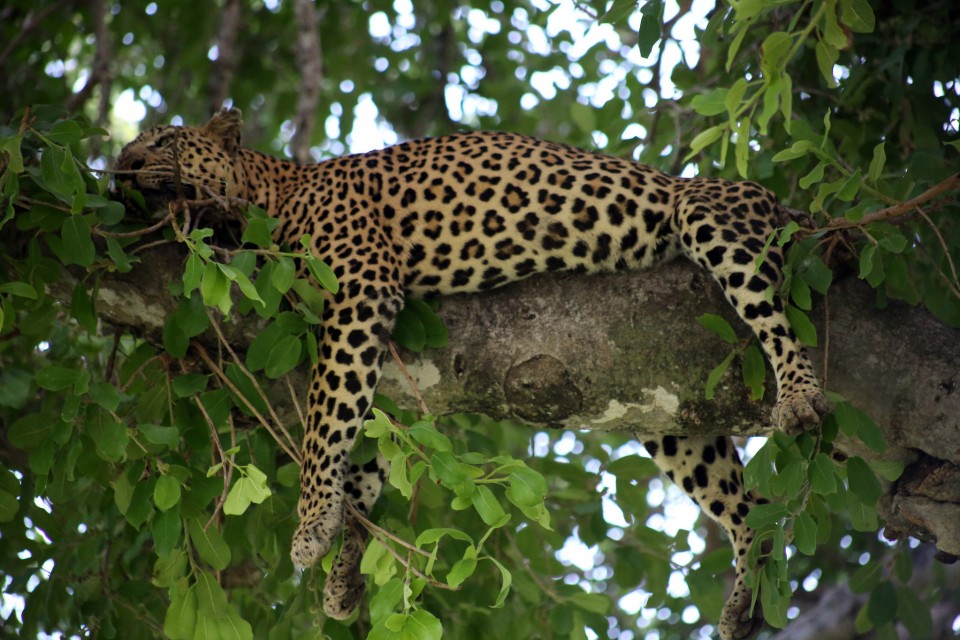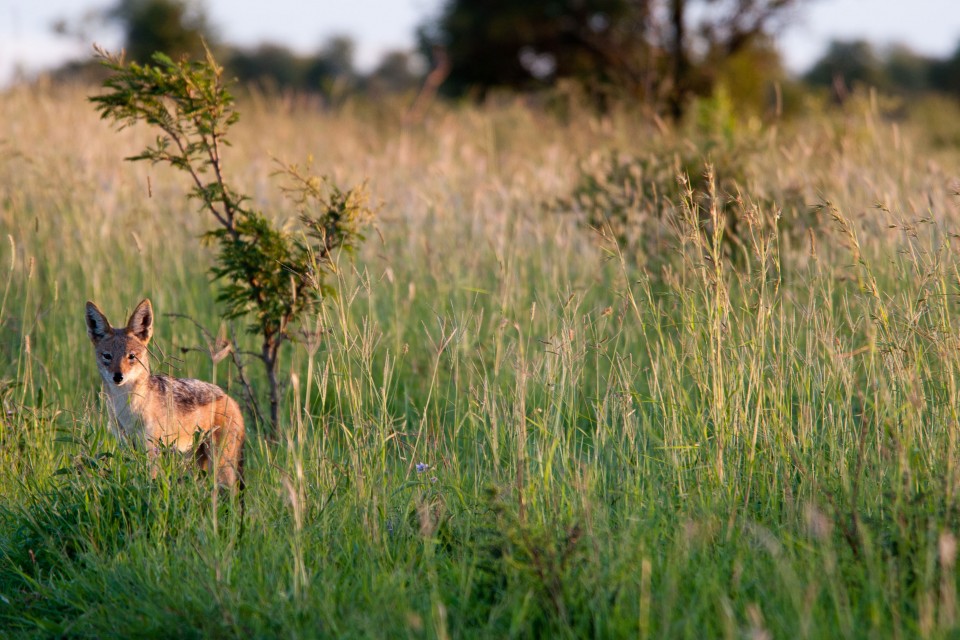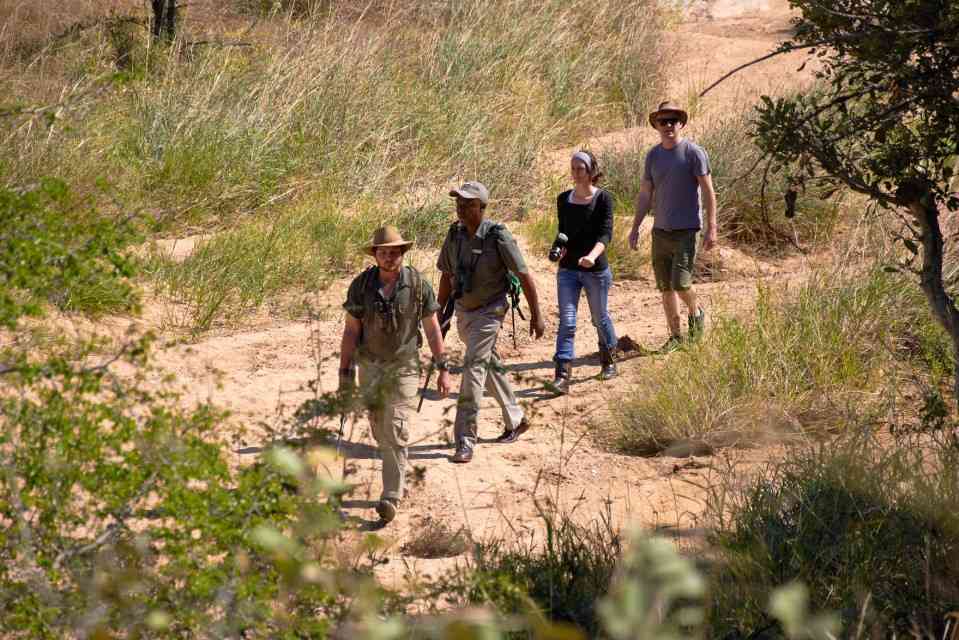
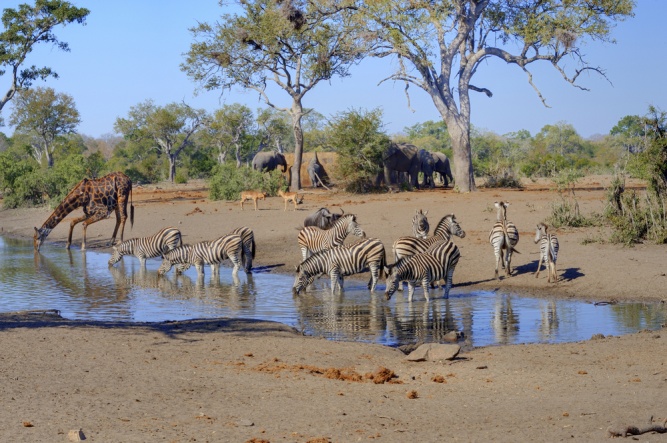
It goes without saying that there is nothing more thrilling than being out on a game drive in Kruger National Park and spotting a lion and its kill, or a herd of elephants making their way – perfectly in line – toward a river bed. What many people forget is that, at numerous waterholes, rivers, and dams throughout the national park, it’s also possible to sit quietly and watch as the animals come to you, rather than the other way around.
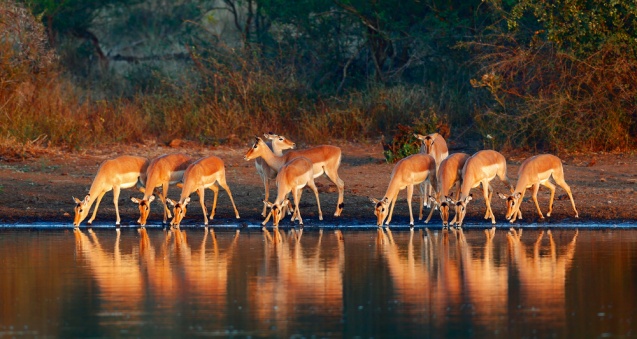
Here, we’ll list some of our favourite watering holes in Kruger National Park and the Greater Kruger National Park. Perfect spots to sit and observe the wildlife of Kruger, including some that are floodlit, offering incredible sightings of nocturnal animals as they go about the business of quenching their thirst. (And scoping out who else is quenching their thirst, and whether they’ll make a good dinner if you’re a lion!)
There have been moves in the last few years to remove the manmade waterholes in Kruger National Park so as not to disturb the area’s natural ecosystem (which is what makes Kruger so wonderful). Also remember that the waterholes can range from abundantly full – during summer, the rainy season – to completely dry – during winter. Before heading off excitedly to a waterhole, check with guides at camp to find out what’s happening, and where.
Situated on the S12 north-west of Satara, Girvana waterhole has offered up great wildlife sightings, including cats like lions and cheetah. Park your car, turn off the ignition, and don’t forget to scan the surrounding bush to see the shy guys waiting in the wings.

Right in the south of the park, take the S28 from Crocodile Bridge and turn off onto the S137. Watch out for white rhinos, who are often seen along this road. Duke Road, on the left, leads to Duke’s Waterhole. This area of Kruger National Park is known for cheetah sightings.

This dam is called the Sable Dam because it is one of the few places where the shy – and incredibly beautiful, with their spectacular horns – Sable Antelope is spotted. Situated on the S51 not far from the Phalaborwa Gate of Kruger National Park, there’s a sleepover hide here too, if you’re keen for an entirely immersive African bush experience!

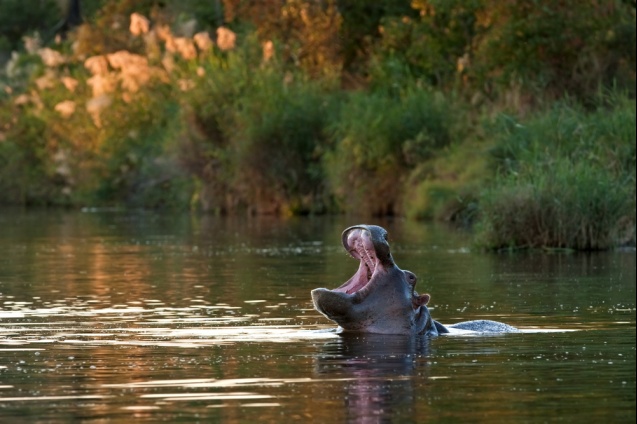
Along the S4 – Letaba River Road – which winds its way along the Letaba River, is Mingerhout Dam. This waterhole doesn’t (usually) dry up in winter, so it is the perfect spot during the dry winter months (see the Best Time to Visit Kruger Park for details). Herds of animals gather here to drink and there are usually hippos and crocodiles below the dam wall.
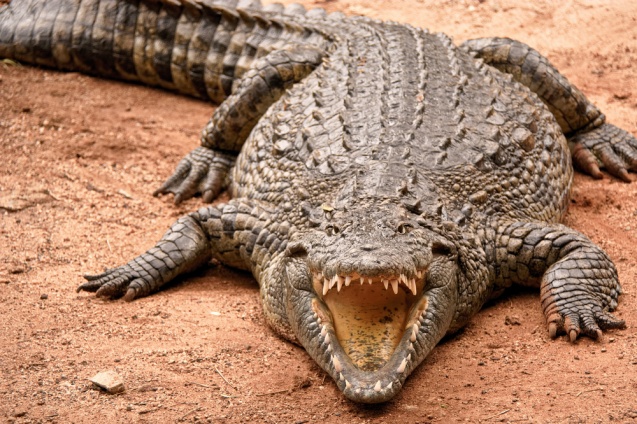
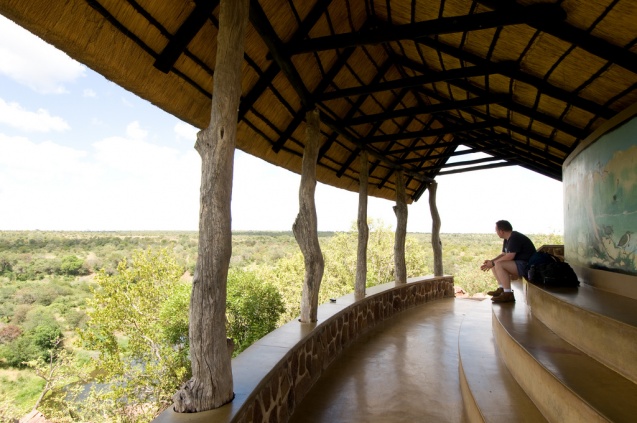
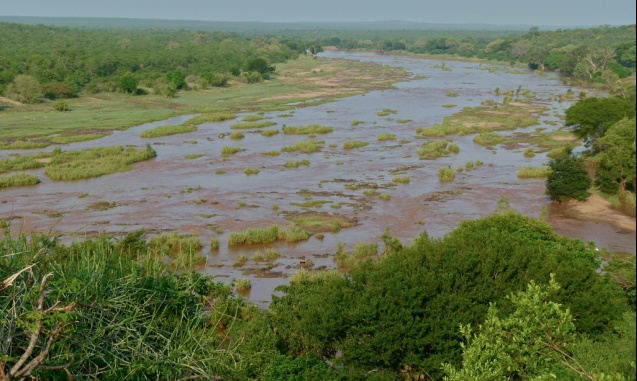
Kruger National Park covers almost 20 000 km2 of wilderness in South Africa. In other words, it’s huge and incorporates many different biomes and a number of rivers and dams. There are many fabulous lookout points on the rivers and it’s well worth stopping your car, turning off your engine, and spending some time watching the comings and goings.
At the end of the S27 on the banks of the Crocodile River in the south of Kruger Park, Hippo Pools is known for its – surprise! – hippo sightings. There is a get-out point here and the guard can show you the remnants of San art on the rocks, as a bonus cultural injection in your wildlife experience.
Perched up on a koppie overlooking the Sweni River, the views of the surrounding bush and mountains toward Mozambique are spectacular. If you’re lucky, you can watch wildlife in the river bed below as you eat your picnic lunch.
Slap-bang in the middle of Kruger National Park – the Olifants River not only divides the park into north and south, but is also the border between the Limpopo and Mpumalanga provinces – the 300 m-long bridge high above the Olifants River provides a spectacular ‘birds-eye’ view of the river below. And the animals drinking, bathing and frolicking there.
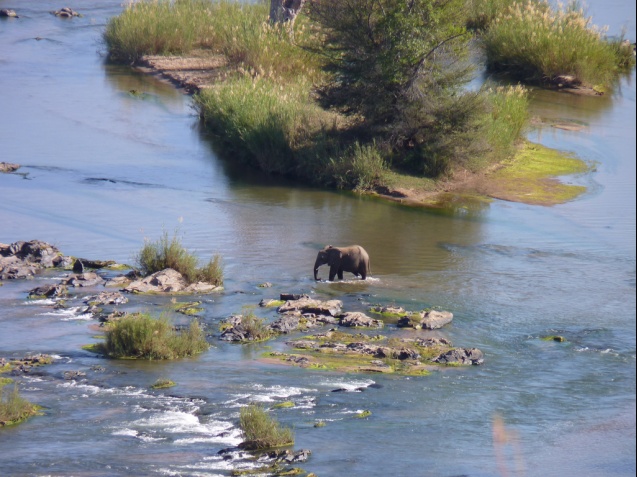
Speaking of the Olifants River, mention needs to be made of Olifants Camp, perched high up on a hill with sweeping views over the river. Here, you can sit on your veranda (aim for bungalows 1 to 14 and 106 to 111 for river views) with a pair of binoculars and watch hippos wallow, crocs bask and an array of animals come to drink.
If you’re not in a river-facing bungalow, fear not, the camp’s restaurant has a great viewing deck over the river below. Also, under 10 km from camp is N’wamanzi Lookout which has equally incredible views down to the river.
For more game-viewing tips see our Big Kruger Game Viewing Guide.
Some campsites in Kruger National Park have floodlit water holes. Bundle up warmly, put some hot chocolate in a flask, and take a seat. This is a show like no other you’ve ever experienced as the nocturnal creatures come down to drink (and sometimes hunt) to the soundtrack of the African night under a starry sky. Truly magical.

Several private, luxury camps in Greater Kruger National Park are built with their main areas and/or chalets overlooking waterholes. It’s hard to beat sitting on the deck drinking your morning tea while a herd of elephants take their morning shower in the waterhole in front of you!
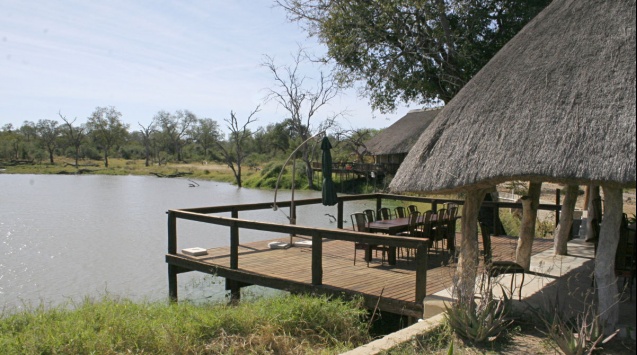
Built on a large waterhole, the main deck and some of the suites at Arathusa offer views across the water. Eat your breakfast on the breakfast deck right on the water and watch as the animals come down to drink and hippos float about lazily.
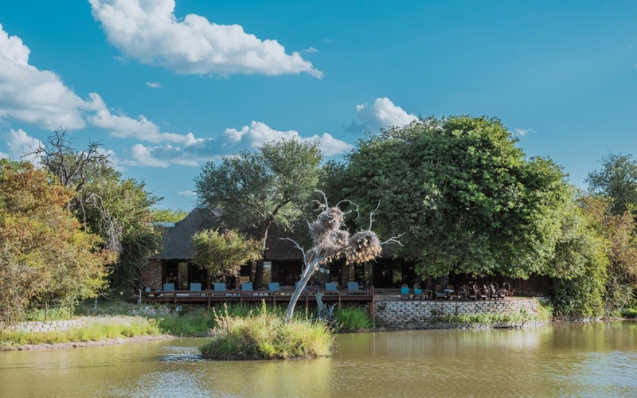
Here, too, the breakfast and lunch area overlooks the waterhole and there’s the perfect deck on which to spend afternoons. Take your binoculars and marvel at the birds- and wildlife.
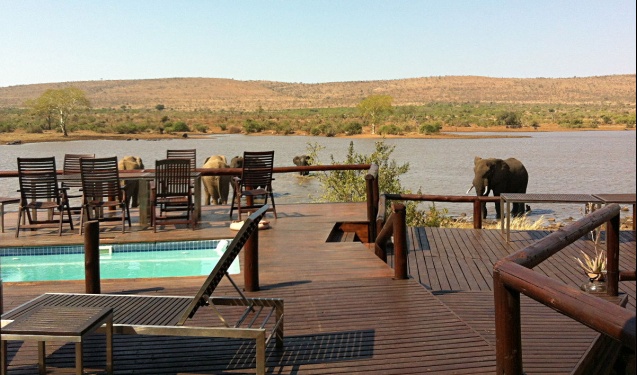
Built on the shore of Mpanamana Dam, this camp is named after Shawu, the elephant bull who roamed these hills for 60 years. He was one of the ‘Magnificent Seven’ and had the largest tusks recorded in South Africa. Take a swim in the pool on the deck overlooking the dam and then take a seat and watch Shawu’s descendants drink and frolic in the dam.
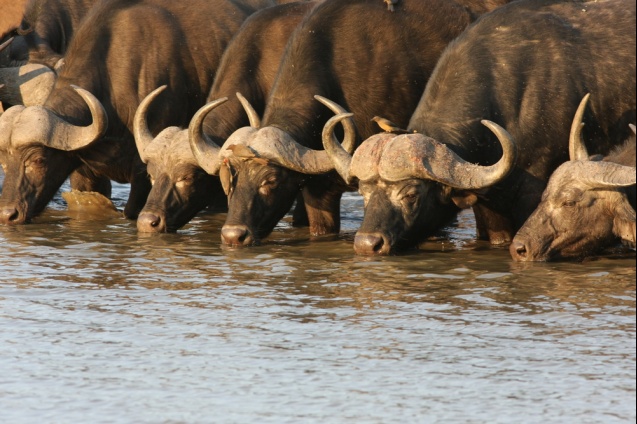
If you want to get some insight into what goes on at the waterholes in Kruger National Park, check out the Sanparks Webcams at Orpen and Satara.
View our Budget Kruger National Park Safaris or browse upcoming Kruger safari tours departing from Johannesburg.
Explore these destinations mentioned in this post.
Below you'll find further reading and articles related or similar to this post.




Call us toll free from US/Canada on 1-888-414-6513, or from the UK on 0-808-189-1052. All other countries can contact us on +27 21 791 0878.
© 2026 African Budget Safaris | Privacy | Terms | Cookie Policy | Consent Preferences