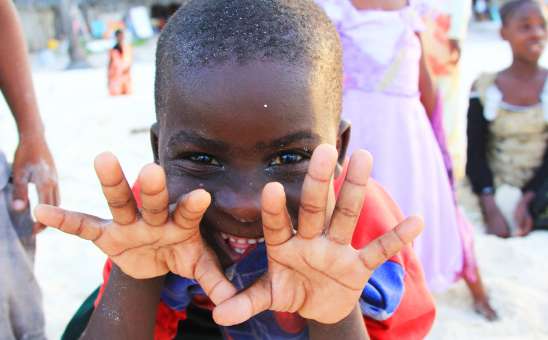
Ethiopia is a country like no other. With a rich history, deeply spiritual traditions, and remarkable landscapes with endemic wildlife, Ethiopia offers a rare safari experience for the intrepid adventurer.
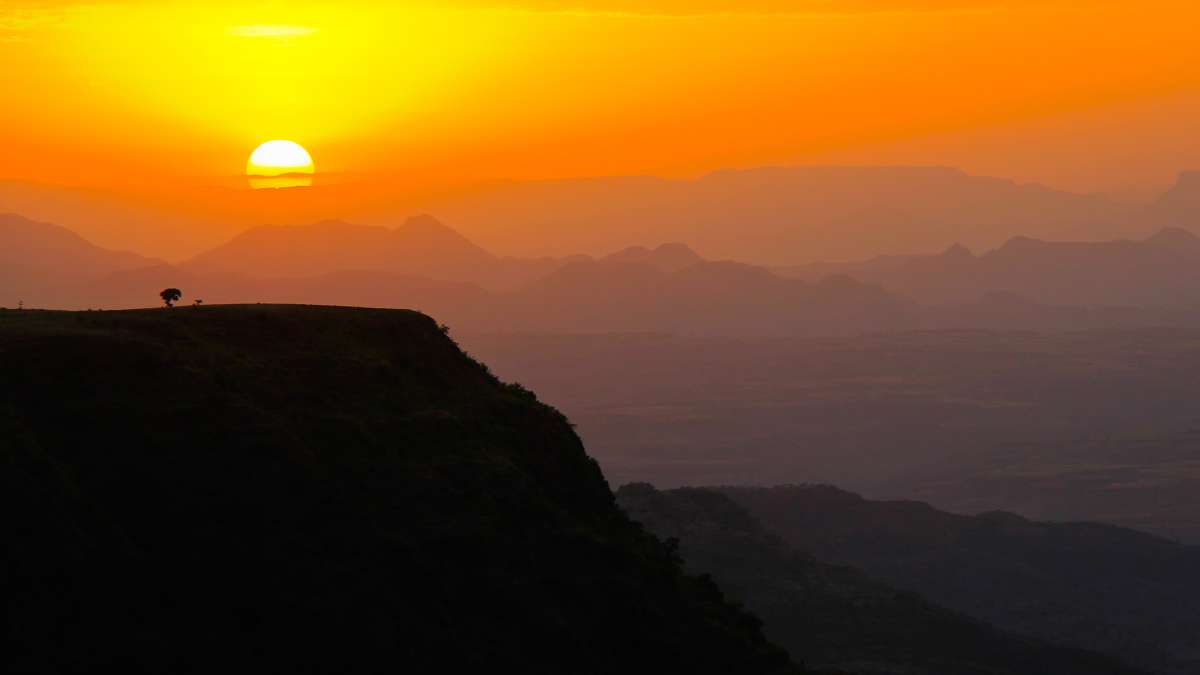
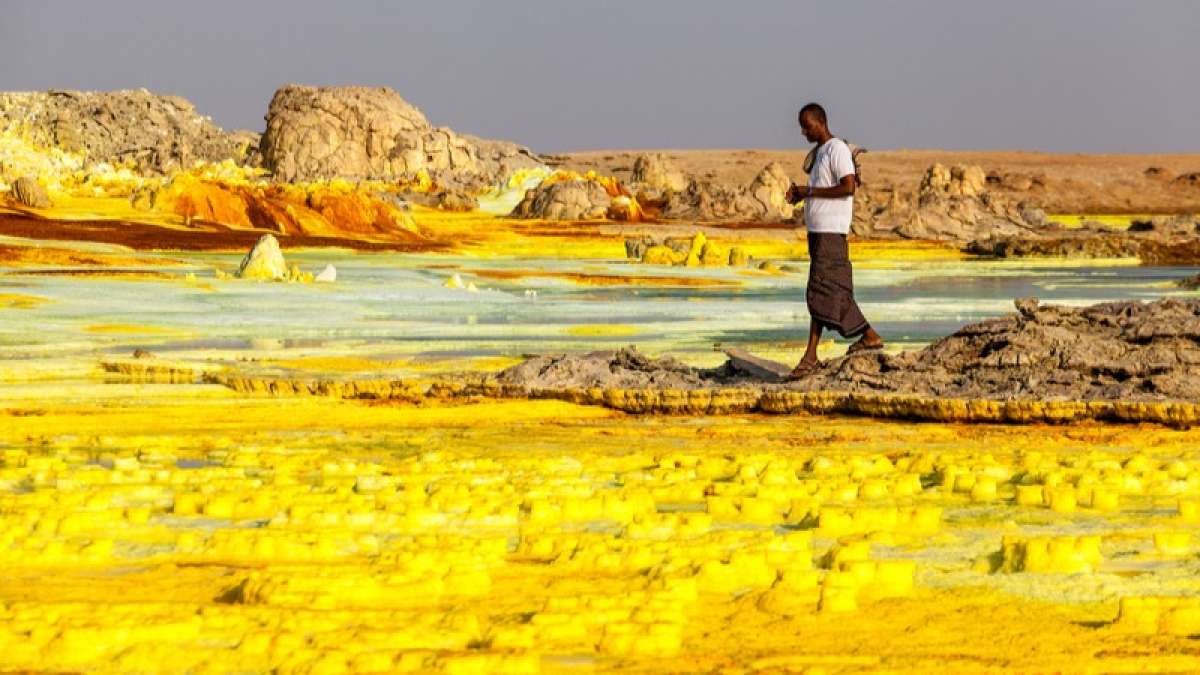
The landscapes range from the sublime to the surreal. While the Danakil Depression offers unreal colours in one of the hottest places on earth, the highland playgrounds of the Bale and Simien Mountains are cool expanses criss-crossed with hiking trails. In the far south, the Great Rift Valley opens up to natural scenic beauty and alkaline lakes.
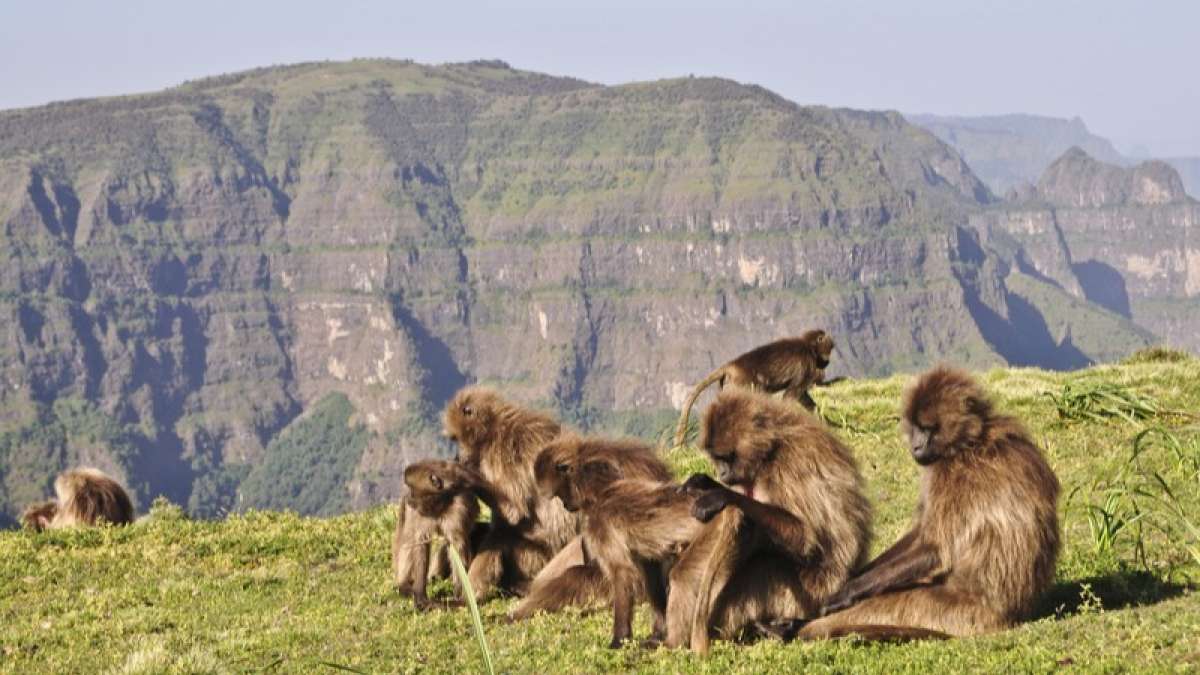
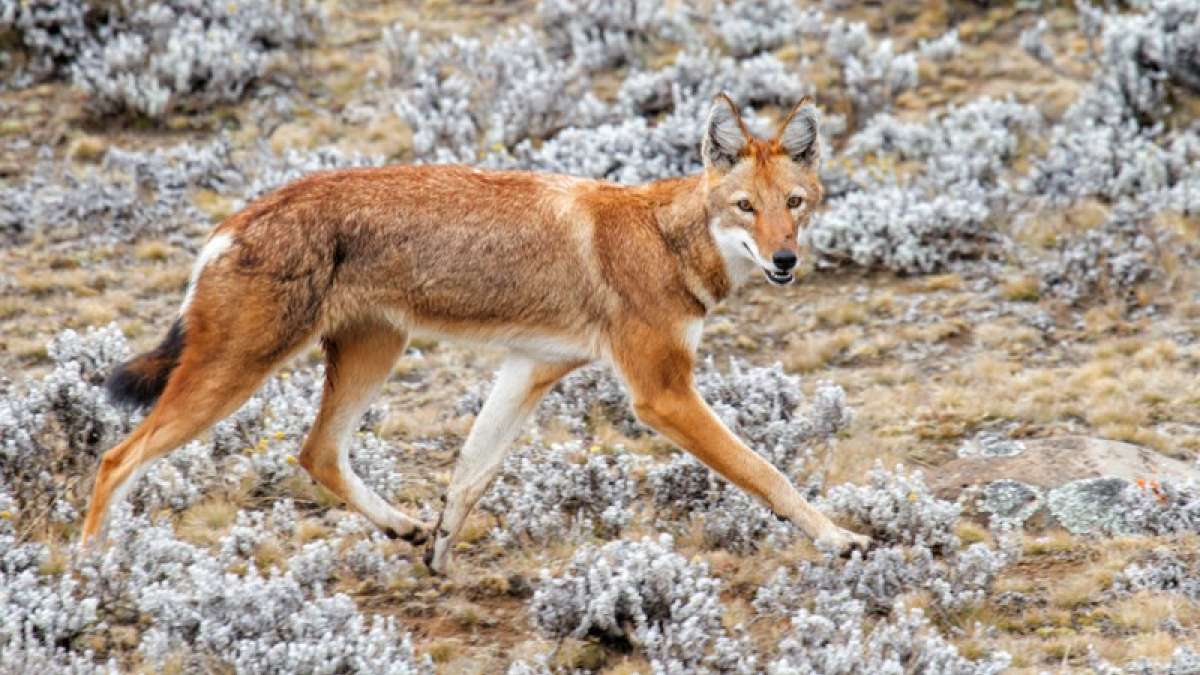
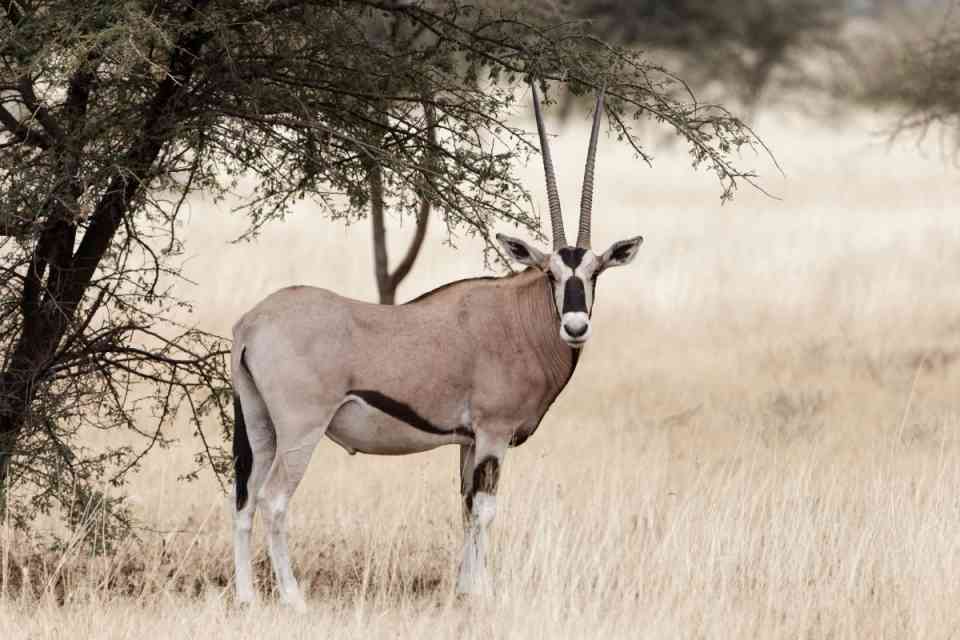
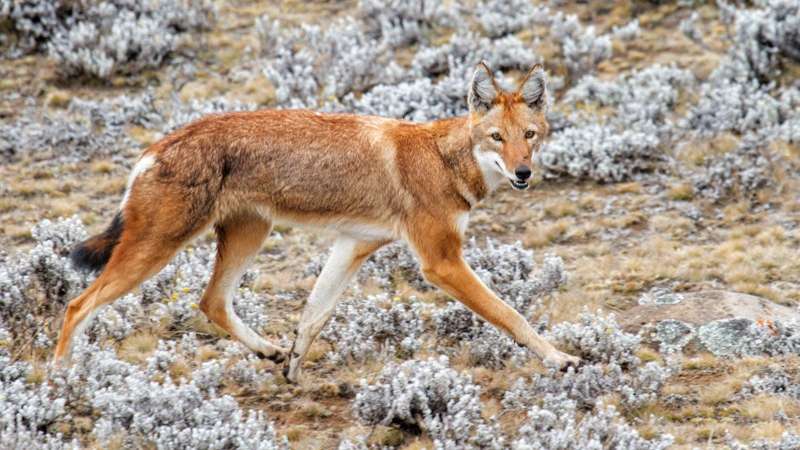
Ethiopia is not a classical African safari destination. It is, however, home to rare wildlife found nowhere else in the world. Endemic species include the Ethiopian wolf, the Gelada monkey, and the Walia ibex.
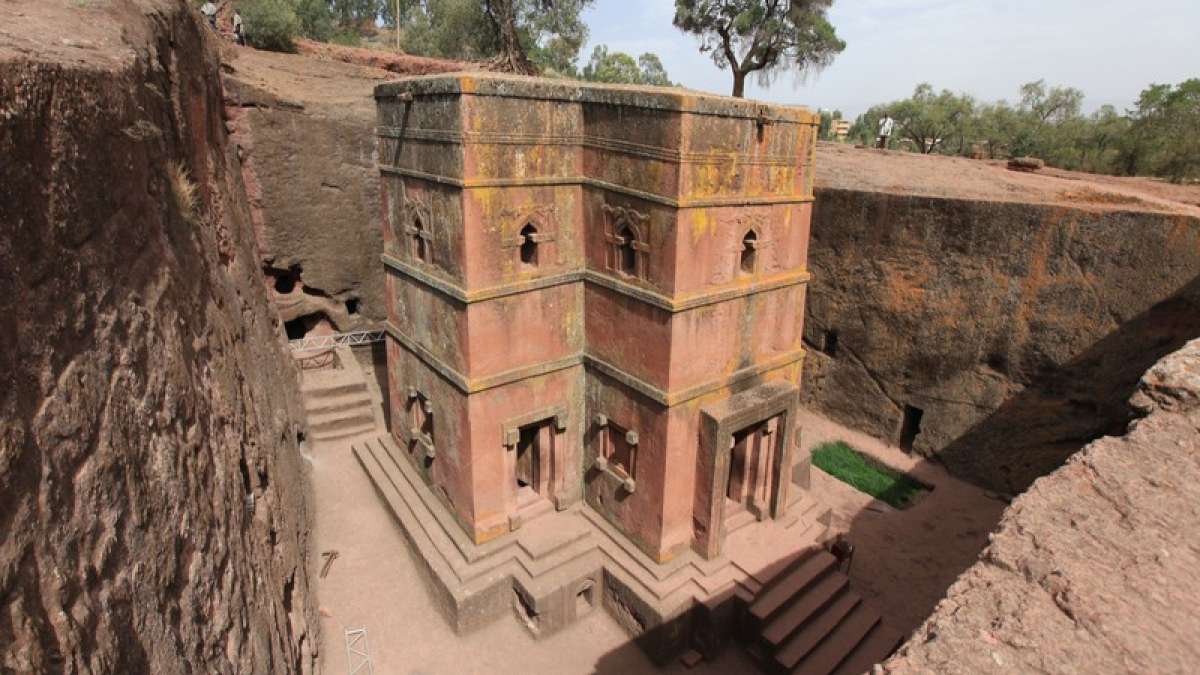
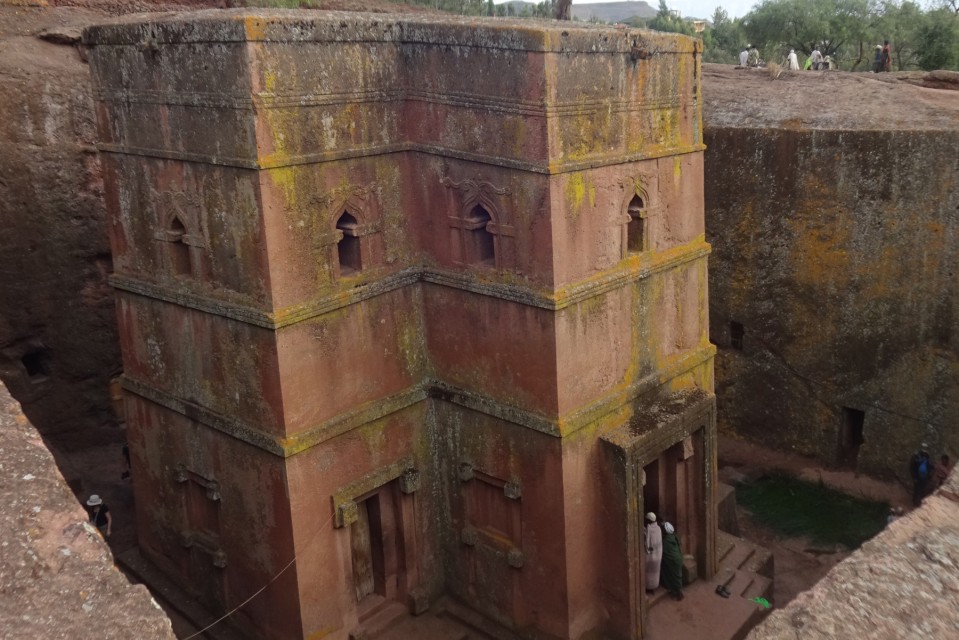
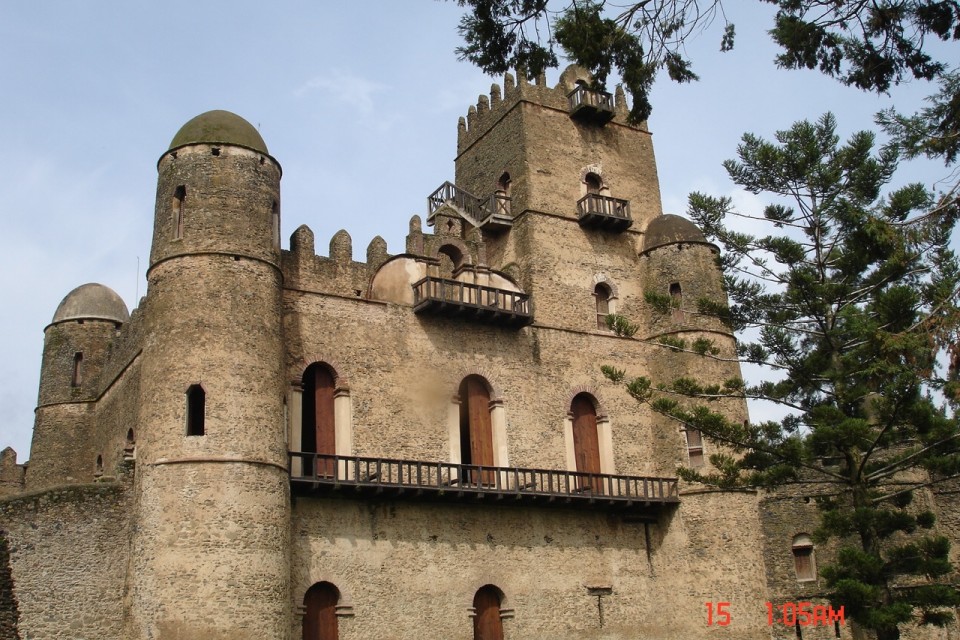
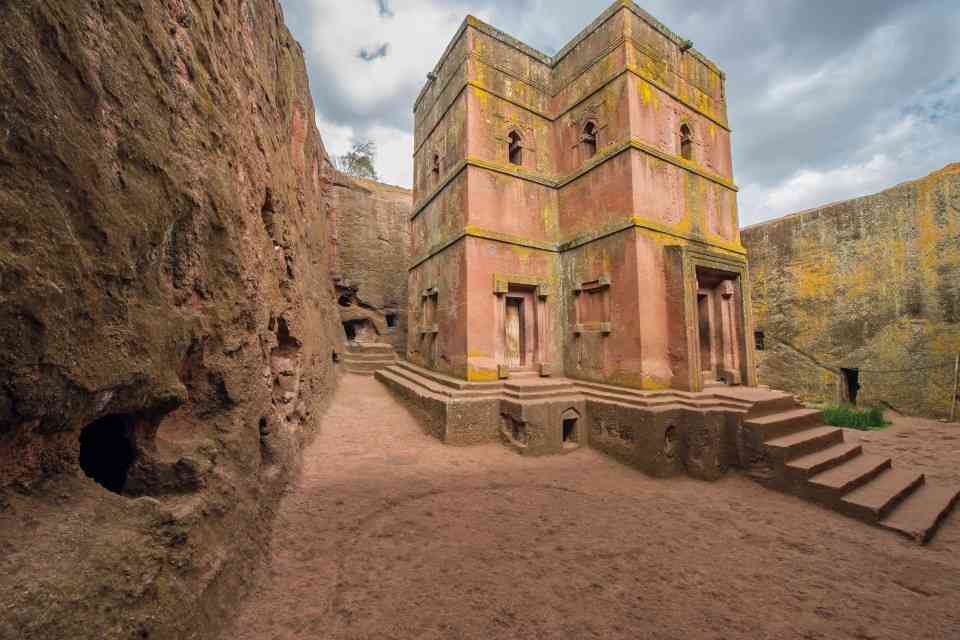
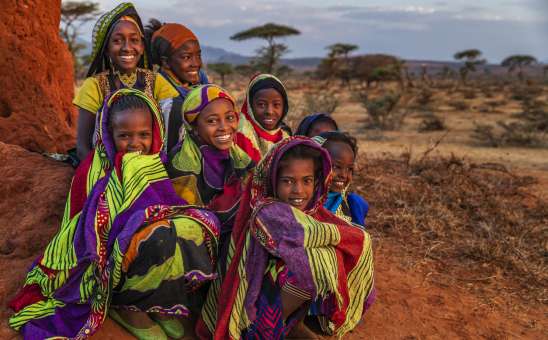
In Ethiopia, Vibrant culture and tradition coexist with a rich past. Ethiopia is a living museum, from the historic rock-hewn churches of Lalibela and the castles of Gondar to the fabled house of the Queen of Sheba in Axum. Visiting the tribes of the lower Omo Valley is like stepping into a different dimension.
Blessed with 11 UNESCO World Heritage Sites, spectacular festivals like Timkat and Meskel, and a deep sense of timelessness and tradition, Ethiopia offers a travel experience that is unique in Africa.
Despite its growing popularity, Ethiopia retains an off-the-beaten-track feel that adventurous travellers love.
Not a typical safari destination, Ethiopia’s wildlife is unique.
Bucket list animals include the endemic Ethiopian wolf, Walia ibex, elegant mountain nyala, and Swayne's hartebeest.
Ethiopia boasts exceptional primate diversity. Find striking golden-maned gelada monkeys in the Simien Mountains, the rare hamadryas baboon found alongside olive baboons in Awash National Park, and the agile black-and-white guereza monkey.
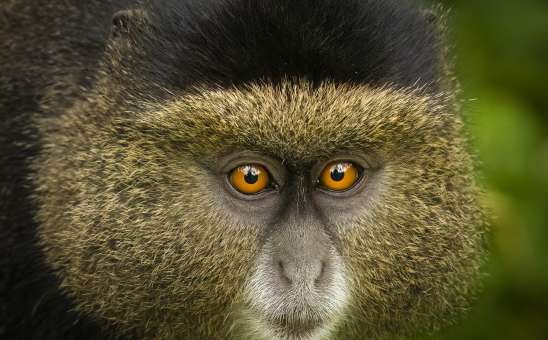
The Bale Mountains National Park is home to another endemic species, the elusive Bale monkey.
For more pedestrian sightings, Lake Tana provides opportunities for observing hippos, and Nechisar National Park is known for its massive crocodiles.
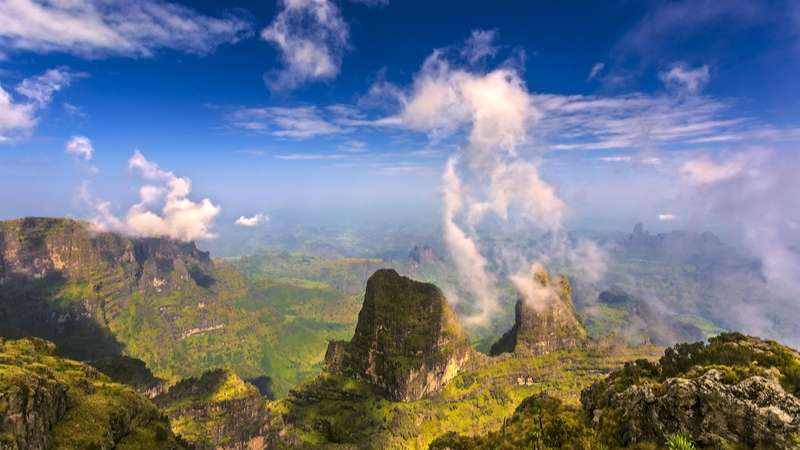
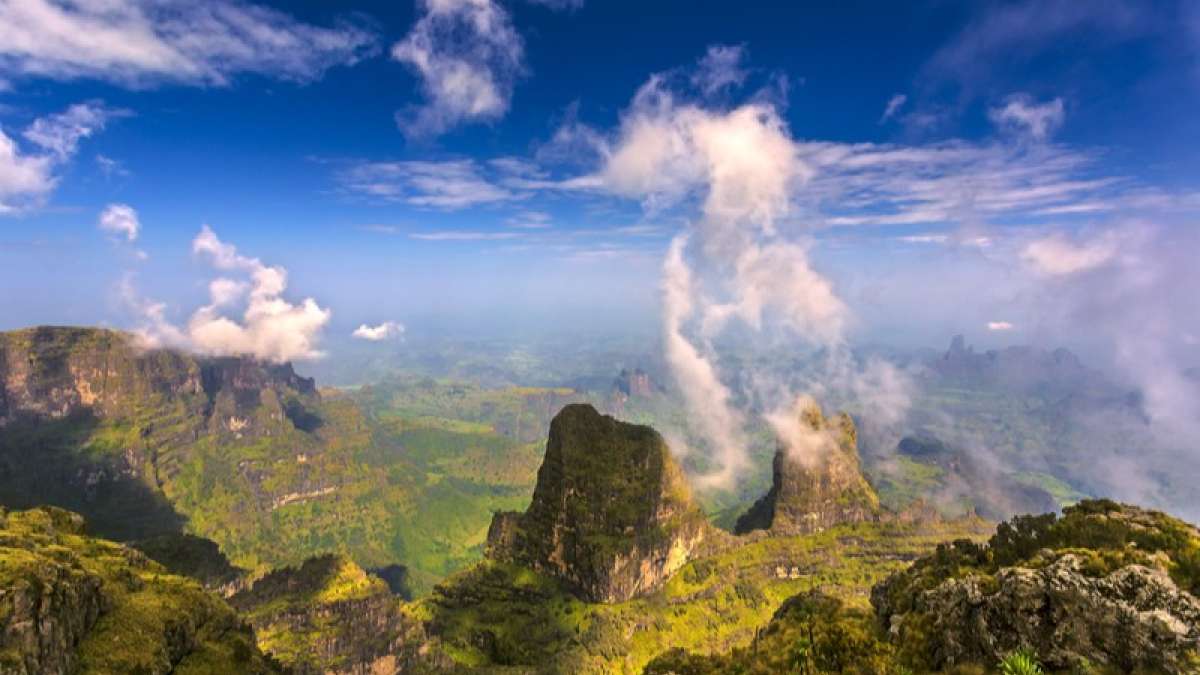
Ethiopia’s dramatic landscapes range from rugged peaks to otherworldly deserts and lush valleys.
The Simien Mountains astound visitors with their jagged cliffs and deep gorges, while the Bale Mountains offer lush forests, moorlands, and abundant wildlife.
The Danakil Depression captivates with surreal volcanic features, vibrant salt flats, and bubbling lava lakes.
Lake Tana, Ethiopia’s largest lake, provides tranquil beauty, dotted with island monasteries and abundant birdlife.
To the south, the Great Rift Valley showcases shimmering lakes and volcanic hills, transitioning seamlessly into the southern highlands—an area renowned for its rolling green hills, fertile valleys, and rich cultural diversity.
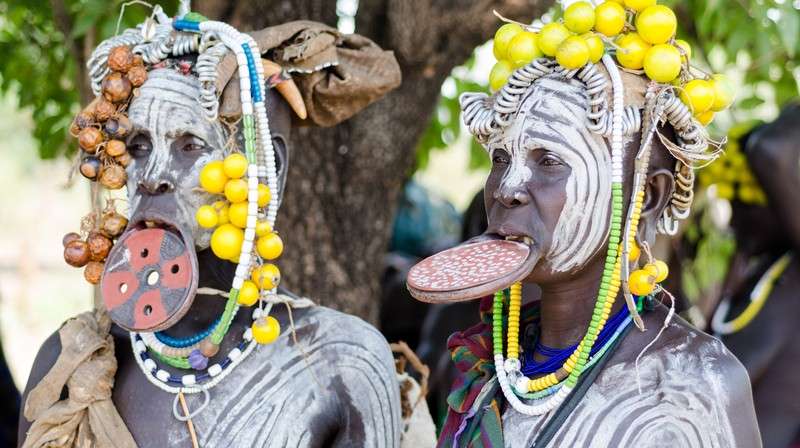
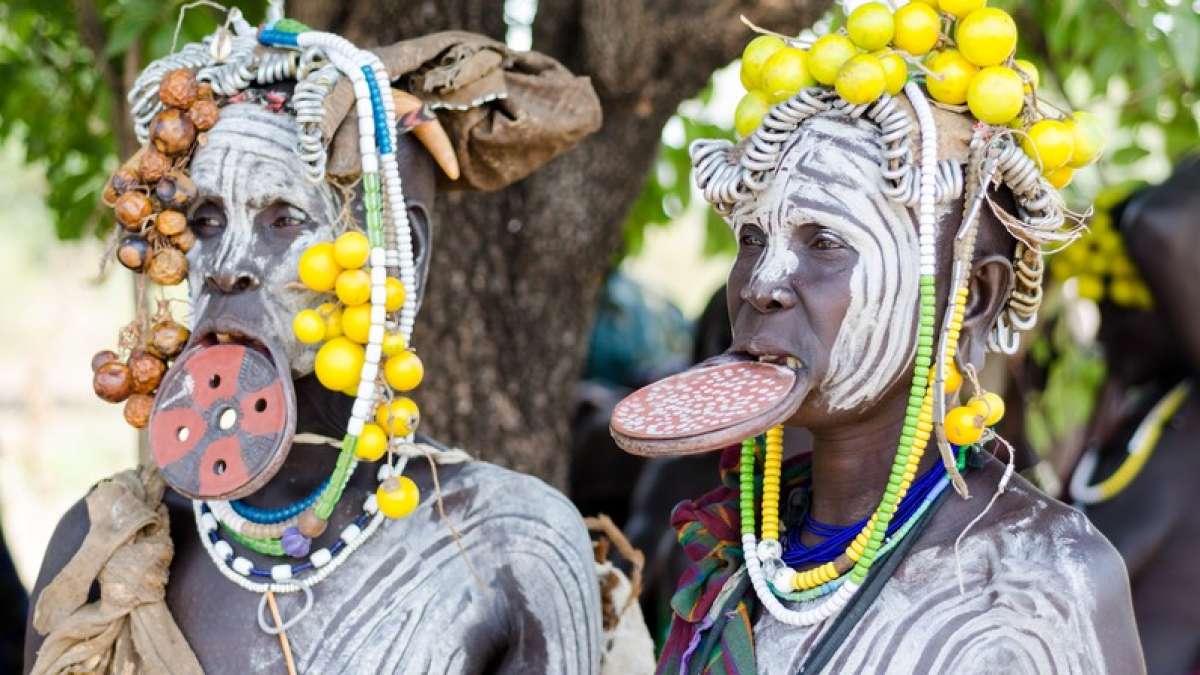
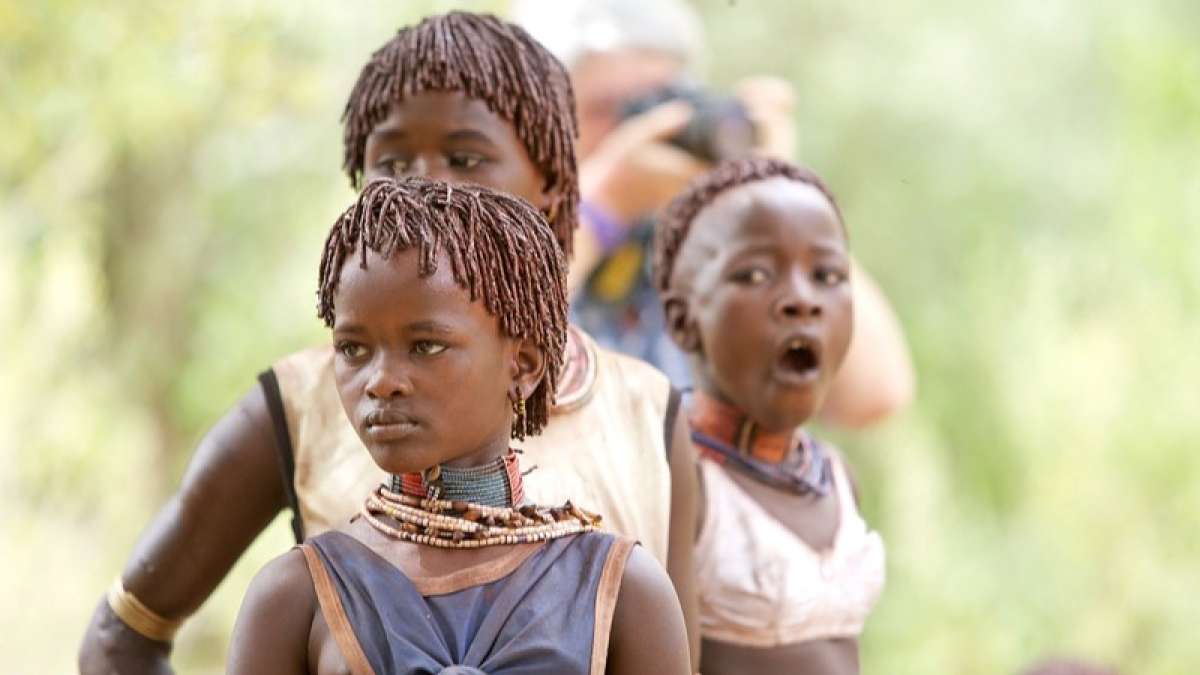
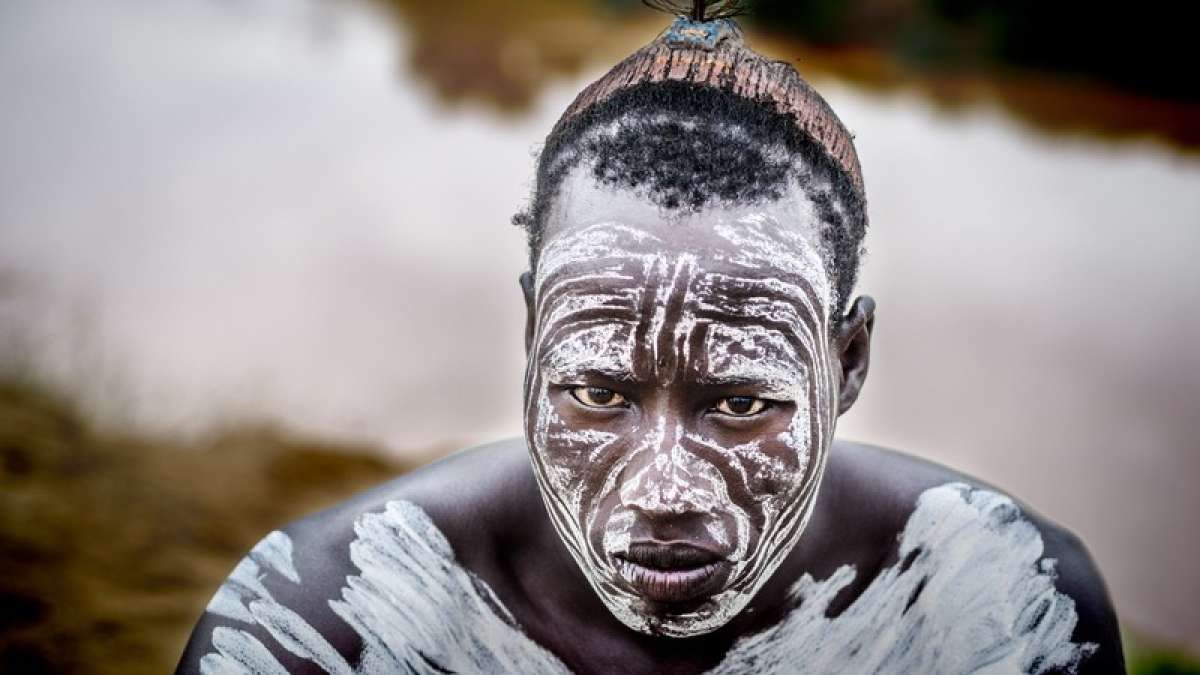
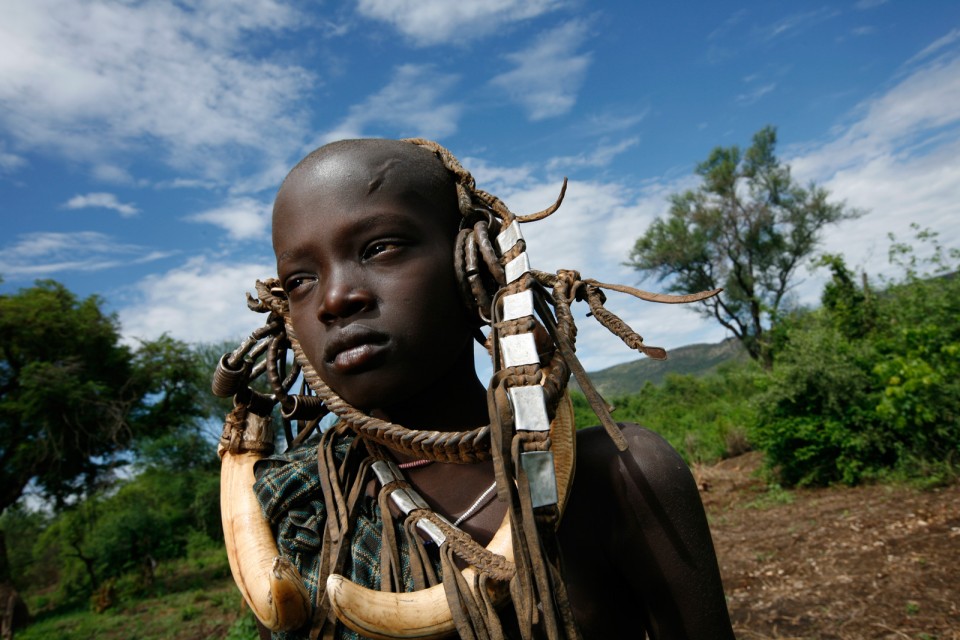
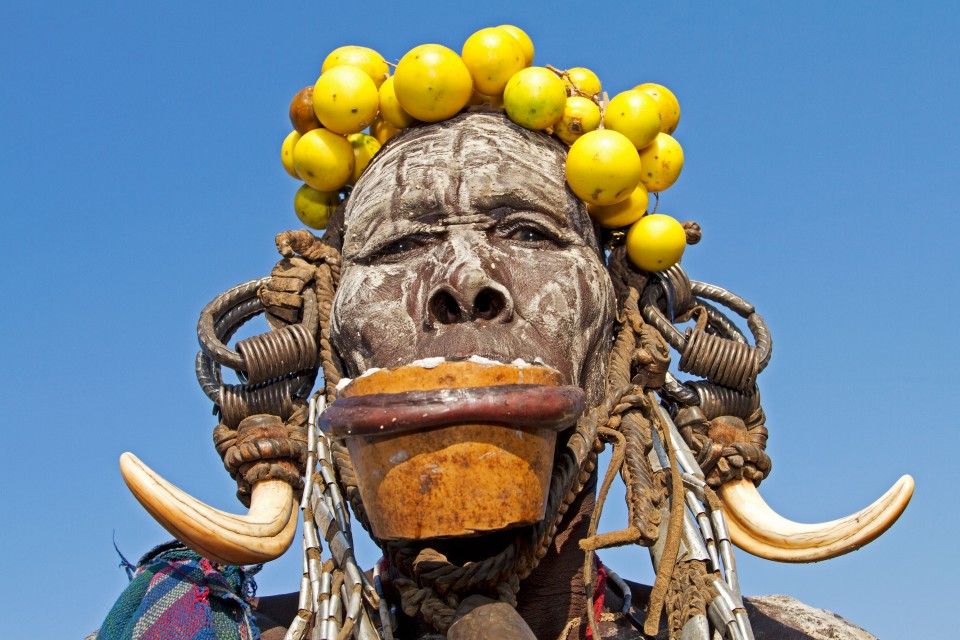
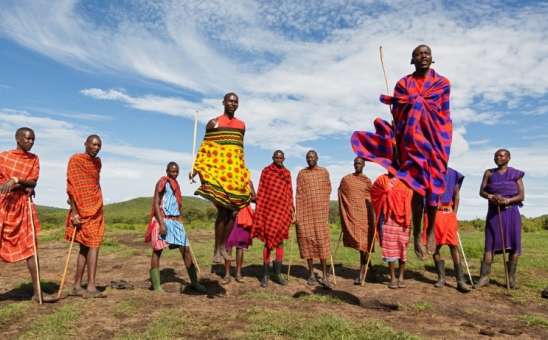
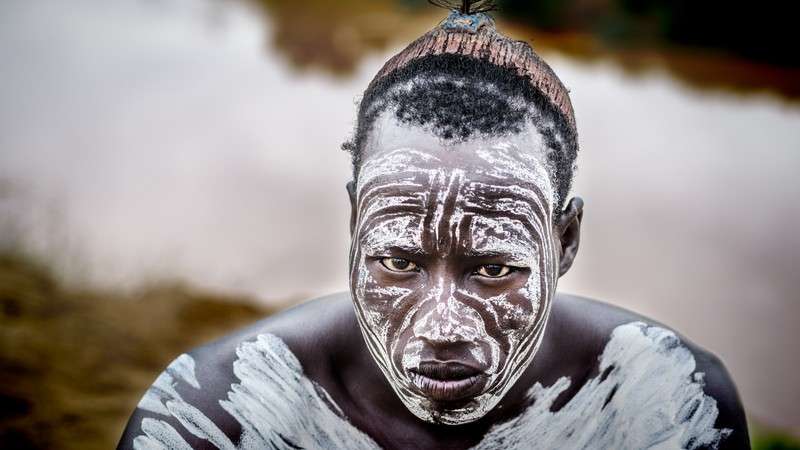
The Omo Valley is recognised as a UNESCO World Heritage Site, with human occupation dating back over 2.5 million years. This scenic region is home to eight distinct tribes, including the Hamer, Mursi, Karo, and Dassanech.
Largely untouched by the trappings of the modern world, tours to the Omo Valley focus on ethical and meaningful engagement with these fascinating cultures. The customs of these people remain largely untouched by modern life, offering a truly unique experience..
Framed by mountains, lakes, and forests within Mago, Omo, and Nech Sar National Parks, visiting the Omo Valley tribes is a bucket list destination for travellers looking for unusual experiences and cultural exchange.
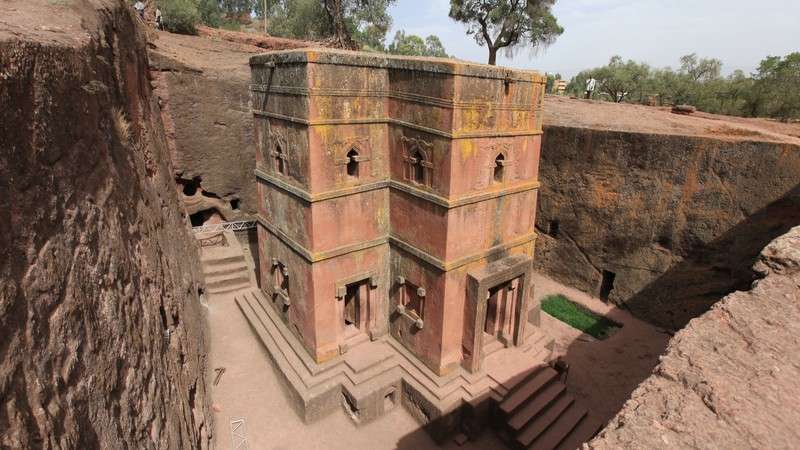
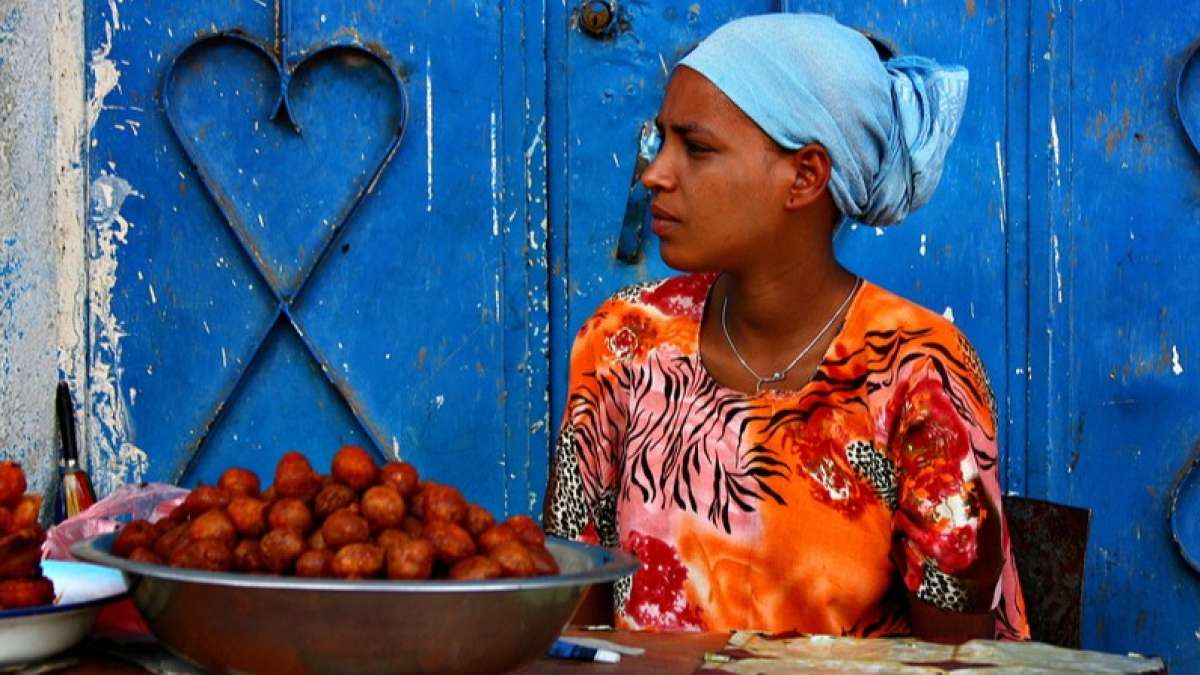
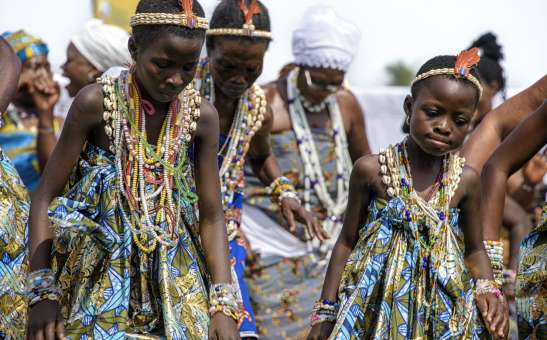
Ethiopia is a deeply spiritual place, with a vibrant living culture. Lucky visitors will experience this culture by visiting Ethiopia’s historic sites and festivals.
Amongst Ethiopia’s most impressive sites are the 12th-century rock-hewn churches of Lalibela, the ancient seat of a powerful empire, and home of the Ark of the Covenant at Axum, the “Camelot of Africa”, the 17th-century castles at Gondar, and the serene monasteries on Lake Tana at Bahir Dar.
For a contemporary take on Ethiopia, Addis Ababa is a dynamic city that, in addition to a vibrant contemporary art scene, also houses the National Museum and the bustling Merkato.
The best way to experience Ethiopia’s living culture is through its festivals. In January, Timkat (Epiphany) and Genna (Ethiopian Christmas) feature dramatic processions and mass baptisms, while Lalibela blends spirituality with celebration. In September, Enkutatash marks the New Year with joyful gatherings, and Meskel commemorates the discovery of the True Cross with massive bonfires in Meskel Square.
Ethiopia’s historic sites and living traditions set it apart as a travel destination.
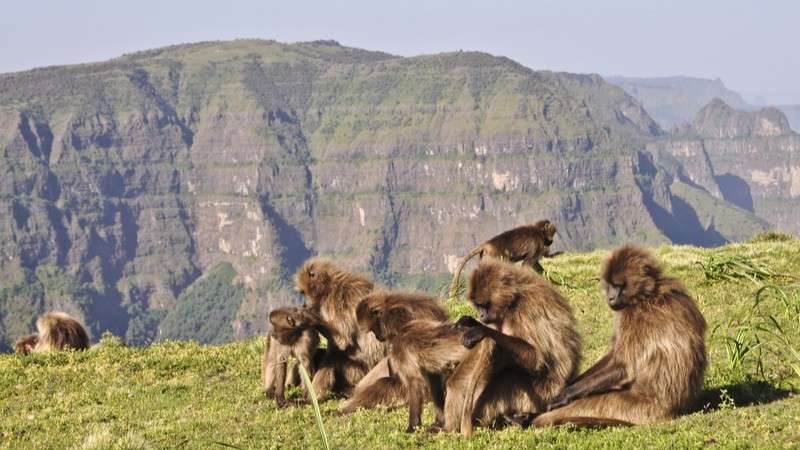
Ethiopia is a hiker’s paradise.
Some of Africa’s most dramatic trekking routes are found in the rugged Simien Mountains, where hikers traverse spectacular ridges and deep gorges. These mountains are also home to endemic Gelada monkeys and the Walia ibex.
Further south, the Bale Mountains National Park invites trekkers into lush cloud forests, alpine moorlands, and expansive plateaus. The trails wind through the prime habitats of the rare Ethiopian wolf, giving trekkers opportunities to spot this elusive predator.
Whether exploring Simien’s dramatic vistas or Bale’s pristine wilderness, walking Ethiopia’s trails reveals landscapes and wildlife found nowhere else on Earth.
Planning an Ethiopian safari can be both exciting and overwhelming.
Ethiopia is not considered to be a cheap African safari destination, as the size of the country means travel by domestic airline is the most effective.
At African Budget Safaris, our experienced team specialises in creating affordable, tailor-made adventures to match our client's budgets.
From the rock-hewn churches of Lalibela to the ancient ruins of Axum, the vibrant tribes of the Omo Valley, or the soaring heights of the Simien Mountains, our team is here to help you every step of the way.
Talk to one of our African experts, and start planning your Ethiopia safari today.
The best time to visit Ethiopia on safari is during the dry season from October to June. These are the best months for outdoor activities and exploring.
January is the peak Ethiopian safari season.
During this time, the weather is warm and dry. Ethiopian Christmas, Leddet/Genna, and Timket all take place in January, making it a busy but exciting time to visit to experience Ethiopia’s larger festivals.
February is one of Ethiopia’s warmest months, with comfortable temperatures in the highland areas. This is an excellent time for exploring the Simien and Bale Mountains to take advantage of their excellent hiking trails. This is, however, a busy month, and bookings should be made well in advance.
In March, the weather remains warm and dry, and trekking is still excellent. In the lower Omo Valley, the Hamar host the famous Ukuli Bula, bull-jumping ceremony.
In April, the rains start to fall intermittently. The weather remains predominantly dry. but it is still largely dry. At Lalibela, pilgrims begin to arrive for the Orthodox Easter, Fasika.
In May, the rains begin in earnest and visits to places like the Omo Valley become difficult with washed-out roads and flooding streams. The Northern Circuit to Bahir Dar, Lalibela, and Gondar is drier at this time. Much of the country erupts in wildflowers, making May a particularly pretty month to visit.
The rainy season officially begins in June. Trekking in Highland destinations like the Bale Mountains and the Simien Mountains is possible but unpleasant. The temperatures in the Danakil Depression reach their peak, and it is ill-advised to visit at this time.
Heavy rains in July make this an unpopular travel month in Ethiopia. It is still possible to visit the Omo Valley and the Gheralta Mountains, but highland destinations are washed out.
Early August is considered to be the worst time for an Ethiopian safari due to extremely heavy rain. As September draws closer, the rains begin to subside, and flowers come out in full bloom. The end of August, despite difficult logistics, can be a rewarding time to travel.
September is a quieter, shoulder season month. The country is lush, and flowers continue to bloom. Although rain may fall, it is significantly less than in previous months. September is an excellent month for experiencing Ethiopia’s fantastic festivals of Meskel and Enkutatash, the Ethiopian New Year.
The high tourist season begins in October. Still green from the rains in the previous months, Ethiopia is scenic, and the weather is pleasant. Hiking in the Simien Mountains is particularly good in October with excellent weather and abundant flowers.
November is a good month for seeing endemic wildlife like the Ethiopian wolf and Walia Ibex. Many migratory birds begin to arrive in November, and in the Danakil Depression, temperatures drop and become more comfortable.
December is another good month to explore the Danakil Depression. The weather in December is dry with clear skies. Trekking in the Simien Mountains is excellent in December, and it is a good month to visit the Omo Valley tribes, as there is little to no rain.
Ethiopia’s most popular tours offer a mix of history, culture, wildlife, and dramatic scenery. Our most popular Ethiopia packages range from 6 to 16 days and visit cultural gems like the Omo Valley, Lalibela, and Gondar, as well as wildlife hotspots like Awash, the Simien, and Bale Mountain reserves. These are African Budget Safaris' most popular Ethiopian safari packages.




Call us toll free from US/Canada on 1-888-414-6513, or from the UK on 0-808-189-1052. All other countries can contact us on +27 21 791 0878.
© 2026 African Budget Safaris | Privacy | Terms | Cookie Policy | Consent Preferences