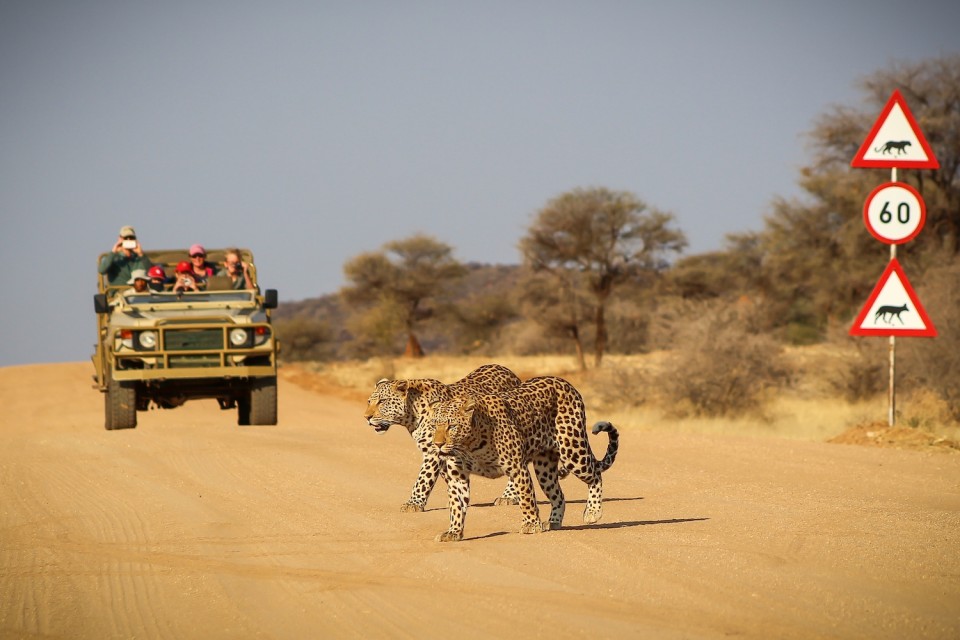

This 7-day Nambia Camping Safari is the perfect way to explore Northern Namibia's highlights. Enjoy wildlife adventures in the Okonjima Nature Reserve and Etosha National Park before experiencing the rich African culture of the traditional Himba tribe. Then, visit Namibia’s Skeleton Coast and Cape Cross before heading to Swakopmund, Namibia’s adventure capital.
Discover the unique landscapes, wildlife, and cultures of Namibia on this affordable Namibia Safari Tour, starting and ending in Windhoek.
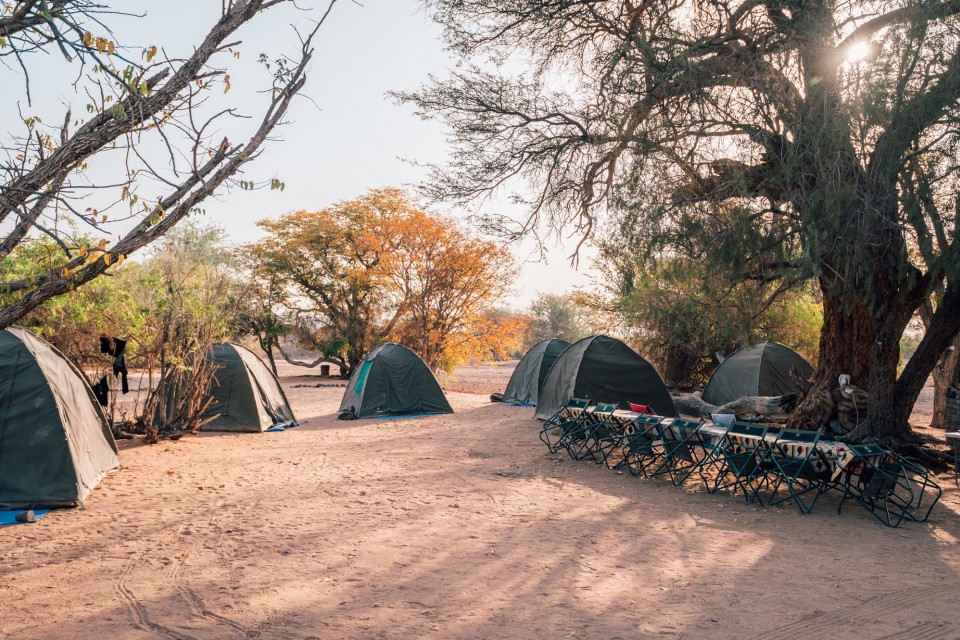
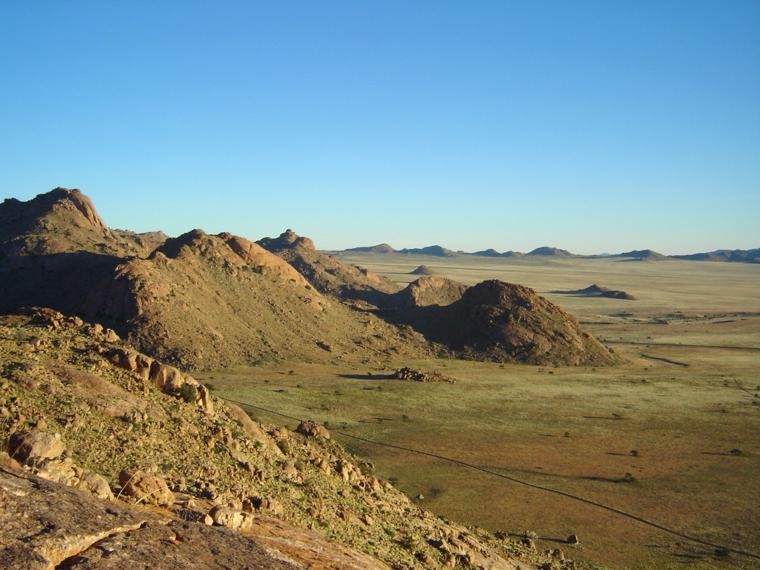


You will be collected from your accommodation in Windhoek city at 7:15 and driven to a backpackers lodge in Windhoek for a short pre-tour meeting. From here we start our 6-day Namibia Camping Safari adventure heading north towards Okonjati Nature Reserve. Along the way, we will stop in the small town of Okahandja to visit the Mbangura Woodcarver’s Craft Market hosting the largest collection of wood carvings in Namibia. Here, craftsmen from across Namibia showcase their beautiful creations, large and small. At the market, you can choose an authentic Namibian souvenir whilst supporting the local artists and communities.
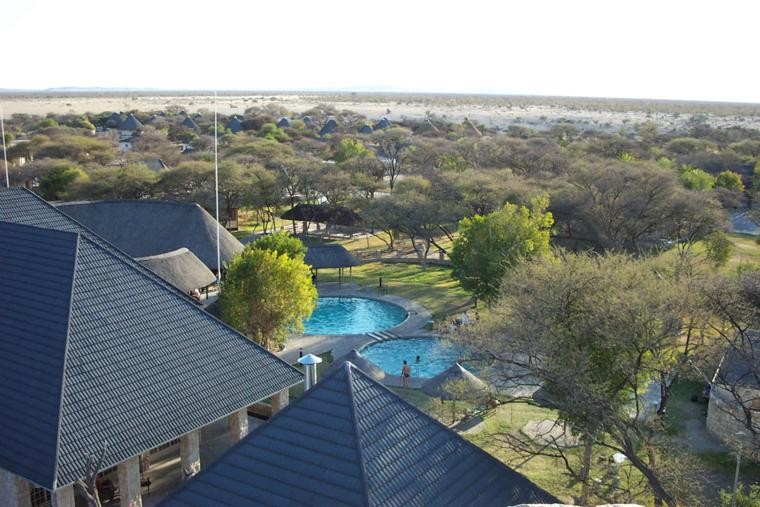
We move on to our overnight camp at Mt. Etjo, located next to the private Okonjati Game Reserve. After setting up our camp and enjoying lunch we’ll drive to the nearby lodge to explore the gardens and have a refreshing swim in the pool. The Mount Etjo Safari Lodge, built in attractive Moroccan style, has beautiful views of the Etjo mountains, a real oasis with palm trees and sprawling green lawns. The main lodge area is set amid small lakes that are home to a small bloat of hippos, a rare sight as hippos are not natural inhabitants of this semi-desert part of Namibia. It provides the fun opportunity to see and photograph this iconic African species without having to travel to the northern reaches of Namibia.
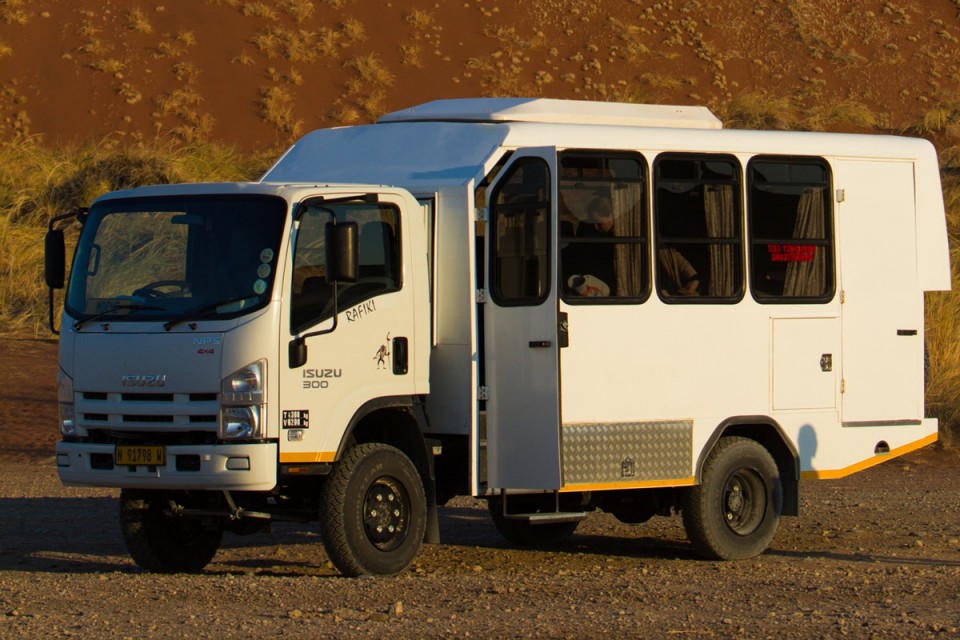
Time for our first afternoon game drive of about three hours to explore the reserve in an open 4x4 safari vehicle – driven by our experienced local guide. The 36,000-hectare reserve is home to about 6,000 animals and offers beautiful scenery. The terrain of the reserve is dotted with massive red and grey termite mounds. The area is rich in indigenous vegetation, primarily Vachellia (formerly Acacia), thorn scrub, and mopane woodlands. Okonjati Nature Reserve is largely free of invasive vegetation, which the resident shrub-browsing species graze on.
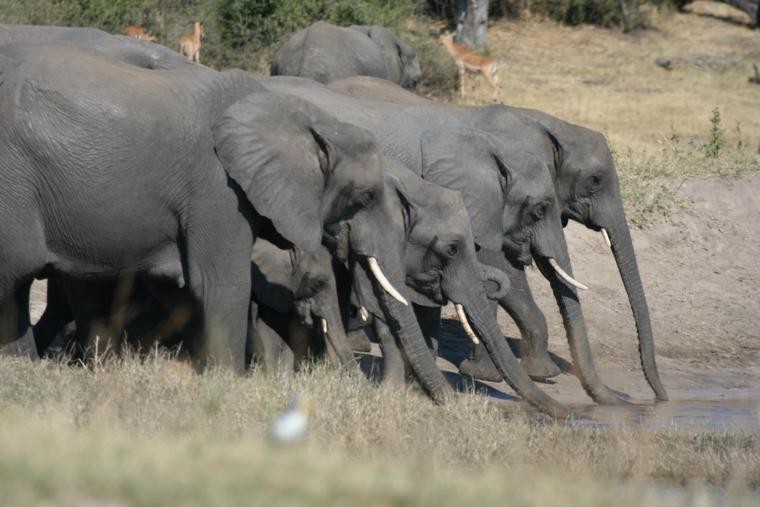
We’ll see typical Namibian wildlife - kudu, gemsbok, springbok, and the stately impala. Rare species like black rhino, sable, roan, lechwe, and nyala can also be seen. Open landscapes with grassland savanna, crisscrossed with many dry streams and riverbeds allow for the perfect game viewing experience and make photographing wildlife a pleasure. We might encounter elephants and rhinos, as well as giraffes, wildebeests, warthogs, steenbok, and the charming damara dik-dik (a tiny antelope). Animals and birds are plentiful and easy to spot in the bush and at the seasonal waterholes.
Pristine bush and wildlife under the iconic African big skies, it doesn’t get much better than this. Late afternoon we’ll stop to enjoy a magical Namibian sunset with drinks and snacks, before returning to our campsite to relax and enjoy a mouthwatering dinner, cooked by our guide over an open fire under the stars.
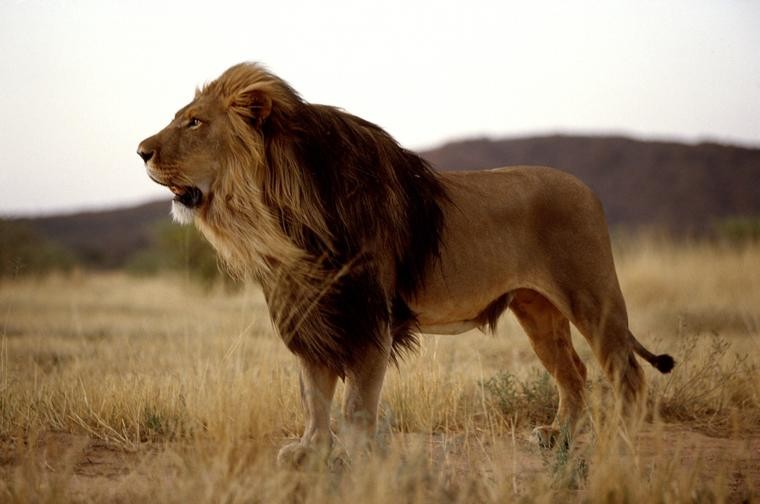
After dinner, we return to the lodge to see the resident lions up close. These big cats live in a large enclosure where they are able to hunt, and we get to watch them from a secure hide. This close-up view offers a fantastic opportunity to photograph the lions having an extra snack. From here, we drive back to our camp for a well-deserved rest. After an active and satisfying day, we spend our first peaceful night in Namibia sleeping under the stars.
This morning, we depart from camp after breakfast and stop briefly at Otjiwarongo, a small town en route, as we drive north to Etosha. In Otjiwarongo, we gather some fresh supplies, before continuing to Etosha National Park, one of Southern Africa’s premier wildlife reserves.
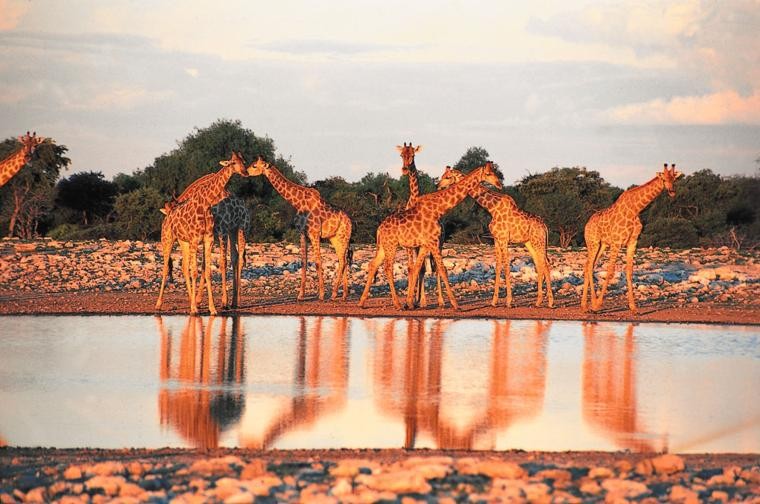
As soon as we enter Etosha, the game viewing begins. We start our search for antelope, such as springbok and impala and with any luck some megaherbivores such as elephant, rhino or giraffe, on our short game drive to Okaukuejo. Arriving at Okaukuejo, we set up camp and enjoy a delicious lunch before heading out on an afternoon game drive. Etosha is unlike any other park, and our game drives take us from waterhole to waterhole in search of predators as well as plains game, birds and if we are lucky, even reptiles.
We return to camp just before sunset, and whilst dinner is cooking, we have the chance to visit the excellent floodlit waterhole where rhino, elephant, giraffe, lion and hyena are frequent visitors. Tonight we tuck into another tasty dinner cooked on the open campfire by our guide.
On day three, we have the whole day to explore Etosha National Park and we want to make the most of it. The early morning is a very productive time for game viewing, so we set off at sunrise after a quick cup of coffee and a rusk, hoping to glimpse predators returning after a night of hunting.
Etosha hosts a desert landscape where water is a very scarce natural resource. We pause at numerous waterholes (both natural and man-made) to watch for wildlife and birds that come for an early morning drink. Along the way we will make a stop at a designated picnic site for breakfast in the bush before continuing our game drive east, searching for the many wild animals living in Etosha.
We’ll have lunch at Halali Camp, and there will also be time for a swim in the pool and a visit to the Halali camp waterhole before we head back out into the park to visit the Etosha Pan. The national park was named after the Etosha Pan - the name Etosha translates as ‘great white space’ but this name doesn’t do justice to the immensity of the pan. Over 4,500 square km of dazzling white saline desert, so big that it can be seen from space. After the rainy season, the pan becomes a lake, 10 cm deep, that draws thousands of migrating flamingos. After exploring the biggest salt pan in Africa on foot we return to Okaukuejo camp. Keeping a sharp lookout for animals as we wind our way back. We aim to arrive back at our camp just before sunset, just in time for the best hour of the day at the Okaukuejo floodlit waterhole. We settle in for our last night of camping under the stars, savoring the adventures of the day.
Time to move on from Etosha National Park on day four, and explore some of Namibia’s other highlights. After an early breakfast, we do our last game drive on our way out of the park and get back onto the main road.
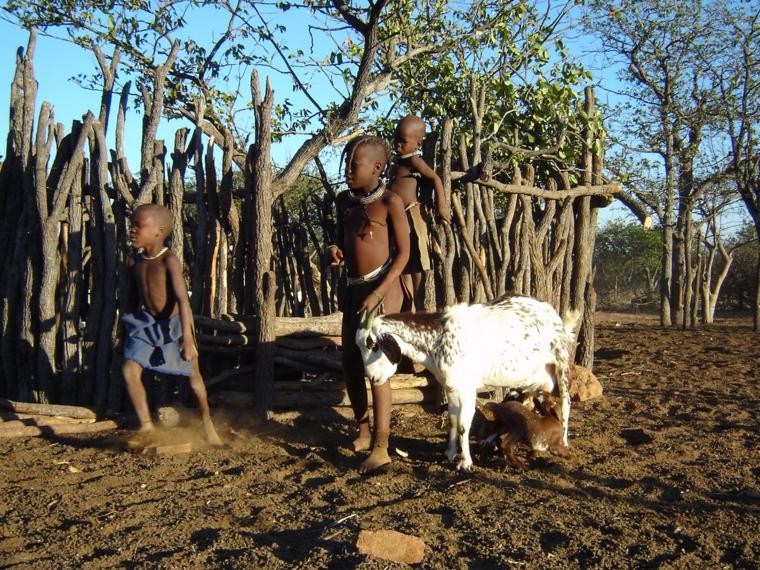
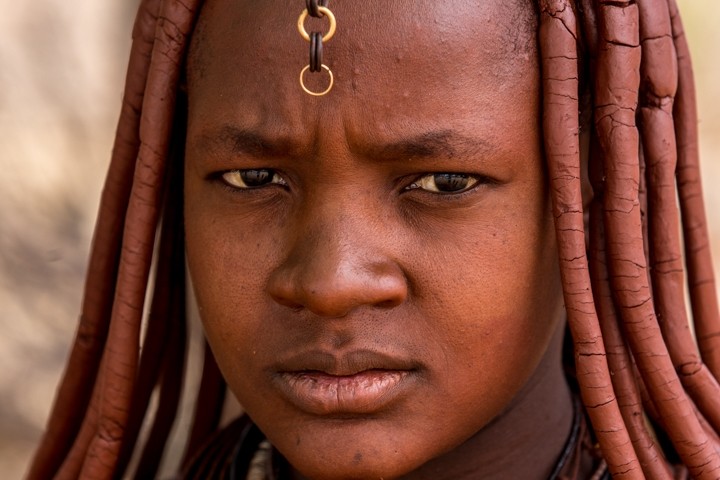
The Otjikandero Himba Cultural Village near the small town of Kamanjab is our first stop. The Himba people traditionally settled in the very remote north, a beautiful part of Namibia. Living so isolated, they could adhere to their traditional lifestyle with no modern world influences. Many Himba people still follow their traditional lifestyle to this day. In the Otjikandero Himba Village, people still follow their traditional way of life to a large extent, such as their beliefs about the sacred fire and the red ochre covering that the women use on their bodies and hair to give them a striking appearance. This is a rare privilege to learn more about the last traditional tribe of Namibia.
After our fascinating visit to Otjikandero, we will have a short stop in Kamanjab before we leave the Kunene region and head west on a journey of spectacular scenery towards the majestic Etendeka Mountains and the Grootberg Pass. Etendeka means ‘flat top’ and many of the surrounding mountains have flat tops indeed. The landscape of the Damaraland region is endless and surreal, a red carpet of small boulders, created by massive magma eruptions that took place about 125 million years ago, when Africa and South America still existed as the coherent land mass of Gondwana. An unforgettable, rugged landscape of an ancient land.
Our next destination, Palmwag campsite is set along the Uniab River under tall makalani palm trees which provide a refuge for Namibia’s unique desert-adapted elephants. The elephants will sometimes come into the camp for a friendly visit, and they have been known to drink water from the swimming pools. We arrive in the late afternoon to set up camp in this peaceful campsite, a nature lover’s paradise. Time to relax and enjoy a cool sundowner before a tasty dinner, and hopefully we’ll see some of the resident elephant herds.
We’ve reached the furthest extent of our northern journey. Today takes us westward to the Atlantic, then along the dramatic Skeleton Coast heading southward toward Cape Cross and, finally, inland to the spectacular Spitzkoppe.
Our journey begins across stark desert plains dotted with remarkable vegetation, including the ancient Welwitschia mirabilis — a hardy, endemic plant that can live for over 1,500 years.
Entering Skeleton Coast National Park via the remote Springbokwasser Gate, we meet the cold Atlantic and its haunting shoreline. Shipwrecks litter this coast, once a graveyard for sailors stranded without hope of rescue. Along the way, we pass the relics of failed oil and diamond ventures from the 1960s, their rusting remains now part of the landscape’s story.
After leaving the park, we stop at Cape Cross, home to over 100,000 Cape fur seals — an unforgettable sight (and smell!). Nearby stand two replica crosses marking the 1486 landing of Portuguese explorer Diogo Cão.
By late afternoon, we head inland to the dramatic granite peaks of Spitzkoppe, famed for its sunsets, starlit skies, and striking silhouettes. We set up camp and enjoy the sunset in the mountains before dinner.
After breakfast and breaking camp, we return to the coast and head south towards Namibia’s adventure capital, Swakopmund.
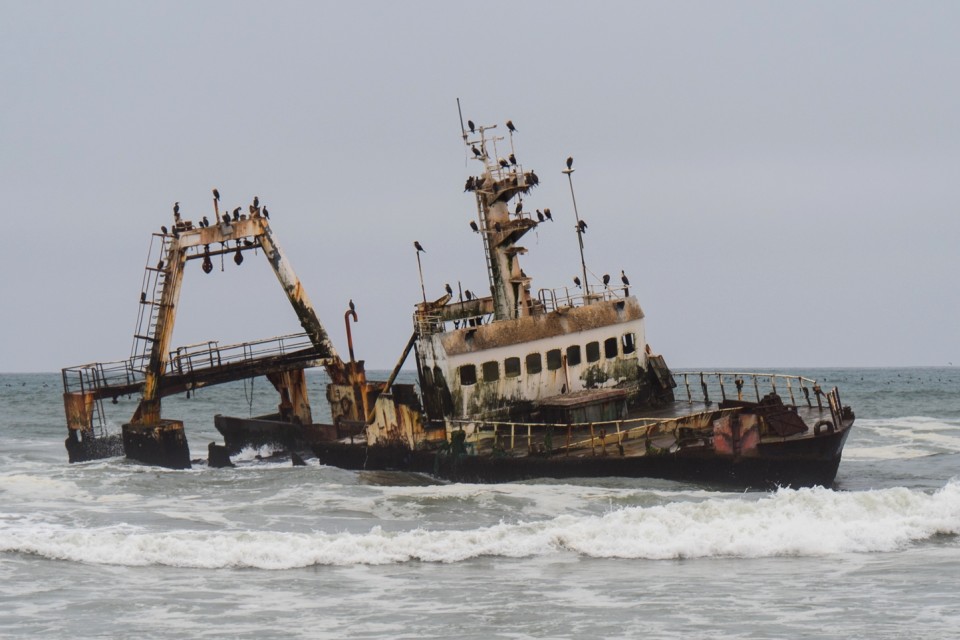
Our first stop is a relatively recent shipwreck, just 15 km south of Henties Bay: the Zeila, a fishing trawler stranded in 2008. Originally destined for scrap and under tow when the cable snapped, she was claimed by the Skeleton Coast’s notorious currents and now rests close to shore—perfect for striking photographs.
Continuing along the coastal road, we visit one of Namibia’s more unusual natural wonders: vast lichen fields. The country boasts one of the world’s highest concentrations of lichen, with rare examples like these seldom found elsewhere. Lichen may look like plants, but they are actually a composite organism—algae and fungi living together in a remarkable symbiotic relationship. The fungi gather moisture, while the algae produce food through photosynthesis, sustaining both. These macro-lichens, often leafy or bush-like, grow at an incredibly slow pace—around one millimetre per year—and are extremely fragile. Fog, rather than rain, is their lifeline here, as mist blankets the Skeleton Coast up to 250 days each year. Off-road driving and even foot traffic can cause lasting damage, so we will follow our guide’s instructions closely to ensure their preservation.
From here, we make our way into Swakopmund, a fascinating town framed by the towering Namib Desert dunes to the north, east, and south, and the Atlantic Ocean to the west. Founded in 1892 by Captain Kurt von François of the German colonial army (who also established Windhoek), the town retains strong German influences in both its architecture and language.
Swakopmund offers a wealth of activities during your stay. Its compact centre is easy to explore on foot, or you may opt for one of many excursions—from scenic desert flights and ‘living desert’ tours to more adrenaline-fuelled options like skydiving, quad biking, or dune adventures. For those seeking a gentler pace, consider a cycling tour or a guided exploration of the unique desert ecosystem. Your guide will provide details and assist with bookings as needed.
On the last night of our Namibian camping safari, we will stay at the centrally located Hotel A La Mer in Swakopmund. Tonight, lunch and dinner are for your own account. Swakopmund boasts some truly excellent restaurants, and your guide will be able to help you with recommendations and bookings.
This morning begins at a gentler pace—enjoy a lie-in, a hearty breakfast, and perhaps a leisurely wander through town. Swakopmund has a vibrant café culture, with plenty of inviting eateries, unique curio shops, and excellent bookshops to explore.
Later, we will join our guide for a short journey—just 40 km south along the coast—to the port town of Walvis Bay (meaning “Whale Bay”). Its lagoon is a Ramsar-listed wetland of international importance, famed for its rich birdlife and, in particular, large flocks of flamingos often seen at close range from the shore.
Here, two species of flamingo thrive: the greater and the lesser. Drawn by the nutrient-rich Atlantic waters, they feed almost exclusively on microscopic plankton. Flamingos are filter feeders, much like oysters, using their uniquely shaped beaks to sift plankton from the water—always with their heads upside down. As they feed, they stir the shallow mud with their feet, releasing more nutrients. The birds’ famous pink colour comes from certain microorganisms in their diet that release reddish pigments when they die.
Interestingly, flamingos do not breed at Walvis Bay. The lagoon’s tides, though usually gentle, are not ideal for their specialised mud-cone nests, which must remain dry to protect the single egg each pair lays. Instead, when the season is right, enormous flocks migrate inland to remote mineral pans, such as Etosha Pan in Namibia or the Makgadikgadi Pan in Botswana. These areas are typically dry but flood after sufficient rainfall—how flamingos instinctively know when these distant rains arrive remains a mystery, yet they take flight in great pink streaks across the horizon to breed.
Heading back to Swakopmund, we then take the main tar road back to Windhoek. We will have a light lunch en route and on arrival in Windhoek, you will be dropped off at your accommodation anywhere within the Windhoek city limits.
Note: We do not recommend booking flights departing on the final day of this Namibia Camping Safari.
Accommodation is in canvas dome tents, fitted with camping mattresses (about 5 cm thick) each with a mattress cover. Camping chairs with backrests are provided for all clients and sleeping bags can be hired in advance. Accommodation in Swakopmund will be in a lodge, hotel, guesthouse or similar.
This tour does take children.
Child Rates are applicable to children Aged 5 to 11 who shares accommodation with 2 Adults only
All Windhoek Departures | All Namibia Tours |
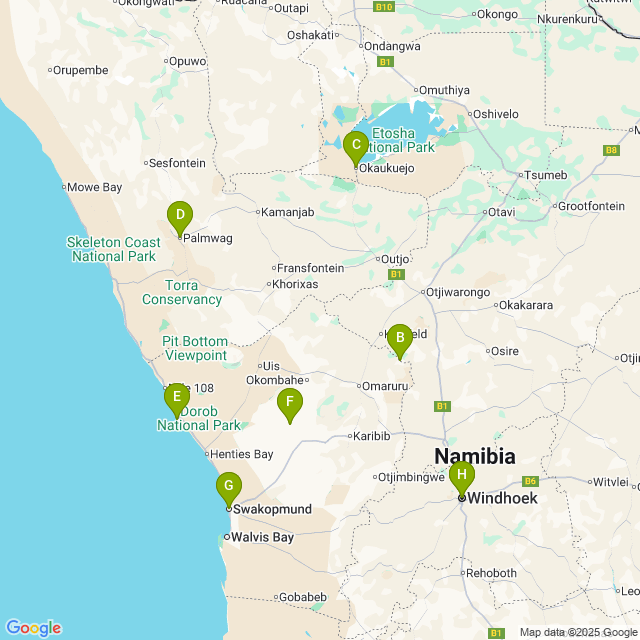
This budget Namibia Camping Safari combines the famous Etosha National Park with the traditional African culture of the Himba tribe and the wild Skeleton Coast.
More on this 6 Day Budget Camping Safari

A fantastic voyage through the Namib Desert and Southern Namibia exploring Sossusvlei Dunes and arid desert landscapes, coastal Namibia and the Fish River Canyon on an unforgettable camping safari.
More on this 7 Day Budget Camping Safari

An affordable Namibia Safari, this Desert, Swakopmund & Etosha Camping Safari combines the best of Namibia safari highlights on a small-group budget tour.
More on this 6 Day Budget Camping Safari

A fully inclusive accommodated Safari to Namibia's Etosha National Park and the desert area of Sesriem. An affordable and exciting 7 Day Big Cats, Etosha & Desert Safari to Namibia's top game park and ancient Namib Desert!
More on this 7 Day Budget Lodge Safari

The 7 day Highlights of Namibia Budget Lodge Safari includes game viewing in Etosha National Park, exploring Swakopmund and visiting the Sesriem Canyon and Sossusvlei areas of the Namib Naukluft Park.
More on this 7 Day Budget Lodge Safari

On this Private Tour of Namibia a professional guide takes you to the highlights of Namibia: the Namibia Desert, Swakopmund and Etosha National Park, starting and ending in Windhoek. Travel in a small private group by 4x4 vehicle, staying at comfortable lodges.
More on this 7 Day Budget Lodge Safari

An all-inclusive Namibia Lodge Safari to Etosha National Park and the Namib Desert. Explore Etosha, Sossusvlei Dunes and Sesreim on this Namibia Budget Safari.
More on this 7 Day Budget Lodge Safari

A Budget Namibia Lodge Safari to Namibia's Dunes & Wildlife. This affordable Namibia Desert & Wildlife Safari visits Etosha Park and the Namib Desert's Sossusvlei Dunes and Sesriem Canyon. An amazing scenic and wildlife safari to Namibia!
More on this 6 Day Budget Lodge Safari

This Budget Namibia Safari combines camping and lodge accommodation with highlights including a wildlife safari in Etosha Park, the Namib Desert and Fish River Canyon.
More on this 9 Day Budget Camping Safari
Our team has the destination knowledge to help you plan an unforgettable African adventure. We're based in Cape Town and ready to help.
We can also plan you an affordable private group or tailor-made tour. We built our business on turning luxury travel into affordable travel.