



- More destinations related to Etosha National Park:
- Namibia
- Sossusvlei
- Windhoek
- Caprivi
- Damaraland & Kunene
- Fish River Canyon
- Namib Desert
- Namib-Naukluft National Park
- Skeleton Coast
- Swakopmund
- Waterberg Plateau National Park

Etosha National Park safaris are best known for the vast Etosha Pan and exceptional game viewing. However, the park also boasts varied landscapes, great infrastructure, and excellent accommodation options at affordable prices. With wide open spaces under expansive African skies, Etosha safaris showcase surreal landscapes and abundant wildlife, an absolute treat for intrepid explorers.
Etosha National Park, dominated by the Etosha Pan, features a variety of other habitats that host 114 distinct species.
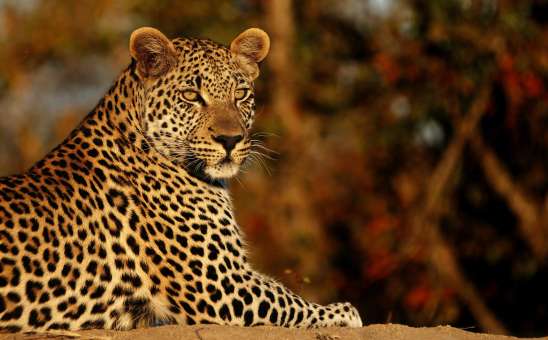
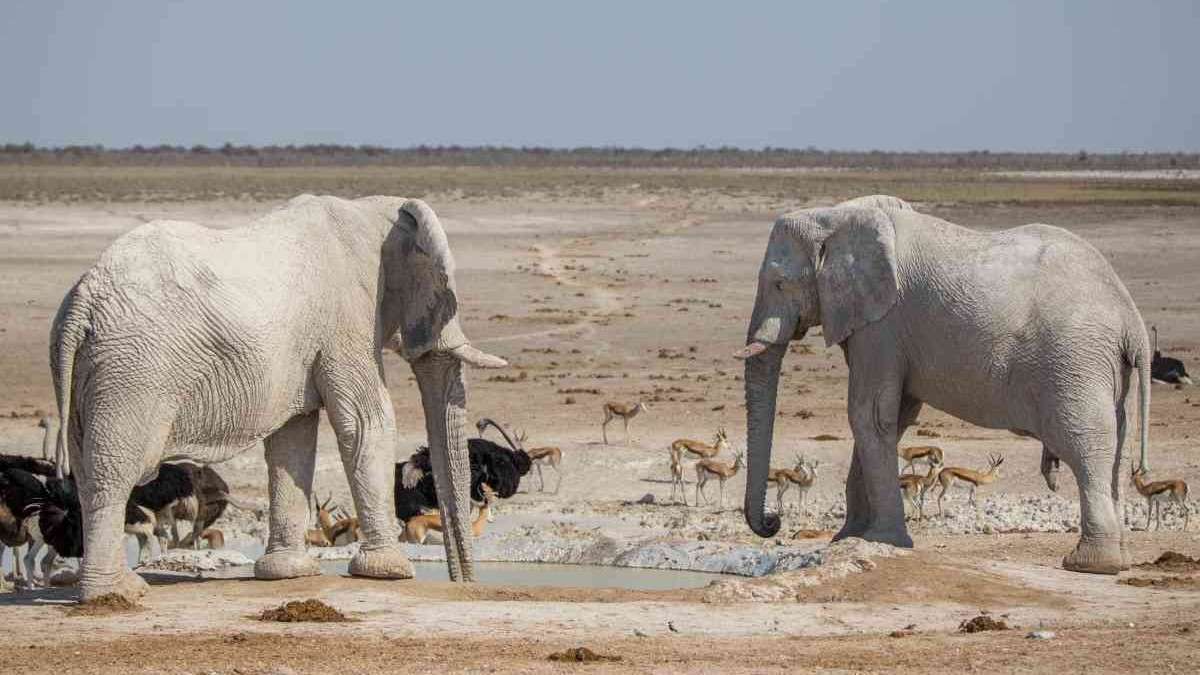
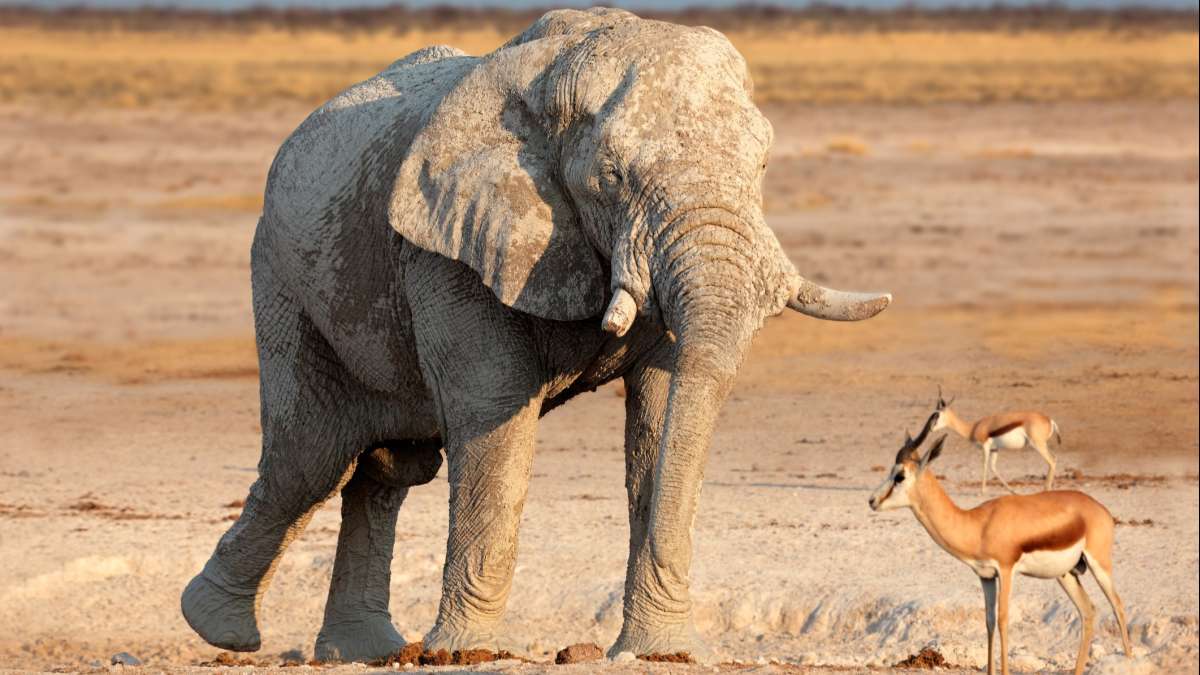
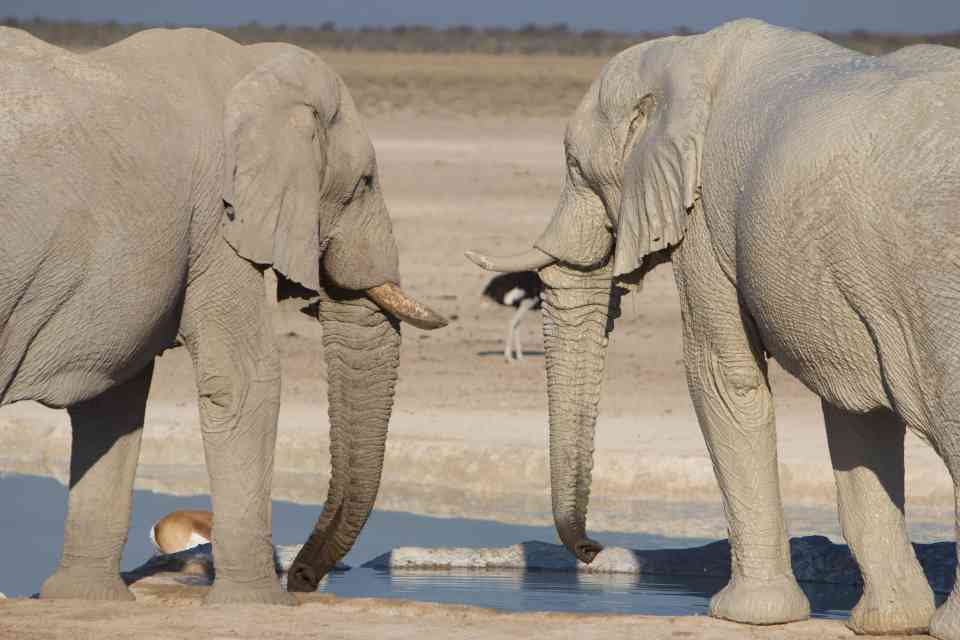
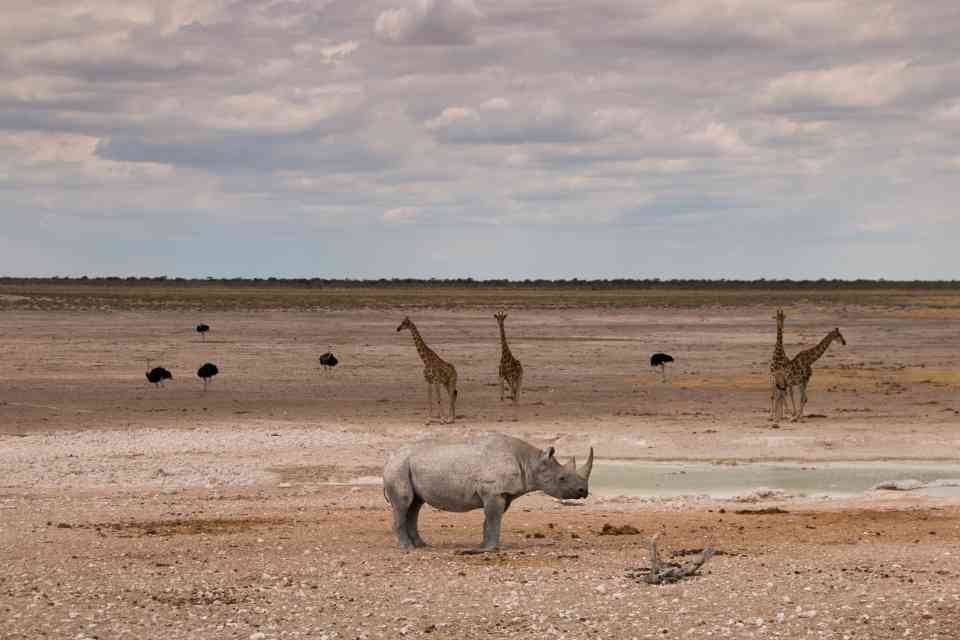
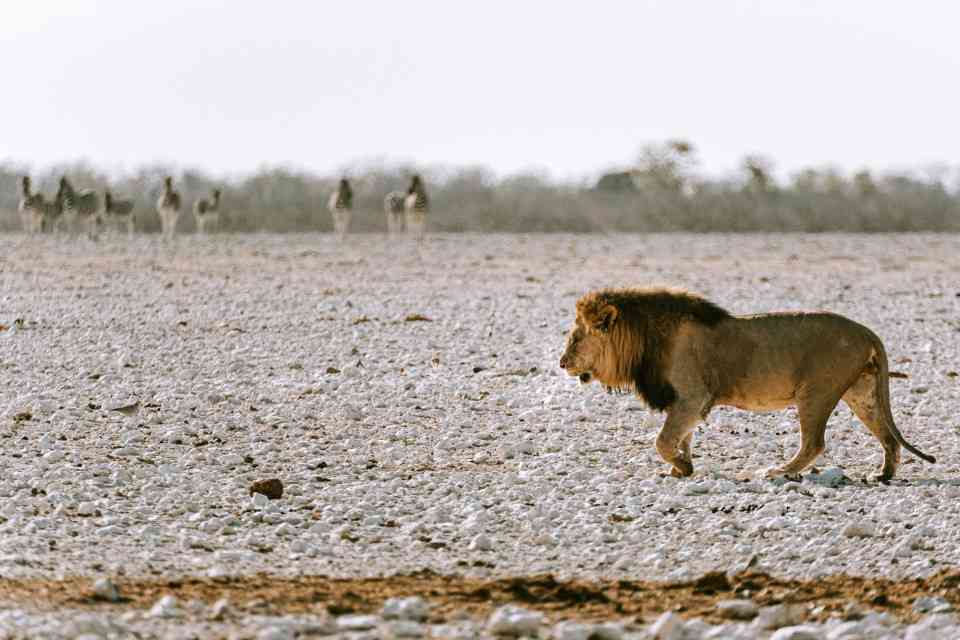
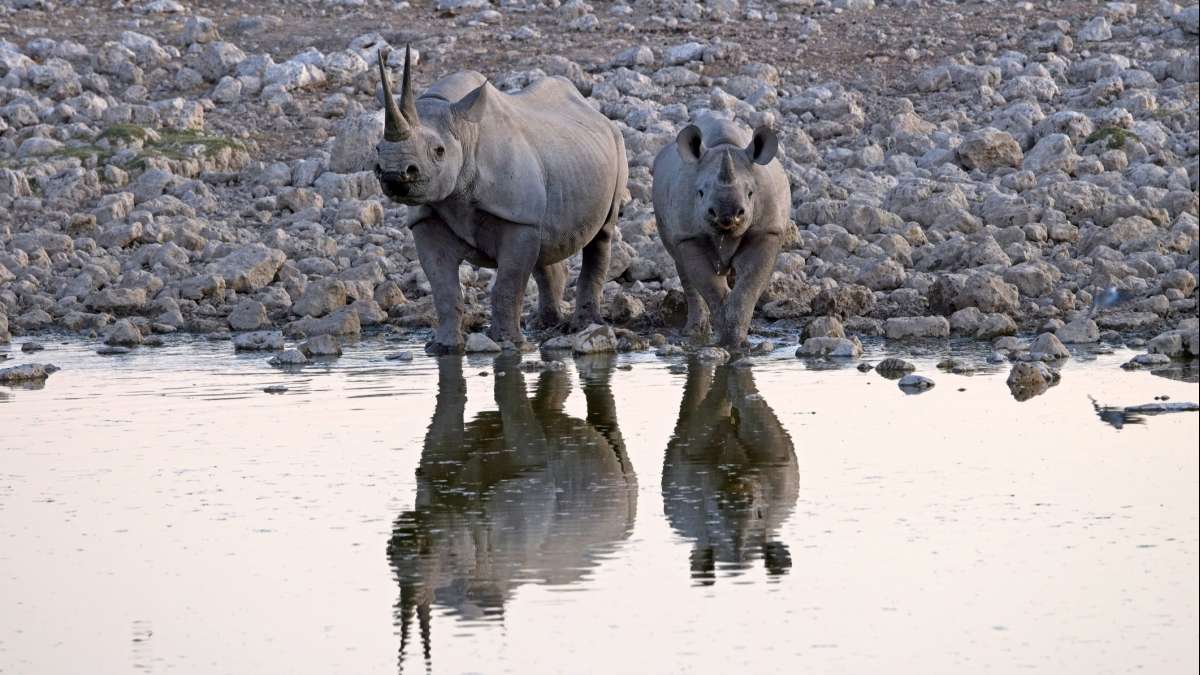
While buffalo are absent, Etosha is home to 4 of the Big 5 animals. Elephants - the white ghosts of Etosha - lions, leopards, and rhinos are all present. Etosha is home to the world’s highest concentration of the endangered black rhino, which lucky visitors can see at the floodlit watering holes at night, particularly at the Okaukuejo Waterhole. For help planning, see our Etosha safari tips for game viewing and more.
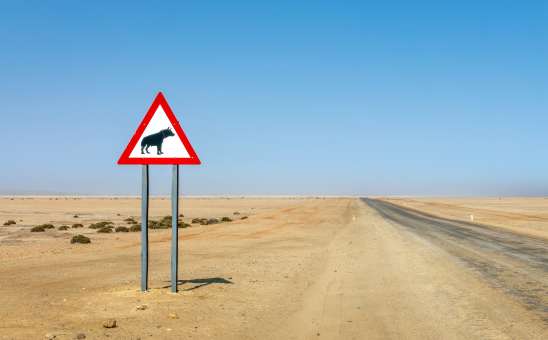
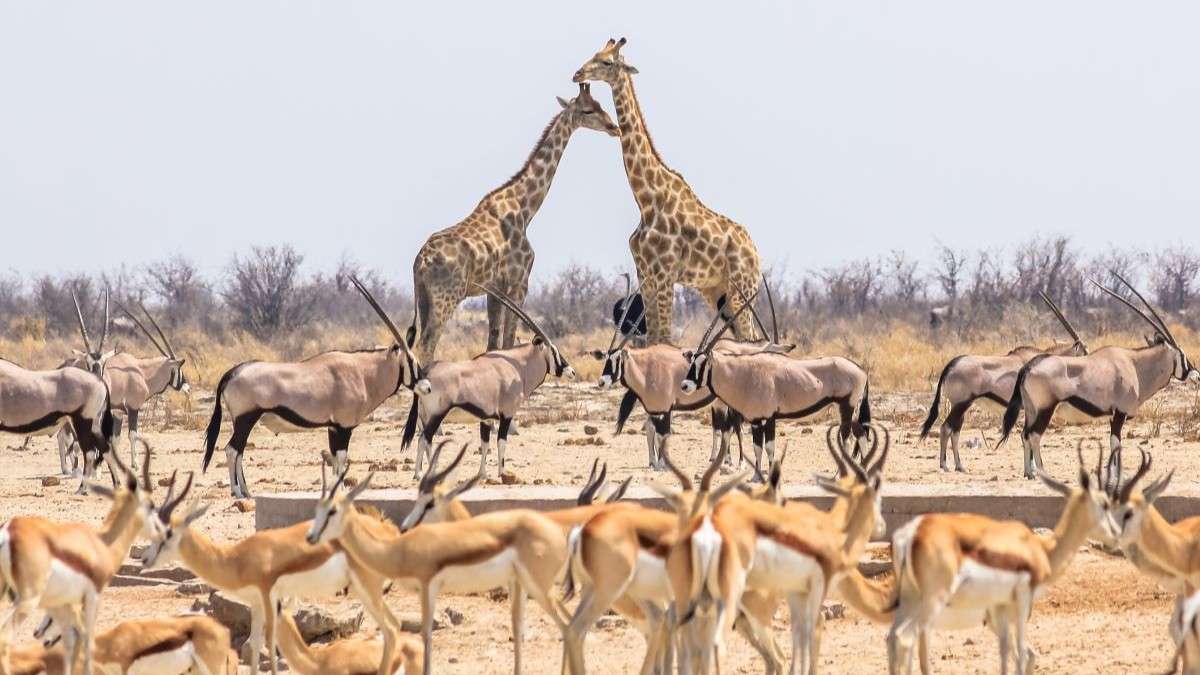
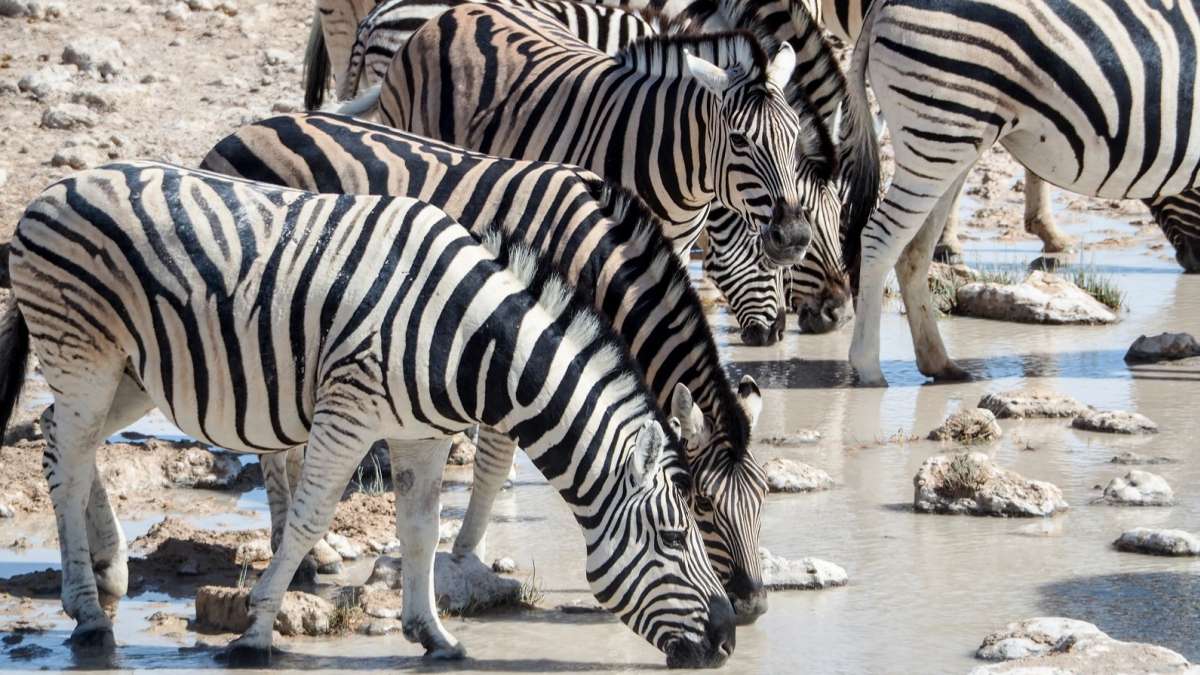
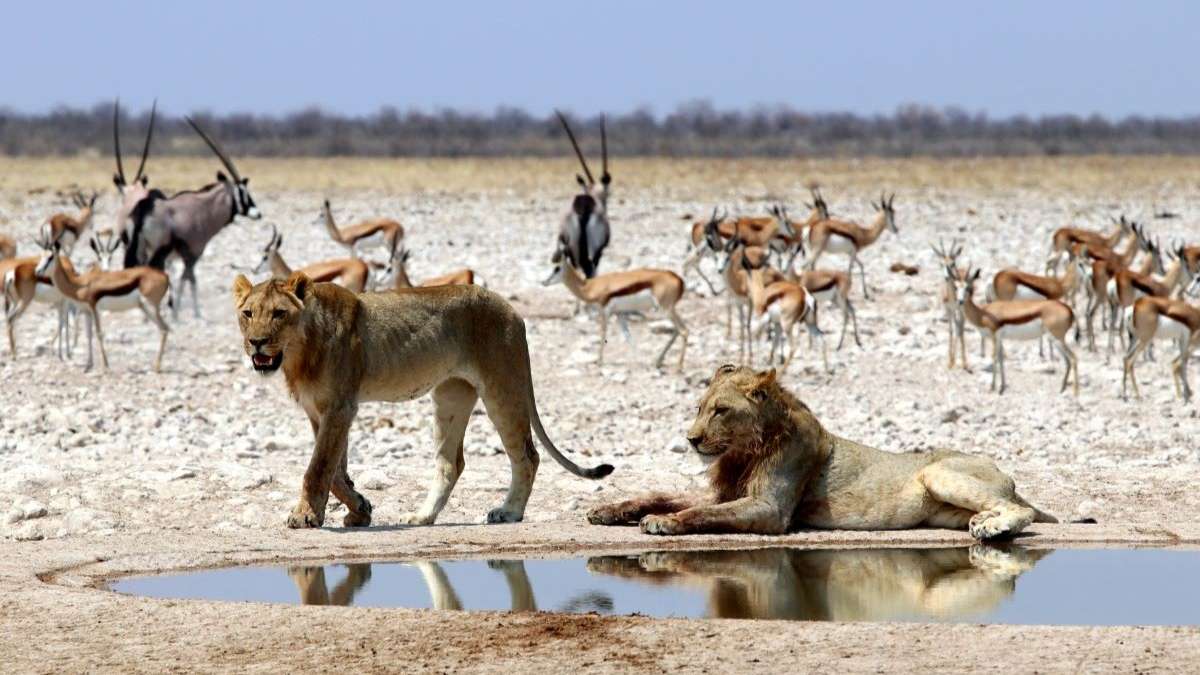
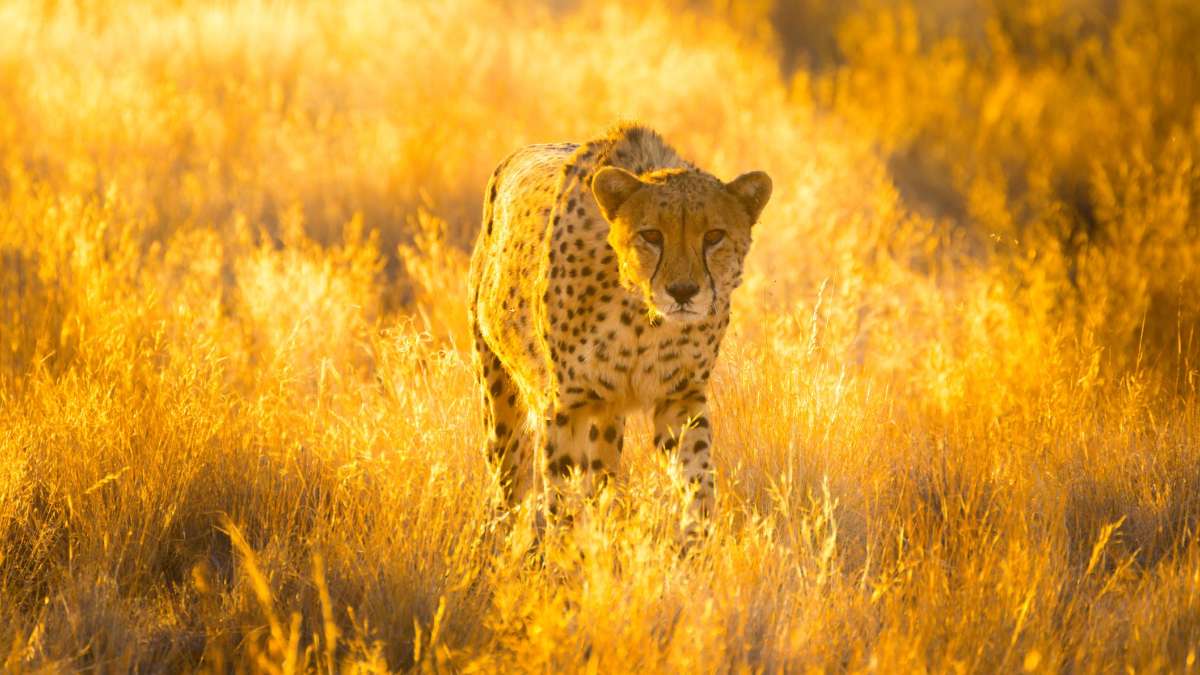
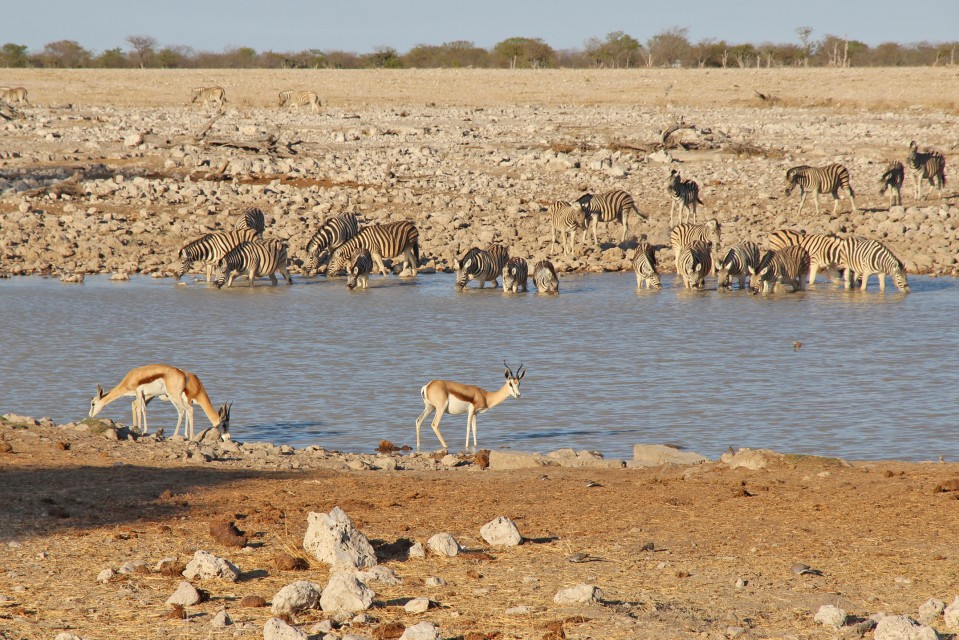
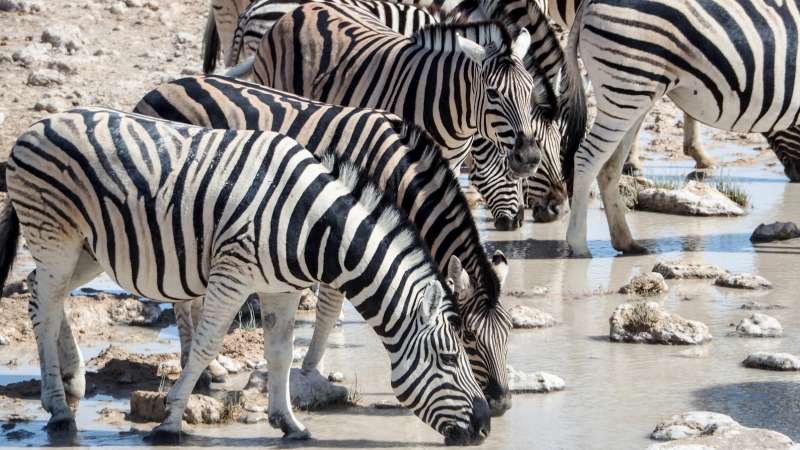
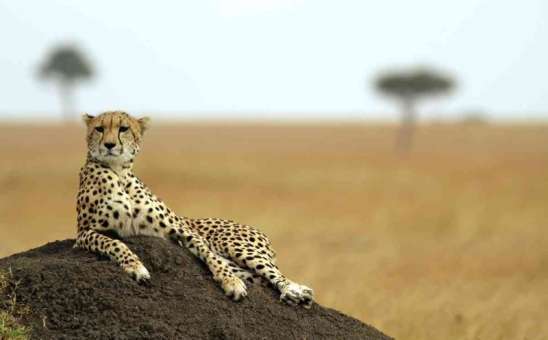
During the dry season, animals congregate around the watering holes, creating an unforgettable wildlife spectacle. On an Etosha Park safari, guests will be treated to a kaleidoscope of wildlife including elephants, wildebeest, zebras, giraffes, and springbok, as well as the endemic Damara dik-dik and black-faced impala. Where herbivores go, predators follow, including lions, hyenas, leopards, and cheetahs.
During the wet season, Etosha is awash with birds, including flamingos and pelicans which breed in the flooded pan, and plenty of raptors like goshawks, vultures, and eagles.
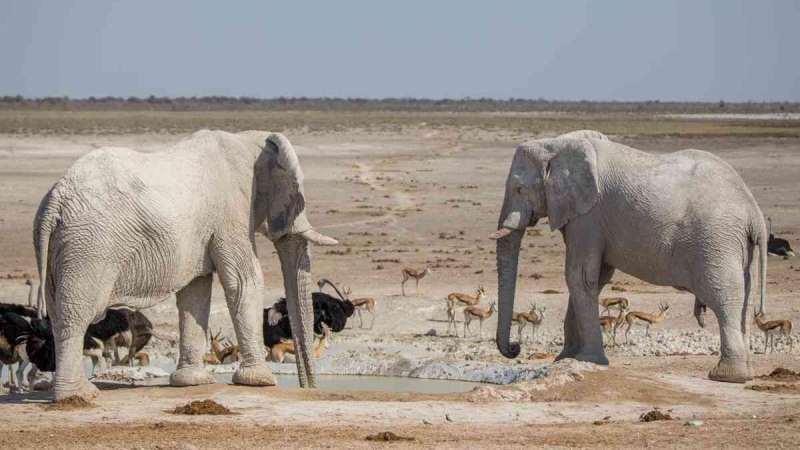
Etosha features varied landscapes that offer stark vistas and gorgeous desert scenery.
Located in the northern Kunene region, Etosha National Park covers 22,270 km², of which the Etosha Pan covers 4,800 km². Visible from space, the Etosha Pan is the largest salt pan in Africa.
Surrounding the surreal salt pan are extensive savannah, mopane woodlands, and thornveld. These habitats provide grazing for herbivores, shelter from the baking sun, and habitat for vibrant birdlife and smaller mammals.
The west of the park, previously closed to tourists, offers unique dolomite hills and red earth that contrast against the rest of the national park.
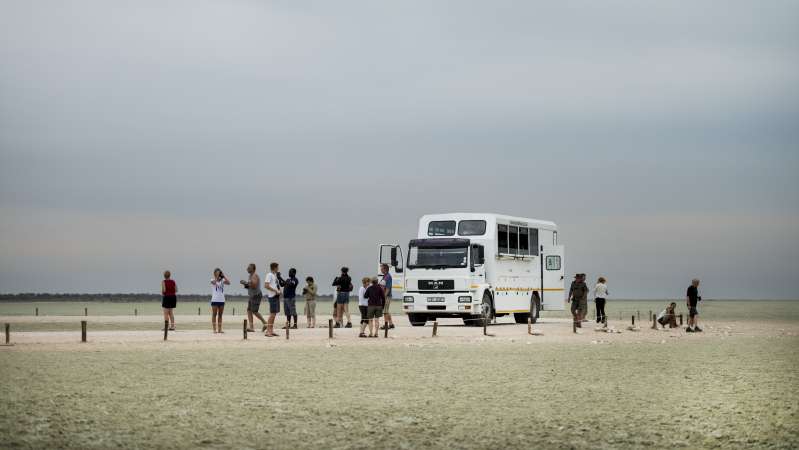
Etosha National Park is known for its excellent infrastructure and well-priced accommodation, making it accessible and affordable for tourists.
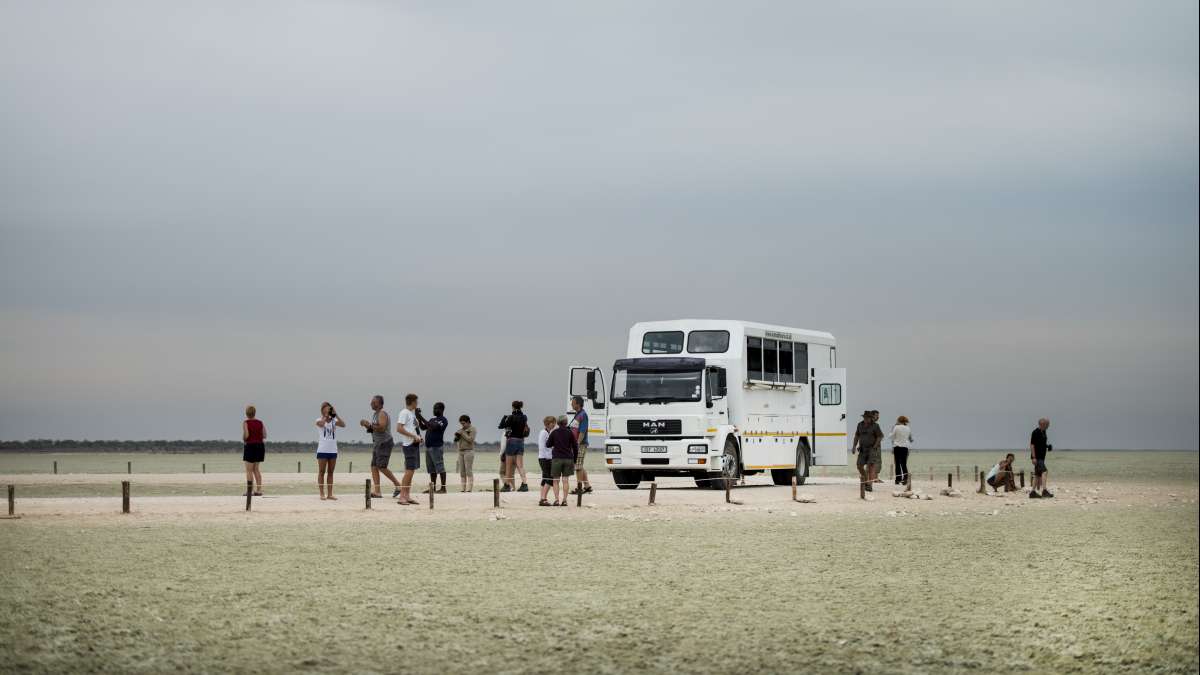
Well-maintained roads and several well-equipped rest camps make Etosha a good self-drive destination. However, guided Etosha safaris are available, and accommodation at rest camps like Okaukuejo, Halali, and Namutoni caters for every budget from campsites to luxurious lodges.
The rest camps in Etosha Park offer game viewing decks, spa treatments, gourmet dining, sundowners, and stargazing. In addition to these creature comforts, there are fireside dinners, guided game walks, and floodlit watering holes.
An Etosha National Park safari is ideal for romantic getaways or groups seeking adventure. Some lodges offer activities specifically designed for children, making them perfect for family safaris in Namibia.
Etosha’s unique combination of accessibility, varied accommodation styles, and excellent facilities caters to most budgets. Add its exceptional wildlife and it's easy to see why Etosha is one of Africa's best national parks to visit.
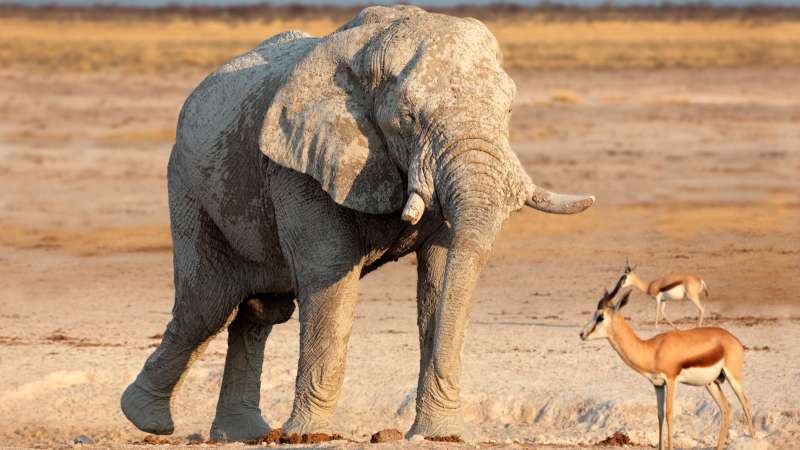
An Etosha Park safari combines well with Namibian destinations like the Skeleton Coast, Sossusvlei, and the Namib Desert. Those with more time can venture overland into Botswana or catch a short flight to Victoria Falls or Cape Town.
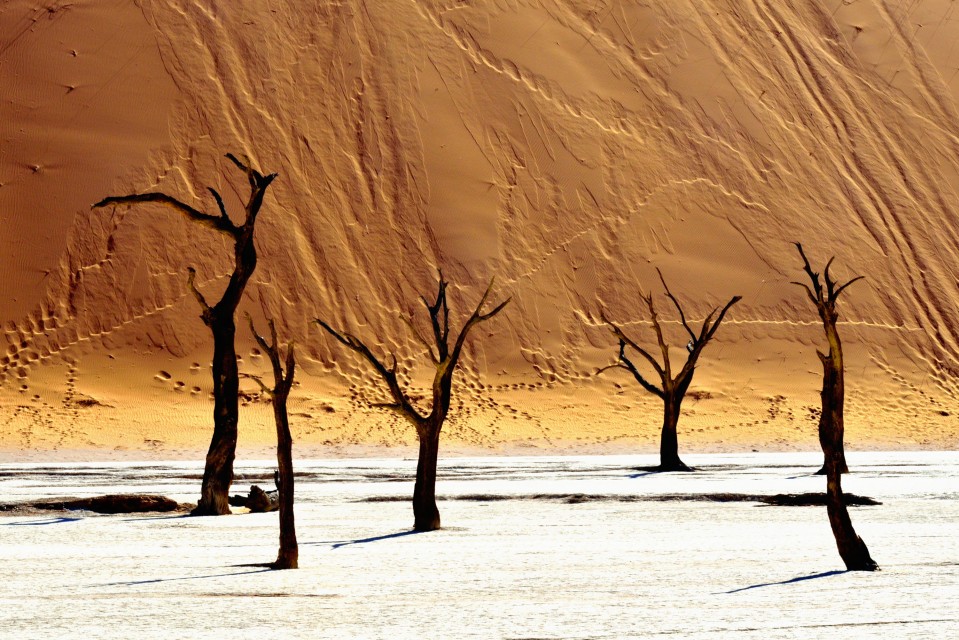
It makes sense to combine Etosha safaris with other Namibian highlights. Travel through Namibia’s surreal landscapes through the rocky terrain of Damaraland, to the Namib Desert dunes where the Sossusvlei and Deadvlei await. Explore the Skeleton Coast where the desert sands meet the ocean, and shipwrecks and animal life abound. Visit the ghost town of Kolmanskop and enjoy adventure activities near Swakopmund and Walvis Bay.
While the adventurous can continue overland to Cape Town or Botswana and the delights of the Okavango Delta, Chobe, and Moremi. You can also fly directly to Maun, Cape Town, Kruger National Park, and Sabi Sands in South Africa.
Easy connections with so many fantastic African destinations make an Etosha safari an excellent part of a broader southern Africa tour.
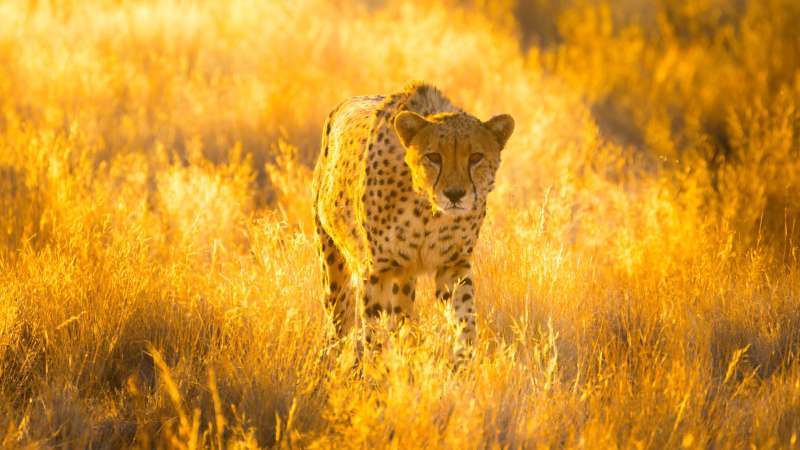
Ready to start planning your Etosha safari in Namibia? Etosha is one of southern Africa’s best budget-friendly safari parks, offering excellent game viewing and well-priced accommodations inside and around the park. For an affordable Private Safari in Etosha National Park, contact African Budget Safaris today. Our friendly travel experts are here to help you plan, choose, and design the best custom tour tailored to your unique needs and budget.
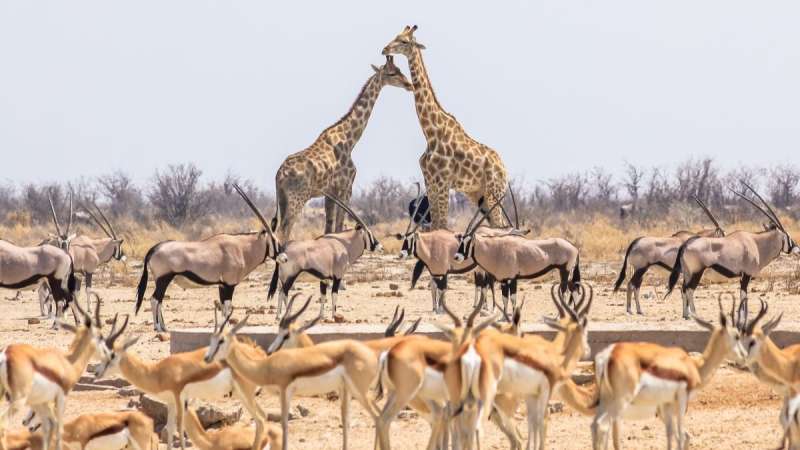
The best time to visit Etosha National Park on safari is in the dry season from May to October. The highlight at this time of year is the amazing game viewing that comes with the cooler temperatures.
However, Etosha is considered a year-round safari destination because of the appeal of the lush contrasts of the green season when migratory birds arrive and the usually barren landscape explodes with life.
From January to April, Etosha is the wet season.
The park, surprisingly, is a lush, green expanse well watered by the summer rains. Wildlife viewing is challenging due to the dense foliage, but the bird watching is excellent, and the landscape is a dream for avid photographers. Hot and humid, especially in January and February, these months see flamingoes breeding in the pan and antelope calving in the sweet grasses surrounding the Etosha Pan. By April, the summer rains begin to dwindle, the skies clear, and the temperatures begin to cool.
The start of winter, May, marks the beginning of the peak Etosha safari season.
Conditions at this time are ideal for game viewing. The bush begins to thin, and animals seek water in the permanent watering holes dotted around the park. In addition to the excellent game viewing, the temperatures begin to fall, and rainfall and humidity are low.
June sees colder temperatures, especially during the night and early mornings. Daytime temperatures are, however, mild. As the month progresses, animals become easier to see, and the park gets steadily busier as the safari season gets into full swing.
This is the peak safari season in Etosha.
July is the driest month when wildlife viewing is at its best. Elephants, zebras, giraffes, wildebeest, and more gather in large numbers to drink at the permanent watering holes. The good conditions continue through August and September, making advance booking advisable. By October, the mercury begins to rise, and occasional rain is not uncommon.
Though the daytime temperatures are relatively mild, during Etosha’s peak safari season, nights and mornings can be bitterly cold, and it is advisable to pack accordingly.
November marks the start of the rainy season for Etosha safaris.
At this time, the weather is unpredictable, and the rains that fall bring relief to the parched landscape. Thunderstorms viewed across the Etosha Pan can be impressive. Despite the unpredictable weather, this is a good time to visit as game viewing is still good, and migratory birds begin to arrive for the wet season proper. December, due to Christmas and local school holidays, is a busy time in Etosha.
African Budget Safaris offers a curated collection of hand-picked Etosha National Park Safaris. Browse our collection for short Namibia tours that take in the highlights of this desertous Southern African country, or join a longer overland journey from Cape Town to Etosha, Victoria Falls and beyond.




Call us toll free from US/Canada on 1-888-414-6513, or from the UK on 0-808-189-1052. All other countries can contact us on +27 21 791 0878.
© 2026 African Budget Safaris | Privacy | Terms | Cookie Policy | Consent Preferences


__landscape.jpg)