Worried about food on an overland safari? Sakhu was too. Here’s what he actually ate on a 10-day Namibia to Victoria Falls trip, from roadside lunches to campfire dinners.
What food is included on an overland safari?
It's one of the most common questions first-time safari travellers ask. Before his 10-day Namibia to Victoria Falls trip, Sakhu worried he'd be living on tinned beans. Instead, he found fresh, filling meals, plenty of variety, and a surprisingly social food scene built around the truck, the fire, and the people travelling with him.
In Episode 6 of Sakhu's first safari YouTube series, What We Ate on an Overland Safari, he tackles this exact question on a 10-day Namibia to Victoria Falls overland safari. The episode follows the meals, campfire dinners, roadside lunches and food surprises he encountered along the way, giving first-time travellers a realistic picture of what to expect.
Or, as Sakhu puts it:
“One thing’s for sure, you don't starve on these trips.”
That pretty much sums it up.
| Question | What to Expect |
|---|---|
| Cooking style | Campfire meals, South African BBQ-style braais, and a practical truck kitchen |
| Food quality | Fresh, hearty, filling, and better than many first-timers expect |
| Dietary options | Vegetarian, vegan, and gluten-free meals can usually be catered for with advance notice |
| Drinks | Clean water is provided, while alcoholic and soft drinks are usually BYO |
| Best part | Dinner around the campfire after a full day on safari |
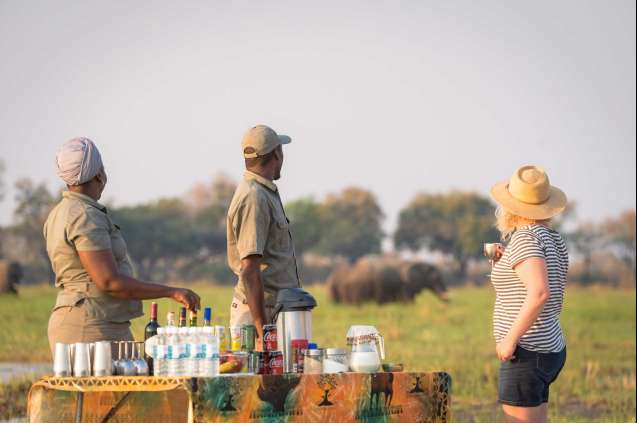
On most overland safaris, many meals are included, especially breakfasts and dinners at camp, but inclusions vary by route and operator. Some lunches, restaurant meals, snacks, alcoholic drinks, and soft drinks may be for your own account. Always check your trip notes before booking so you know exactly what is included and what to budget for along the way.
Yes, you will eat properly.
Overland safaris in Africa are not about fine dining, and that is not the charm. It is relaxed, practical, filling, and often more fun than a formal lodge meal.
Meals are planned for travellers on the move. They need to be easy to prepare, generous enough for long safari days, and flexible enough for remote places. Expect simple, hearty food rather than fancy presentation.
Think early breakfasts before the day begins, roadside lunches between destinations, and warm dinners at camp after sunset. Add a fire, a few good stories, and a sky full of stars, and “simple” starts looking pretty excellent.
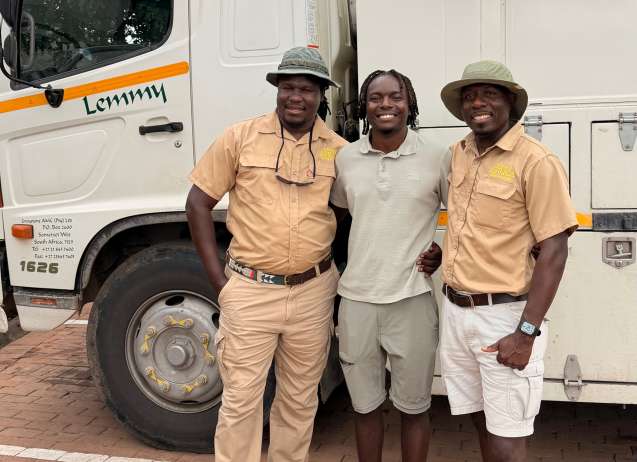
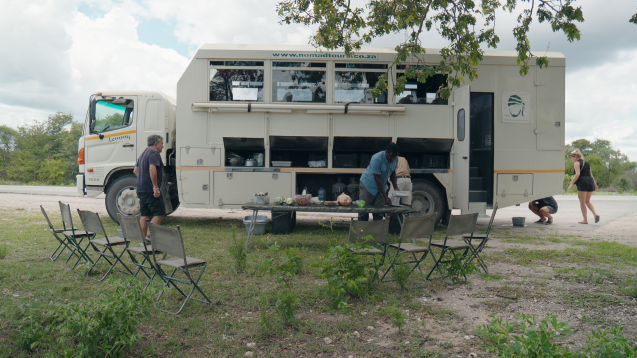
On Sakhu’s 10-day overland safari from Namibia to Victoria Falls, the overland truck was called Lemmy.
And Lemmy was not just transport. Lemmy was also the luggage carrier, shade provider, social hub, and kitchen on wheels. Overland trucks are built for long-distance safari travel, with space for camping equipment, cooking gear, food storage, and the practical bits that keep the trip running.
Food is stored in onboard coolers and fridges, which helps guides keep meals fresh while travelling between remote areas. This is one of the big differences between overlanding and the “survival mode” version people sometimes imagine. You are not scraping together random cans of food in the dust. The truck is organized for group travel, and meals are planned around the route.
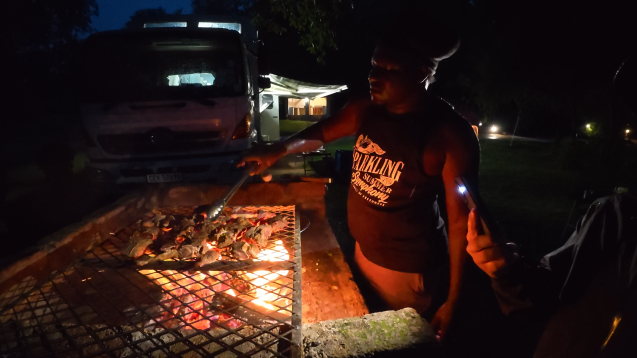
On most overland safaris, the guides handle the cooking.
They are not just drivers and wildlife experts. They also help keep the day running smoothly, including meals, camp routines, and food prep.
That does not mean travellers sit back like hotel guests waiting to be served. Overlanding is usually relaxed and participatory. You might help set the table, pass things around, wash a few dishes, or chat while dinner comes together.
That is part of the charm. Food becomes part of the safari experience, not just something that happens between activities.
By the end of the trip, dinner is often less about “what are we eating?” and more about “where are we sitting, who’s telling the story, and what did everyone see today?”
Overland safari meals vary by route, operator, season, and what is available locally, but the general pattern is reassuringly consistent. You eat well, you eat regularly, and you eat enough.
Here is what a typical day of African budget safari meals might look like.
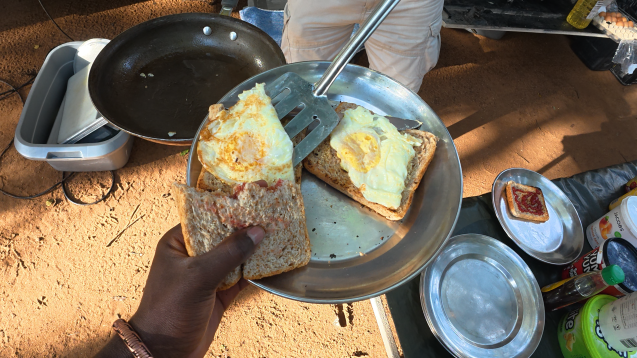
Breakfast is usually simple, quick, and practical, especially on early-start safari days.
You can expect things like:
On some mornings, breakfast is light and fast so the group can get moving early. On others, especially when the schedule is more relaxed, there may be time for something warmer and more substantial.
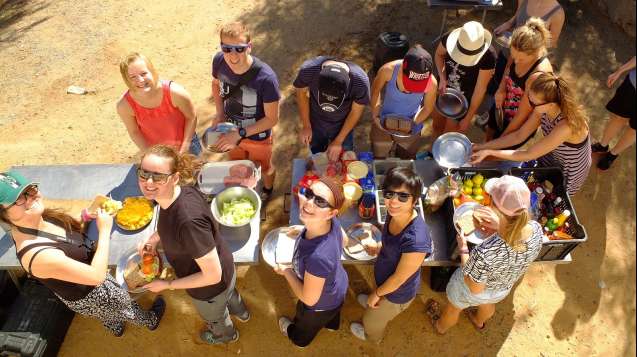
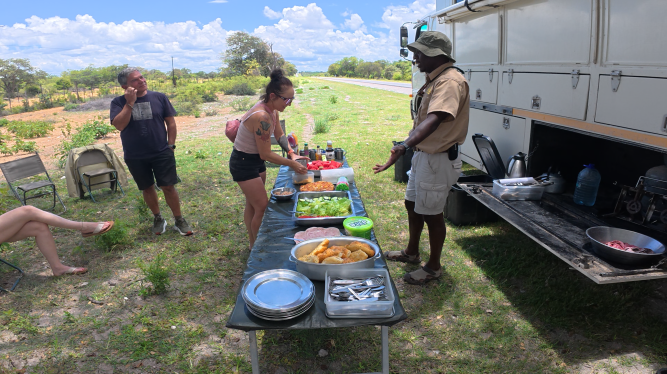
Lunch is often taken on the road, at a picnic stop, or somewhere scenic between destinations.
Typical overland safari lunches include:
This is not complicated food, but it works. Roadside lunches are quick, flexible, and ideal for long travel days. Everyone builds a plate, stretches their legs, grabs a drink, and gets ready for the next leg of the journey.
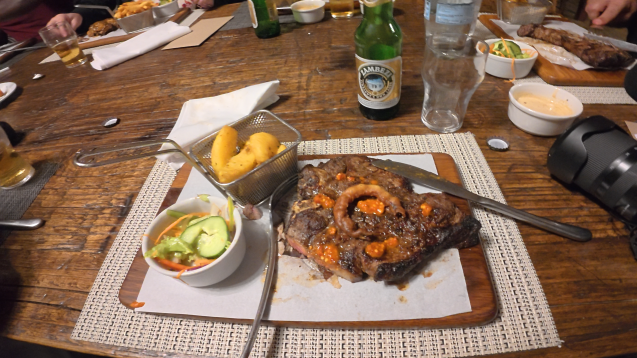
Dinner is usually the highlight.
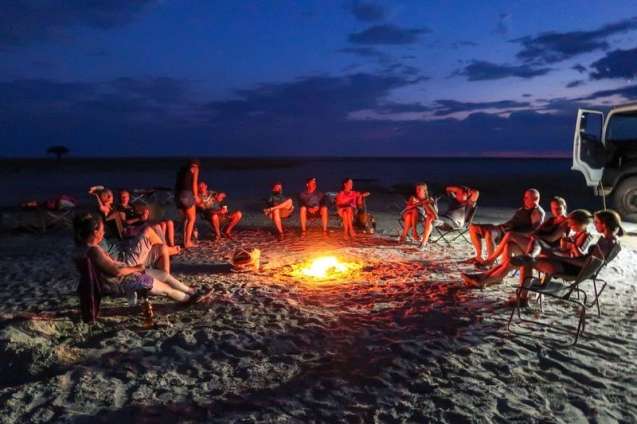
This is where the safari day slows down. The truck is parked, the fire is lit, and everyone gathers around camp. Meals are often cooked over an open fire or prepared using the truck kitchen.
You might have:
The braai is worth pausing on. It is more than just cooking meat over flames. In Southern Africa, a braai is a social event. It is food, fire, conversation, and atmosphere all rolled into one. On safari, after a day of desert landscapes, wildlife sightings, and dusty roads, it feels exactly right.
Yes, but you need to mention your dietary requirements in advance.
This is important. If you are vegetarian, vegan, gluten-free, or have another dietary restriction, let your safari consultant know before you travel. Overland routes pass through remote areas where shops may be limited, so advance planning makes a big difference.
Most established overland operators are used to catering for common dietary needs, including:
The key phrase is with advance notice. Do not wait until you are already on the truck in the middle of Namibia to mention that you do not eat gluten, dairy, onions, joy, or anything beige. Tell the team early so they can plan properly.
This is especially useful for US travellers who may be worried about food availability in remote parts of Africa. You are not being difficult by asking. You are helping the crew make sure the right food is available at the right time.
If you are vegetarian, vegan, gluten-free, or travelling with food allergies, tell us before you book. Our safari consultants can help match you with an overland safari operator that can plan properly for your route, group, and meal requirements.
Browse Namibia to Victoria Falls overland safaris or contact African Budget Safaris for advice.
Clean drinking water is provided on most overland safaris, and this will usually be explained in your trip notes before departure.
Alcoholic drinks, sodas, and personal extras are generally BYO, which means Bring Your Own. You can usually stock up at supermarkets or shops along the route when the group stops in towns.
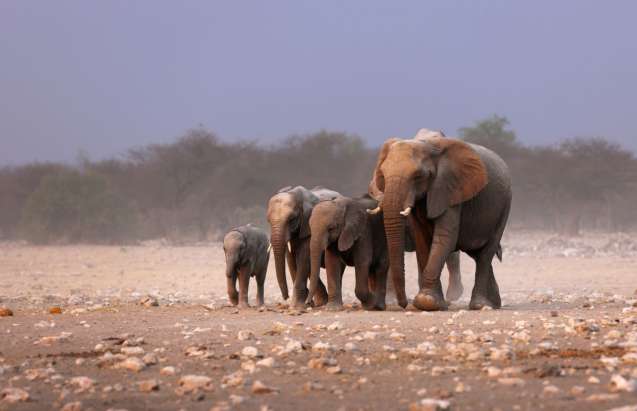
This setup works well because everyone has different preferences. Some travellers want a cold beer by the fire, others want soft drinks, and others are perfectly happy with water and an early night. No judgment either way. The lions will not care.
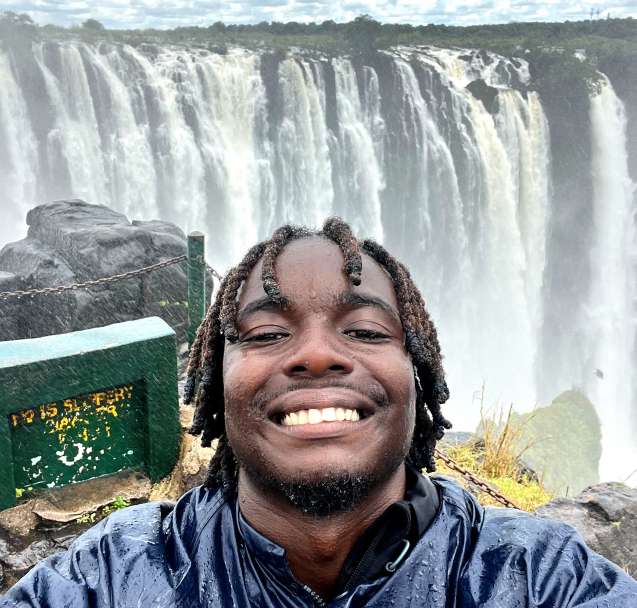
What stands out most in Sakhu’s food episode is not just the menu. It is the surprise.
He went in expecting overland safari food to be very basic. What he found was fresh, filling, varied, and better than expected. The food was not luxury lodge cuisine, but it was exactly what you want on this kind of trip: practical, generous, tasty, and cooked in the spirit of shared adventure.
The campfire meals were a major highlight. After a day on the road or out exploring, sitting down with the group for dinner became part of the safari rhythm. It was a chance to relax, swap stories, laugh about the day, and enjoy food that somehow tastes better when eaten under African skies.
And yes, according to Sakhu, it beats home cooking when you are out in the bush.
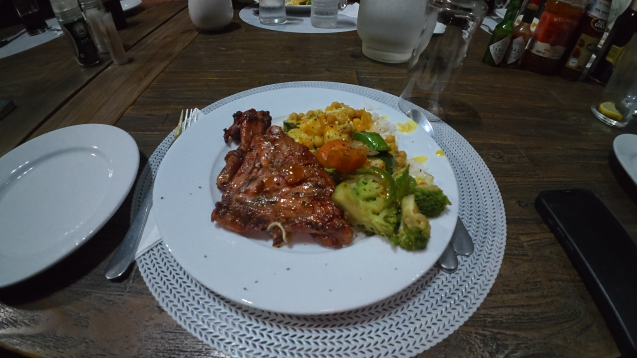
No. And honestly, that is part of the appeal.
Overland safari food is not trying to be fancy. It is designed to feed a group of travellers well while moving through some of Africa’s most spectacular landscapes.
The value is in the experience: eating together, travelling together, and enjoying meals that fit the journey.
If you want luxury dining, a high-end lodge safari may be a better fit. But if you want adventure, value, and satisfying food after a real safari day, overlanding delivers.
This is food with dust on its boots and a fire in its belly.
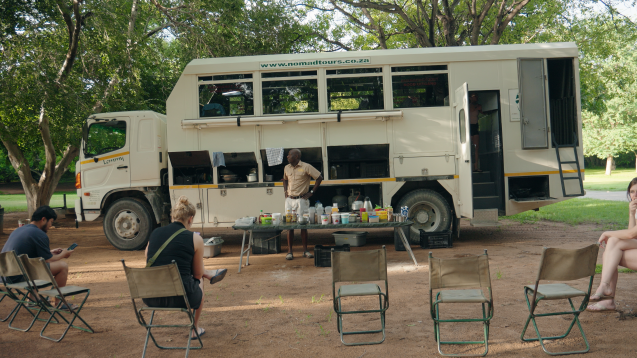
Sakhu’s YouTube video gives you a real first-timer’s look at overland safari food, from truck meals and camp cooking to the all-important question of whether you will actually eat well on the road.
Watch Episode 6, What We Ate on an Overland Safari, and see what meals are really like on a 10-day Namibia to Victoria Falls overland adventure.
This episode is part of Sakhu's First Overland Safari: Real Namibia to Victoria Falls Guide YouTube series, which follows his complete journey from Namibia to Victoria Falls as a first-time safari traveller.
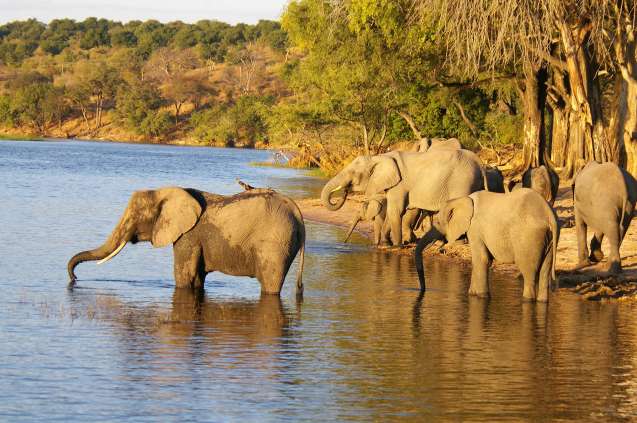
If Sakhu’s trip has you curious, take a look at the 10-day Namibia to Victoria Falls overland safari that inspired the series. It is a great route for first-time travellers who want big landscapes, classic Southern African safari country, and easy access to highlights like Namibia, Botswana, and Victoria Falls without the luxury price tag.
Not sure if overlanding is right for you? Contact African Budget Safaris and chat to a safari expert.
No. Overland safari meals are usually simple, filling, and planned around long travel days. Expect breakfast, roadside lunches, and hearty dinners at camp.
Yes, vegetarian meals can usually be catered to if you mention your dietary needs in advance.
Often, yes. Vegan and gluten-free meals can usually be arranged with advance notice, although options may be more limited in remote areas.
It is a good idea to bring a few personal snacks, especially for long drive days. You can usually restock at shops along the route.
Clean drinking water is usually provided, while alcoholic drinks, sodas, and personal extras are often BYO.
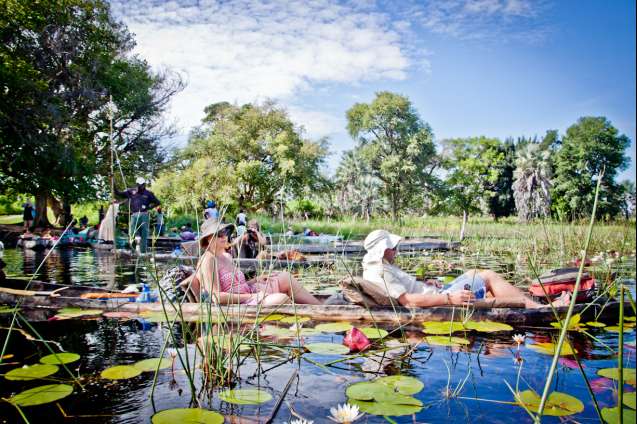
Food is one of the biggest worries for first-time overland travellers, especially if you are unsure what to expect in remote parts of Africa.
The good news? You will eat. You will eat more than beans. You will probably eat better than you expect. And by the end of the trip, you may find that dinner around the campfire becomes one of your favourite parts of the whole safari.
Overland safari food is fresh, filling, social, and part of the adventure. Not luxury. Not fussy. Just good food, good people, and one very useful truck kitchen on wheels.
Ready to experience it for yourself? Explore our 10-Day Namibia to Victoria Falls Safari for a first-hand look at this classic Southern African route, or contact African Budget Safaris and start planning your safari today.
Explore these destinations mentioned in this post.
Below you'll find further reading and articles related or similar to this post.




Call us toll free from US/Canada on 1-888-414-6513, or from the UK on 0-808-189-1052. All other countries can contact us on +27 21 791 0878.
© 2026 African Budget Safaris | Privacy | Terms | Cookie Policy | Consent Preferences

__thumb.jpg)
tours_through_moremi_game_reserve__thumb.jpg)
__thumb.jpg)
__large__thumb.jpg)

__medium.jpg)