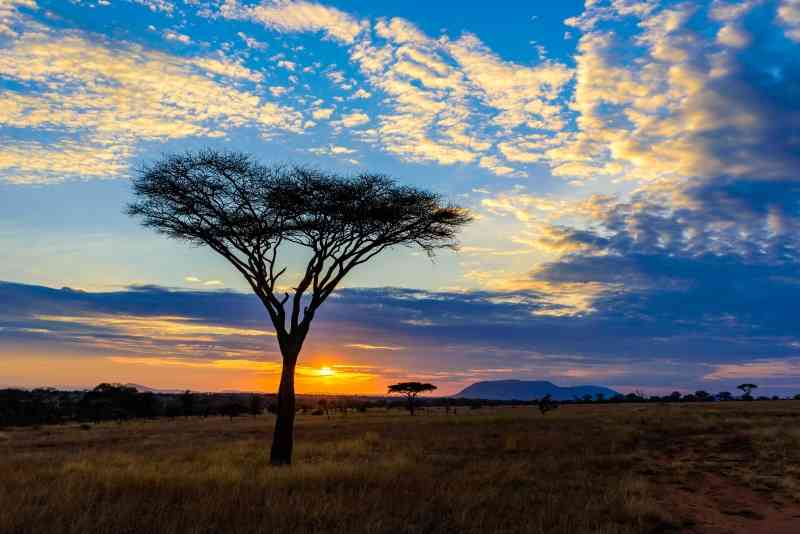
Serengeti Safaris are renowned for their vast open plains, abundant wildlife, and the breathtaking Wildebeest Great Migration. Home to the Big 5 of Africa – lion, leopard, elephant, buffalo, and rhino – the Serengeti National Park in Tanzania is a year-round safari destination.
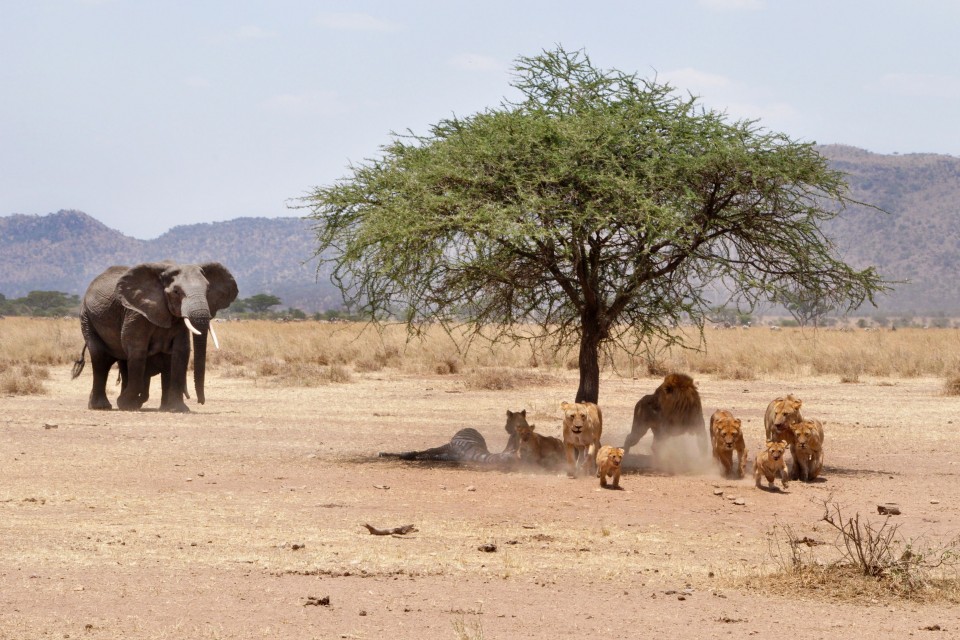
The huge herds of wildebeest, zebra, and gazelles, are matched by large predator populations making the Serengeti one of the top safari destinations to see predator-prey interactions. Whether witnessing the drama of river crossings on the Great Migration, seeing lions and cheetahs on the hunt, or floating above the plains in a hot air balloon, the Serengeti Park offers an African safari like no other.
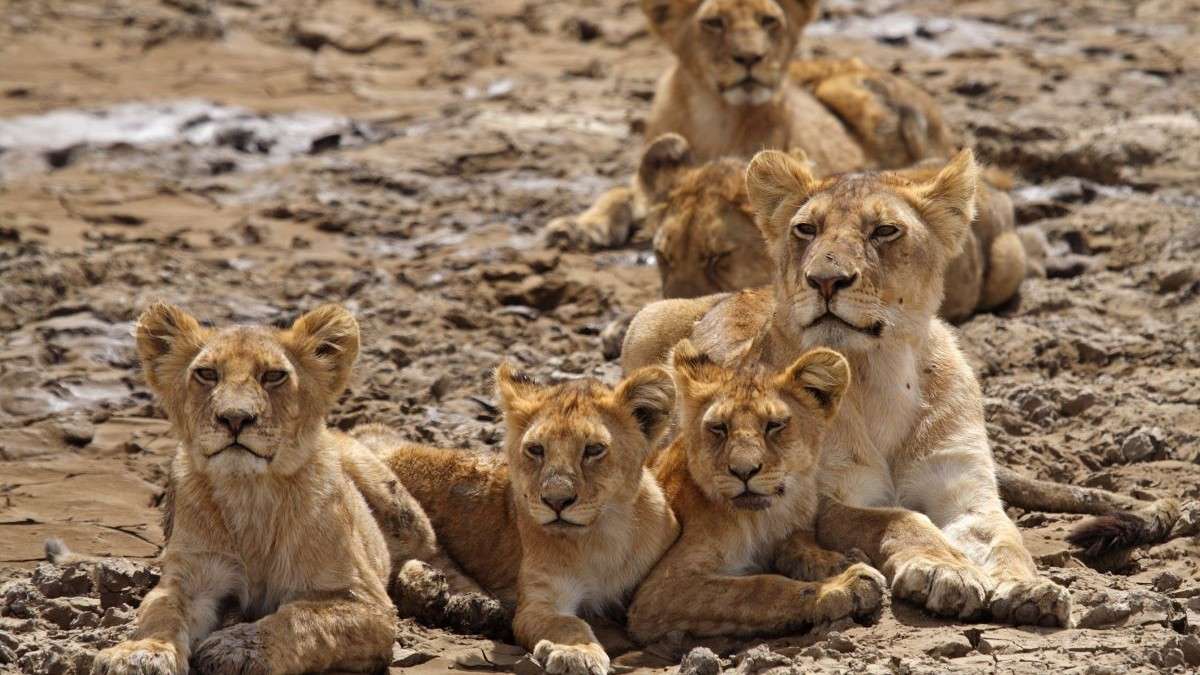
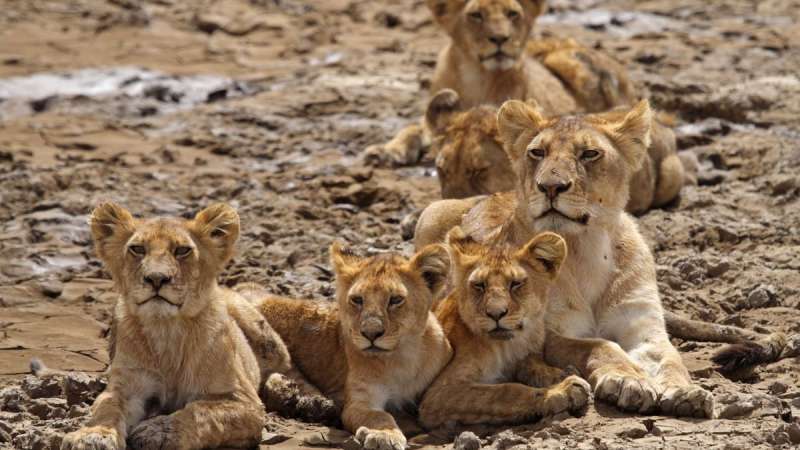
Lioness and cubs, Serengeti safari tour
Year Round Wildlife
The Serengeti National Park is a haven for wildlife throughout the year.
From the northern reaches, on the border of the Masai Mara in Kenya, to the southern areas that join the Ngorongoro Conservation Area, Serengeti Safaris offers exceptional year-round game viewing.
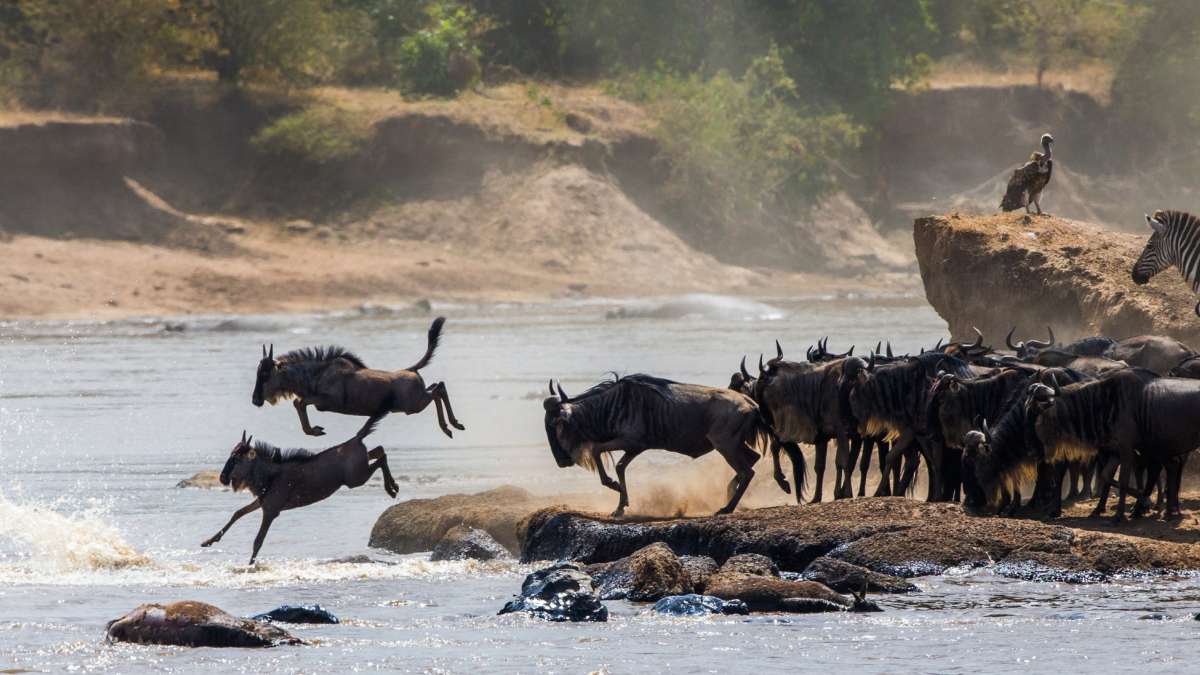
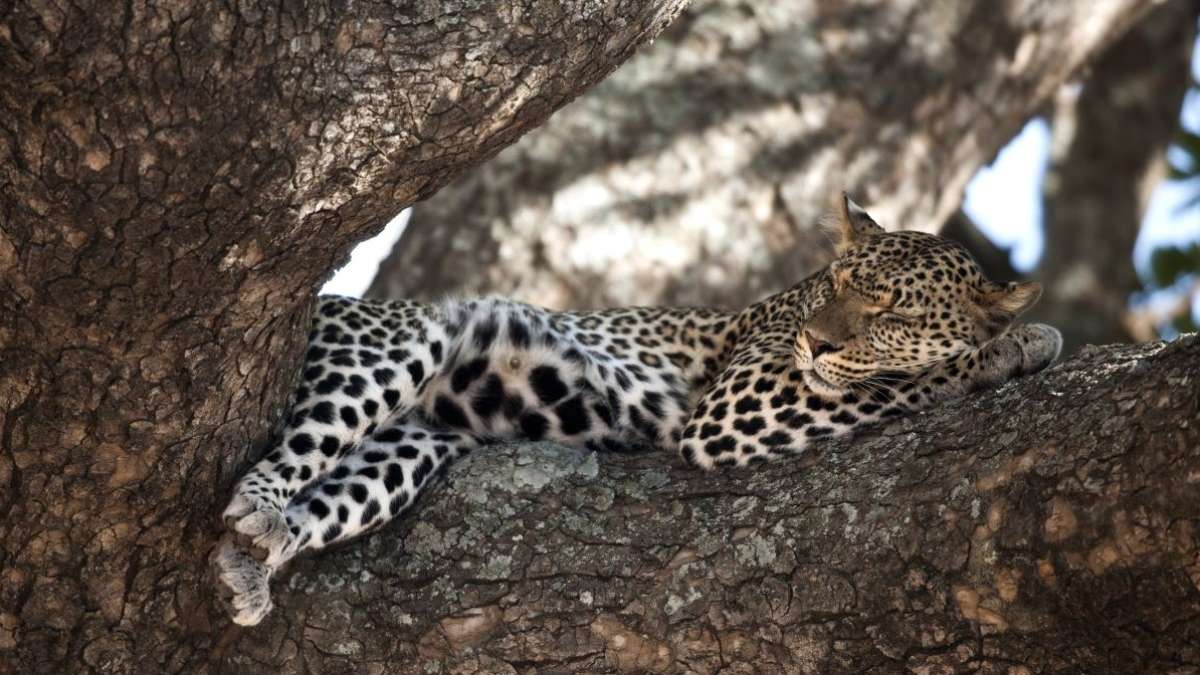
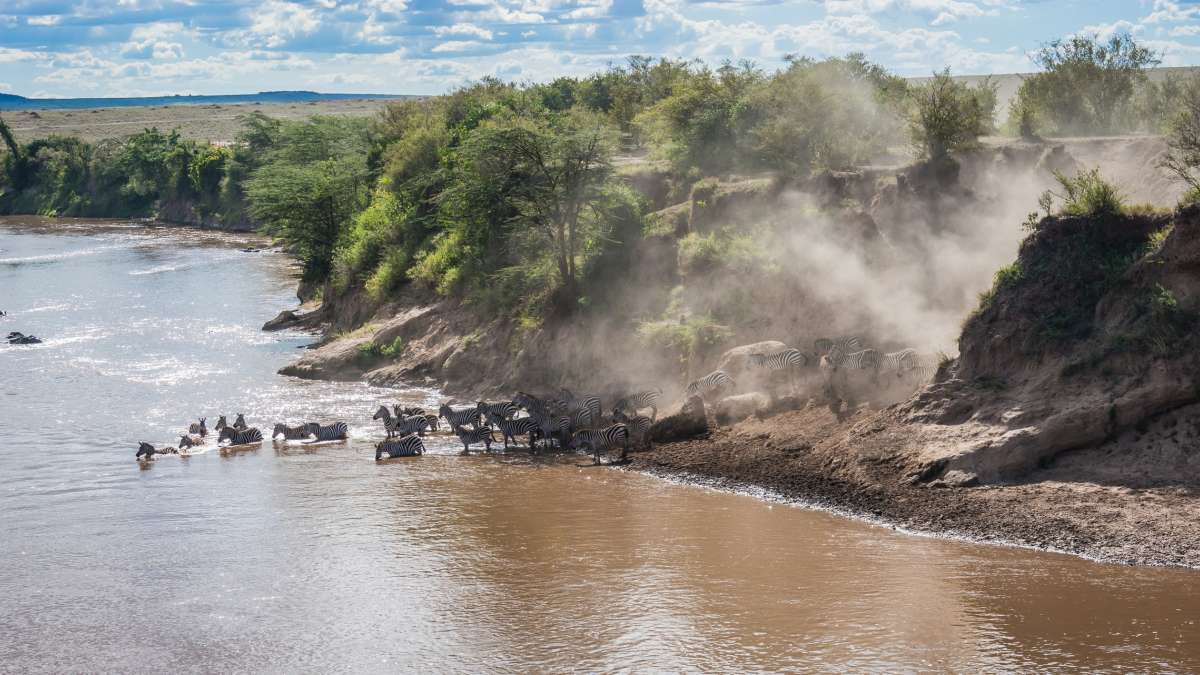
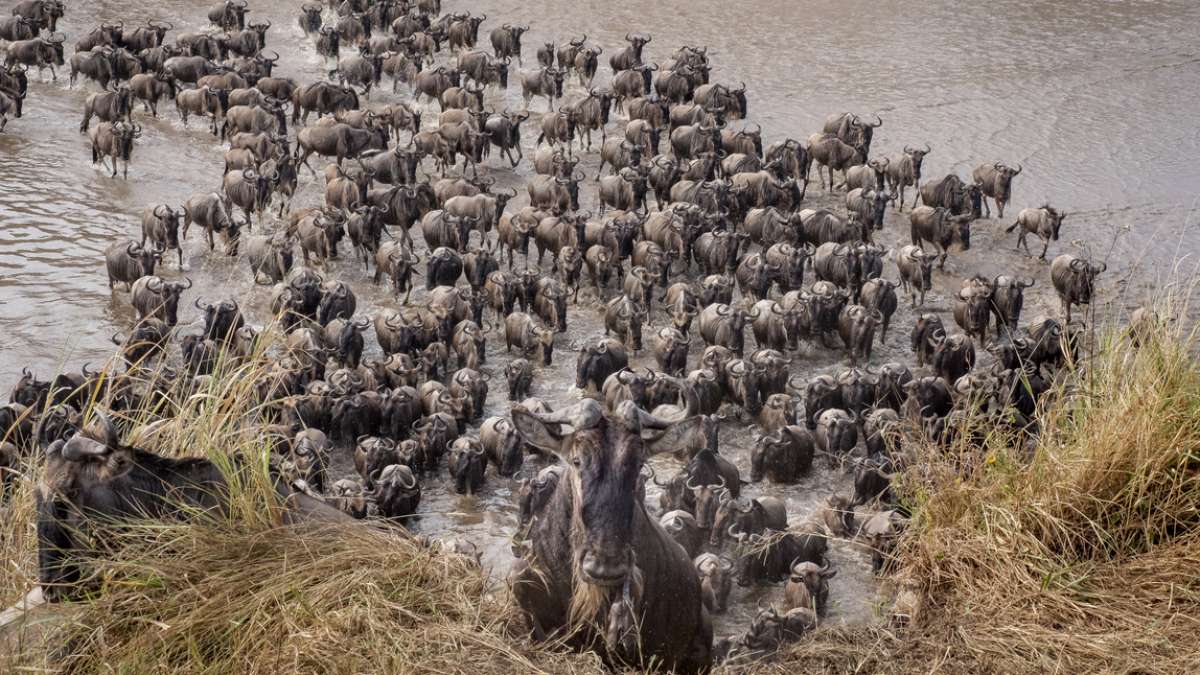
While the central Seronera region is a predator hotspot, where lions, leopards, and cheetahs roam the acacia-dotted plains and granite kopjes, the southern Ndutu Region plays host to the calving season of the Wildebeest Great Migration from January to March. The Northern Serengeti is best known for the dramatic Great Migration river crossings from July to October. At this time, thousands of wildebeest must cross the crocodile-infested waters of the Grumeti and the Mara Rivers.
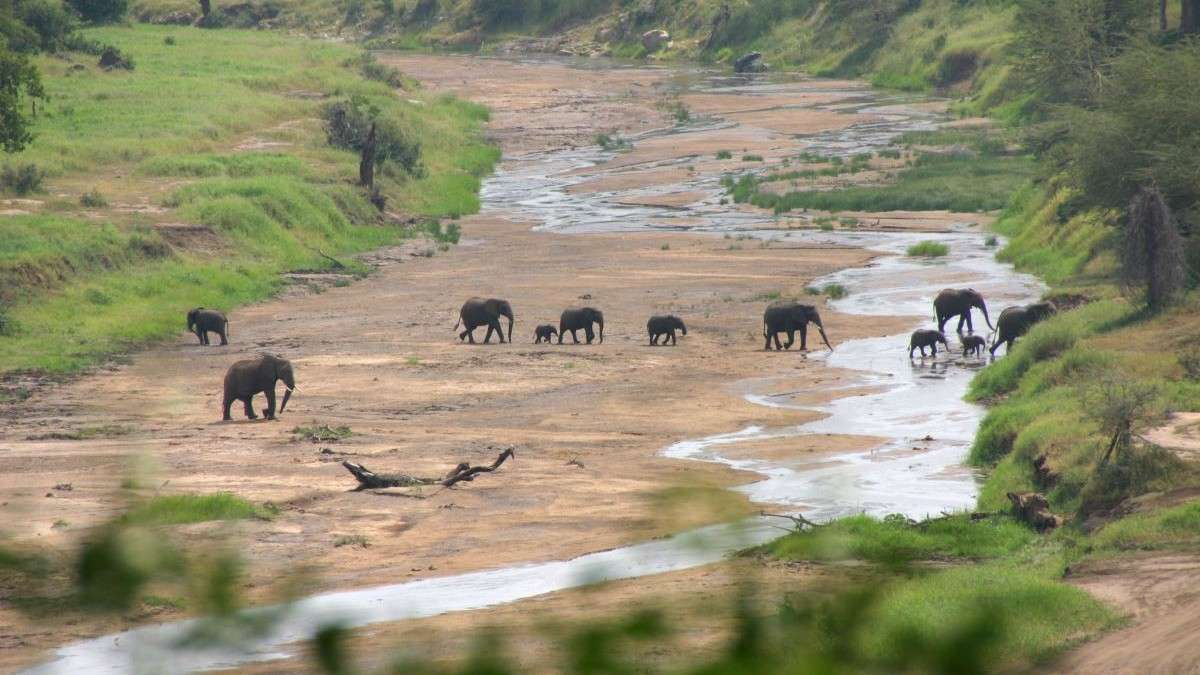
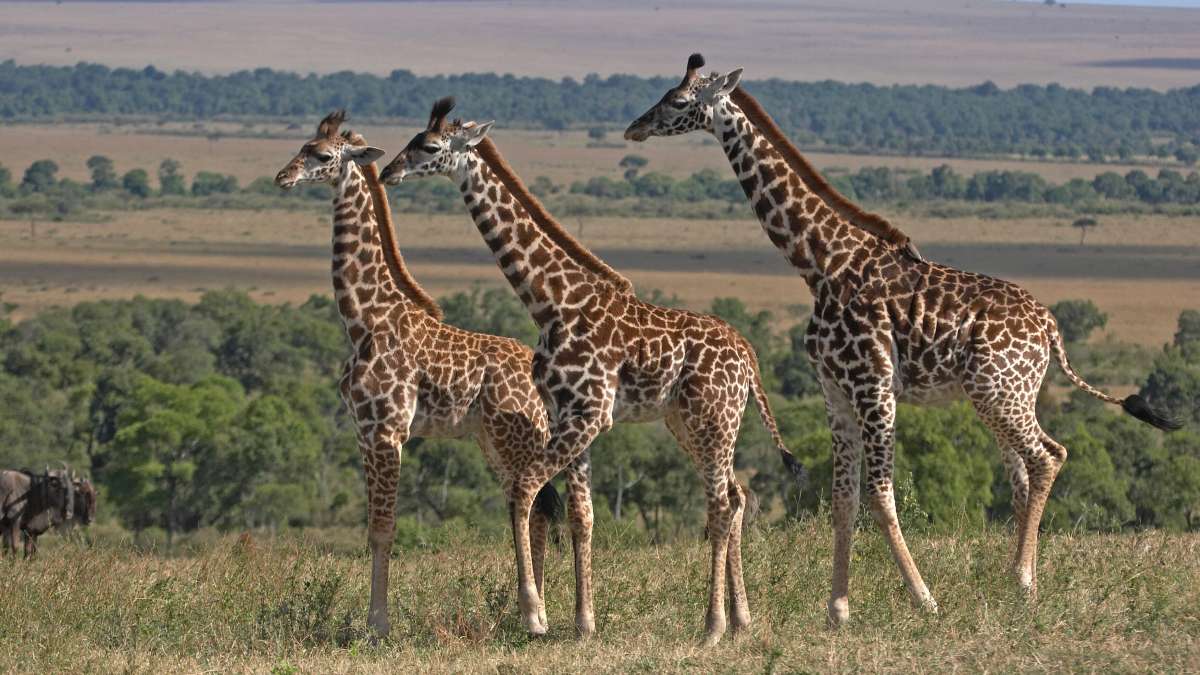
The Serengeti in Tanzania supports a vast array of wildlife. From huge numbers of antelope and the predators and scavengers that rely on them, as well as giraffes and elephants, Serengeti Safaris deliver some of Africa’s most exciting wildlife encounters.
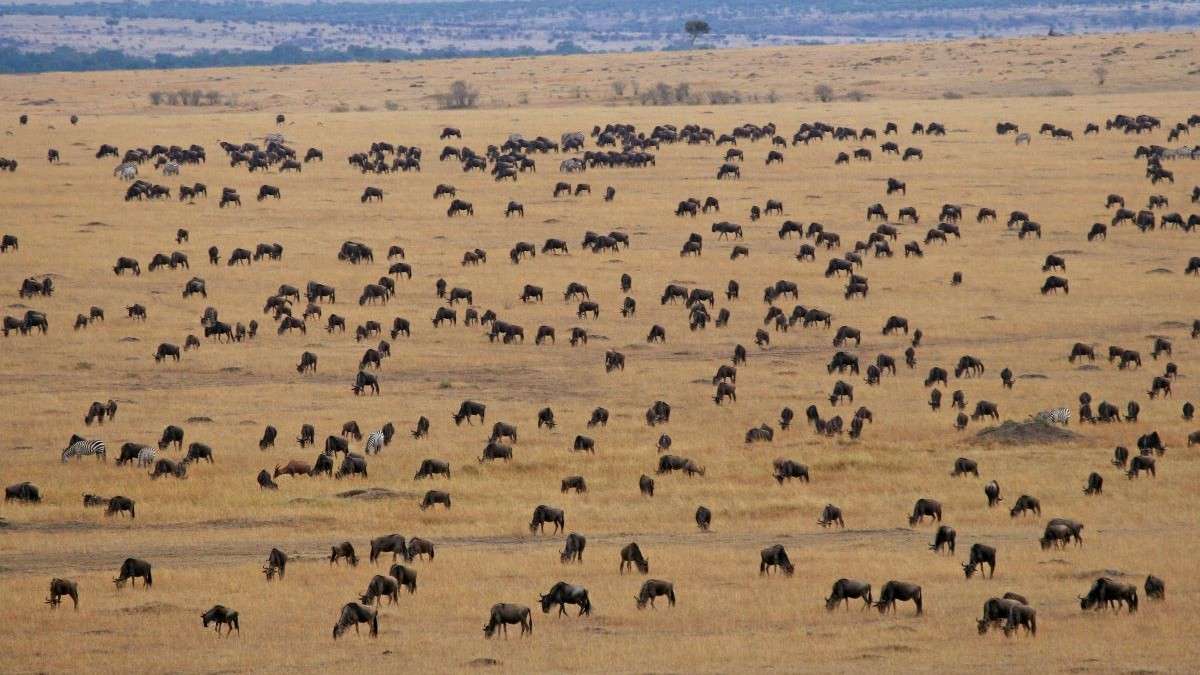
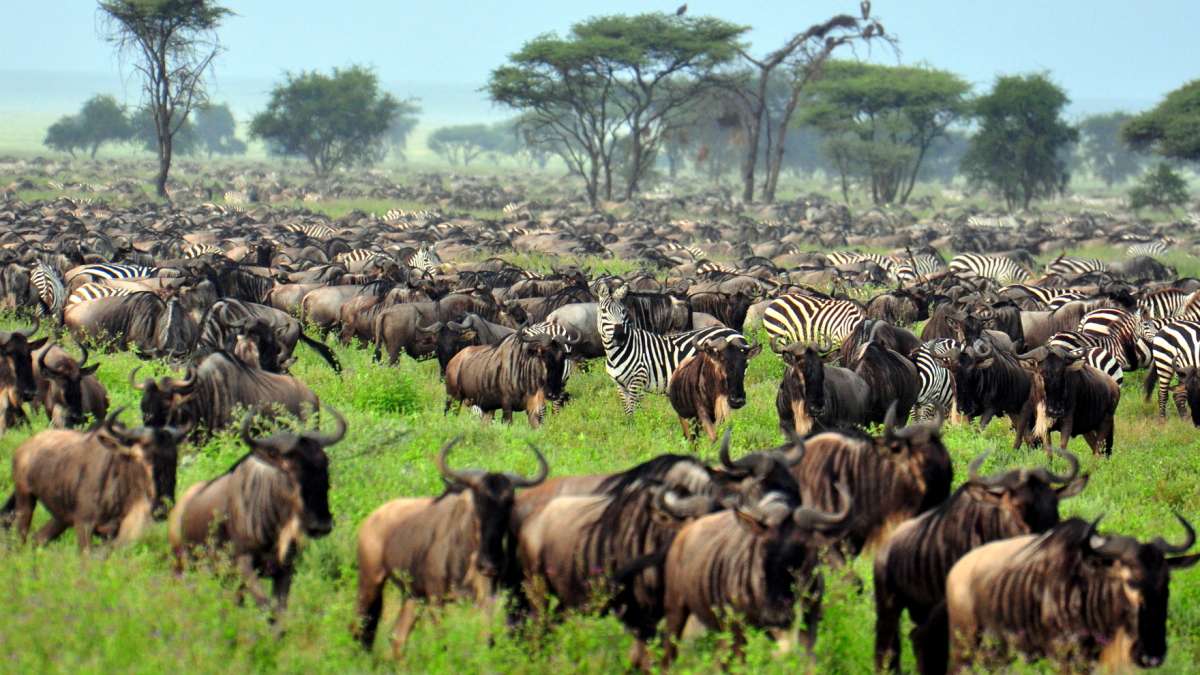
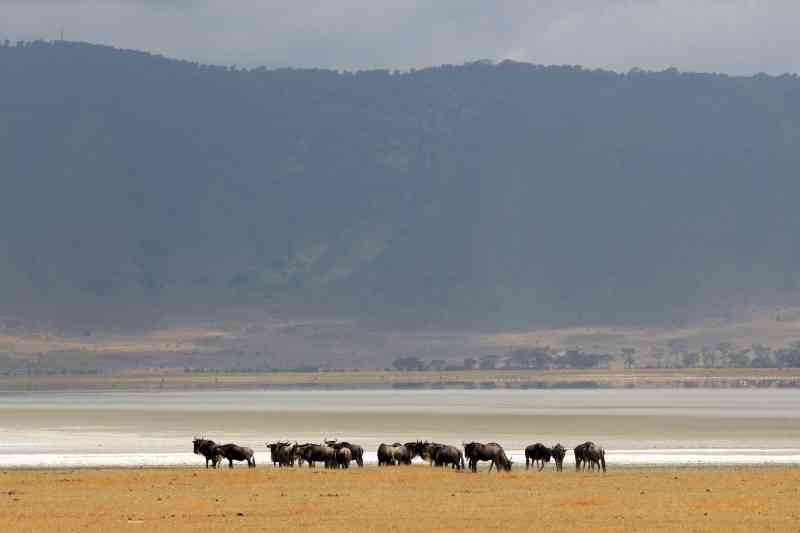
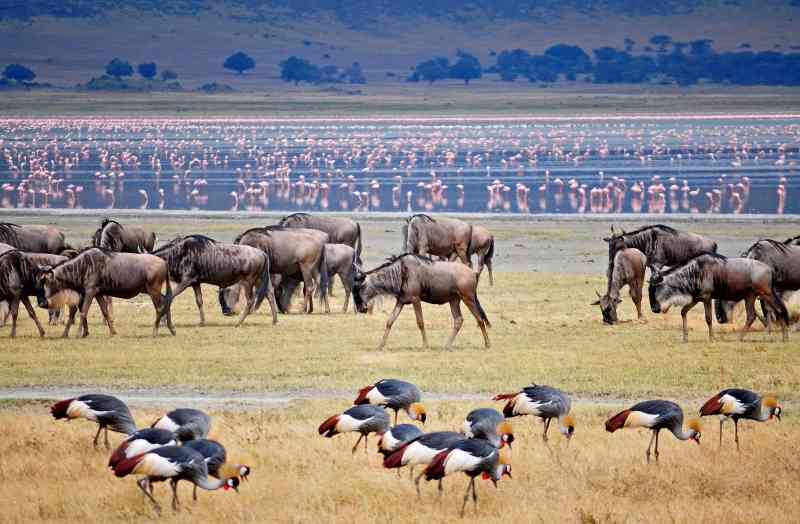
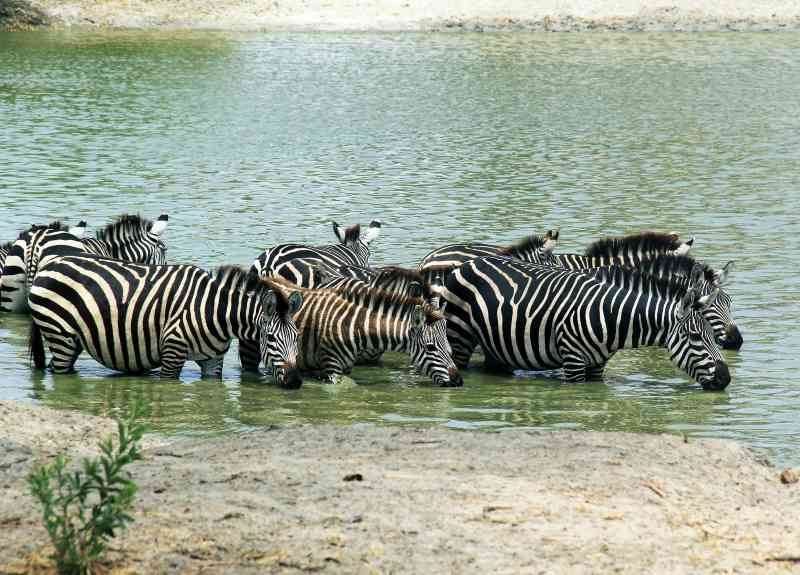
Over 1.5 million wildebeest, over 200,000 zebras and 300,000 Thomson’s gazelles, cross the open plains in search of fresh grazing.
The cycle begins in the Southern Serengeti from late December and early January where thousands of wildebeest gather to give birth. Predators follow resulting in some of the best predator action in Africa.
From April, the herds begin crossing the predator-rich central Seronera. From June they begin crossing the Grumeti River and by August the herds have reached the Mara River where massive crocodiles lie in wait.
As the dry season draws to a close, the migration herds disperse across the Serengeti before gathering again in late December in the south. While the Great Migration is best known for the movement of the herds of wildebeest, predators, including lions, cheetahs, and hyenas, are never far behind.
Seeing the Wildebeest Great Migration on a Serengeti safari is the quintessential wildlife experience. Thrilling wildlife encounters are part and parcel of the last great terrestrial migration on Earth.
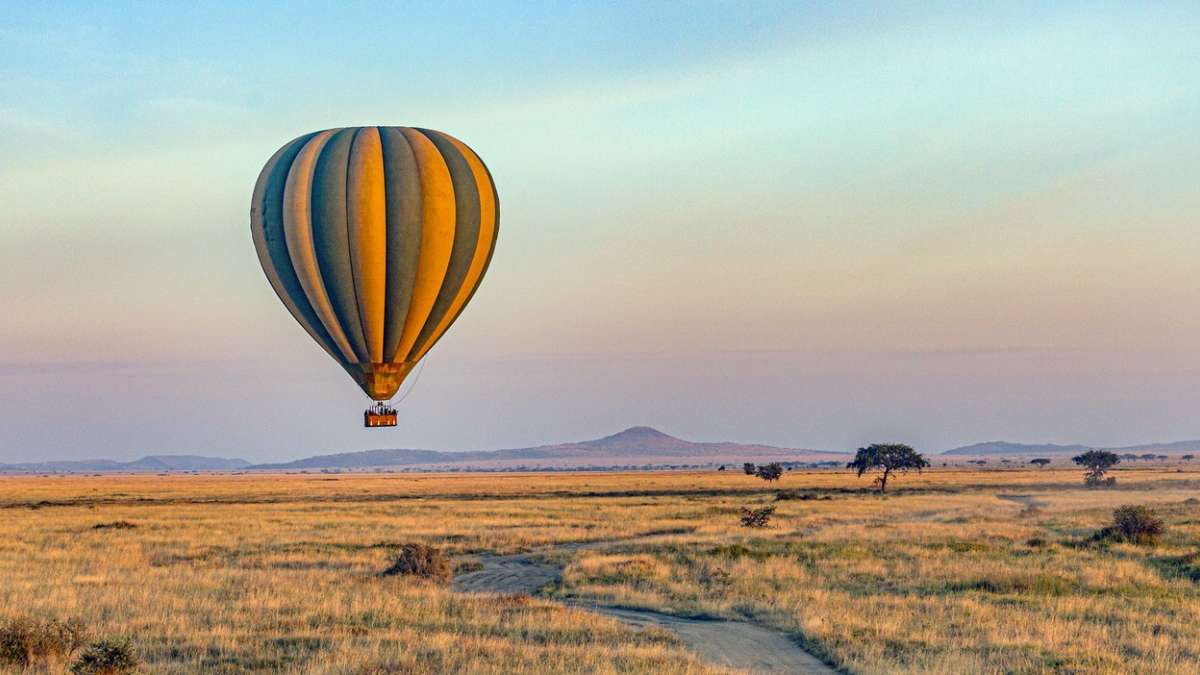
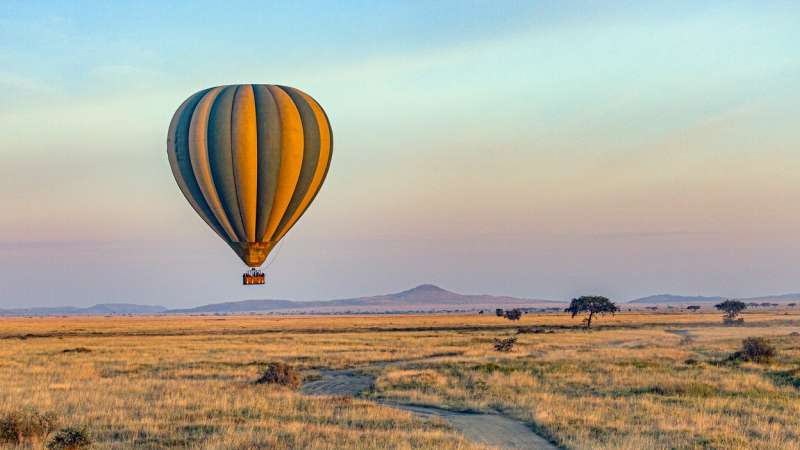
Hot air balloon safari in Serengeti
Hot Air Balloon Rides
A hot air balloon ride in Serengeti offers sweeping views over vast savannahs, wildlife from a unique perspective, and unparalleled photo opportunities.
Rising into the sky in sync with the African dawn, balloon rides launch year-round in the Seronera, and seasonally from Ndutu, the Western Corridor, and the Northern Serengeti. Seasonal opperations align with the Great Migration increasing your chances of seeing this spectacular event from the air. Balloon safaris in Serengeti conclude with a champagne breakfast in the bush.
Due to its popularity, Serengeti balloon safaris in Tanzania should be booked well in advance.
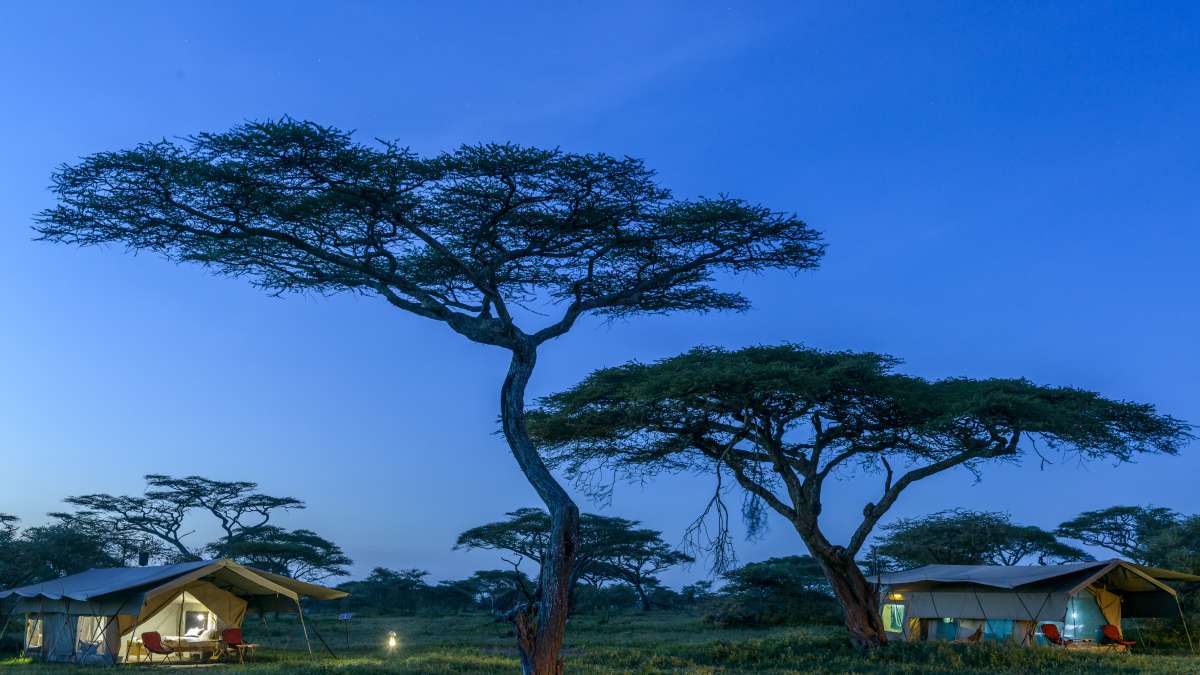
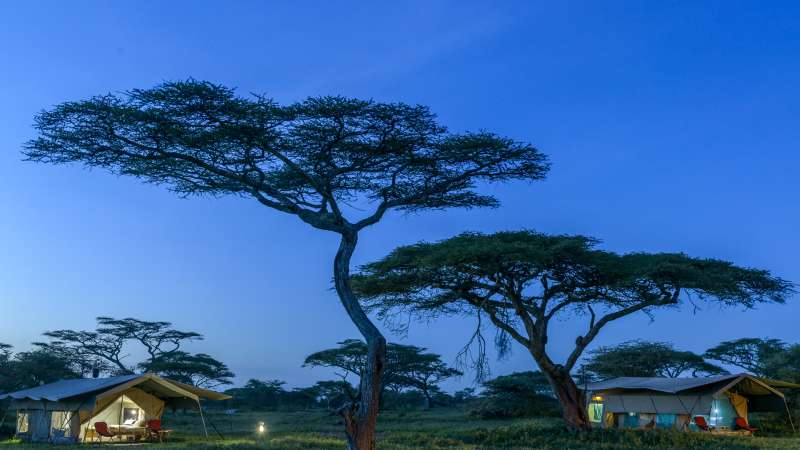
Ndutu wilderness camp
Diverse Options
A Serengeti safari is a bucket-list activity that caters to diverse travellers.
From safari novices to seasoned experts, the Serengeti’s abundant game, excellent predator action, and incredible views draw visitors from around the world.
Intimate escapes in romantic camps, family-friendly lodges with activities for children, or mobile camp safaris tracking the Great Migration, appeal to diverse travellers.
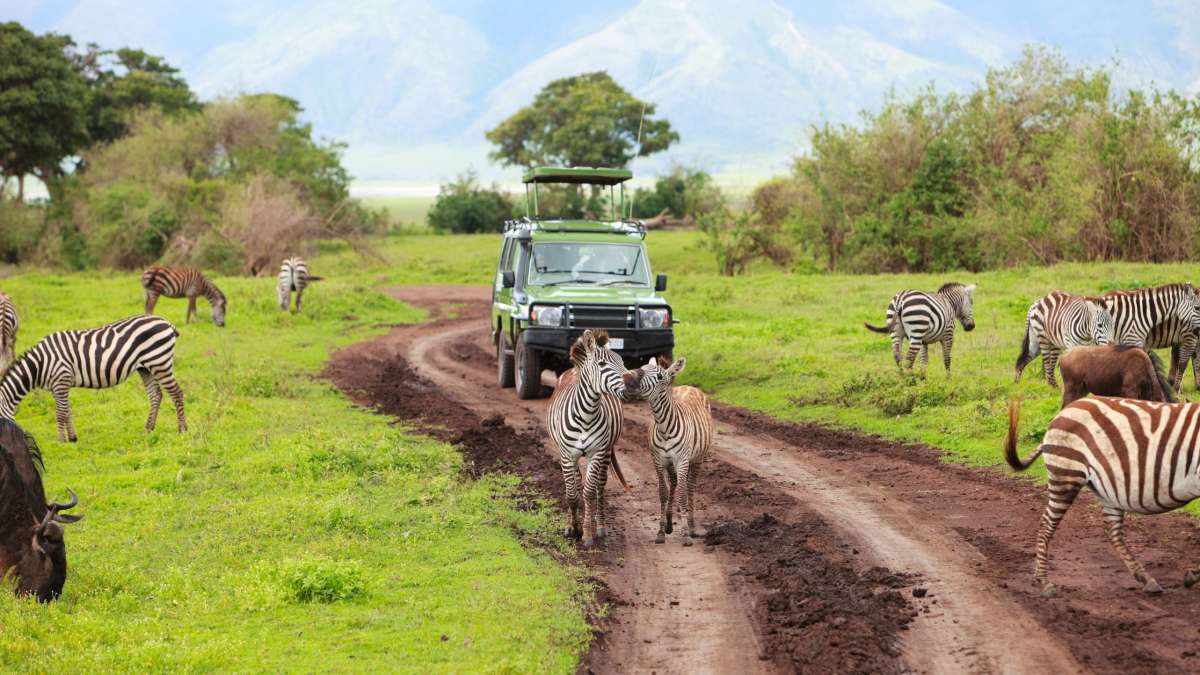
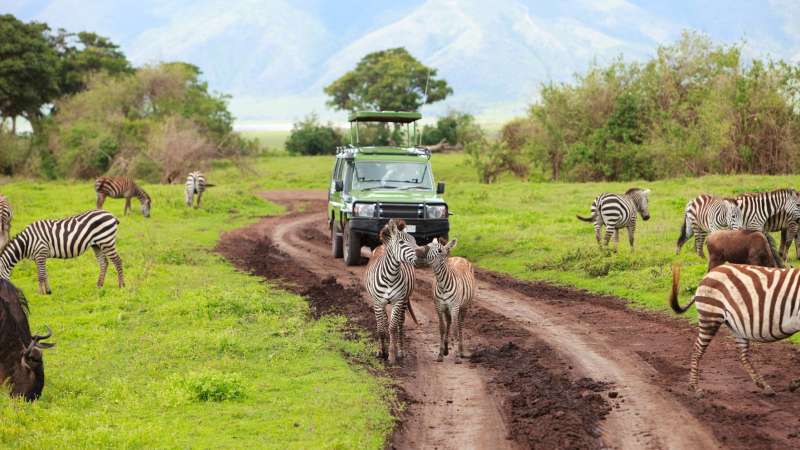
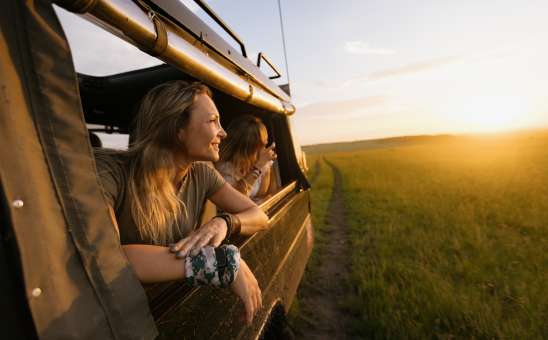
Serengeti safari tours offer adventure activities to assorted tastes. From 4x4 game drives and hot air balloon rides to walking safaris, mountain biking and horse riding.
When staying in the Serengeti, lodges serve excellent food and offer an assortment of drinks. Catering for special dietary requirements, they also include both vegan and vegetarian options.
Whether you are looking for a classic African experience, a luxury bush retreat, or an action-packed adventure, Serengeti safaris deliver.
Game drive
Need Help Planning Your Serengeti Safari?
Finding the perfect Serengeti safari package for you and your budget can feel overwhelming.
Talk to one of African Budget Safaris’ experienced travel consultants who have years of experience organising safaris throughout Africa - including in Serengeti Park.
Make it easy and let us help you navigate the choices with expert advice tailored to your interests, budget, and preferred travel style. From affordable group tours, private guided safaris, or bespoke trips timed to see the Great Migration in Africa, we are here to get you the best value for your money.
The best time to visit Serengeti is during the dry season from July to September.
This is the most popular time to see the Great Migration in Tanzania as the herds navigate the river crossings of the Grumeti and Mara Rivers.
However, with so much to offer, Serengeti Park is a year-round safari destination, and the best time to visit depends on you (your budget and preferences) and what you want to see.
January to March
From late December, the herds begin to gather in the southern Ndutu region of the Serengeti National Park.
During the calving season from January to March, thousands of wildebeest give birth. Calves must walk within minutes or fall victim to lions, hyenas, and other predators.
This is an excellent time to see dramatic predator-prey interactions against a lush green backdrop that is perfect for keen photographers. It is also a much quieter time, with fewer tourists.
April to June
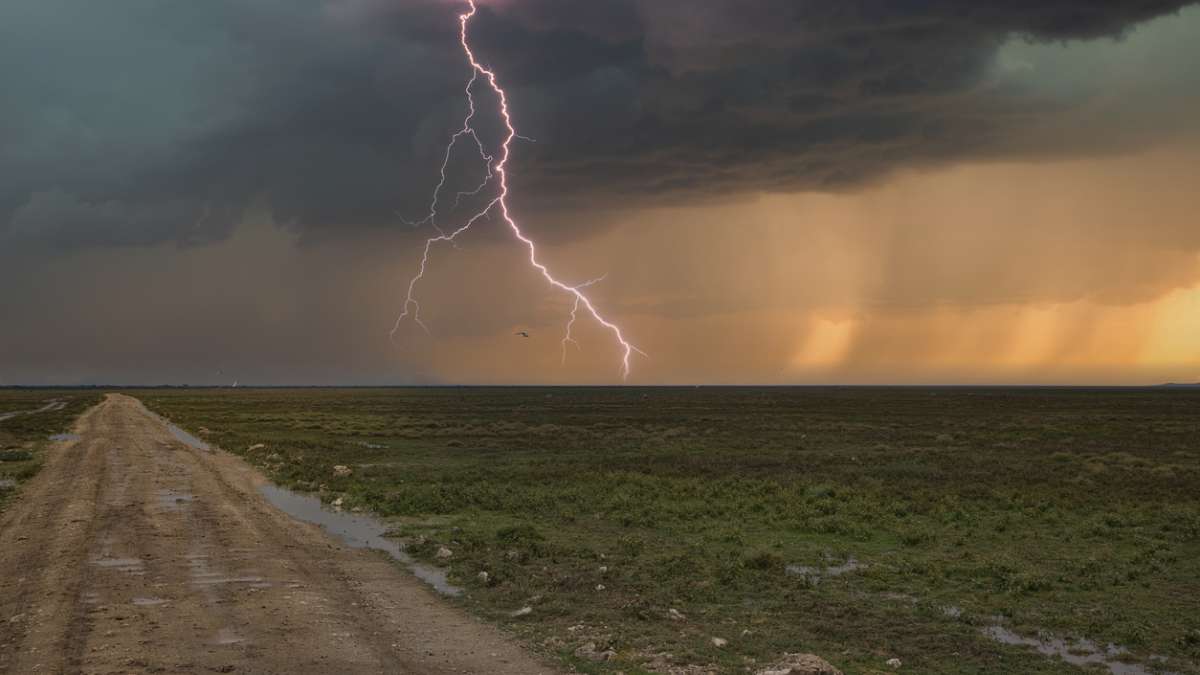
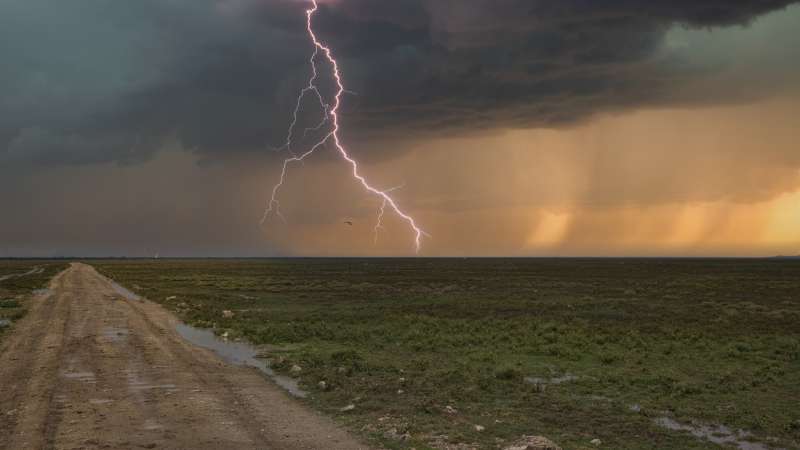
In Serengeti, the long rains fall from April to June.
This is the green season, and many lodges close due to flooded or impassable roads. The green season offers reduced rates for the budget traveller.
At this time Serengeti safaris offer lush and green landscapes with very few tourists.
By late June some of the herds have reached the western corridor and must cross the Grumeti River, which together with the Mara River crossing, provide some of the Great Migrations' most dramatic wildlife encounters.
July to October
From July to October is the peak season in Tanzania's Serengeti National Park.
Dry conditions - that make spotting game easier and the crocodile-infested Mara River crossings are the major highlights. Expect high drama and excellent game viewing.
High demand, however, means premium Serengeti safari prices and larger crowds.
November traditionally marks the arrival of the short rains in northern Tanzania.
The migration herds move south from the Masai Mara in Kenya and disperse back into the northern and central Serengeti, making their way south to the Ndutu Plains where they begin to calve in January.
The landscape, after the dry winter months, transforms into verdant greens. For those seeking quieter Serengeti safaris and better rates, there are fewer visitors and it is a good time for avid bird watchers.
Our clients' favourite Serengeti Safari Packages explore Serengeti National Park and other top Tanzanian destinations including Ngorongoro Crater, Tarangire, Lake Manyara and Zanzibar. Accommodation options range from quality budget and mid-range lodges to affordable and luxury tented camps. The mobile camping trips are ideal for tracking the Great Migration, while lodge tours offer a more relaxed pace with game drives and optional extras. Remember to book well in advance for Serengeti Safaris during the peak of the Great Migration.
From R111173$6768£5061€5924A$9663C$9522NZ$11661 pps