


- More destinations related to Malawi:
- Lake Malawi
- Lilongwe

Malawi, often called the Warm Heart of Africa, is one of the continent’s most underrated gems. Warm, welcoming people, rich culture, and extraordinary natural beauty are all part of visiting this small African country.
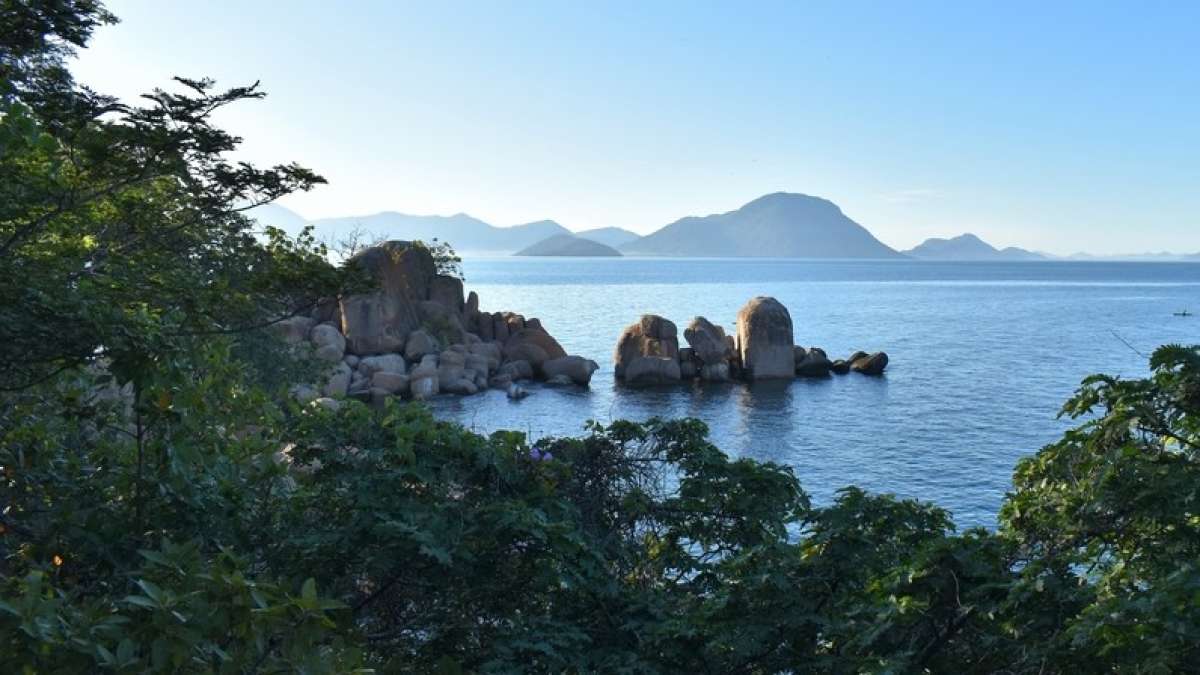
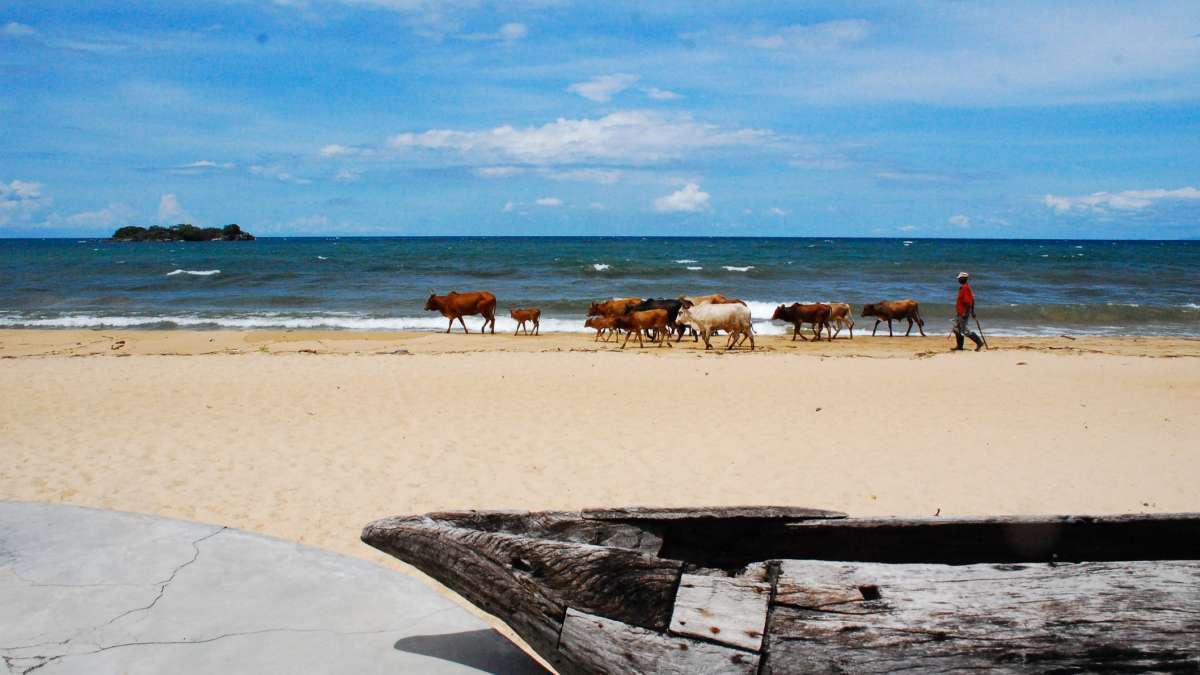
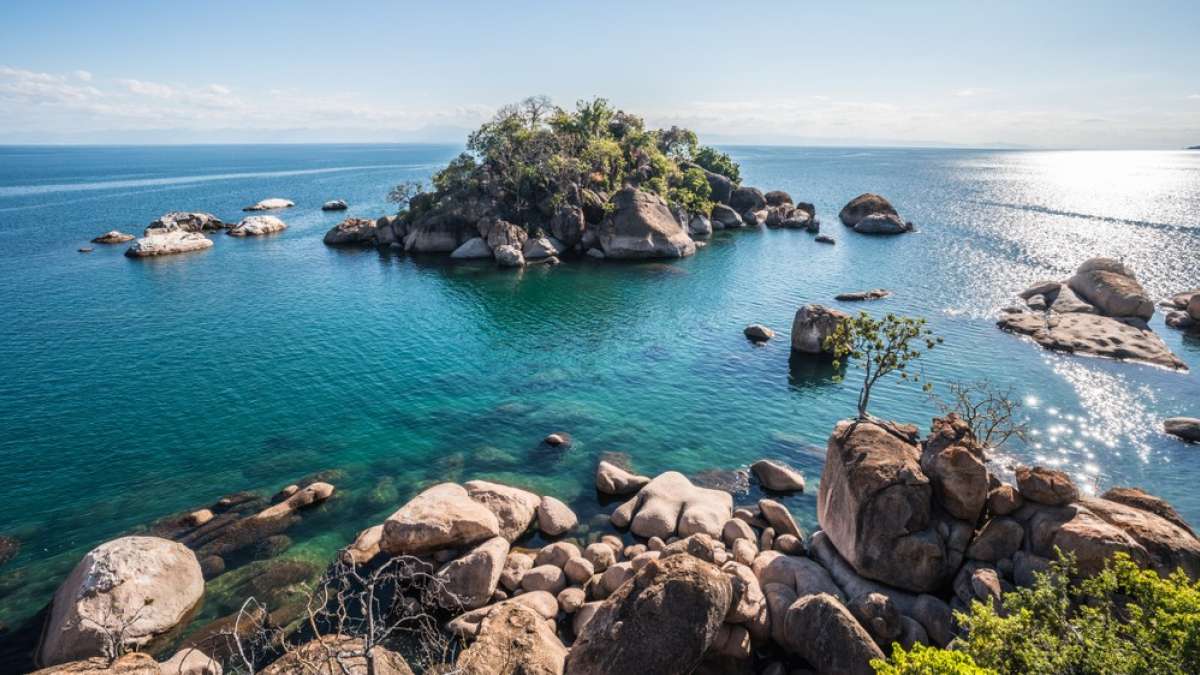
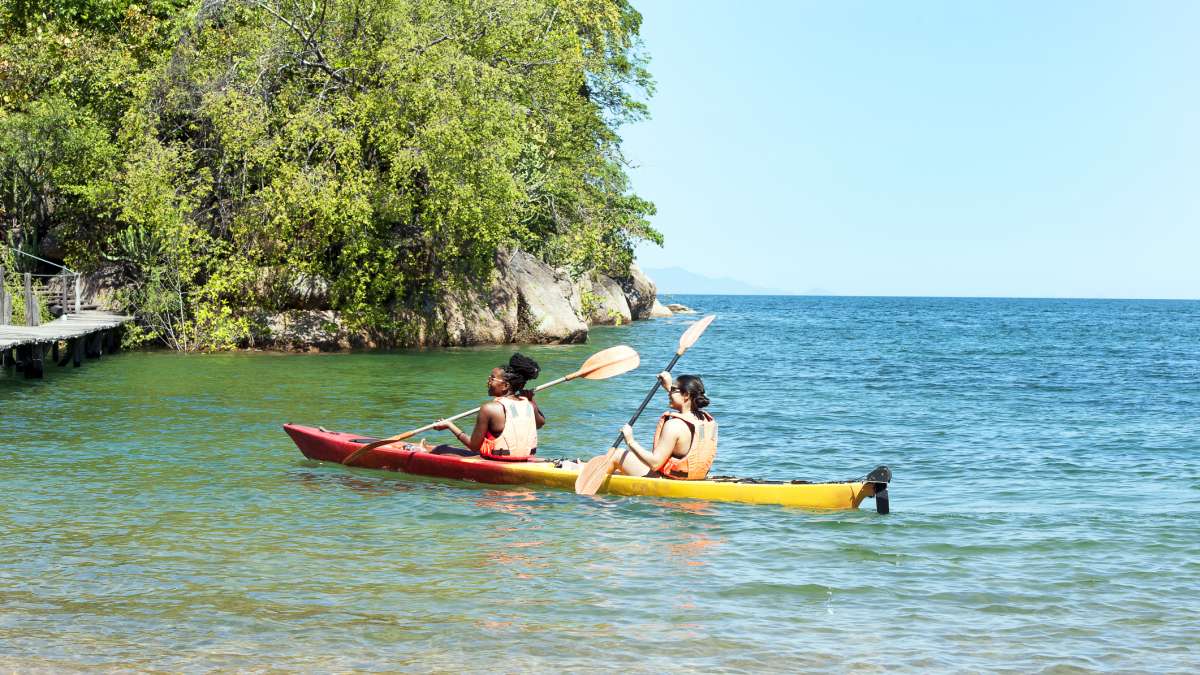
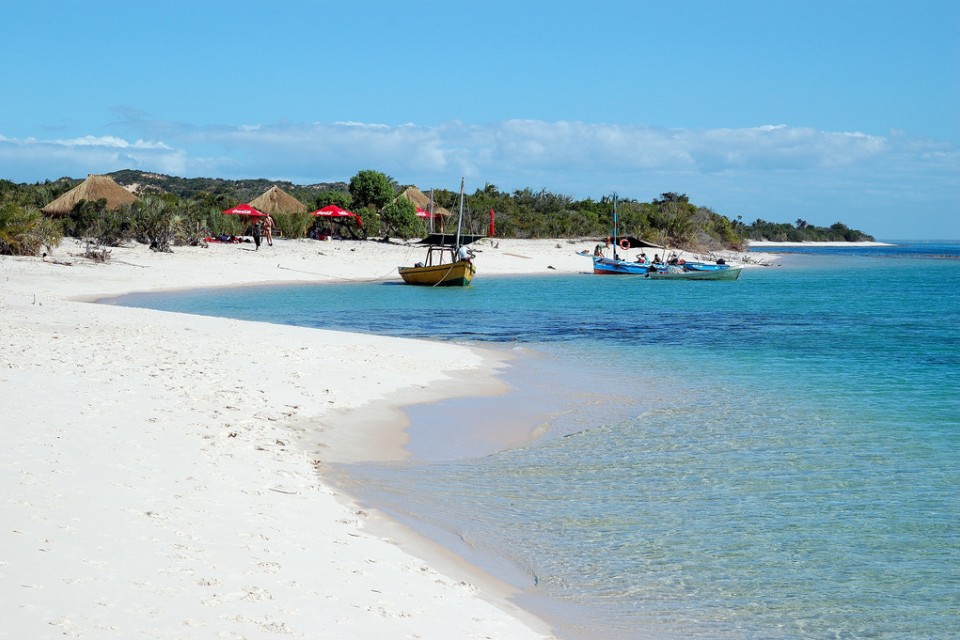
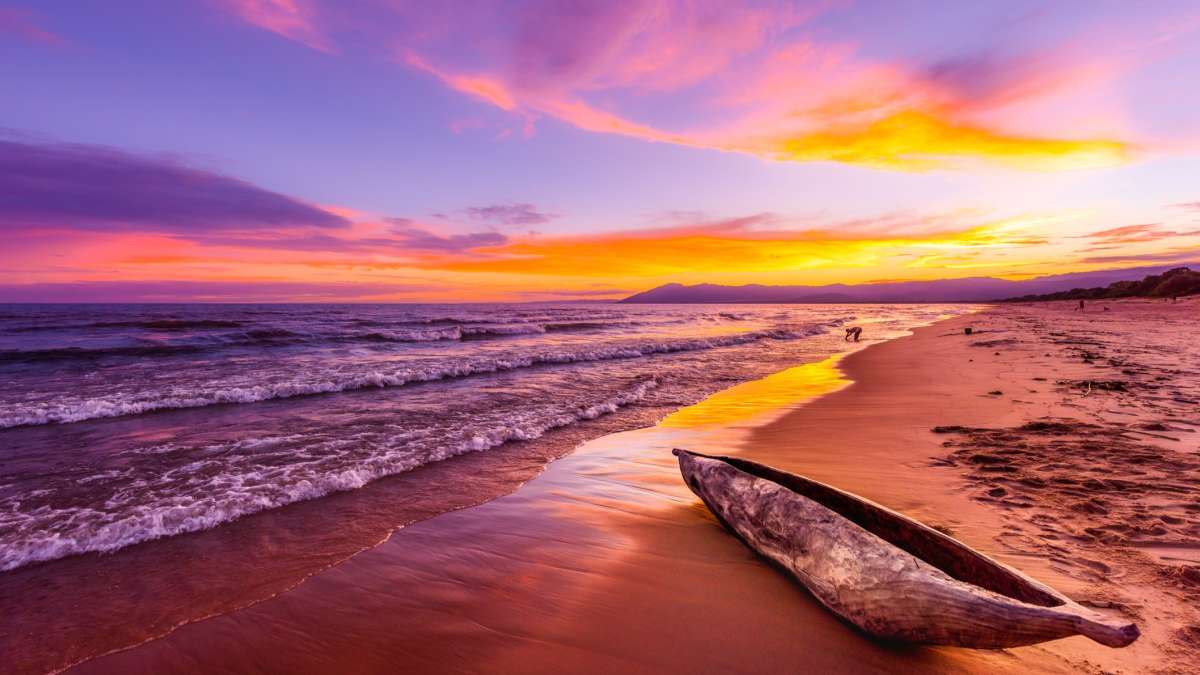
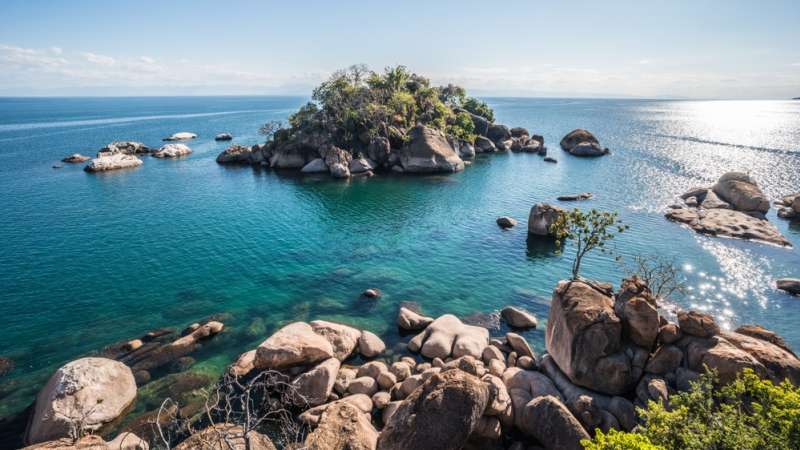
Lake Malawi is a vast freshwater wonder stretching nearly 600 km / 370 miles. It is Africa’s third-largest lake and a biodiversity hotspot that is often compared to the Galápagos Islands. Its clear waters and sandy shores are reminiscent of a tropical island paradise, and invite travellers to swim, snorkel, kayak, and sail.
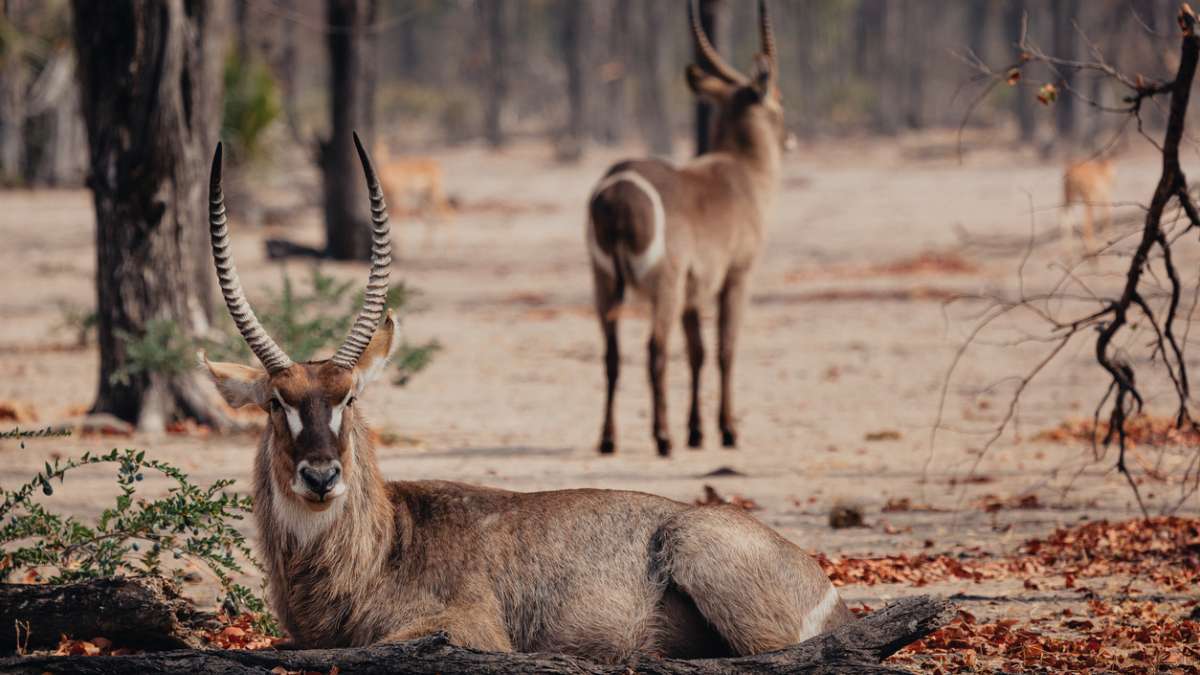
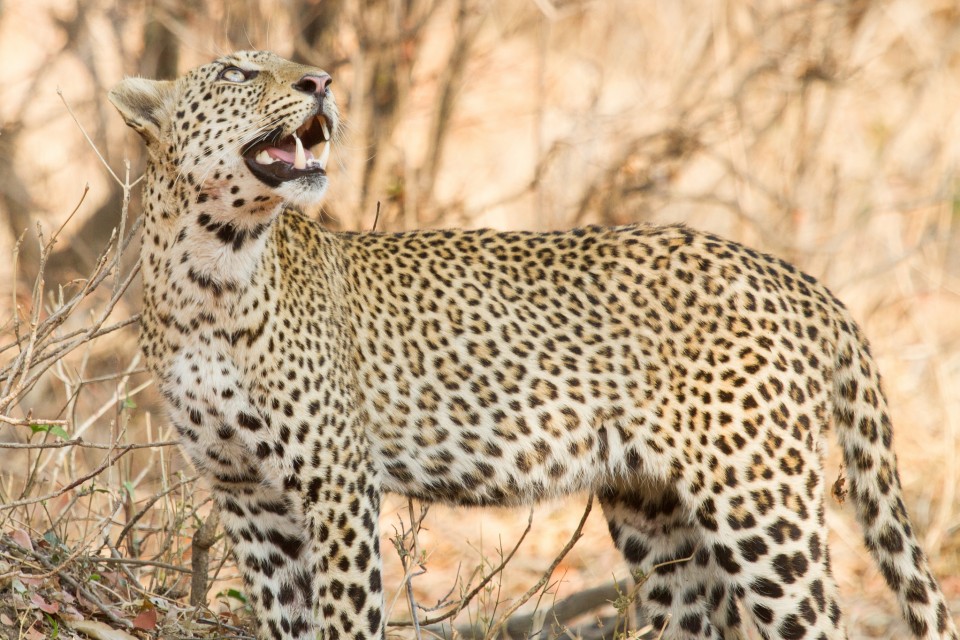
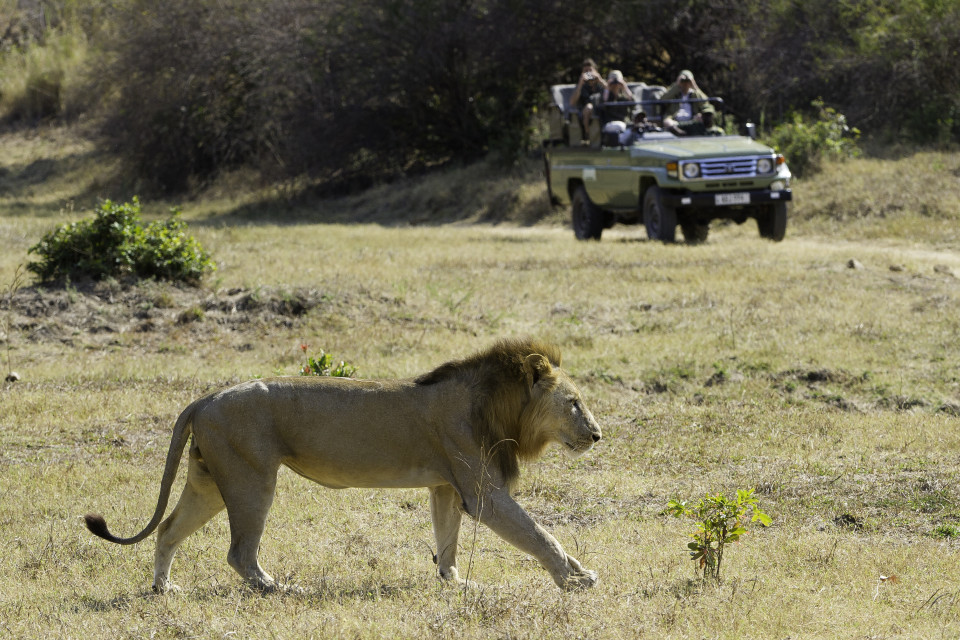
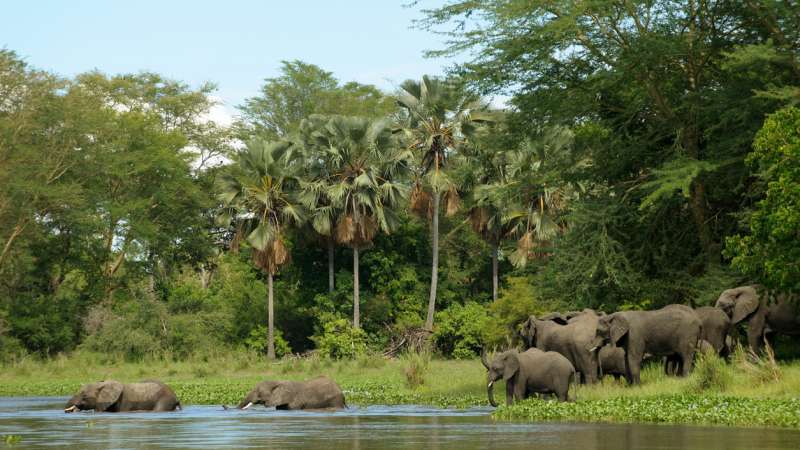
However, Malawi is also an emerging safari hotspot. Liwonde and Majete National Parks offer Big Five sightings, while Nyika National Park’s misty highlands provide scenic trails and wildlife encounters on foot.
Zambia is convenient and accessible from Malawi. Tours to Malawi pair brilliantly with excursions to South Luangwa National Park, making Malawi and Zambia an unconventional bush and beach combo.
Travellers to Malawi seek off-the-beaten-track adventure. Genuine warmth, welcoming culture, freshwater tropical vibes, and a chance to visit some excellent Big 5 game reserves make Malawi an excellent African safari choice.
Lake Malawi is the crown jewel of any Malawi safari. Spanning 30,000 km², it is Africa’s third-largest freshwater lake and a UNESCO World Heritage Site.
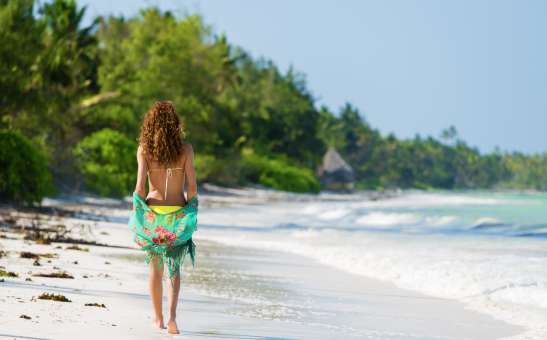
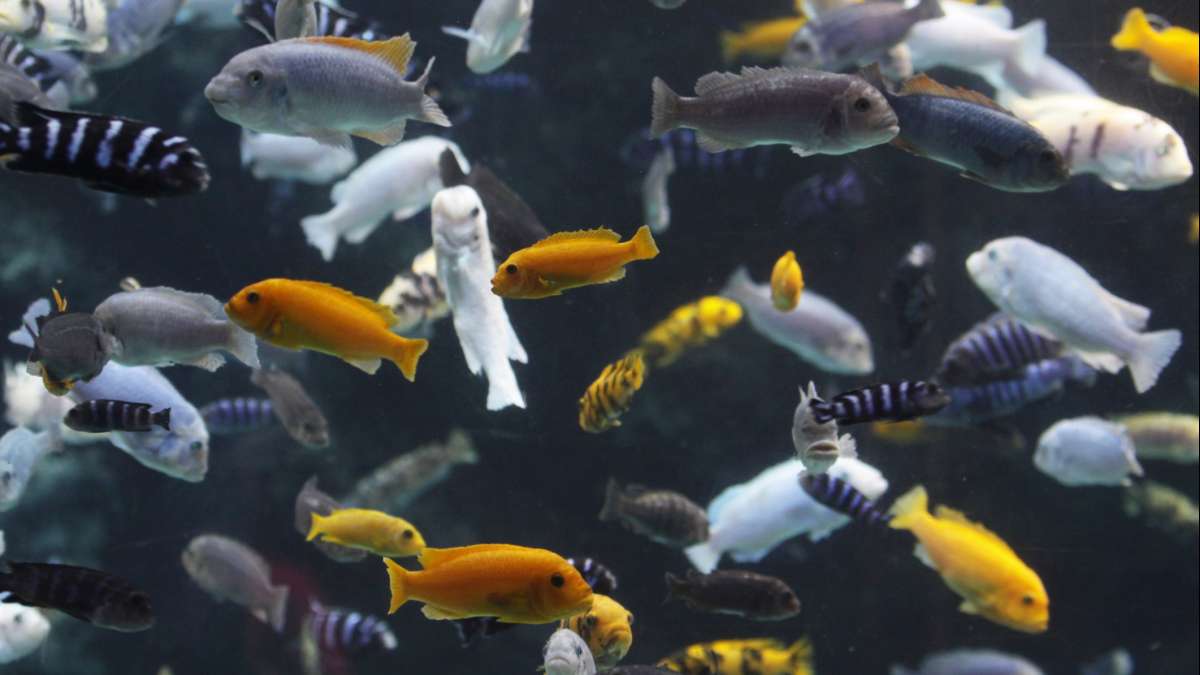
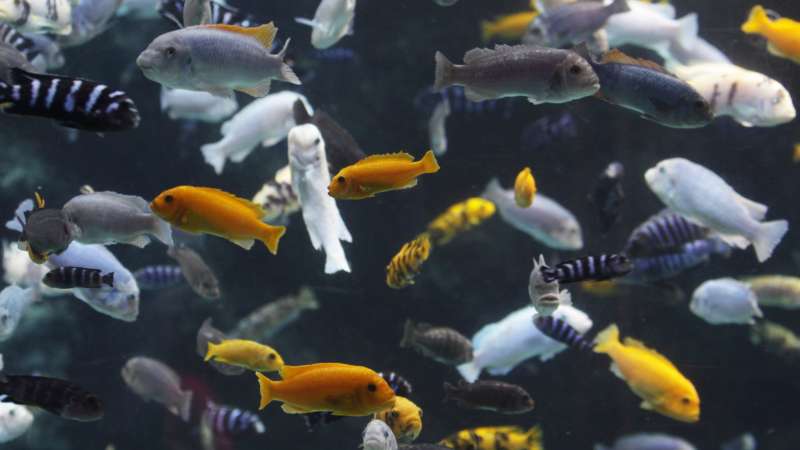
Renowned for its crystal-clear waters and powdery white beaches, Lake Malawi feels more like a tropical island escape than a lakeside retreat. The clear waters of Lake Malawi are home to around 1,000 fish species—more than any other lake in the world. It is a haven for snorkellers, divers, and kayakers, who come to explore its waters.
The calm waters and palm-fringed shores are a tranquil setting for sun-drenched days and star-lit nights. Accommodations range from rustic-chic lodges to secluded boutique hotels, all steps from the sand.
Lake Malawi is the perfect destination for travellers seeking adventure and authentic charm.
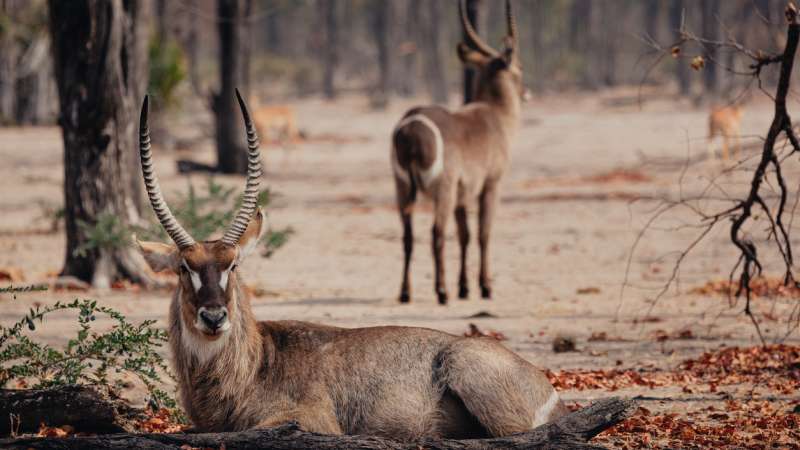
Malawi has rapidly emerged as a compelling safari destination. The bold conservation initiatives led by African Parks have had amazing results.
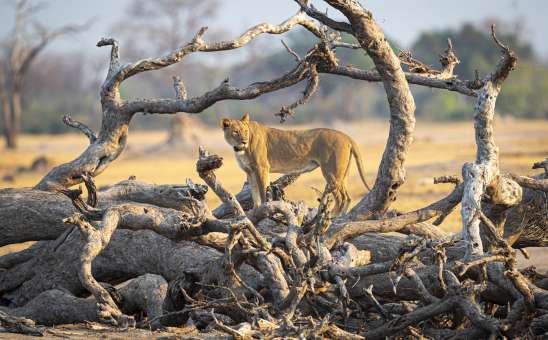
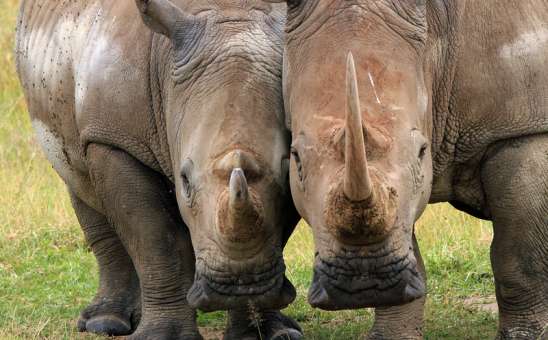
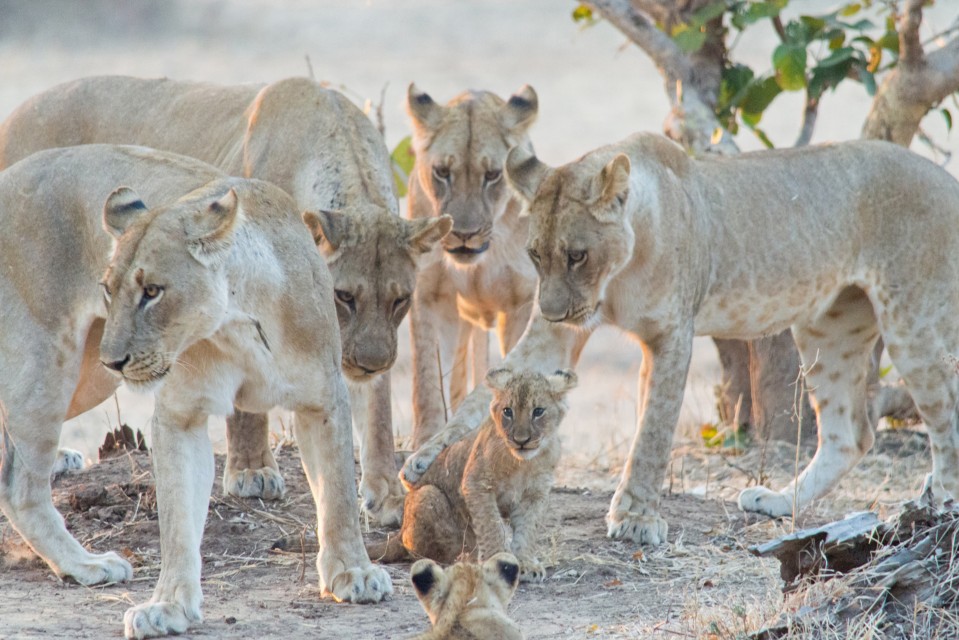
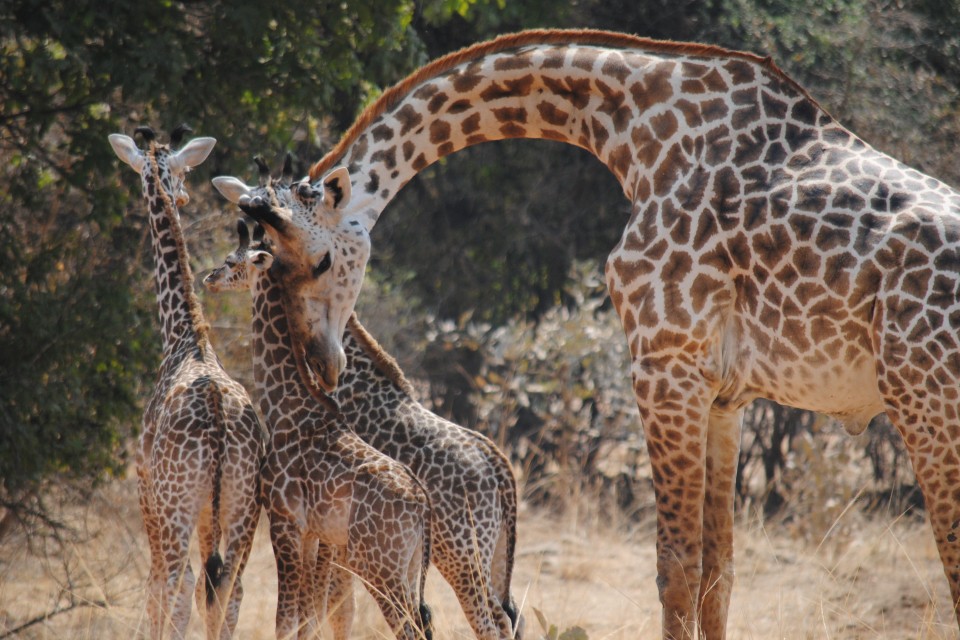
Once devastated by poaching, Majete Wildlife Reserve was reborn in 2003 and has since become Malawi’s flagship Big 5 safari park. Lions, elephants, rhinos, giraffes, and wild dogs have all been reintroduced. In more than 20 years, not a single flagship species has been lost to poaching under African Parks’ management. Today, Majete boasts a wide range of wildlife accessible through walking safaris, boat trips on the Shire River, and traditional game drives. Majete offers everything from self-drives for day visitors to bush camping and luxury lodges on the banks of the Shire River.
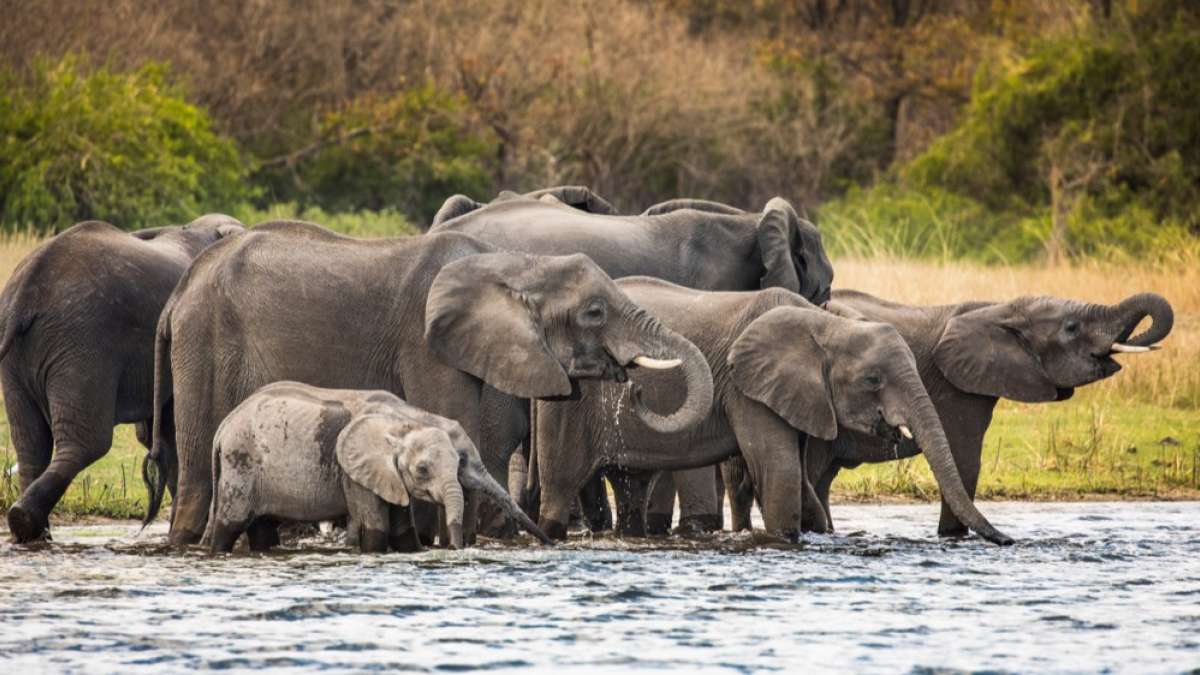
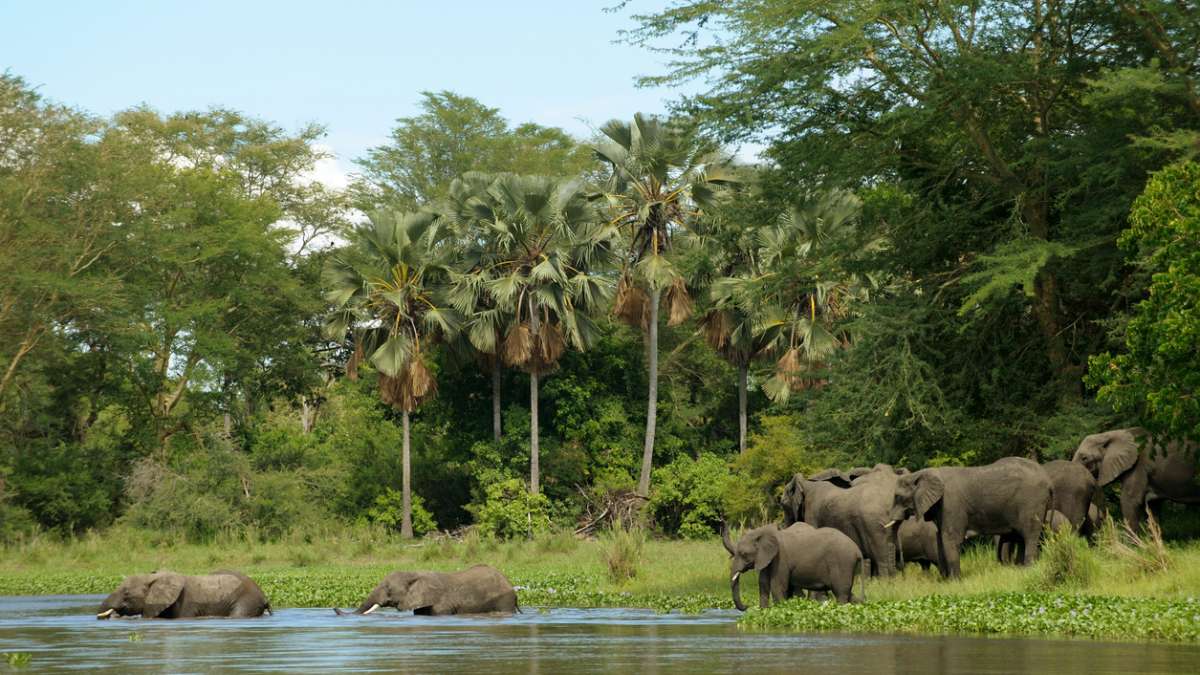
Following Majete’s success, Liwonde National Park was taken on in 2015. Elephants, cheetahs, lions, and black rhinos can all be seen on game drives, walking safaris, and boat tours. Over the years, Liwonde has emerged as one of the finest river-based safari destinations in Africa.
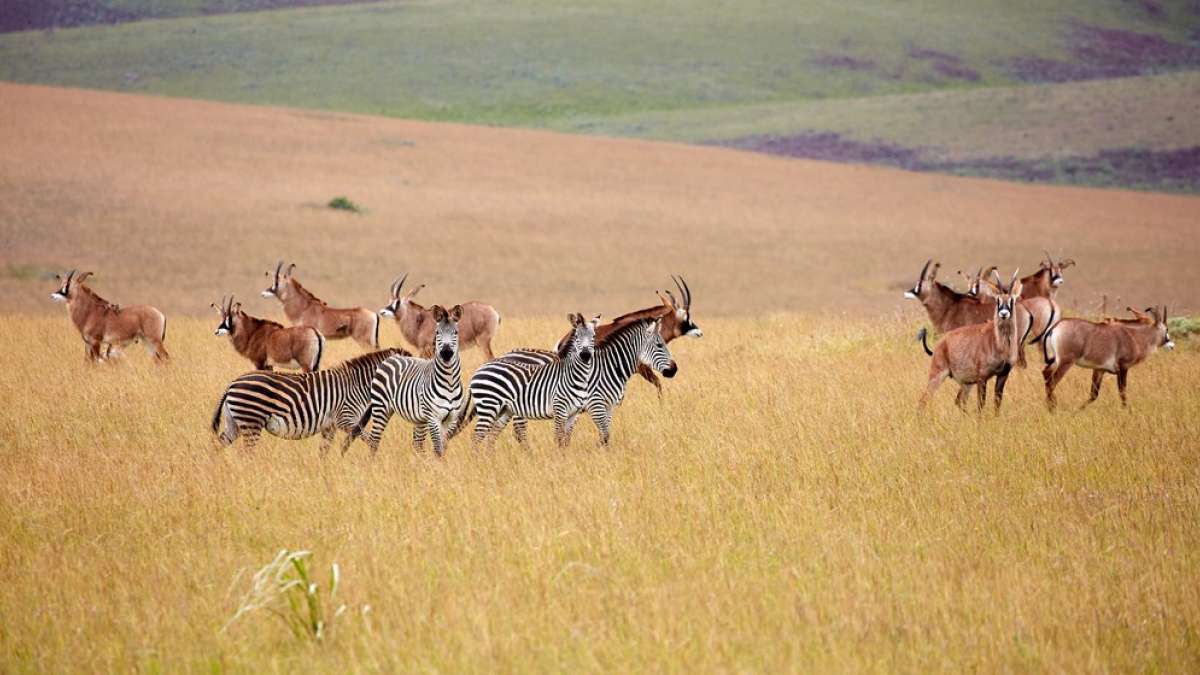
Nkhotakota Wildlife Reserve, Malawi’s largest and oldest national park, now also under the management of African Parks, has become a thriving safari destination. Since 2014, animals have been translocated from Majete and Liwonde to make Nkhotakota a thriving wildlife destination teeming with antelopes and predators alike.
These classic safari destinations, when combined with Lake Malawi National Park’s unique aquatic biodiversity, make Malawi a fascinating – and unusual – safari destination well worth exploring.
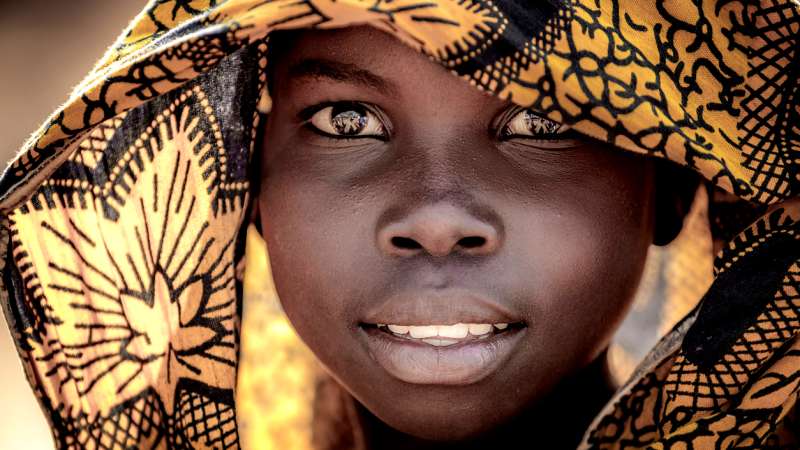
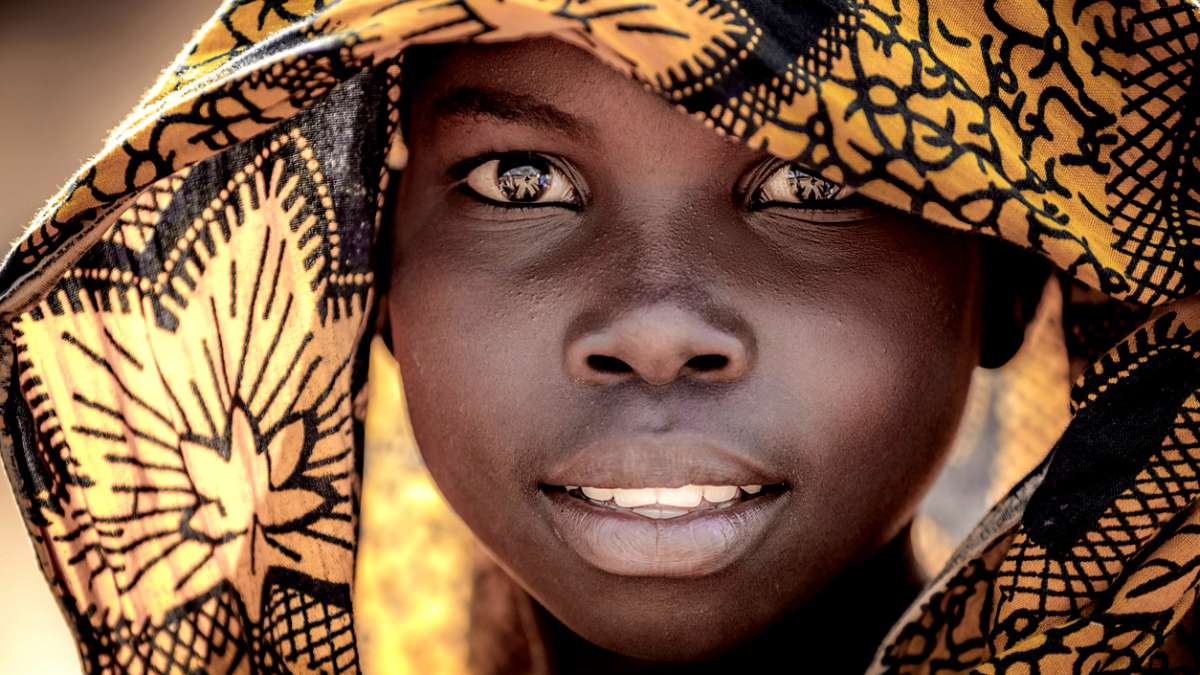
Malawi earns its nickname, The Warm Heart of Africa, from the genuine warmth and hospitality of its people. Whether you're on safari in Majete, cruising Lake Malawi, or passing through a rural village, you’ll be met with broad smiles and heartfelt welcomes.
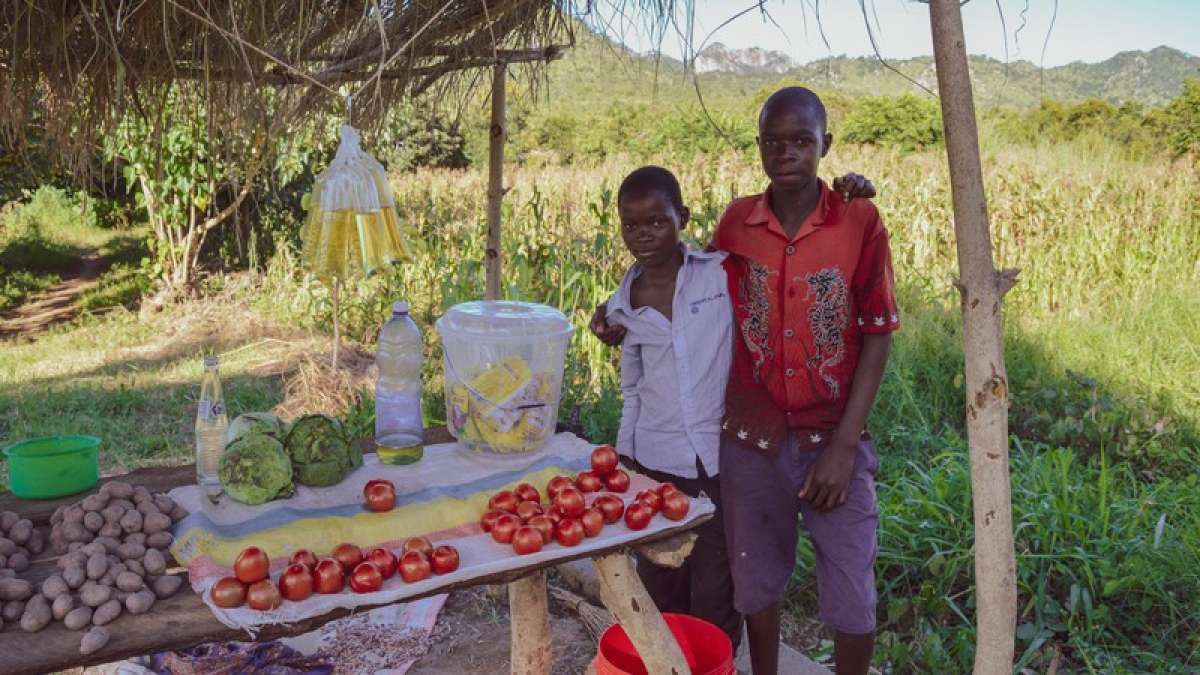
In Malawi, culture is woven into the fabric of daily life. Experience Malawian culture in roadside stalls selling Mbewa, visit colourful markets, and keep your ears tuned for the sounds of Malawi’s rich musical culture.
Between September and October, the Lake of Stars music festival takes place in Nkhotakota. This internationally acclaimed festival of music and arts is a celebration of Malawian culture. In addition to local acts, the festival hosts artists from around Africa and the world. Hosted in this idyllic setting, the Lake of Stars Festival is one of Africa’s finest festivals.
With an emphasis on community-run, low-impact, and sustainable tourism, Malawi offers the perfect opportunity to dive deeper and experience Malawian culture in shared meals, guided safaris, and genuine heart-felt cultural exchange.
For many travellers, the warmth of its people makes visiting Malawi akin to coming home.
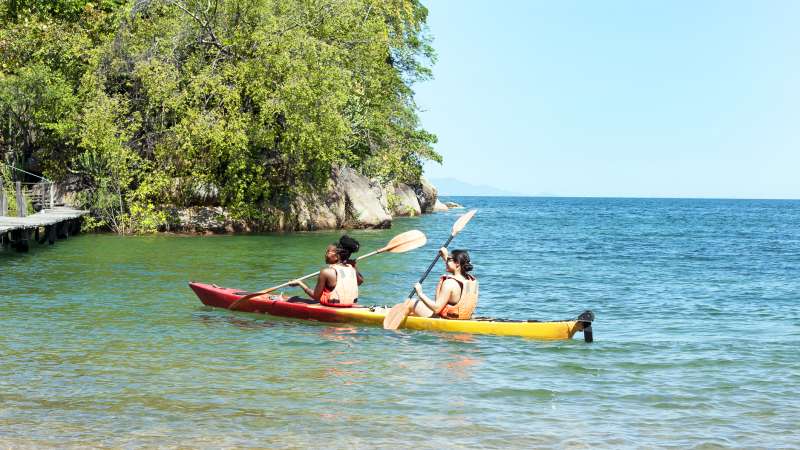
Visiting Malawi is about rest and relaxation.
Offering low-key adventures like kayaking and walking safaris, Malawi is the perfect destination for those looking to wind down from an epic overland tour, or simply to relax on vacation. With plenty to explore around its calm shores, Lake Malawi is all about gentle paddling, leisurely snorkelling, and sunset cruises. Explore at your own pace and settle into a refreshing variety of water-based adventures in a tranquil, uncrowded setting.
While Malawi can be explored as a stand-alone destination, or as a launching pad for a longer itinerary.
Strategically located, Malawi’s capital, Lilongwe, is the perfect stepping stone to reach Zambia’s renowned South Luangwa National Park. Travellers can easily combine Lake Malawi’s tropical charm and Majete or Liwonde’s Big 5 game viewing with Zambia’s premier walking safaris in South Luangwa.
In addition to the riches of Zambia, Malawi also connects well with East African highlights like Tanzania and Kenya. Whether you're craving remote wilderness or planning an extended East-Southern Africa journey, Malawi’s accessibility makes it an ideal addition to broader itineraries.
Planning a Malawi safari doesn’t have to be stressful.
Malawi offers excellent value for an uncrowded and authentic safari experience. Generally speaking, costs are relatively high compared to African destinations like Namibia and South Africa. Longer trips often combine Malawi with Zambia’s South Luangwa or other East African highlights, influencing your overall safari budget.
African Budget Safaris has a team of experienced travel consultants who have first-hand knowledge of Malawi’s top destinations. Chat with one of our team members today, and let us help you design the perfect Malawi safari for your budget.
The best time to visit Malawi on safari is from early May to late October.
At this time, the weather is dry and sunny, wildlife viewing is at its peak, and Lake Malawi is perfect for beach and water activities with warm, balmy days.
From November to March, Malawi experiences hot and wet.
During this rainy summer season, you can expect high humidity and storms. This is the best time for bird watching in Malawi as migratory residents arrive with the rains. During November, the visibility is at its best in Lake Malawi.
December, though increasingly hot and wet, especially around Christmas, offers the chance to witness the spectacle of crocodile hatching season.
January is the peak of the rainy season. Dramatic thunderstorms make travelling difficult, and lodge availability is limited.
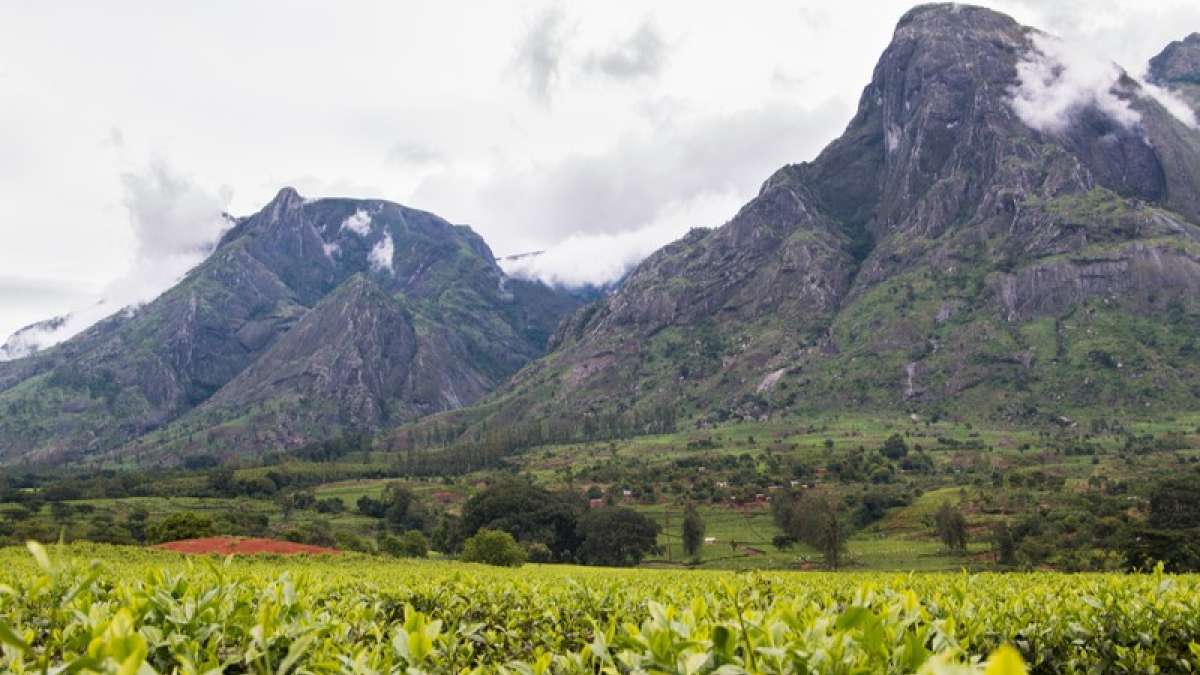
In February, the wet season continues. The landscape is lush, and visitors will be treated to blooming orchids and newborn wildlife. March remains wet, but conditions start to improve. While it’s not optimal for game viewing, Nyika National Park in the north enjoys clearer weather, perfect for trekking, mountain biking, and 4x4 excursions across the misty highlands.
April is the end of Malawi’s rainy season.
The heavy storms of the wet season come to an end, and the landscape begins to dry out. This is a pleasant transition month as temperatures become more stable towards the cooler, drier winter season.
Not yet the peak safari months, April is a rewarding time for safari enthusiasts in Malawi’s national parks. The scenery is lush, and clashes between male antelopes are dramatic and exciting affairs.
May to October is the best time to visit Malawi.
This is the dry season. Clear skies, minimal rain, and superb wildlife viewing make this an excellent time for safaris in lush green landscapes with misty highland views.
Sunny days are the norm by June, though mornings and evenings can be chilly. This is an ideal time to explore Liwonde National Park, known for close encounters with hippos, crocodiles, and elephants.
July brings peak safari conditions with cool, crisp mornings and virtually no mosquitoes.
By August, temperatures begin to heat up, making it perfect for water-based activities on Lake Malawi. Wildlife viewing is easier as animals congregate around permanent water sources.
In September and October, the dry sunny weather continues. The vibrant Lake of Stars Festival takes place along the lake’s shores. October is one of Malawi’s hottest months, but game viewing is outstanding.
Malawi safaris offer a unique African safari experience. Blending freshwater lake activities with classic safaris in one of Africa’s most scenic, yet uncrowded destinations. Popular Malawi safari tours often combine stays along the shores of Lake Malawi with Big 5 game viewing in Majete and Liwonde National Parks. These safaris balance beachside relaxation and thrilling wildlife encounters on boat safaris and walking tours. Due to the strategic location, packages to Malawi often include adventures to South Luangwa National Park in Zambia, the home of the walking safari. Classic game drives, snorkelling adventures, or cultural experiences, Malawi’s safari tours are an exciting alternative to Africa’s more well-trodden paths.




Call us toll free from US/Canada on 1-888-414-6513, or from the UK on 0-808-189-1052. All other countries can contact us on +27 21 791 0878.
© 2026 African Budget Safaris | Privacy | Terms | Cookie Policy | Consent Preferences