


- More destinations related to South Luangwa National Park:
- Zambia
- Kafue National Park
- Livingstone
- Victoria Falls
- Lusaka

Visit South Luangwa National Park for thrilling walking safaris, abundant wildlife including leopards and endemic species, rich bird life, and an off-the-beaten-track safari experience in Zambia.
South Luangwa National Park is Zambia’s premier wildlife destination. It is also the birthplace of the walking safari, which was pioneered by conservationist Norman Carr in the 1950s. Exploring the bush on foot in South Luangwa National Park is a wild experience not to be missed.
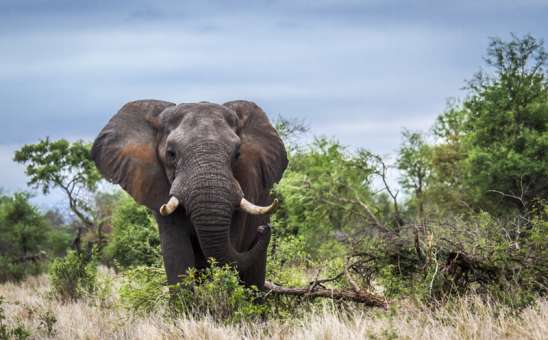
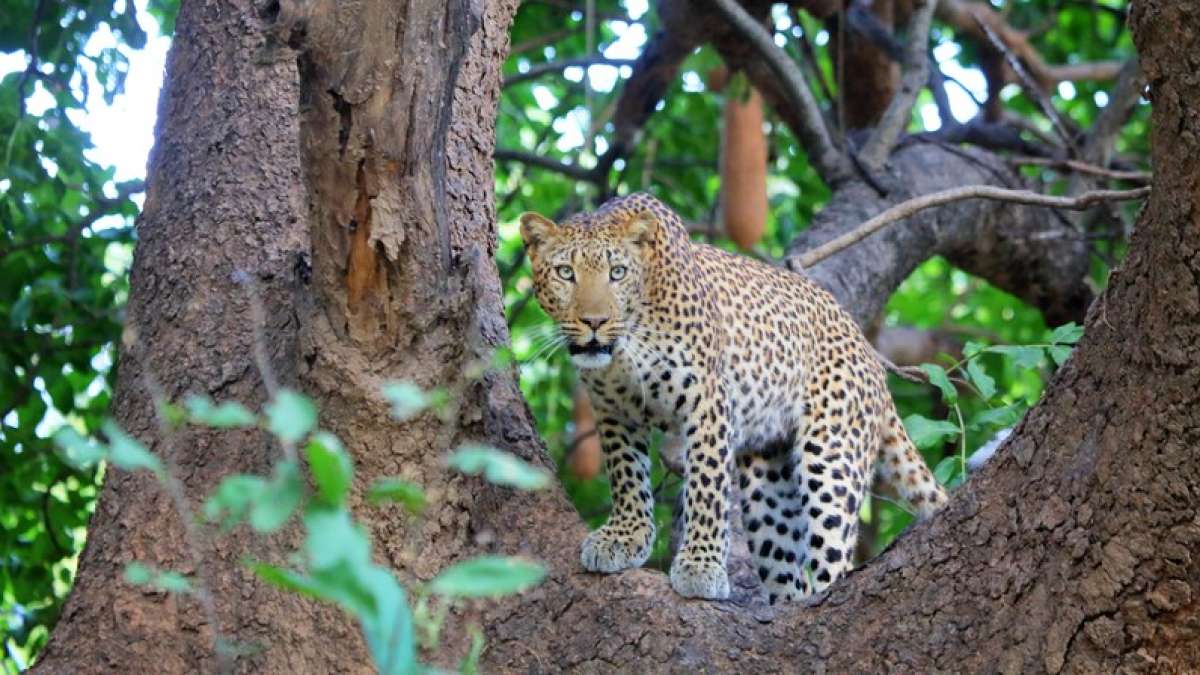
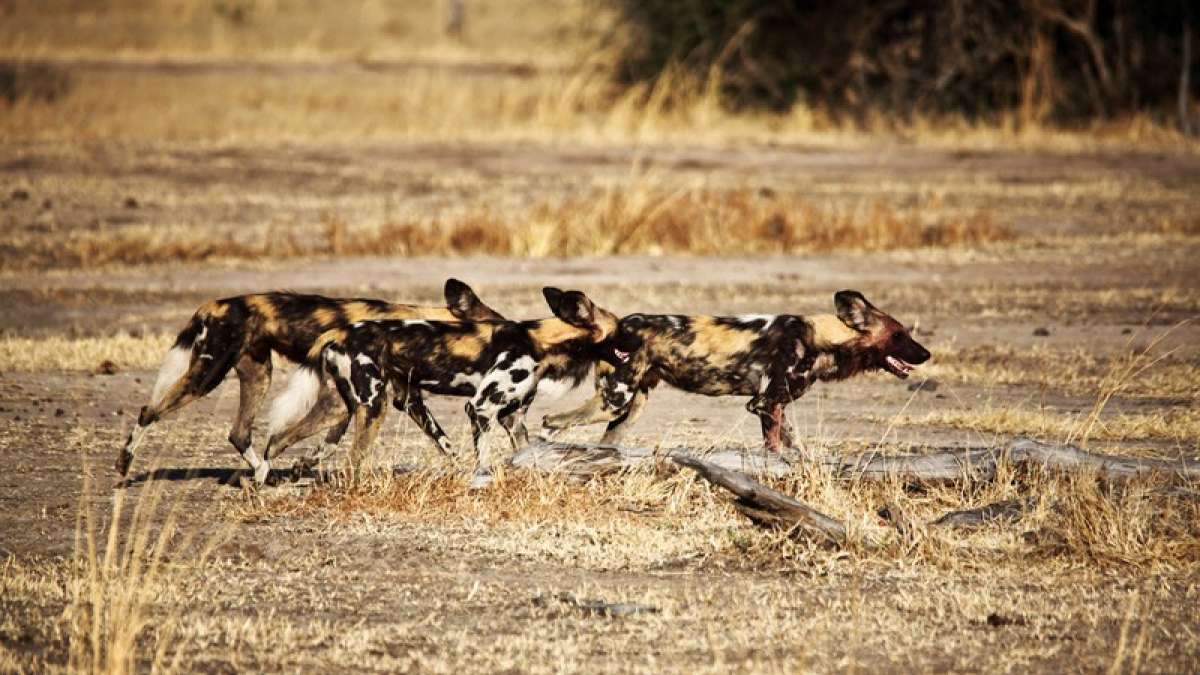
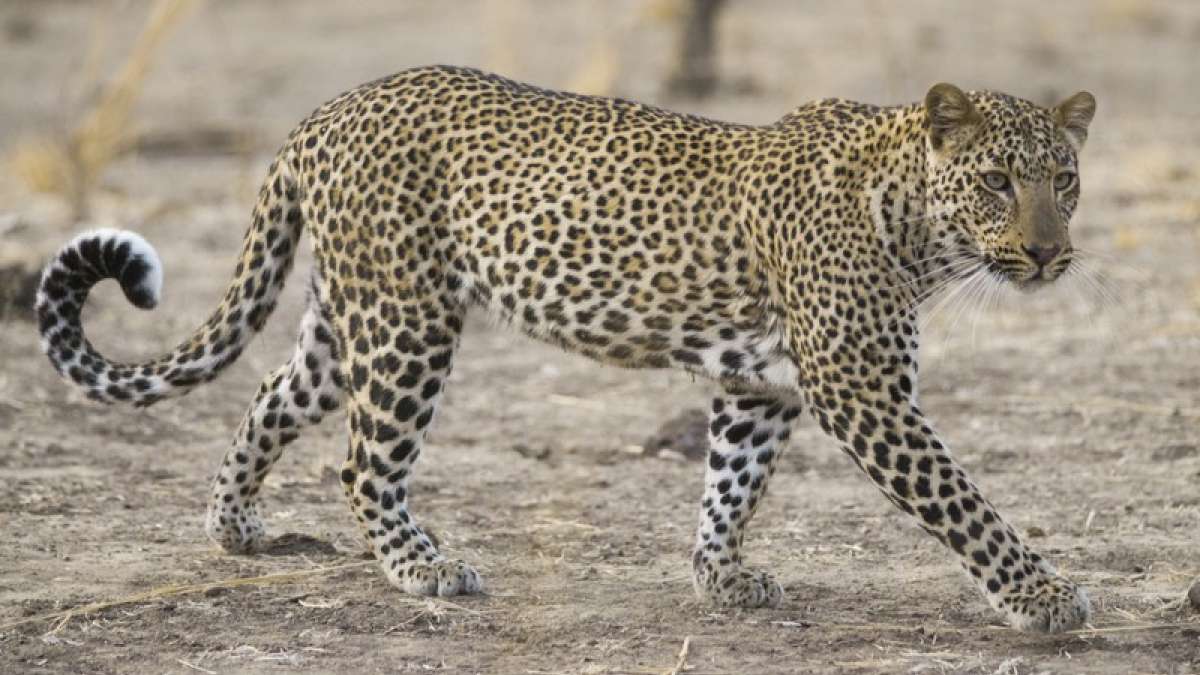
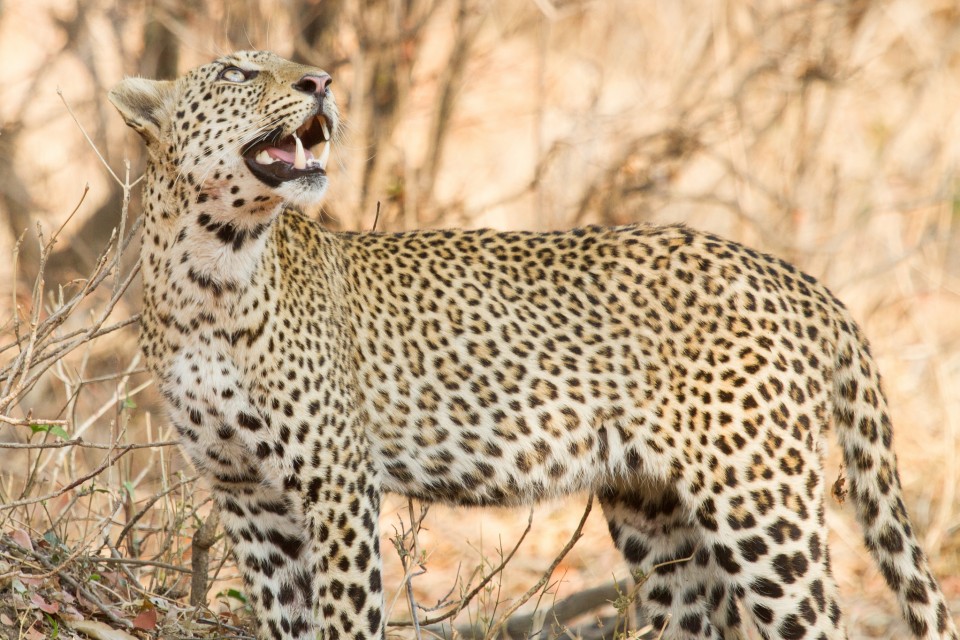
Famed for its abundant wildlife, South Luangwa National Park is home to 4 of the Big 5: elephants, rhinos, lions, and leopards. So many leopards that it has become known as the “Valley of the Leopard”. In addition to these iconic species, South Luangwa has an abundance of other game, including the endemic Thornicroft’s giraffe.
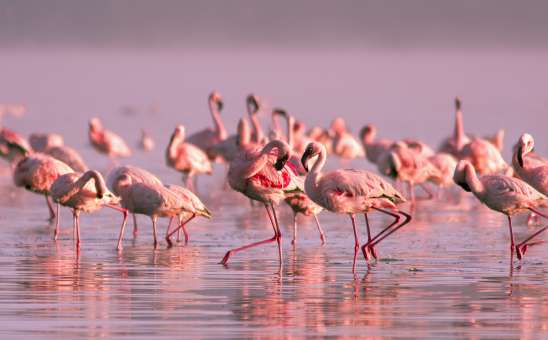
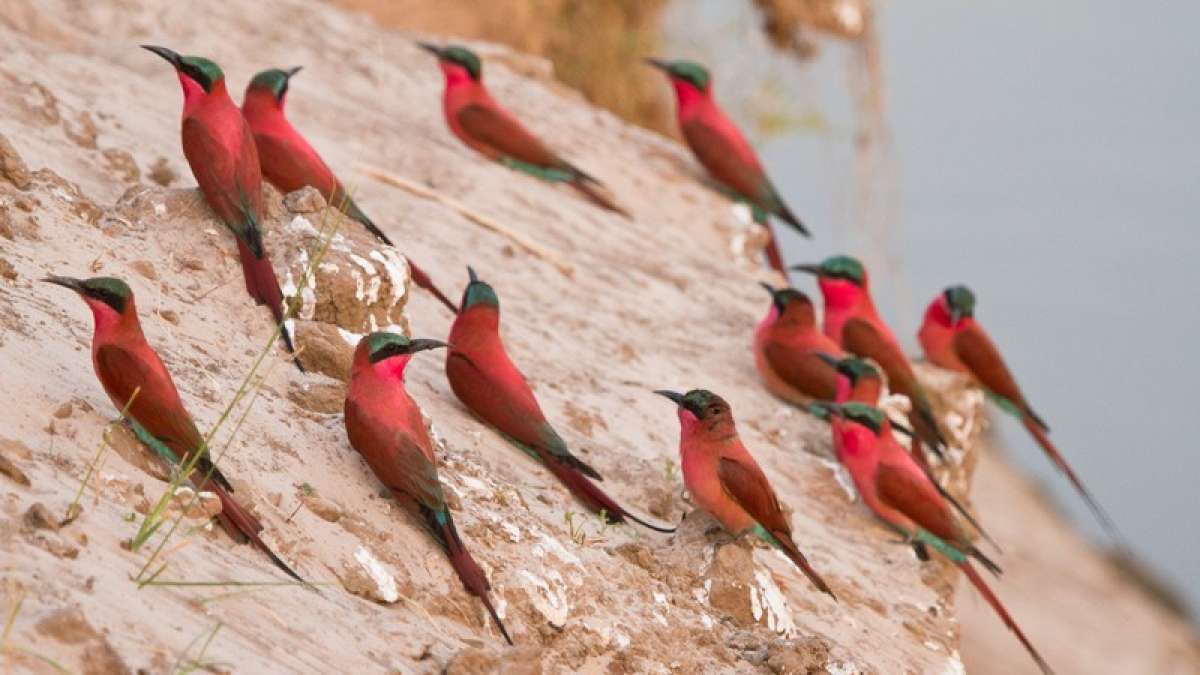
South Luangwa is renowned for its spectacular birdlife. The park boasts over 450 species, including the carmine bee-eater, which nests en masse in the banks of the Luangwa River. Understandably, South Luangwa is considered a bird watcher's paradise.
South Luangwa boasts high-quality accommodation that emphasises quality and low-impact tourism. A range of exceptional lodges, from rustic bush camps to luxurious lodges, line the Luangwa River and blend fenceless into the wild terrain.
Some of the best safaris to South Luangwa National Park can be easily paired with trips to the Lower Zambezi, Lake Malawi, and Victoria Falls.
South Luangwa National Park offers some of the finest wildlife viewing in Africa.
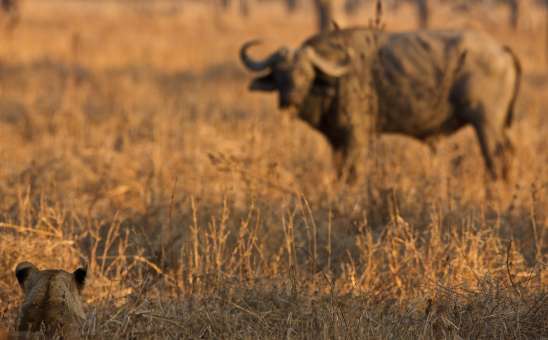
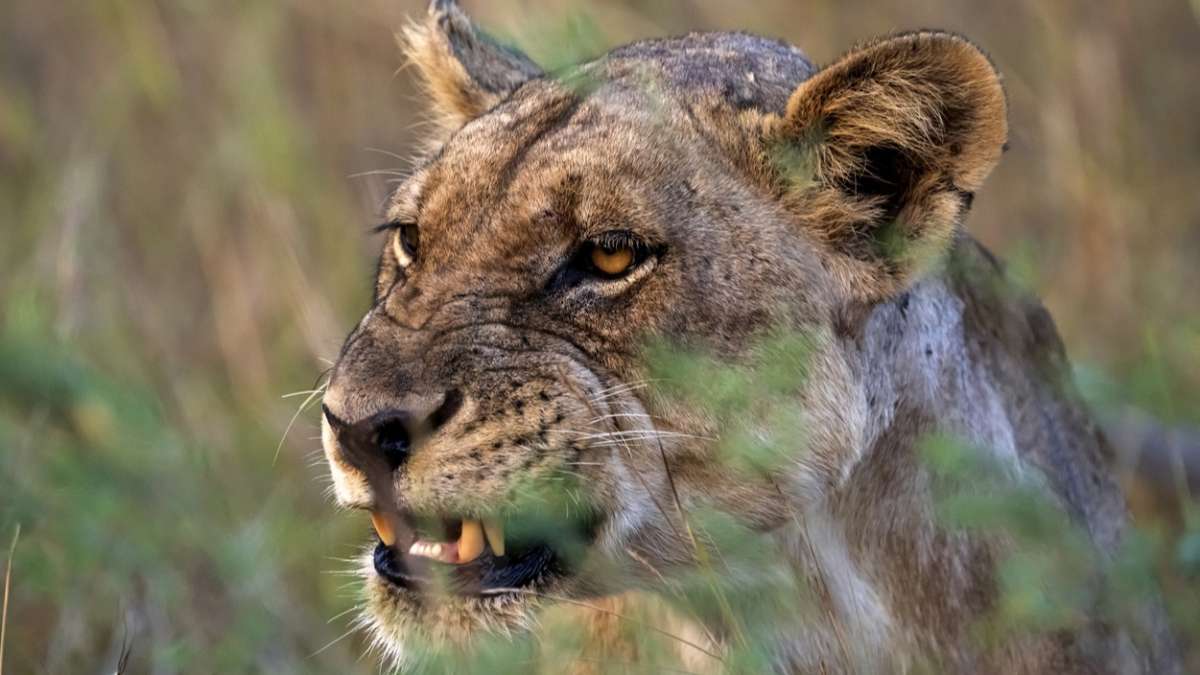
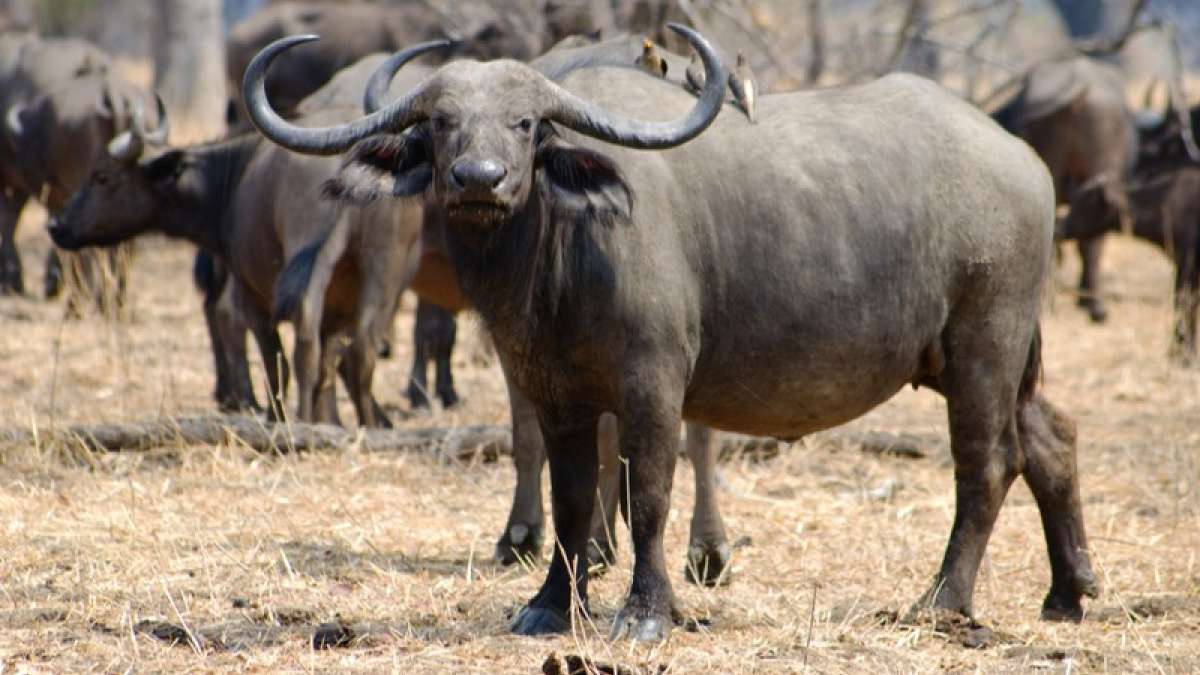
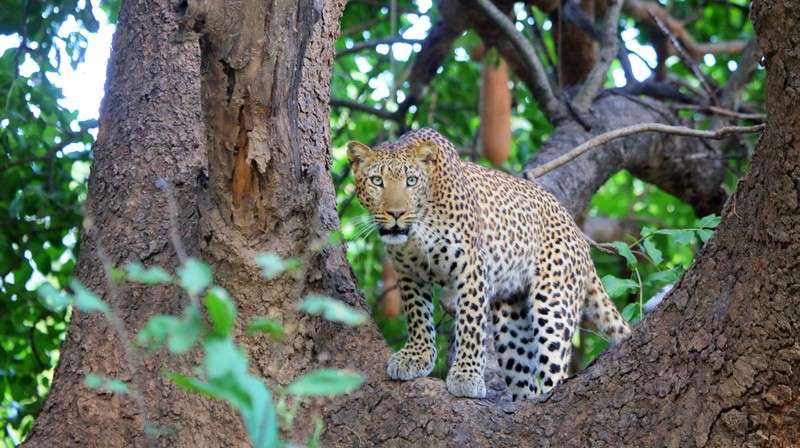
The park boasts four of the Big 5: elephants, buffalo, lions, and leopards. So many leopards in fact, that South Luangwa has one of the highest densities of these cats in Africa, leading to the moniker the “Valley of the leopard”.
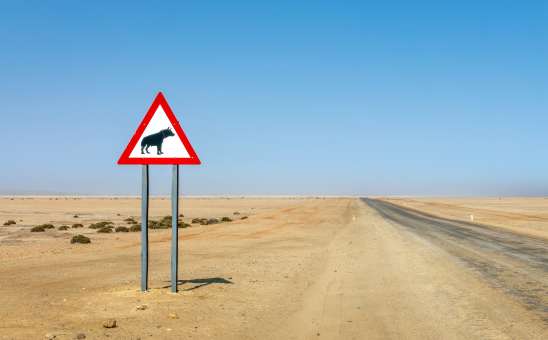
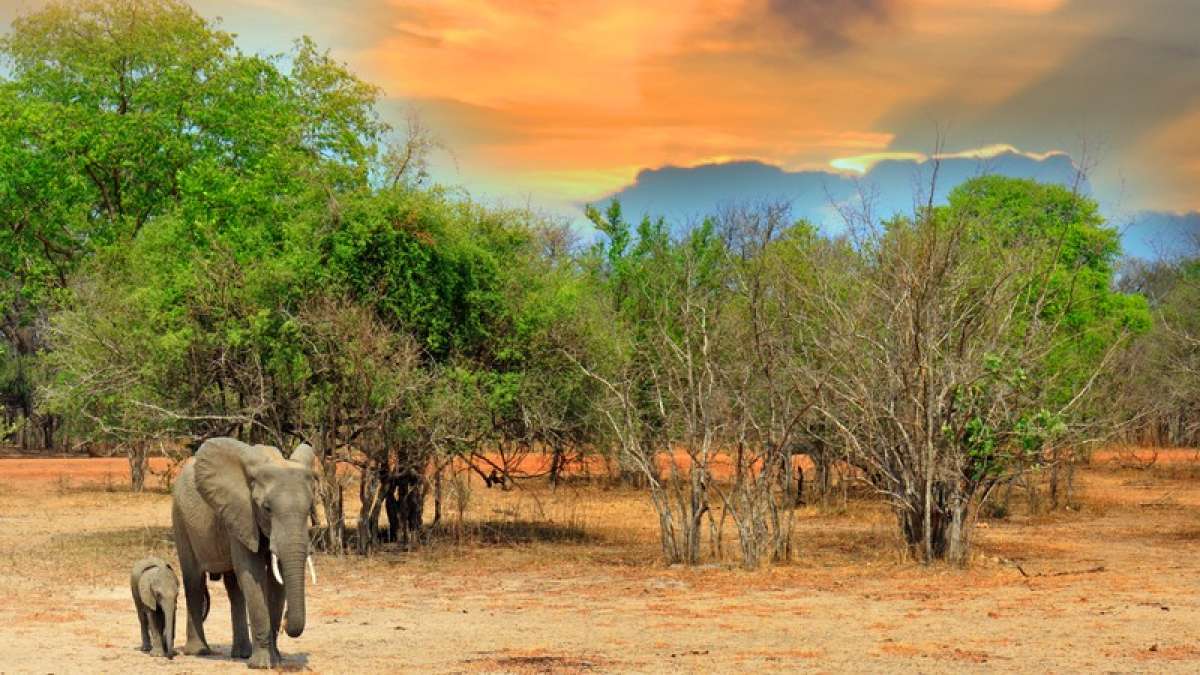
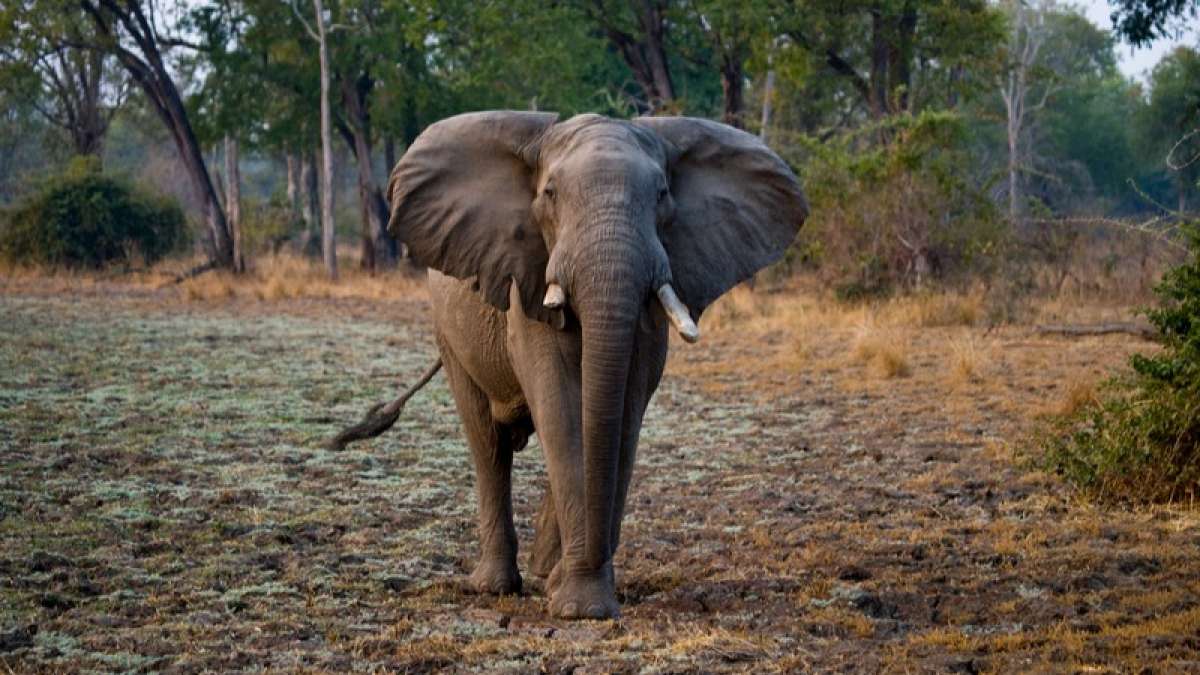
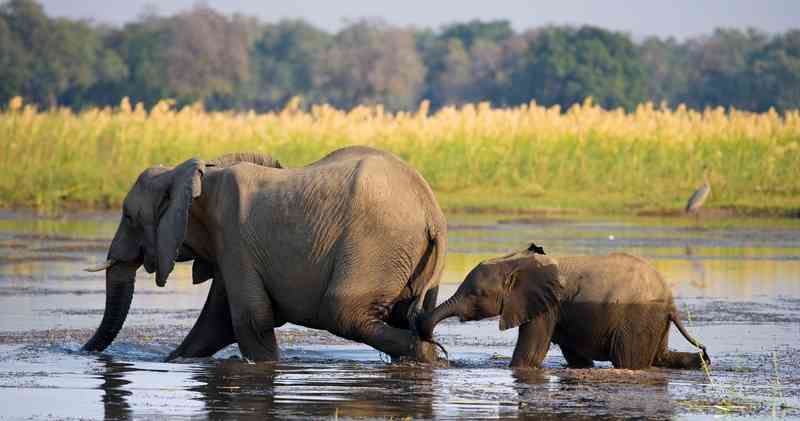
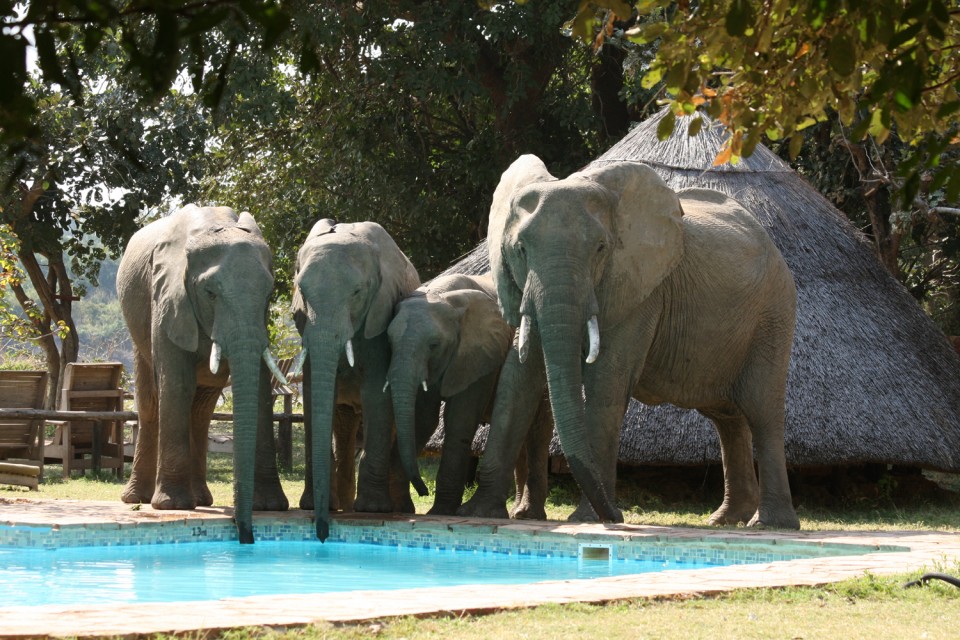
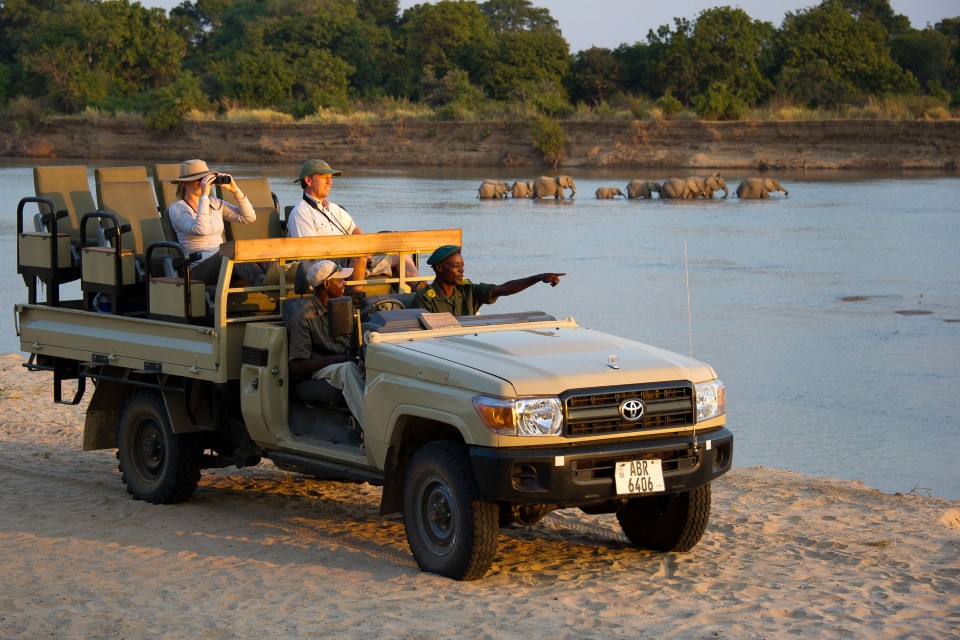
While rhinos are absent here, black rhinos can be found in nearby North Luangwa, elephants are abundant and frequently cross the Luangwa River, and buffalo herds often number in the hundreds. Lions are regularly encountered, and night drives are great for spotted hyenas, genets, bush babies, and porcupines.
South Luangwa is also home to several endemic species, including Thornicroft’s giraffe and Cookson’s wildebeest. Crawshay’s zebras are common and especially distinctive with their distinctive striping. Rare wildlife sightings include pangolins, roan antelopes, and the elusive Sharpe’s grysbok.
One of South Luangwa’s most dramatic wildlife highlights occurs in late October. As the dry season progresses, thousands of hippos crowd into shrinking river pools, creating huge aggregations of these formidable creatures.
Unlike many Zambian parks, several camps remain open during the rainy season, offering boat safaris through flooded riverine groves—a rare and immersive way to experience South Luangwa’s rich ecosystem.
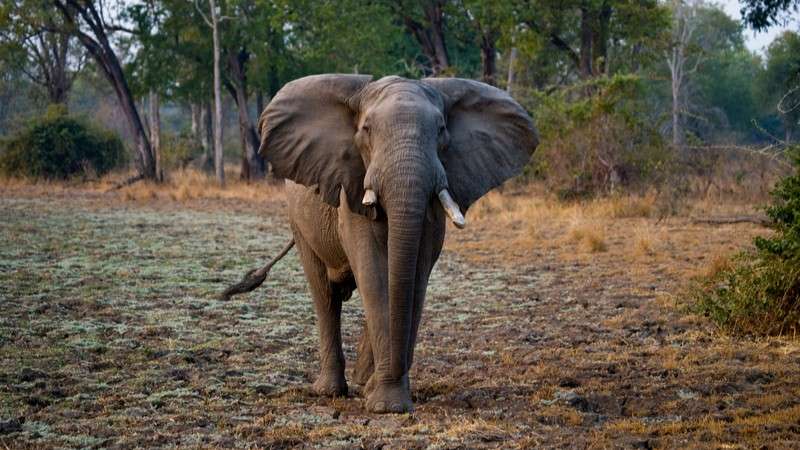
Walking Safaris are part of the fabric of the South Luangwa safari experience.
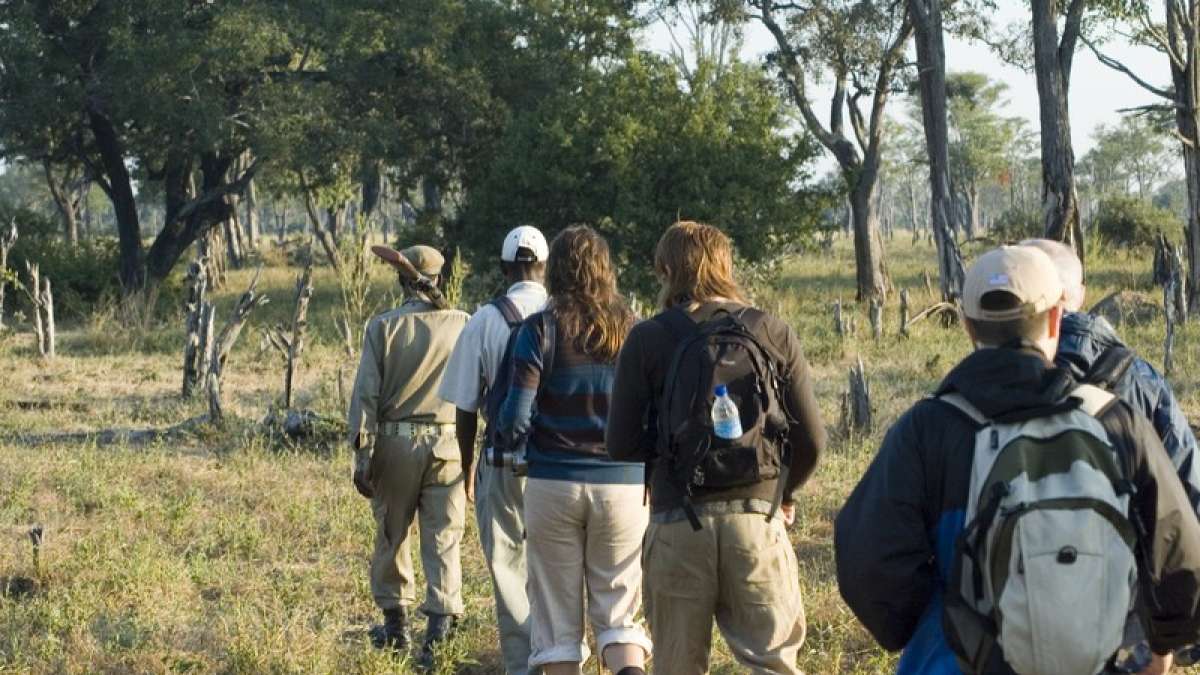
Pioneered by Norman Carr in the 1950s, walking safaris in South Luangwa are some of the best in Africa. Whether you embark on a gentle morning walk or a multi-day journey from camp to camp, walking safaris in Zambia are a special way to experience the African wilderness.
The guides in Zambia are some of the best guides in Africa. Many of them are local, with intimate knowledge about the bush, the wildlife, and the plants. Their unique understanding of the land sets them apart with insight and intuition that is rare.
Follow animal tracks, learn about the region’s diverse flora, and witness wildlife behaviour often missed from a vehicle. The thrill lies in the finer details: the pattern of a freshly made leopard‘s footprint, the movement of an insect, or the distant trumpet of an elephant.
Evenings spent around an open fire, blanketed by the stars, listening to the eerie sounds of the night, and sharing stories complete a truly wild and immersive African experience.
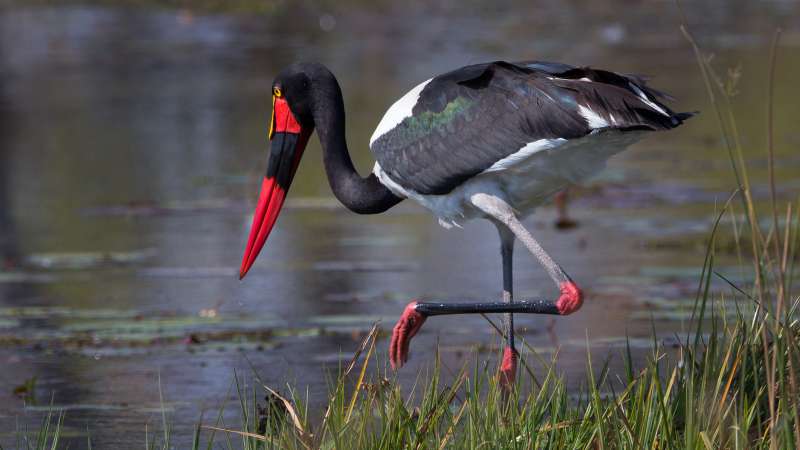
With over 450 species recorded across its rich and varied habitats, South Luangwa National Park is renowned for its exceptional bird life.
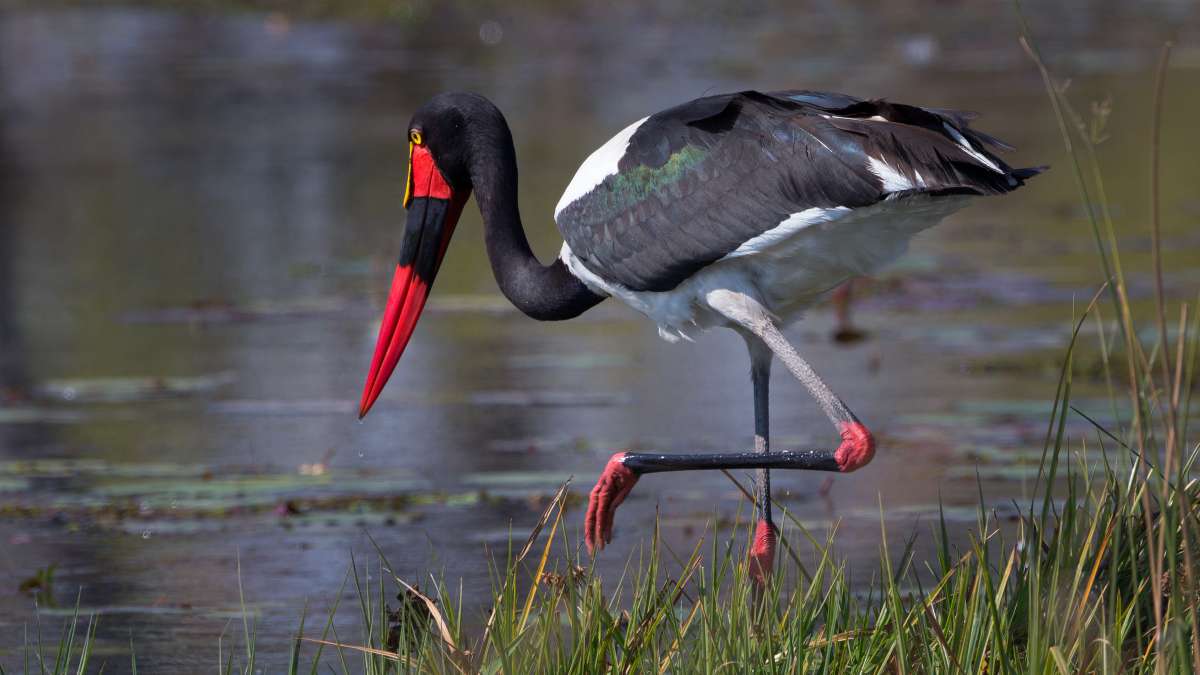
From vibrant bee-eaters and water birds to owls and raptors, the park offers superb birdwatching year-round. Highlights include bee-eaters, crowned cranes, gorgeous lilac-breasted rollers, the Pel’s fishing owl, saddle-billed Storks, and intriguing Bat Hawks, to name just a few.
One of the notable migratory species is the striking Southern Carmine Bee-eater. These coral coloured birds paint river banks in pinks, reds, and streaks of blue. This dazzling spectacle is a visual feast for travellers between August and September.
The Green Season, from November to April, is an ideal time for serious birders. Many of South Luangwa’s lodges remain open as seasonal migrants arrive and put on a show of breeding plumage. The northern Nsefu Sector of Luangwa is especially rewarding in April. At this time, vast colonies of Yellow-billed Storks gather to breed. The combination of these impressive birds and the lush backdrops is fantastic for avid photographers.
South Luangwa National Park, with its epic landscapes, abundant wildlife, and excellent bird life, makes for an unforgettable safari for every budget.
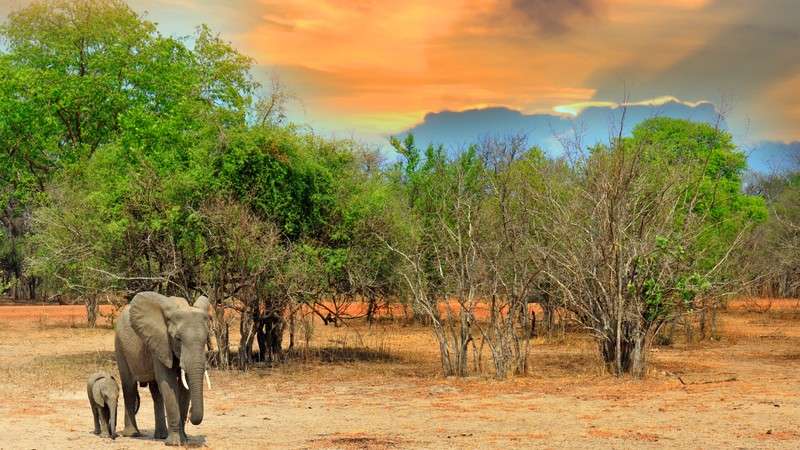
South Luangwa National Park pairs raw wilderness with top-quality accommodation.
From intimate bush camps to treehouse-style lodges perched on the banks of the Luangwa River, the settings are as wild as they are breathtaking.
These camps provide stylish comfort within truly wild environments. When staying in South Luangwa National Park, nature is woven through every aspect of your experience. Expect elegant tented suites, alfresco dining, and expert guiding in truly remote locations.
In South Luangwa, wildlife frequently passes through your camp, hippos grunt from nearby river lagoons, and you’re immersed in the safari experience from dawn to dusk.
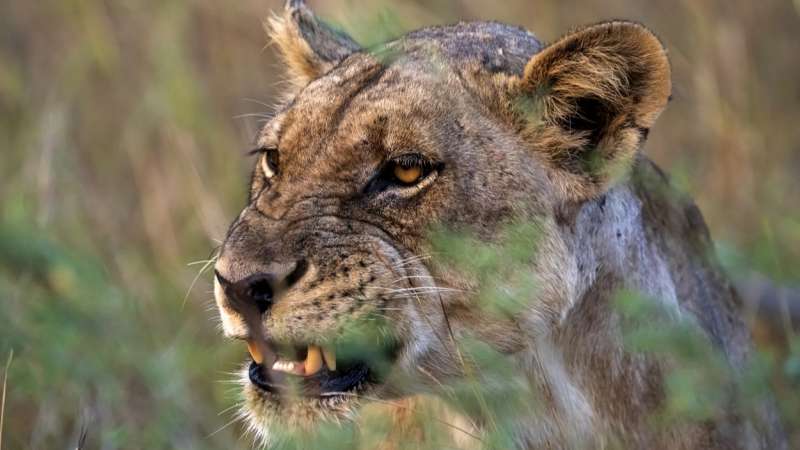
African Budget Safaris makes South Luangwa accessible for every safari budget. From affordable group safaris to exclusive and bespoke itineraries, African Budget Safaris has the tour for you. Whether you’re dreaming of a luxury bush camp experience or a budget-friendly adventure that connects with Zambia’s other highlights like the Lower Zambezi or Victoria Falls, our expert consultants are here to help. All our itineraries are crafted by experienced Africa-based travel specialists who understand how to match your safari style and budget with the right experience. Contact African Budget Safaris today and start planning the South Luangwa safari for you!
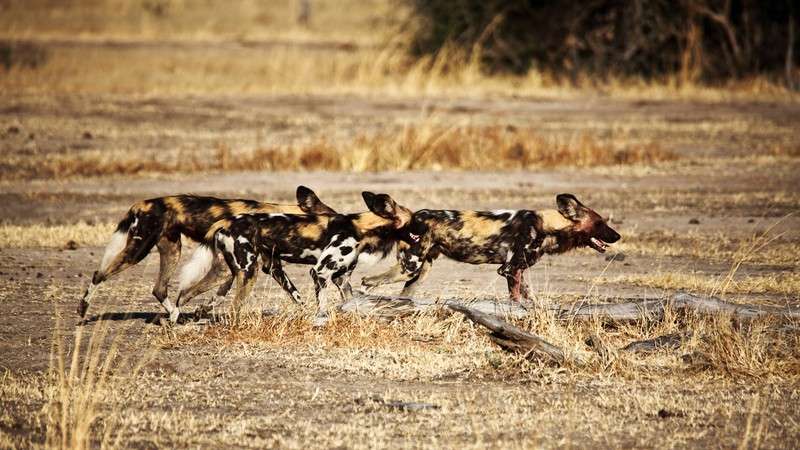
The best time to visit South Luangwa for a wildlife safari is from June to October during the dry season. At this time, animals congregate around permanent water sources and are easier to spot.
South Luangwa’s rainy season is in full swing, with heavy rains and frequent thunderstorms. January and February are the wettest months, and with limited accessibility, some camps close. However, select lodges offer unique boating experiences, and the bird life is truly spectacular. In March, the rains begin to ease, and it’s an excellent time for birdwatching as migratory species prepare to depart. While game viewing can be challenging in the dense bush, the park is lush and vibrant, and Victoria Falls is at its most powerful.
April is a popular shoulder season. Rainfall tapers off, especially in the southern regions, and temperatures become cooler and more comfortable. Although dense bush makes spotting wildlife trickier, landscapes are beautiful. An added bonus, rates are lower during April, making this a popular option for a quieter budget safari in Zambia.
The dry season begins in May. The clear skies and dry conditions see the bush begin to die back, improving visibility for game viewing both on foot and in 4x4s. Safari camps that closed for the Green Season reopen. By June, peak safari season has begun. Mild, dry weather is perfect for walking safaris. Wildlife viewing improves as the months progress, and as water sources shrink, animals begin to concentrate near rivers and deeper pools.
This is peak safari season in South Luangwa. With sparser vegetation, July and August offer excellent wildlife viewing and the best walking safari conditions, with cool, dry weather. Game viewing is at its spectacular best, especially around the permanent watering holes. Temperatures begin to rise in September. Game viewing remains excellent, and bird life is vibrant.
October is the hottest month in South Luangwa National Park. Although this is one of the best months for safaris in the park, the hot weather can get uncomfortable in dry and dusty conditions. With the increased heat, wildlife congregates around water sources, leading to some dramatic sightings. Walking safaris at this time can be strenuous due to the heat. November is an unpredictable month with a mix of clear skies and the possibility of rain.
In December, the rainy season returns in earnest. While temperatures drop slightly, humidity rises, and heavy rains can lead to flooding, logistics on the ground become tricky. Many camps and lodges close during this time, and walking safaris are limited. The fresh rains, however, transform the park into a lush, green Eden, and birding improves as migratory species arrive.
African Budget Safaris has decades of experience crafting safaris in South Luangwa National Park. From 5-Day experiences in tented camps and walking safaris, to longer stays in luxury lodges, and safaris that connect with Victoria Falls, the Lower Zambezi, Kafue, and Malawi, we have a safari for you. These are African Budget Safaris most popular safari tours to South Luangwa National Park and beyond.




Call us toll free from US/Canada on 1-888-414-6513, or from the UK on 0-808-189-1052. All other countries can contact us on +27 21 791 0878.
© 2026 African Budget Safaris | Privacy | Terms | Cookie Policy | Consent Preferences