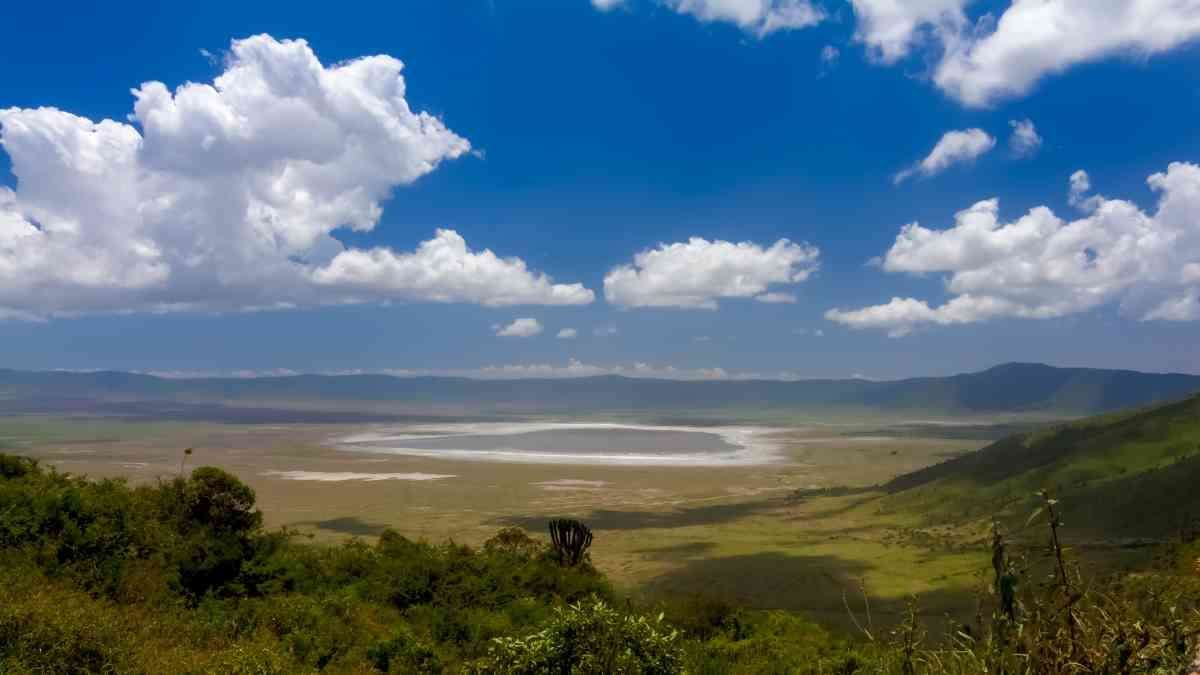
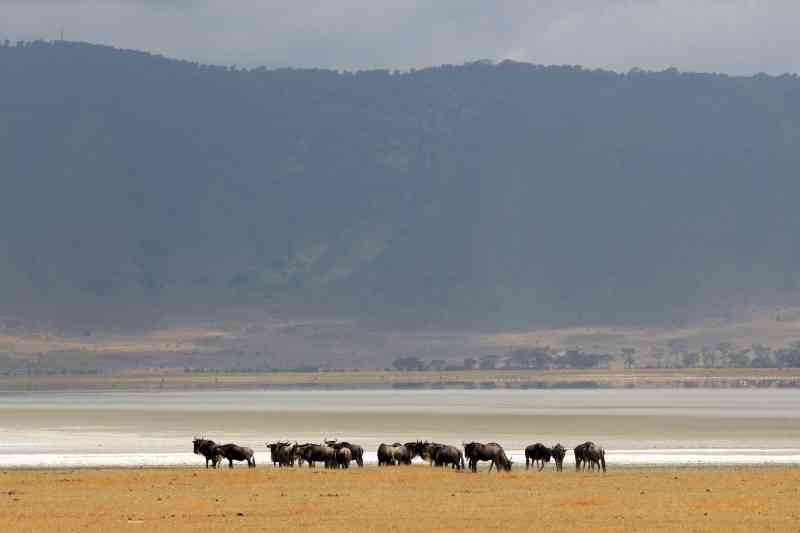
Often referred to as the ‘Garden of Eden,’ the Ngorongoro Crater is home to almost 30,000 animals, including the Big 5 of Africa. Surrounded by the crater walls, spotting wildlife on Ngorongoro Crater safaris is remarkably easy!
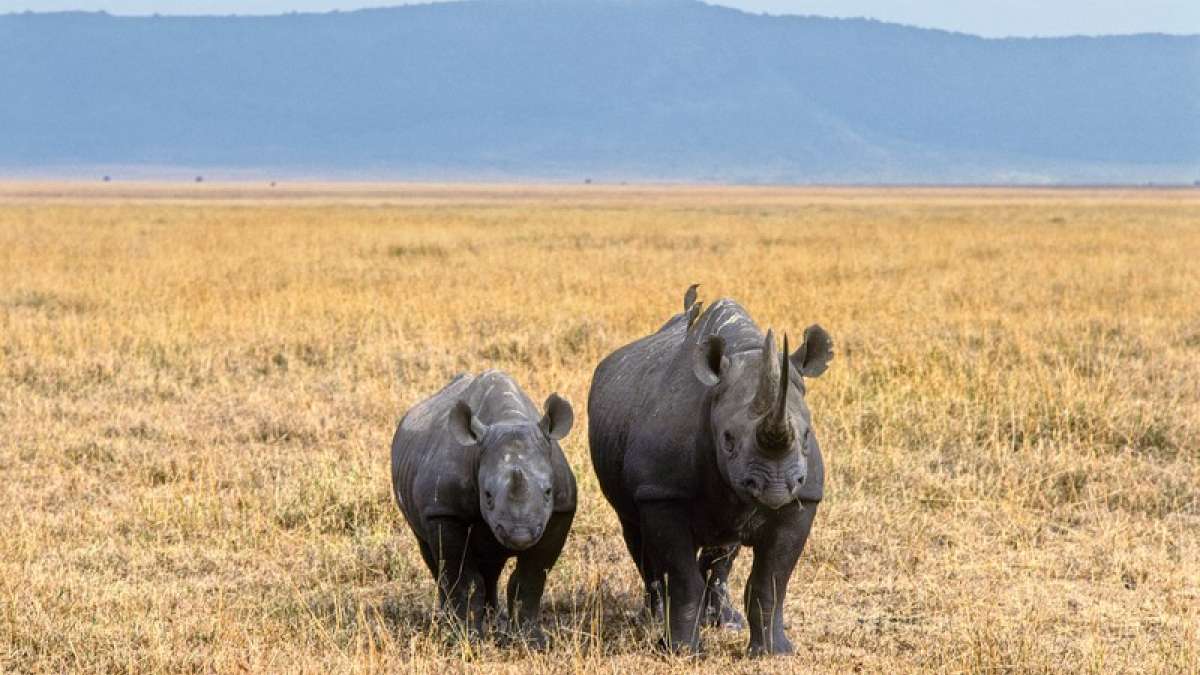
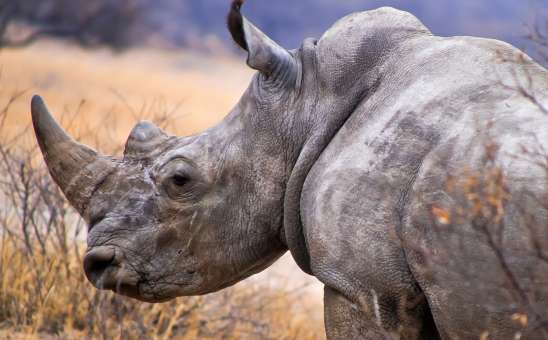
This ancient volcanic caldera offers incredible wildlife encounters in a compact setting. Within the crater are grasslands, fever tree forests and a soda lake. Home to the Big 5 animals, the Ngorongoro Crater is among the best places in East Africa to see black rhinos.
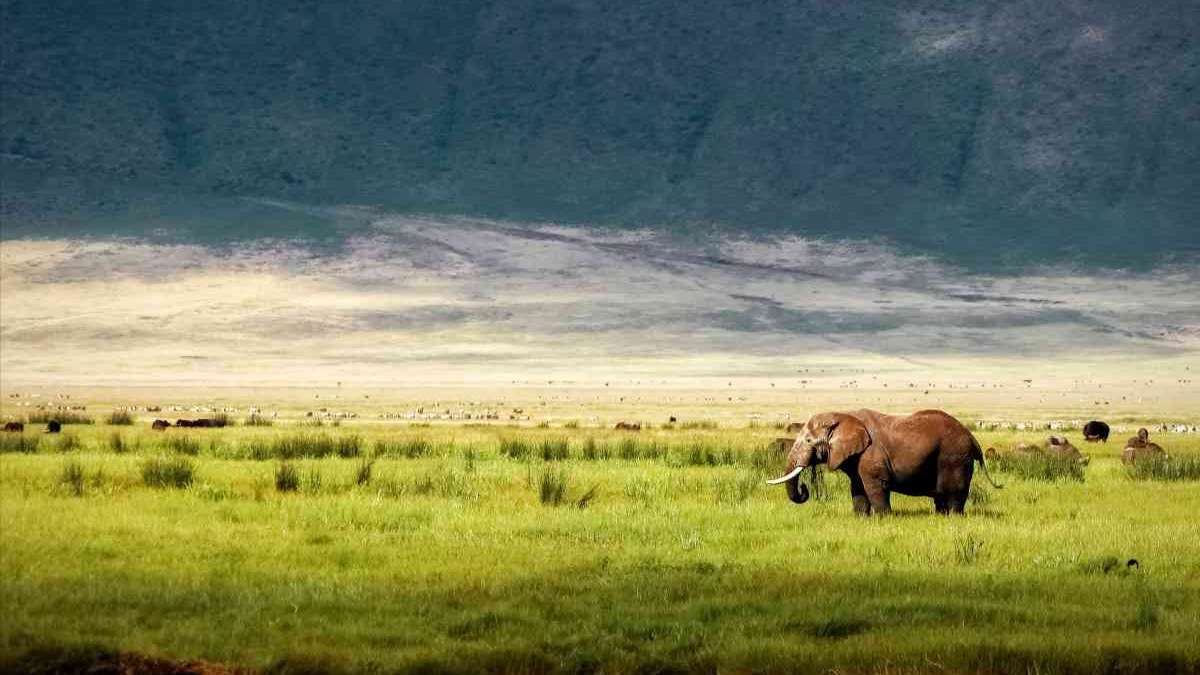
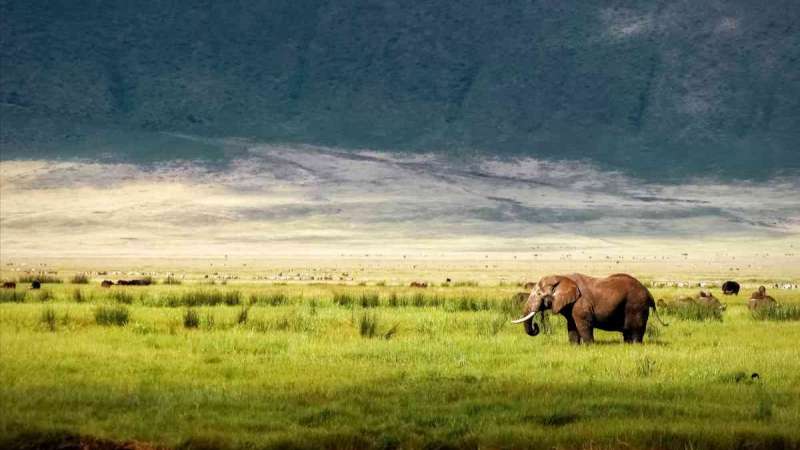
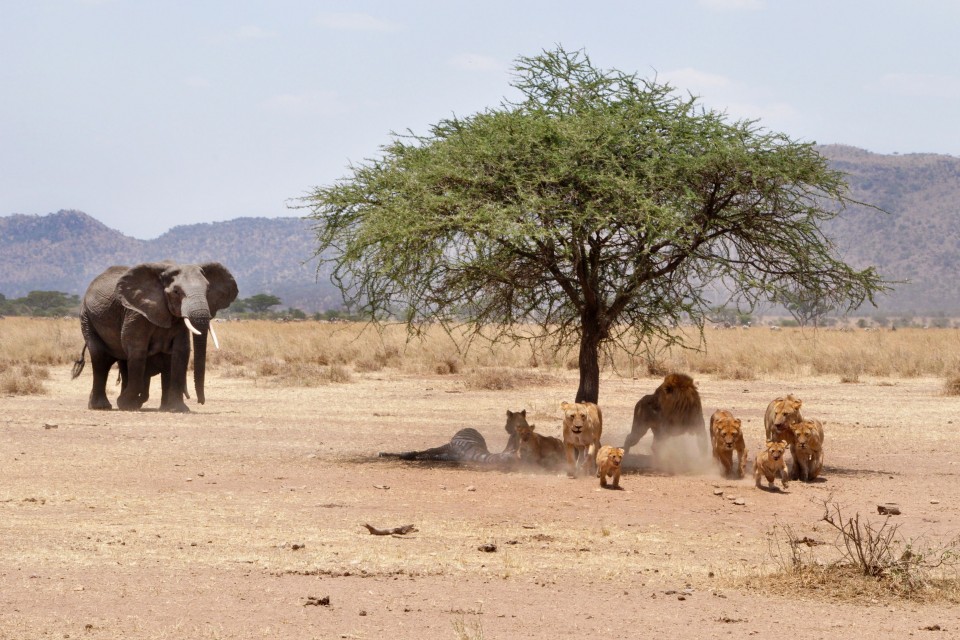
Elephant in Ngorongoro Crater, Tanzania
The Wildlife of Ngorongoro
A comparatively small area at only 264 km² (101 mi²), the Ngorongoro Crater supports an astonishing species diversity.
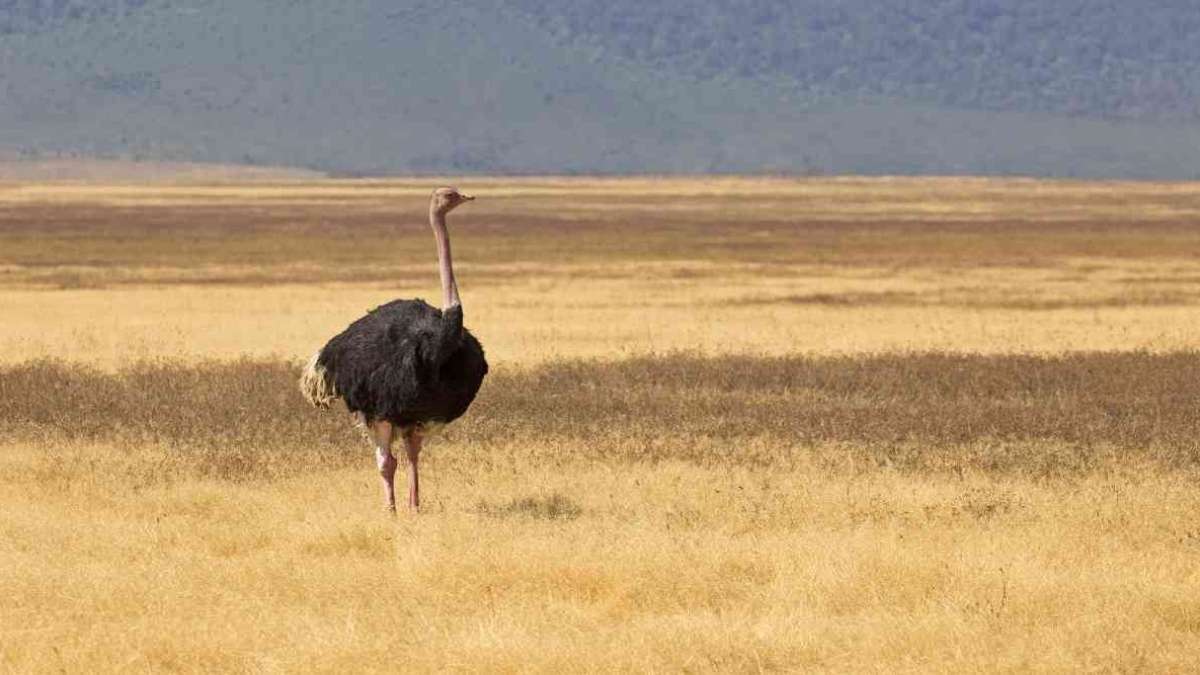
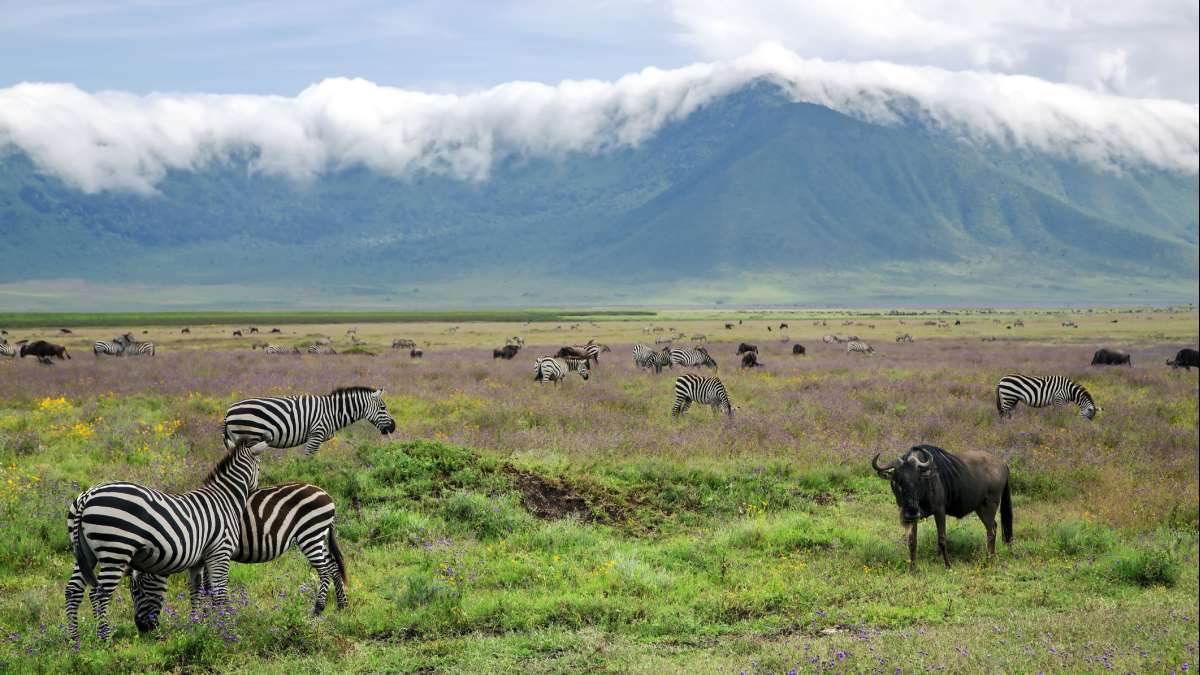
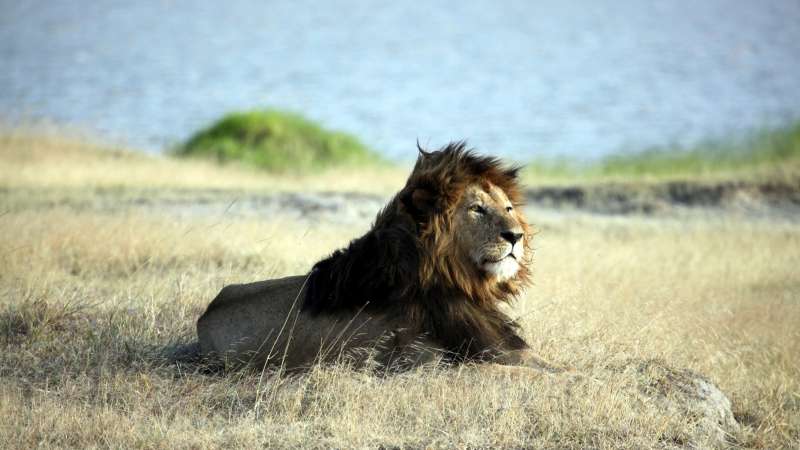
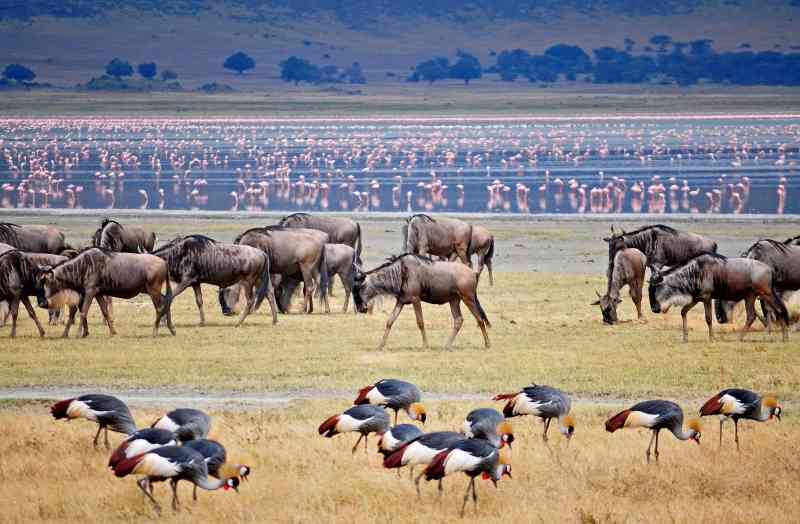
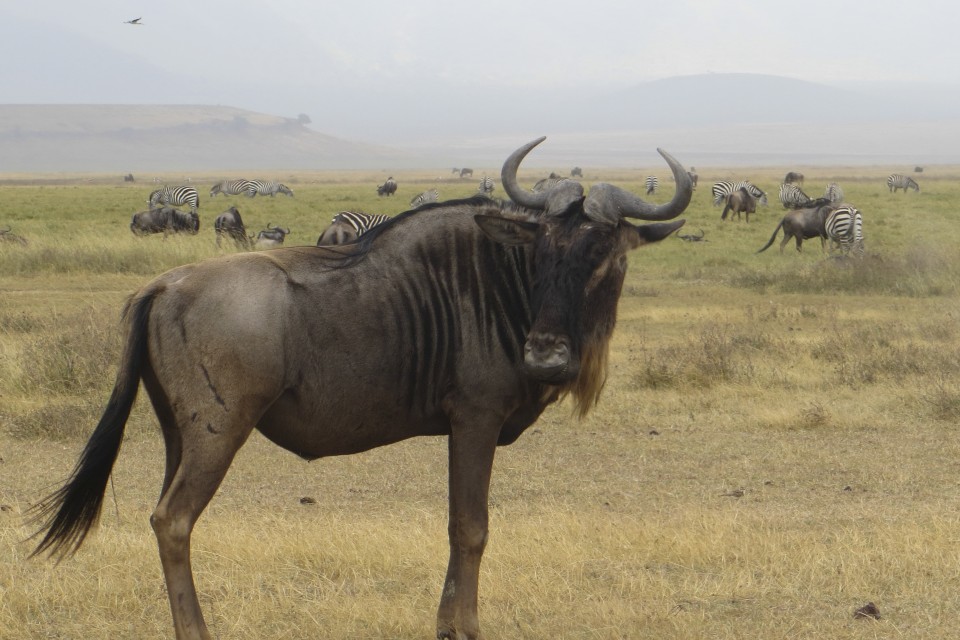
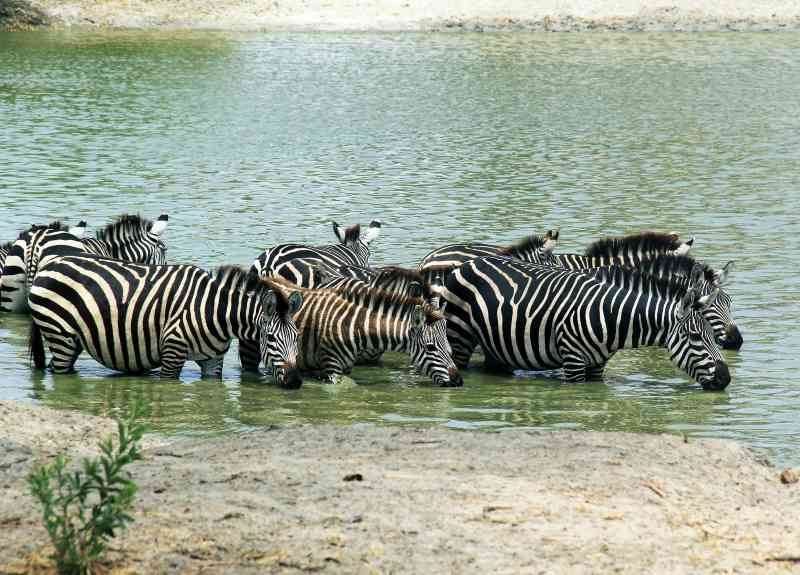
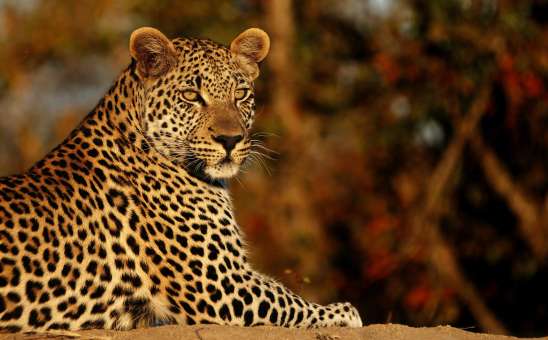
The world’s largest intact caldera is home to zebras, wildebeests, eland, hippos, and giraffes that frequent the open grasslands and shelter in the acacia forests. In addition to the herbivores, Ngorongoro Crater is also home to large predators like lions, spotted hyenas, cheetahs, and leopards, as well as smaller bat-eared foxes, jackals, and servals.
The birdlife in Ngorongoro boasts over 500 species, including secretary birds, sunbirds, and lesser flamingoes. From October to December, these birds colour the soda lake pink. Migratory birds are also present from November to April.
Though not the biggest wildlife park, Ngorongoro Crater is a top natural wonder that boasts some of Africa's most exceptional (and easiest) game viewing.
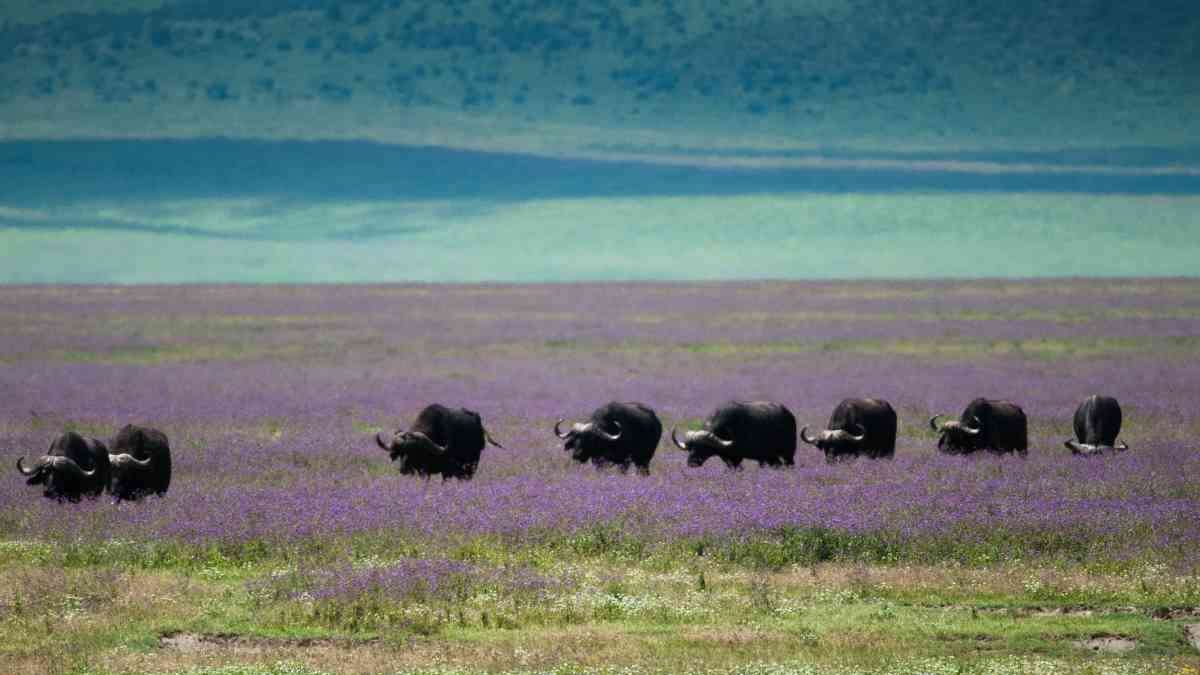
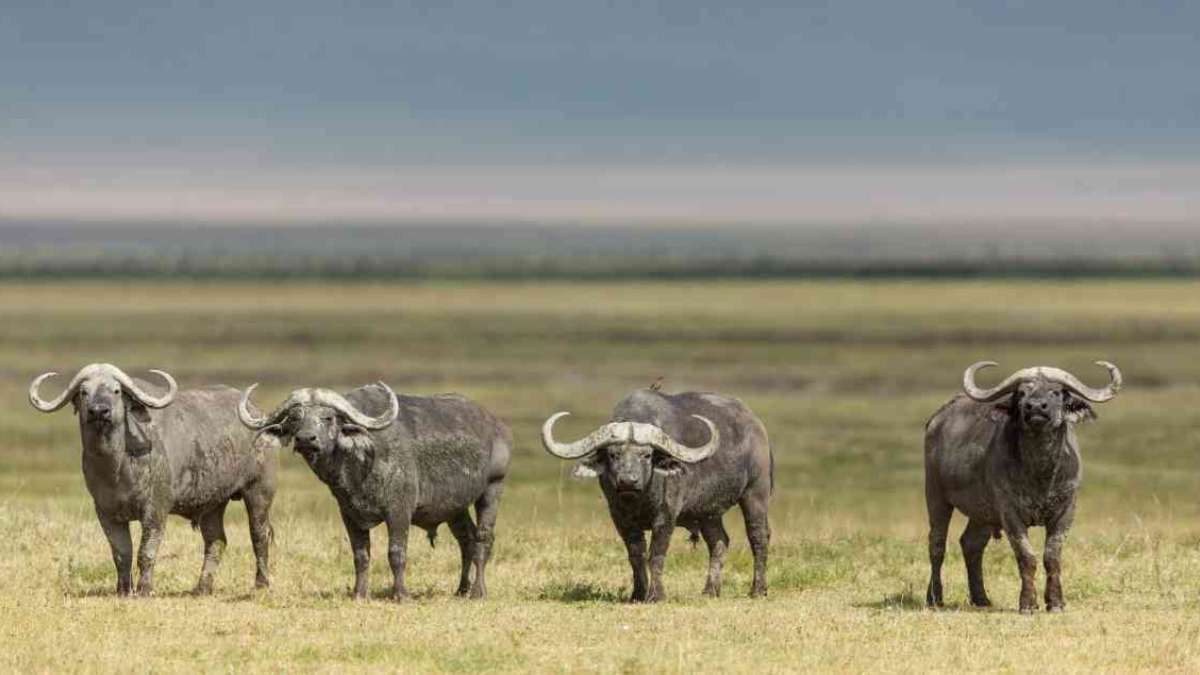
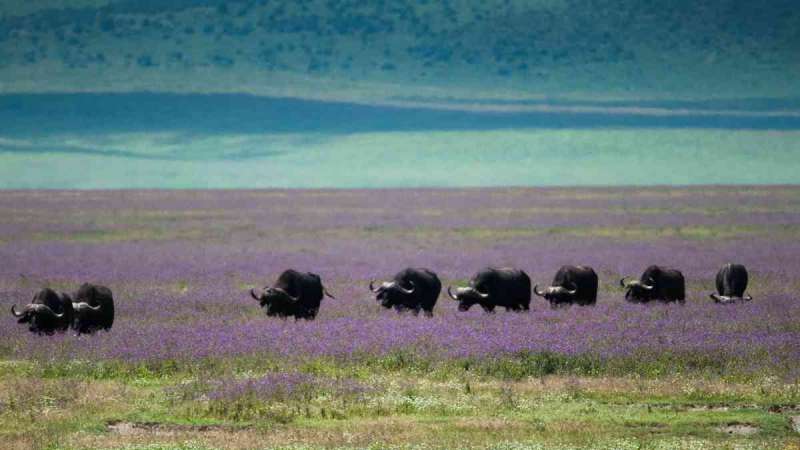
Buffalo in Ngorongoro Crater
Beyond the Crater
The Ngorongoro Crater is just one feature of the larger Ngorongoro Conservation Area. Part of Tanzania’s rich Northern Safari Circuit – Tarangire, the Serengeti, and Lake Manyara - the Ngorongoro Conservation Area is brimming with amazing sights.
Step back in time with our earliest ancestors in Olduvai Gorge, a UNESCO World Heritage Site, and Laetoli, where 3.6-million-year-old hominid footprints have been preserved in volcanic ash.
For an interesting day trip, hike to the Olmoti and Empakaai Craters. These extinct volcanoes contain soda lakes, waterfalls, lush woods, and flamingoes. Close to the Olduvai Gorge, the black volcanic dunes of the ‘Shifting Sands’ drift slowly across the plains.
The Gol Mountains and Nasera Rock, rich in culture and tradition, are important Maasai cultural heritage sites.
Visit the Ndutu Plains to see the calving season of the Great Migration. This is the southernmost section of the vast Serengeti ecosystem, where predators and newborns battle for survival.
Visiting the Ngorongoro Conservation Area is easy to add to safaris on Tanzania’s Northern Safari Circuit, as it is close to the Serengeti, Tarangire, and Lake Manyara.
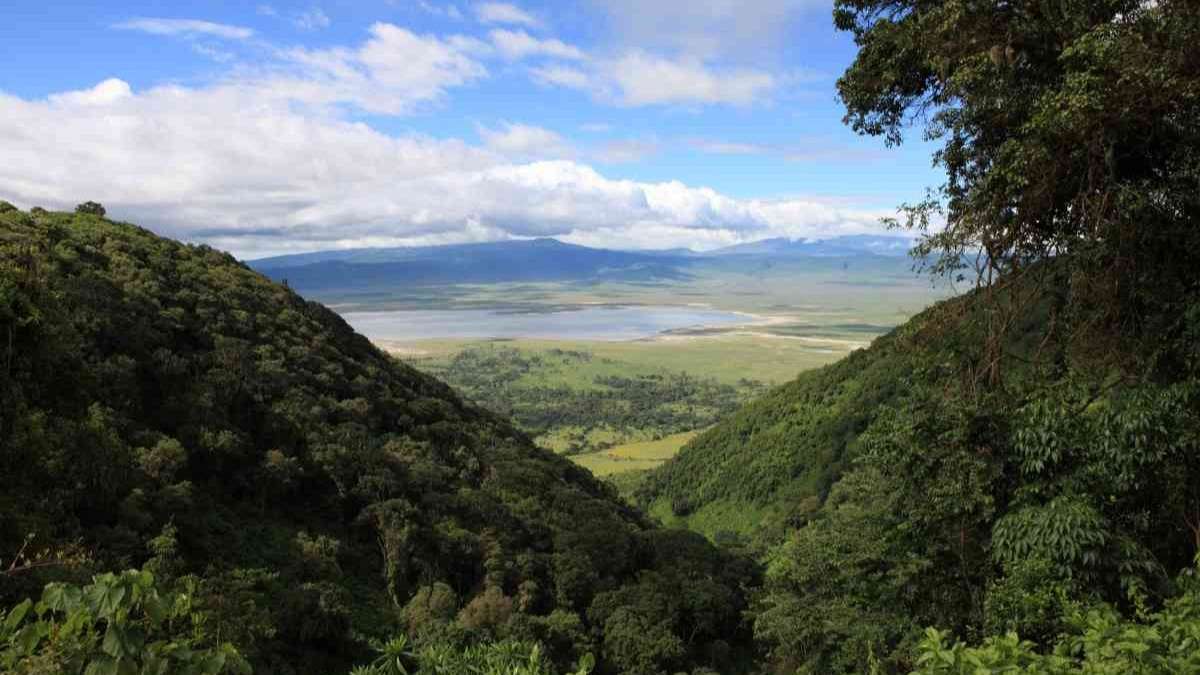
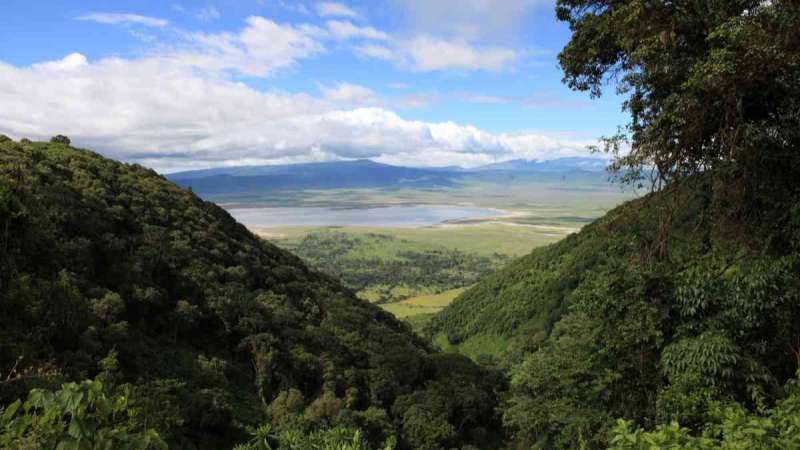
View of Crater in Tanzania
Need Help Planning Your Ngorongoro Crater Safari?
Planning a Ngorongoro Crater safari involves many moving parts.
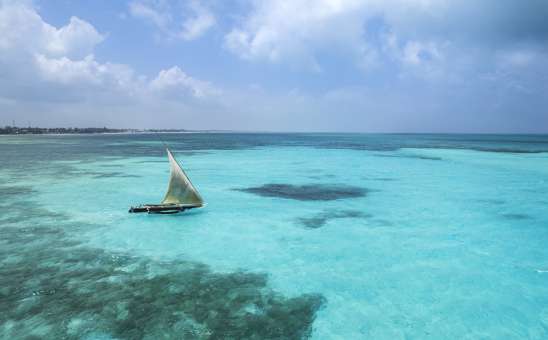
African Budget Safaris has an experienced team of expert travel consultants to guide you. From exploring the Northern Safari Circuit to ending with a beach break in Zanzibar, they can offer expert advice on when to go where and how to fit in all the attractions on your bucket list.
Talk to one of our expert travel consultants today and start planning your Ngorongoro Crater safari in Tanzania.
Visiting during the rainy season means a quieter safari with fewer visitors, a lush green landscape, and excellent game viewing.
January to March
January starts the Great Migration calving season in the Ndutu Plains.
Thousands of calves are born in the southern Serengeti ecosystem on the Ndutu Plains, part of the Ngorongoro Conservation Area. Predators lie in wait, making this a great time to see lions and hyenas in action.
The calving season continues through February. Conditions remain dry before the long rains begin in late March.
April and May
By April, the crater has transformed into an emerald paradise. There are fewer tourists at this time, and travellers can take advantage of off-season rates. The rains and lush green landscape last through May.
Because of the crater's unique geography, game viewing remains excellent. Though the roads can be muddy now, the quieter atmosphere is worth it.
June to October
By June, the long rains had ended. Peak season had not yet started, and Ngorongoro was still relatively quiet.
Peak safari season in Tanzania begins in July with the official start of the dry season, which runs from July to October.
Wildlife viewing on the Northern Safari Circuit is at its best throughout the dry season. This is also the most popular tie of the year, meaning more tourists and higher prices. Booking in advance is essential.
By October, the land is parched, and the animals eagerly anticipate the start of the short rains.
November and December
The short rains fall from November to December.
The landscape changes from brown to green again, and a host of migratory birds arrive to take advantage of the water and warmer weather.
The rains at this time are short and do not adversely affect game drives.
The most popular Ngorongoro Crater safari tours also explore Tanzania’s other top destinations, like the Serengeti, Tarangire, Lake Manyara, and Zanzibar. Accommodation options range from quality budget and mid-range lodges to affordable and luxury tented camps. Mobile camping trips are ideal for tracking the Great Migration, while lodge tours offer a more relaxed pace with game drives and optional extras.
From R110091$6768£5043€5842A$9606C$9463NZ$11602 pps