Want to discover the best natural wonders in Africa and plan your dream trip without breaking the bank?
Here's the deal:
From the Serengeti's iconic great migration to the mystical Namib Desert, Africa has breathtaking landscapes and wildlife encounters that will leave you in awe.
Here are seven must-see African natural wonders and our team’s expert tips for exploring them on a budget…
Oh, and because our tours make use of group discounts on accommodation, game drives and entry fees, they can be one of the cheapest ways to travel in Africa too… just saying!
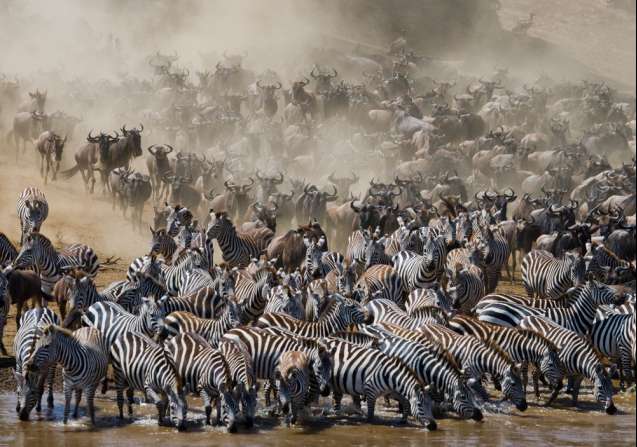
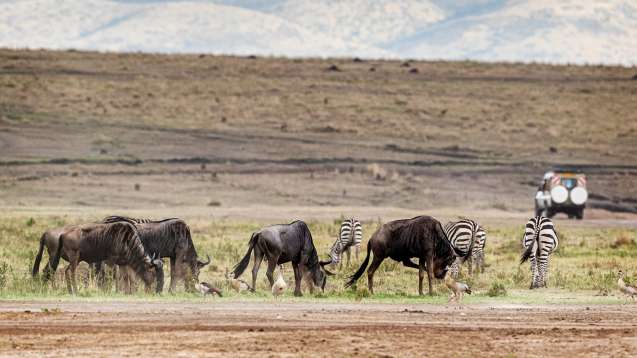
Regarding natural wonders in Africa, East Africa’s iconic great migration has to be top of the list!
To see millions of wildebeest, zebras, and gazelles thundering across the Serengeti’s sprawling savannahs in one of the natural world’s biggest spectacles has to be on most people’s bucket lists, right?!
Between July and October, visitors flock here to see huge herds making the epic journey from Tanzania’s Serengeti National Park to the Masai Mara National Park in Kenya, travelling a staggering 1,500km in search of fresh grazing lands.
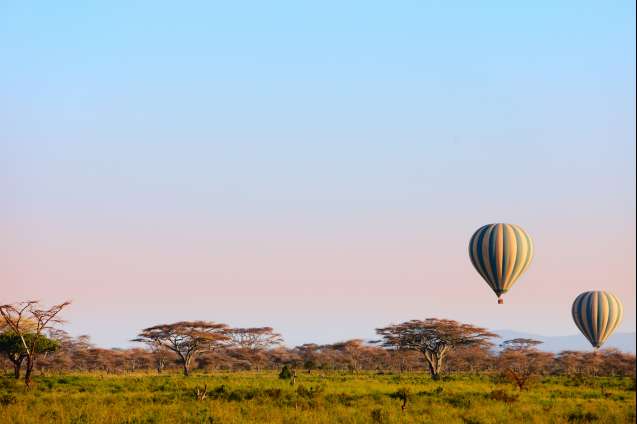
Timing is key for getting the best deals for this natural wonder in Africa.
The crossing of the Mara River is the climax of the migration, filled with drama as thousands of animals face the perilous, croc-infested waters.
Usually peaking in late July and August, this is considered the ultimate viewing period.
However, this makes it peak season, meaning prices soar at this time!
Go outside of these peak months, and you’ll get much better deals.
In early June, the herds start moving from the Serengeti to the Masai Mara, and in late October, they begin to cross back to the Serengeti. Visit during these shoulder seasons to find lower prices on accommodation and tours.
Joining a group safari or an overland tour can also significantly reduce the costs of seeing the great migration.
Not only do you share expenses for the vehicle and guide, but you also get to meet fellow travellers, making the experience even more enjoyable!
You can read our blog, the Great Wildebeest Migration FAQs, to learn more about this incredible natural event.
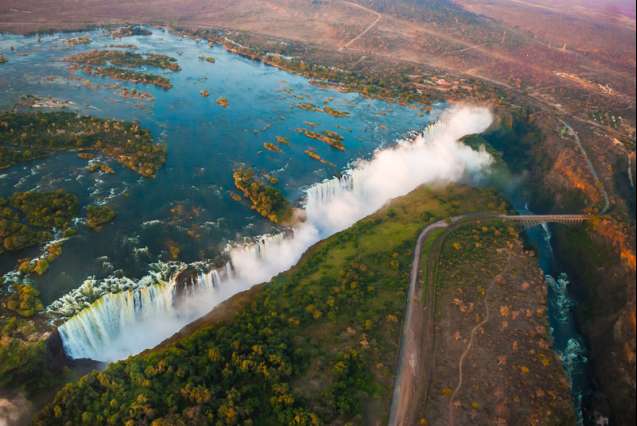
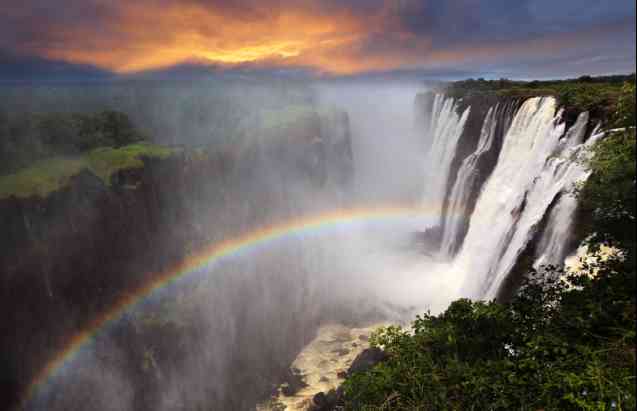
Known as "Mosi-oa-Tunya" or "the smoke that thunders," Victoria Falls has to be one of the most impressive natural wonders in Africa.
This breathtaking waterfall is a natural cascade of almost unbelievable scale located on the border between Zimbabwe and Zambia!
Choosing which side of Vic Falls to visit, Zimbabwe or Zambia, can be a challenge. To help you decide which is best for you, we wrote this guide to The Great Victoria Falls Debate: Zimbabwe vs Zambia.
An immense curtain of falling water, approximately 1,700m wide and 108m tall, Victoria Falls is one of the largest waterfalls in the world! Along with several other natural wonders featured here, it is one of the top UNESCO World Heritage Sites in Africa.
When the Zambezi River is high, 10 million litres of water rush over the cliff every second!
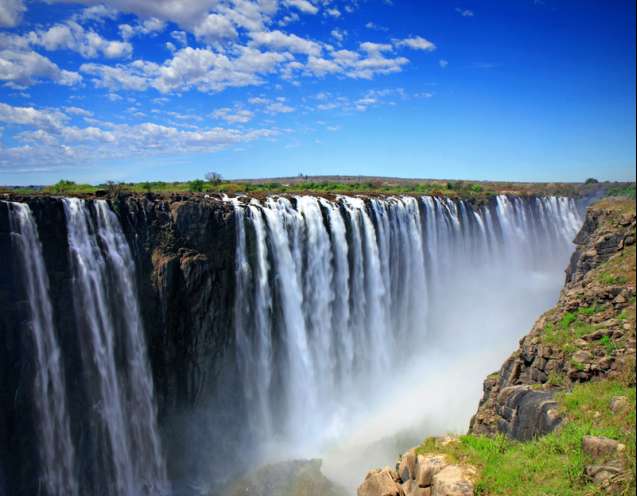
Our advice is to skimp on accommodation and go big on activities at Victoria Falls!
There are loads of things to do while visiting this African natural wonder, and since you’ve come all this way, you’ll probably want to experience some of the most exciting activities on offer!
Some excursions such as white-water rafting, bungee jumping, sunset cruises on the Zambezi, and scenic flights over the Falls come with a pretty hefty price, so we recommend you opt for basic accommodation and channel more of your funds towards these once-in-a-lifetime adventures.
Our other top tip is to visit as a group.
When you factor in the rental costs, fuel costs, toll fees and other costs, self-driving works out a lot more expensive than going by coach or as part of a tour.
Travelling as part of a group instead allows you to spread out the costs of transport and accommodation, which will always work out cheaper.
And finally, carry your own refreshments when you go out on Victoria Falls activities. Snacks and bottled water in the supermarket will definitely be cheaper than the kiosks at the tourist hotspots!
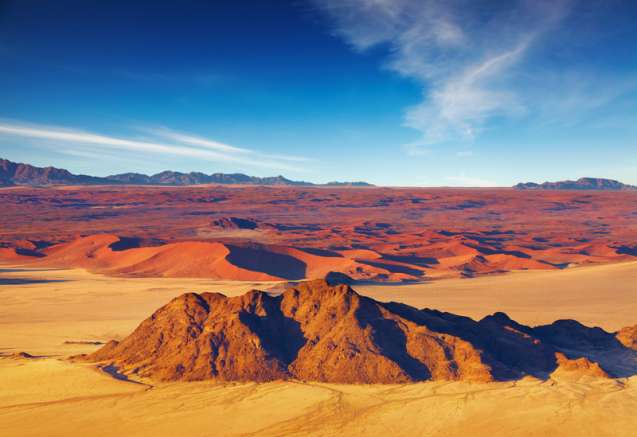
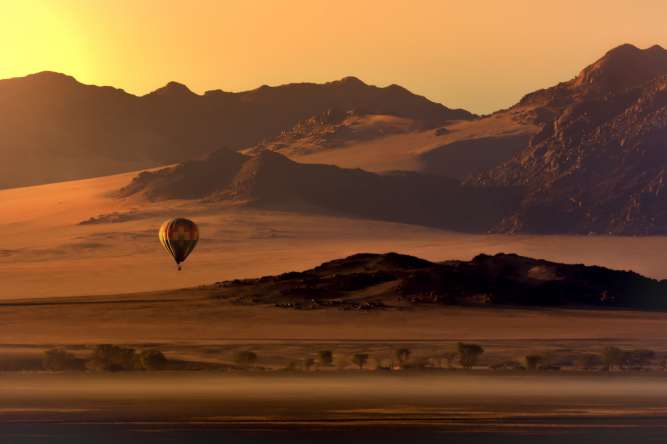
The Namib Desert, one of the oldest deserts in the world, is home to some of Africa’s most surreal landscapes.
Your mind will be quite-simply-blown as you climb the world’s highest sand dunes and explore Deadvlei, a white clay pan with eerie, petrified trees set against a backdrop of iconic red dunes.
Trust us when we say the play of light and shadow at sunrise and sunset here is like nothing you've ever seen before!
Prepare to be awed by this African natural wonder.
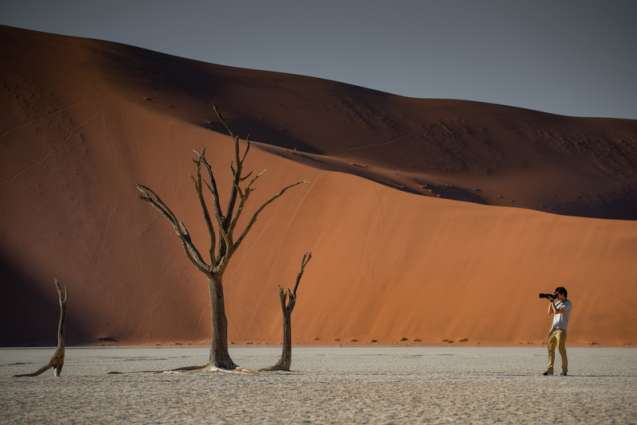
The least expensive way to visit this natural wonder in Africa is to travel with an overland tour company.
Overland tours are a great way to visit some of Africa’s natural wonders easily and cheaply.
Prices usually include all transport, accommodation, most meals and most activities… great if you want maximum bucket-list action with minimal planning effort and lower costs!
And with such a range of overland tour companies and itineraries now, there’s something to suit everyone.
Our other top tip is to stay at the Sesriem campsite, a budget-friendly option perfectly located for exploring Sossusvlei and close enough to let you catch the sunset from the top of the dunes - a sight not to be missed!
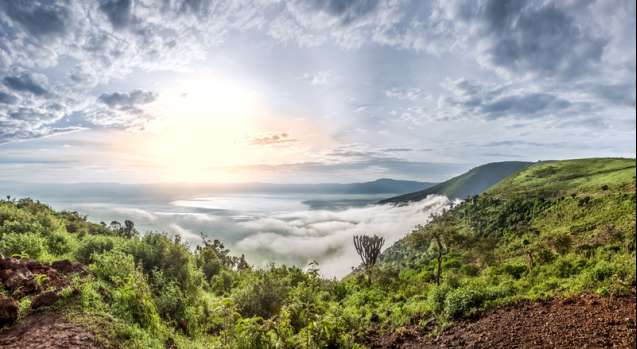
The Ngorongoro Crater is one of the natural wonders in Africa that feels like stepping into a wildlife documentary!
Once an active volcano thought to be higher than Mount Kilimanjaro, when it erupted it formed the world’s largest caldera - a crater 610 m deep, with a crater floor covering 260 sq km.
The crater is now rich in biodiversity and packed with an unbelievable 30,000 animals!
But why do so many animals live here?
Although animals can move in and out of the crater, climbing the steep sides of the caldera takes a lot of effort, so much of the resident wildlife chooses to remain inside.
The sheer concentration of wildlife therefore makes this an utterly unique safari destination with prime wildlife viewing year round.
In fact, it's not uncommon to see the Big 5 of Africa in a single day here, making it a truly remarkable natural wonder in Africa! The Ngorongoro Conservation Area is also one of the top must-visit UNESCO World Heritage Sites in Africa, along with Victoria Falls and other natural wonders listed here.
The Ngorongoro Crater is even home to black rhinos and is one of the few places on Earth where you can easily find these rare creatures.
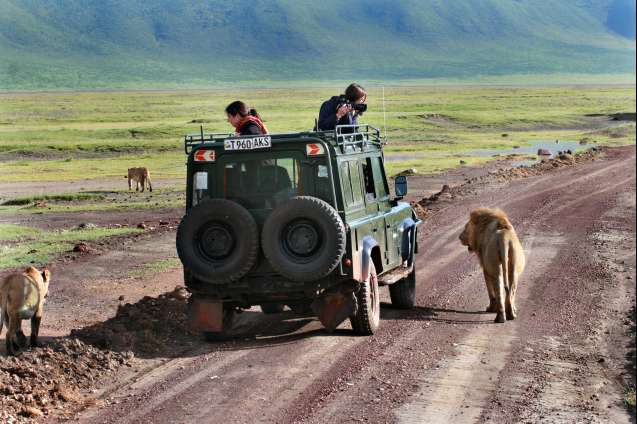
The Ngorongoro Crater is an expensive safari destination, with high park entrance fees and most lodges catering for the high-end market, so it's important to plan wisely if you want to keep to a budget.
Opt for budget accommodations in nearby Karatu, a charming town that offers a range of affordable lodges and campsites. You’ll spend a lot less on a room here than on the crater rim.
Joining a group safari or overland tour to this natural wonder is another great way to cut costs while enjoying a full-day game drive.
Tour operators are able to get better deals on park entrance fees and this will be included in the price of your tour, making it the cheapest way to visit reserves like this.
There are many group tour options that allow you to combine a trip here with some of East Africa’s other natural wonders and safari destinations.
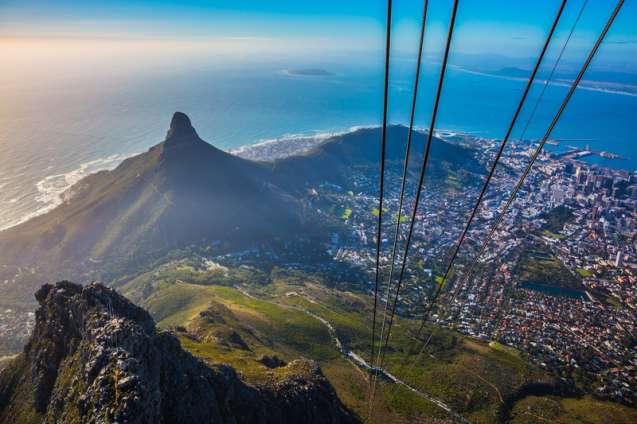
Overlooking the vibrant city of Cape Town, Table Mountain is one of the most recognisable natural wonders in Africa.
The flat-topped peak gives you panoramic views of the city, the ocean, and Robben Island.
It's a haven for hikers, with numerous trails ranging from easy walks to challenging climbs.
The mountain is also a biodiversity hotspot, home to over 2,200 species of plants!
The Mother City is an incredible destination to visit as part of a larger South African safari or on its own. To help you process the best of what Cape Town has to offer we put together this free Cape Town Guide.
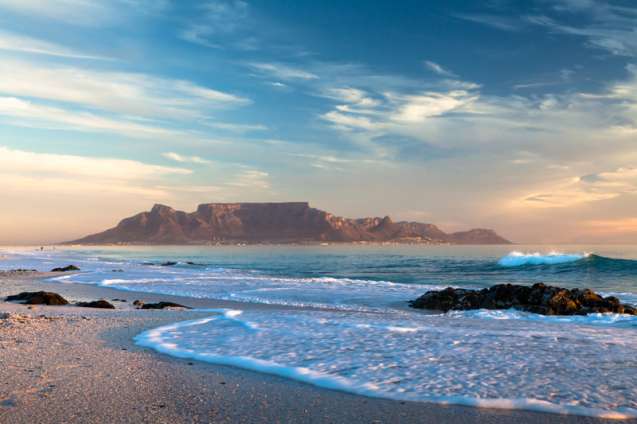
Visit Cape Town during the shoulder months of March and April, or September and October, when there are fewer crowds and discounted rates on tours.
At these times, the city enjoys mild weather but is drier and warmer than during the southern hemisphere winter months.
We also recommend you ditch the cable car and hike up the mountain via popular trails, like Platteklip Gorge, to save money too.
Bring a packed lunch and enjoy a picnic with a view!
__medium.jpg)
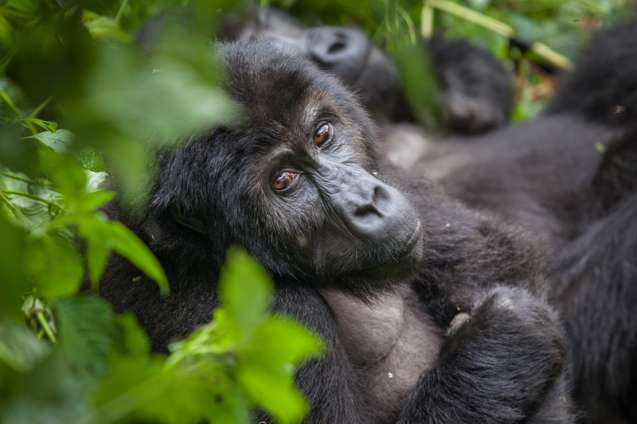
If you’ve ever dreamed of coming face-to-face with mountain gorillas, Bwindi Impenetrable Forest in Uganda is one of the natural wonders in Africa you won’t want to miss!
This UNESCO World Heritage Site in Africa is known for its dense, mist-covered forest that provides shelter to half of the world's remaining population of mountain gorillas.
Trekking through the thick jungle to observe these majestic creatures really is a once-in-a-lifetime experience.
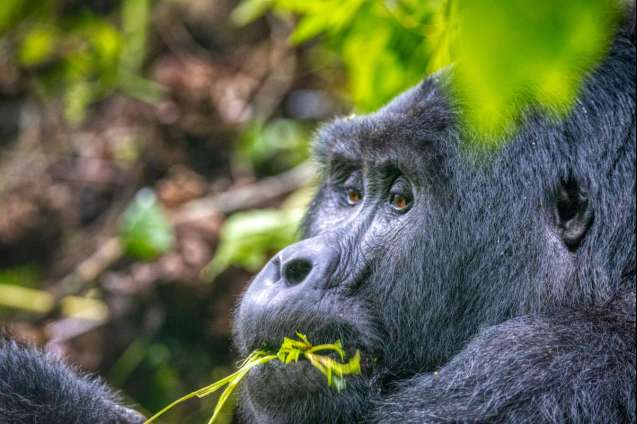
With gorilla trekking permits here for around US$800, this is never going to be a shoe-string-style travel adventure!
However, Ugandan permits are considerably cheaper than Rwandan ones. If you'd like to read a quick comparison between the different gorilla trekking options in East Africa, you can read our blog Gorilla Safari FAQs for more information.
Permits are generally cheaper during the rainy off-peak season (April, May, October and November), as are flights and accommodation; just beware that gorilla trekking in wet conditions is much more treacherous and not for inexperienced hikers.
Tour operators also get better deals on permits, so going as part of a group tour will get you lower prices for these too.
We also suggest you opt for campsites or budget lodges located outside of the park for the best accommodation rates and choose spots that are community-run and support local conservation efforts.
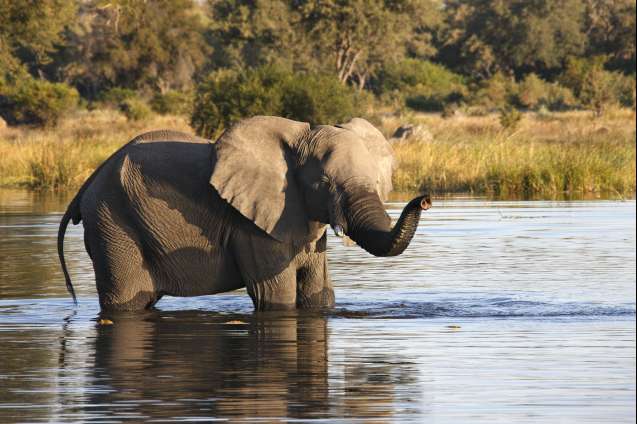
The Okavango Delta is a true natural wonder and a one-of-a-kind safari destination.
This stunning location is renowned for its incredible wildlife, as well as its natural beauty and unique landscape.
Situated in the Kalahari Basin, in north-western Botswana, the Okavango Delta is the world’s largest inland delta, covering an area of about 15,000 sq km.
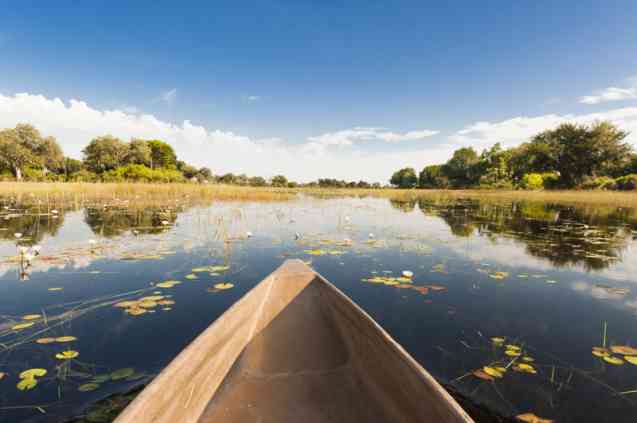
The Delta is made up of large permanent swamps, along with vast areas of seasonally flooded grasslands, which dry out when the waters are low and are submerged when the waters rise, forming large lagoons and reed-lined canals.
Here you’ll find a labyrinth of winding water channels, crystal-clear lagoons and remote islands adorned with reeds and towering palm trees.
The mix of aquatic and land-based ecosystems of the Okavango Delta has given rise to a rich biodiversity, earning this unique Botswana landscape a rich reputation as a wildlife paradise that draws safari enthusiasts from across the world.
This UNESCO World Heritage Site is one of the best places in Africa to see wildlife up close, including hippos, elephants, and a wide variety of bird species.
Water-based safaris by mokoro (a traditional dug-out canoe) are a tranquil and intimate way to explore the delta's winding channels.
Travel during the shoulder season (April, May and September) for reduced rates on lodges and activities.
At these times, the water levels still allow for water-based activities, but without the peak season prices.
Camping in the Okavango Delta is your other best trick when it comes to saving money.
Many tour operators offer budget camping safaris that include tents, meals and transportation.
There are also different levels of comfort when it comes to camping - not all of it is super basic, so check out the options available!
It might seem surprising, but the most affordable way to travel in Africa is normally to join a group tour, rather than try to plan a safari adventure independently.
That’s because tour companies can access group discounts on accommodation, game drives and park entry fees, meaning big savings for you.
Rarely will you be able to get the same prices when you organise your own trip, making group tours and overland trips the cheapest ways to see many of the top natural wonders in Africa.
Plus it’s also a whole load less work for you!
Tour companies take care of almost all the safari logistics - booking entrance tickets or park passes and accommodation, as well as arranging transport and game drives - which allows you to focus more on the fun aspects of the trip.
Consulting a good travel agent when planning your trip can also save you money by helping you navigate the complex world of African travel.
They can help you find a trip which matches all your needs, priorities, timeframe and budget, as well as ensure you get the best possible deal.
Our team of African travel experts have the knowledge and experience to help you get the most out of your holiday, for the least money!
Speak to our travel team today to get some expert help planning your trip to see Africa’s natural wonders.

Explore these destinations mentioned in this post.
Below you'll find further reading and articles related or similar to this post.




Call us toll free from US/Canada on 1-888-414-6513, or from the UK on 0-808-189-1052. All other countries can contact us on +27 21 791 0878.
© 2026 African Budget Safaris | Privacy | Terms | Cookie Policy | Consent Preferences




__large__thumb.jpg)