
The Okavango Delta is one of Africa’s most unique safari destinations, a vast inland oasis where seasonal floodwaters create a maze of channels, islands, and lagoons teeming with wildlife. Unlike most river systems that flow into the ocean, the Delta’s waters spill into the Kalahari Desert, transforming the landscape into a lush, ever-changing paradise.
At the top of many African safari bucket lists, the Delta is incredibly beautiful and filled with a wide array of wildlife.
In this blog, we’ll cover everything you need to know for an unforgettable Okavango Delta safari – the seasons, the safaris etc. – so that you can get the most out of your once-in-a-lifetime Botswana safari experience.
2025 SEASON NOTE
Excellent rains over the Angola highlands and across Botswana this season promises an excellent year to visit the Okavango Delta. The delta floodwaters are expected to be higher than usual, filling the intricate waterways to the brim. High water levels means thriving ecosystems and thrilling game viewing opportunities. It also allows mokoro safaris and boat safaris to travel deeper into the delta waterways for a front-row seat witnessing one of Africa's marvels!

There are numerous islands in the delta, the largest being Chief’s Island which is 70 km long and 15 km wide. This also forms part of the Moremi Game Reserve.
The Okavango Delta is loosely divided into the northern delta and the southern delta. While the southern parts may dry up almost completely during the dry season, the northern parts have many sections that remain wet throughout the year.
The Okavango Delta is about way more than the Big 5. It is a UNESCO World Heritage Site - a must for anyone visiting Botswana - and an incredibly beautiful destination to add to your African safari.
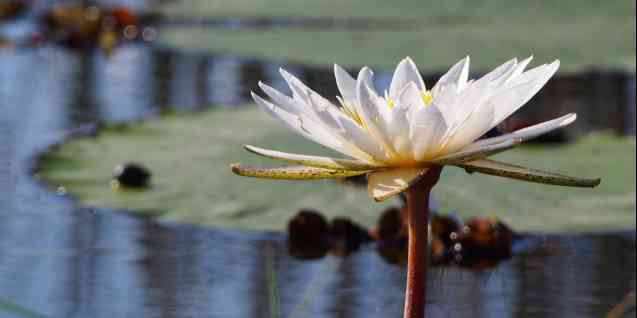
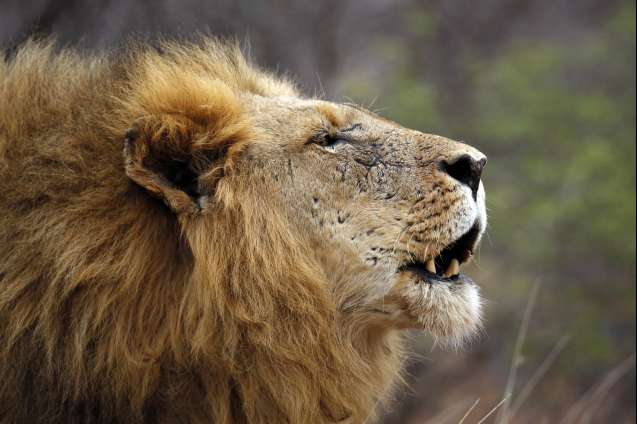
While you are unlikely to see all of the Big 5 animals on an Okavango Delta safari, each of them are present in one or other parts of the Delta. But, a safari here is a unique water-based experience that gets you up close and personal with nature and the smaller creatures inhabiting this watery paradise. Being a permanent wetland, aquatic animals, flora and birdlife are most typically what you will see, while the larger animals move continuously between the islands following grazing and always heading off to bigger areas of dry land.
You can spot the Big 5 in Moremi Game Reserve on the eastern side of the Okavango Delta. Moremi is known for its excellent leopard sightings and is one of the best places in Botswana to see rhinos.
Land-based wildlife viewing areas are best for the larger herds of antelope, elephants and carnivores. To maximise your experience, we strongly recommend combining a water-based experience in the Okavango Delta with land-based areas. This is the ideal combination that will allow you to experience the beauty of the Okavango Delta and a chance to see the Big 5 animals at one of the land-based game reserves in Botswana, like Chobe National Park.

Okavango Delta Wet Season – the rains
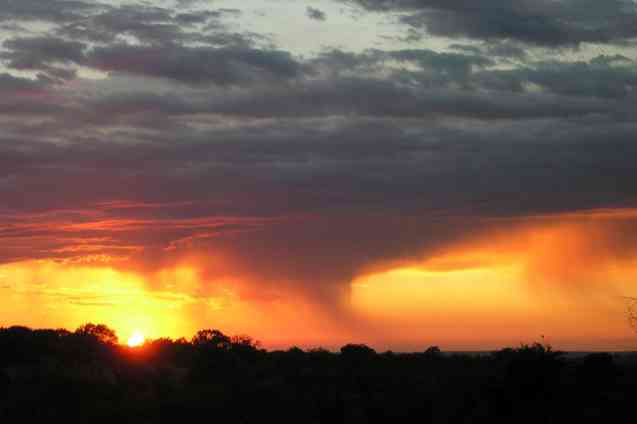
This is a commonly confused phenomenon. In northern Botswana, the ‘wet season’ occurs from November to around April. This is when the rains come, usually in the form of dramatic afternoon thunderstorms, precluded and followed by bright sunshine and heat.
Okavango Delta Dry Season – no rains but high water levels
High water season in the Okavango Delta, however, occurs when the flood waters from Angola arrive and slowly fill the delta, usually from May/June into August/September. Curiously, this is the ‘dry season’, as the rains have ended, but it is the flood season for the Okavango Delta in Botswana.
The water that fills the enormous floodplains of the Okavango Delta, travels from the Angolan highlands, where the summer rains fall from January to February. It takes this huge volume of water from February to May/June to travel over 1,200 km along the Rio Cubango (as it’s known in Angola) and the Okavango River (in Botswana), to reach the floodplains, spreading across the area over a couple of months.
While a small percentage ~2% of the water from the delta flows into Lake Ngami, the majority ~60% is consumed (transpired) by plants, and the remaining 36% evaporates or percolates into the underground water system ~2%. This river never reaches the sea.
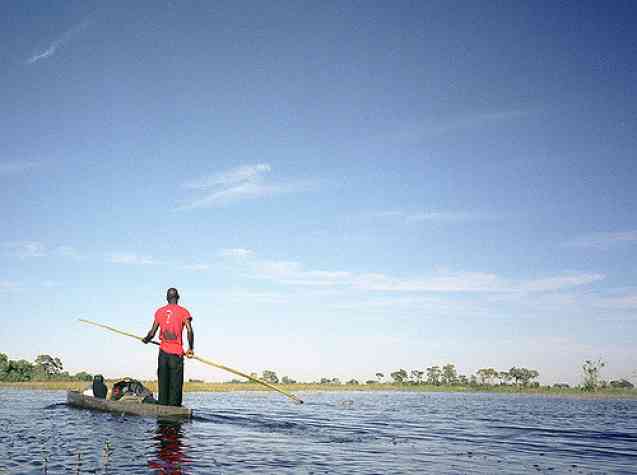
While the northern parts of the Okavango Delta don’t usually dry up completely, those in the south do. This means that if you want to do water-based activities (mokoro safaris and boat cruises etc.), they may not be possible in the low water season i.e. before the delta fills around May/June.
This is winter in Botswana and is an ideal time to visit, temperature-wise, with mild days averaging around 25°C. Pack a jacket, as morning and evening temperatures may drop to the single figures.
If, however, you’re interested in land-based activities the dry season is the time to go. The drying of the delta usually starts in September (from the southern end) and intensifies with the – often unbearable – dry October heat, before the November rains give some respite (to the temperature, not really the water levels).
Summer daytime temperatures in the Okavango Delta can reach over 40 °C (October to March/April), making travel uncomfortable for those not used to the heat. Also, due to the remoteness and wildness of delta camps, most don’t have air conditioners, so keep this in mind when choosing dates to travel!
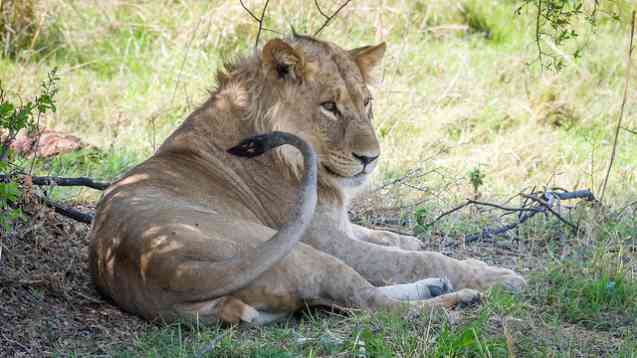
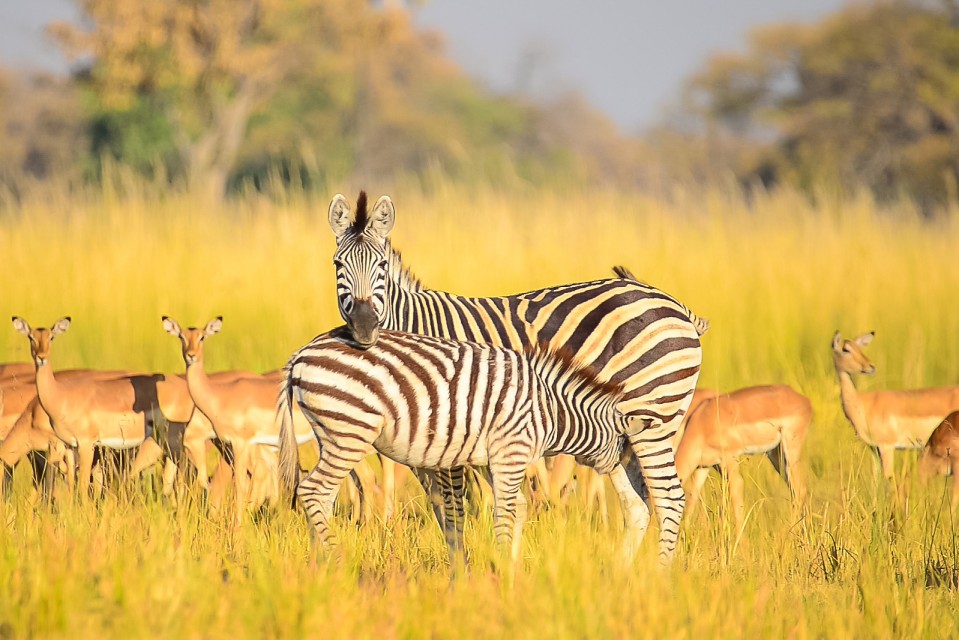
While there is game and incredible birdlife all year, as the area dries up, only the deeper pools remain. The game moves in to search for water, allowing for excellent game-viewing opportunities.
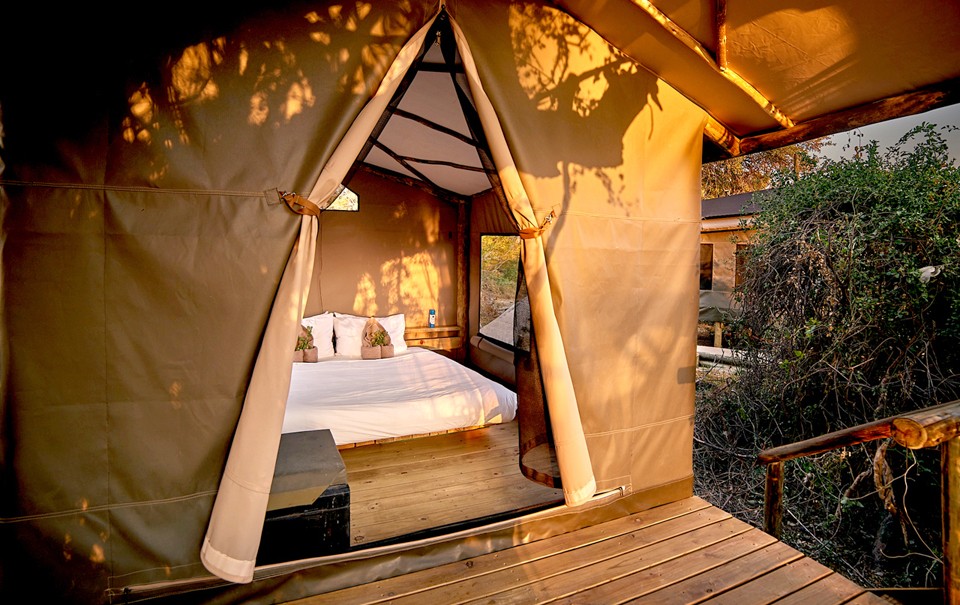
There are many camps in the Okavango Delta area, both on the islands that dot the floodplain, and along its edges. They can loosely be divided into land-based and water-based Okavango Delta camps, depending on their location and, therefore, the activities offered.
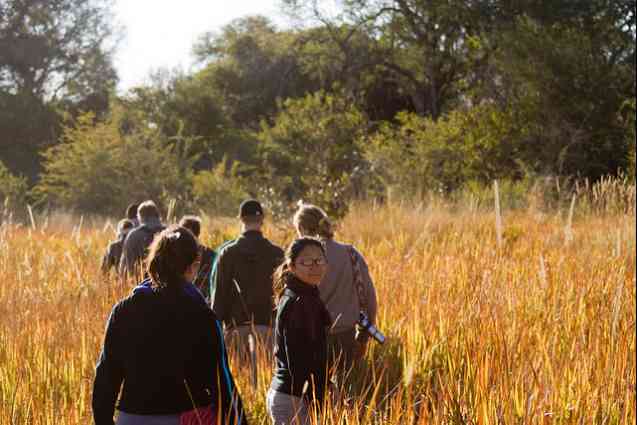
Water-based camps offer – surprise! – water-based activities, and mainly require either a boat trip or short-hop flight to be reached. Water-based activities include gentle trips through the exquisite waterways on mokoros and walking safaris on the islands.
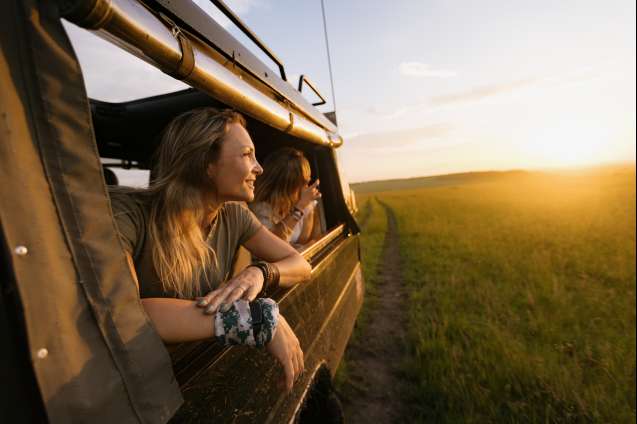
Land-based camps, on the other hand, may offer land activities in addition to water-based activities, such as game-viewing in 4x4s (through Moremi, for instance), which are not possible at the water-based camps.

Fear not, though, if you want to go to a water-based camp AND experience game drives – just chat with one of our safari experts who will find the perfect Okavango Delta safari that includes the beauty of a water-based camp and some days ‘on-land’.

As you can imagine, road travel in the Okavango Delta is often not easy or even possible. While some camps do have road access (often only accessible by 4x4), the more remote camps may only be reached by small plane.
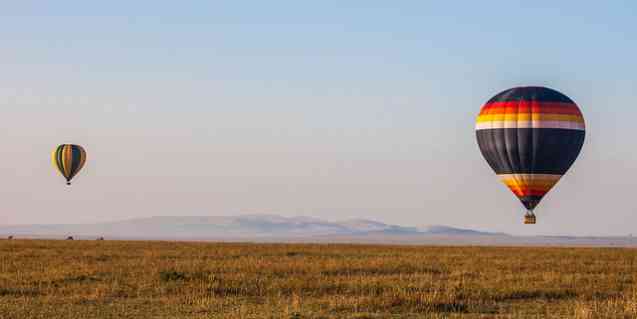
Numerous charter companies fly both visitors and supplies in and out of the Okavango Delta, and there are plenty of landing strips within this vast area. Another bonus of a fly-in safari is that you get to see the Okavango Delta from the air, which is pretty spectacular!
Remember though, these are light aircraft, so strict luggage restrictions are in place. Pack lightly!
__medium.jpg)
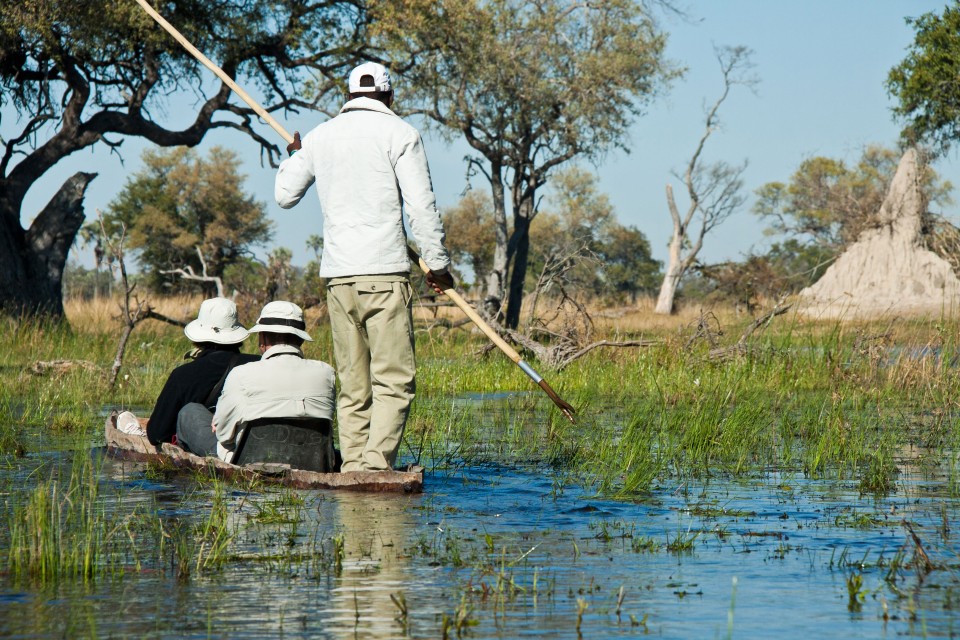
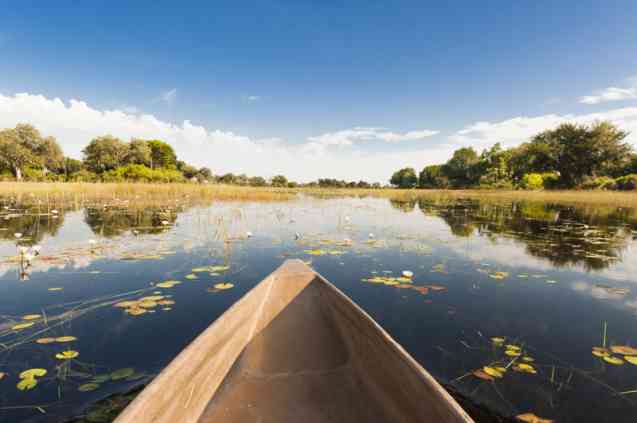
The traditional means of transport around the Okavango Delta is by hollowed-out boats made from the local trees – sausage trees, jackalberries and morulas – called mokoro. These canoe-like boats were designed specifically to allow passage through even the shallowest of canals and are manoeuvred by a man standing at the back of the boat with a pole.
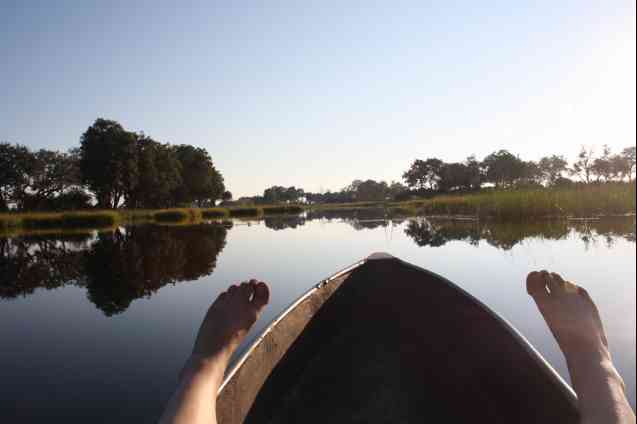
Due to the threat of extinction of many of the trees used traditionally, many modern mekoros are made from fibreglass. Mokoro safaris are offered throughout the Okavango Delta and are well worth doing. With only the sound of the pole going into the water, you can fully appreciate the birdsong, hippo grunts and other truly African sounds. You can’t get closer to nature than this!

This is hippo country if there ever was one. These fascinating rotund herbivores live in large numbers in the Okavango and, therefore, may affect when and where you can be. While hippos look particularly benign, their looks are deceiving: they are particularly dangerous animals, being extremely territorial, protective of their young, and generally bad-tempered.
During the dry season(s), the water retracts northwards and the pods of hippos are forced into smaller and smaller areas. When water levels are low, it may not be possible to manoeuvre the mokoros through the narrowed waterways and avoid the hippos. Safety is of primary concern, so keep this in mind if you’re unable to do a mokoro safari trip.
The closest town to the Okavango Delta is Maun, which makes it the most convenient access point for travellers wanting to keep transfer distances to a minimum. To see what kinds of trips are available, browse our upcoming tours departing from Maun.
The next closest travel hub to the Okavango Delta is Kasane, also located in northern Botswana, just north of Chobe National Park. Kasane is located a long day's drive from Maun and trips starting here are usually longer, visiting Chobe and other highlights on their itineraries. To view upcoming trips starting in Kasane see our calendar listing of Kasane tour departures.
One of the most popular options is to fly to Victoria Falls in Zimbabwe and travel to the Okavango Delta from there. These are also longer itineraries that travel to multiple destinations in Botswana, beginning at the famous Vic Falls. Search Victoria Falls tour departures for availability on your travel dates.
Lastly, many Botswana Safaris, start in Johannesburg (South Africa) as this is a major travel hub with plenty of cheap flights from international destinations. Most of these South African safaris travel to Kruger and Pilanesberg but the longer trips often include the Okavango Delta in Botswana. By flying to Johannesburg you may be able to save on your international flights freeing up your budget to spend more on a longer, more comprehensive African safari. Take a look at the longer safaris departing from Johannesburg to compare options.
While all these factors should be considered, and nature can be unpredictable, an Okavango Delta safari at any time is guaranteed to be spectacular, each season offering a different experience. This is truly wild (and hot!) Africa.
Chat with one of our travel experts for more advice on planning your Botswana safari to the Okavango Delta and beyond.
(This post was originally posted in 2016 and has been updated in 2025)

Below you'll find further reading and articles related or similar to this post.




Call us toll free from US/Canada on 1-888-414-6513, or from the UK on 0-808-189-1052. All other countries can contact us on +27 21 791 0878.
© 2026 African Budget Safaris | Privacy | Terms | Cookie Policy | Consent Preferences

__large__thumb.jpg)
_(1)__thumb.jpg)







__large.jpg)