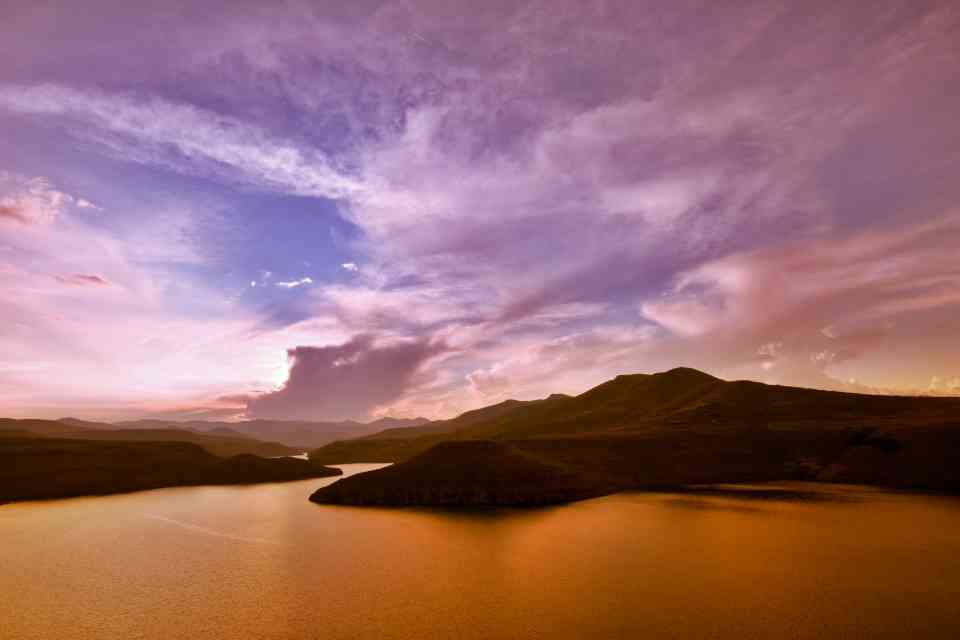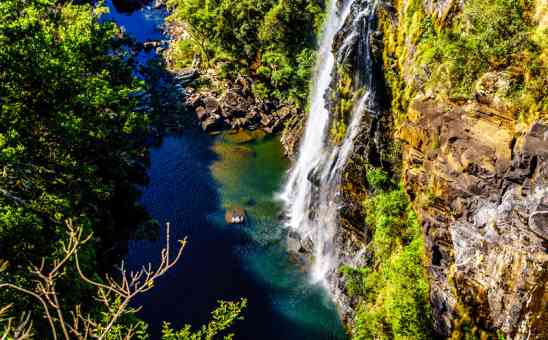
Lesotho, the “Kingdom in the Sky,” is a high-altitude treasure. Surrounded by dramatic peaks, sweeping valleys, waterfalls, and incredible views, this small landlocked country is a paradise for outdoor lovers.
Though not a traditional safari destination, Lesotho’s remote wilderness and endemic species make it uniquely rewarding. Visit the Maletsunyane Falls, Sehlabathebe, or Ts’ehlanyane National Parks, looking out for rare wildlife like the bearded vulture and elusive ice rat.
Go horse riding, mountain biking, skiing in winter, or hike to Thabana Ntlenyana, Africa’s highest point south of Kilimanjaro, looking out for ancient caves with San rock art. Lesotho, with the highest low-point of any country in the world, offers unexpected mountain adventures for the adventurous traveller.
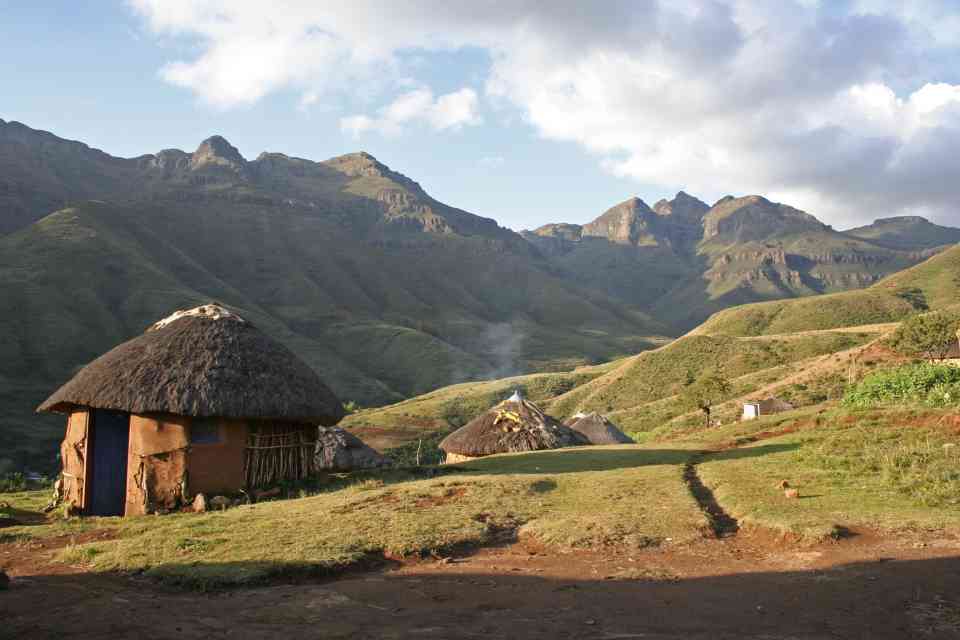
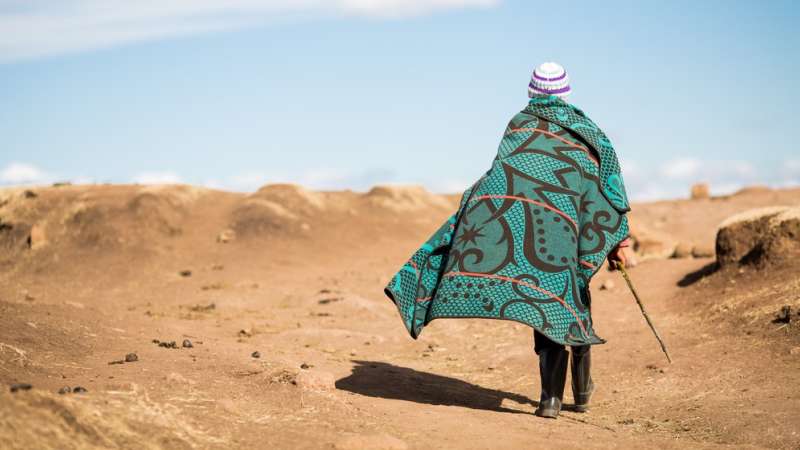
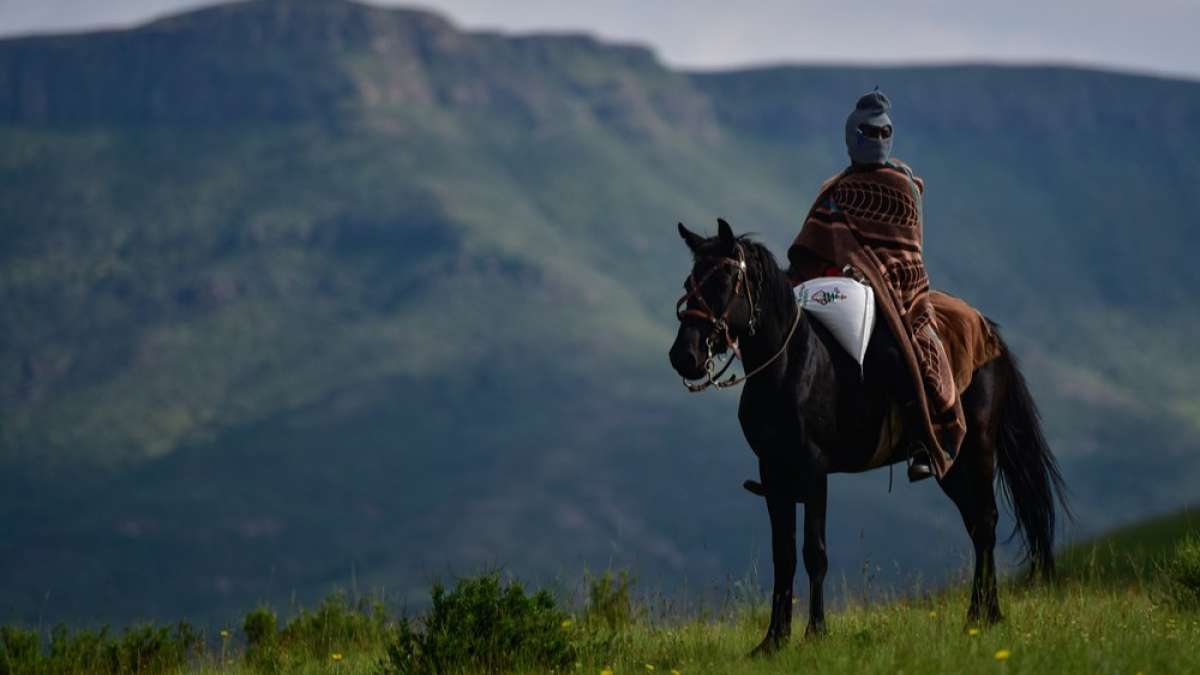
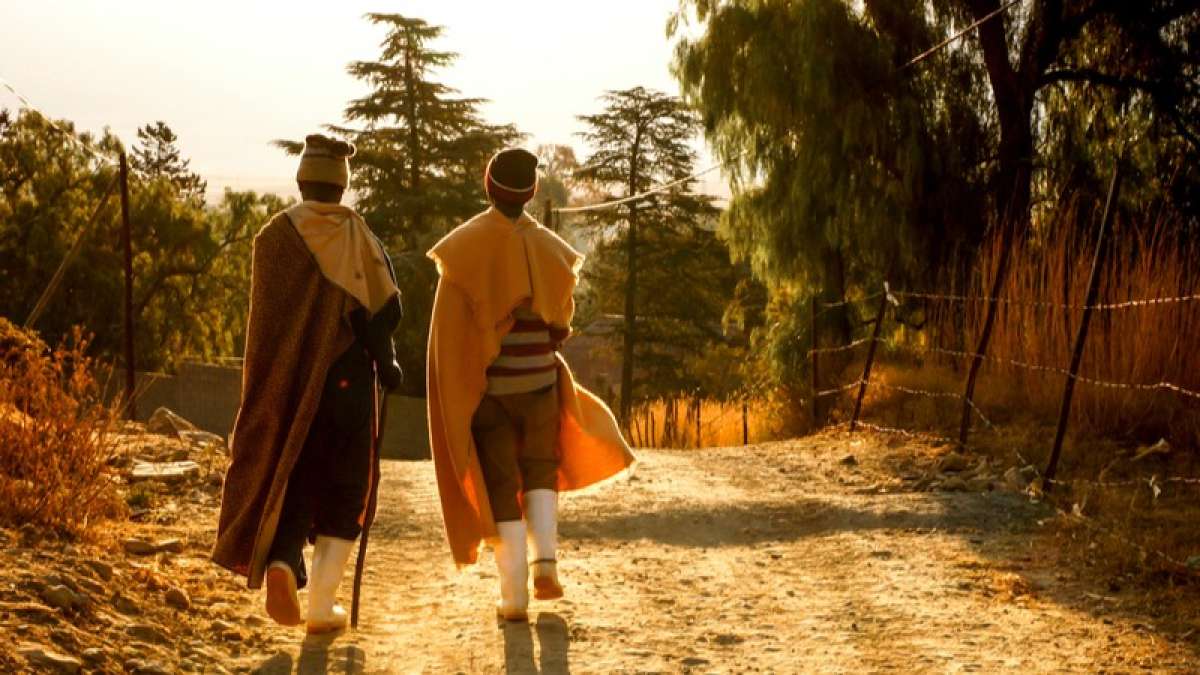
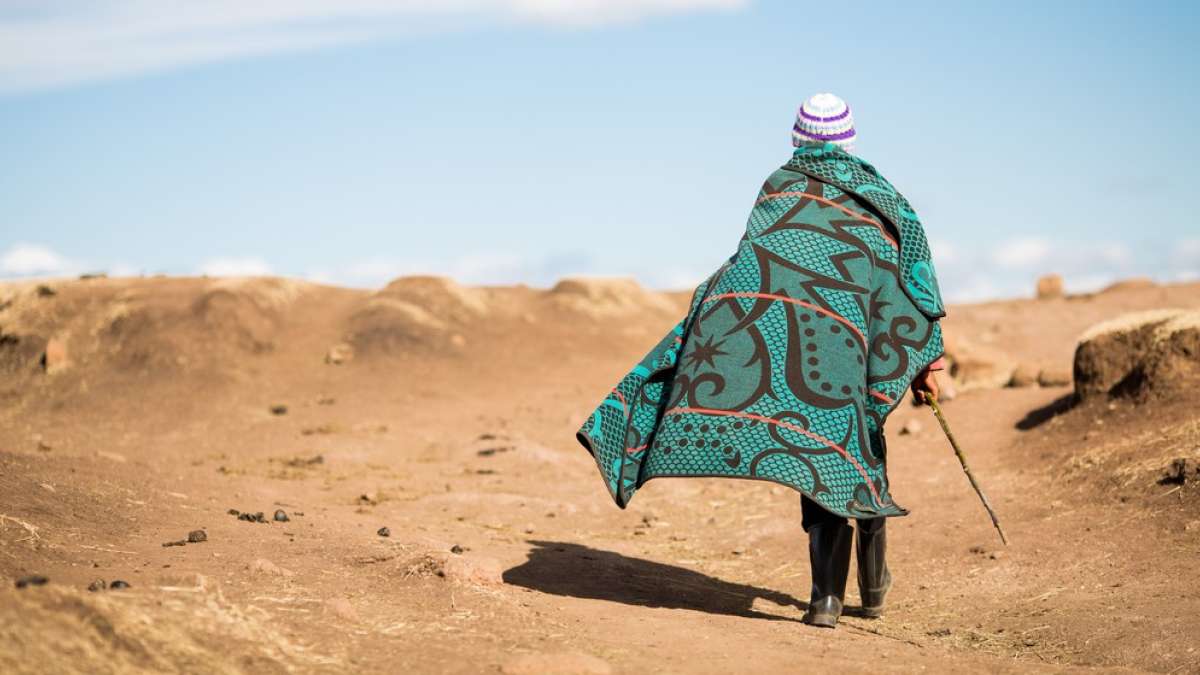
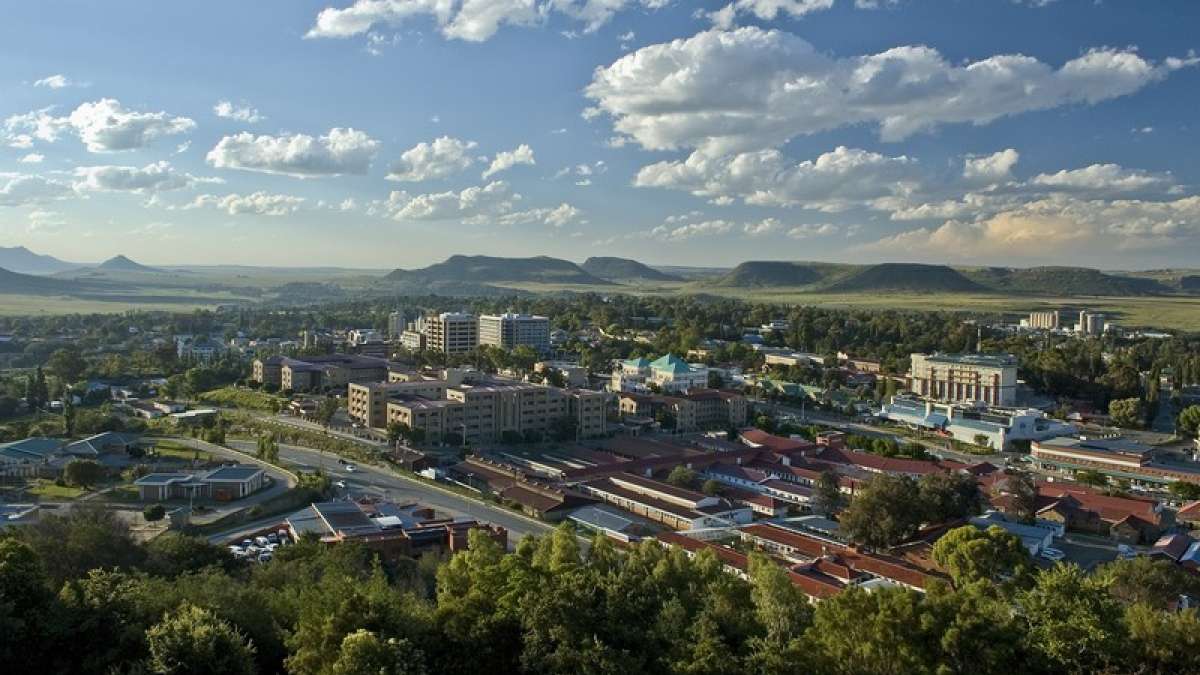
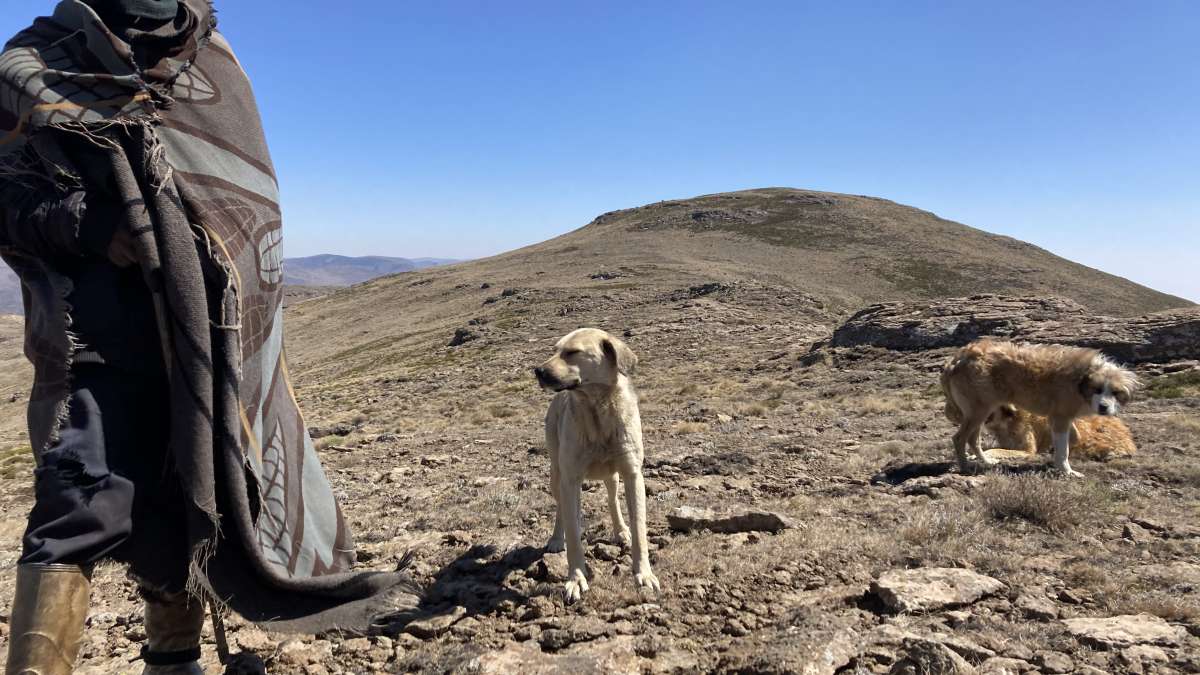
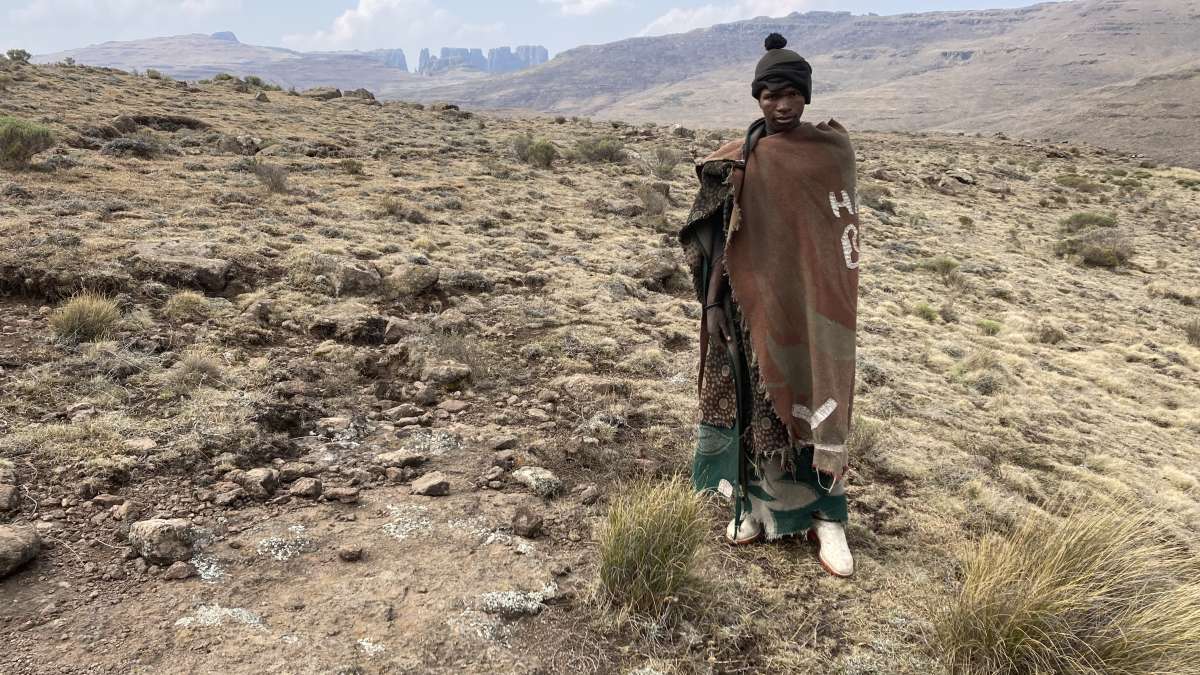
The Basotho people, famous for their warmth and hospitality, are the cultural heart of Lesotho. Distinctively dressed in blankets, conical hats, and gumboots, travellers can experience the culture first hand in remote mountain villages, or visit bustling markets, and the Morija Museum in the capital city, Maseru.
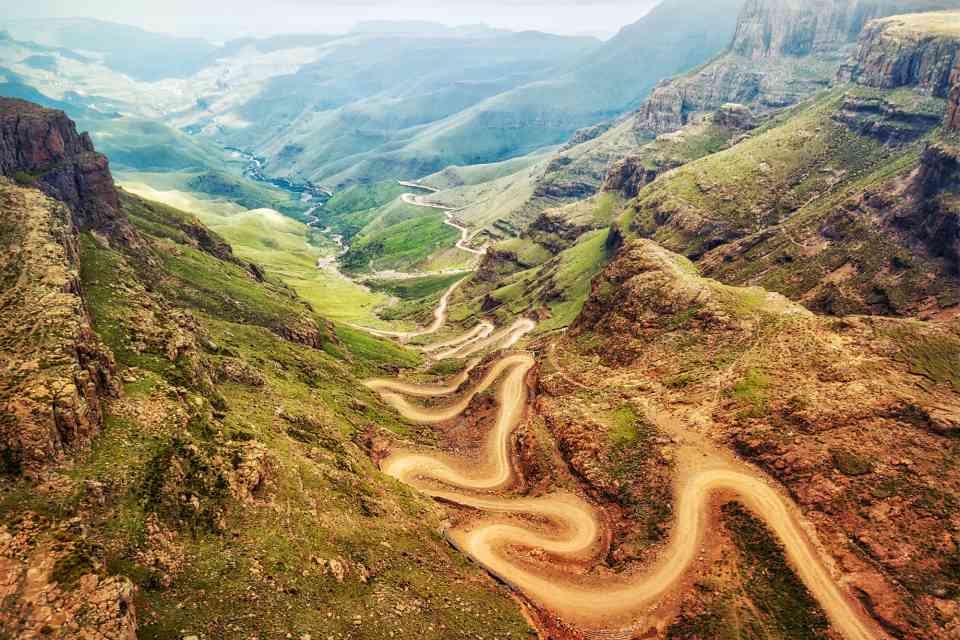
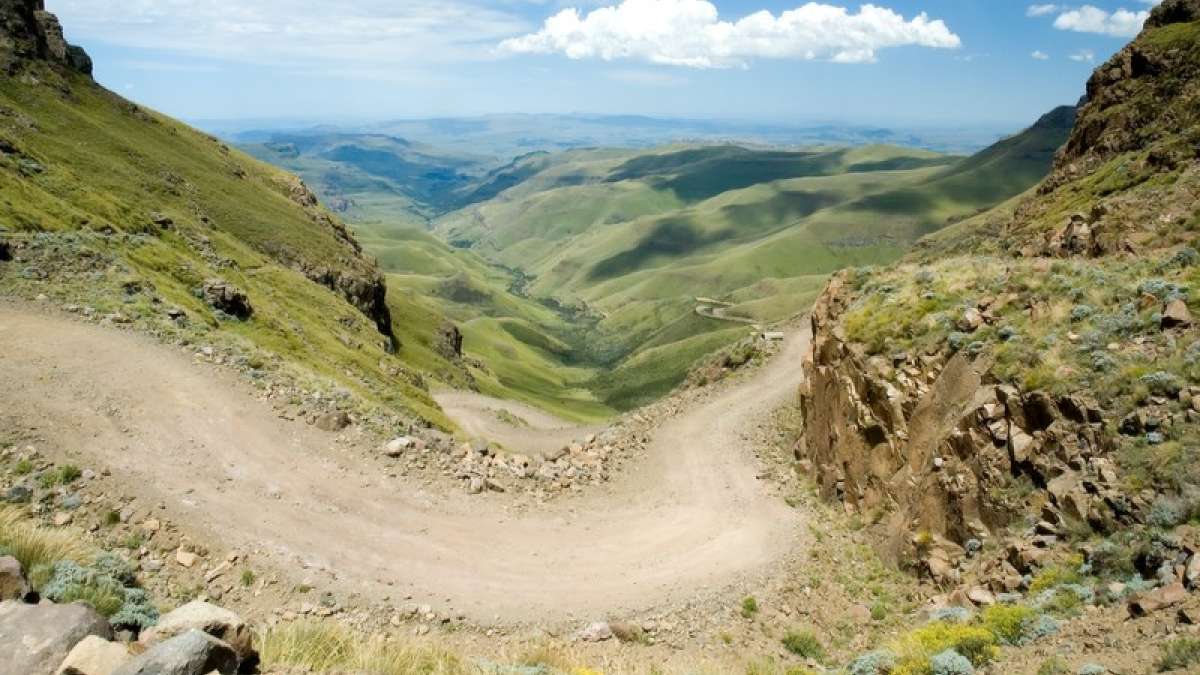
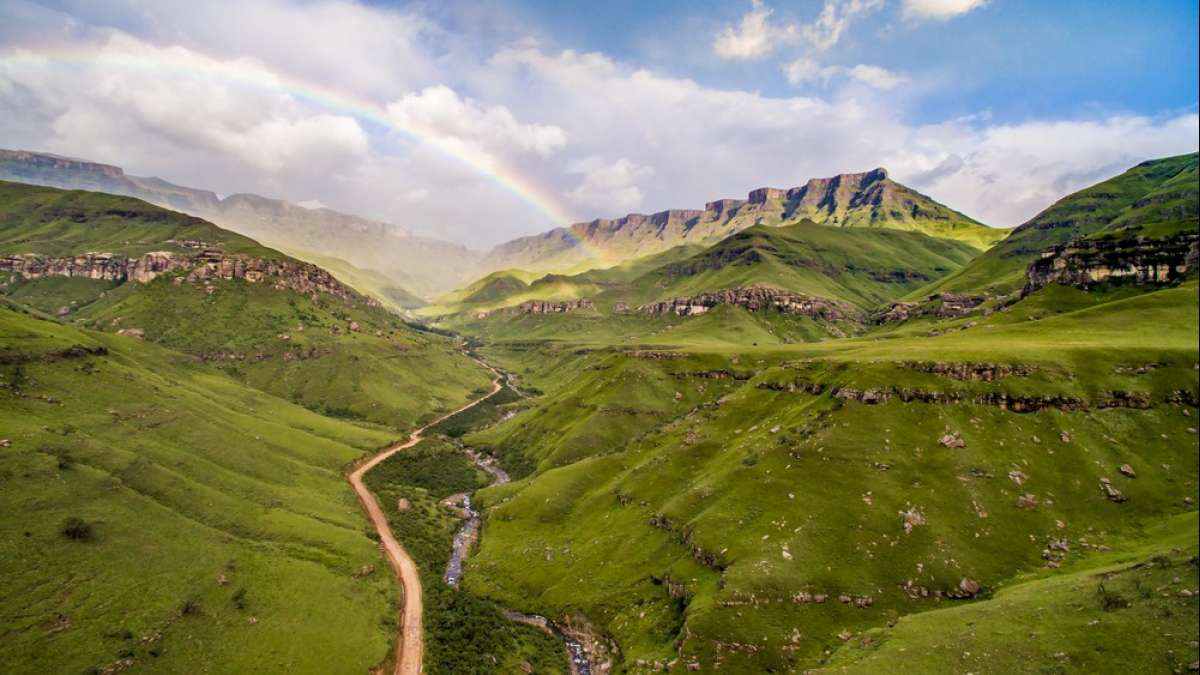
Highlights like Sani Pass and its panoramic trails make Lesotho an unforgettable off-the-beaten-track destination. Come for the crisp air, stay for the scenery, and leave moved by a land shaped and unmoved for millennia.
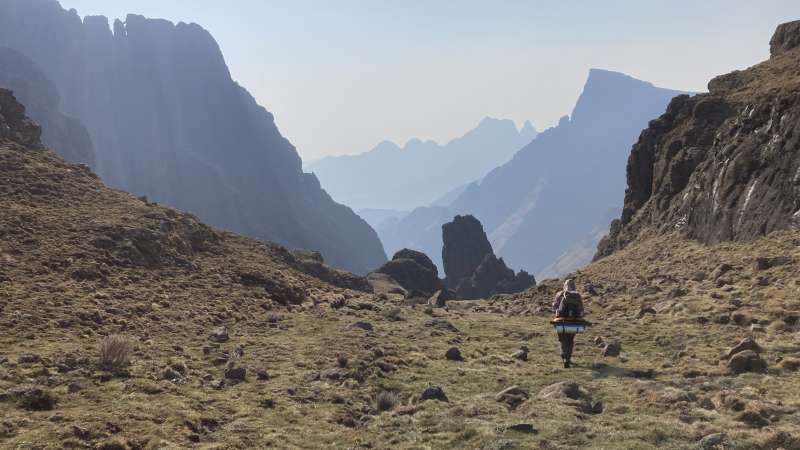
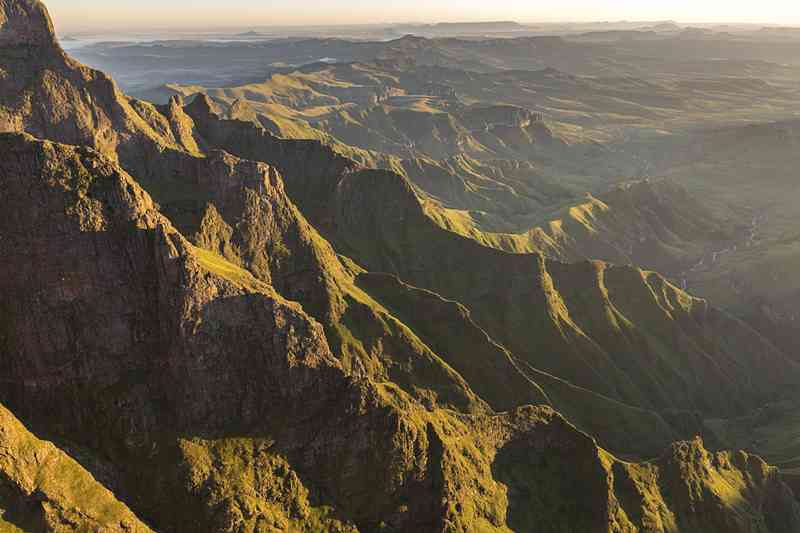
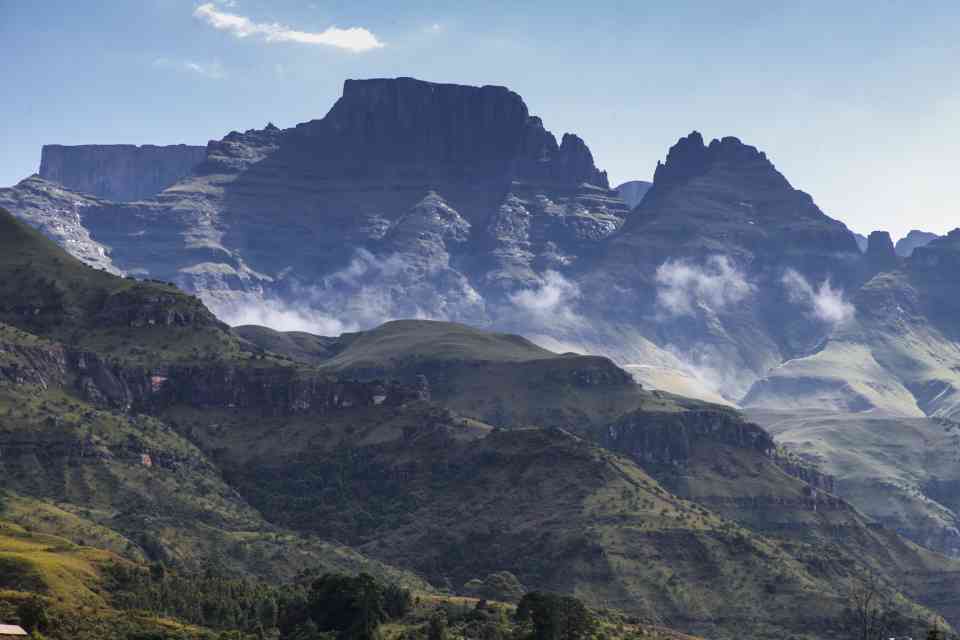
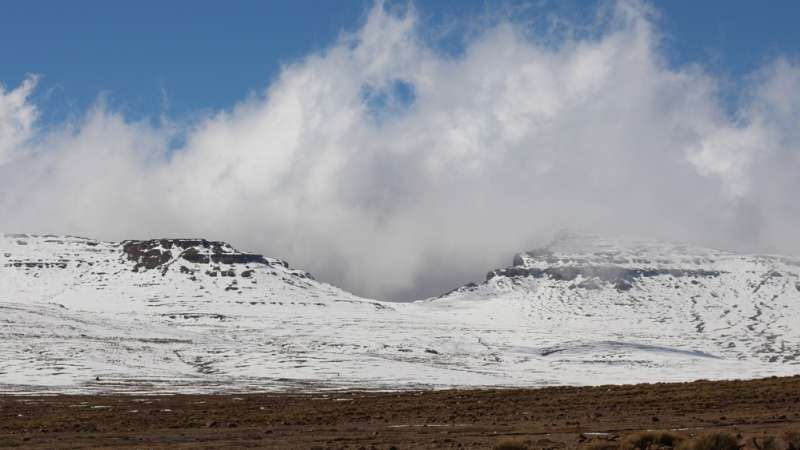
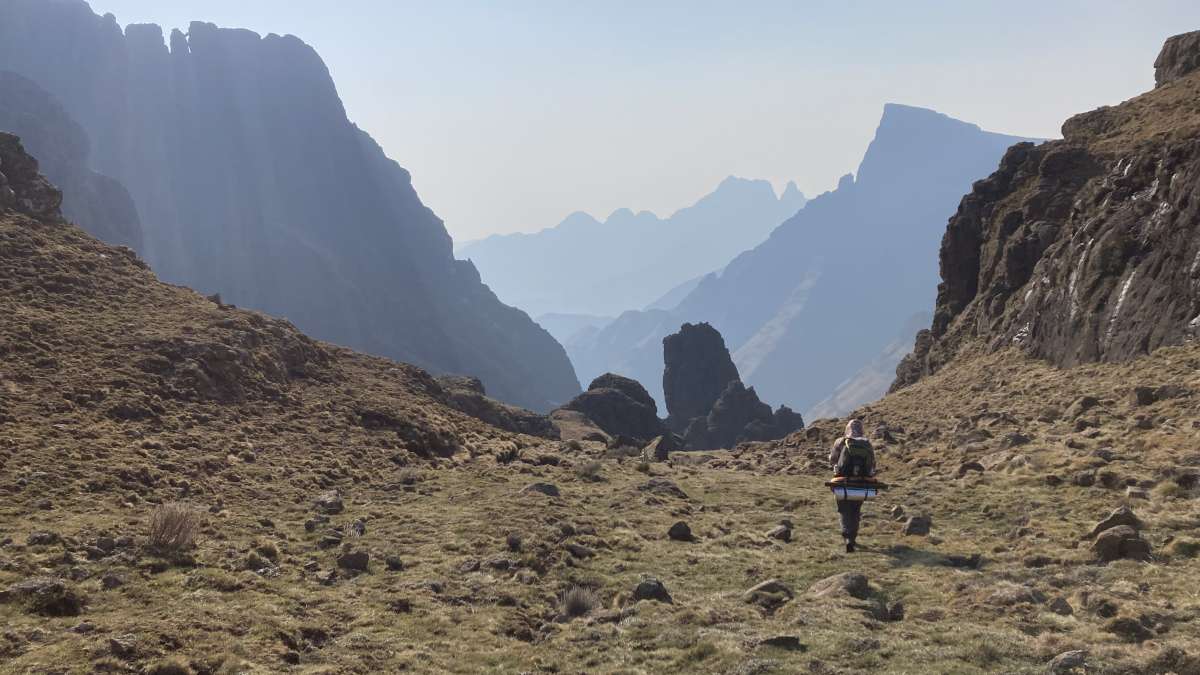
The Maluti Mountains form the dramatic border between Lesotho and South Africa.
Rising 3,000 metres above sea level, the Barrier of Spears shapes some of Southern Africa’s most awe-inspiring landscapes.
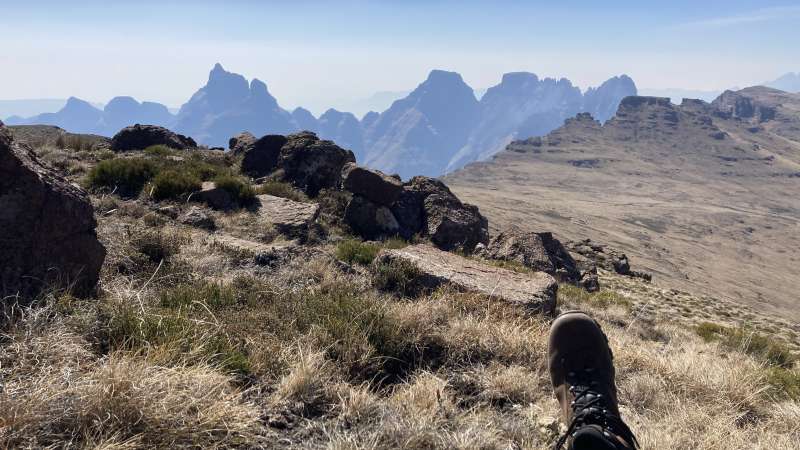
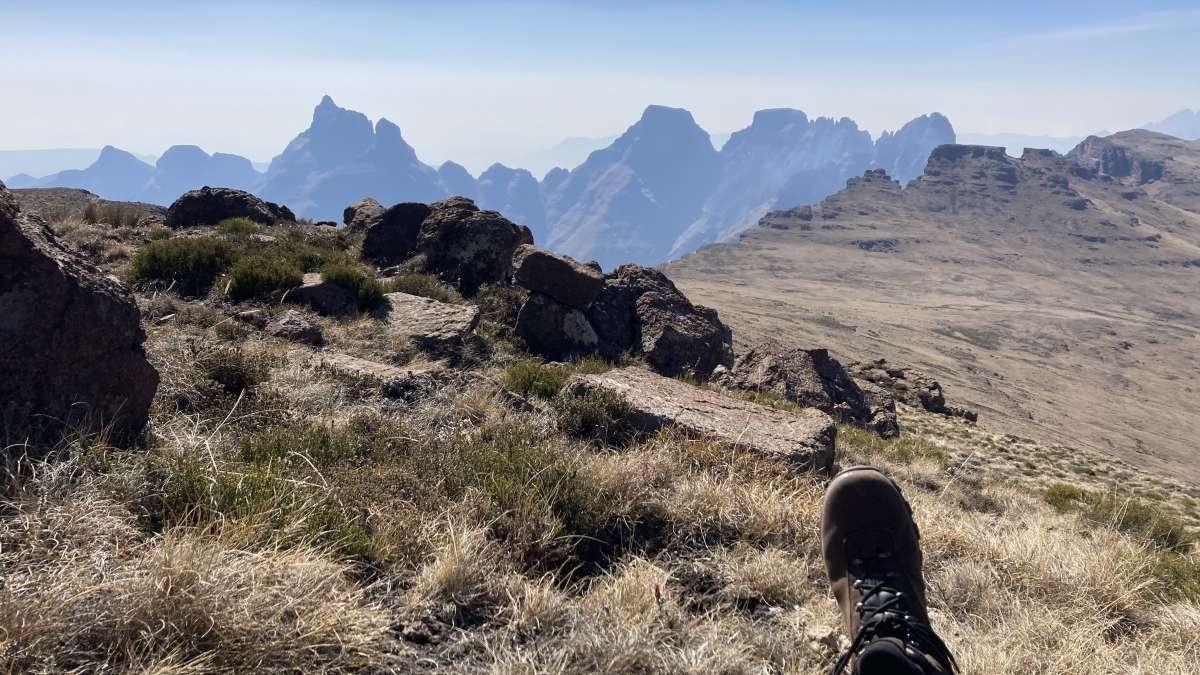
Lesotho is home to Thabana Ntlenyana, the highest peak in Southern Africa at 3,482 metres (11,424 ft). The "beautiful little mountain" in Sesotho, Thabana Ntlenyana forms part of the legendary Drakensberg Grand Traverse, a 200 km hiking trail for the intrepid explorer.
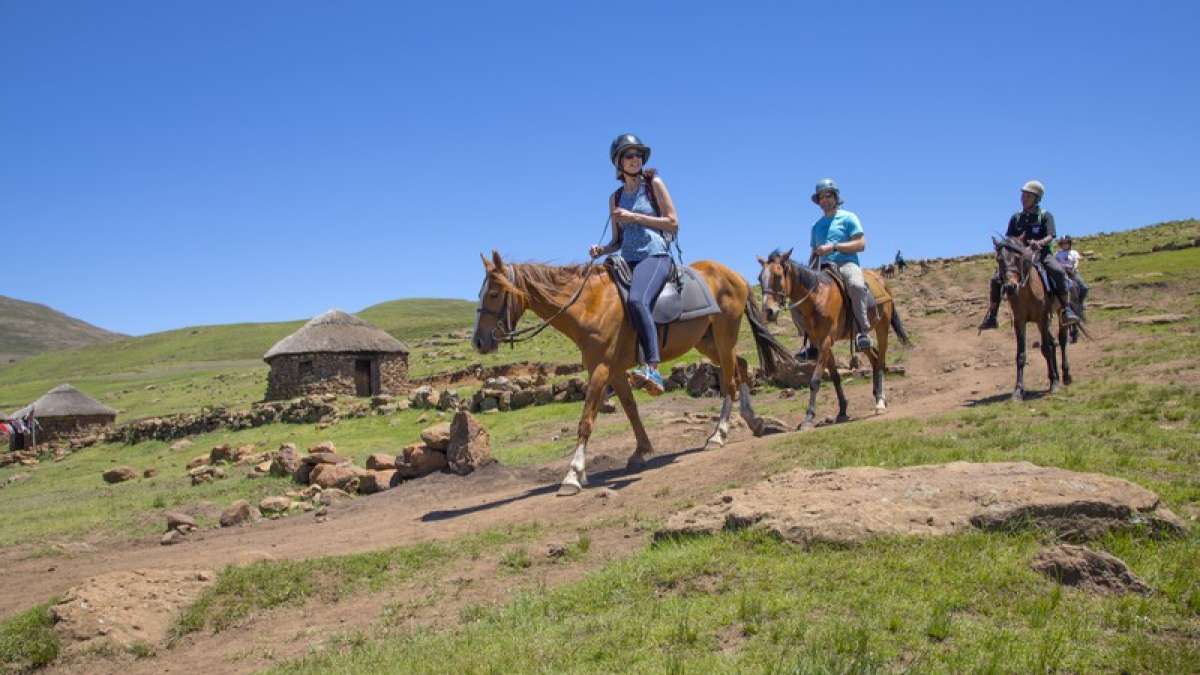
The Maluti Mountain range is incredibly scenic, offering breathtaking vistas. It is also, however, an adventure haven for those with an adventurous spirit. From short walks to multi-day hikes, horseback riding on famed Basotho ponies, 4x4 trails, and even skiing near Oxbow.
The Maluti Mountains boast two remarkable national parks: Sehlabathebe National Park and Ts’ehlanyane National Park. Sehlabathebe, a UNESCO World Heritage Site, features rock arches, alpine meadows, and San rock art. Ts’ehlanyane National Park is a forested refuge near the capital, Maseru. Blessed with mountains, waterfalls, and ravines, Ts’ehlanyane is also home to Lesotho’s premier mountain lodge, Maliba.
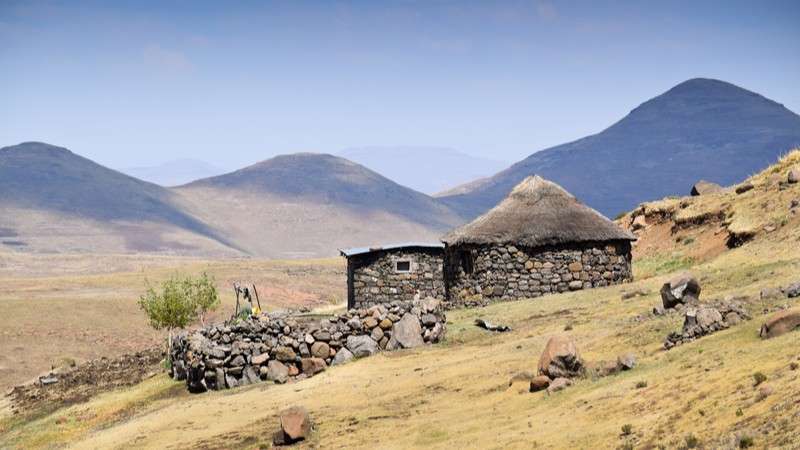
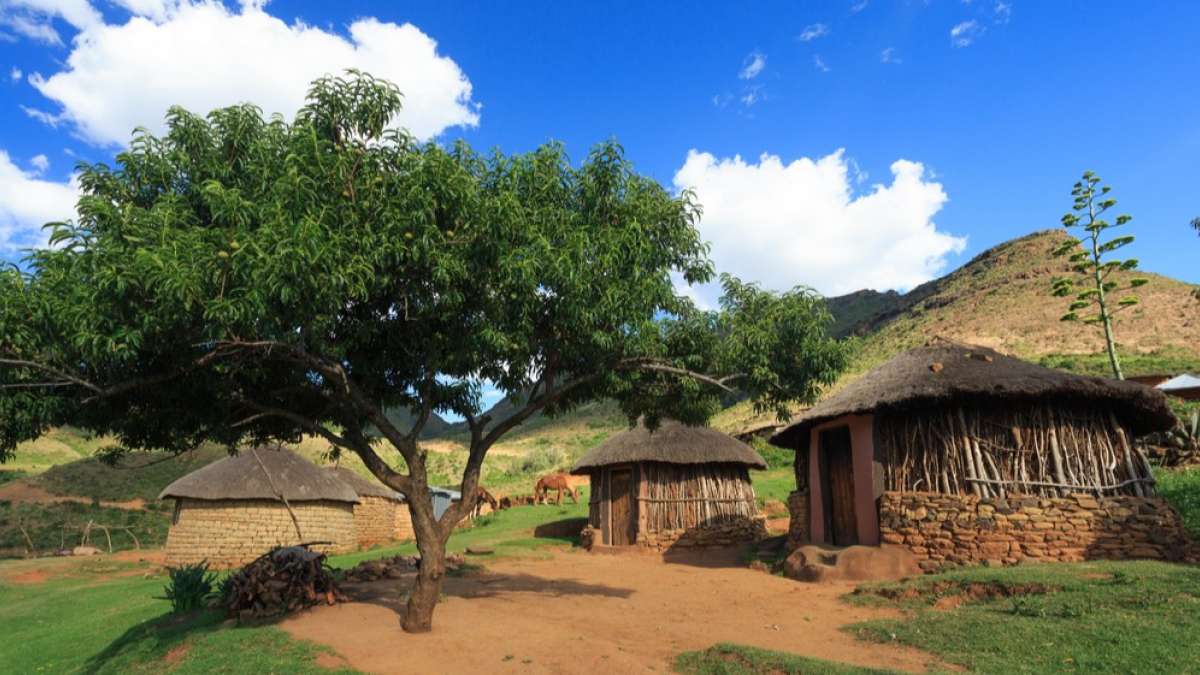
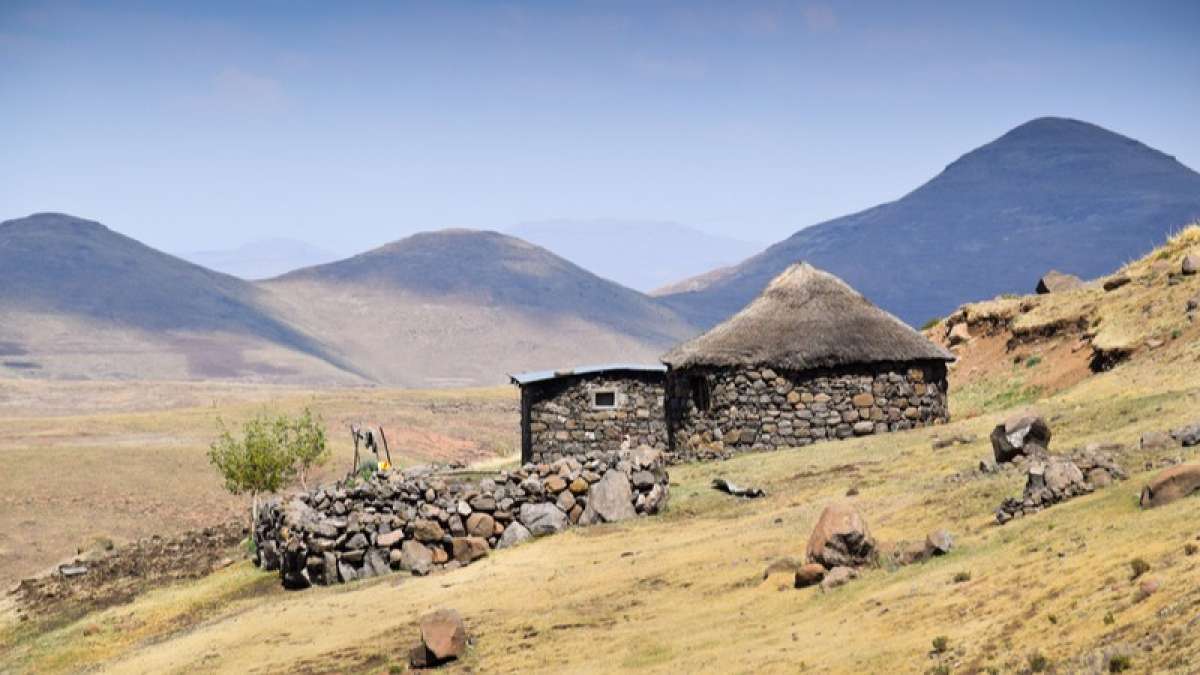
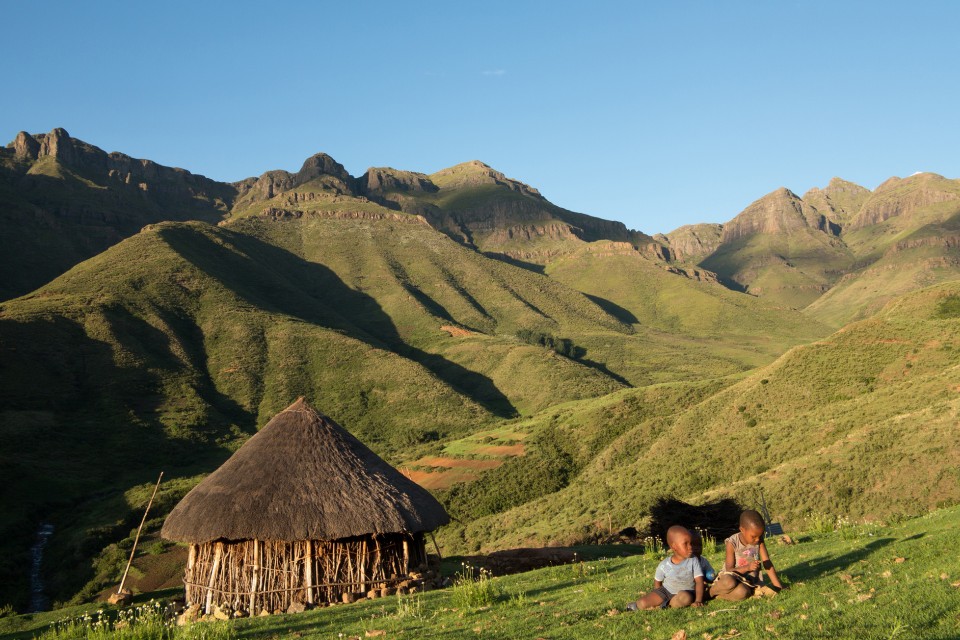
Throughout the Maluti’s, Basotho villages cling to the hillsides, herd boys tend their cattle, and animal trails invite exploration. Timeless, every season in the Maluti Mountains reveals a wild, soul-stirring beauty.
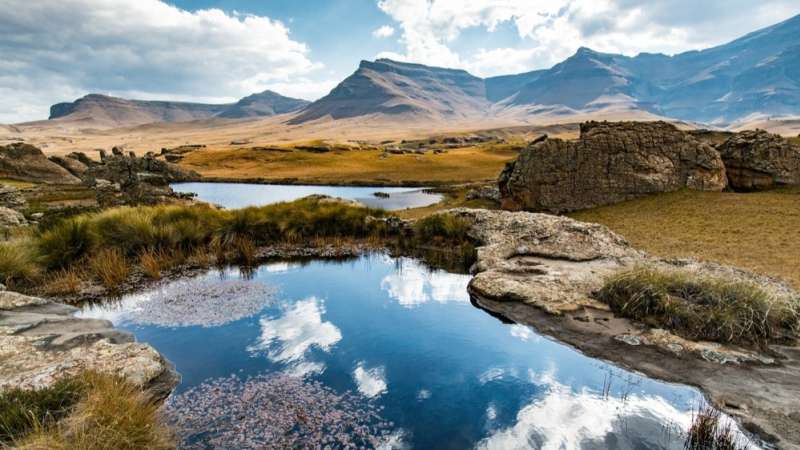
Sehlabathebe National Park is Lesotho’s oldest protected area.
Rugged and remote, Sehlabathebe is a sanctuary located in the south eastern highlands along the uKhahlamba-Drakensberg escarpment.
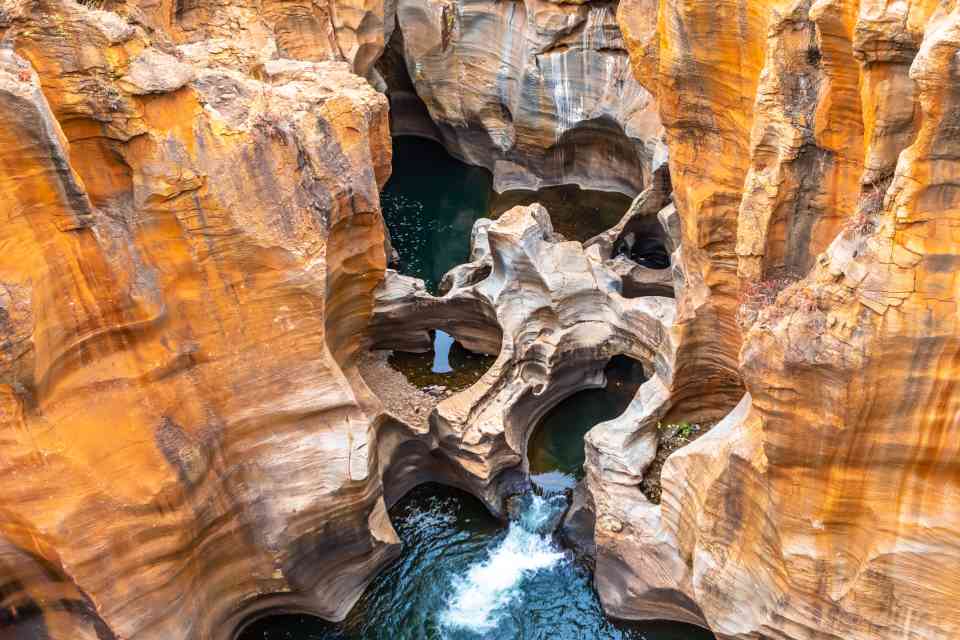
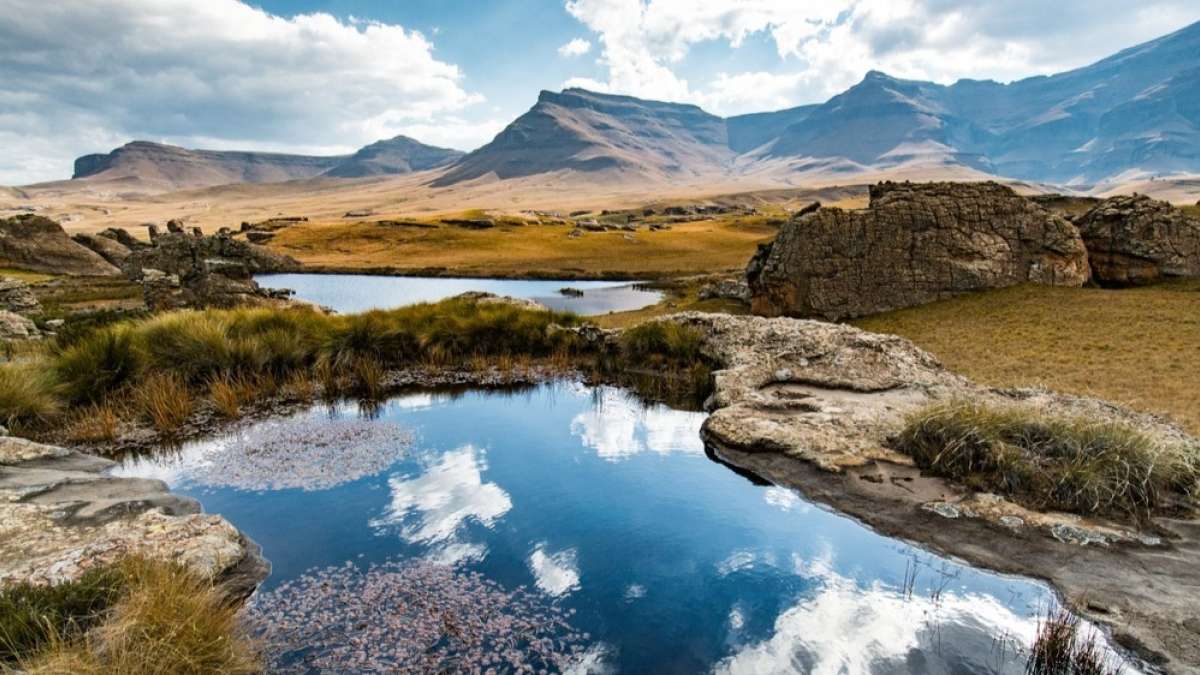
Sehlabathebe National Park is both a Biosphere Reserve and a UNESCO World Heritage Site. With dramatic sandstone formations, alpine grasslands, pristine rivers and waterfalls, rock arches, and pools that mirror the sky, this untouched wilderness is rich in biodiversity. Best known for its abundant birdlife, Sehlabathebe also offers excellent trout fishing and San rock art sites.
Sehlabathebe National Park is a wild, hidden gem. With few roads and vast open spaces, it's best explored on foot or horseback, offering rare solitude and breathtaking views. This remote park is a haven for hikers, nature lovers, and photographers seeking authentic adventure in one of Lesotho’s most unspoiled landscapes.
Lesotho is rich in natural wonders and ancient history, and Semonkong is at the heart of it all.
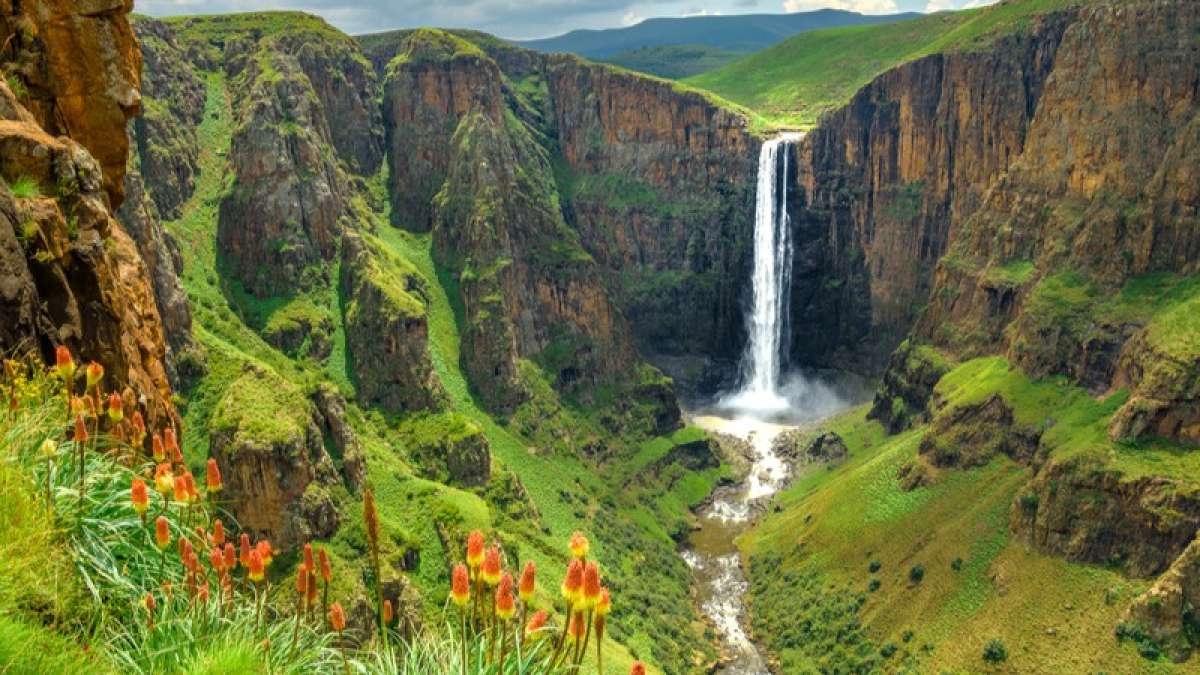
Known as Lesotho’s adventure capital, Semonkong offers pony trekking, mountain biking, fly fishing, and the world’s highest commercial abseil down the dramatic 192-metre Maletsunyane Falls.
Melatsunyane Falls is Southern Africa’s highest single-drop waterfall. It is a must-see for nature lovers, and for adrenaline junkies, the almost 200 meter drop is scintillating!
Located a short distance away at Subeng Stream and Quthing, dinosaur footprints are preserved in riverbeds and overhangs, making for an intriguing excursion.
In amongst the mountains lies one of Africa’s greatest concentrations of San rock art. The overhangs and ledges were visited often by the San bushmen as they took refuge from colliding geopolitical forces. Lesotho’s most accessible sites are at Ha Baroana and Liphofung, while the remote collections in Sehlabathebe National Park are harder to get to.
Lesotho is an ideal addition to any South African safari itinerary.
Wedged between KwaZulu-Natal, the Free State, and the Eastern Cape, Lesotho connects easily with other attractions. Hluhluwe-iMfolozi, Isimangaliso, Eswatini, Kruger, and Cape Town are all accessible en route, or through major travel hubs like Johannesburg and Durban.
Whether you're travelling from Kruger to the Indian Ocean or exploring the inland wonders of South Africa, Lesotho fits perfectly en route.
Its compact size makes it easy to explore in just a few days. The well-maintained road network, jaw-dropping landscapes, and friendly locals make it one of the safest and most enjoyable countries for a self-driving safari. Wondering what the difference is between Lesotho and Eswatini? Check out our Lesotho vs Eswatini blog here.
Lesotho offers an authentic, relaxed travel experience that complements the bigger safari circuits of South Africa beautifully.
Working a Lesotho adventure into your South African itinerary is easy with African Budget Safaris.
Our team of experienced travel consultants specialises in small group and tailor-made safaris that suit every budget.
Whether you’re looking for a short add-on to your South African itinerary or a bespoke trip exploring Lesotho’s wildlife, culture, and scenic beauty, they’ll craft the perfect journey just for you.
Talk to one of our travel consultants today and get expert advice on the best routes, reserves, and accommodation options.
Start planning your Lesotho safari today!
The best time to visit Lesotho is during the dry season from May to September, when days are sunny and ideal for hiking, horseback riding, and exploring the mountains. These winter months are also the best time to go on safari to Kruger National Park.
This is the heart of summer in Lesotho. It is also the rainy season. Lush green landscapes make the country scenic, but the afternoon thunder showers can be both terrifying and inconvenient.
Birdwatching is excellent, the scenery is beautiful, and the mountain climate is never unbearably hot.
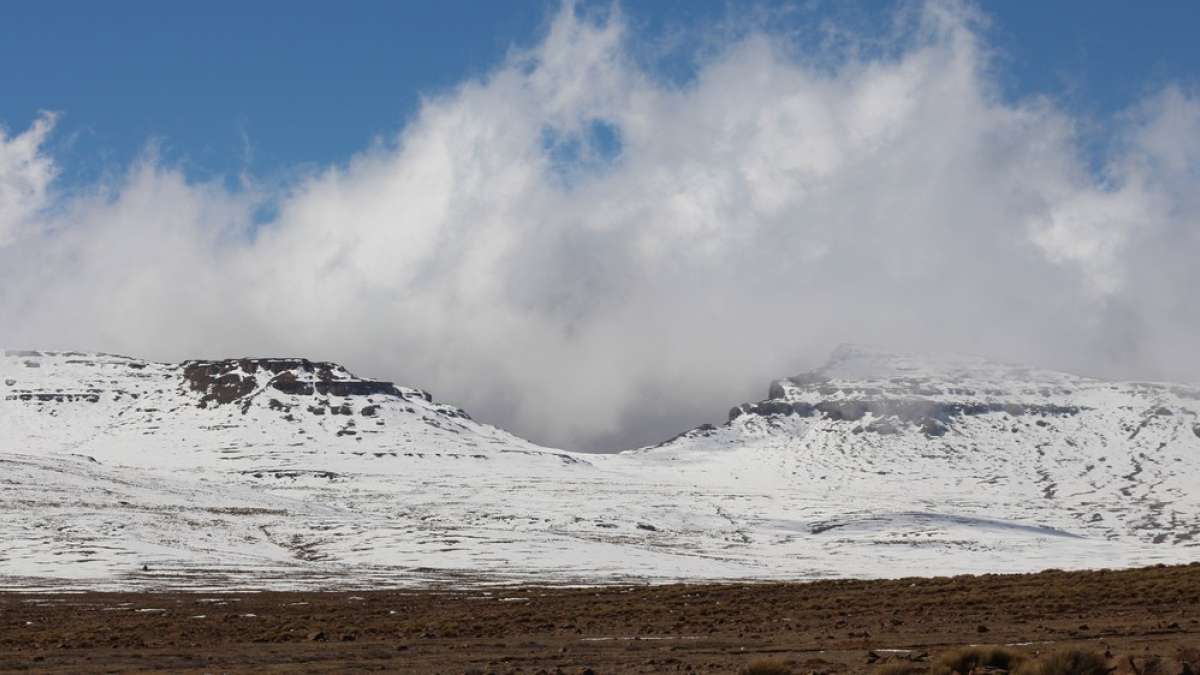
April to August is a fantastic month to hike in Lesotho. The weather is cooler and drier, making it perfect for multi-day treks and wild camping. Be prepared for sub-zero temperatures and snowfall.
This is also the best time to visit the famous South African safari destinations like Hluhluwe and Kruger National Park, as the clear skies, mild temperatures, and thin vegetation make wildlife easier to spot.
September and October are springtime in Lesotho. These are the shoulder months, and while hiking promises an abundance of wild flowers and warmer temperatures, thunderstorms are not uncommon.
In November and December, the rainy season returns. Though warmer temperatures are pleasant, thunderstorms are common and bring dramatic skies and lush landscapes.
With the rains and warm weather comes abundant avian diversity and lush landscapes. This is a great time for birdwatching, but hiking can be unpleasant and dangerous in wet conditions.
Lesotho’s most popular safaris combine culture, scenery, and wildlife in compact, accessible routes. Not really a stand-alone destination, many Lesotho itineraries link with the attractions of KwaZulu-Natal, Kruger, or Mozambique.
Its compact size makes Lesotho an excellent addition to Southern African overland safaris.
These are African Budget Safaris' most popular tours to Lesotho.




Call us toll free from US/Canada on 1-888-414-6513, or from the UK on 0-808-189-1052. All other countries can contact us on +27 21 791 0878.
© 2026 African Budget Safaris | Privacy | Terms | Cookie Policy | Consent Preferences

-2__large.jpg)