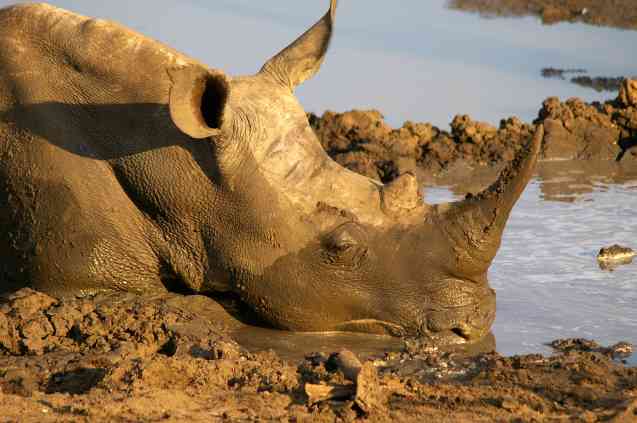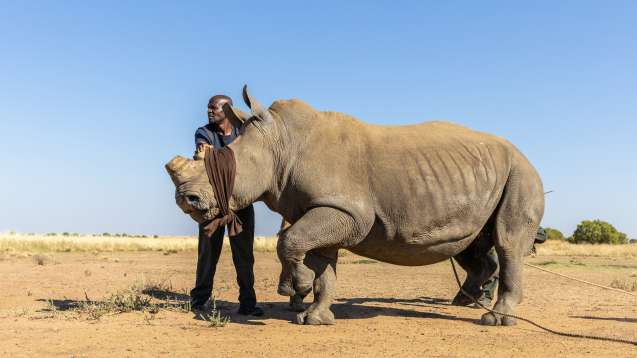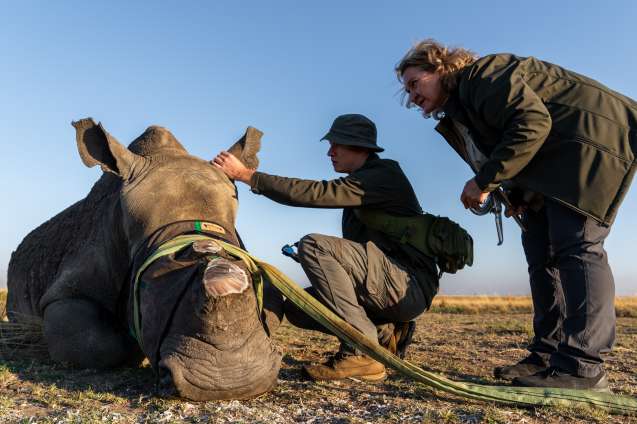
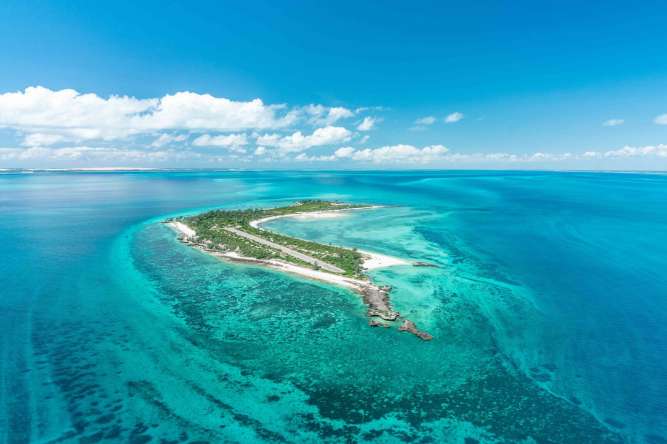
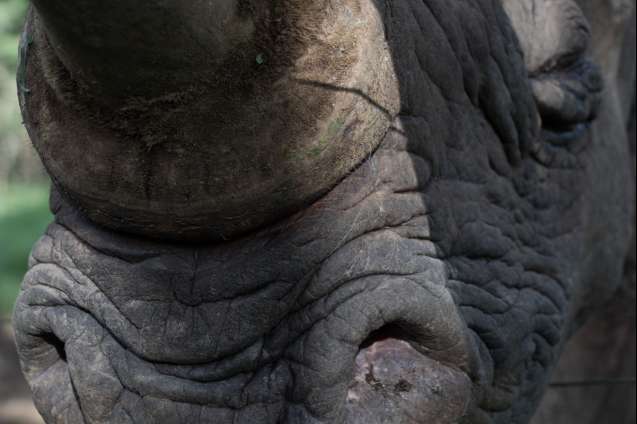
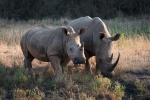
The Ol Pejeta Conservancy in Laikipia, Kenya, is ramping up efforts to save the critically endangered northern white rhino. The only two females remaining worldwide are both under 24-hour surveillance at the Conservancy. Scientists are now looking to in-vitro fertilization (IVF) methods in an attempt to prevent the species' extinction.
The BioRescue team has been racing against time. They have successfully harvested 29 oocytes, which have been sent to Italy for maturation. At the right time, they will be fertilised using sperm retrieved from the last male northern white rhino in Sudan who died from ill health in 2018.
Kenya has the third-largest rhino population on earth, including 80% of the eastern black rhino subspecies, found mainly in the Laikipia region. The government has strengthened anti-poaching measures, deploying technologies like drones and increasing law enforcement presence. Speaking in Samburu during World Rhino Day celebrations, Kenya's Tourism and Wildlife Cabinet Secretary, Rebecca Miano, said "Success in this pathbreaking venture will yield hope to the conservation fraternity and put Kenya at the forecourt of wildlife guardianship globally”.
Tours visiting the Ol Pejeta Conservancy:
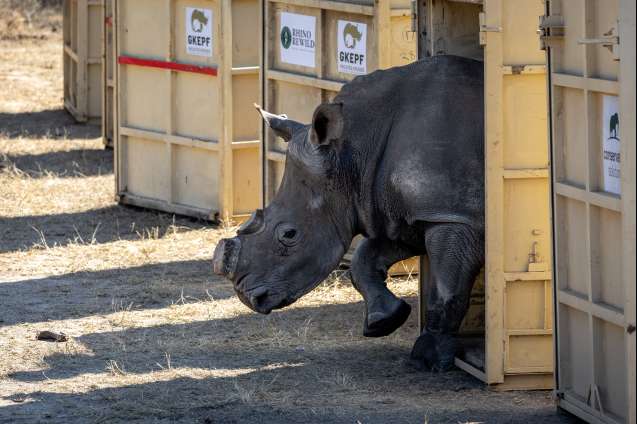
The mass dehorning of rhinos in South Africa's Hluhluwe-iMfolozi Park has led to an 80% reduction in poaching since the operation began in April. The ongoing dehorning initiative, led by Ezemvelo KZN Wildlife in partnership with the World Wide Fund for Nature (WWF) and other conservation organizations, has protected around 120 rhinos and enabled the rescue of eight orphaned calves who were found in the early days of the operation when poaching was rife.
The dehorning project was seen as an emergency response due to a surge in poaching at the park which saw 307 rhinos killed in 2023 alone, representing 10% of its population. Since the dehorning, monthly poaching incidents have dropped by 80%. Over 1,000 rhinos have been dehorned to date.
The park has also turned to technology to keep out the poachers, from smart fences to tracking devices. They have also implemented a team of tracking and detection dogs to bolster efforts.
The Tanzanian government is investing £1.08 million to develop infrastructure at Ibanda-Kyerwa National Park in the Kagera Region at the edge of Tanzania, west of Lake Victoria. Tanzania Conservation Commissioner, Musa Juma Kuji, announced plans to enhance operational efficiency and visitor experience aimed at boosting tourism in the lesser-known western circuit and to support sustainable conservation efforts.
The Ibanda-Kyerwa National Park was established in 2019. It is located where the three countries of Tanzania, Rwanda and Uganda meet, lying on the eastern bank of the Kagera River that marks the border with Rwanda. Rolling hills surround a central basin with sweeping plains crossed by seasonal rivers, sporadic lakes and swamps. The park is home to sizable herds of Roan antelopes and Buffalo drawn to the plains, while leopards are the major predators in the absence of lions. The green season lasts from October to May, but the park is also dotted with permanent springs that sustain the wildlife and attract incredible birdlife throughout the year. The western safari circuit offers a less crowded experience than Tanzania's more popular destinations.
Akagera National Park in Rwanda achieved a record year in 2023, welcoming 54,000 visitors. Akagera saw a 32% increase in international visitors from 2022 to 2023, while 43% of paying guests were Rwandan citizens. Managed by conservation NGO, African Parks, in partnership with the Rwanda Development Board since 2010, Akagera has transformed into a thriving, income-generating destination through wildlife reintroductions, including Rwanda's only rhino population. Wildlife numbers have grown from 5,000 in 2010 to nearly 12,000 today.
Akagera National Park, located in eastern Rwanda, is a hidden gem – a stunning 112,000-hectare reserve known for its diverse ecosystems, including savannahs, woodlands, and central Africa's largest remaining wetland. It is a haven for wildlife, including lions, elephants, buffalo, and Rwanda's only population of rhinos. The park offers diverse accommodations, alongside day visits and camping. Akagera also supports environmental education programs, hosting over 2,000 schoolchildren and 3,000 community members annually, while protecting vital wetland and savannah habitats.
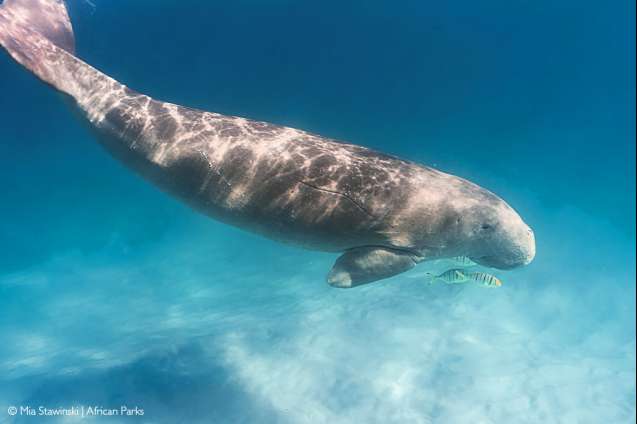
Leading conservation NPO, African Parks, in collaboration with the Mozambican government, is working to conserve the last-known viable population of dugongs on Africa's east coast. These fascinating sea creatures are found in the stunning Indian Ocean Bazaruto Archipelago, located off the coast of Inhambane Province of southern Mozambique. This chain of five islands lies within Bazaruto Archipelago National Park and is known for its pristine beaches, rich marine biodiversity, and coral reefs.
A dugong is a large, marine mammal with a rounded body, flippers, and a distinctive whale-like tail, known for grazing on seagrass in shallow coastal waters. Often called "sea cows," they are gentle herbivores, closely related to manatees, and are considered vulnerable due to habitat loss and hunting. With only a few hundred dugongs remaining along Mozambique’s Inhambane coastline, the species is critically endangered. To address this, the first-ever dugong satellite tagging project in Africa was launched, aimed at understanding dugong movements and habitat use. This data, combined with aerial surveys, will inform strategic conservation efforts and help develop sustainable management plans for the protected area.
Eleven dugongs were successfully tagged during the project, providing valuable insights into their movement patterns. While some dugongs stayed within the park, others moved north and south of the protected area, prompting discussions on extending conservation efforts. These initiatives are crucial in preserving the last dugongs on Africa's east coast, supporting marine ecosystems, and ensuring the survival of the species while benefiting local communities reliant on the marine environment for economic and food security. Education and awareness have been key, with local fishermen starting to avoid harmful gill nets, and recognising the value of healthy ecosystems for fishing, tourism, and their livelihoods.
South Africa's Care for Wild Rhino Sanctuary has welcomed the birth of its first critically endangered black rhino calf. The male calf is the offspring of two orphaned poaching survivors, Phoebe and Ratu, marking a significant milestone for the sanctuary's efforts. Phoebe was rescued in 2017 after poachers killed her mother and sister in Kruger National Park, while Ratu was brought to the sanctuary in 2018 under similar circumstances. After undergoing rehabilitation and a rewilding program, the pair successfully mated, leading to this landmark birth.
Sanctuary staff report that Phoebe is adapting well to motherhood, with the calf feeding successfully, though a minor limp is being monitored closely. This birth offers a beacon of hope for the critically endangered black rhino population and highlights the success of Care for Wild’s rehabilitation programs. It proves that with proper care, even orphaned rhinos affected by poaching can contribute to the species’ survival and recovery.
Meanwhile, Tanzania is also celebrating a significant increase in its black rhino population. Numbers have grown from 162 in 2015 to 263 in 2024. This success was announced by Natural Resources and Tourism Minister, Dr Pindi Chana, on World Rhino Day crediting effective anti-poaching strategies and conservation efforts. The government has partnered with the Global Environment Facility and introduced a national anti-poaching strategy focussed on enforcement, international cooperation, and community engagement in wildlife conservation. The recovery is particularly noteworthy given that numbers had been plummeting since the black rhino population was around 10,000 animals in the 1960s.
The Uganda Wildlife Authority has launched a "Name a Rhino" campaign to raise $11 million for rhino conservation. The campaign was officially launched on 22 September 2024 at Ziwa Rhino Sanctuary in central Uganda. The Ziwa Rhino Sanctuary is a protected area dedicated to the conservation of Uganda's rhinos, particularly the endangered Southern White Rhino. Spanning over 70 square kilometres, it offers guided rhino tracking experiences to tourists and is home to a variety of wildlife, including antelopes, primates, and over 300 bird species.
The "Name a Rhino" initiative allows individuals and organisations to name 12 white rhinos, aiming to support the recovery of Uganda's rhino population, which was decimated and nearly extinct in the 1970s and 1980s. There are 45 rhinos left in the country, with 43 of them residing at the Ziwa Rhino Sanctuary. The campaign will culminate in a naming ceremony in March 2025 to boost conservation efforts to see the population grow and to highlight the importance of collective responsibility in safeguarding these endangered animals.
African Parks has committed to translocating 2,000 southern white rhinos over the next 10 years to a selection of safe protected areas across Africa. We have previously written about their acquisition of 2,000 rhinos from a captive rhino breeding farm in South Africa in 2023. See our blog post African Parks buys the world’s largest white rhino collection to set them free in Africa.
So far 179 of these rhinos have been rewilded, as we have reported in previous newsletters. There is now a fundraising campaign underway to rehome the remaining 1,821 rhinos – representing the largest, multi-national wildlife translocation in history. See more in African Rhino Conservation News in Pictures or Donate to the Rhino Rewild Initiative by African Parks to contribute.
Scientists have discovered a new species of miniature chameleon in Madagascar's highly threatened coastal rainforests. Measuring about the size of a fingertip, the new chameleon has been named 'Brookesia nofy' after being found in Ankanin'ny Nofy, a reserve of littoral forest on a peninsula in eastern Madagascar. Littoral forests are one of the most threatened forest types in Madagascar that form on old sand dunes close to the ocean where it is humid.
This discovery was prompted by a tourist who shared a photograph of the chameleon on social media. It was taken in a forest patch that is part of a private reserve, Palmarium Park, where trees have been allowed to regenerate over the past 20 years. Surrounding areas are increasingly threatened by slash-and-burn agriculture. The species had been photographed in another forest 5 years ago, but when scientists arrived to study it, they witnessed the area being destroyed by bushfires. Researchers hope this finding will emphasise the urgent need to protect Madagascar's littoral forests and their incredibly rich biodiversity.
Scientists have also identified a new frog species, the 'Cederberg Dainty Frog' (Cacosternum cederbergense), which is endemic to the Cederberg region of South Africa. This tiny amphibian, measuring about 10mm by 23mm, has adapted to thrive in the challenging northern Cederberg environment, living among rocky outcrops and breeding in small water pools formed after winter rains.
Initially found by herpetologist Marius Burger in 1997, the specimen was mistakenly classified as part of a different species, but recent research has confirmed its uniqueness. A study, conducted over 3 years beginning in 2021, involved extensive fieldwork during harsh winter conditions to collect specimens and understand their habitat. The Cederberg Dainty Frog is notably the first frog species entirely restricted to the Cederberg area, making its identification a significant addition to the region's biodiversity.
The Cederberg is a stunning mountain range located in the Western Cape province of South Africa, renowned for its dramatic landscapes and unique rock formations. Spanning approximately 1,500 square kilometres, this region is characterised by rugged terrain of soaring peaks and deep valleys. The area is also famous for its ancient San rock art and picturesque hiking trails attracting nature lovers and adventure seekers alike.
Read more about Cederberg's San Rock Art
Kenya has launched a conservation campaign dubbed "One Tourist, One Tree" to rally stakeholders and travellers to actively participate in planting trees in the country in a bid to preserve and replenish the country's rich biodiversity. Speaking at the start of the United Nations World Tourism Day, Tourism Principal Secretary, John Ololtua, said the campaign centred on the growing need for competitive destinations like Kenya to strike a balance between tourism development and conservation.
Ololtua emphasised that while Tourism was a major economic driver contributing 10% of Kenya's GDP, it also accounts for about 8% of greenhouse gas emissions. The campaign provides the opportunity for every traveller to the country to plant a tree to offset their carbon footprint while enjoying the natural beauty of Kenya. As he led a tree planting ceremony at Kajulu Hills, in the west of the country, Ololtua appealed to the stakeholders in the hospitality sector to set aside places where these trees can be planted.
Zimbabwe's decision to cull 200 elephants in response to severe drought and rising human-wildlife conflict has stirred significant debate among conservationists and stakeholders. The Zimbabwe Parks and Wildlife Authority (ZimParks) announced the culling plan, emphasising that the elephant population has exceeded sustainable levels, particularly in regions like Hwange, which hosts approximately 65,000 elephants.
Environment Minister Sithembiso Nyoni explained that the culling aims to manage the population while also addressing food shortages caused by the severe drought currently affecting many southern African nations. This will be the first elephant cull in Zimbabwe since 1988, with discussions ongoing about involving local communities in meat distribution to ensure those in need receive protein.
However, the culling plan has faced criticism from various conservationists and tourism advocates who argue that elephants are crucial to Zimbabwe's tourism industry and that alternative, sustainable solutions should be prioritised. Farai Maguwu from the Centre for Natural Resource Governance expressed concerns that the cull could tarnish Zimbabwe's reputation as a protector of its natural resources, emphasising the financial benefits of keeping elephants alive for tourism. In contrast, some conservationists argue that culling is necessary to prevent ecological damage caused by overpopulation. The ongoing debate reflects the complex challenges of balancing wildlife conservation with human needs and economic interests in a region experiencing severe environmental stress.
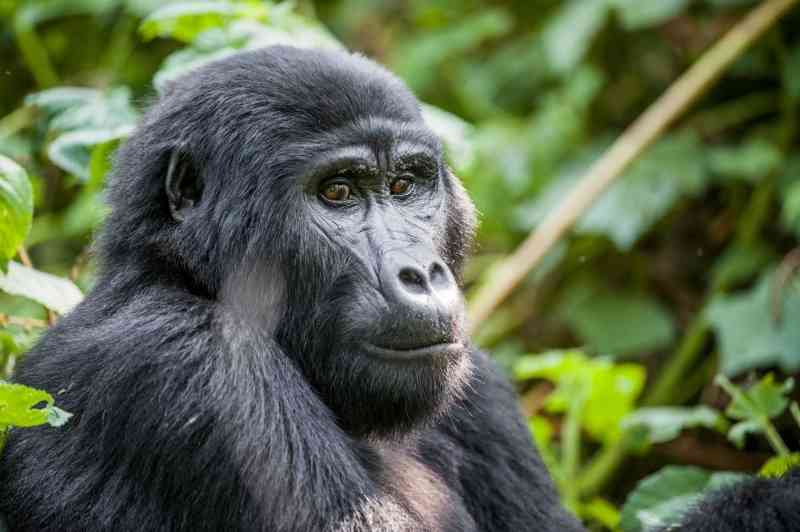
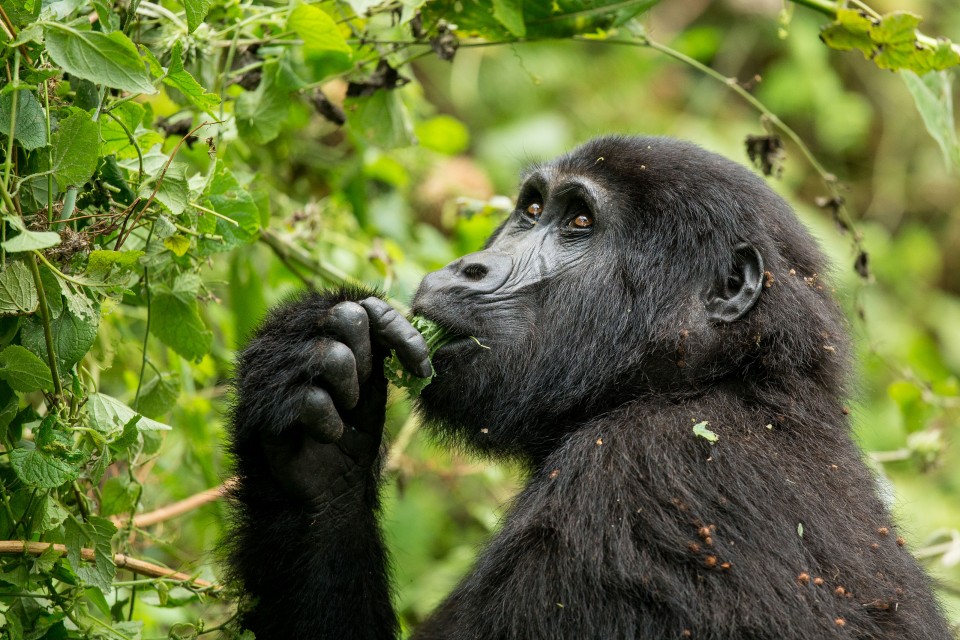
On World Gorilla Day, the Dian Fossey Gorilla Fund emphasised the challenges facing young women in northern Rwanda, where only 9% complete secondary education due to financial constraints. Many girls in the vicinity of Volcanoes National Park, Rwanda's hub for Gorilla Tours, survive on just $3 a day. This lack of education and opportunity often pushes them to seek resources in the forest, which impacts local wildlife, including gorillas. To address these issues, the Girls in Conservation program, launched in 2023, offers dedicated mentorship and educational initiatives focused on conservation and STEAM subjects (science, technology, engineering, arts and mathematics), empowering young women to continue their education and pursue green jobs. This initiative supports 100 girls each year, helping them break the cycle of poverty while contributing to conservation efforts in the region.
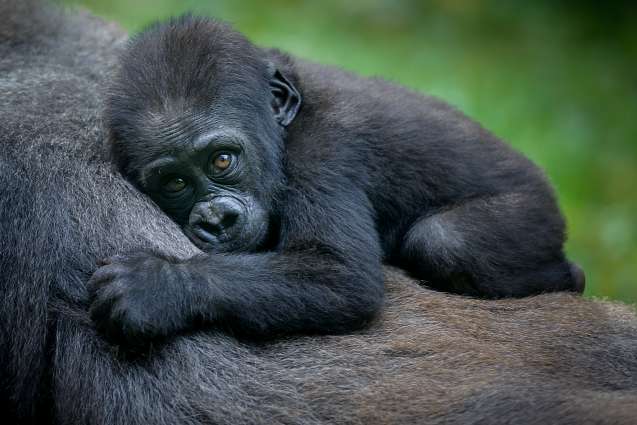
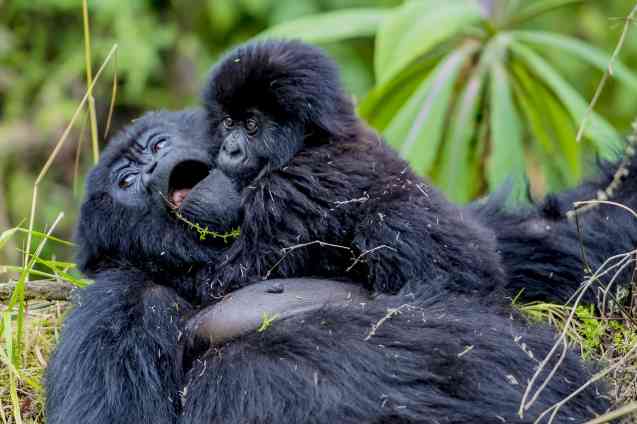
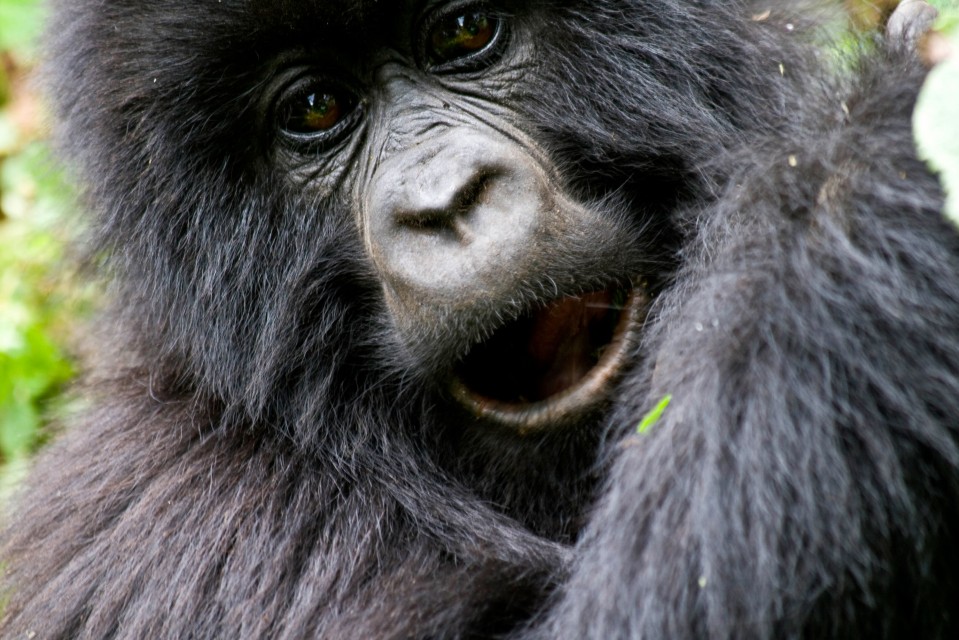
The Rwanda Development Board (RDB) has announced that 22 baby mountain gorillas born in the Rwandan section of Volcanoes National Park will be named during the 20th Kwita Izina Ceremony on 18 October 2024. This annual event celebrates the naming of baby gorillas born in the previous 12 months and has been instrumental in boosting Rwanda's tourism sector since its inception in 2005, with a total of 395 gorillas named over the years.
The ceremony will take place in the park's foothills, featuring attendance from celebrities, tourism professionals, and journalists. Notably, gorilla tourism contributes 1% to Rwanda's GDP, with proceeds funding community projects that empower locals to become conservation guardians. Additionally, RDB plans to expand Virunga National Park in partnership with the World Bank, which is investing $300 million in the initial phase of the project.
Visit Rwanda's Gorillas:
Kenya's tourism sector recently launched 9 regional tourism circuits in order to diversify its tourism offerings and promote lesser-known attractions. The tourism circuits are designed to cater to diverse niche markets, including adventure, sports, cultural, eco-tourism, and wellness, offering options for every type of traveller. These circuits cover various regions, from Nairobi’s urban culture to the Coastal Circuit's beaches and marine life, the Northern Circuit’s desert landscapes, and the Western Circuit’s rich cultural heritage.
The tourism circuits are the Nairobi Circuit, Central Kenya Circuit, Coastal Circuit, Northern Circuit, Western Circuit, Southern Circuit, North Rift Circuit, South Rift Circuit, and Eastern Circuit.
Zanzibar Island has launched a mobile app for the Kizimkazi Hiking Loop, a 10 km eco-tourism trail in the island's southern region. The app development is part of a project led by UNDP Tanzania in collaboration with the State University of Zanzibar (SUZA) and the Ministry of Tourism and Antiquities.
The Kizimkazi Hiking Loop is a scenic trail showcasing Zanzibar's stunning landscapes, including lush vegetation, coastal views, and local wildlife. It is designed to offer visitors a unique experience of Zanzibar's natural beauty while promoting sustainable tourism practices. Along the trail, hikers can explore various attractions, such as traditional fishing villages, historical sites, and vibrant local markets, enhancing their understanding of the region's culture and heritage. This app provides real-time updates on nearby attractions, safety alerts, and cultural insights while promoting local businesses such as cafes and artisanal markets.
Designed with sustainability in mind, the app educates users about the local ecosystem and encourages responsible tourism practices, aiming to position Southern Zanzibar as a premier eco-tourism destination by integrating with global platforms like Komoot. The Kizimkazi Hiking Loop app exemplifies the effective merging of technology with nature conservation in the tourism sector.
Meanwhile, the Tanzanian government has announced that they are in the advanced stages of plans to construct Africa’s longest bridge – a 31-mile structure connecting Dar es Salaam to Zanzibar. The bridge will cost £2 billion, linking Tanzania's mainland to the Indian Ocean archipelago, thereby enhancing access to Zanzibar Island, a key tourism hub. Expected to fuel the already booming tourism sector, which saw nearly 638,500 visitors in 2023, the project is being developed with interest from the China Overseas Engineering Group Company (COVEC).
The Ngorongoro Conservation Area Authority (NCAA) has announced that they are planning to expand tourism offerings in the Ngorongoro Conservation Area in a bid to attract visitors year-round. This diversification aims to increase revenue and cater to a broader audience, reducing reliance on just high-season safari travel. Mariam Kobelo, NCAA’s Tourism and Marketing Services Manager, emphasised that the goal is to provide a continuous, year-round tourist experience with new products like night game drives and zip-lining, while also promoting lesser-known ecotourism spots, such as Endoro Waterfalls and elephant caves.
A South African company has unveiled the world's longest zipline, surpassing the previous record-holder in the UAE by nearly 400 metres! Called K3 and located outside the town of Caledon (just under two hours drive from Cape Town), the 3.2-kilometre (1.99 miles) zipline promises an adrenaline-pumping ride that can reach speeds of up to 120 km/h (74 mph), depending on your weight.
After a comprehensive safety briefing, the adventure begins with a 7-kilometre (4.3 miles) drive up a mountain track in 4x4 vehicles to get to the departure platform for the thrilling ride down to the base. The zipline has been in the test phase for some time, after an extensive search for a suitable location that provides a combination of safe conditions and stunning scenery. The route was thoroughly tested and approved by an independent engineer before opening to rave reviews from the public last month. Up to 24 people per day can go on the zipline. K3 is a welcome addition to the plethora of exciting activities available to visitors in and around Cape Town.
British Airways will increase its flight frequency between Cape Town International Airport (CTIA) and London Heathrow for the summer season, starting 1 November 2024, and running until March 2025. The airline currently offers a daily service from Heathrow and will add a second daily flight from 11 January 2025, bringing the total to 21 weekly flights to Cape Town.
This expansion offers more flexibility and convenience for passengers travelling to South Africa. Additionally, the airline’s three weekly seasonal flights from London Gatwick to Cape Town will run from 14 December 2024 to 8 January 2025, after which they will be replaced by the Heathrow services.
The much-anticipated launch of the Norse Atlantic Airways seasonal service between London Gatwick and Cape Town International Airport (CTIA) begins on 28 October 2024 with 3 weekly flights. This new service provides an affordable alternative for travellers from the UK, breaking the existing duopoly on the London-Cape Town route. It is hoped this new service will put downward pressure on airfares for the route.
In conjunction with the flight launch, Cape Town Tourism has partnered with Norse Atlantic Airways to promote the city as a top destination for UK visitors. The "Choose Cape Town" campaign will run throughout November, featuring the city's attractions on 40 London black cabs and offering easy flight bookings via QR codes. The collaboration aims to boost tourism to Cape Town, leveraging the new direct flights to strengthen ties between the UK and South Africa.
Air France has announced the return of its seasonal direct flights between Cape Town International Airport (CPT) and Paris Charles de Gaulle Airport (CDG). Starting on 7 October, the airline will operate three weekly flights, with an additional service launching in November to accommodate the holiday rush. This decision comes in response to increasing demand from both business and leisure travellers, providing a direct link between the two cities while offering access to Air France's broader global network.
Meanwhile, KLM Royal Dutch Airlines has announced an expansion of its services to Cape Town and other African destinations as part of its winter schedule from 27 October to 30 March 2025. KLM currently has a daily flight service to both Johannesburg and Cape Town in South Africa. From 17 December, the airline will add an additional 2 weekly flights to Cape Town for peak season, bringing more options for both business and leisure travellers. The new schedule also includes daily flights to Nairobi, Kenya and Accra, Ghana, as well as increased frequency to 3 destinations in Tanzania: Dar es Salaam, Kilimanjaro & Zanzibar, as well as to Kigali, Rwanda, and Entebbe, Uganda.
Emirates is further expanding its Dubai–Johannesburg service with the addition of a fourth daily flight starting in March 2025. The airline already introduced a second daily A380 service between Dubai and Johannesburg in September 2024, and this new addition reinstates the airline's pre-pandemic capacity of 49 weekly flights across three South African cities. The new service will be operated by a three-class Boeing 777-300ER, offering 708 more seats daily and introducing a convenient morning departure from Johannesburg, catering to both leisure and business travellers. Additionally, the new flight enhances connectivity to over 140 destinations in Emirates' global network, optimising schedules for popular routes to Dubai, Europe, Thailand, and India.
Qantas has also announced that it will significantly boost capacity on its Sydney, Australia, to Johannesburg route from 30 September by replacing the current Boeing Dreamliner with an Airbus A380, doubling available seats to 485 per flight and adding 55,000 seats annually. The A380 features four travel classes (first-class suites, business class, premium economy, and economy) and a premium-class onboard lounge. The flight frequency will vary between 5 and 6 weekly flights. This expansion is part of Qantas' broader strategy to return more A380s to service following post-storage refurbishment and maintenance to meet the growing demand for air travel.
Australia will also enjoy more capacity on Perth to Johannesburg flights as South African Airways (SAA) has announced that it will expand its service to 4 weekly flights from 8 December 2024, with a further increase to 5 flights per week from 7 January 2025. This change reflects the growing demand for travel between Australia and South Africa.
RwandAir has announced that it will suspend its flights between Kigali, Rwanda, and Cape Town starting 27 October 2024. In a travel alert to its customers, the African airline did not provide a specific reason for the suspension. The airline restarted the two-per-week flights between Kigali and Cape Town (via Harare) in May 2021 after Covid. It appears that the Kigali – Harare leg of the trip will remain in place.
This month sees FlySafair launching a service between Cape Town and Hosea Kutako International Airport in Windhoek, Namibia. There will be 2 two flights per week. The first flight is scheduled for 22 October.
On 11 October, the inaugural Air Botswana flight between Botswana capital city, Gaborone, and Durban will take off. This direct flight between Gaborone and Durban's King Shaka International Airport will operate 3 times a week on Wednesdays, Fridays, and Sundays.
Airlink recently introduced daily flights between OR Tambo International Airport in Johannesburg and Mozambique’s Beira International Airport, along with a new Johannesburg-Dar es Salaam route in Tanzania.
South African Airways (SAA) has announced that it will increase the number of flights between Johannesburg and Harare, Zimbabwe, from 10 to 12 per week. This is effective from November 2024.
Budget airline Skyward Express, a private airline operating in Kenya, is set to launch its first international route with direct flights from Kenya's capital, Nairobi, to Dar es Salaam in Tanzania. From 15 November 2024, the airline will operate 3 weekly flights using a Fokker 100 aircraft. They enter a competitive route already served by Kenya Airways and Air Tanzania. With a new hub at Jomo Kenyatta International Airport, Skyward Express aims to attract business and leisure travellers, leveraging the growing visitor numbers between Kenya and Tanzania, which saw a 2.8-fold increase last year to 89,000.
Kenya has introduced new policies to boost its tourism sector, which were announced by President William Ruto at the 2024 Magical Kenya Travel Expo. These efforts are part of a broader strategy to increase tourism and position Kenya as a leading African destination. After welcoming over two million visitors in 2023, Kenya aims to reach 5 million tourists by 2027.
In another 'Good Watch', CNN brings you a documentary about true African exploration in the 21st Century. Watch as Steve Boyes, founder of The Wilderness Project, leads the first-ever scientific expedition down the remote Chambeshi River in northern Zambia. This is the furthest source of the mighty Congo River – 'Africa's 'Amazon', dubbed 'The Great Spine of Africa'. The Chambeshi has never before been explored and the insights gained will assist with the protection of this great river system. Watch Steve Boyes in the Chabeshi River, Zambia.
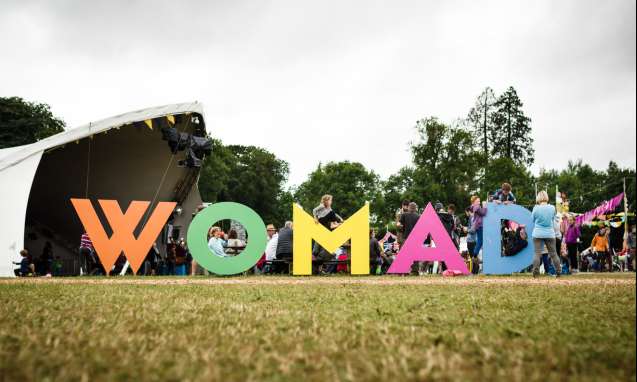
WOMAD (World of Music, Arts & Dance) South Africa is set to celebrate its third edition with a series of events across 3 cities, featuring over 50 artists and a rich program that honours significant anniversaries, including 30 years of democracy in South Africa and 40 years since Archbishop Desmond Tutu received the Nobel Peace Prize.
The festival embodies the ethos of “World of Music, Arts & Dance,” bringing global sounds and cultural diversity to intimate venues, fostering social cohesion and job creation within the local arts ecosystem. This year, WOMAD will introduce new experiences, such as Sonography in the Cape Winelands city of Stellenbosch, an indigenous exploration of sound and storytelling. It has partnered with the Desmond & Leah Tutu Legacy Foundation for unique activities in Cape Town, including a concert at St George’s Cathedral and a screening of the film 'A Tree Has Fallen'.
In Johannesburg, WOMAD aims to contribute to the revitalisation of the inner city by showcasing international and local talent across various venues in downtown Johannesburg. The festival, known for its "Voyages of Discovery," promises a distinctly South African experience, inviting audiences to engage deeply with diverse performances, workshops, and collaborative events. With its rich programming and commitment to community impact, WOMAD South Africa seeks to celebrate and promote cultural diversity while providing unforgettable experiences for all attendees.
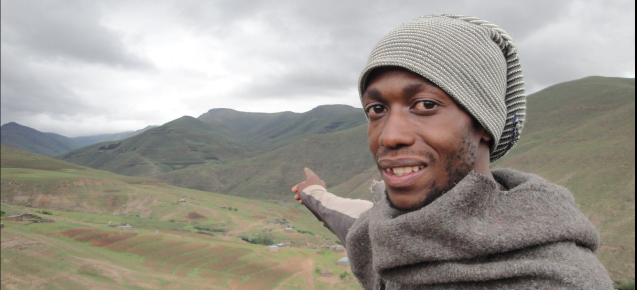
The Lesotho Sky is a thrilling 3-day mountain bike stage event set to take place from 10 to 12 October 2024 in the breathtaking Mountain Kingdom of Lesotho. Riders will traverse approximately 180 kilometres (112 miles) with a total elevation gain of around 4,000 metres (over 13,000 feet), navigating donkey trails, 4X4 tracks, sandstone ridges, and single tracks through stunning mountain passes. This fully supported adventure includes accommodation, meals, water points, and medical assistance, starting from Malealea Lodge base camp. Participants are encouraged to immerse themselves in the rich Basotho culture and history as they ride near sacred sites like the legendary mountain fortress of Thaba Bosiu. Cyclists can look forward to warm hospitality while experiencing some of the best natural trails in the world.
The Likoma Festival is an annual celebration held on the beautiful Likoma Island in the middle of Lake Malawi. The festival showcases a vibrant mix of arts and culture, emphasising traditional dances and artists from Malawi and across Africa. The festival features activities such as the Island Parade, sporting events, and live music performances, and showcases traditional dances like Malipenga and Vimbuza. The picturesque Likoma and Chizumulu Islands in Lake Malawi are known for their unspoiled natural beauty, pristine beaches, vibrant local culture and rich fishing traditions. In addition to cultural and artistic celebrations, participants will be able to enjoy wellness retreats offering yoga and spa treatments. A highlight of the festival is a tour from the mainland to the islands on the MV Ilala ferry boat.
The Voorkamerfest is a festival like no other … 'Voorkamer' is an Afrikaans word that translates to 'front room'. The Voorkamerfest is a uniquely South African festival where theatre productions are held in the homes of local residents, offering an intimate experience that highlights South African hospitality. The festival showcases the charm of the small town of Darling, just under one hour's drive from Cape Town, where 21 homeowners volunteer their humble spaces to host performances for small audiences. Attendees can expect an exciting and unpredictable experience, as the performances remain a mystery until showtime. They are split into small groups of 25 max and transported by local taxis along 7 designated routes, where they can enjoy 3 diverse acts in 3 different 'front rooms'. With a focus on community involvement, the festival engages around 60 professional performers of various genres, hosted in a fascinating cross-section of host houses. The festival has received rave reviews in past years for its emotional and transformative impact on both artists and audiences.
Kenya's island of Lamu is known for its rich history and vibrant culture. It also plays host to the Lamu Yoga Festival, a vibrant celebration of wellness and mindfulness featuring a diverse range of yoga workshops, guided meditations, and cultural experiences. One of the world's best yoga festivals, it attracts participants of all skill levels, offering opportunities to explore various yoga styles led by experienced instructors. The festival includes unique activities such as SUP paddleboard safaris, sound healing sessions, and dhow meditation experiences, all set against the backdrop of Lamu's stunning beaches and rich cultural heritage. With its relaxed atmosphere and emphasis on community, the Lamu Yoga Festival invites attendees to deepen their practice, connect with nature, and enjoy the island's enchanting charm.
Lamu Island, part of the Lamu Archipelago off the north coast of Kenya, is renowned for its rich Swahili culture, historic architecture, and UNESCO World Heritage status. With its car-free streets, charming donkeys as the main transport, and pristine beaches, Lamu offers visitors a tranquil escape characterised by warm hospitality and abundant opportunities for water sports and cultural exploration. It is popular as a post-safari add-on.
For help with planning your African safari, contact African Budget Safaris.
Explore these destinations mentioned in this post.
Below you'll find further reading and articles related or similar to this post.




Call us toll free from US/Canada on 1-888-414-6513, or from the UK on 0-808-189-1052. All other countries can contact us on +27 21 791 0878.
© 2026 African Budget Safaris | Privacy | Terms | Cookie Policy | Consent Preferences




__thumb.jpg)