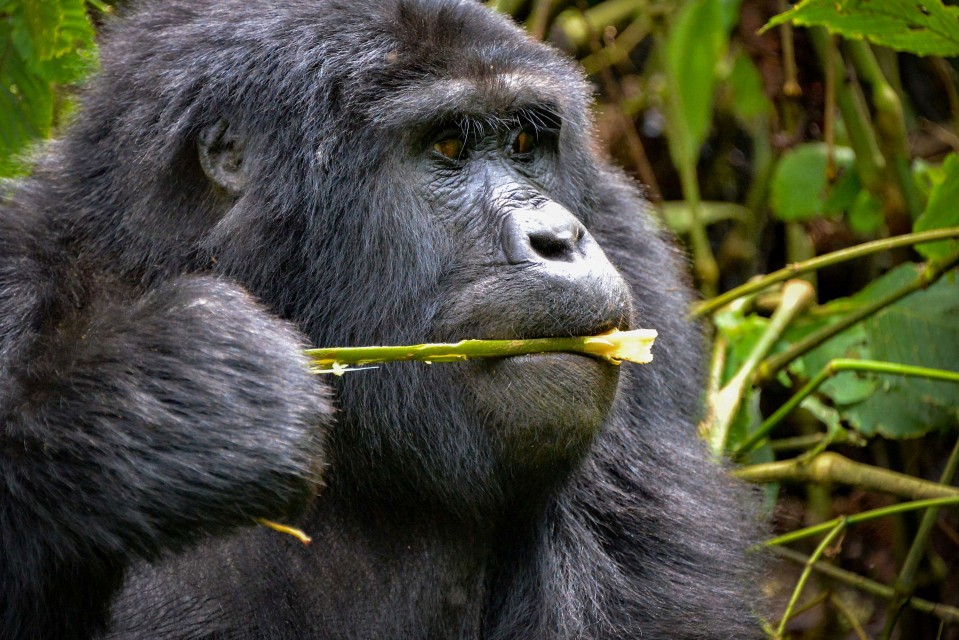

If you’re choosing between Uganda and Rwanda for gorilla trekking, the main differences come down to permit cost, travel time, trekking difficulty, and overall safari variety. Rwanda offers shorter transfers and a premium experience. Uganda offers significantly lower permit prices and better opportunities to combine gorilla trekking with a classic Big Five safari. Both deliver an unforgettable encounter with endangered mountain gorillas.
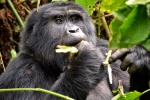
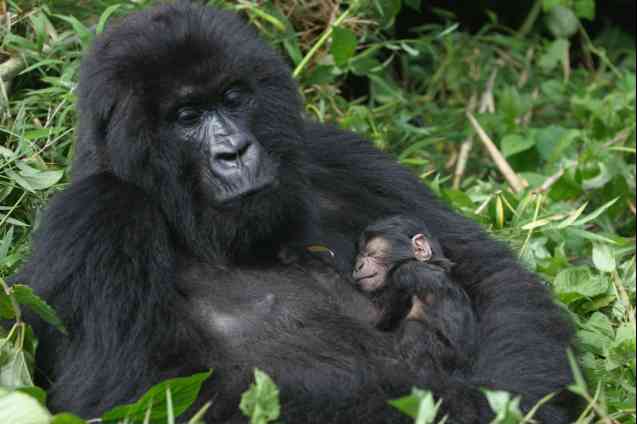
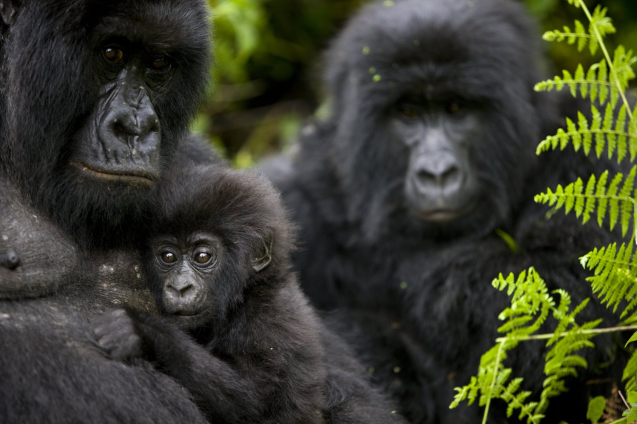
Mountain gorillas are found in only three countries in the world: Uganda, Rwanda, and the Democratic Republic of Congo. With just over 1,000 individuals remaining, seeing them in the wild is one of Africa’s most extraordinary wildlife experiences.

There’s been good news in mountain gorilla circles recently. The latest census of the only two remaining groups of mountain gorillas (in Uganda, Rwanda, and the DRC) found their numbers had crept up to over 1000, an all-time high after they dropped to nearly 250 in the early 1980s. Clearing of their natural habitat, civil war, disease, and poaching were the main culprits (and still are) of the devastation of the gorilla groups. Still, extensive conservation efforts have brought the numbers of these shy and beautiful creatures slowly upwards.
It’s why our gorilla trekking trips to Uganda (like the 3-Day Gorilla Trekking & Uganda Wildlife Safari) and Rwanda (like the 4-Day Rwanda Gorilla Trekking Safari) are so sought after

The most decisive factor for many travelers is price.
Permits are limited to eight visitors per gorilla family per day. This keeps encounters intimate and protects gorillas from disease exposure.
For budget-conscious travelers or families, Uganda’s pricing makes a substantial difference. For travelers prioritising shorter logistics and premium infrastructure, Rwanda’s higher permit cost may be justified.
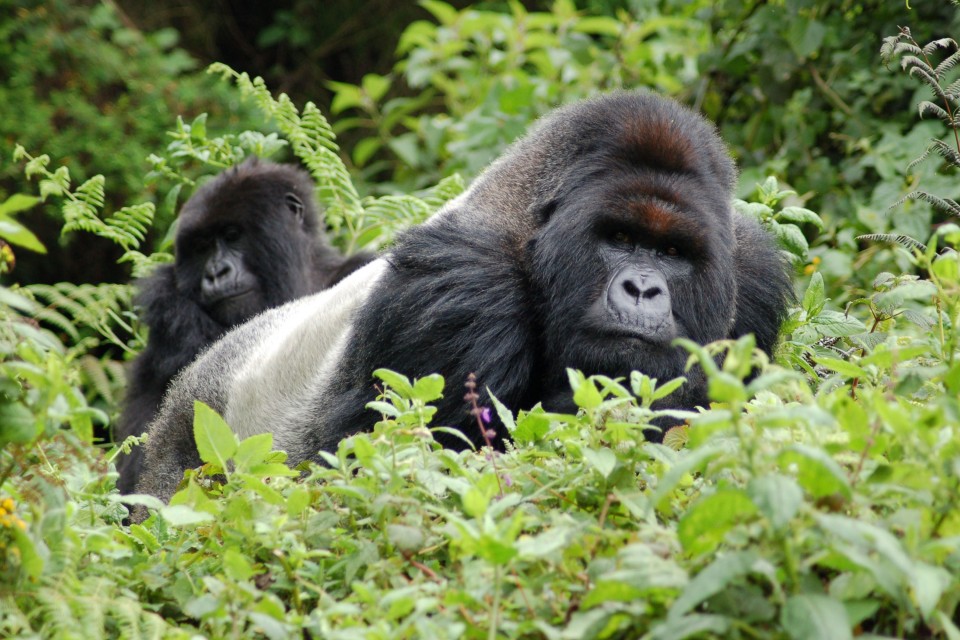
Mountain gorillas live in two main population one in Uganda and the other in the Virunga Massif, which includes three national parks spread across Uganda, Rwanda, and the DRC.
The Virunga Massif, which includes:
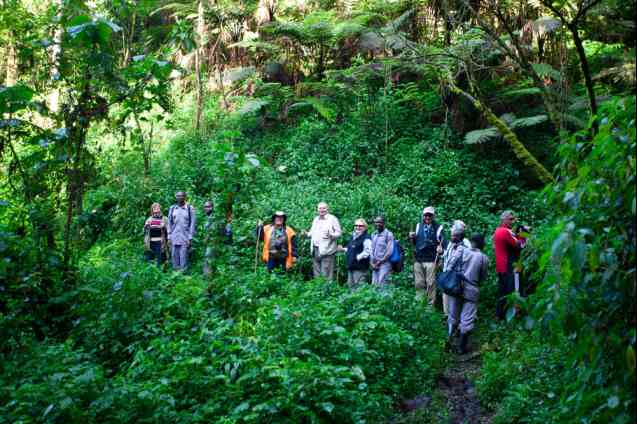
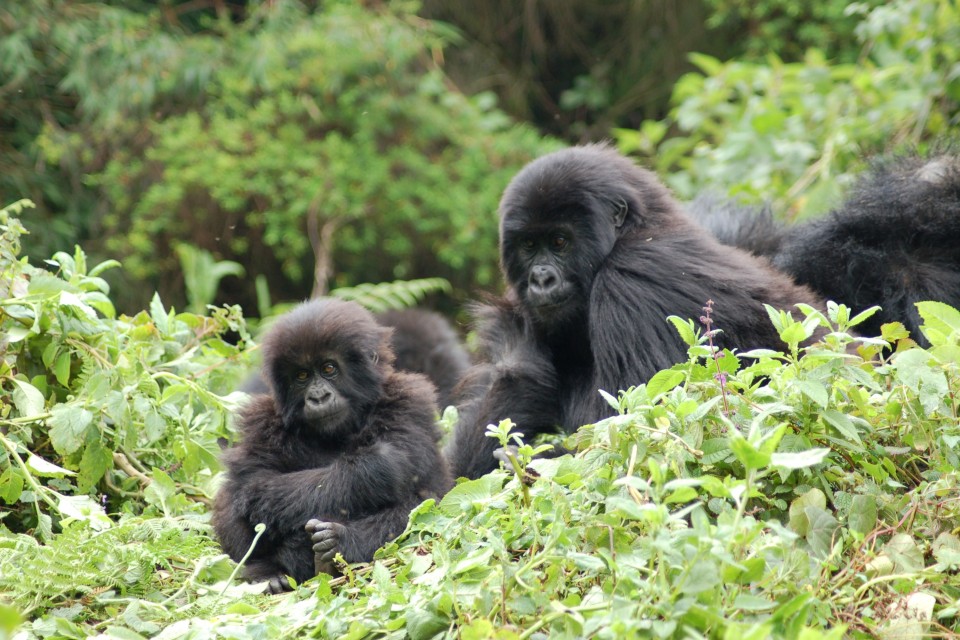
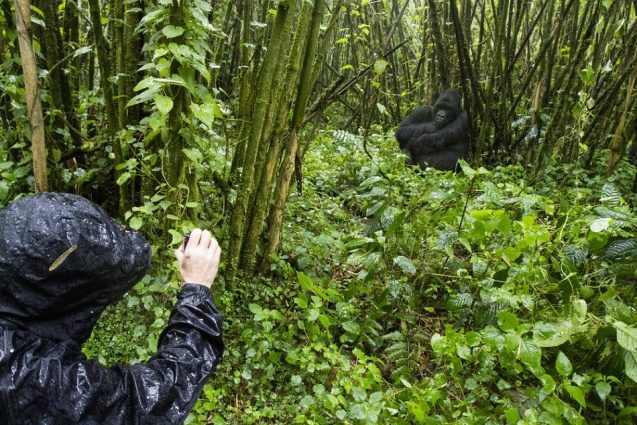
All trekking takes place in dense montane rainforest at high altitude. Groups, though habituated, are completely wild.
Habituation is the slow process through which the gorillas go to acclimatize to the presence of humans ogling at them from a distance. Basically, the gorillas you’ll see on a gorilla trek are the habituated ones.
There are only ten habituated gorilla families within Volcanoes National Park, eight within Virunga National Park, only one habituated family in Mgahinga National Park, and eleven habituated gorilla families within Bwindi Impenetrable National Park.
Both Uganda and Rwanda have international airports. It’s once you’ve landed that the difference comes in.
Arrive at Kigali. Travel just over 100 km to Volcanoes National Park. This takes about 2 to 3 hours on a fairly good road. It's Efficient and straightforward.
Arrive at Entebbe International Airport. Bwindi is about 500 km on scenic but sometimes challenging roads. The journey takes 8 to 10 hours by road, though fly-in safaris significantly reduce travel time.
Interestingly, it is often quicker to reach Bwindi by flying into Kigali and crossing the border.
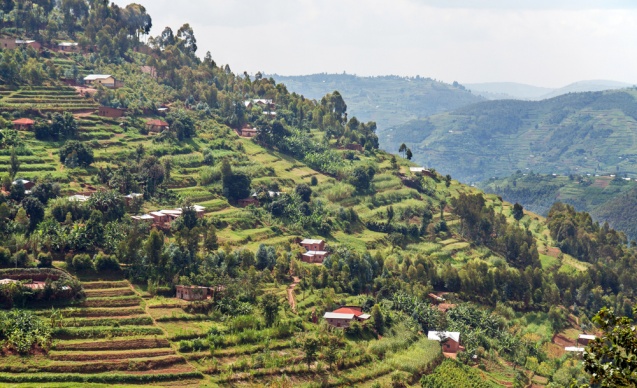
Both countries require moderate fitness.
If mobility is a concern, Rwanda may be the safer choice. If you are fit and adventurous, Uganda delivers a more rugged wilderness experience.

We have not included the DRC as a destination to see the gorillas, as we don’t feature tours there due to the political instability in the country. Travel to the DRC is advised against by numerous international advisory boards.
So, Uganda or Rwanda it is - both beautiful African countries. So, how to pick? There are pros and cons to seeing the gorillas in both countries, and neither will disappoint. Here we’ll discuss some of the differences between them, firstly introducing each country.
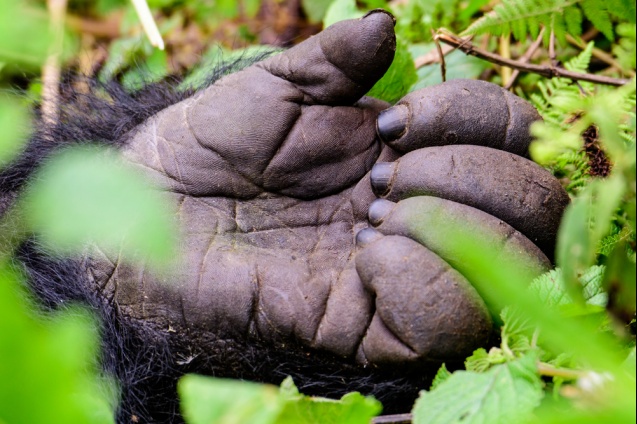
Rwanda covers 26 338 km2 of volcanic rainforest just south of the equator in East Africa. Its capital, Kigali, with a population of just under 750,000, is located in the middle of the country and is served by an international airport.
Compared to many other African countries (Uganda included), Rwanda’s infrastructure is relatively good, with better road conditions and more working traffic lights than many of its neighbours.
To start planning your Rwanda safari, see How Much Does a Rwanda Safari Cost and Is Rwanda Safe to Visit, or check out our free Rwanda Safari guide.
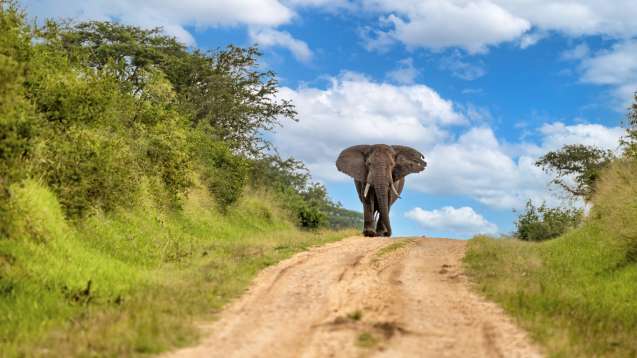
Lying to the north of Rwanda and covering almost ten times as much land – 241 038 km2 – Uganda includes equatorial rainforest and savannah/grasslands. It has ten national parks, with Bwindi Impenetrable National Park in the southwest, where the gorillas live, and numerous ‘Big Five’ reserves in the rest of the country.
Kampala, Uganda’s capital, has a population of over 1.5 million. The international airport, Entebbe International Airport, is located about 40 km southwest of the capital, on the shores of Lake Victoria.
There are numerous smaller airports scattered across the country, to which local airlines fly. Road conditions in Uganda can be a little rough, and distances are long.

Gorilla permits sell out months in advance, especially for peak seasons. Speak to an African safari specialist to secure the right permits and design an itinerary that balances logistics, budget, and wildlife variety.

Here, too, there are differences between gorilla trekking trips to Uganda and to Rwanda.
Most lodges are near Musanze, about 20 minutes from park headquarters. The experience feels structured and polished.
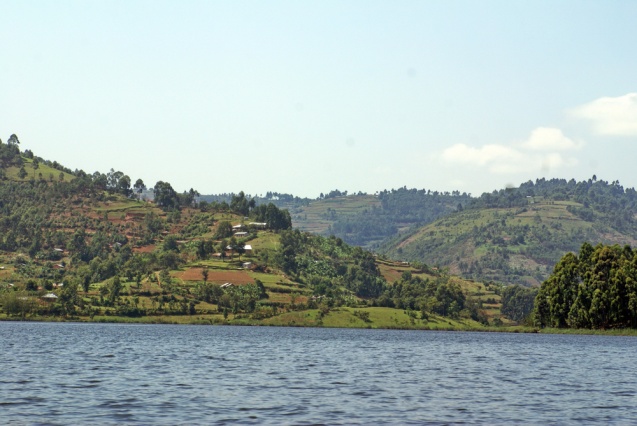
Lodges near Bwindi and Lake Bunyonyi are often perched above forest valleys or lakes. The setting feels remote and immersive.
Uganda typically offers more mid-range and budget-friendly options.

Beyond Gorillas: The Full Safari Experience
This is where Uganda stands out.
Rwanda is primarily a primate destination, with chimpanzee tracking in Nyungwe Forest National Park.
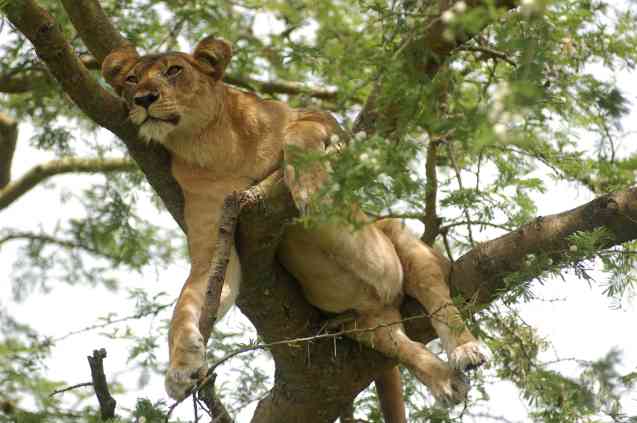
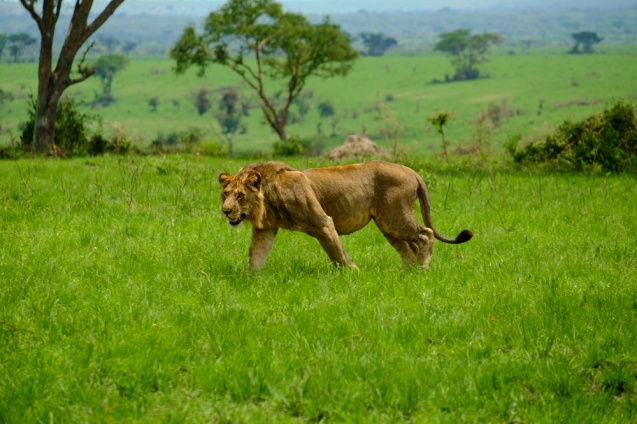
Uganda combines gorilla trekking with savannah wildlife in Queen Elizabeth National Park, where you can see lions, elephants, buffalo, and diverse antelope species.
If you want rainforest primates plus classic African game drives in one country, Uganda offers a stronger overall variety.
Firstly, the dos and don’ts are the same wherever you visit the gorillas, to protect both you and the gorillas. These are:
Secondly, the experience of seeing these huge, but gentle, creatures in their own habitat, and observing their daily goings-on, which are so similar to our own, is equally exhilarating, whether you see them in Uganda or Rwanda. It truly is an experience that’ll leave you awestruck.
Uganda is better for budget travellers and safari combinations. Rwanda is better for shorter trips and smoother logistics.
Rwanda positions gorilla trekking as a premium conservation product, with higher permit fees and streamlined infrastructure.
Rwanda’s savannah wildlife is limited. Uganda offers stronger Big Five viewing in Queen Elizabeth National Park.
At least 6 months in advance for peak season travel.
__medium.jpg)
Peruse our budget-friendly Gorilla Trekking Tours or talk to a knowledgeable travel consultant now to book your gorilla trek in Rwanda, Uganda, or both!

Explore these destinations mentioned in this post.
Below you'll find further reading and articles related or similar to this post.




Call us toll free from US/Canada on 1-888-414-6513, or from the UK on 0-808-189-1052. All other countries can contact us on +27 21 791 0878.
© 2026 African Budget Safaris | Privacy | Terms | Cookie Policy | Consent Preferences


__thumb.png)