
__large.jpg)

- More destinations related to Madagascar:
- Andasibe National Park
- Antananarivo

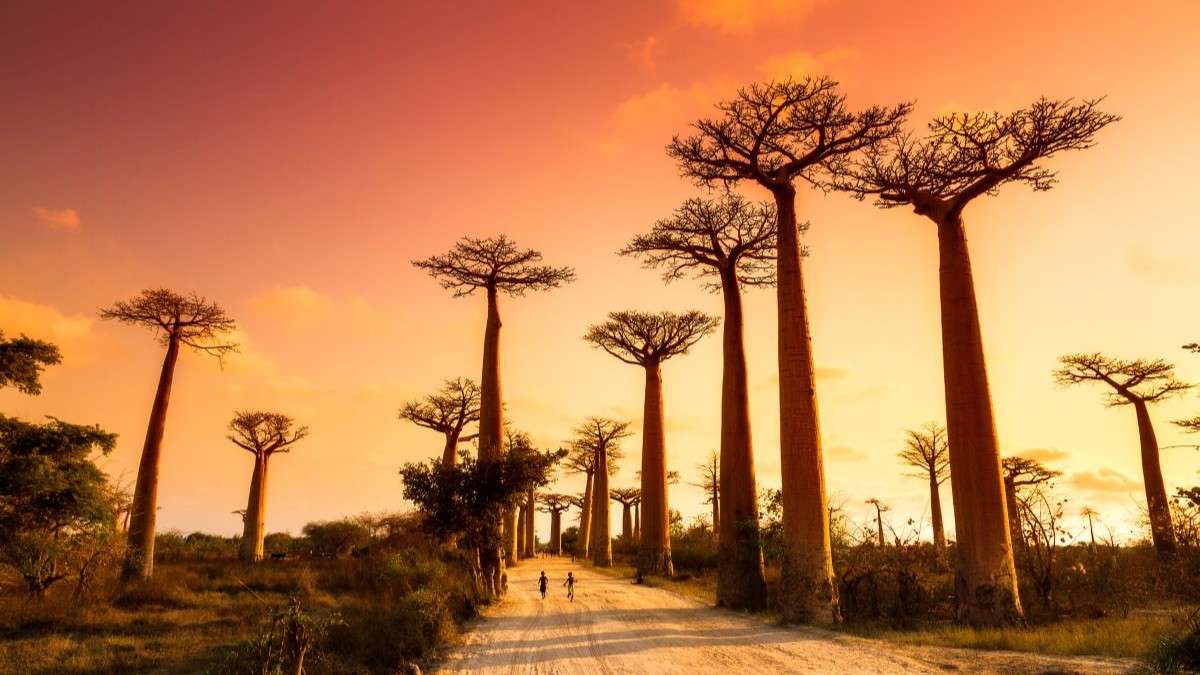
Madagascar is a country of superlatives. Gorgeous beaches meet wondrous wildlife in one of Africa’s safest and most unique travel destinations.
Known as the 'Galapagos of the Indian Ocean,' Madagascar is a biodiversity hotspot. Home to an astonishing array of fauna and flora found nowhere else in the world.
Beyond its wildlife wonders, Madagascar is a dream destination for travelers seeking a blend of off-the-beaten-track adventure and barefoot luxury.
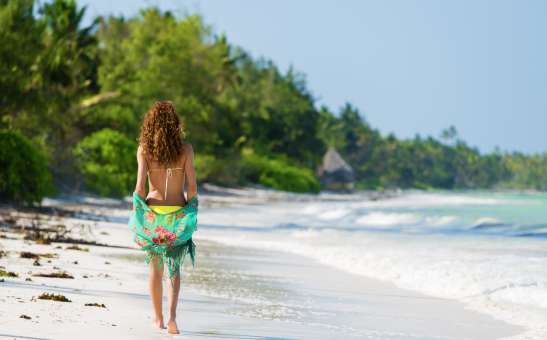
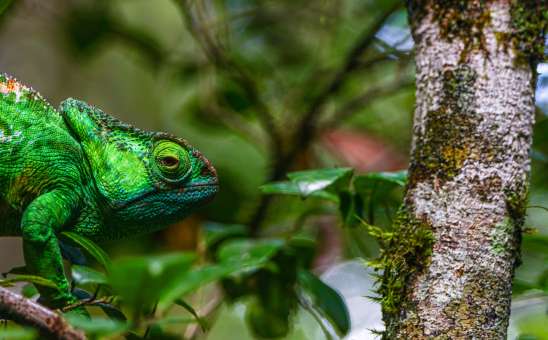
While white sand beaches invite leisurely strolls, the Indian Ocean beckons with vibrant coral reefs, snorkeling, diving, and whale watching cruises. Inland, visitors to this island paradise can hike through rainforests to discover Madagascar’s abundant fauna – frogs, chameleons, and, of course, the most famous residents, the lemurs.
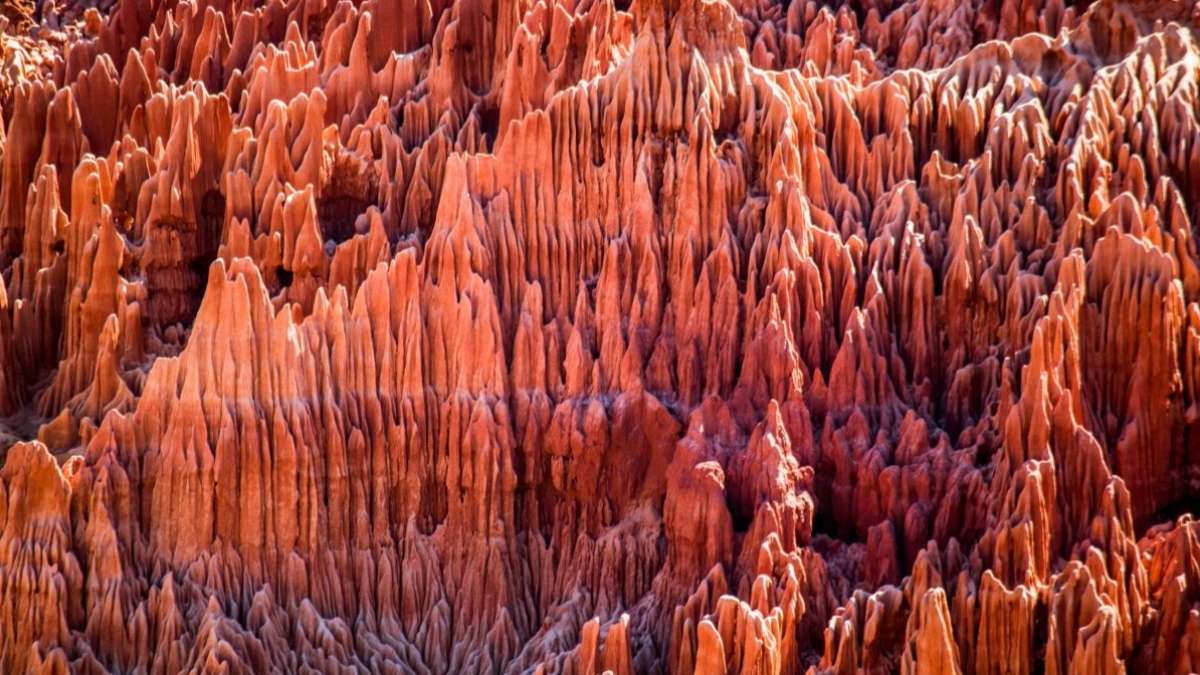
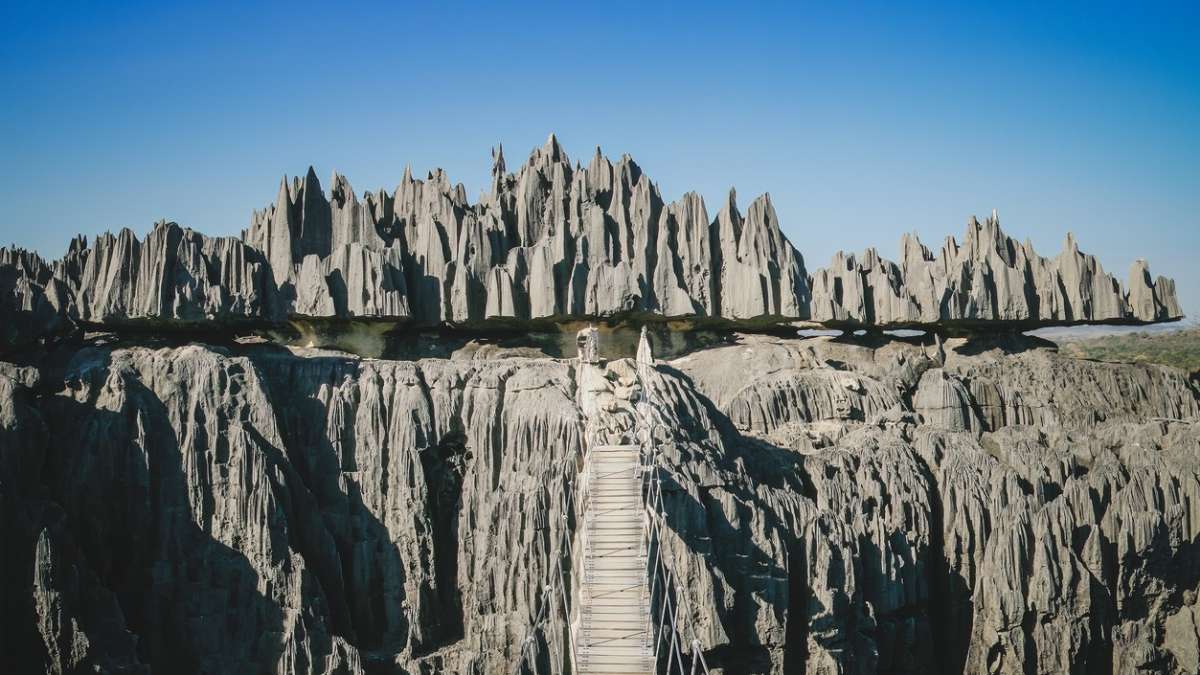
From pristine beaches to lush jungles, spiny deserts, and colossal baobabs, Madagascar’s dramatic landscapes offer romance and adventure for every traveler.

Madagascar is a treasure trove of biodiversity. A staggering 95% of its reptiles, 89% of its plants, and 92% of its mammals are found nowhere else on Earth.
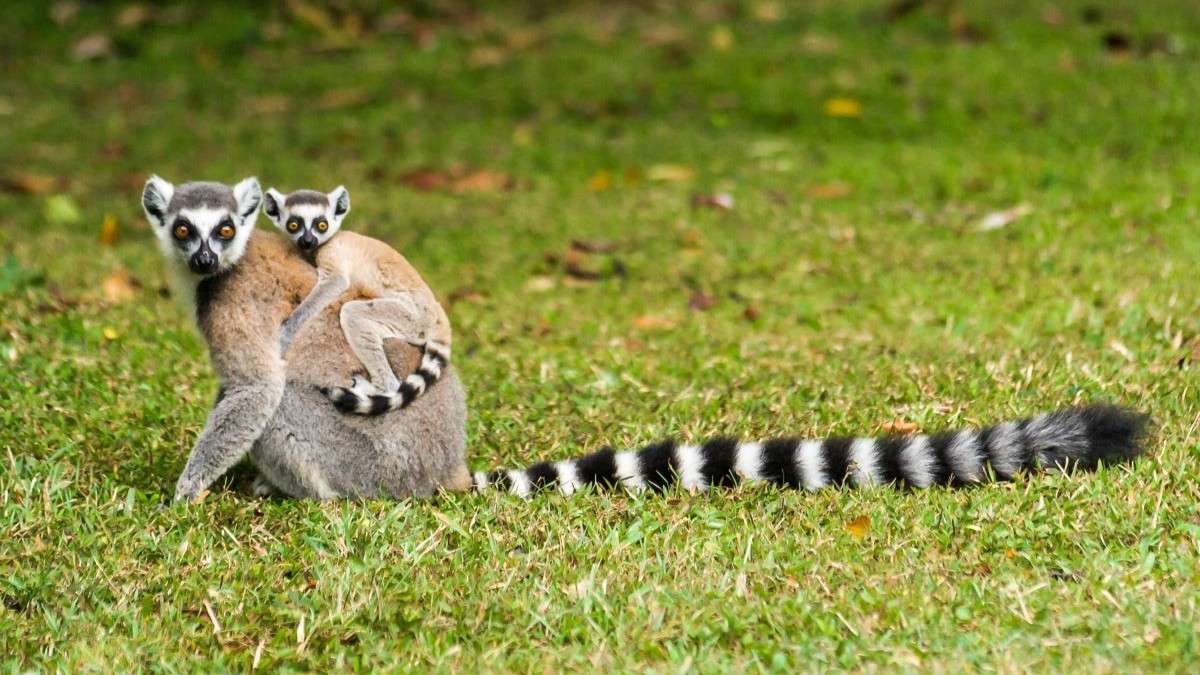
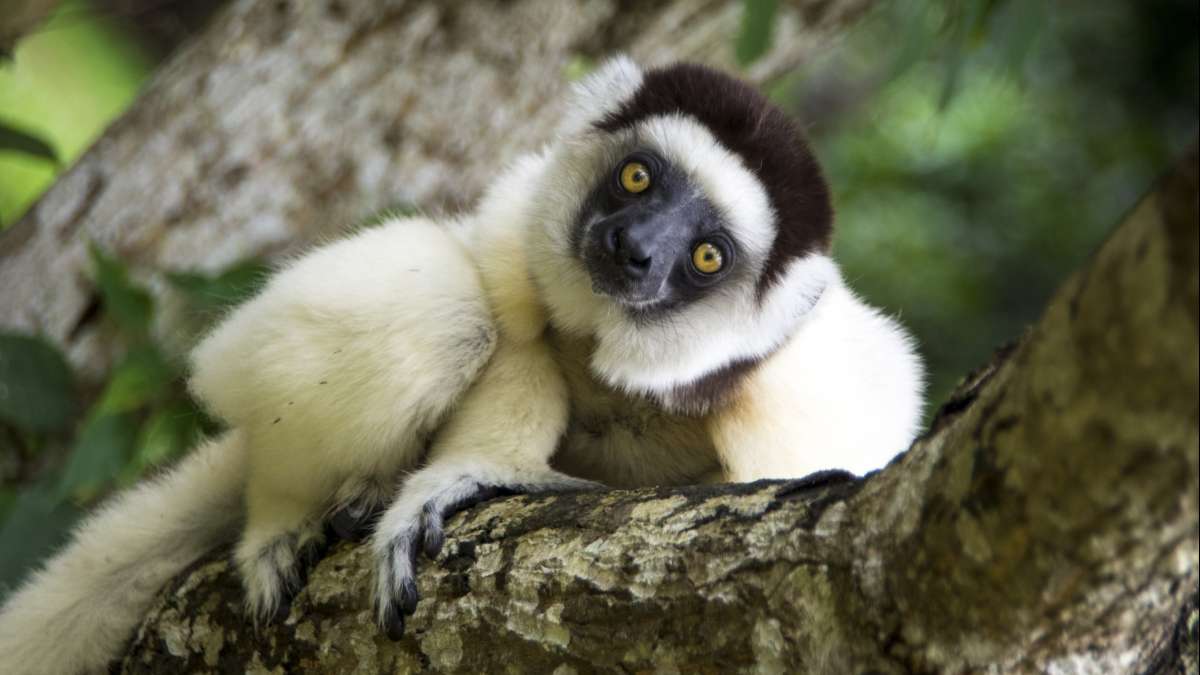
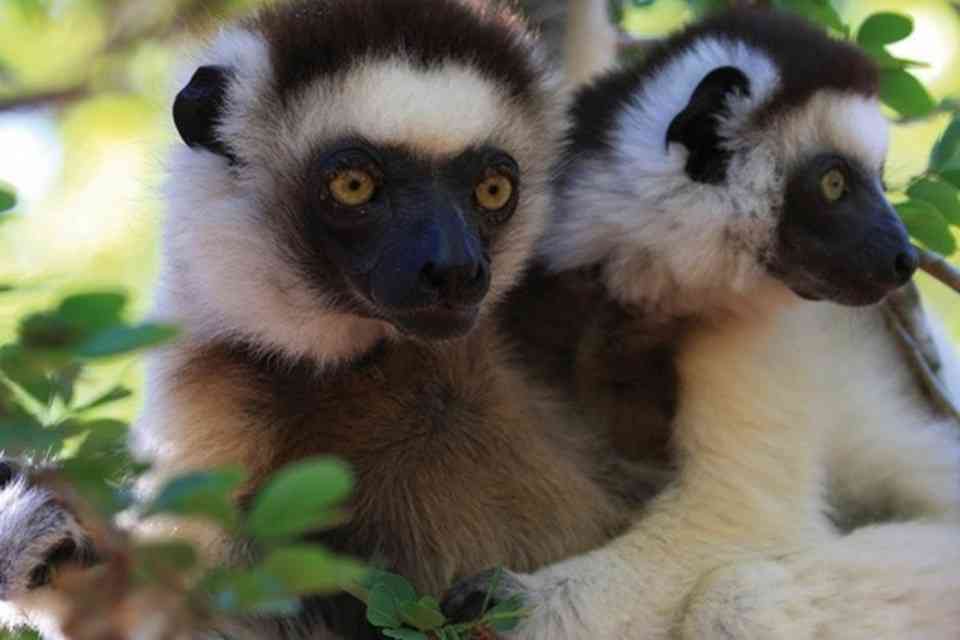
Lemurs are arguably the island’s most famous mammals. These curious and ancient prosimians are widespread, with around 60 species occurring island-wide. These include the iconic ring-tailed lemur known for its expressive black and white ringed tail, and the ‘Angel of the Forest’ – the rare Silky Sifaka, known for its brilliant white fur.
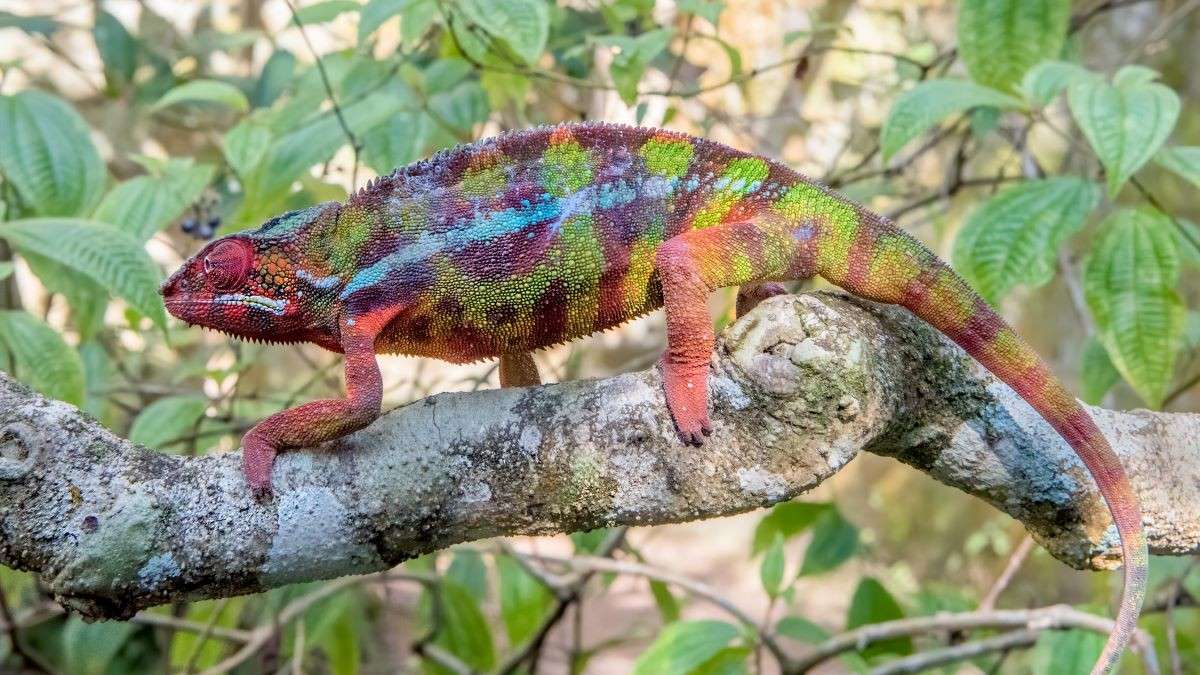
Madagascar’s diverse ecosystems foster chameleons, frogs, an incredible variety of butterflies, and the powerful fossa, the island’s top predator.
Birdwatchers will find paradise here too, with 285 bird species recorded — nearly 100 of which are found only in Madagascar, including elusive red owls, the velvet asity, and the cuckoo roller.
Madagascar's best wildlife destinations include Ranomafana National Park, Andasibe National Park, Masoala National Park, and Loky-Manambato. Off the mainland, Nosy Komba and Aye-Aye Island offer intimate wildlife experiences.
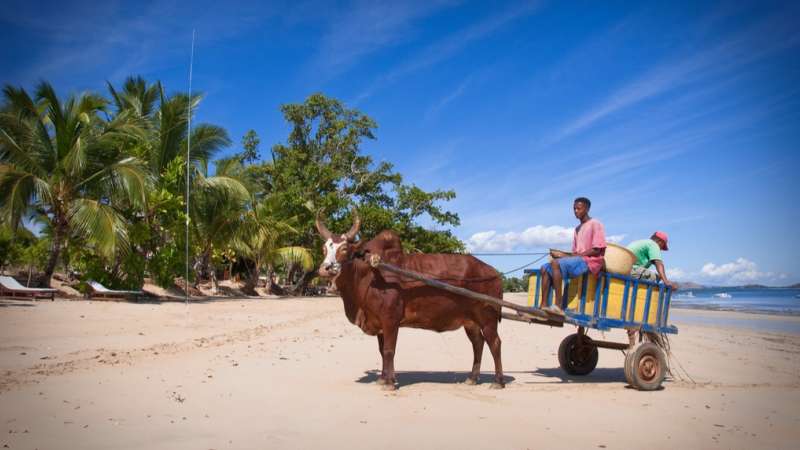
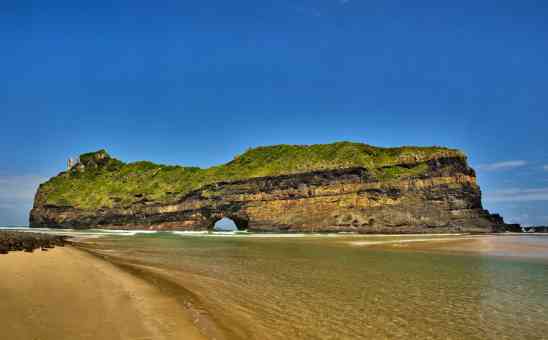
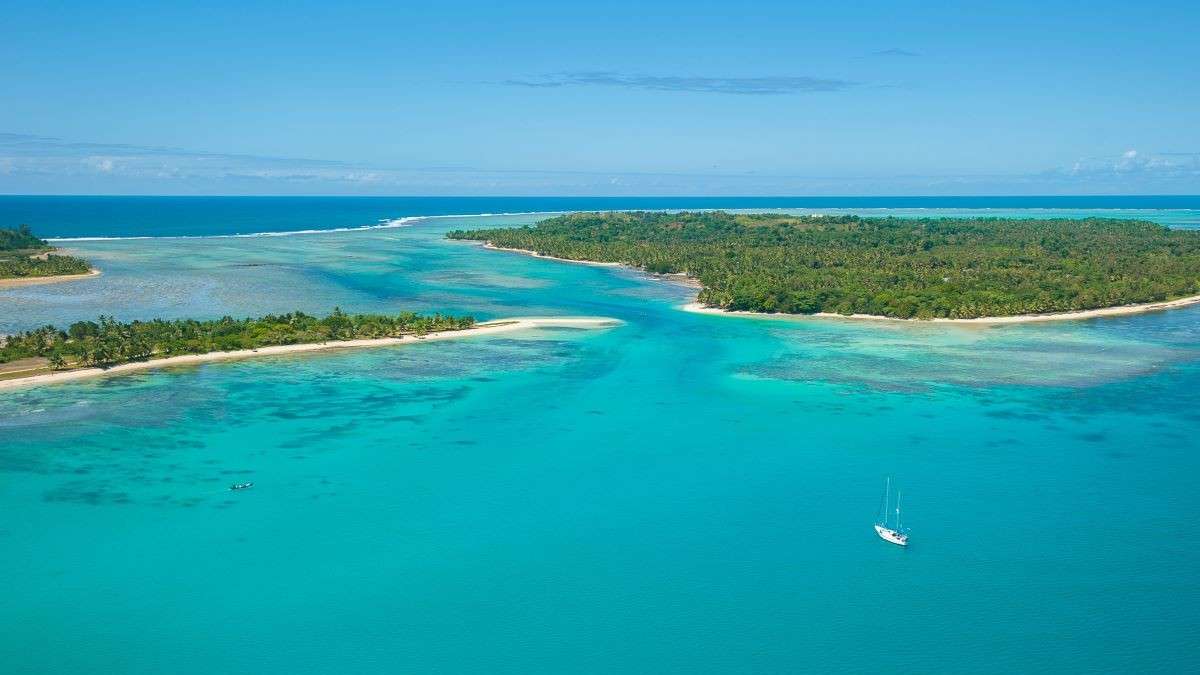
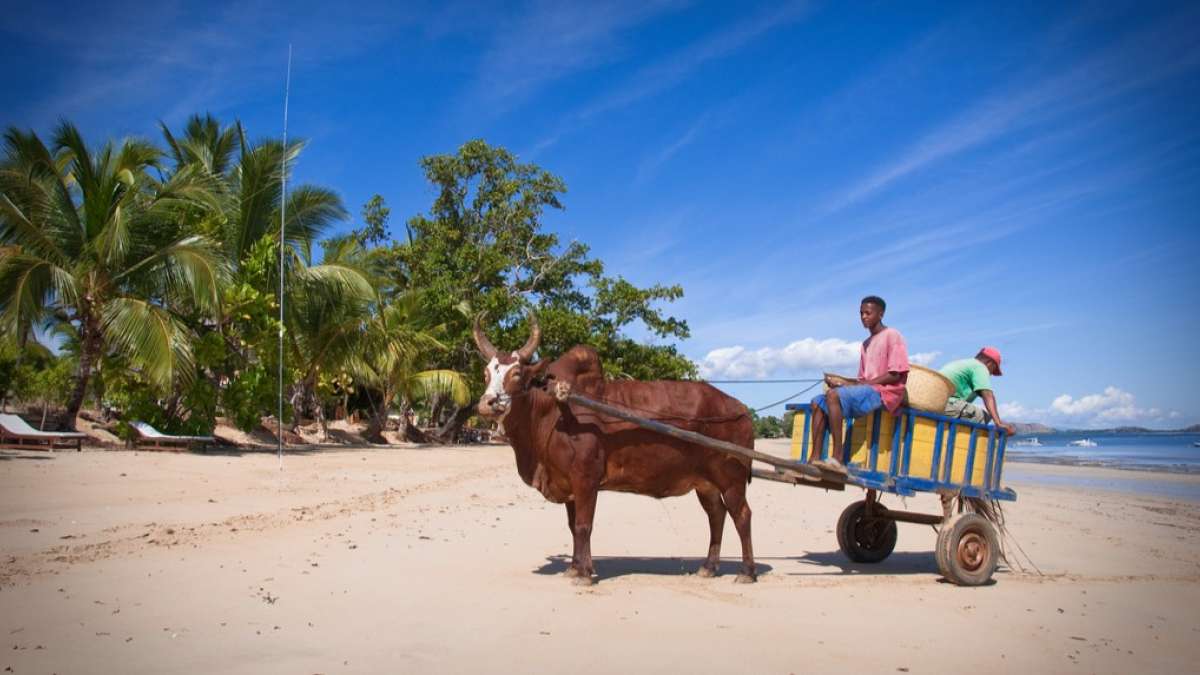
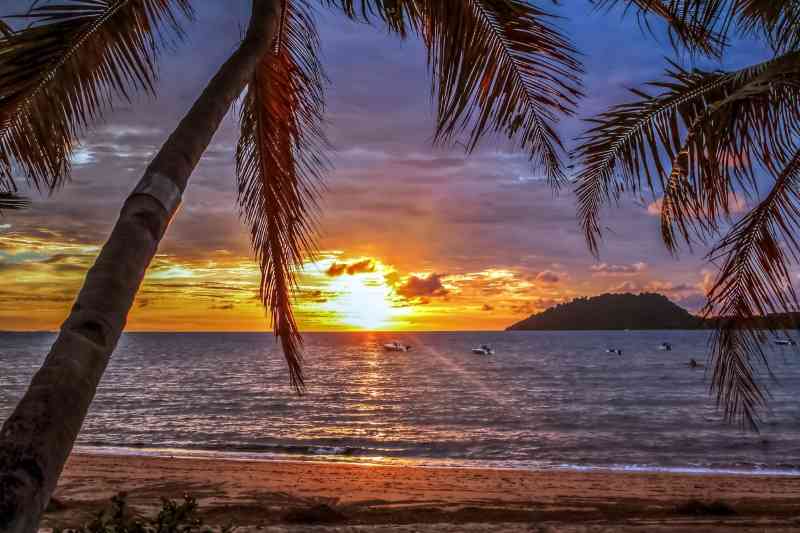
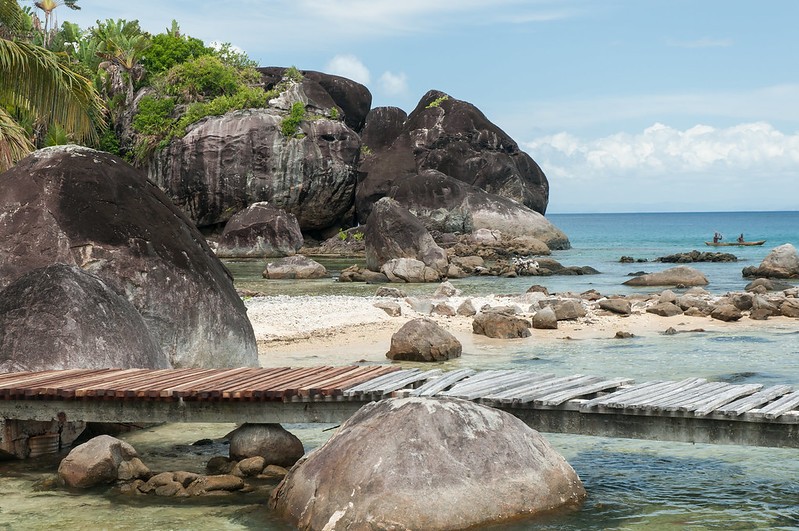
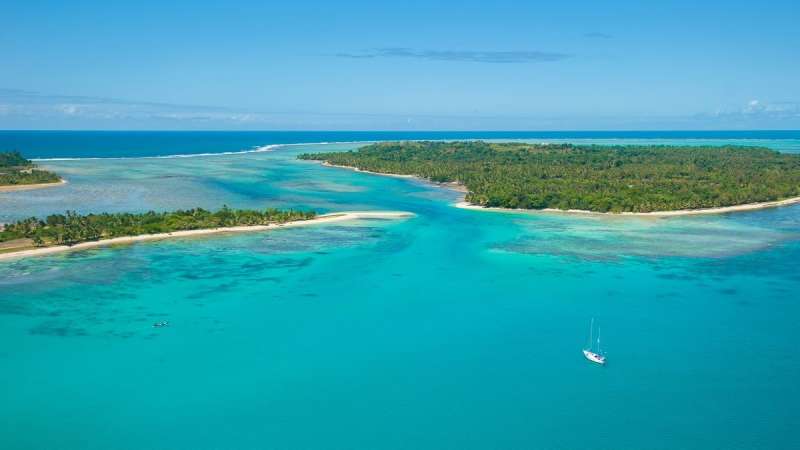
Some of the Indian Ocean’s finest white sand beaches are found in Madagascar.
On the mainland, gems like Tulear, Ifaty, Salary Bay, Sambava, and Foulpointe showcase powdery shores, turquoise water, coral reefs, and opportunities for water sports. However, it is Madagascar’s offshore islands that often steal the limelight.
The most popular of these islands is Nosy Be. Known as “The Scented Island,” thanks to plantations of ylang ylang, cinnamon, and vanilla, Nosy Be is an idyllic island paradise surrounded by turquoise waters, coral reefs, and lush mangroves. It is the perfect escape for relaxed getaways, which include snorkeling, diving, and kayaking.
For quieter island retreats, consider Île Sainte-Marie and Île aux Nattes or Nosy Nato. With eco-lodges and boutique hotels, these out-of-the-way gems offer pristine beaches, rich marine life, and incredible whale watching from July to September.
Madagascar is a true delight for every sun-loving traveler wanting to experience a tropical paradise.
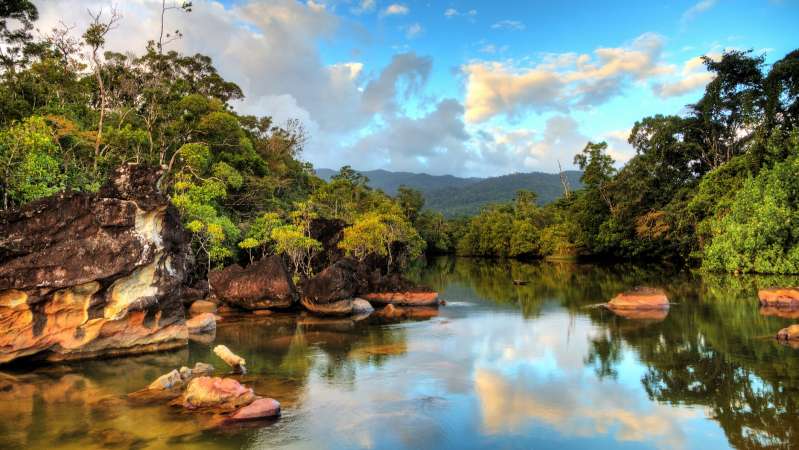
Madagascar’s plant life is as extraordinary as its wildlife. An incredible 70% to 80% of the roughly 12,000 plant species are found nowhere else on Earth.
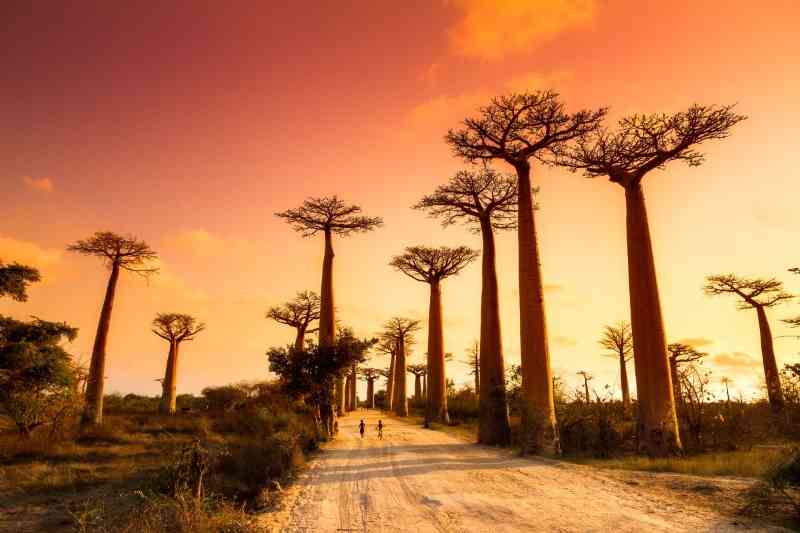
Six of Africa’s baobab species grow in Madagascar. The Avenue of the Baobabs is the most famous landmark and is a bucket-list item for many travelers. This iconic avenue is lined with trees over 800 years old that reach up to 30 feet tall.
Remarkably, roughly 1 out of every 10 plants in Madagascar is an orchid! In total, over 860 species are scattered across the island. One of the most spectacular is Darwin’s Orchid, a coastal specialist pollinated by moths.
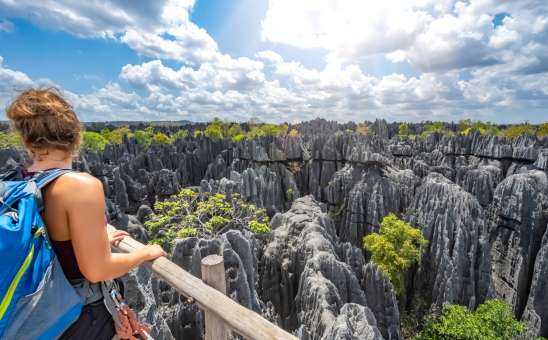
Another unique landscape is the spiny forests of southern Madagascar. Visit the community-run Reniala Private Reserve protects a 45 ha portion of spiny forest. In total, the reserve protects 200 distinct species, of which 95% are endemic. These unique plants include giant baobabs and an alien-like plant family known as octopus trees.
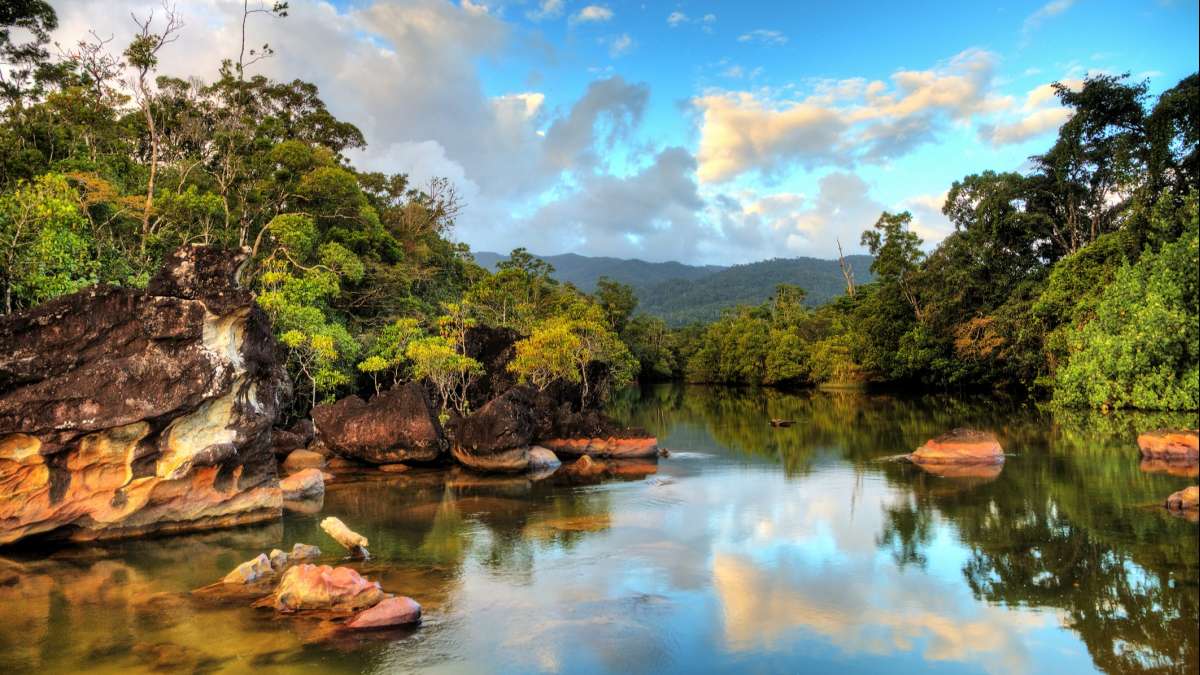
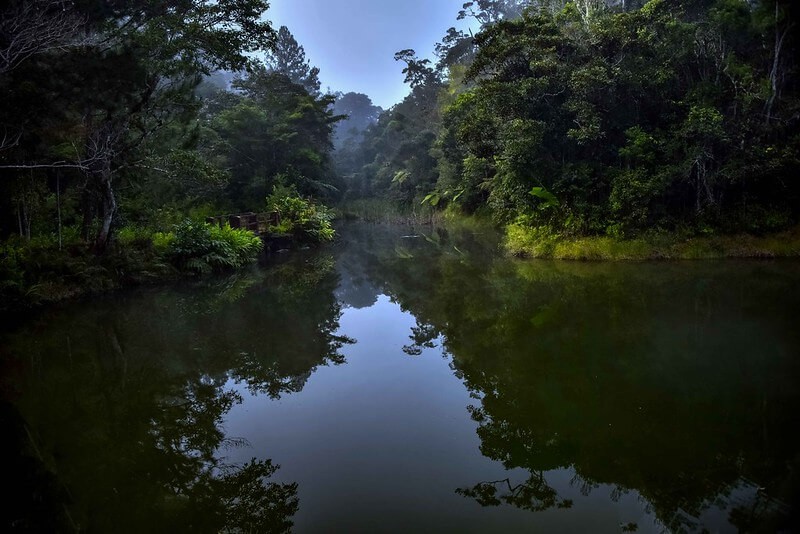
Madagascar’s rainforests are an unmissable part of any tour to the island. Top destinations include the UNESCO World Heritage Site, the rainforests of Atsinanana, which include Ranomafana National Park and Zahamena National Park, as well as Andasibe-Mantadia National Park and Madagascar’s largest reserve, the remote Masoala National Park. In these dense forests, visitors can encounter chameleons, golden lemurs, Indris, and astounding birdlife.
Every trip to Madagascar is a journey of discovery.
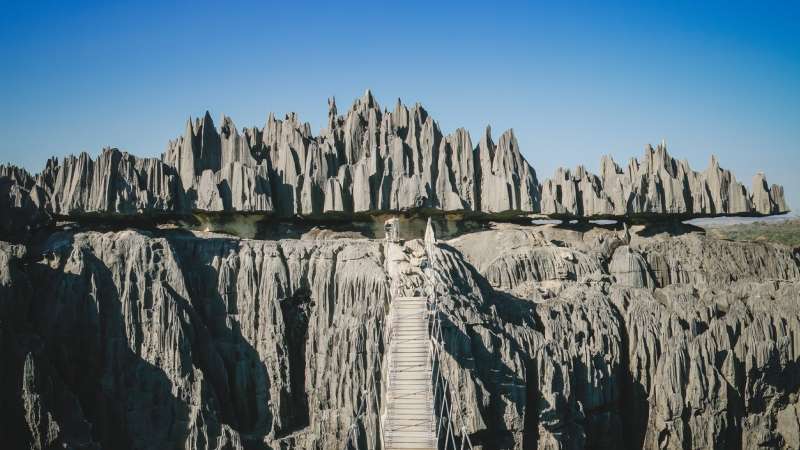
While Madagascar is itself a relatively quiet and remote destination, there are gorgeous off-the-beaten-track safari experiences, perfect for adventurous travelers.
The Masoala National Park is Madagascar’s largest protected area. This lush rainforest, teeming with rare wildlife, pristine beaches, and coral reefs, is only accessible via a 2-hour boat journey. Once there, the reserve offers hiking, kayaking, and snorkeling. Treasures to be found in this remote gem are rare species like green lizards, red owls, tomato frogs, and the serpent eagle.
Further south, the Ifotaka Community Forest Reserve is the home of the Antandroy people. The reserve protects ancient spiny forests and sacred baobab groves.
Masoala and Ifotaka are eco-tourism hotspots with an emphasis on low-impact sustainable tourism. Activities are geared toward sustainability and are a unique way to experience Madagascar’s wild beauty.
With such tantalizing and remote offerings, planning a Madagascar safari can feel overwhelming. African Budget Safaris has an experienced team of safari experts who have explored Madagascar first-hand.
From the island mecca of Nosy Be to Madagascar’s remote southern coast, we are here to make planning your trip easy. With years of experience, we can tailor-make an affordable adventure around your travel dreams or connect you with one of our popular package tours. Safari costs vary based on trip length, group size, activities, transport, and comfort level.
Madagascar is remote, and while flights will be the biggest cost, Madagascar itself can be surprisingly budget-friendly. Contact one of our experienced travel consultants at African Budget Safaris and let us help you create the perfect Madagascar safari tour.
The best time to travel to Madagascar is between May to October. This is the dry season, and generally speaking, with less rainfall, cooler temperatures, and ideal conditions for hiking and spotting wildlife, is the best time to experience all that Madagascar has to offer.
January to March is Madagascar’s low season. It is also called ‘cyclone season,’ meaning heavy rains, soaring temperatures, and high humidity. While many lodges close due to the difficult road conditions, this is a good time to look for discounts on accommodation. Fewer tourists make for a surreal experience in Madagascar’s rain-soaked landscapes.
April to June is the shoulder season in Madagascar.
This is one of the best times to visit as the landscape is lush and green while the major cyclone season is over. Temperatures are cooler, and the weather is perfect for outdoor activities like hiking and kayaking.
There are fewer tourists at this time of year, making for a quieter experience. Light showers do occur, but the prevailing forecast is for sunny days. Wildlife gradually becomes easier to spot, and there is an abundance of newborn animals.
The rainforests are alive with flowers and unique animals, making for an immersive experience.
July and August mark the start of Madagascar’s peak tourist season. Booking early is essential as accommodation fills quickly.
These cooler winter months bring dry, refreshing conditions, perfect for rainforest hikes and lazy days on pristine beaches. The coast offers ideal weather for swimming, sunbathing, and island-hopping adventures. This is also whale-watching season, when humpback whales migrate to the waters around Île Sainte-Marie.
Conditions are perfect for exploring Madagascar’s many attractions on walking tours and hiking expeditions.
In September and October, the weather steadily warms towards the summer months.
September is your last chance to spot migrating humpback whales around Île Sainte-Marie and witness lemur birthing season at its peak. As temperatures rise, wildlife becomes more active, making it a great time for safaris.
October is the best month to see the elusive cat-like fossa during its mating season. This is also a good time to see some of Madagascar’s amazing birdlife.
For stunning beach escapes, head to Nosy Be, where conditions are ideal for snorkeling and sunbathing. Further south, the Avenue of Baobabs and blooming jacarandas provide stunning photo opportunities before the rainy season begins.
In November and December, Madagascar experiences rising temperatures and the onset of rains.
November remains suitable for beach activities like snorkeling and swimming, with vibrant rainforest flora adding to the scenic beauty.
In December, with the rising heat, tropical storms become more intense, making it less ideal for outdoor activities. Despite the weather, wildlife remains active; lemurs, reptiles, and endemic tenrecs are commonly spotted.
If traveling during these months, it’s best to plan for early November to avoid the worst of the storms and heat.
African Budget Safaris offers a hand-picked selection of Madagascar tours. Our packages highlight the island’s best wildlife, beaches, and cultural experiences. Popular tours include lemur and rainforest safaris, island-hopping adventures to Nosy Be, and adventures to iconic spots like Andasibe-Mantadia National Park and the Avenue of Baobabs. Whether you're after relaxed beach escapes or immersive nature expeditions, there’s a Madagascar tour to suit every traveller and budget. These are our most popular Madagascar safaris.




Call us toll free from US/Canada on 1-888-414-6513, or from the UK on 0-808-189-1052. All other countries can contact us on +27 21 791 0878.
© 2026 African Budget Safaris | Privacy | Terms | Cookie Policy | Consent Preferences