
Gnarly, old, and immense, baobabs are the most iconic trees in Africa. Known as the upside-down tree, the baobab is, in fact, not a tree at all. Find out about African baobabs and where to see these amazing trees.
Baobabs, often called the Tree of Life, are iconic for their towering presence and unique, bottle-shaped trunks. Native to the African continent, Madagascar, and Australia, these ancient trees can live for thousands of years, storing water in their massive trunks to survive harsh droughts. Beyond their ecological importance, baobabs hold cultural significance, featuring prominently in local myths and traditions. Their nutrient-rich fruit and bark have been used for centuries as food, medicine, and materials, making baobabs vital to the environment and the communities that rely on them.
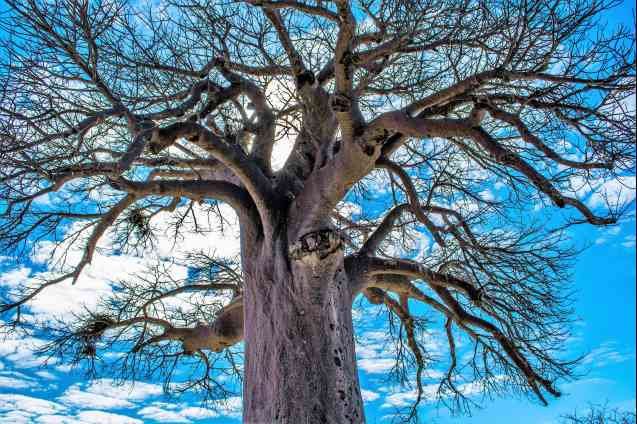
The African Baobab, Adansonia digitata, the most widespread baobab species, is native to Africa and the southern Arabian Peninsula, including Yemen and Oman. Typically found in the dry, hot savannahs of sub-Saharan Africa, where their huge forms dominate the landscape.
There are 9 baobab species: 6 native to Madagascar, 2 in Africa, and 1 in Australia. Scientists have recently studied the genomes of all baobab species and discovered a single origin. All baobabs have their genesis in Madagascar. It is believed that they evolved about 21 million years ago and traveled on Indian Ocean currents to establish populations in Africa and Australia about 12 million years ago. There are even groves of baobab trees in India, a testament to the Indian Ocean sea trade.
The African baobab, A. digitata, the sole species of baobab on the African continent, is estimated to live between 800 and 3000 years, though the lack of growth rings makes it difficult to age accurately.
The Baobab tree, without growth rings or hardwood, is not a tree but a succulent. Succulents thrive in drier climates by storing water in large cells in their stems. Baobabs are huge, and the largest trees can hold over 100,000 liters of water.
During the wet season, when the tree is covered with lush green leaves, the trunk can swell to an enormous girth. During the dry months, however, the tree is bare of foliage and takes on a more slender appearance.
In winter, the lack of leaves and the bare appearance, resembling roots thrust up to the heavens, has led to its common name, ‘the upside-down tree’. Furthermore, young trees bear no resemblance to their elders, enhancing their mystique as supernatural entities that just appear out of nowhere. When a Baobab tree dies, it rots from the inside, often going unnoticed until one day it collapses. It is this eccentricity that has enhanced the tree's magical characteristics for communities that live near these majestic giants.
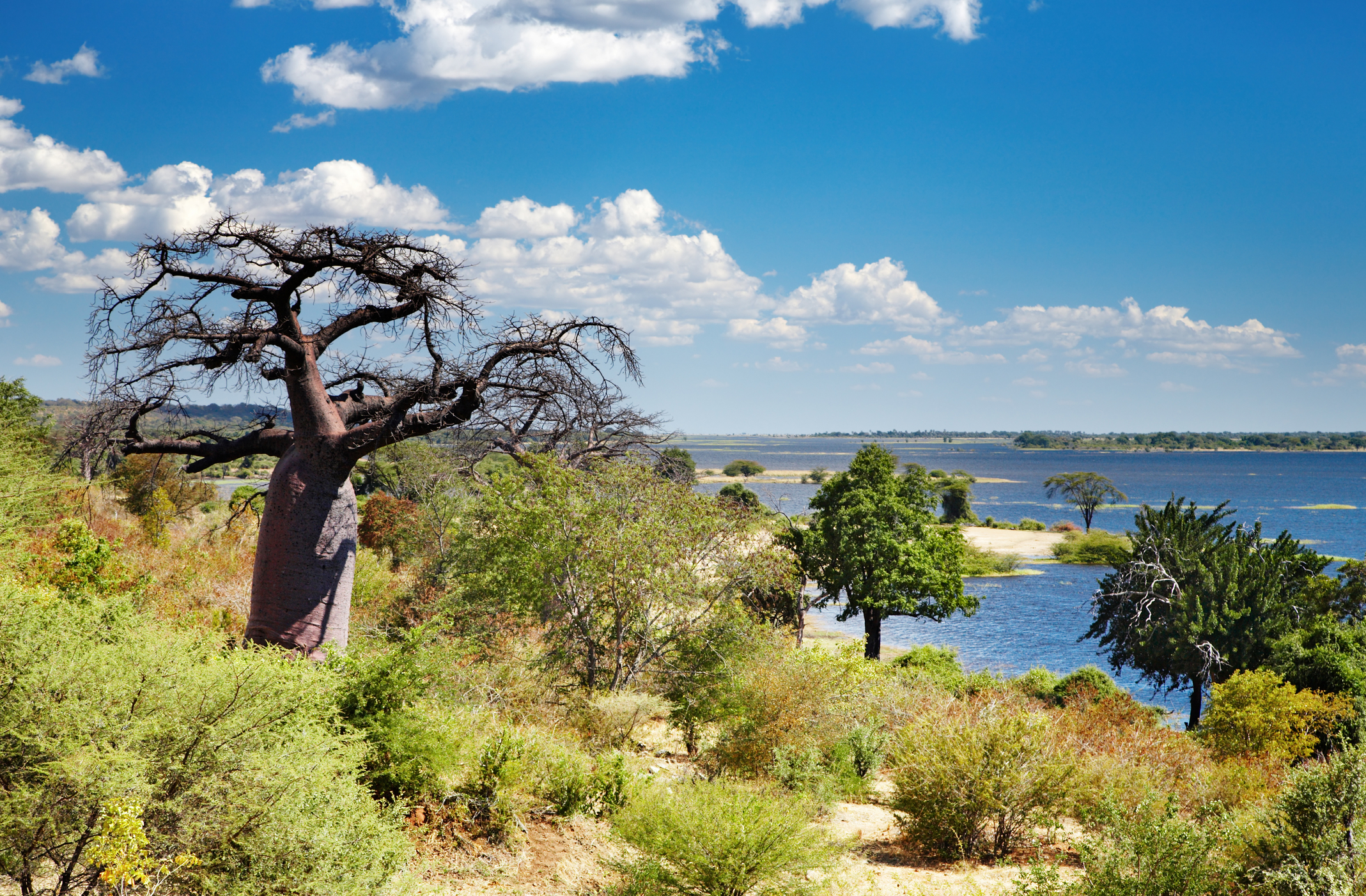
In many cultures where the baobab dominates the landscape, it is known as the ‘Tree of Life’, known for its ability to provide for animals and humans. The baobab tree is a fascinating keystone species.
Its branches, trunk, and bark make shelters for animals like bees, bats, birds, snakes, and geckos. The deep crevices that form are natural reservoirs that provide water for all animals in the harsh environment, while elephants are known to strip the bark to get to the succulent water-dense flesh.
While animals enjoy eating the nutritious fruit, the seeds are regularly discarded. The seed pods dry on the tree and are removed by the wind, people, elephants, baboons, or monkeys, all of which affect dispersal. Baobab seeds are deposited in elephant dung up to 60 km away from where they were eaten. The seeds sprout easily but grow slowly in the arid sub-Saharan landscapes of east and southern Africa.
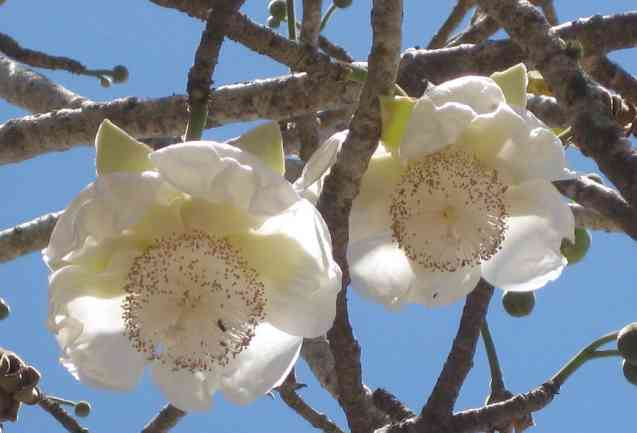
The flowers of the baobab, white, large, and sweet, are primarily pollinated by bats. They do, however, attract a wide variety of other animals, including bushbabies, numerous bird species, and insects.
| Baobab Tree Facts |
|---|
|
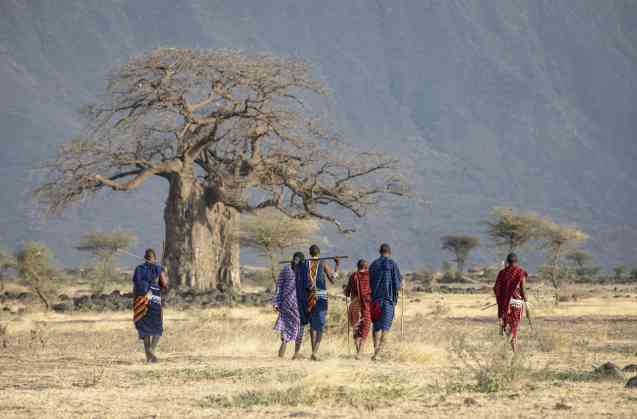
With their unusual and imposing appearance, baobabs feature strongly in the culture where they grow.
In Australia, baobabs in the remote northern Tanami Desert have been carved by the First Nation people with images of snakes. According to the oral tradition, the carved trees grow along the King Brown Snake Dreaming, the Lingka track. Dreaming tracks are migration routes intimately bound with creation stories and an important part of the first people's histories.
In Madagascar, the Malagasy people believe that baobab trees hold the spirits of their ancestors. They are, therefore, sacred sites, and permission from the ancestors is needed to visit the most sacred trees. When the 1400-year-old Tsitakakoike tree – the tree where you cannot hear the cry from the other side - collapsed in 2018, a ceremony was held by the elders to transfer the spirits into a new host tree, Tsitakakansa – the tree where you cannot hear the song from the other side.
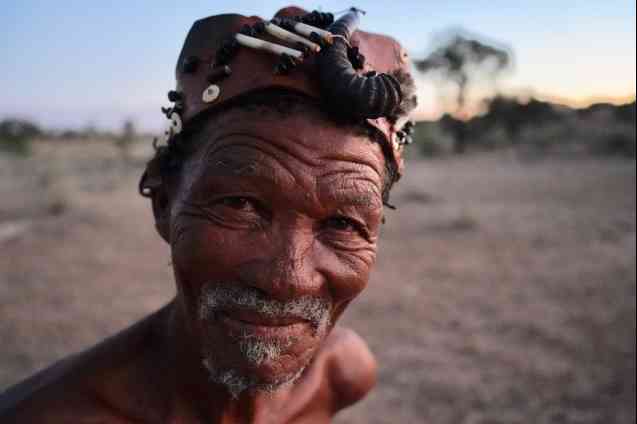
Many myths and folklore stories surround baobabs in Africa. The San bushmen believe that spirits inhabit the large, sweetly scented flowers, and anyone who plucks them will be torn apart by lions. They also believe that if the seeds are sucked, they will attract crocodiles, but drinking an infusion made by soaking the seeds will offer protection from these same creatures.
| African Baobab Folklore Stories |
|---|
|
There are many origin stories of the baobab. They all follow a similar narrative. In one, god rips up the ugly tree from his garden and tosses it over the wall, where it lands crown first on earth with its roots sticking up in the air. In another story, God is planting trees and asks the animals to help. Each animal is given a tree, and a hyena, who arrives late, is given the baobab. Hyena is so disgusted with the tree that he rams it upside down into the ground. In another story, the first baobab grew beside a small lake, towering above other trees. One day, it saw its reflection in the water, revealing its huge, wrinkled trunk, tiny leaves, and pale flowers. Upset, the baobab began complaining incessantly to the Creator, asking why it wasn't elegant like the palm or adorned with bright flowers like the flame tree. The baobab's relentless whining exasperated the Creator, who, to silence the baobab, yanked it from the ground and replanted it upside down. From that day, unable to see its reflection, the baobab has worked tirelessly to win over the gods by silently becoming the most useful tree in Africa. |
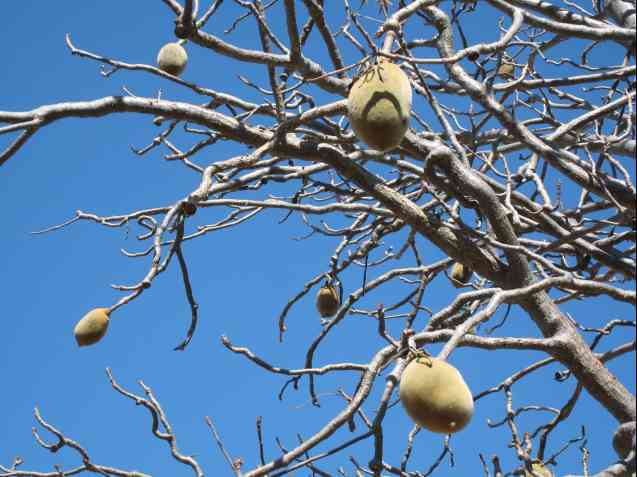
Essentially, the entire baobab tree is edible, and the medicinal properties of the baobab have been known by Indigenous people for millennia, and recently have become a superfood, trumpeted by modern science and health food gurus alike.
The leaves are edible and are rich in vitamin C, sugars, calcium, and potassium. They can be cooked like spinach or dried and stored for later use. A new baobab shoot can be eaten like asparagus, and the roots of young trees are also edible.
The large fruit that dries on the tree is extremely versatile and beneficial. Indian Ocean sailors used to pack the fruit for their voyages as, when fresh, the pulp is high in vitamin C, antioxidants, and key minerals. When dried, it forms a powder which can be boiled to make a broth or tea. Commercially, baobab powder is the most valuable, being rich in vitamin C, niacin, B6, iron, and potassium.
Finally, the black seeds of the baobab tree can be roasted and used as a coffee substitute. Rich in omega-3 fatty acids, thiamine, and other micronutrients, baobab oil is widely used in hair and skincare products.
A useful plant indeed.
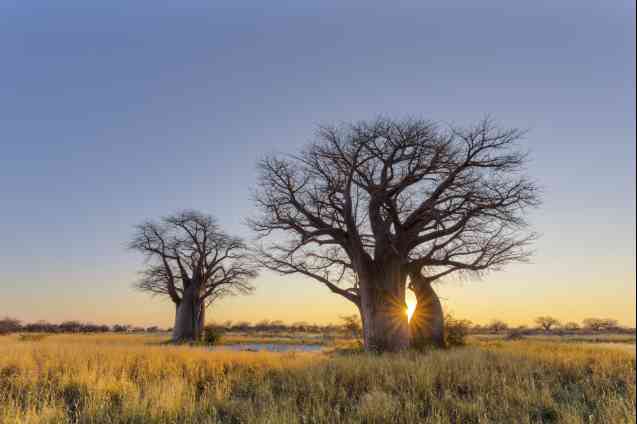
Growing throughout sub-Saharan Africa, baobab trees are an essential part of the safari landscape. They grow in the Limpopo Province of South Africa, in northern Kruger, Namibia, Botswana, Zimbabwe, Zambia, Tanzania, Kenya, and, of course, Madagascar.
While widespread, these are the best places to see baobabs in Africa.
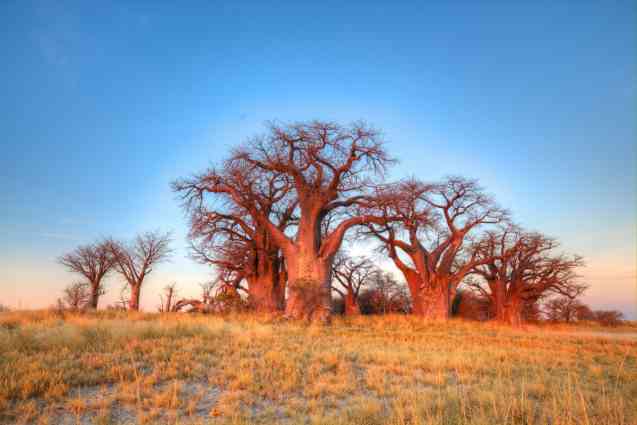
The Baines Baobabs in Botswana are a renowned cluster of ancient baobab trees located in Nxai Pan National Park. Named after the British explorer and artist Thomas Baines, who painted them in 1862, these trees create a striking and picturesque landscape. The baobabs, with their massive, gnarled trunks and wide canopies, stand sentinel around the edge of a salt pan, offering a unique contrast to the arid surroundings. These trees are estimated to be over a thousand years old, making them a significant natural and historical landmark, and a must-see for visitors seeking the beauty and mystique of Botswana's wilderness.
Gweta, a small village 205 km from Botswana’s tourism capital, Maun, and 100 km from transport hub Nata, is known as the gateway to the vast Makgadikgadi Pans and is renowned for its monumental baobabs. These awe-inspiring trees are among the largest in the world, with some designated as national monuments. A major attraction is Greens Baobab, located 27 km south of Gweta, inscribed hundreds of years ago by notable hunters, traders, and explorers, including Fredrick Thomas Green. Just 11 km further south stands the largest baobab, boasting an astounding circumference of 25 meters, making Gweta a must-visit destination.
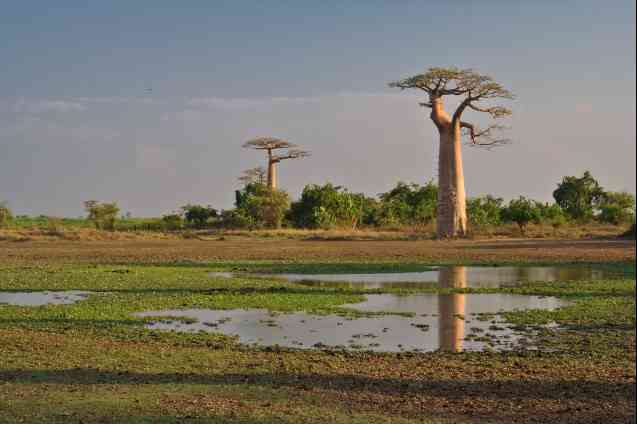
Avenue des Baobabs in Madagascar is the premier location to witness majestic baobab trees. This road, lined with dozens of ancient baobabs, offers a breathtaking and unique landscape that may become the country’s first official natural monument. Legend has it that Arab seafarers, visiting over 1,000 years ago, thought the trees were uprooted and replanted upside down by the devil, due to their canopy’s resemblance to roots. These giant baobabs, many over 800 years old, have trunks exceeding 150 feet in circumference, adding to their awe-inspiring presence.
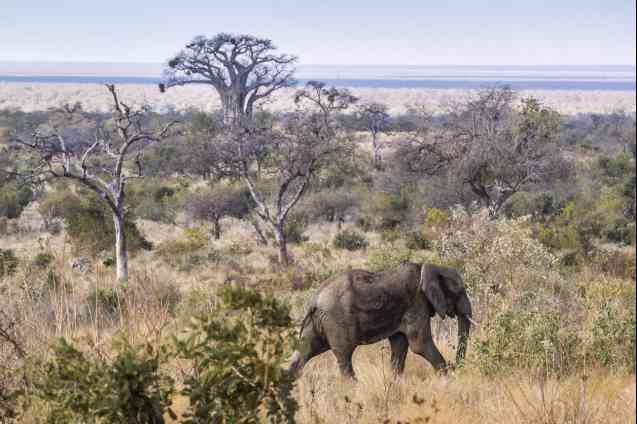
In South Africa, the baobab has been a protected tree since 1941. Sadly, the Glencoe Baobab in Hoedspruit and the Platland Baobab near Modjadjiskloof, both over 1000 years old, died between 2009 and 2017. The Sagole Baobab is still going strong.
The baobab in South Africa is the Sagole Baobab. Located in Tshipise, in Vendaland, the Sagole Baobab has a diameter of 10.47 m, a height of 22m, and a crown spread of almost 40 m. It would take between 18 and 20 people to encircle the tree with open arms.
The southernmost naturally occurring baobab tree in Africa is in the Kruger National Park. You can see this baobab 25km south of Satara Rest Camp.
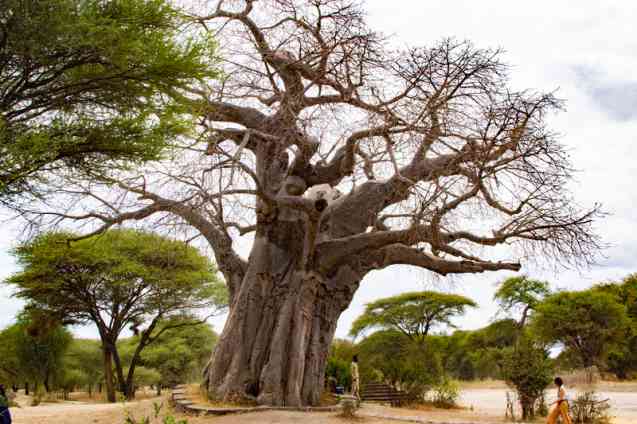
Baobabs are found in all national parks in Tanzania, but they are especially prevalent in Tarangire National Park. The 2800 km² Tarangire National Park is unofficially known as the "Baobab Capital of the World." This small park, near Lake Manyara, boasts the largest concentration of baobabs in Tanzania. The park's mountainous landscape is dotted with these gigantic trees, particularly around the Tarangire River. Baobabs are Tanzania’s national tree and play a vital role in the ecosystem and have significant cultural importance in the country. Watch out for elephants tearing into their bark, dwarfed by the sheer scale of these magnificent trees.
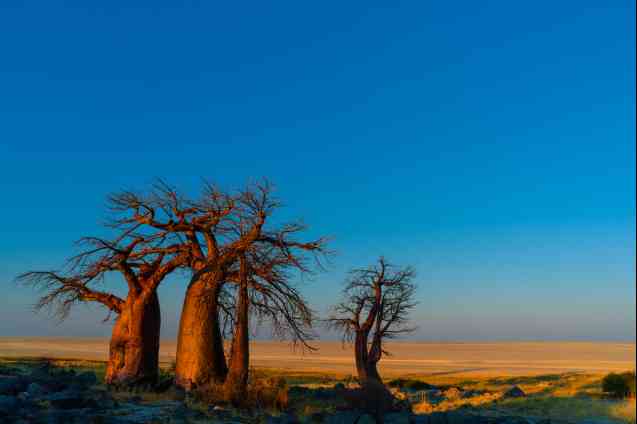
Nestled in the town of Outapi in Namibia’s Omusati Region in northern Namibia, the Ombalantu Baobab tree, known locally as Omukwa waNakafingo Na Temba, boasts a rich history spanning 750 years, as confirmed by carbon dating. This massive tree, with an 8.1-meter-wide trunk, has served multiple roles throughout its life. Its most remarkable feature is a hollow chamber capable of holding 60 people, historically used as a refuge during tribal conflicts. Over the years, it has also functioned as a post office, chapel, and community meeting place.
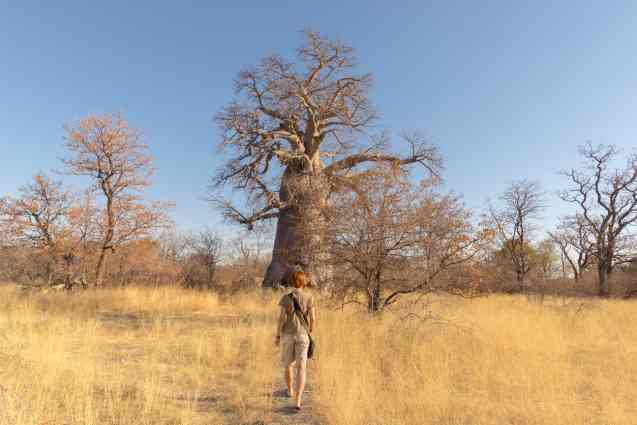
Now that you know the best places to see baobab trees in Africa, let's get planning. Are you ready for a baobab safari to see African baobabs and other unforgettable highlights?
Contact one of our experienced African Budget Safari consultants who can help you get the most out of your safari to Baobab country, be it in Kruger, Botswana, Namibia, or Tarangire.

Explore these destinations mentioned in this post.
Below you'll find further reading and articles related or similar to this post.




Call us toll free from US/Canada on 1-888-414-6513, or from the UK on 0-808-189-1052. All other countries can contact us on +27 21 791 0878.
© 2026 African Budget Safaris | Privacy | Terms | Cookie Policy | Consent Preferences

_(1)__thumb.jpg)


__thumb.jpg)

__medium.jpeg)