Choosing between a safari in Kruger National Park and Serengeti National Park is one of Africa’s great travel dilemmas. Both deliver iconic wildlife, Big Five sightings, and unforgettable landscapes, but the experience, cost, and travel style are very different.
This guide breaks down when to go, what you’ll see, how much it costs, and who each destination suits best, so you can confidently choose the safari that fits your travel style and budget.
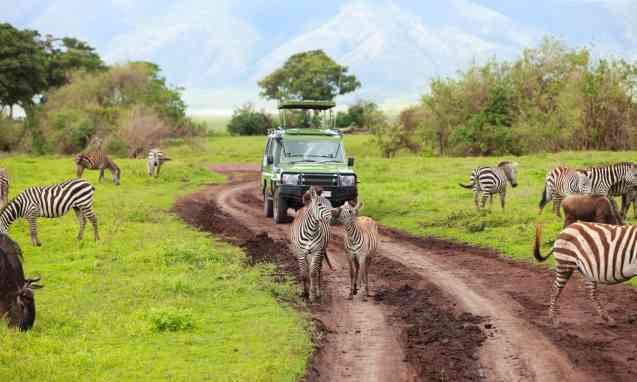
First off, you need to take into account the best time to visit, and whether that fits with your schedule.
Kruger National Park is a true year-round safari destination, but the experience changes dramatically by season. Winter delivers classic Big 5 game viewing, while summer offers greener landscapes, birdlife, and fewer international crowds.
Key Takeaway: Kruger is best in winter for first-time safari-goers and Big Five seekers, while summer suits repeat visitors, birders, and travelers combining safari with Cape Town.
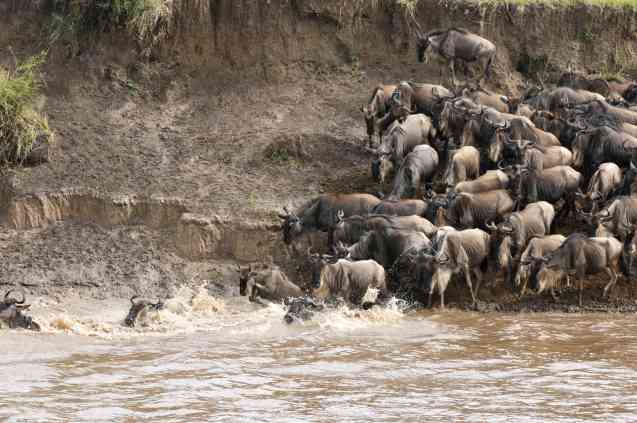
The Serengeti is also a year-round safari destination, but timing here revolves around one defining event: the Great Wildebeest Migration. Different months offer completely different experiences depending on where the herds are.
Thousands of newborn wildebeest attract predators
Outstanding photography opportunities
Some roads can be muddy after heavy rains
Takeaway:
The Serengeti shines for travellers planning around wildlife events, with migration crossings and calving season offering two of Africa’s most dramatic safari spectacles.

| Pros | Cons |
|---|---|
| Excellent Big 5 sightings | No off-road driving in public areas |
| Affordable safari costs | Wildlife is more dispersed in summer |
| World-class self-drive destination | Southern regions can get busy |
| Flexible travel planning | Guides optional, not automatic |
| Pros | Cons |
|---|---|
| Great Migration mega-herds | Higher overall safari costs |
| Vast open plains and predator action | Self-driving not advised |
| Seamless guided safari experience | Peak season crowds |
| Easy add-on to Zanzibar | Internal flights add expense |
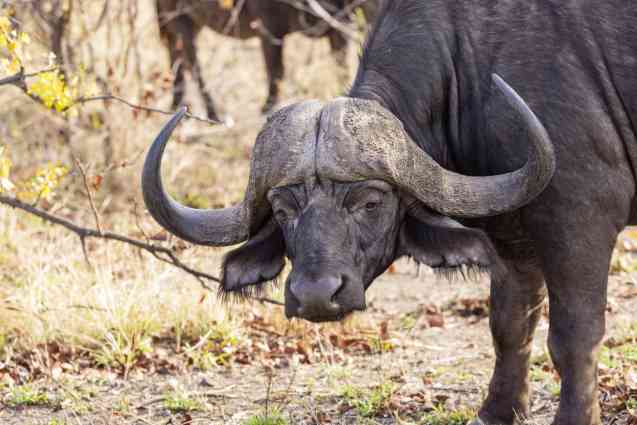
The biggest logistical difference between Kruger and the Serengeti is flexibility. Kruger rewards independent travelers and families, while the Serengeti delivers a fully guided, all-inclusive safari experience.
The Serengeti forms part of Tanzania’s famous northern safari circuit, usually accessed via Arusha and Kilimanjaro International Airport. Most itineraries combine the Serengeti with Tarangire, Lake Manyara, and the Ngorongoro Conservation Area.
Reaching the Serengeti involves either:
Once inside the Serengeti National Park, game drives are conducted in open 4x4 safari vehicles with experienced guides. Self-driving is possible but only recommended for very experienced off-road travelers.

Kruger National Park is located in South Africa’s Mpumalanga Province and is one of the easiest safari destinations in Africa to reach. Most travellers arrive via Johannesburg’s OR Tambo International Airport.
Kruger is serviced by several regional airports, including Skukuza, Hoedspruit, Phalaborwa, and Mbombela, with regular flights from Johannesburg and Cape Town. Many visitors also drive via the Panorama Route or through Eswatini.
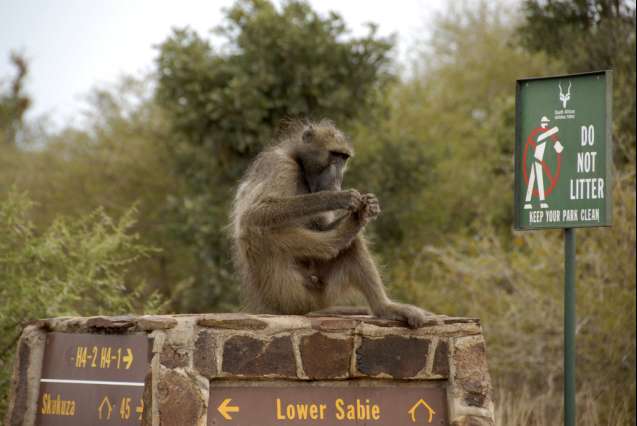
Kruger National Park has an excellent road network that makes it one of the world’s best self-drive safari destinations, offering flexibility, affordability, and ease of navigation.
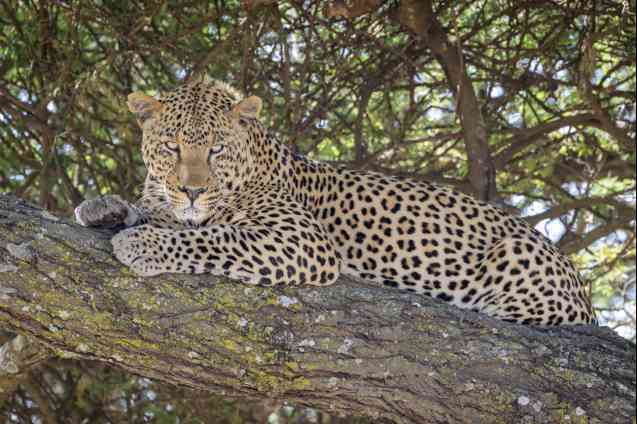
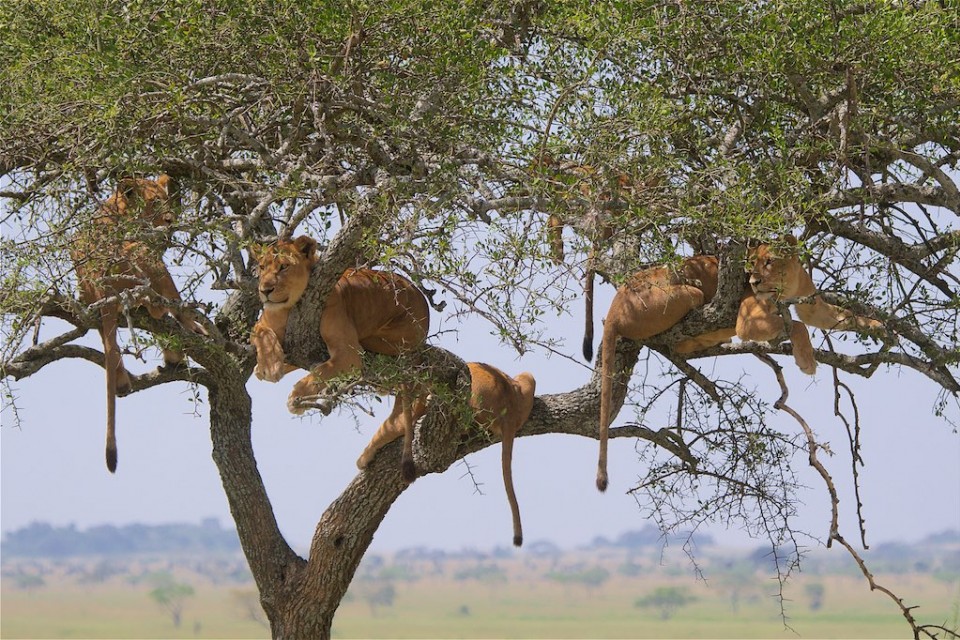
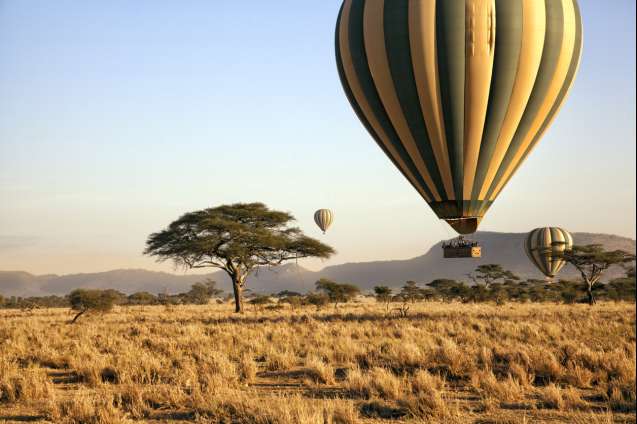
When visiting the Serengeti National Park, the main attraction is witnessing the mega-herds of wildebeest, zebra, and antelope that make up the great migration. Where the great migration flows, the predators are never far behind, and witnessing lions and hyenas on the hunt on the open savannah is a safari highlight.
Visitors to the Serengeti, with a good guide and some luck, are likely to see all of the Big Five as well as giraffes, eland, aardvarks, jackals, caracals, bat-eared foxes, cheetahs, African painted wolves, a plethora of smaller game including the Small Five; ant lion, leopard tortoise, rhino beetle, buffalo weaver, and elephant shrew.
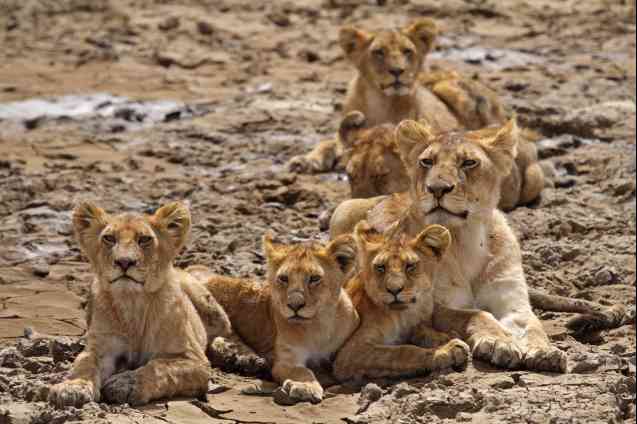
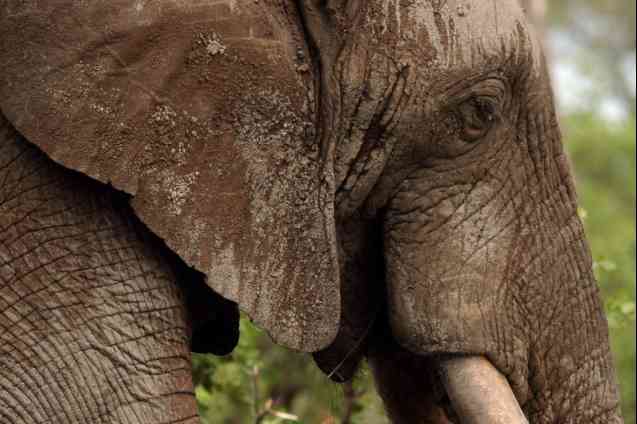
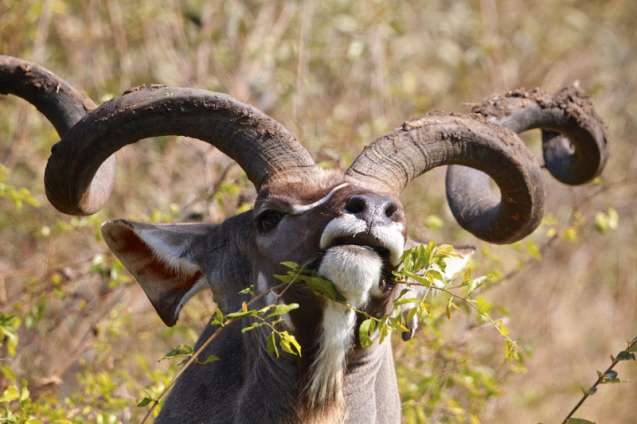
The Kruger National Park is an astounding destination that boasts 5 distinct vegetation zones, 148 mammal species, 336 tree species, 49 fish, 34 amphibians, 114 reptiles, and over 500 birds. Covering nearly 2 million hectares, Kruger National Park is most celebrated for being home to Africa's Big Five – lion, elephant, rhino, buffalo, and leopard. It is also, however, a haven for rare species like black and white rhinos, African painted wolves, cheetahs, and more. Other notable species include black sable, giraffe, zebra, impala, kudu, wildebeest, and eland.
Bird watchers must keep an eye out for the avian Big 6: the lappet-faced vulture, martial eagle, saddle-billed stork, kori bustard, ground hornbill, and Pel’s fishing owl, a group of birds synonymous with the park. Those who venture out on a walking safari can also see Kruger’s Little 5, the antlion, the eastern rock elephant shrew, the leopard tortoise, the red-billed buffalo weaver, and the rhino beetle.
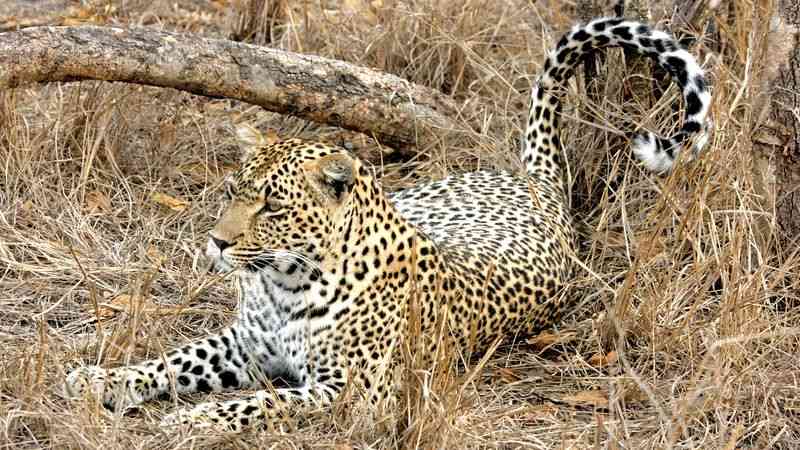
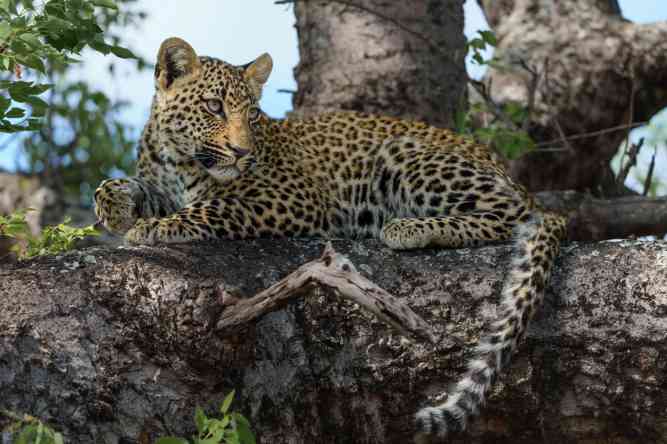
When visiting the Kruger National Park, most flock to the southern Kruger where water is abundant, and the wildlife viewing is spectacular. Southern Kruger has some of the best leopard sightings in Africa and is the best place to see all of the Big Five in a single visit. The reserves of the Greater Kruger, Sabi Sands, Balule, Thornybush, and Timbavati are outstanding and are famous for their excellent guided safaris and guides.
__medium.jpg)
__medium.jpg)
Safari costs vary by season, comfort level, and group size, but East African safaris are generally more expensive due to internal flights and guided logistics.
|
How much does a Serengeti safari cost? |
How much does a Kruger safari cost? |
|---|---|
Serengeti National Park
Tanzania Safari Costs*
*These prices are meant to give you a quick overview. For accurate and up-to-date safari prices, check out African Budget Safaris. How Much Does a Tanzania Safari Cost? |
Kruger National Park
South Africa Safari Costs*
*These prices are meant to give you a quick overview. For accurate and up-to-date safari prices, check out African Budget Safaris. How Much Does a South African Safari Cost? |
African Budget Safaris has a comprehensive safari cost guide to both the Serengeti National Park and the Kruger National Park. You can also check out our Safari Cost Guide for a general comparison of safari destinations across East and Southern Africa. Below is a quick breakdown of costs for the Serengeti and Kruger, as well as a few safari packages.
If you can't find what you are looking for, then talk to one of our experienced safari consultants who will be able to give you accurate information and advise you on the best choice for your specific budget. Below is a sample of 4-day, 6-day, and 7-day safaris to Kruger and to the Serengeti.
African Budget Safari specialises in small group safaris to Africa that won't break your budget. We have over 150 tours that visit Kruger National Park and 68 tours that visit the Serengeti.
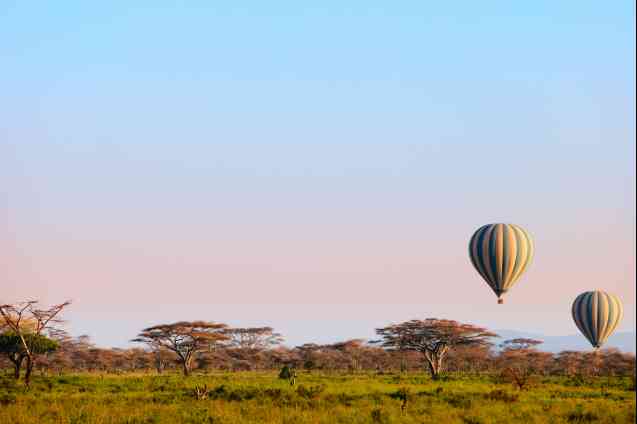
Both Kruger and the Serengeti deliver outstanding safaris, but they excel in different ways.
The Serengeti is unmatched for dramatic wildlife events, open landscapes, and predator-packed plains. It is ideal for travelers seeking a fully guided safari centred around the Great Migration, often combined with Ngorongoro, Lake Manyara, Tarangire, or Zanzibar.
Kruger offers exceptional value, flexibility, and some of Africa’s most reliable Big Five sightings. Its self-drive accessibility, wide range of accommodations, and excellent private reserves make it especially appealing to families, independent travelers, and budget-conscious safari-goers.
For value and Big Five reliability, Kruger comes out on top. For spectacle and scale, the Serengeti is hard to beat.
Ready to book a Big Five safari? Talk to one of our African safari experts today and start planning the trip of a lifetime.
Explore these destinations mentioned in this post.
Below you'll find further reading and articles related or similar to this post.


Call us toll free from US/Canada on 1-888-414-6513, or from the UK on 0-808-189-1052. All other countries can contact us on +27 21 791 0878.
© 2026 African Budget Safaris | Privacy | Terms | Cookie Policy | Consent Preferences











__large.jpg)