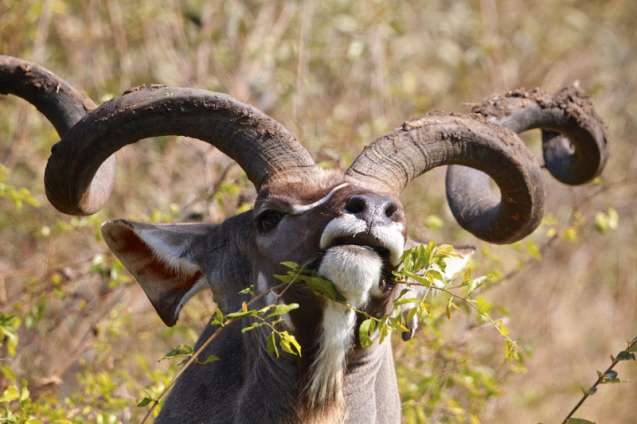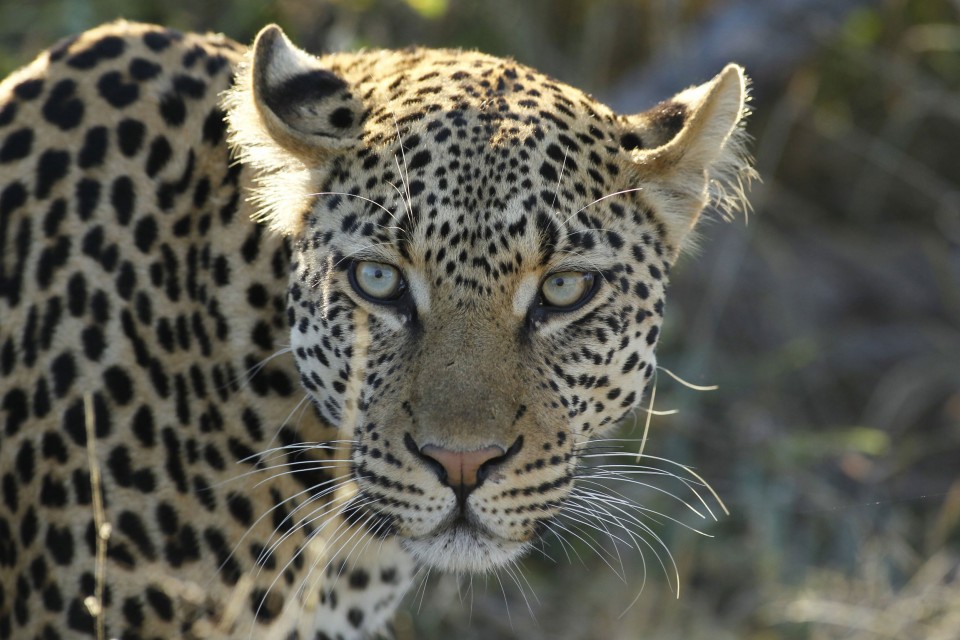
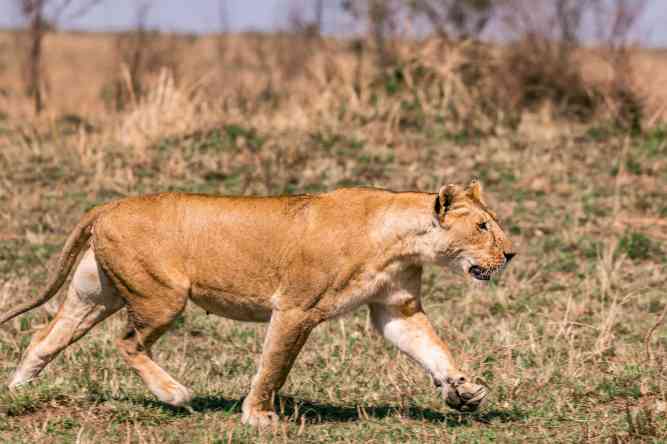
Going on an African safari is a once-in-a-lifetime experience! It is also a great unknown, especially if you're travelling to Africa for the first time. For those feeling a little nervous, here are some tips on what to expect on your first safari in Kruger National Park, South Africa.
These pointers are from my first South African safari in Kruger National Park, but the advice applies to African safaris elsewhere too. (Check out What is a safari? for more about wildlife safaris in Africa).

While winter temperatures can drop considerably, the average minimum – even in the dead of winter – seldom drops below 10°C. Mid-winter daytime temperatures average in the mid-20°C, so pack t-shirts, shorts, and sun cream, regardless of the season you’re travelling in! (for more about when to go see the Best Time to Visit Kruger National Park.
The people in Kruger National Park match the weather – they’re warm and hospitable and will go out of their way to ensure that your African safari is comfortable and pleasant. Don't forget to tip for good service.
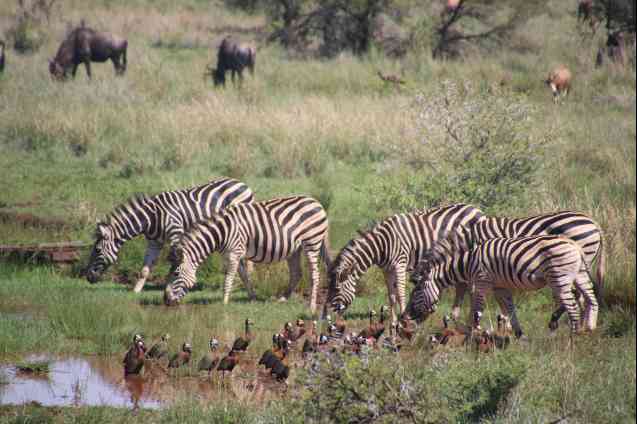
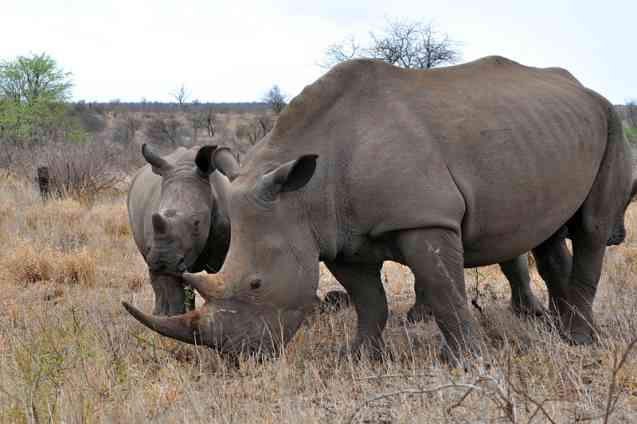
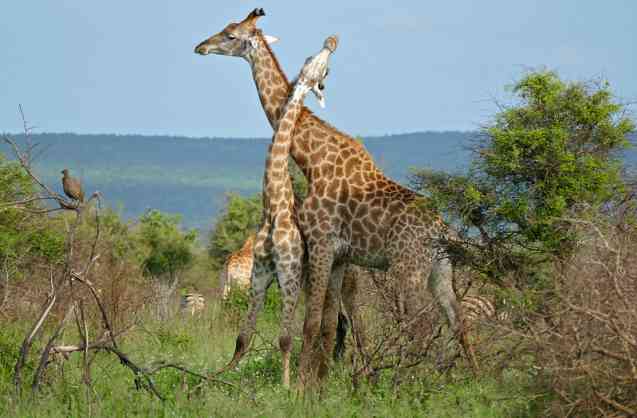
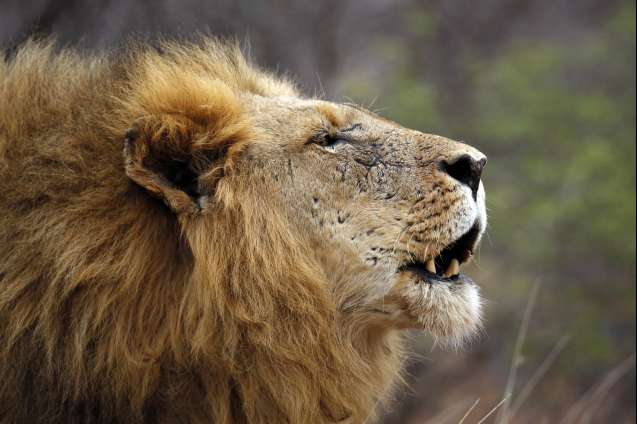
Expect to see all the incredible wild animals that Africa is known for, in abundance, on safari in Kruger National Park. This is Big 5 country and if you’re lucky, you’ll get to see them all in Kruger, and more! Remember, though, that one of the biggest ‘wow!’ factors of the Greater Kruger National Park is that it’s an enormous unfenced area (2,000,000 hectares), allowing the animals to move around freely in their natural habitat.
What this means for the safari-goer, is that nothing is guaranteed, but what you do see, is spectacularly exciting. An added bonus is that guides and trackers in the park are so skilled that they’ll ensure you’ll see as much as possible.
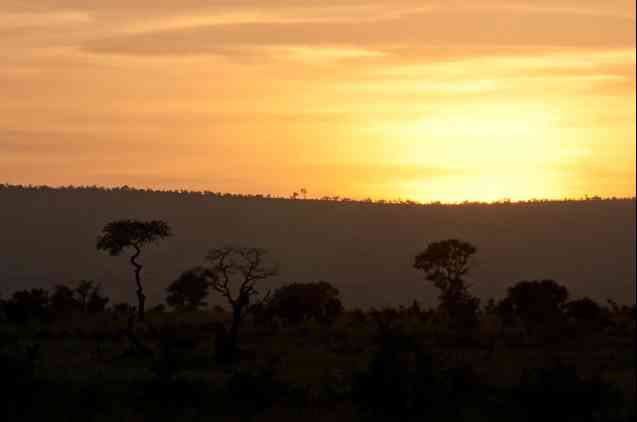
It is nearly impossible to describe the feeling of being on an early morning game drive. Watching the sunrise, the thorn trees making beautiful silhouettes, birds chirping, the fresh, cool air warming ... It’s breathtaking. Add to that, listening to an elephant chewing on a branch for its breakfast (we were that close!) and you’ve pretty much got perfection.
Camping out. While we didn’t do this, two young German girls that we met on the first night of our safari, did. After our braai in the bush, we left them behind to sleep under the stars, with two trained guides. We met up with them at breakfast on day three – they were tired and dirty, and positively beaming, having loved the experience of wild camping. Definitely one for the more adventurous type!
Dawn game drives and wild camping are just two of the many experiences offered on safaris in Kruger National Park. On Kruger Safaris, you can take night game drives or do walking safaris and more. Depending on where you go on safari other options include boat safaris, hot-air balloon rides, canoeing safaris, off-road game drives, and plenty of other adventures.
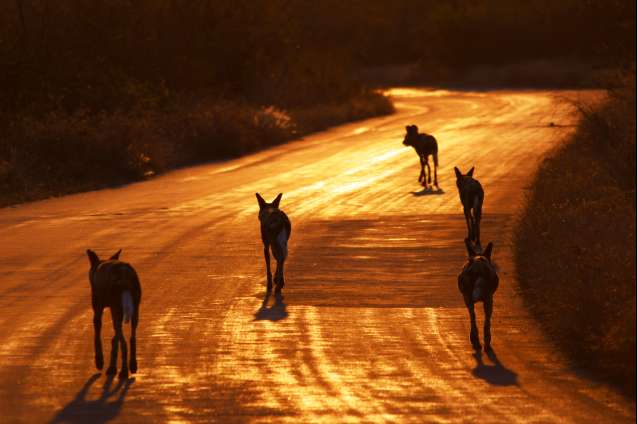
Look forward to spectacular sunsets on safari in Africa. At the end of your action-packed days, you'll get to sit back and watch the sun go down over the untamed bush. You'll usually raise a toast to your wildlife adventures, back at your safari lodge or out on your sunset game drive. Either way, the serene setting and beautiful views are unforgettable.

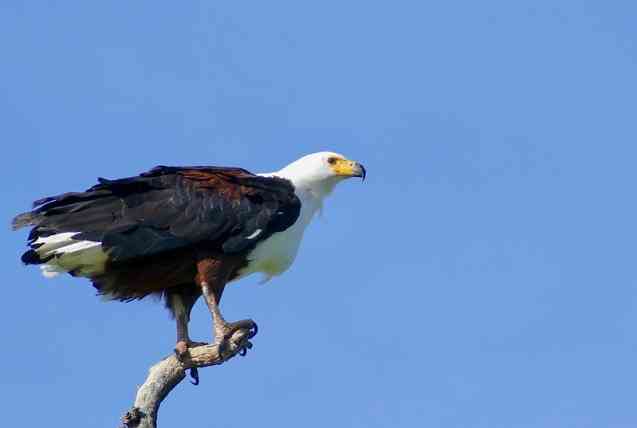
While people tend to focus on seeing the big animals, the birds one sees on an African safari are fantastic. From the gangly ostrich to the bright-blue Cape glossy starling to the unfortunate-looking southern ground hornbill, Kruger National Park hosts around 500 species of bird.
It also, unfortunately, has smaller, more annoying flying creatures, like mosquitos, so don’t forget your insect repellent!

Another often forgotten, but wonderful, aspect of an African safari in Kruger National Park, in particular, is the flora. In Greater Kruger National Park, this includes the huge acacia trees iconic to African safaris, Dr. Seuss-like baobabs, and green-barked fever trees that lead to vast savannas of grazing wild grass. A walking safari to see, smell, and feel the textures of the African bush, is highly recommended.
African safaris can be affordable, excellent-value-for-money holidays. Not all safaris are luxury holidays for the rich and famous. Expect to spend from about $150 per person per day for an all-inclusive African safari package. A safari in Kruger National Park, for example, can be surprisingly cheap for high-quality safari packages (for more details see How much does a Kruger Safari cost?).
__medium.jpg)
While there is generally a set program on African safaris, with specific times for meals and activities, remember that these are not set in stone. This is the wild, and the wild is beautifully unpredictable. From trees pushed over by elephants (blocking the road) to sticking around to watch lion cubs frolic and play, time is ever-so-slightly mercurial in the African bush: I’d recommend leaving your watch at home!
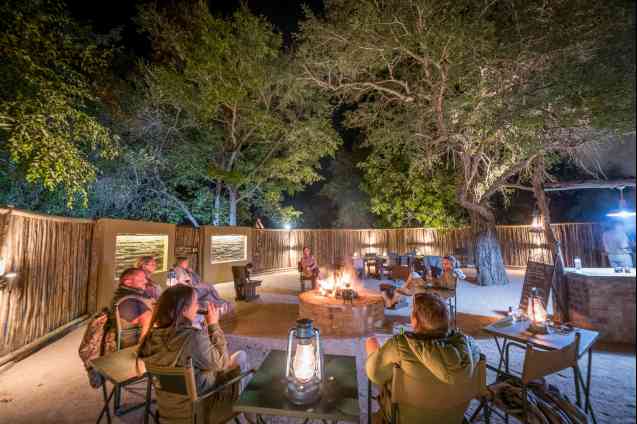
In just three days, I made friends with an older couple from Melbourne, a newly married couple from Poland, two young girls from Germany, a couple who spend their time between Spain and Thailand, and a lovely Spanish guy who lives in New York.
It’s one of the joys of travelling and sharing experiences. In general, meals on African safaris are communal, with everybody sharing tables and stories from their days – who saw what, where. From there, it’s a hop, skip, and a jump to friendships formed around campfires beneath the magnificent African, star-scattered night sky.
The bottom line of what to expect on an African safari: incredible experiences, sights, and sounds that’ll amaze you, vast open skies and land that stretches out forever, fresh air, new experiences, fantastic wildlife and birdlife, new friends, and natural exhilaration.
For more about what to expect on safari in Kruger National Park chat with a safari expert.
[Updated in June 2022 | Originally published in 2016]

Explore these destinations mentioned in this post.
Below you'll find further reading and articles related or similar to this post.




Call us toll free from US/Canada on 1-888-414-6513, or from the UK on 0-808-189-1052. All other countries can contact us on +27 21 791 0878.
© 2026 African Budget Safaris | Privacy | Terms | Cookie Policy | Consent Preferences





__medium.jpg)