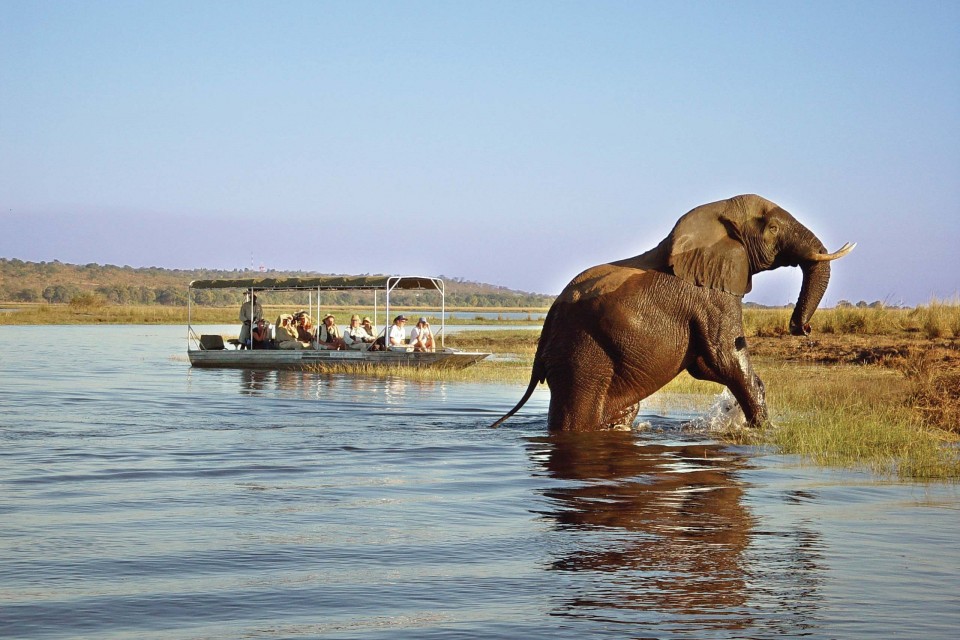

Planning a safari in Africa? Get ready for the adventure of a lifetime! But before you set off for sundowners overlooking the savannah, let’s look at what’s inside your suitcase. Getting your safari packing list right is essential.
Pack too much, and you’ll curse your overloaded duffel when it’s not allowed on the bush flight. Pack too little, and you might find yourself sunburnt, freezing, or swatting away mosquitoes like it’s a full-time job.
Our easy guide on what to pack for African safari trips will give you everything you need to bring for a comfortable, hassle-free safari (including a few pro tips)
These are the most important things to take on safari with you. You do NOT want to forget to pack these items. In fact, you won't be going anywhere without some of them.
1. Passport: Make sure it's not expiring soon and that you have enough blank pages.
2. Cash and Credit Cards: You can also use e-wallet apps to avoid carrying cards and cash, but not all places accept tap and pay. You'll also need cash for tipping.
3. Download Your Tickets and Travel Vouchers: In case there is no Wi-Fi and you need proof of onward travel or tour operator contact details.
4. Vaccination Certificates: Some African countries require a yellow fever certificate, and you need to have your shot at least 3 weeks before you travel. Vaccinations needed for your African Safari for more info.
5. Medication: Malaria prophylactics if advised (see Malaria Made Simple) and any personal medication (also take your prescription in case of an emergency - your medication gets lost, wet, eaten by a baboon, etc)
6. Travel Insurance Policy Details: Your policy number and the contact details for claims and emergencies. (Comprehensive travel insurance is mandatory for African safari bookings).
7. Copies of Your Important Documents: It's always a good idea to have hard copies of your visas, passport, travel insurance policy, air tickets, emergency contacts, etc., in case your cellphone is lost or stops working.

1. Lightweight, long-sleeved shirts & trousers: These will protect you from the sun, scratchy bushes (if you're walking in the wild), and biting insects. Opt for breathable fabrics like cotton or moisture-wicking synthetics. It will keep the sun and insects at bay while helping you stay warm in the evenings and cool during the day.
2. Shorts & t-shirts: Perfect for warm afternoons at the lodge and other activities.
3. Fleece or lightweight jacket: Most game drives start before sunrise and end after sunset. A fleece or lightweight jacket like a puffer can keep you warm as the day warms up and down.
4. Waterproof jacket: Usually, a lightweight, rainproof jacket will be enough for cool nights unless you're heading to more mountainous and colder areas (check seasons and ask your travel advisor).
5. Wide-brim hat: When it comes to choosing a sun hat, go with functionality over form. Take a snug-fitting peak or one of those typical safari hats that complement khaki shorts and protect your neck too. A round-brim hat with a drawcord to keep your hat on in windy conditions is best.
6. A warm hat (aka a beanie): early mornings and evenings can get chilly, especially on game drives, so take a warm hat.
7. Sunglasses (polarised preferred): Cut down glare and protect your eyes from the harsh sun.
8. Swimsuit: Many lodges have pools, and you’ll want to take advantage of them to cool off in the afternoon.
9. Lightweight scarf or buff: Handy for keeping dust out of your face on game drives.
10. Comfortable closed-toe shoes: Sneakers or lightweight hiking shoes work well. You don't need Doc Martens or army boots, just worn-in, comfortable, and sensible footwear. Leave the platforms and high-heels at home.
11. Flip-flops or sandals: Ideal for lounging around the camp or the beach.
12. Gaiters: If you’re doing extensive walking safaris or trekking to see the gorillas, these protect against leeches, thorns, and debris.
13. Gloves: If you’re travelling in winter (May to August) or you're someone who feels the cold easily, bring a pair of warm gloves to wear on game drives.
Pro Tip: Many safari lodges offer laundry services, so you don’t need to pack a fresh outfit every day.

1. High SPF sunscreen: The African sun is no joke, even on cloudy days. If you're coming from a colder country like the UK, where you aren't exposed to harsh sun frequently, you'll want to keep reapplying throughout the day to avoid painful sunburns.
2. Lip balm with SPF: Your lips will thank you.
3. Insect repellent (DEET or natural alternative): Insect repellent does NOT replace the need for anti-malaria medication! Packing insect repellents is recommended in conjunction with malaria prophylaxis, especially in high-risk malaria areas.
4. Anti-malarial medication: Not getting bitten and bugged by mosquitoes also makes travelling far more pleasant, but taking anti-malaria medication is the most essential part, so check if you need to take precautions well in advance.
5. Aloe vera or after-sun lotion: For when you forget to reapply sunscreen.
6. Mosquito net: Some lodges provide them, but having a compact, treated one can be useful.
7. Tick remover: Ticks can be an issue if you’re doing bush walks. You can also get spray to pre-treat your clothes and shoes to repell insects.
8. Antiseptic cream: A multi-purpose ointment for minor scratches, bites, and burns (like Zam-buk).

1. Binoculars: You don't want to wait to share binoculars because by the time it's your turn, the action is often over. Take your own binoculars, even night vision binoculars if you can!
2. Camera & extra memory cards: Safari photography eats up storage fast. If you can, bring a mirrorless camera (it's smaller than a DSLR) and rent a decent zoom lens (200-400 mm).
3. Spare camera batteries & charger: Electricity can be spotty in remote areas, and you might stay at a lodge with no battery charging facilities.
4. Power bank: For keeping your phone and camera charged on long game drives.
5. Headlamp: Super useful for navigating camp at night. The head torch frees your hands, and you can get options with red lights for watching nocturnal animals without chasing them away. (Remember to pack extra batteries or a USB rechargeable head torch and pack the charging cable.)
6. Small backpack/daypack: For carrying essentials on game drives.
7. Reusable water bottle: Stay hydrated and avoid single-use plastics.
8. Multi-tool or Swiss Army knife: You'll get lots of opportunities to utilize your pocket knife and feel like a real outdoor survivor.
9. Earplugs: If you're a light sleeper or someone who takes a while to get comfortable sleeping in a new place, earplugs are a game-changer.
10. Dry bags: Protect your electronics and clothes from dust and rain.
11. Hand sanitiser (spray or gel): Most places you go will have hand sanitiser, but it is best to carry your own just to be safe.

1. Travel pillow: For long-haul flights or bumpy safari drives.
2. Deck of cards or travel games: Great for downtime at the lodge.
3. Lightweight hammock: A great option if you're booking a beach and safari combo.
4. Collapsible walking stick: This is helpful if you're going on walking safaris or gorilla trekking and want the extra support.
5. Reusable coffee cup: Many lodges encourage sustainable practices.
6. Guides/Apps: Get insight and useful information about the wild things you encounter in Africa (see Top 6 Wildlife Apps for your African Safari)
7. Sarong or kikoi: It can be used as a scarf, an extra layer for warmth, to keep the sun and mosquitoes off your skin, as a picnic blanket or lightweight towel or small pillow, and more.
8. Reusable shopping bags: Handy for carrying things on day trips, boat rides, beach outings, and market visits. Fabric shopping bags are great alternatives to plastic bags, which are banned in many African countries.
9. A good book, iPod, iPad, or games: To keep you entertained on the road and while waiting for transfers and relaxing on your safari.
10. Headphones: Always a good idea if you want to listen to music or an audiobook while in transit or the evenings before going to bed.
1. Camouflage clothing: It is illegal for civilians to wear camouflage clothing in many African countries.
2. Drones: Unless you have a permit, it’s best to leave it at home, as most national parks do not allow drones for security reasons.
3. Plastic bags: Plastic bags are banned in Kenya, Tanzania, and Rwanda (bring reusable pouches instead).
4. Hair dryers & high-powered appliances: Many lodges use solar power and can’t handle the wattage.
5. Heavy books: Opt for a Kindle or audiobooks instead.
6. Items prohibited by airlines: Check your airline regulations (seeds, plants, certain foods, etc).
7. Disposable water bottles: Most safari trucks and lodges have water dispensers for topping up reusable water bottles. Alternatively, buy a big 5 or 10-litre water container and top-up from that along the way.

If you want to give back to local communities, always check with your safari agent or operator about what’s needed before bringing donations. You could also add the following to your safari packing list:
1. School supplies: Notebooks, pencils, and colouring in books.
2. Extra clothes or shoes
3. Reusable sanitary products
Some responsible travellers donate their old camping gear, sleeping bags, clothes, and shoes to charity at the end of their safari trips which is another easy way to give back (see Responsible Safari: how to travel ethically).

Pack lightly and use soft-sided luggage: Many safari flights have strict weight limits (usually 15kg/33 lb per person) and don’t allow hard suitcases. Go with a good quality, hardy duffel bag that is light and secure. You can even get soft bags with wheels and handles. Just make sure that your bag can be secured properly with sturdy locks.
Divide essentials between bags: Pack your essential documents separately from your copies. Divide your cash and cards to avoid putting all your "eggs" into one basket.
Keep the most important things on you: Use a moon bag or a bay pack to hold your documents and other essentials you don't want to risk going missing while in transit.
Avoid bright primary colours and neons: Opt for muted tones (beige, khaki, pastel green, light blue, etc) instead.
Dress for the culture: Some cultures are more conservative than others, so dress respectfully (wear clothes appropriate to the local customs).
Use travel-size containers: Decant your toiletries into smaller containers to save space (shampoo, conditioner, moisturiser, etc).
Check to see if you need to bring towels and bedding: Sometimes, it's not included in the price of your tour. Check when you book your safari.
Remember, your guides know where to stop for supplies and can get hold of the most important things if and when you are caught unprepared.


There you have it - the Easy Safari Packing List for the best African safari on a budget. Oh, and one more thing... Don't forget to bring a healthy sense of adventure with you to Africa : )
If you have any essentials or nice-to-have items to add to our Easy Guide on What to Pack for African Safaris, we would love to know!
Talk to a safari pro for travel advice and tips on planning your African safari. And, let's get packing!

Below you'll find further reading and articles related or similar to this post.




Call us toll free from US/Canada on 1-888-414-6513, or from the UK on 0-808-189-1052. All other countries can contact us on +27 21 791 0878.
© 2026 African Budget Safaris | Privacy | Terms | Cookie Policy | Consent Preferences







_map__large.jpg)