
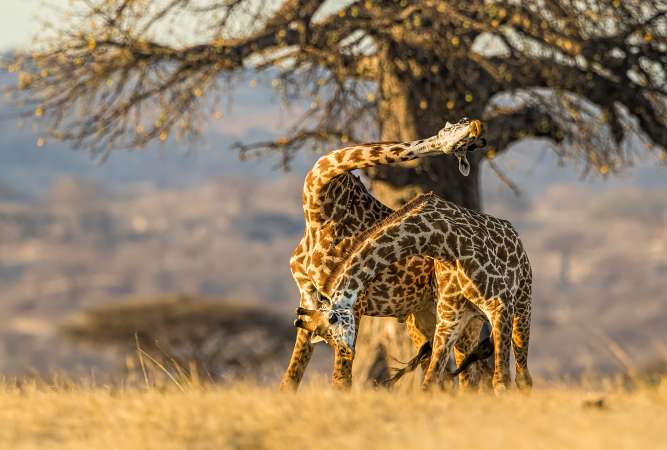
Going on safari is one of the most thrilling travel experiences on the planet.
Watching elephants cross a river at sunset, hearing lions roar after dark, or tracking a leopard through the bush are moments that stay with you forever.
At the same time, safaris take place in wild environments where safety depends on preparation, awareness, and following expert guidance.
This guide focuses on safari safety from an activity-specific perspective.
Rather than vague reassurance, it explains how to stay safe on safari during game drives, walking safaris, and camp life.
It also brings safari safety firmly into the modern world, covering digital safety, communication tools, and emergency response planning for travellers heading to Africa in 2026 and beyond.
With the right knowledge, safari travel is not only safe but also deeply rewarding.
Millions of travellers enjoy African safaris every year without incident, especially when they travel with experienced operators like African Budget Safaris and follow clear safety protocols.

The vast majority of people who go on safari in Africa have a perfectly safe trip.
How safe your African safari is largely comes down to the risks you take and whether you choose to follow sound advice.
Of course, unexpected things happen - anywhere at any time, and safaris are no exception, but the safari safety tips in this article will certainly help you prepare for your trip in the safest way possible.
At African Budget Safaris, safari safety is not a theoretical exercise.
Our itineraries are designed in close collaboration with licensed guides, conservation authorities, and on-the-ground operators who work in Africa’s national parks every day.
Our safety approach is built around prevention, not reaction.
That means choosing experienced guides, following park regulations to the letter, and educating travellers about responsible behaviour in wildlife areas.
When guests understand how animals think and why rules exist, safaris become not only safer but far more rewarding.
This field-led approach reflects decades of combined safari planning experience across East and southern Africa, and aligns with best practice guidance from conservation bodies, park authorities, and emergency response providers.
__medium.jpg)
While African safaris are overwhelmingly safe, it’s important to acknowledge that political unrest, protests, or border closures can occasionally affect certain regions at short notice. Our team actively monitors local conditions in close consultation with on-the-ground partners, park authorities, and regional safety briefings. If safety conditions change, we advise guests before travel and, where necessary, adjust itineraries or cancel trips to avoid risk. Traveller safety always comes first, and flexibility is built into our planning process.
Safari safety is about managing risk, not eliminating adventure.
African wildlife reserves are carefully regulated environments where trained guides, strict park rules, and well-established procedures work together to keep visitors safe.
At the heart of safari safety is one simple principle: you are a guest in the animals’ home. Respecting wildlife, listening to guides, and understanding how safari activities operate are the keys to staying safe throughout your experience.
Game drives follow designated routes, walking safaris are carefully controlled, and camps are designed to minimise risk while still offering an immersive bush experience.
If you are researching destinations, it is also worth understanding that many safari countries rank highly for traveller safety.
You can explore this further in our guide to the safest countries to visit in Africa.
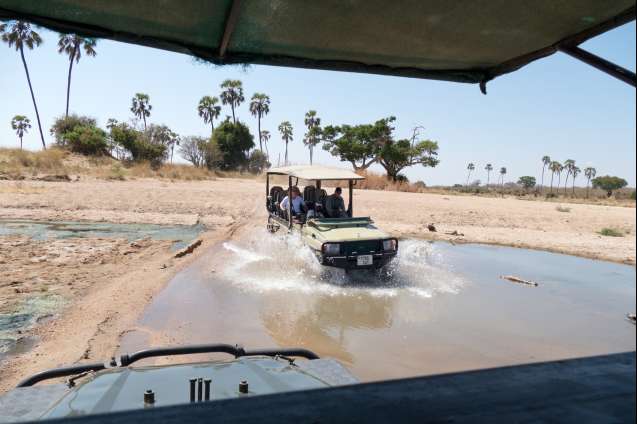
Wildlife viewing safety begins with understanding that animals are wild, unpredictable, and not accustomed to human behaviour in the same way as zoo animals are.
Safari guides undergo extensive training to read animal behaviour, recognise stress signals, and anticipate potential danger.
Animals react to noise, movement, scent, and body language.
Sudden movements, loud talking, or standing up in vehicles can trigger defensive responses, particularly from elephants, buffalo, and predators with cubs.
Never attempt to touch animals or encourage them closer. Even herbivores can be dangerous if startled or protective.
Feeding wildlife must also be avoided, as it disrupts natural behaviour and can lead to aggression toward vehicles.
As Monica Wambui from Asili Adventure explains, “Never approach animals too closely. Do not whistle, harass animals, or interfere with hunts; remember you are an observer only".
Game drives are the most common safari activity and also one of the safest when rules are followed.
Guests should remain seated at all times unless a guide explicitly says otherwise, and sudden movements should be avoided.
Safari vehicles are designed to be perceived by animals as neutral objects within the landscape. Standing up, leaning out, or excessive movement breaks that visual profile and increase risk. Guides understand animal behaviour and park regulations best, so their instructions should always be followed.
Photography is a key part of the safari game drive experience, but it must be done responsibly.
As Wambui makes clear, “It’s best to use a camera with a good zoom lens (200-400mm+) to get close-up images of animals without encroaching on their space. You should also stick to daylight hours - night photography is prohibited, because flash use startles wildlife. Exercise patience when trying to get the right shot and always get consent before photographing local people”.

Walking safaris offer an extraordinary connection with the bush, but require heightened awareness, discipline, and trust in the guide leading the activity.
As John de Jager from Sunway Safaris recommends, “On foot, the best practice is to remain quiet and walk in single file behind your guide. This allows for the easiest management of the group’s movement and for guides to respond quickly to wildlife encounters.”
Guides use hand signals to instruct guests when to stop, crouch, or change direction. These decisions are based on wind direction, animal tracks, and nearby sounds, and should be followed immediately.
As De Jager clarifies, “Follow your guide's instructions at all times and respect safe distances from wildlife. These protocols ensure both guest safety and wildlife wellbeing.”
Walking independently in safari areas should never be attempted. Even experienced travellers should not attempt walking safaris unaccompanied.
Appropriate clothing also plays a role in walking safari safety. De Jager adds that, “Guests on walking safaris should wear neutral coloured clothing, long sleeves, closed walking shoes and a hat, avoiding bright colours and strong scents that may attract attention.”
Dark blue and black clothing is best avoided, as these colours are known to attract tsetse flies in some regions.
On foot, it is critical never to run, even if wildlife is nearby. Animals interpret running as a threat or prey behaviour, which can trigger a dangerous response. Hippos and crocodiles in particular can move far faster than expected over short distances, and guests should never underestimate their speed. Picking plants or flowers is also prohibited, both for safety and conservation reasons.

Safari vehicles are purpose-built for rough terrain and wildlife encounters.
They are usually open-sided or pop-top vehicles that allow excellent visibility while maintaining safety.
Most vehicles are fitted with roll bars, reinforced frames, and radio communication systems.
Seat belts are increasingly standard and should always be worn when provided, particularly on uneven tracks.
“A key part of safari safety is how participants behave inside the vehicle”, explains Fiona Kathure from safari operator, African Horizons
“Keeping arms and other limbs inside the vehicle at all times is essential”, she goes on to explain, “as branches, sudden turns, and close wildlife encounters make protruding limbs risky… And no photo is worth the risk.”
Kathure also outlines how, “Participants should remain seated, keep voices low, and avoid sudden movements or anything that might distract the driver, as guides are constantly scanning the environment, listening for animal sounds and communicating with other vehicles.”
Guests should never ask guides to exceed speed limits or deviate from designated routes. These rules exist not only for guest safety, but also for conservation and wildlife protection.
As Kathure summarises, “By following the guide’s instructions and being patient observers, participants help create a safer experience for themselves while allowing wildlife to remain calm, natural, and truly wild".
Eating and drinking during game drives should be limited to designated stops such as picnic breaks or sundowners. Sweet drinks attract insects, and food packaging creates litter, both of which increase risk and negatively impact the environment.
African bush vegetation is often dense and thorny, and low-hanging branches can be hazardous when vehicles manoeuvre off paved roads. Keeping all arms and legs inside the vehicle protects guests from injury as well as from sudden wildlife encounters.
Smoking is not permitted on safari vehicles, as it poses a serious fire risk in dry bush environments and can disturb wildlife. Even a small spark can have dangerous consequences in savannah and woodland habitats.
Night drives offer the chance to see nocturnal species, but come with additional safety rules.
Spotlights should only be operated by trained guides or trackers. Improper use can disorient animals and increase risk.
Guests should remain particularly quiet during night drives. Sounds travel further in cooler air and can attract the attention of curious predators, making calm behaviour essential after dark.
Driving and road conditions differ broadly depending on the country you’re driving in.
South African road conditions (on major routes) are relatively good and well-maintained, but conditions deteriorate as you move into the countries further up Africa.
Carefully consider choosing the self-drive option as it may add extra, unnecessary stress to your African holiday.
Find out about road conditions in the area you’re visiting before choosing your vehicle.
Some areas may require a 4x4.
Travellers choosing a self-drive safari are strongly advised to book guided game drives or walking safaris within national parks and reserves. Professional guides understand animal behaviour, park rules, and local conditions, reducing risk while greatly improving wildlife sightings and overall enjoyment.
Safari camps and lodges are carefully positioned to blend into the environment while maintaining guest safety.
Many are unfenced, allowing wildlife to move freely through the area.
Guests are briefed on arrival about camp rules, pathways, and safety procedures. These briefings are not optional and should be taken seriously.
Never walk alone at night. Staff escorts are provided for good reason and are trained to spot animals in camp areas.
You should also use torches after dark. Many animals are most active at night, and visibility is essential.
As Jessica Salmon from FlatDogs Camp in Zambia explains, “We warn our guests that there can be large, dangerous animals in camp and that they should not, under any circumstances, approach any wildlife, or aim to be closer than 50 metres if on foot at any time.
After dark, we have night watchmen on duty ready to walk with guests to or from the main restaurant and bar area. There is a light switch system in place for guests to call the watchmen when they would like to leave their accommodation. ”
If you’re staying in tented accommodation while on safari, ensure flaps and doors remain zipped. This prevents insects, snakes, and curious animals from entering.
Salmon also makes clear that, “Guests should not keep any food (including snacks or sweets) inside the safari tents. Animals (especially elephants and baboons) can be very determined when it comes to food, and have incredible senses of smell, so we store food for guests in our cold store in the kitchen.” Food Safety in Camps and Lodges
Food preparation standards in reputable safari camps are high, often exceeding those found in urban restaurants.
As with anywhere, the advice when on safari is to wash your hands regularly and use hand sanitiser frequently, especially before meals.
Drink only filtered, treated, or bottled water as advised by your lodge.
Ice is usually safe in established camps, but always ask if unsure.

While many of Africa’s larger cities are infamous for high crime levels, following a few simple rules will ensure that your trip is happy and incident-free!
The first moments after arrival are often when travellers feel most vulnerable. At airports, keep your luggage close and avoid engaging with unregistered taxi drivers, tour sellers, or unsolicited helpers. Official transport options are clearly marked and are always the safest choice.
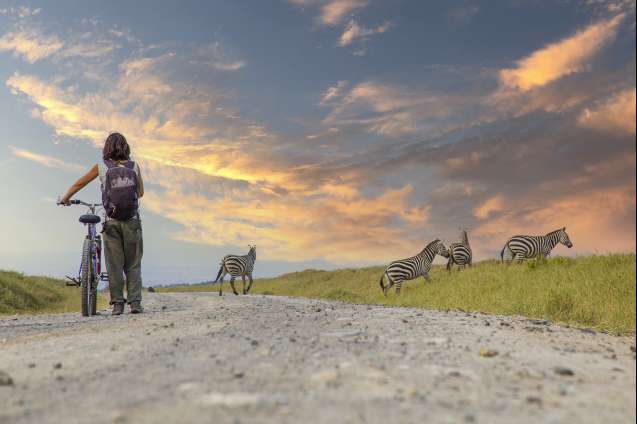
Safari safety includes personal health planning well before departure.
Consult a travel health professional about recommended vaccinations for your destination at least 2 months before departure.
Common recommendations may include yellow fever, hepatitis A, and tetanus.
Some of these are mandatory to enter certain countries, so ensure you check the requirements in advance and bring all certificates and proof of vaccination with you.
Malaria prevention remains important in many safari regions, so seek advice from health care professionals at least 1 month before you travel and use prescribed prophylaxis if recommended.
The main way of preventing malaria is to not get bitten by mosquitoes, so take appropriate precautionary measures, such as sleeping under mosquito nets, wearing long sleeves and long pants between dusk and dawn.
Travelling with, and frequently using, a good insect repellent is also essential.
Travellers should also be aware that HIV is prevalent in parts of Africa, as it is in many regions worldwide. Practising safe sex is essential, and while condoms are widely available in pharmacies and shops, it is advisable to bring your own for peace of mind.
African safari destinations can be hot and dry.
Dehydration is one of the most common health issues travellers experience.
Drink water regularly throughout the day, even when not thirsty.
Use high SPF sunscreen, wear a wide-brimmed hat, and consider UV protective clothing.
As Susan Minnar from Chameleon Safaris, based in Namibia, clarifies, “Dehydration and sun exposure are the two most underestimated safari risks. We regularly see guests more affected by the heat than wildlife. Drink water constantly, not just at meals, and protect your skin every day. Managing heat and hydration keeps energy levels high and prevents small issues from becoming trip-ending problems later.”

While COVID-19 is no longer a major travel restriction for most safari destinations, it’s still important to check current entry requirements and health guidance before you travel.
Some countries may require proof of a yellow fever vaccination depending on where you’re arriving from, and travel health recommendations can change based on outbreaks, seasons, and regional conditions.
We recommend checking requirements in advance and speaking to a travel health professional if you’re unsure what vaccinations or precautions apply to your route.
If you’d like help confirming the latest requirements for your safari itinerary, our team can advise you before you travel and help you plan a safe trip with one of our trusted safari partners.
Inform your safari operator of any medical conditions before travel. This allows them to plan activities and accommodation appropriately.
While most African safari vehicles and accommodations have their own basic first aid kit, it is advisable for you to bring your own.
Ask your local travel clinic for advice on what the kit should contain.
Also, make sure you travel with any medications you take regularly (i.e. on prescription), as asthma medicine supply in some parts of Africa may not be all that reliable.
Ensure you carry all personal medications in their original packaging and pack extras in case of luggage delays.

Modern safari travel involves smartphones, cameras, cloud storage, and social media sharing. While these tools enhance the experience, they also introduce new safety considerations.
Digital safety on safari is about protecting personal data, devices, and your physical location.
Download essential travel and safety apps before departure. This includes offline maps, medical information apps, and emergency contact tools.
Ensure apps are updated before travel. Updates may not be possible in remote areas.
Disable unnecessary app permissions that track location or access personal data.
Safari photography is a major highlight, and images are often irreplaceable.
Back up photos daily, where possible, using secure cloud services or portable hard drives.
Use password protection on devices. Safari camps are safe, but shared spaces mean devices should always be secured.
Avoid using public computers for photo transfers or account logins.
Some travellers use GPS trackers or location-sharing apps for peace of mind, but ensure you share live location only with trusted contacts.
Understand that GPS signals may be unreliable in remote parks and should not replace official communication systems.
Avoid broadcasting real-time location publicly.
Posting safari content in real time can create safety and privacy issues.
Instead, it’s best to delay posting until you have left a location and avoid tagging exact lodge locations while still on site.
This reduces risks related to theft and personal safety.
Be respectful of wildlife and local communities when sharing images.

Mobile coverage in safari areas varies widely by country and park.
Cell coverage is improving, but remains unreliable in remote reserves.
Satellite phones provide the most reliable communication in emergencies. Many safari operators carry them as standard.
Travellers with specific medical needs may consider renting a satellite phone for added reassurance.
Personal locator beacons and satellite messengers are increasingly popular for remote travel.
These devices allow SOS signals to be sent even without cell coverage.
They are particularly useful for walking safaris, fly-in safaris, and remote wilderness areas.
Many safari camps now offer Wi-Fi, often via satellite connections.
Use VPNs when accessing sensitive accounts over camp Wi-Fi and avoid online banking or financial transactions on unsecured networks.
Log out of accounts after use and disable auto-connect features.

While serious incidents on safari are rare, preparation is a core part of safari safety.
Professional operators maintain clear emergency response plans that cover medical, evacuation, and communication scenarios.
Understanding these plans helps travellers feel confident and informed.
Most of our safari operators work with specialist evacuation providers who use light aircraft or helicopters.
Evacuation plans depend on location, weather, and medical urgency.
Remote camps typically have airstrips or helicopter landing zones nearby.
Travellers should understand evacuation timelines and limitations before travel.
Medical facilities near major safari areas have improved significantly in recent years.
Many safari hubs are within reach of private hospitals with international standards of care.
Serious cases may require transfer to major cities such as Nairobi, Johannesburg, or Cape Town.
Comprehensive travel insurance is non-negotiable for safari travel and needs to be organised and obtained by all travellers independently.
Policies should include medical evacuation, repatriation, and coverage for remote activities.
Check that your policy covers safari-specific risks, such as bush walking and off-road driving.
We strongly recommend reviewing our safari travel insurance advice.
Many safari destinations are remote and far from advanced medical facilities, which is why medical evacuation cover is essential. In the event of a serious illness or injury, evacuation by light aircraft or helicopter may be the only way to access appropriate care quickly.
Carry printed and digital copies of emergency contacts.
This should include your safari operator, insurance provider, and local emergency services.
Know how to contact your embassy or consulate if needed.
_botswana-experience__medium.jpg)
Safari safety and responsible travel are deeply connected.
The way travellers behave on safari directly affects not only their own safety, but also the well-being of wildlife, staff, and local communities.
Responsible choices reduce risk, protect fragile ecosystems, and help ensure safaris remain safe and sustainable for future generations.
National parks and private reserves operate under strict regulations informed by conservation science and decades of incident data. These rules are designed to minimise wildlife stress and reduce the likelihood of dangerous encounters.
Speed limits, off-road driving restrictions, and viewing distance rules exist to prevent animals from feeling threatened or trapped. Research published by the International Union for Conservation of Nature shows that repeated close vehicle approaches increase stress hormones in large mammals, which can lead to unpredictable or aggressive behaviour.
Staying within designated areas and respecting seasonal closures protects breeding grounds and migration corridors. These measures also reduce the risk of surprise encounters, particularly with elephants, buffalo and predators with young.
Ethical wildlife viewing is a cornerstone of safari safety. Animals that are allowed to behave naturally are more predictable and less likely to react defensively.
The World Wide Fund for Nature strongly advises against wildlife tourism experiences that involve touching, feeding or handling animals. These activities often involve animals that have been habituated in unsafe ways, increasing the risk of bites, scratches, or charges.
From a safety perspective, observation-based safaris are consistently the lowest risk form of wildlife tourism. Professional safari guides are trained to maintain appropriate distances, read animal behaviour, and reposition vehicles before situations escalate.
Reducing your environmental footprint is not just about sustainability; it also improves safari safety.
Dispose of waste correctly. Food scraps and litter attract animals into camp areas, increasing the risk of dangerous encounters.
Avoid wearing strong perfumes or scented products - unusual smells can attract insects or curious animals.
Stick to designated paths and walkways in camps. These routes are chosen to avoid animal movement corridors.
Safari safety extends beyond wildlife. Respectful interaction with local communities and staff plays an important role in creating a safe and positive experience.
Follow the cultural guidelines provided by your safari operator. Understanding local customs helps avoid misunderstandings and shows respect.
Ask permission before photographing people or community areas. This builds trust and supports ethical tourism practices.
Treat guides, trackers, and camp staff as safety professionals. Their instructions are based on training and experience and should always be followed without question.
Respectful engagement with local communities also supports safety. The UNWTO highlights that community-supported tourism leads to better-protected reserves, improved reporting of wildlife movements, and reduced conflict between humans and animals.
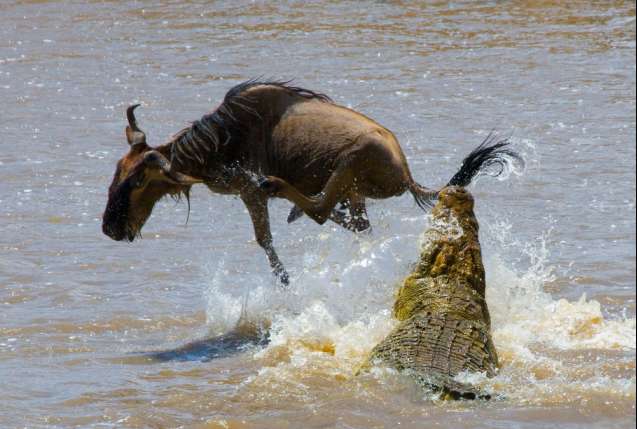
Photography is central to the safari experience, but must be approached responsibly.
Do not encourage animals to move or react for the sake of a photo. This can lead to stress, aggression, or dangerous situations.
Avoid blocking animal paths with vehicles to capture dramatic shots; this increases the risk of charges or accidents.
Use drones only where explicitly permitted. In many safari areas, drones are banned due to safety risks to wildlife and aircraft.
Where you stay on safari has a direct impact on safety and sustainability.
Responsible camps are designed with wildlife movement, fire safety, and emergency access in mind.
Choose lodges that offer clear safety briefings and visible emergency procedures.
Eco-conscious camps often have better safety records because they work in harmony with the environment rather than against it.
Healthy ecosystems are safer ecosystems.
According to the African Wildlife Foundation, reserves with strong conservation funding experience fewer human-wildlife conflict incidents.
Entrance fees and conservation levies support ranger patrols, anti-poaching efforts, and wildlife monitoring programmes that stabilise animal populations.
Stable populations behave more predictably, which directly improves safety for visitors.
Responsible travellers contribute to this system simply by choosing ethical operators and respecting rules on the ground.
Safari safety is a collective effort involving travellers, guides, operators, conservation authorities, and local communities.
When travellers follow responsible practices, risks are reduced, wildlife remains wild, and safari experiences remain safe and rewarding.
Responsible travel is not about restriction. It is about understanding that safety, conservation, and unforgettable safari experiences all depend on the same thing: respect for the environment and the expertise of those who protect it.

Booking an African safari safely is easier these days, thanks to review sites and social media.
However, there are plenty of online safari booking sites out there, so how do you know who to trust?
To be on the safe side, do your due diligence and follow the steps...
1. Check out online reviews of your booking agent or safari company
Many safari companies and lodges have profiles on public review sites.
Trustpilot is a trustworthy site where our clients have left over 900 reviews of African Budget Safaris, amounting to a 4.9 / 5 rating.
2. Visit their social media profiles
Social media profiles give you a great insight into a safari business and its services.
You should get a sense of whether the company is professional and safe to deal with by looking at comments under content and any shared customer experiences they have posted.
Review the 1st page of search results when you Google their name
This will give you a great insight into a company’s professionalism, the online footprint of the brand, and its reputation.
3. Contact operators with your questions and ask for advice
A great way to see if a company is legitimate or not is to reach out to them.
You deserve personalised help from a human who will ensure that you have an amazing and safe safari.
A simple but effective check is how a company responds to enquiries. Reputable safari operators offer personalised, human advice; if automated responses are your only point of contact, it’s usually best to move on.
Safari travel is one of the safest and most enriching adventure experiences available when approached with the right mindset and preparation.
Understanding safari safety is not about fear but about respect, awareness, and trust in professional guidance.
From wildlife viewing safety and vehicle protocols to digital security and emergency planning, staying safe on safari is a shared responsibility between traveller and operator.
With experienced guides, well-run camps, and modern communication tools, African Budget Safaris in 2026 continue to offer unforgettable experiences with robust safety systems in place.
Get in touch with one of our African Travel Experts today.
Travel smart, stay curious, and enjoy the magic of the wild, safely.

Below you'll find further reading and articles related or similar to this post.




Call us toll free from US/Canada on 1-888-414-6513, or from the UK on 0-808-189-1052. All other countries can contact us on +27 21 791 0878.
© 2026 African Budget Safaris | Privacy | Terms | Cookie Policy | Consent Preferences


