

I just watched a video where a great white shark somehow got INTO the cage off Guadalupe Island in Mexico.
Now, generally speaking, this kind of thing only happens in movies, right? Right. So, being in sunny South Africa, I decided to go great white shark cage diving in Cape Town and see for myself. I contacted Marine Dynamics in Gansbaai (near Cape Town) and set off to meet a marine biologist to get the low down on EVERYTHING you need to know about this adrenaline-pumping activity.
If you haven't already seen it, here is the video of a cage diving adventure that could have turned into a nightmare! The Shark is lured towards the cage using bait and ends up inside with the diver. After a few agonising seconds, the shark exits through the roof and back into the ocean. Everyone laughs nervously and claps. Here it is:
So all in all, this was a pretty freak occurrence.
The shark is in no way to blame. The diver concerned was a Chinese gentleman by the name of Mr Chan. When asked about the incident by the New York Times Mr Chan said that he went back in the water the next day "I felt so lucky," said the brave survivor, "why would I be scared?"
....well, because you just had a shark INside the cage that was supposed to keep the animal out? maybe?
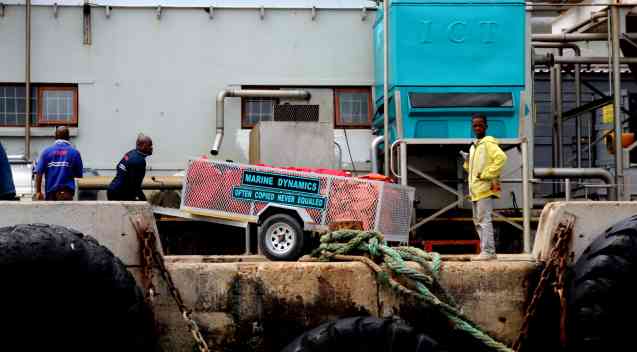
Marine Dynamics made my visit incredibly easy. Overall I felt safe and assured with the staff, crew and guides. Everyone that I spoke to had a real sense of pride about the company. They took real pleasure in relaying information about how operations worked, the safety precautions, the sharks or even about Gansbaai itself. As well as being a Fair Trade organisation they are also Blue Flag accredited and have won a whole bunch of Tourism awards including the African Responsible Tourism Award 2016 (People's Choice).
Being me, I arrived an hour and a half early and took a walk down to the harbour to look at the boats and the cages. Already at 8:30 in the morning, there was a commotion of boats setting off and other boats landing. A steady stream of tourists eyes glinting with expectation or with a look of knowing satisfaction as they returned. I asked a few people about the video and they'd all seen it.
Over the past few years, the shark cage diving industry has mushroomed. The DEAT Marine and Coastal Management department has issued concessions to 12 companies to run commercial cage diving operations. (Gansbaai 8, Mossel Bay 1 and False Bay 3). The industry, though booming, is small and very tightly regulated. Marine Biologist Alison Towner said that people think that because it is South Africa the rules and regulations will be soft. However, it is exactly the opposite. Marine Dynamics functions under the safety regulations and standards of no less than three organisations.
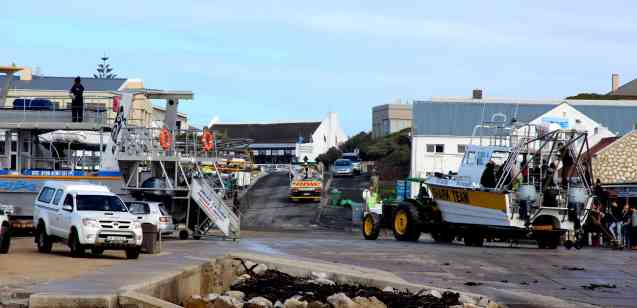
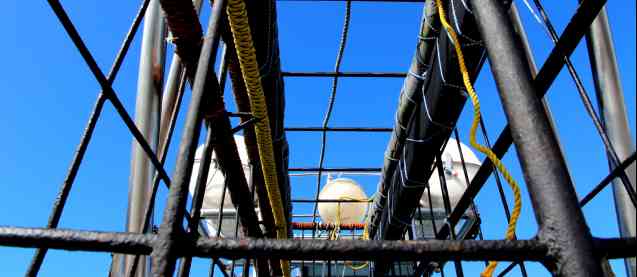
Eight companies run shark cage diving operations in Gansbaai on the Whale Coast. Each one has their own boat and their own cage. Looking at them from the land I have to say they looked pretty strong. Welded metal bars across a frame with a sturdy floor and a movable roof. I chatted to a few of the crew members from different boats to get their thoughts and everyone seemed in agreement that it was 100% safe. As the Marine Dynamics crew pointed out in the briefing, the most dangerous part of the trip was the drive from Cape Town!
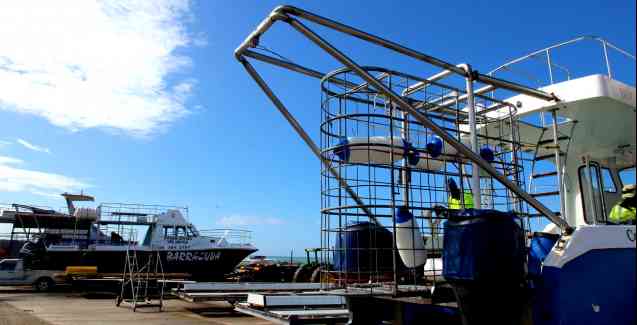
The combination of small industry, tight regulations and type of activity means that shark cage diving is paradoxically one of the safest adventure activities that you can do while on vacation in South Africa.
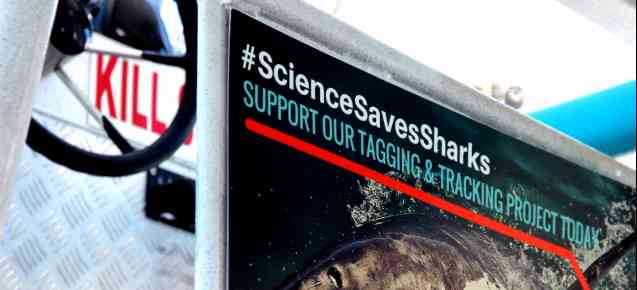
Marine Dynamics holds a pre-trip briefing where they tell you a bit about the sharks and what they do. It is really educationally driven and they take pains to point out the truths and the fictions.
Did you know for example:
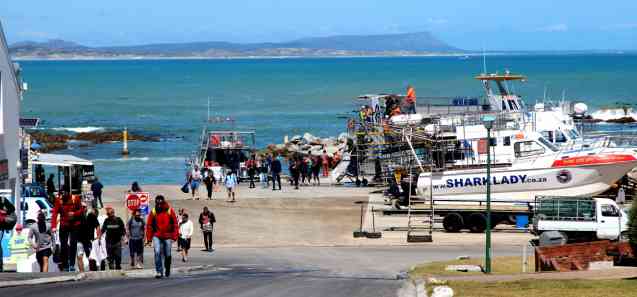
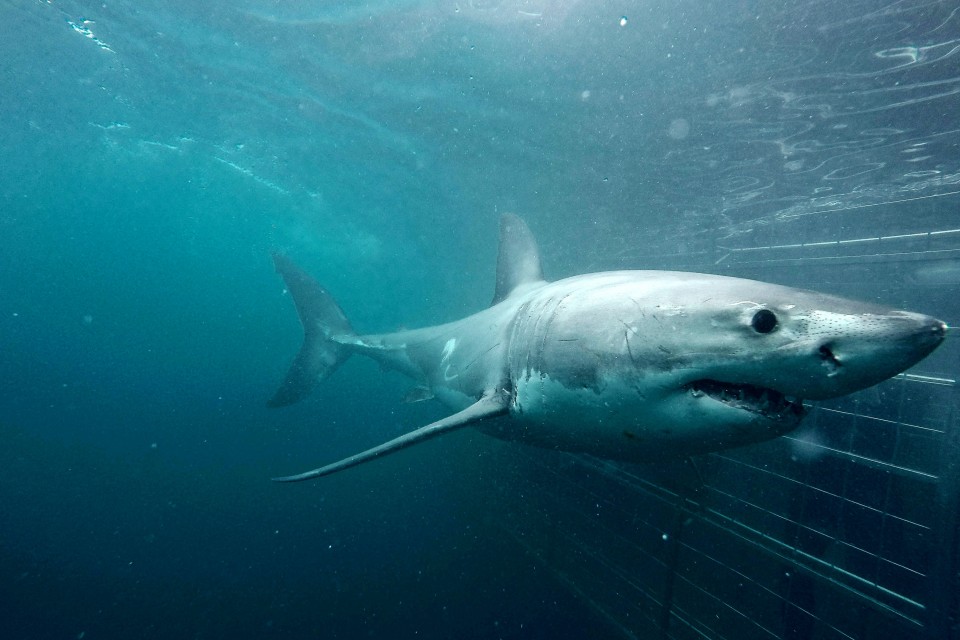
After the briefing, we were bundled off to the boat wrapped in our fashionable bright orange plastic anoraks. Everyone was kitted with a life jacket and we were asked to remain seated for the journey. Off we went and 45 minutes later I was in the water with great white sharks. The water was cold but I was amply distracted by the presence of the sharks. As they came closer to investigate shouts from above alerted us to their location and we ducked down beneath the surface.
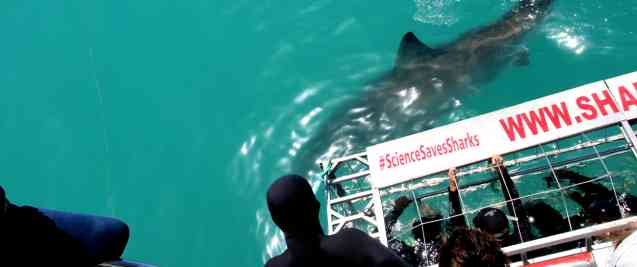
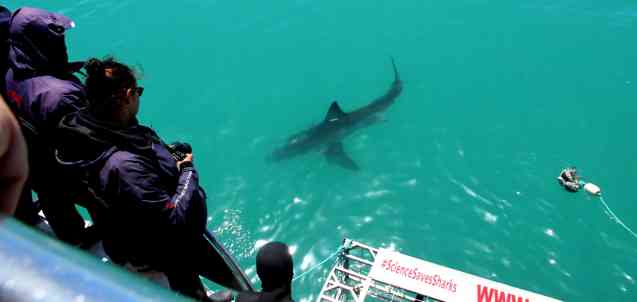
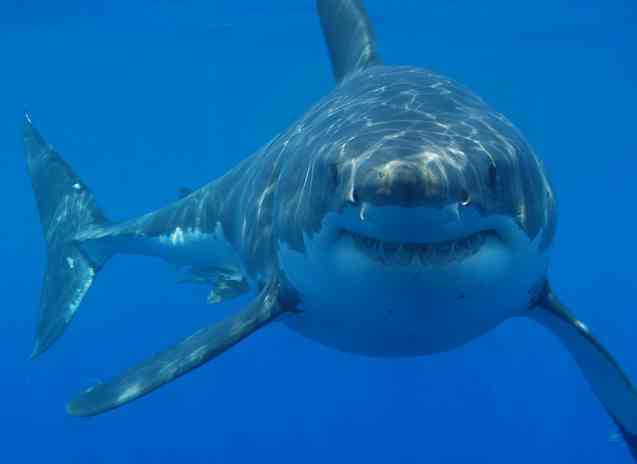
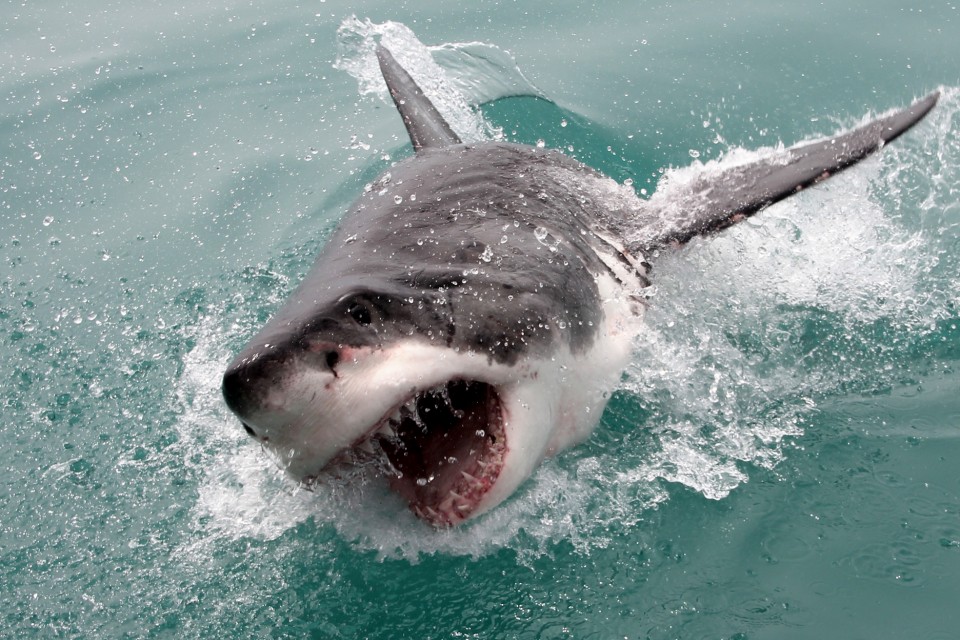
I lost track of time, both in the water and watching these marine predators from above. They are MASSIVE, one juvenile male was just under three meters while the biggest was a sub-adult female at just over 4! At no point was I in any doubt as to who was top of the food chain. What did surprise me was the mood and demeanour of the sharks. These creatures are calm, collected and unhurried in their investigations. Not at all the frenzied killers, I'd always assumed.
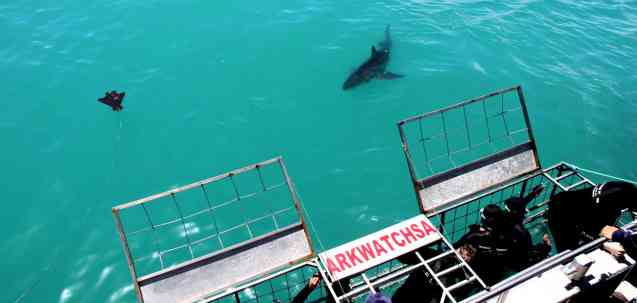
After a few hours, we headed back to shore for a debriefing and a conservation roundup. If you want to know more about the dive itself with another first-hand encounter, you can read a more in-depth account here.
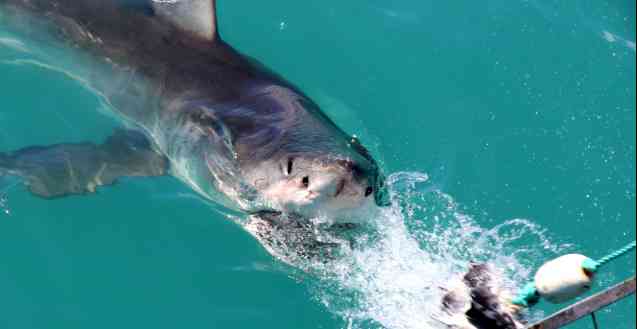
Yes. At all times I had a real sense that the sharks were the stars of the show and keeping them safe meant keeping us safe. From the word go the environment was controlled. There were deck hands to help you about the boat, volunteers to assist with wetsuits and the marine biologist to inform about these evidently misunderstood creatures. The cage was secure and access was safe and easy.
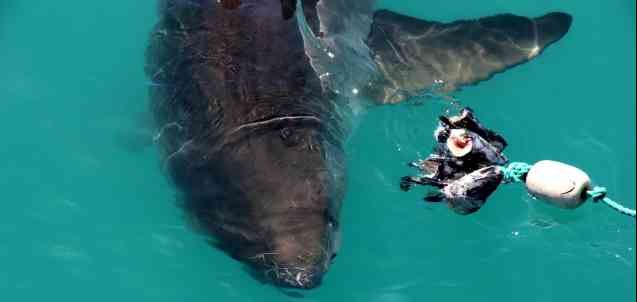
But, these were all just precautions. Things to make me, the tourist, feel safe. What really struck me was the animals themselves. They were not in the slightest interested in me, the neoprene-coated nibble. Marine biologist Alison Towner described how specialised the diet of the white shark is. The fact of the matter is that humans do not offer enough fat content to make us a worthwhile meal. It was a sentiment echoed by a local surfer who protested to me suggesting that the sharks were dangerous "I've been surfing these waters my whole life and there has never been an incident, they just don't care about us".
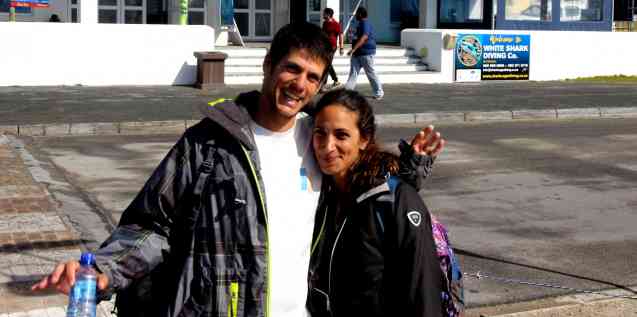
Just to be sure I was not alone in this sentiment, I spoke to a few tourists who were just getting off the boats. This is a sample:
I asked if they'd seen the video of the shark in the cage.
"Yes," said a grinning Roey Senn from Israel.
"And?" I asked, "weren't you scared?".
"Yes, a little... but I've always wanted to".
"Did the video put you off?" I inquired further.
"No, it's a different cage!".
Simple as that.
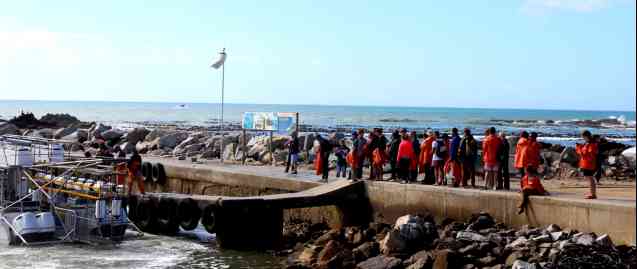
Yes. There are no two ways about it. Over 80 000 people a year go shark cage diving in Gansbaai and incidents with sharks are practically non-existent. The Marine Dynamics crew was brilliant and feeling safe in the environment started from the moment I arrived.
This is a fantastic opportunity to get up close with a creature you may never encounter in the wild. I would wager, it's a perfect adrenaline filled activity to add to any bucket list.
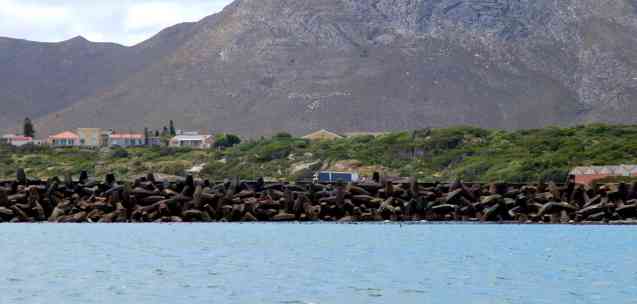
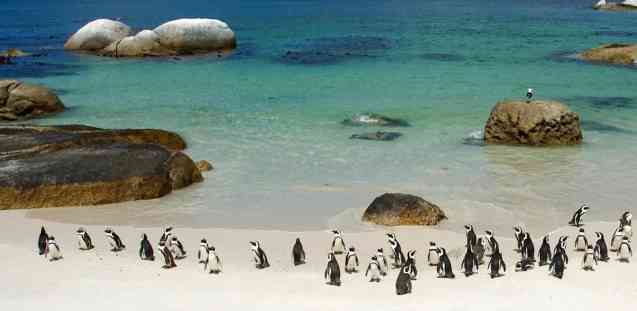
Gansbaai is famous for the Marine Big Five. The Southern Right Whale, Great White Shark, Humpback Dolphin, African Penguin and the Cape Fur Seal. It is unique because it provides an opportunity to see all five in one place.
The Dyer Island Cruises have been set up for this purpose exactly and boats will take you around the bay for your viewing delight. In terms of the white sharks, southern Africa is the only place in the world where they can be viewed year round. In addition to this, it takes under 30 minutes to get to the dive site. Compare this with Guadalupe, an arduous 20hr boat trip or 3hours to Australia's Neptune Island.
If you are coming to South Africa and you want to tick this Great White adventure off your list then Gansbaai really is the place to be!
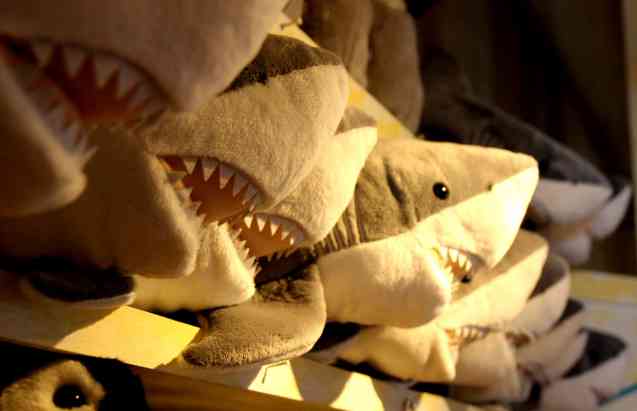
Of course, we do... have budget shark cage diving tours to Gansbaai, leaving from and returning to Cape Town. To book a tour on your travel dates, check our calendar of upcoming tours starting in Cape Town.

Explore these destinations mentioned in this post.
Below you'll find further reading and articles related or similar to this post.




Call us toll free from US/Canada on 1-888-414-6513, or from the UK on 0-808-189-1052. All other countries can contact us on +27 21 791 0878.
© 2026 African Budget Safaris | Privacy | Terms | Cookie Policy | Consent Preferences






_map__large.jpg)