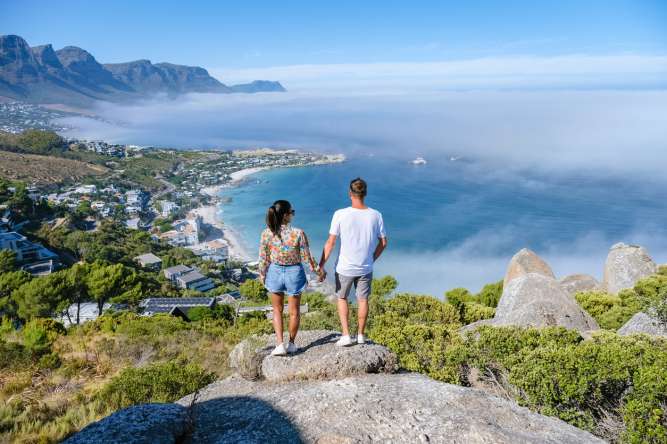
The Mother City is wildly popular over the summer holidays with both foreigners and up-country South Africans. While the energy of the buzzing Camps Bay strip and V&A Waterfront can be fantastic, sometimes you just want to chill out somewhere more peaceful.

We asked Capetonians where THEY think tourists should go to escape the peak festive season crowds. Here’s what they said:
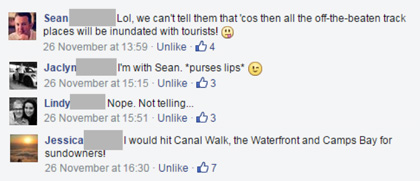
NB: Do not listen to Jessica. Those are the most crowded places in Cape Town, especially around Christmas and New Year!
Capetonians are understandably protective of the undiscovered pockets of their city. And if you’re in town for just a few days, you’ll probably be more interested in ticking the big sights off your list, like Table Mountain, Robben Island and the gorgeous beaches. For details see our Cape Town Travel Guide covering the top attractions, when to go and more.
But if you’re visiting Cape Town for longer than a week or so, and are looking for less touristy experiences, read on.
After much coercion, we did manage to squeeze a few secret hideaways from a few more forthcoming locals:
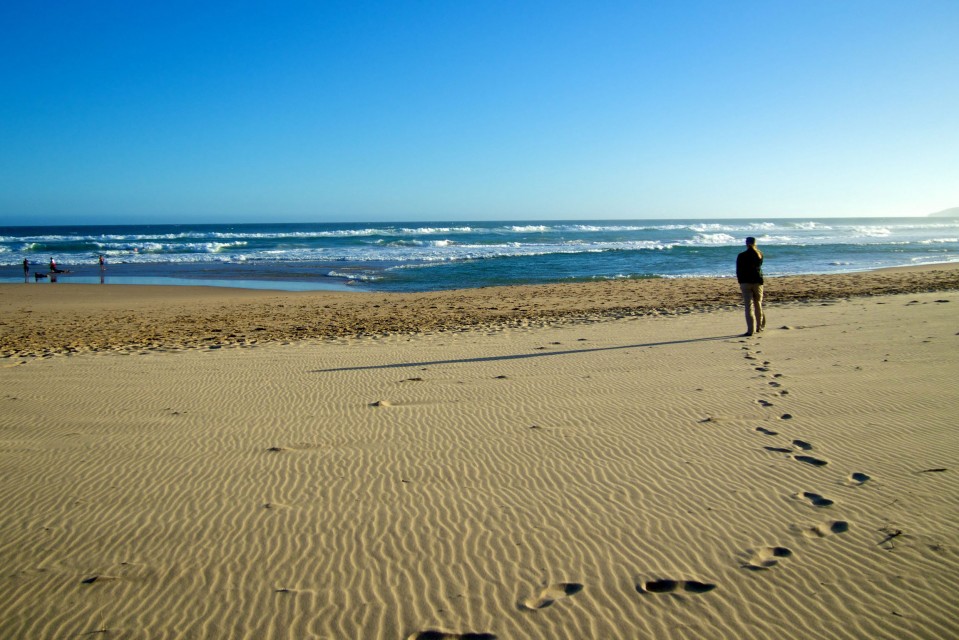
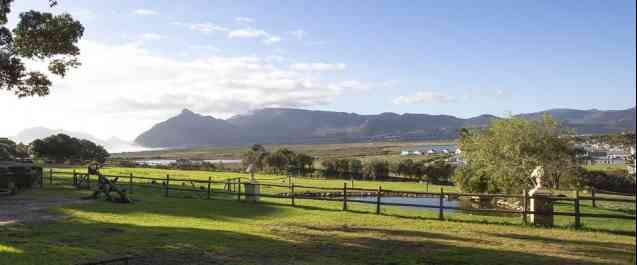
Cape Town’s glamorous Camps Bay and Clifton beaches are gorgeous but are chock-a-block over the holidays. If you want more space, head 60km south of the city centre to Kommetjie or Scarborough Beaches – they're unspoiled, beautiful, popular surfing spots and face west (perfect for sundowners).

Just watch out for the riptides, and brace yourself for VERY chilly waters. Bring a picnic (there’s only a hole-in-the-wall kiosk in the village) or stock up on freshly baked bread, farm cheeses, and olives at the nearby Imhoff Farm. Kommetjie also has a boardwalk for a great scenic walk along the shoreline to the Slangkop Lighthouse.
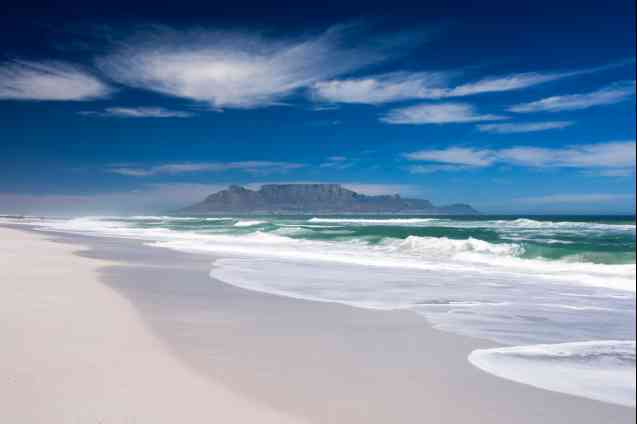
Alternatively, head north of the city to Melkbosstrand, and enjoy the beautiful postcard-perfect vista of Table Mountain on the way.
If you fancy something even more remote and a little adventurous, the exquisite Smitswinkel Bay on the road to Cape Point is a short but very worthwhile hike down from the road. There is no direct road access to Smitswinkel, and rumour has it some of the residents actually commute by boat from Simonstown. Come early and time it for when the tide is going out.

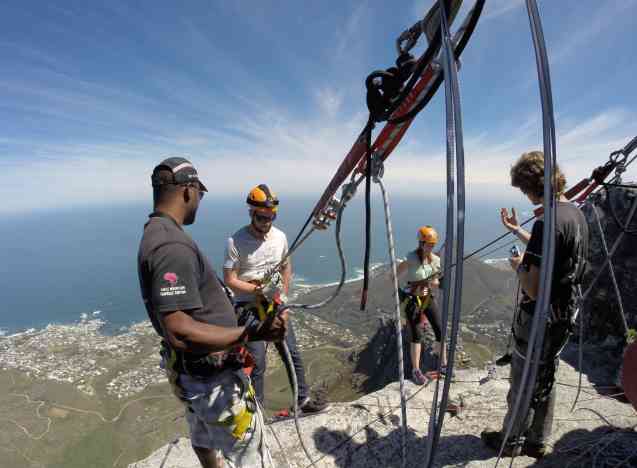
If you’ve not pre-booked your ticket for the Table Mountain Cableway, you could be in for a long, hot wait. Rather, make like the locals, and walk up, but heed this advice:
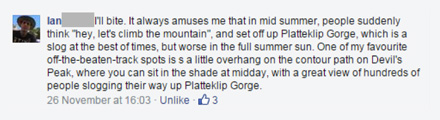
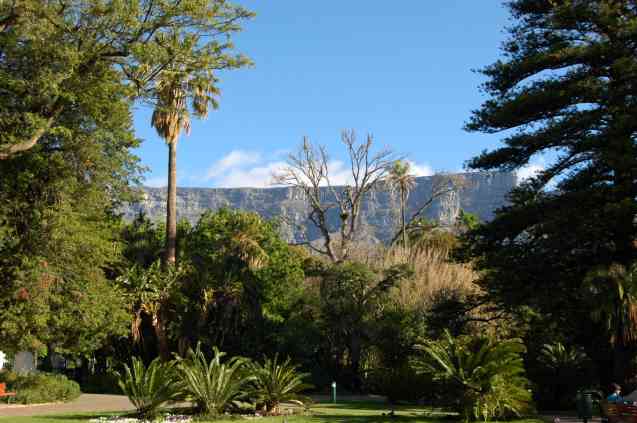
In the height of summer, the routes up the front of Table Mountain (Platteklip) are very exposed and hot, so an alternative is to start at Kirstenbosch Gardens instead and head up the more shaded Skeleton Gorge or Nursery Ravine. Do make sure you go with a guide who knows the way – and take lots of sunscreen, water and a jumper, as it can be chilly up top.
For an easier walk, follow the contour path from Constantia Nek along the side of the mountain towards Kirstenbosch.

* When locals say "The mountain" - they always mean Table Mountain. Locals will be specific if they mean something else, like…

The full moon is particularly beautiful from the top of the Lion, but this is also when it’s most crowded. It’s a fairly easy walk up except for the last bit, which is steep. Remember to pack a headlamp so you can see the path on your way down.

Are you picking up a trend here that Capetonians love their mountain? One tip is to drive up to the cable station, and then keep going past it until you reach the end of the road. Park your car there and keep walking along the old (closed) road for some fantastic views.
Escape the holiday season frenzy with a visit to Silvermine Nature Reserve, part of Table Mountain National Park but far less crowded than its famous neighbour.
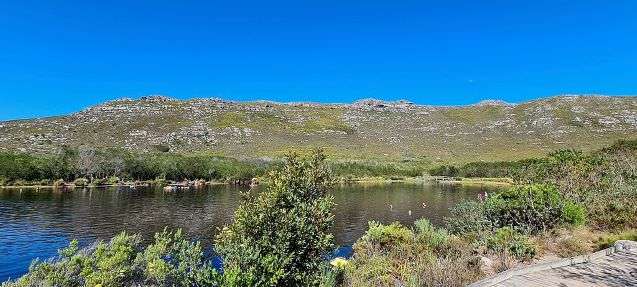
Silvermine offers breathtaking hikes with views of the Cape Peninsula, gentle walking trails around its dam, and picnic spots surrounded by fynbos. The dam is a popular freshwater swimming spot, perfect for cooling off after your hike.

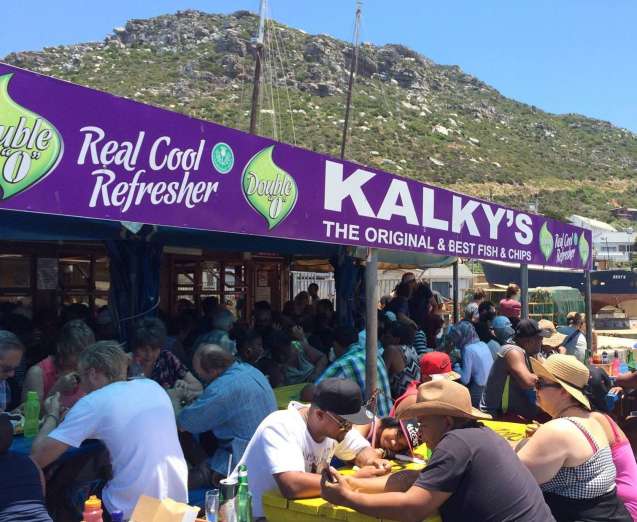
During summer, and especially before and after the new year, boho hot spot Kalk Bay, with its harbour eateries, 2nd hand stores and the crafty main road, is jam-packed with visitors. But venture a couple of hundred meters up the hillside above Boyes Drive and you will find clearly marked and mapped mountain paths. These take you through indigenous forests and past the entrances to 50 or more local caves.

Even if you're not into tight spaces, the hikes are a must for the spectacular views alone. If you're keen to explore some grottos, be sure to take a headlamp and for more about hiking see the best day hikes in Cape Town.

If you visit just one cave make it Boomslang cave. 500 meters wide, it stretches from one side of Cave Peak to the exit just above Echo Valley's indigenous forest. The panoramic views over the Fish Hoek Valley are spectacular. Look out for the bat colony in the main chamber, but don't shine your light directly at the critters - bats are super sensitive to bright light. From the northern exit of the cave, you can ramble down to the path and take the forest boardwalks to the left up to a natural sandy amphitheatre (signposted). From the amphitheatre, you can walk down through the Spes Bona Forest boardwalks, wedged between two steep rocky valley walls, down towards the beaches below.

Be sure to pause and take in the spectacular views across False Bay to Gordons Bay and Hangklip, 50km across the water. Caving on Kalk Bay Peak and its surroundings has a rich and interesting history. It’s worth doing some pre-caving research online - (there's quite a bit of info out there on various sites) or better still, see if you can find an experienced guide to take you up there.
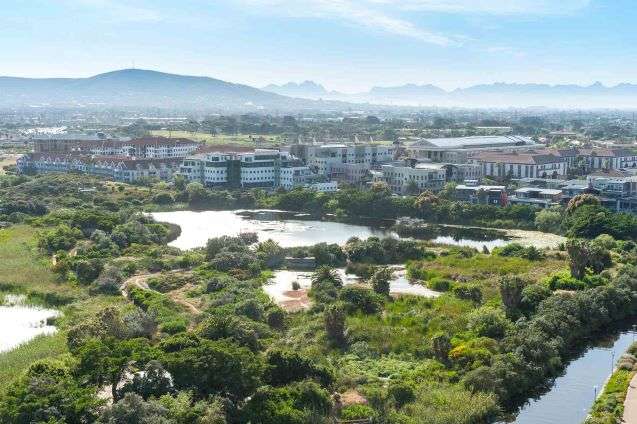
Intaka Island is the tranquil heart of the bustling Century City development, a blend of residential, commercial, and leisure spaces situated 10 kilometres (6 miles) from Cape Town city centre. This 16-hectare wetland and bird sanctuary is a hidden oasis of calm and natural beauty with walking trails, bird hides, kayaking and boat rides around the island. Perfect for nature lovers, Intaka Island is home to over 120 bird species and other critters.
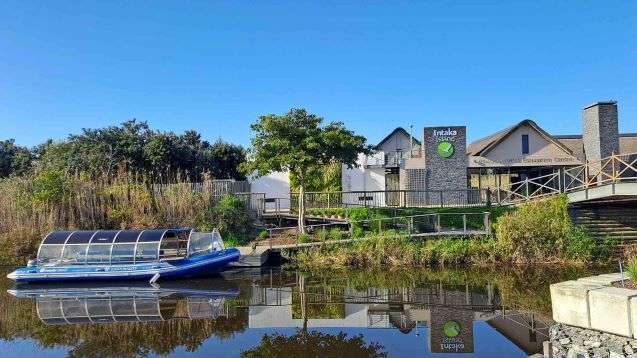
Catch a ferry ride on the Grand Canal from Century City shopping centre to enjoy the fresh air and indigenous gardens on the island and take in the views. You can "hop on hop off" at Canal Walk and Crystal Towers. Once at Intaka Island, stroll along the self-guided trails through the wetlands and pans, or visit a bird hide to see what you can tick off on the bird checklist. Guided walks are also available for unique insights into this special urban oasis.
For a unique and colourful alternative to Cape Town’s art galleries, go hunting the vibrant street art of the suburb of Woodstock and its neighbour, Salt River. They lie close to the CBD and were once vibrant neighbourhoods that suffered declining fortunes and urban decay. In the past decade the area has experienced a revival, and with it a wealth of colorful murals and graffiti that offer a glimpse into Cape Town's creative pulse and community spirit.

In Woodstock, much of the street art is concentrated along Albert Road and the side streets up to Victoria Road. Between run-down or redesigned warehouses and factory buildings, you can discover hidden art, quirky shops and cool cafés. While you can self-walk through the maze of lanes and hunt them out for yourself, a guided street art tour helps you locate the most celebrated street artworks by local and international artists. During the 90-minute tour, led by a knowledgeable local, you'll gain an insight into the area's history and the role of art in its transformation.

While you're there, pay a visit to the trendy Old Biscuit Mill in Albert Road, known for its mix of studios, artisanal shops and wining & dining options. 'The Mill' (as it is fondly known) is a former biscuit factory that has been turned into a bustling creative hub with a thriving community of artists, craftsmen, and food enthusiasts. Stroll around exploring the various workshops and designer stores, upmarket restaurants, and food stalls. There is also a regular Saturday market which is a firm favourite with locals and visitors alike.
If you’d like a little elbow room when tasting the Cape’s best tipples, steer clear of the beautiful but popular Constantia, Stellenbosch, Franschhoek and Paarl wine routes and instead head to the Hemel en Aarde (Heaven and Earth) valley.

Situated just outside the whale-obsessed holiday town of Hermanus, it’s about an hour and a quarter from Cape Town.

The Hermanus wine route includes popular estates like Bouchard Finlayson, Hamilton Russell and Newton Johnson, but we also rate the lesser-known Ataraxia and Hermanuspietersfontein too. This area is also home to several fabulous restaurants – for lunch, try Temptation or the Champagne Verandah at La Vierge, or Heaven at Newton Johnson (where the views are divine). Be warned - booking is essential at this time of year. For a deep dive into viticulture in the Cape and South African wines see our guide to the Cape Winelands.
Go a little out of Cape Town and you’re in for a treat – beautifully scenic routes that take you to quaint little villages. Our favourite day trip is to Hermanus via Clarence Drive - the coast road from Gordon’s Bay through the beachy towns of Hangklip, Pringle Bay, Betty’s Bay and Kleinmond. The road did suffer some damage during heavy rainfall in 2024, so roadworks are ongoing.

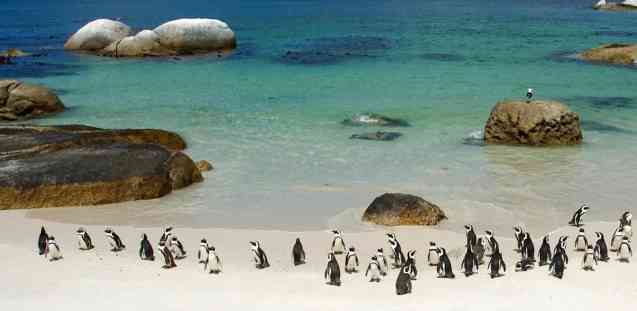
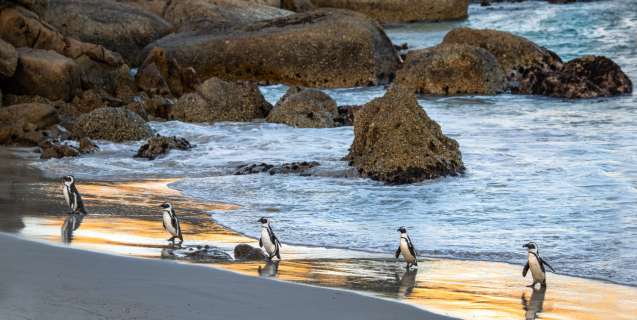
Betty's Bay is one of the Cape's prettiest, sleepy coastal villages. There’s lots to do: check out the beautiful fynbos-rich botanical gardens, the marine-protected shore including a penguin colony, and the remains of the old whaling station. The village lies within the Kogelberg Biosphere Reserve, which was the first UNESCO Biosphere to be declared in South Africa.

The scenery is spectacular and in August and September, you can spot Southern Right whales lolling about in the ocean (the Cape is one of a handful of land-based whale-watching sites in the world).
Avoid the popular, more central markets and head out into the suburbs or the Cape Winelands. You’ll be hard-pressed to find a fellow tourist at the Friday night Bluebird Garage Market in Muizenberg, the kid-friendly Tokai Forest Market, or the quirky Elgin Railway Market in Elgin, just over the Hottentot Holland Mountains. For a full listing see Cape Town Markets.

This little estate is hidden beneath centuries-old oak trees in Newlands.

The eggs benedict at The Gardener’s Cottage are rumoured to be the best in Cape Town, and the design and craft shops are perfect for finding unusual but African-inspired souvenirs.

Newlands Forest is five minutes away with kilometres of shady, stream-cooled hiking trails crisscrossing the eastern contours of Table Mountain.
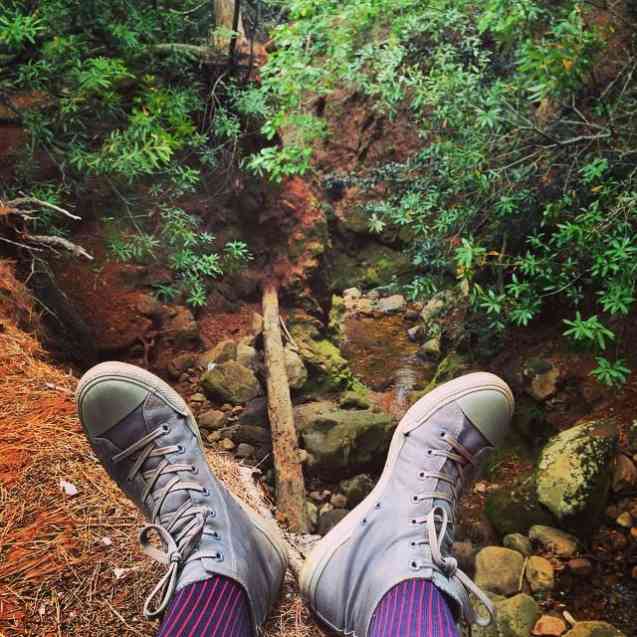
The best way to escape other tourists is to make friends with a local! Spending an afternoon or evening around a braai (barbecue) or pool is a pretty typical Cape summer pastime. While they are reluctant to share their secret spots with you here, in person they are a pretty friendly bunch who want you to have a wonderful time in their city.
Want to avoid both the locals AND the tourists? Get a really early start! The sun is up by 5.30 am in mid-summer, meaning you can get in several hours of beach time before the hordes arrive. The most popular beaches in Cape Town are all much quieter before 10 am.
With all this (and more) on offer, it's no wonder Cape Town is regularly voted one of the best cities in the world. If Cape Town is on your bucket list browse our affordable Cape Town tours and safaris.
And, our friendly travel consultants are always very happy to help you plan your trip. With so much on the go, you are spoiled for choice!

Below you'll find further reading and articles related or similar to this post.




Call us toll free from US/Canada on 1-888-414-6513, or from the UK on 0-808-189-1052. All other countries can contact us on +27 21 791 0878.
© 2026 African Budget Safaris | Privacy | Terms | Cookie Policy | Consent Preferences