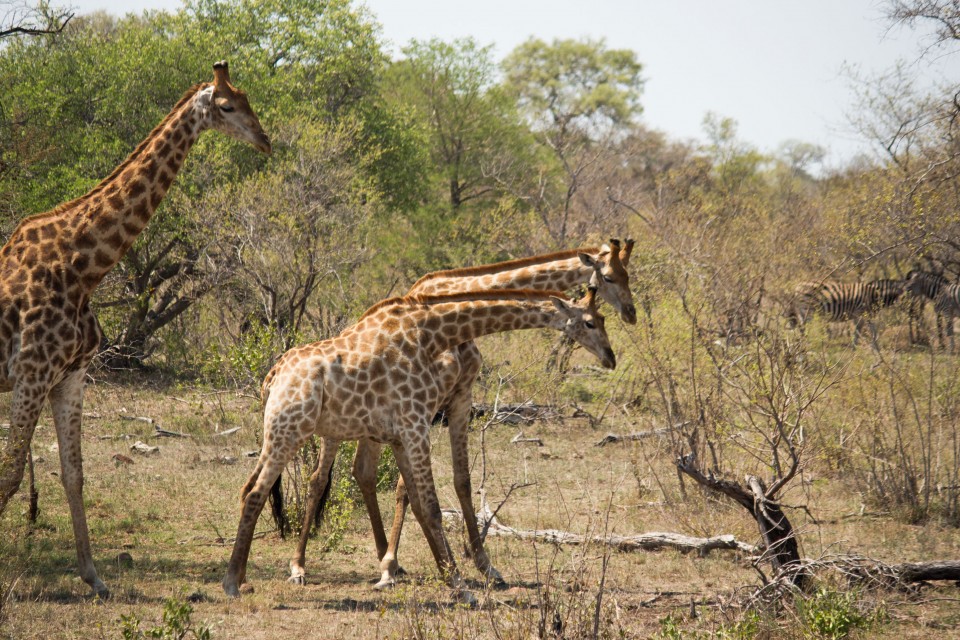
Of course, you've heard about African safaris and seen photos of celebs looking glamorous on safari. But what is a safari in Africa really like for the regular 21st-century traveller?
Quick answer: Most African safaris are guided wildlife journeys in national parks and reserves, where travellers observe free-roaming animals such as lions, elephants, and giraffes in their natural habitat.
An African safari is a guided journey into wildlife-rich national parks and reserves, where travellers experience free-roaming animals like lions, elephants, and giraffes in their natural habitat. Most safaris take place in destinations such as Tanzania, Kenya, Botswana, Namibia, and South Africa.
Yes, safari is a quintessential African experience. Although you can go on a safari-style trip in places outside of Africa, safaris are essentially African.
Africa is the home of the safari.
This is where the classical idea of a safari was born and evolved. The safari is firmly rooted in Africa.

That said, you can go on 'safari' in Australia, India, Canada, the United States, and other countries. Of course, there are wilderness areas where you can see wild animals all over the world. But none of the wild places outside of Africa are quintessential safari territory. Elsewhere, you find wildlife expeditions or wildlife tours (safari-style trips).
You can take trips into the wilderness anywhere, but you can only truly go on safari in Africa.
A safari is the most famous and sought-after type of holiday in Africa. Going on safari is widely considered the ultimate 'thing to do' in Africa.
Usually, a safari in Africa implies a wildlife safari.
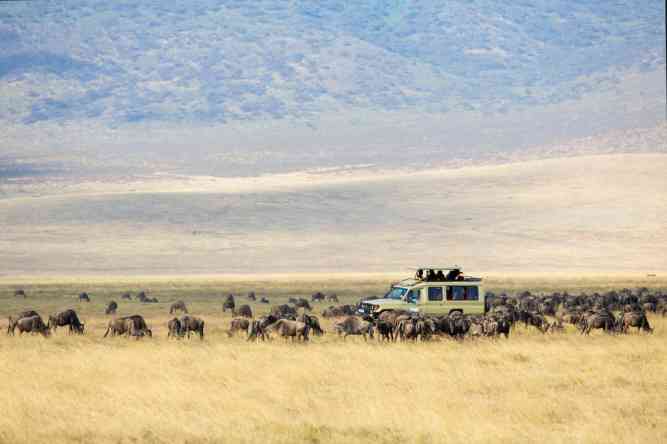
At its core, the answer to 'what is a safari' is that it is an expedition to observe and photograph wildlife in their natural habitats. It is an immersive experience that brings travellers close to nature, often in remote and pristine locations.
In essence, an African safari is any journey into the wilderness to observe free-roaming wildlife.
This traditional definition of what a safari is in Africa has expanded over time, however. Nowadays, any trip in Africa that involves spending time in nature, observing free-roaming animals, can be called a safari.
One of the most affordable and popular ways to experience a safari today is on an Africa overland safari, where transport, accommodation, and guided wildlife experiences are combined into one multi-country journey.

In summary, a safari is an immersive wildlife journey focused on experiencing Africa’s natural environments.
Ready to experience it for yourself? Explore our hand-picked African safari tours and find the right itinerary for your budget and travel style.
In this beginner's safari guide, we cover everything first-time safari-goers need to know! From what a safari is and how to choose destinations to different types of safaris and essential tips:
A wildlife safari in Africa is not a trip reserved for khaki-clad bushwhackers, experienced game rangers, or scientists. You don't have to be an outdoorsman like Bear Grylls to love your time on safari. Just about anyone can thoroughly enjoy an African safari in the travel style that suits them best.
A safari is not the same as a tour of a wildlife sanctuary or animal rescue centre. Even in Africa, visits to wildlife havens or shelters are not safaris.
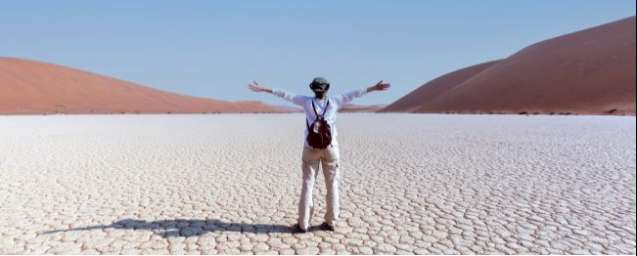
A trip to an African zoo is not a safari. A wine-tasting tour in the Cape Winelands is not a safari. A township tour? No. A trip to meet the Omo Valley tribes in Ethiopia? Technically, not a safari. A road trip in Namibia? Also, strictly speaking, not a safari - unless you visit a game park with wildlife, like Etosha.
An African safari differs from a city holiday, beach vacation, historical tour, or cultural trip in Africa.
In Africa, a holiday only becomes a safari when you add an element of wildlife watching in nature.
Be it game viewing by 4x4 safari vehicle, boat, canoe, small plane, or on foot, among others. Based on this broader definition of safari, boat trips and marine tours are often classed as 'ocean safaris'.
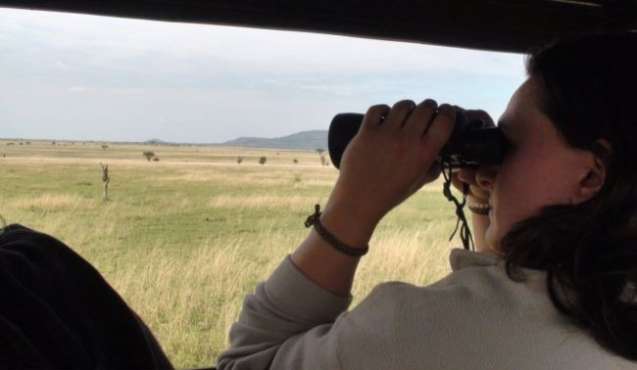
First, let's take a look at the traditional African safari and how it has evolved...
The word “safari” comes from the Swahili language, derived from the Arabic word safar, meaning “journey” or “travel”. Originally, a safari referred to an overland expedition across East Africa.
In the late 19th and early 20th centuries, European explorers adopted the term to describe their journeys into the African wilderness. Many early safaris were hunting expeditions focused on Africa’s big game.
The word entered the English language in the mid-1800s and was formally recorded in dictionaries by the late 19th century, according to the Online Etymology Dictionary.
For many years, traditional dictionary definitions of “safari” included hunting:
“An expedition to observe or hunt animals in their natural habitat, especially in East Africa.”
Today, this outdated meaning no longer reflects modern safari travel. Hunting has largely been replaced by wildlife viewing, photography, and conservation-focused tourism.
Modern African safaris generate income for national parks and local communities, support conservation projects, and help protect natural habitats.
A safari is an overland journey to observe wild animals, especially in eastern or southern Africa. (Wikipedia)
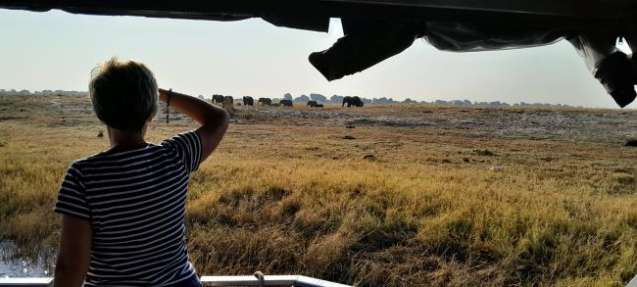
The modern safari developed during the colonial era in the late 1800s and early 1900s, when European explorers and settlers organised large-scale expeditions into Africa’s interior.
These early safaris involved teams of trackers, porters, and camp staff who supported long journeys through difficult terrain. Many of these expeditions focused on hunting large animals.
In the early 20th century, high-profile safaris, such as those undertaken by US President Theodore Roosevelt, helped popularise the concept internationally.
Over time, attitudes changed. Hunting declined, and wildlife conservation became a priority across much of Africa.
Today, most African safaris focus on responsible wildlife viewing and sustainable tourism, helping protect ecosystems while supporting local economies.
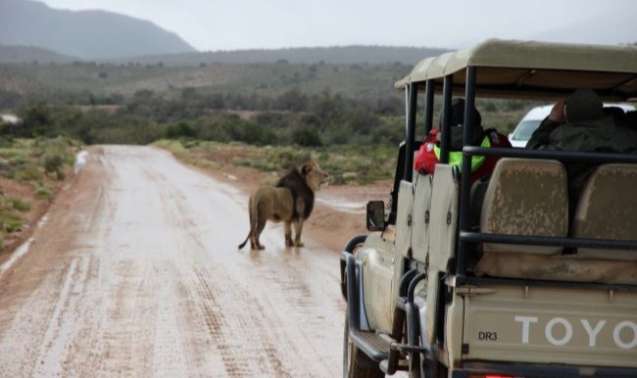
Note: African Budget Safaris does not promote or sell hunting safaris. We support wildlife-viewing safaris that prioritise conservation and ethical travel.
These days, most people have left behind the negative connotations of safari travel associated with hunting. The outdated ideas of African safaris as hunting trips have largely been replaced by more modern concepts of wildlife safaris. Now, a safari in Africa is a socially and environmentally responsible form of travel.
Now the hunt is on for the perfect wildlife photograph.
Responsible tourism practices ensure that the impact on the environment is minimised and the welfare of wildlife is prioritised. Tourists are encouraged to follow guidelines such as maintaining a respectful distance from animals, avoiding littering, and supporting eco-friendly accommodations.
Nowadays, going on safari in Africa means taking an adventurous holiday while also having a positive impact. Wildlife safaris now play a key role in sustaining African economies and protecting wildlife populations. So, taking a safari holiday helps make a meaningful difference.
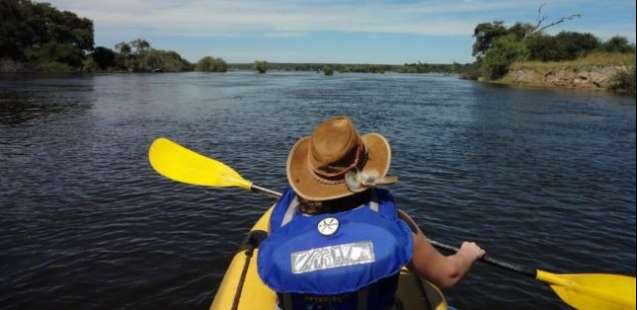
African safaris have evolved into holiday trips that genuinely benefit the wildlife of Africa. In contrast to hunting wild animals, visitors can encounter them and help protect them. Most safari tour companies and lodges either actively support (or run) conservation projects or help generate tourism revenue, which contributes to managing wildlife projects and game reserves in Africa.
By providing economic incentives for local communities and governments to protect wildlife and natural habitats, safari tourism helps promote and support conservation efforts.
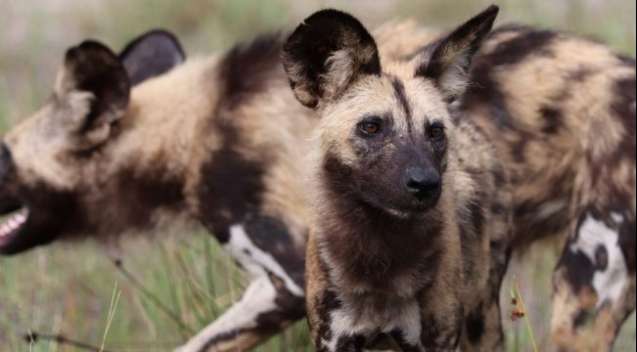
As environmental awareness has grown worldwide, African safaris have become more eco-friendly. Many safari lodges and tour companies have become more environmentally friendly in response to the sustainability challenges we face today.
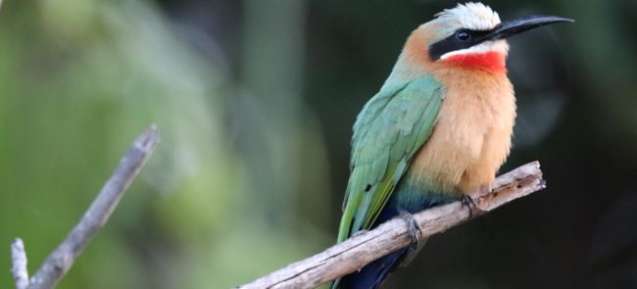
Finding an eco-safari lodge or a low-impact safari in Africa is now easier than ever. Even the camps and safaris that aren't marketed as being 'green' or eco-friendly often are, in at least some important respects. The camps and lodges located in wilderness areas or national parks, for instance, are typically designed to have minimal impact on the environment and be as self-sufficient as possible due to their remote locations, national laws, and park regulations.
We can also help you find low-impact options across our African safari tours.
The modern African safari is a socially responsible journey, not an exception, but the norm. Not only does safari travel make a significant contribution to African economies and provide employment opportunities, but it also helps improve social conditions.
Local communities across Africa benefit from sustainable tourism through social initiatives created and/or supported by safari organizations, from tour companies and lodges to activity providers, and game reserves. Safari travel also helps sustain small businesses and entrepreneurs who sell goods (such as local food, crafts, and curios) or provide services (like guiding and entertainment).
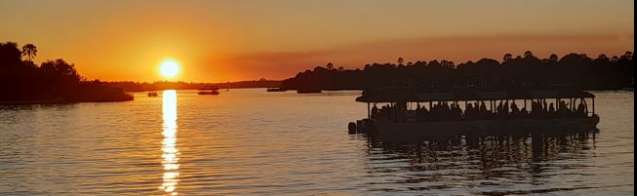
Some safari companies directly support social upliftment projects and provide opportunities to interact with the local people. Others support local communities through the lodges, game reserves, and other companies they use.
Africa's travel and tourism sector (of which the safari industry is an integral part) "employed more than 24 million people in 2019," based on World Travel and Tourism Council (WTTC) reports. This represents 5.6% of all the jobs in the region.
In particular, Africa's wildlife tourism industry, "usually generates $29 billion a year and employs 3.6 million people," according to Bloomberg (2020).
The safari industry generates some $12.4 billion in annual revenues for South Africa, Botswana, Kenya, Rwanda, Tanzania Uganda and Zambia - Africa’s top wildlife tourist destinations. (Reuters, 2020)
South Africa (which has the second-largest tourism industry in Africa) "relies on the tourism industry to indirectly contribute up to 9.1% of the country’s total employment – 1.5 million people – and 7% of its GDP" (Investment Monitor, 2021).
Safari travel plays a critical role in social and economic development in Africa. Not only through social upliftment and outreach programs but by producing substantial revenue and employment.
"During the past two decades, the hospitality industry has become vital to many African economies. In 2019 it accounted for approximately 7% of Africa’s overall GDP and contributed $169bn to its economy... according to the International Finance Corporation (IFC), part of the World Bank". (Investment Monitor, 2021)
In short, safari tourism "helps governments justify protecting wildlife habitat,” and “creates revenue for state wildlife authorities, generates foreign-exchange earnings, diversifies and strengthens local economies.” (Bloomberg 2020).
Today African safaris are holiday trips primarily aimed at watching and photographing wildlife in the bush, for fun.
Safari travel in contemporary Africa still implies game viewing and time in wilderness areas (game reserves, wildlife conservancies, and national parks). A traditional African safari is still focused on seeing African wildlife, but safaris are definitely not limited to game viewing.
In addition to game viewing and wildlife tracking, African safaris nowadays are about:
Once you're in the wilderness, the safari truly begins. You'll spend most of your time enjoying untamed nature at the camps and watching animals in the wild.
Different kinds of safari trips offer a variety of ways to explore the wilderness and look for wildlife and birds. You can choose to explore by riverboat or canoe, on foot, by mountain bike, on horseback (or even camelback), or by quad bike. The possibilities are endless with so many specialist safaris to choose from in Africa.
The term 'Big Five' was originally coined by big-game hunters to refer to the most dangerous animals to hunt in Africa in the late 1800s.
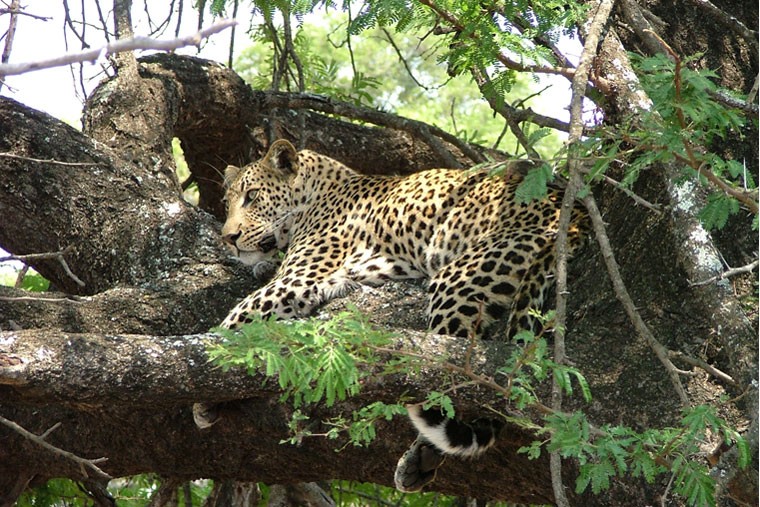
Today, however, the Big 5 of Africa are the top animals that tourists want to see on wildlife safaris. The iconic African animals of the Big 5 are lions, leopards, rhinos, elephants, and buffalo.
Out of the Big 5 safari animals, only the buffalo is not threatened or endangered. Encountering the Big 5 African animals is now (usually) about the joy of observing them in their natural environment, learning about them, and taking photographs of them. A Big 5 safari is a wildlife safari specifically focused on observing and photographing the Big 5 animals of Africa in their natural habitat.
But be warned, sometimes the pursuit of the Big 5 can blind you to the other wonders that the African wilderness can reveal. Often, travellers become so single-minded about the need to tick off the Big 5 that they ignore the other spectacular encounters that they have on their game drives.
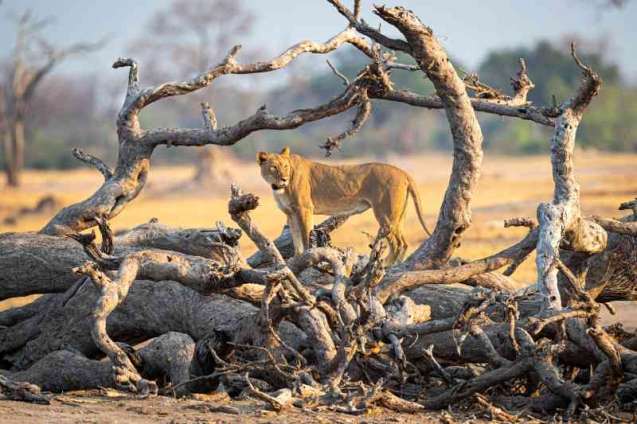
If you're ready to start planning, explore our full range of African safari tours.
Africa, with its rich diversity of wildlife and landscapes, remains the ultimate destination for this extraordinary adventure. Whether you're a seasoned traveller or embarking on your first safari, the experience promises to be both exhilarating and enriching, leaving you with memories to cherish for a lifetime.
To plan your African safari adventures now, talk to one of our friendly travel experts.
“If there were one more thing I could do, it would be to go on safari once again.” - Karen Blixen (Author of “Out of Africa”)

Below you'll find further reading and articles related or similar to this post.




Call us toll free from US/Canada on 1-888-414-6513, or from the UK on 0-808-189-1052. All other countries can contact us on +27 21 791 0878.
© 2026 African Budget Safaris | Privacy | Terms | Cookie Policy | Consent Preferences






__medium.jpg)