
There’s never a bad time to go on safari in Africa. But there are better times, in terms of giving you the best opportunities to see what you want to see. Also, temperatures and rainfall can make or break a safari, depending on what you like, so here's an overview of where to go and when to go on African safari trips.
Please note, though, that one thing we can be sure of is that Mother Nature is unpredictable (and that’s why we love her), so this guide to the best time to visit Africa is based on averages and the experience of our well-travelled consultants over the years. It is by no means set in stone.
Our main advice for the best time to visit Africa is: if you do choose to go on safari in Africa during the very hot, very cold, or very wet seasons, opt for a lodge safari rather than a tented one. Camping in tents in extreme weather conditions isn’t that much fun!
In most places in Africa, rains occur as short (and fabulously dramatic!) thunderstorms, preceded and followed by beautiful sunny skies, so, as long as you have a rain jacket and a dry roof under which to sleep, you’ll be fine. The very hot seasons - especially in the desert - can be unbearably hot, so ask our consultants before booking your safari if you prefer a cooler climate.
All temperatures are in degrees Celsius (°C), with average daily maximum/average daily minimum taken from meteoblue.com.

Cape Town is good to visit at any time of the year, having a Mediterranean climate. While it has wet, cool winters, there can be days of beautiful sunshine and brilliant blue skies between bouts of rain. If your sole desire is to hang out on the beaches, though, preferably avoid May to October.
Cape Town can be spectacular in autumn (April/May) and spring (September/October) and offers visitors a less-crowded experience than during peak season.
Whale season (especially in Hermanus, 120 km up the coast) is from about June to November.

Here, too, you can visit any time of the year and be entranced by its beauty. The coastal regions are balmy, even in the winter months. Inland, snow can fall on the Drakensberg during winter, turning it into a winter wonderland.
Summer can be very hot inland and on the coast (which also gets very humid).
Durban
Drakensberg (Winterton)
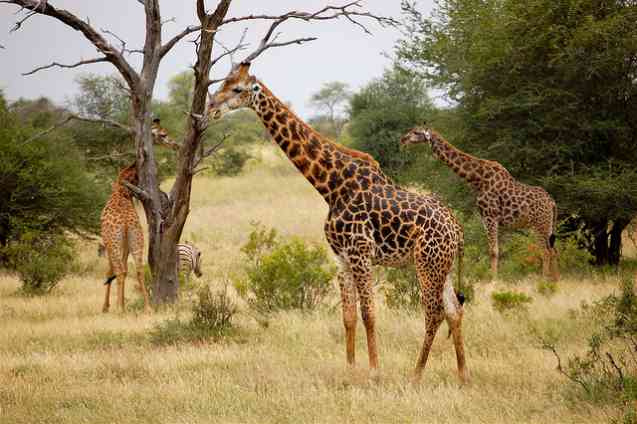
As with the rest of South Africa, Kruger National Park is good to visit any time of the year. It’s a summer rainfall region (remember your raincoat!), and becomes lush and green during this period, making game-viewing a little more difficult in the thick bush. Summer rain is usually in the form of wonderfully dramatic short afternoon thunderstorms.
Winter mornings and evenings can be cold, but nothing a good jacket won’t protect you from. The dry winter bush makes animal sightings far easier.
Kruger can be very busy, especially during South African school holidays, so speak to one of our ABS consultants to find out when they are.
More in the Best Time to Visit South Africa, Cape Town to Kruger Park and More

The spectacular dunes of the Namib Desert at Sossusvlei can be visited all year, but from October through to March/April, it can be uncomfortably hot, with temperatures reaching up to 40°C in the hottest months of October and November.
Mid-winter nights can be very cold, as in any desert, often dropping to 0°C, so we’d recommend a lodge safari as opposed to camping in a tent. This is the best time to visit, as daytime temperatures are warm, and the air is crisp and clear, which shows off the dune’s incredible colours. Be sure to go in the early morning, the changing hues as the sun rises are beautiful.
More in the Best Time to Visit Namibia
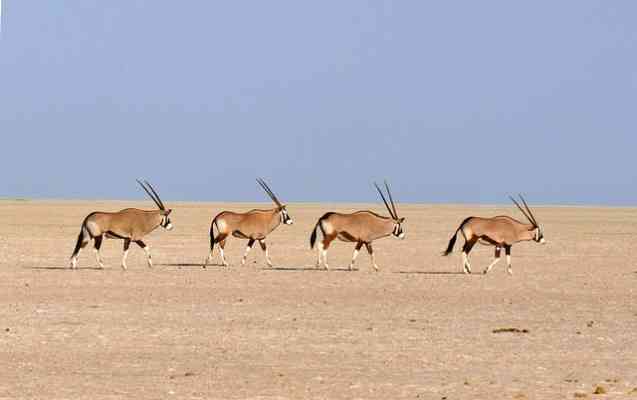
The rainy season in Etosha (what there is of it), is also in summer, so the best game-viewing is during the dry winter months (May to October). The pan is dry, the grass is low and the animals gather at the waterholes, making for spectacular animal sightings.
Summer in Etosha is very hot (it can reach into the 40°Cs) and can be unbearable from November through to March. The area is transformed after the rains, with lush vegetation and the pan filling up and bringing wonderful birdlife.
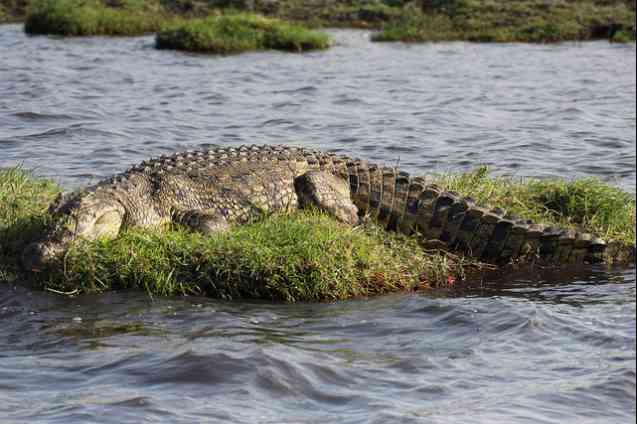
As with Etosha, Chobe is a summer rainfall region. During the dry season (May to October), the animals concentrate along the river, allowing incredible game-viewing opportunities. May to June can be very cold at night, but daytime temperatures are mild. From August, temperatures start soaring, often reaching up into the 40°Cs in October, the hottest month of the year.
December to March is the rainy season, which is very hot and lush, and perfect for birdwatching if you can handle the heat. This is also the birthing season for many antelope, including the impala, which brings the predators in.
More in Best Time to Visit Botswana
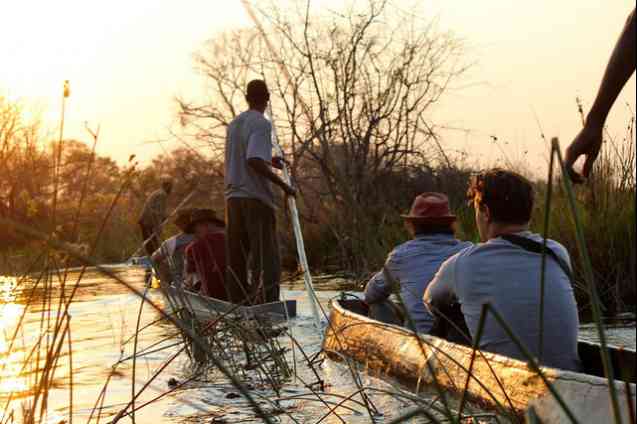
The daily temperatures in Okavango are very similar to those in Chobe (being close to each other). The big decider of when the best time to visit in these wetlands, though, is the rain and water levels.
The high water season is between May and August, and this is the best time for boating and mokoros when the rains have stopped. After this, the water levels drop, depending on how much rain falls here and further north in Angola (the waters flow into the delta from there). During the dry season, it may not be possible to weave through the waterways by mokoro.
More in the Best Time to Visit the Okavango Delta (and where is it)
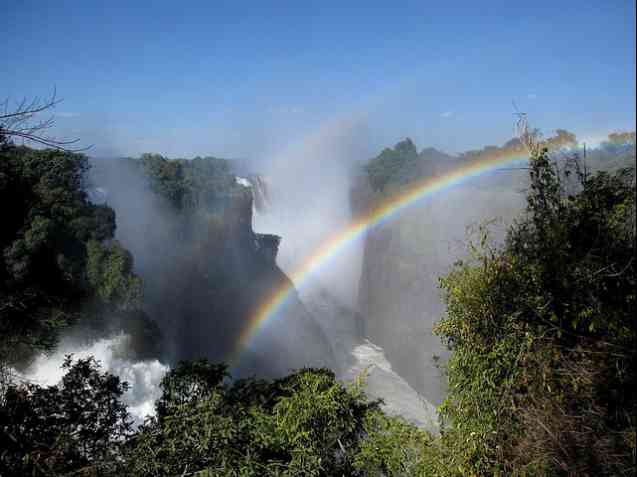
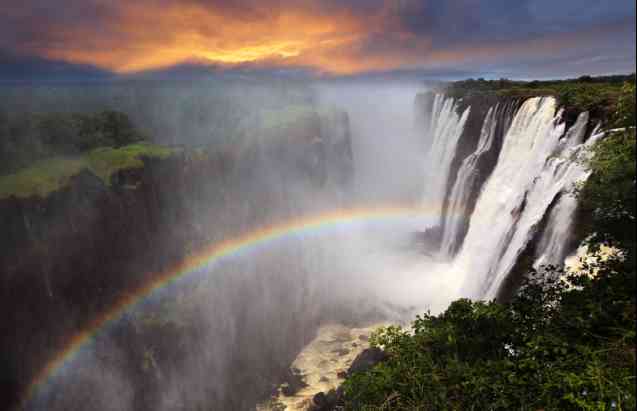
Victoria Falls, just like any natural wonder, changes its cloak through the seasons and is magnificent whenever you go.
During the wet season (February/March to May), the Zambezi River rises by a metre, and the water flows over the falls and through the gorge, by up to 5 metres. While this makes for an incredibly powerful sound and amazing views from the air, the thick spray makes sighting difficult (and wet!) from most of the walkable viewpoints. The rainbows at this time are magnificent.
The falls are at their lowest around October to December (also the hottest months), when they get smaller and separate into ‘strands’ of water with the beautiful rocks showing, and minimal spray. The Zambian side of the falls can run completely dry at this time.
It is during this dry season that it is possible to swim on the edge of the falls in Devil’s Pool – an incredible experience that’ll leave you breathless!
If white water rafting is what you’re going for, be sure to check with one of our ABS consultants, as water levels affect the running of the rafting, and which rapids can be negotiated. Low water rafting (most exciting) is offered from August to December, and high water in January/February and June/July.
More about the Best Time to Visit Victoria Falls and the Best Time to Visit Zimbabwe
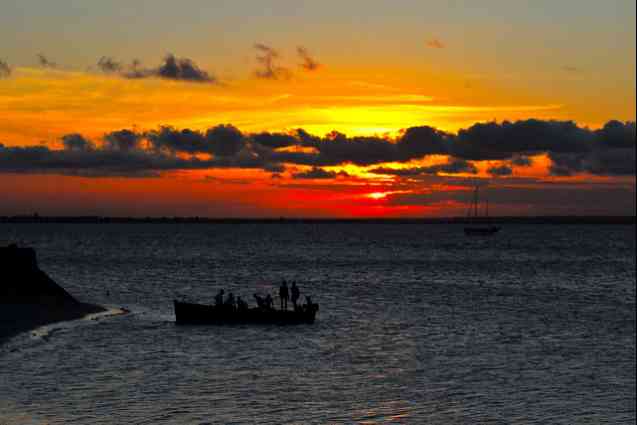
With its tropical climate and the warm Indian Ocean, Mozambique has pleasant weather all year. Summer is the rainfall season (December to March), and can be very hot and humid. The rain generally falls in the form of short, and dramatic thunderstorms, followed by sunshine. January to March is cyclone season.
Winter (April to October/November) is dry and balmy and offers the best diving as there is less wind and the sea currents are calmer. Whales are often seen between June and October.
More about the Best Time to Visit Mozambique

Madagascar, too, has a tropical climate. Being an island, the cyclone season hits hard here, and travel is ill-advised in cyclone season (November to March). The climate on the island is surprisingly diverse, due to the wide variety of habitats – from the cooler highlands to the balmy seaside.
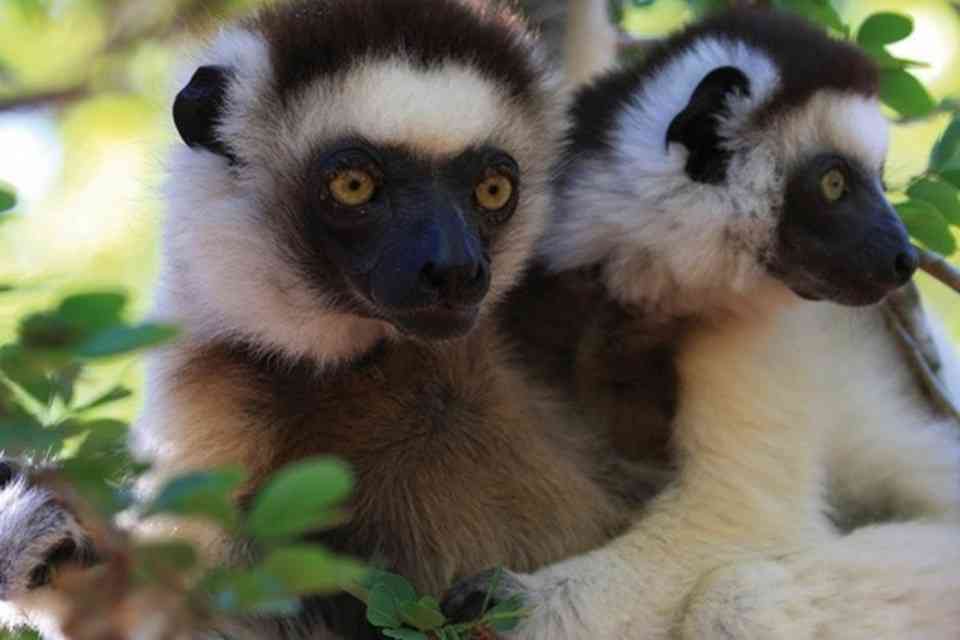
The whale season is from July to December and it’s baby lemur time in October/November, so depending on what you want to see, choose your dates carefully.
Antananarivo
Nosy Be
More about Madagascar and When to Visit
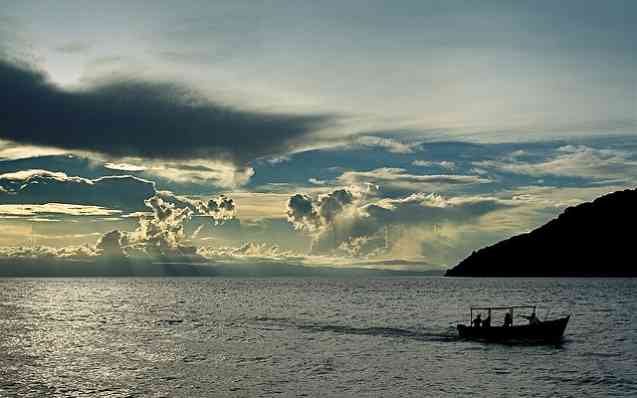
Lake Malawi is in the low-lying area of Malawi, so never gets as chilly as the highlands (June to August). In fact, it’s beach weather pretty much all year on the shores of the lake.
November to March can be very wet and unbearably hot (and is the peak season for malaria-carrying mosquitoes, so beware!), and many of the roads become unpassable. October and November are the hottest months, often reaching into the high 30°Cs.
__medium.jpg)
Again, Uganda is tropical, so it never gets terribly cold, but can get very wet. It has two wet seasons – March to May, and then September to November. Roads may become difficult to navigate or impassable during the wet season, and some camps close.
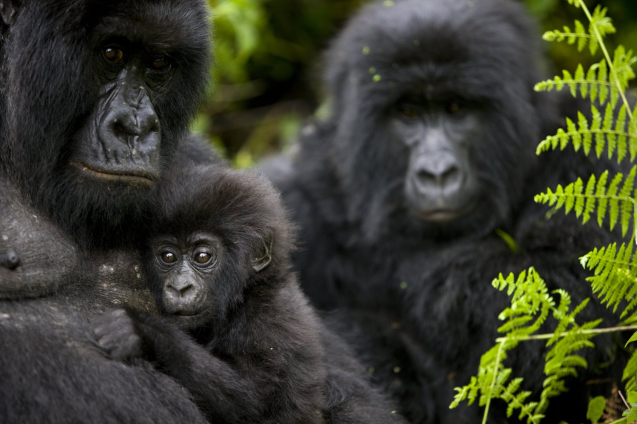
In terms of gorilla sightings, the dry seasons (June to August/September and December/January to February) are the best times. Expensive gorilla permits are non-transferable; should you go in the wet season and it pours. The wettest months are April and May. On the upside, permits are usually cheaper during the wet season.
Bwindi
More in the Best Time to Visit Uganda for gorilla trekking, safaris and more.
__medium.jpg)
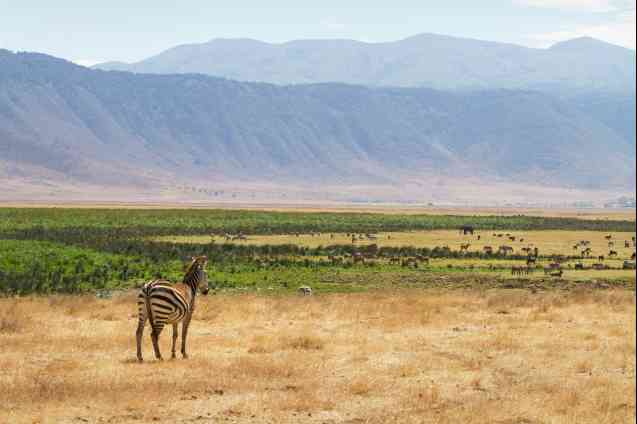
Due to the fact the Ngorongoro Crater is, essentially, a bowl in which an incredible range of animals live permanently, there’s no bad time to visit. Peak season, however, can be crowded (in African terms) and it runs from July to September and then from December to February.
The short wet season is in November/December, and the long rains happen from about February to April. The long rainy season is considered low season, but April/May makes for a wonderfully lush and uncrowded visit. It is, unfortunately, peak mosquito season, with a higher risk of malaria.
More in Best Time to Visit Ngorongoro Crater in Tanzania

Again, there’s no ‘terrible’ time to go to the Serengeti, but where in the park is best to go differs by season, and the low season is during the long rains (March/April). The dry season, from June to September, is considered peak season for game-viewing.
Many people go to the Serengeti in the hopes of seeing the Great Migration. As detailed in our Serengeti Budget Guide, this is the annual circular route followed by hundreds of thousands of animals through Serengeti, Maasai Mara, and the surrounding areas each year.
It’s nature, so it’s unpredictable, but usually, the animals spend from December to May grazing and having their babies on the plains of the Serengeti around February (bringing with them the predators). In late May/early June to July, they head northwest to the Grumeti and Mara Rivers, where the dramatic crossings occur. Book early, this is peak season!
More in When to Go on African Safari in Serengeti, Tanzania

As with Serengeti, there’s no bad time to go on Af the Masai Mara. The climate is temperate and there is game to see all year. The dry season is June to October, and the rains fall from November to May (generally short, afternoon thunderstorms followed by sun, except from March to May, when there is more rain).
If you’re aiming to try and catch the Great Migration, the enormous herds generally cross the Mara and Grumeti Rivers (with their snapping crocodiles) into the Masai Mara in June/July and head back to the Serengeti around November.
More in When to Go on African Safari in Masai Mara, Kenya

The island paradise of Zanzibar has an equatorial climate, due to its position just below the equator. It has two wet seasons – the short rains generally fall in November/December, and the long rains from March to May. It can be uncomfortably hot and humid during the long rains.
June to October and January/February are considered the dry seasons, with perfect sunny weather for lying on the beach and swimming in the warm Indian Ocean.
Do remember that many Zanzibaris are Muslim, so cultural sensitivity is a must. The island observes Ramadan for a month each year (when Muslims fast from daybreak to sunset). Many of the smaller shops and restaurants may be closed during the day at this time, although bigger hotels and tourist spots remain open.
More in our Zanzibar Travel Guide and the Best Time to Visit Tanzania
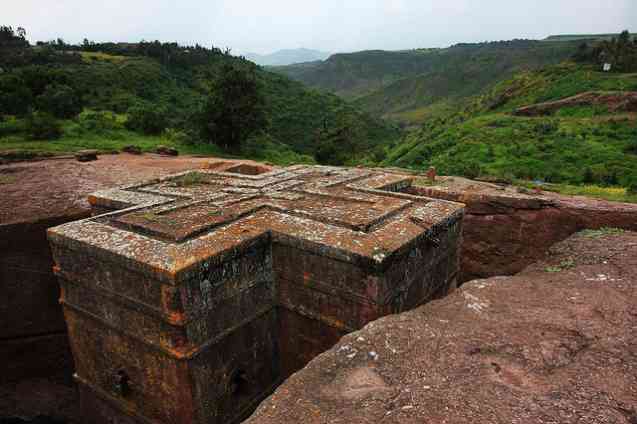
Ethiopia can be visited all year, and its climate differs from region to region. The rainy season is usually from June to early October and tends to be less crowded from a tourist point of view. The high season is October to January when the rains are over, but the countryside is still green.
Travel to South Omo is restricted during their wet season, which occurs usually in April and May, but may start earlier (March) or end later (June). They also have short rains in October. Travel here is recommended from August to October.

The Danakil Depression can reach uncomfortably high temperatures (average of 42°C in June/July), so should be avoided by people who don’t like the heat, and visit only in the 'cooler' months of November and December (average temperature 33°C).
Many people travel to Ethiopia to experience their incredible festivals, such as Timket, which falls on the 19th of January. The streets are filled with music, food, processions and dancing to celebrate the ancient Feast of Epiphany.
Other important Ethiopian festivals include:
Addis Ababa
Danakil
Lalibela
More about Travelling to Ethiopia
There you have it - a brief guide on where to go and when to go on an African Safari. Now that you know the best time to visit Africa's top destinations, let's help you plan your budget-friendly trip.
Our team of experienced experts, based in South Africa, knows exactly when best to go where in Africa. We can advise you on the best places to visit based on the latest news, prices and weather conditions. Our consultants will ensure that you are properly informed before you travel so that your safari is safe, easy and memorable for all the right reasons.
Chat with one of our friendly African travel experts to get the ball rolling...

Explore these destinations mentioned in this post.
Below you'll find further reading and articles related or similar to this post.




Call us toll free from US/Canada on 1-888-414-6513, or from the UK on 0-808-189-1052. All other countries can contact us on +27 21 791 0878.
© 2026 African Budget Safaris | Privacy | Terms | Cookie Policy | Consent Preferences

__thumb.jpg)