__banner.jpg)
Africa is calling, but your travel budget is tight. Can you even afford to go on safari? Here's how to plan an African safari on a budget. With careful preparation and research, you'll be surprised at what's possible on a limited budget.
Follow the planning checklist below to experience the best African safari you can afford. You'll see - it can be easy!
Or see our video series The Complete African Safari Guide, starting with the Safari Guide for Beginners: Everything You NEED to Know!
You’ve decided your next holiday is a dream safari in Africa. So, you’ve entered a few keywords into Google to get an idea of what's out there in terms of ‘African Safaris’, and up comes a huge amount of information. Feeling overwhelmed, you go into procrastination mode - where do you start, and how do you narrow down the endless options and figure out how to do it on a budget?
Planning a trip of any kind is very exciting and definitely part of the fun. There are many amazing places to see and things to do in Africa, making it hard to pick just a few. You will likely go back and forth, changing your mind a few times, but that's normal.
If you’ve been on a safari in Africa before, you probably have a pretty good idea of the basics. So, in a sense, this is a beginner's guide for those planning their first African safari. Let me try to make it a bit easier with a few pointers on planning an African safari on a budget.

A good place to start planning your African safari on a budget is by selecting a destination, or at least having an idea of where in Africa you want to go.
If you are one of the lucky ones with two months to travel and a sizable budget, you can certainly cover a lot of ground and get to all the spots you want to see. Most travellers only have 14 days or 3 weeks, maximum, which requires more careful planning and budgeting.
Some people already have their hearts set on a particular area or African country, but others struggle with this important (first) step. It's totally understandable, considering the misconception that Africa is a country, when in fact it's a continent comprising 54 countries, of which about 9 are renowned for their wildlife safari destinations.
The main African safari countries are Kenya, Tanzania, South Africa, Namibia, Botswana, Zimbabwe, Zambia, Uganda, and Rwanda.
Of these safari destinations, South Africa, Namibia, and Kenya are often considered the cheapest African safari countries to visit, followed by Botswana, Uganda, and Tanzania.
| Pro Safari Tip: Aim for depth, not breadth. While adding new country stamps to your passport is exciting, Africa is a place that moves slowly. Dashing from place to place will rob you of the chance to really get to know a country, city, or safari destination. A perfect example is doing a self-drive safari in Kruger National Park, where the rewards of going slow are the richness of African animals you never even knew existed! With this in mind, pick a few top African safari destinations and spend a little extra time. |
Another way to approach the all-important travel destination question is to list your ultimate ‘must-sees’ in Africa. For an overview of where to go, see Planning an African safari in Africa.
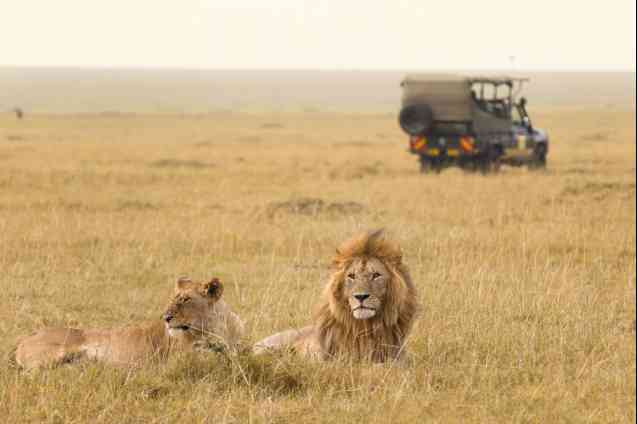
This could be a specific area, natural wonder, or park in a country, or perhaps more broadly, the animals you want to see. For example, many people want to see elephants and lions, or the fascinating wild dogs, or endangered mountain gorillas. The list goes on, but having an idea of what is important to you can help determine more specific areas to include on your African safari trip. To see mountain gorillas, for instance, you need to go to central East Africa - Uganda or Rwanda, which are the best options.
Parks and reserves differ in terms of vegetation and topography, making them more suitable for certain animal species. In some areas, you will find higher concentrations of elephants than in others. Including the parks that are prime African safari destinations will greatly increase the chances of spotting the animals on your list. This is why it’s common for travelers to visit two or three parks or areas in one visit, as each wildlife area offers something unique.
For help choosing between Southern and East Africa, read our blog post: Southern Africa vs East Africa Safaris - how to choose?
Other helpful articles:
Safari Planning Tip: Be open to other experiences that are not necessarily on your must-see list. There are many incredible places and things to see in Africa - the little hidden gems along the way can be a wonderful surprise.
| Budget Safari Tip: Resist the temptation to book a flight deal before you have a clear idea of your safari plans. It is always better to first have your safari plans in place and then book flights accordingly. This gives you a lot more freedom to pick a wildlife safari that suits you and your all-important budget. Additionally, having set travel dates (due to flights) limits your choices, and you may miss out on fantastic travel deals. |

Chat with one of our friendly safari experts, who can help you plan every step of the way.
Or watch our African Safari Guide for Beginners, where we walk through the basics of what to know before your first African safari. From what a safari is and choosing destinations to different types of safaris and essential safari tips.
This doesn’t need to be an exact budget, but having a ballpark figure is very useful when searching for African safari tours.
While an African safari is a dream trip, the budget needs to be realistic and ultimately these two need to align – unfortunately. Wanting a luxury trip on a shoestring budget is just not realistic. Then again, luxury has different meanings to different people. To some, luxury is a plush hotel with porters, room service, and expensive linen. To others, luxury is a remote hut in the bush. Really, what one needs to establish is an expectation.
What are you comfortable with and what are you prepared to compromise on, if needs be, to stay within your travel budget? It is certainly possible to have an incredible African safari experience when staying in rustic accommodations and even rough camping. The excitement of an African safari - seeing wild animals in their natural environment - is equal, regardless of how you get there or where you stay.
However, the details are important. Ultimately, you want the best African safari experience filled with beautiful memories to look back on. And this all starts with good planning.

Timing is an important factor in managing your budget for an African safari. Choosing when to go on an African safari is a balancing act between the time of year (the travel season) vs. your budget and the seasonal fluctuations at your safari destination of choice.
Deciding on the best time of year for your African safari is a complicated question. While you may be flexible with when you can book your leave, many people are bound by school term times and holiday seasons. Add to this the demands of a bucket list and the window of opportunity narrows. Animal migrations are a case in point. To see the largest migration of mammals in Africa (the bats in Kasanka), or the Mara River crossing on the great migration, requires travelling at a specific time of year. Travelling to see these wildlife events, however, brings into consideration another factor, high and low tourist seasons and your budget.
| Pro Planning Tip: The rainy season is not always a bad time to visit. Personally, I love the rainy season in all safari destinations across southern and East Africa. There is just something very special when you see the thunderclouds gathering on the horizon and the pouring rain a while later – the smell is incredible. The photo opportunities are amazing! Cue – Toto, Bless the rains in Africa….. ;-) |
The safari season at your destination and your safari budget go hand-in-hand with deciding when you plan to travel.
During the dry season in East Africa, the weather and game viewing are at their best. The great wildebeest migration is in full swing, and safari enthusiasts flock to East Africa from July to October. This creates high demand and as a result, safari prices go up. The shoulder seasons, just before and after the peak season, can offer better travel deals, but the latter part of the dry season, September and October, is when the wildebeest migration reaches the Mara River and will be the most expensive time to travel for a safari in Kenya or Tanzania. You can visit our guide to The Great Migration in Africa for tips on planning a budget safari to this iconic wildlife phenomenon.
Balancing the time of year, tourist seasons, and your budget for an African safari is therefore an important consideration.
| Budget Safari Tip: Some, but not all, safari tours have low, mid, and high-season prices. This differs according to the best and arguably the least desirable times of year to visit. Travel in low and mid seasons is a great way to go on an African safari for less, but definitely check why it’s low season, and decide if you are willing to compromise. Like everything in life, there are always pros and cons. |
It is always a good idea to check what is to be expected in terms of weather, temperatures, and wildlife viewing possibilities for the specific places in the month you want to visit. Of course, nothing is guaranteed - as we all know, nature can be very unpredictable. But, having an idea of when it’s summer/winter and dry/rainy season at your safari destination will help manage your expectations and keep you comfortable on your African safari.
For example, perhaps elephants are high on your must-see list, but you arrive in Chobe (Botswana) to be told February is not a good time for spotting elephants! As a safari-goer, the aim is to try to be in the same areas as the wildlife. But, they are free-roaming animals, which means they move around according to the season, or in some cases migrate hundreds of kilometres to places where food and water are plentiful at that time.
If you really don’t deal well with extreme heat, it is best to avoid a trip in midsummer in many regions of Africa. Or, maybe you are planning on a camping safari, which is best in the drier months in some areas.
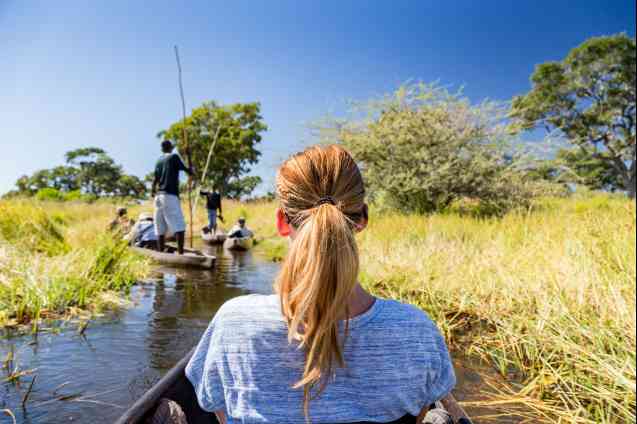
Another example is the seasonal changes in the Okavango Delta. If you are dreaming of gliding through the pristine channels of the Okavango Delta in a dug-out canoe (mokoro) it is important to visit when there is enough water in the delta. The water levels fluctuate widely across the seasons, so your timing makes a big difference. For more about visiting the delta, see The Okavango Delta Explained.
Also, keep in mind that southern and eastern Africa have different seasons. Don’t assume Botswana is in its rainy season just because Kenya is at the time of your travels.
This will probably be determined by the amount of vacation leave you have, but it is still something to think about.
Now, a lot of first-time travellers want to fit in as much as possible and tick as many things as they can off their bucket lists. But in Africa, less is more. Taking it slowly will be a lot more rewarding than trying to rush from place to place.
It will also be worth your while to do some research on how long it takes to get between places. Travel distances are HUGE and often on rough, bumpy, dusty roads. Even if Google Maps say it’s 300 km, the time it takes to get there might be 5 to 6 hours, even more in the rainy season. As the old saying goes – it’s not about the destination, but the journey getting there. The magic lies in the unexpected – meeting people along the way, learning about local cultures, and taking in the incredible scenery.

There’s not really a right or wrong time to make your actual safari booking, but it’s important to check availability first before requesting leave dates from your work or making flight bookings. This is particularly important when you have your eye on a specific date, location, lodge, or group tour that is non-negotiable for you.
If your planned safari trip happens to fall in the high/busy season, booking a year in advance is a good idea. This is particularly true for popular times of the year at the top safari destinations, such as the peak of the Great Migration in Kenya and Tanzania. Booking about a year in advance is also recommended for gorilla trekking in Uganda and Rwanda due to the limited availability of gorilla permits.
In general, though, and if your travel plans are flexible, booking an African safari 4 to 6 months in advance is the norm.
Last-minute safari plans (within a month or less of your travel dates) can be tricky, but doable. It greatly depends on low vs high season and again flexibility with travel dates, where you stay, and what you want to see on your African safari.

Check out our Budget African Safaris and contact us to get the ball rolling.
Below, I've categorised my essential checklist based on the safari planning phases. This gives you a timeline to work with when you are planning your budget African safari.
More about this in The Complete African Safari Medical Guide
More about packing for your safari in the Easy Guide to Packing for an African Safari

Chatting with an African safari expert can be hugely beneficial and will make the whole process a lot less daunting. Researching on your own is certainly a good starting point. When it comes to choosing and booking a safari, however, it helps to have someone answering questions along the way, even if you've just read this guide to planning your safari on a budget.
An African safari expert has in-depth knowledge of their portfolio and will be able to recommend budget safari options that suit your needs. This can save a lot of time, money and research on your side.
If you are travelling with kids, a big group of family and friends or have specific dietary requirements, some special attention to the details will be needed. You need to take into account if a safari camp/lodge has a minimum age limit, do they have family rooms, how far of a walk is it from reception to the room if you have elderly people in the group, do they cater for gluten-free or vegan diets etc...
Whatever your requirements are, it is very handy to have someone with experience guiding you in the right direction. Getting expert advice will ultimately make your safari planning and the actual holiday as stress-free as possible.
“Nothing but breathing the air of Africa, and actually walking through it, can communicate the indescribable sensations.” - William Burchell (English explorer and author)
Oh, and don't forget to talk to a seasoned safari pro to make sure you’ve selected the best African destinations for you, on the most suitable safari, and got your timing right. We are here to help you plan and experience the best African safari on your budget. So get in touch, and take a step closer to experiencing Africa for yourself!
Explore these destinations mentioned in this post.
Below you'll find further reading and articles related or similar to this post.




Call us toll free from US/Canada on 1-888-414-6513, or from the UK on 0-808-189-1052. All other countries can contact us on +27 21 791 0878.
© 2026 African Budget Safaris | Privacy | Terms | Cookie Policy | Consent Preferences


_(1)__thumb.jpg)


__thumb.jpg)
__large__thumb.jpg)