
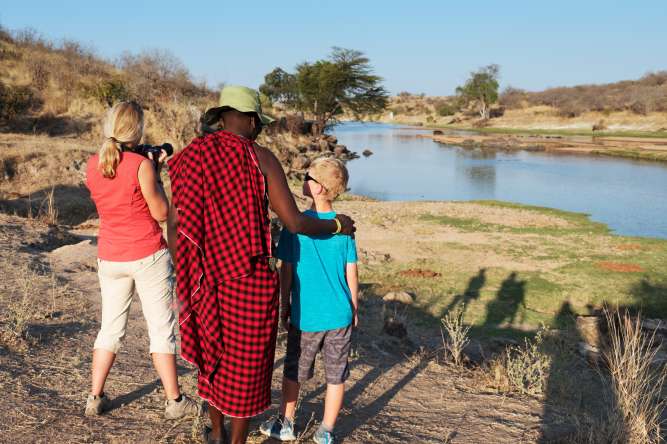
An African safari is one of those rare family holidays that children may still be talking about decades later.
Watching elephants cross the road, hearing lions roar after dark and spotting giraffes over breakfast creates a kind of family memory that is difficult to manufacture anywhere else.
But planning an African safari with kids involves more than choosing the destination with the most famous animals.
The right family safari needs to suit your children’s ages, attention spans and energy levels. It must also work for the adults, fit your budget and balance wildlife viewing with sensible travel times, comfortable accommodation and enough downtime to keep everyone human.
In other words, the best safari for children is not necessarily the biggest, longest or most expensive one. It is the safari that works for your family.
This guide will help you compare safari ages, destinations, activity restrictions, private and group tours, accommodation, health considerations, travel pace and family safari costs before you book.
Quick answer: An African safari can work for children of almost any age, but families with younger children usually benefit from malaria-free destinations, shorter transfers, flexible meal times and a private vehicle. Older children and teenagers can generally manage longer drives and take part in a wider range of activities.
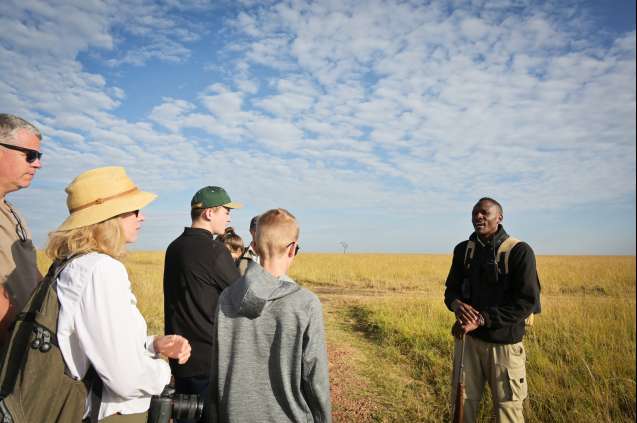
A safari can be a brilliant family holiday, but not every safari suits every child.
Before deciding where to go, consider how your children cope with early mornings, long journeys, unfamiliar food, warm weather and periods of sitting quietly. A typical game drive may last two to four hours, and wildlife rarely appears on demand. Lions have not yet agreed to a family-friendly performance schedule.
A family safari is likely to work well when:
Families with babies, toddlers, teenagers and grandparents may all enjoy Africa, but they will not necessarily enjoy the same itinerary.
If your group includes several ages, mobility levels or travel styles, a private or tailor-made safari can make it easier to balance everyone’s needs.
You can also browse our family-friendly African safaris to compare lodge, private and small-group options across East and Southern Africa.
There is no single perfect safari age. Much depends on the child, the destination and the style of trip.
A calm, animal-obsessed five-year-old may enjoy a game drive more than a restless twelve-year-old. The important question is not simply, “Are children allowed?” It is, “How will my child experience this particular safari?”
Children under six can go on safari, but this is often the most demanding age for a traditional itinerary.
Young children may struggle with:
Many lodges and operators set minimum ages for shared game drives or particular activities. These rules differ, sometimes even between neighbouring properties.
Families with younger children often do best with a malaria-free reserve, one or two longer lodge stays, short transfers and a private vehicle that can return to camp when someone needs a snack, a nap or an urgent bathroom stop.
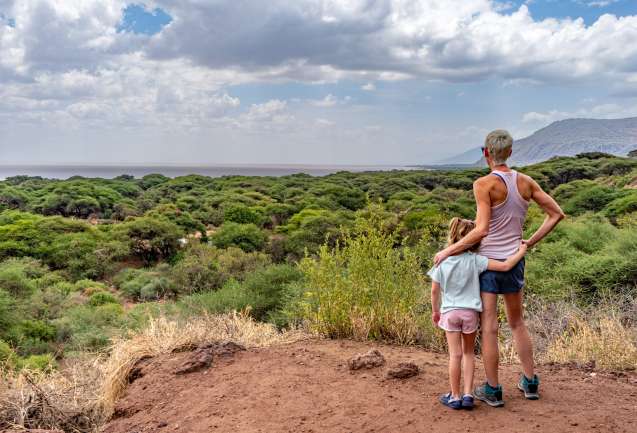
For many families, roughly six to twelve is the golden safari age.
Children are old enough to understand safety instructions, use binoculars, follow tracks and appreciate the excitement of searching for wildlife. They are also still young enough to regard elephant dung as a genuinely fascinating educational resource.
At this age, children can begin learning about:
Junior ranger programmes, nature activities, wildlife checklists and interactive guiding can transform a game drive from several hours in a vehicle into a proper bush adventure.
For a first-hand example, read what one parent learned from taking five children aged five to fourteen on a Kruger family safari.
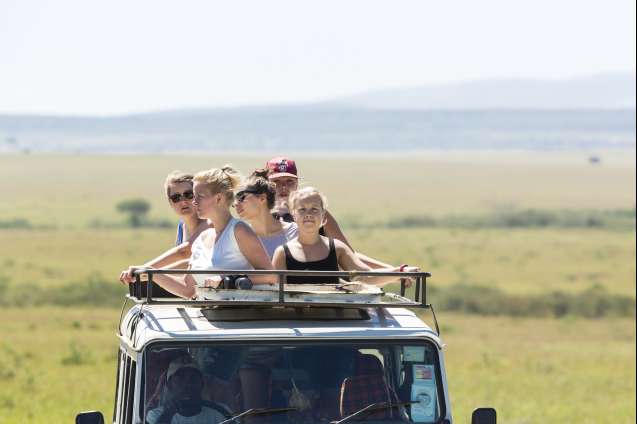
Teenagers can usually participate in more of the safari experience and cope with longer, more adventurous itineraries.
Depending on the destination and the operator’s rules, older children may be able to enjoy:
Teenagers may also appreciate the quieter moments more than parents expect, whether they are photographing a leopard, watching elephants at a waterhole or discovering that a few hours without Wi-Fi is survivable after all.
For more ideas, see our guide to the best African safari destinations for families with teenagers.
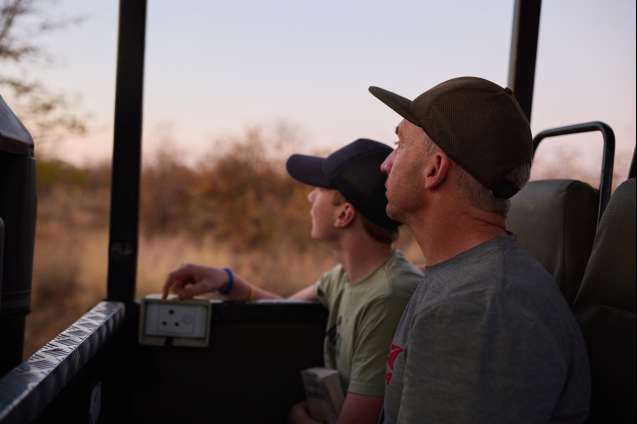
One of the biggest surprises for first-time safari families is that age restrictions often apply to activities rather than entire destinations.
Never assume that a lodge described as family-friendly allows children on every drive, walk, or boat trip. Ask for the rules in writing before paying a deposit.
Many lodges set a minimum age for shared game drives, commonly around six or eight, although the policy varies widely.
Young children may become restless or make sudden movements that affect the experience for other guests. In areas with open safari vehicles, guides also need every passenger to follow instructions quickly and remain seated during sightings.
A private vehicle is often the easiest solution. It gives your family more control over departure times, stops and the length of each drive.
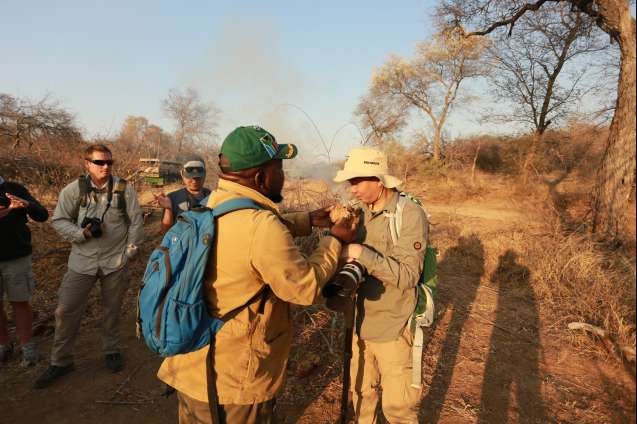
Walking safaris generally have higher minimum ages because participants must remain calm, walk quietly and respond immediately to the guide.
The permitted age depends on local regulations, the operator and the type of walk. If this is an important part of your trip, check the exact restriction for every property on the itinerary.
Motorboat wildlife cruises may accept younger children, while canoeing and traditional mokoro excursions can have stricter requirements.
Age is not the only consideration. Children should also be comfortable around water, able to sit still and capable of following the guide’s instructions.
Night drives can be exciting for older children, with the chance to see nocturnal animals such as genets, porcupines, bushbabies and owls.
Some properties restrict younger children because of the late finish, cooler temperatures or the nature of open-vehicle wildlife viewing after dark.
Activities such as gorilla trekking, white-water rafting, bungee jumping and longer wilderness walks often have firm minimum ages.
These rules can be set by national authorities rather than the individual operator, so they are not always flexible. Check the latest requirements before building the family itinerary around a particular activity.
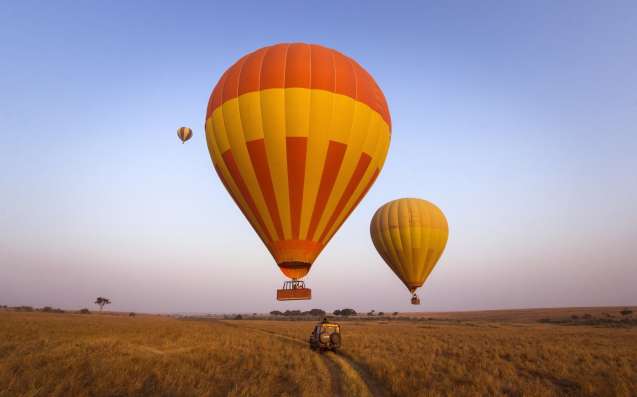
The best destination depends on your children’s ages, the time you have available, your budget, and how adventurous you want the trip to be.
| Family priority | Destinations to consider | Why they may work |
|---|---|---|
| Young children or babies | South Africa | Broad choice of malaria-free reserves, good infrastructure and family-focused lodges |
| First family safari | South Africa, Kenya or Tanzania | Established safari routes, excellent wildlife and wide accommodation choice |
| Older children who love wildlife | Kenya or Tanzania | Classic savannah game viewing and famous wildlife areas |
| Road-trip family adventure | Namibia or South Africa | Varied scenery and strong self-drive or guided-road options |
| Adventurous teenagers | Botswana, Namibia, Uganda, Zambia or Zimbabwe | Remote wilderness, water activities, trekking and adventure add-ons |
| Multi-generational group | Private safari in South Africa, Kenya, Tanzania, Namibia or Botswana | Flexible pace, room choice and control over daily activities |
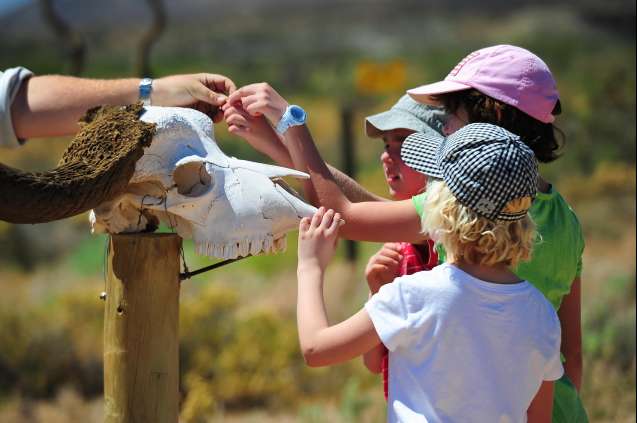
South Africa safaris are often the easiest starting point for families, particularly those travelling with babies or younger children.
South Africa offers Africa’s broadest selection of malaria-free safari regions. These include much of the Eastern Cape, the Western Cape, the Northern Cape, Pilanesberg, Madikwe and parts of the Waterberg.
It also has strong road and air infrastructure, a wide range of accommodation and easy combinations with Cape Town, beaches and the Garden Route.
Good family options include:
Read our guide to malaria-free South African safaris and compare our family-friendly South Africa safari ideas.
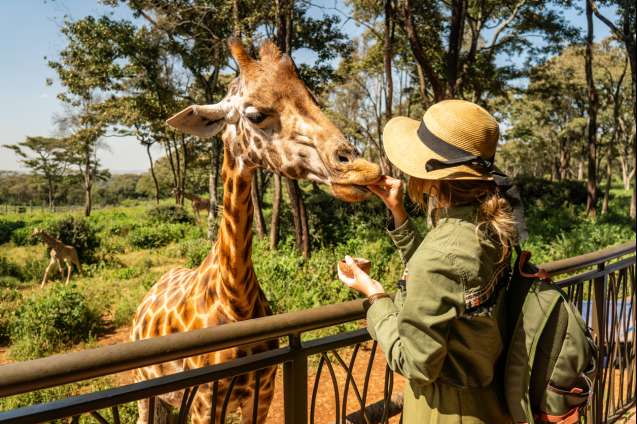
Kenya family safaris combine outstanding game viewing with a well-established tourism industry and a broad range of lodge and private-tour options.
The Masai Mara is the obvious headline act, but Kenya can also combine wildlife with lakes, conservancies, cultural experiences and Indian Ocean beaches.
Road transfers can be long, so families with younger children may benefit from a carefully paced route or selected internal flights. Older children often enjoy the variety of landscapes and the educational value of travelling with an experienced guide throughout the itinerary.
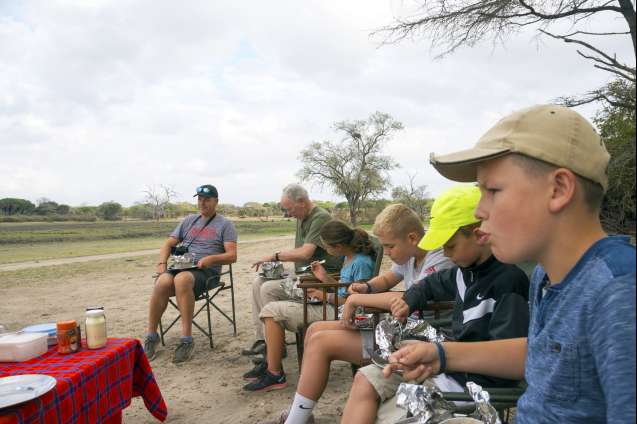
Tanzania safaris offer some of Africa’s most famous wildlife experiences, including the Serengeti and Ngorongoro Crater.
The northern safari circuit can work well for families because several major parks can be combined by road. However, the distances are still significant, and younger children may find repeated travel days tiring.
A Zanzibar beach stay can provide a welcome change of pace after the safari, particularly for families who want wildlife followed by swimming, sand and fewer dawn wake-up calls.
For families who want to combine both countries, a private Kenya and Tanzania itinerary can reduce unnecessary transfers and make it easier to balance wildlife viewing with rest days.
Families comparing Kenya and Tanzania can also explore our recommended family safaris in East Africa, including routes through the Masai Mara, Serengeti and Ngorongoro Crater.
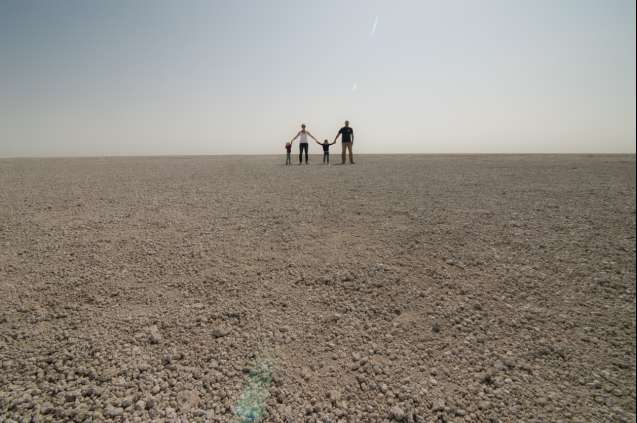
Namibia is a strong choice for families who enjoy landscapes, road trips and variety as much as traditional game drives.
A typical route might combine the dunes of the Namib, the Atlantic coast, desert scenery and wildlife viewing in Etosha National Park.
Distances are substantial, so Namibia usually works best for children who cope well with road travel. The reward is a genuine sense of adventure and landscapes that look as though another planet has been quietly hiding next door.
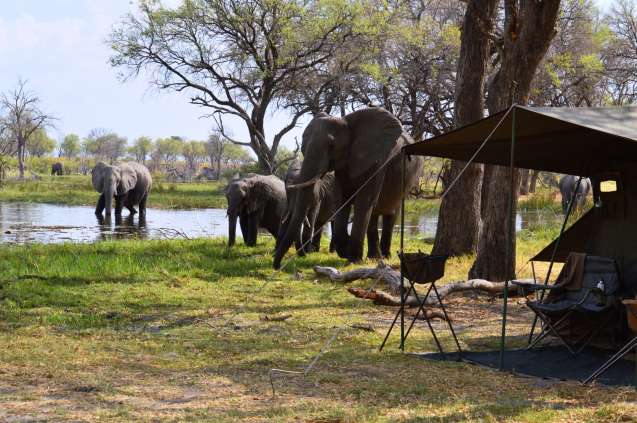
Botswana offers extraordinary wilderness, particularly around Chobe and the Okavango Delta.
Many camps are unfenced, and some itineraries involve light aircraft, boats, mokoros or remote tented accommodation. This can make Botswana especially rewarding for older children and adventurous teenagers.
It is also generally one of Africa’s more expensive safari destinations, so families should carefully compare the costs of lodges, mobile camping, and combined-country routes.
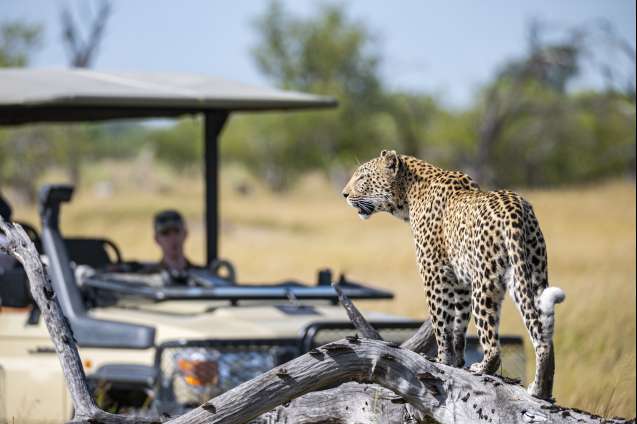
Safari style can matter more than the country you choose.
A private safari gives your family its own vehicle, guide, or itinerary, depending on the tour structure.
The advantages may include:
Private travel usually costs more than joining a scheduled group. However, the difference can narrow when a larger family fills most or all of a vehicle.
See our private and tailor-made African safaris for routes that can be adapted around your family.
Group safaris are generally more affordable and can work very well for families with older children who are comfortable following a fixed itinerary.
Before booking, check:
A low price does not represent good value when the itinerary is too demanding for the people travelling on it.
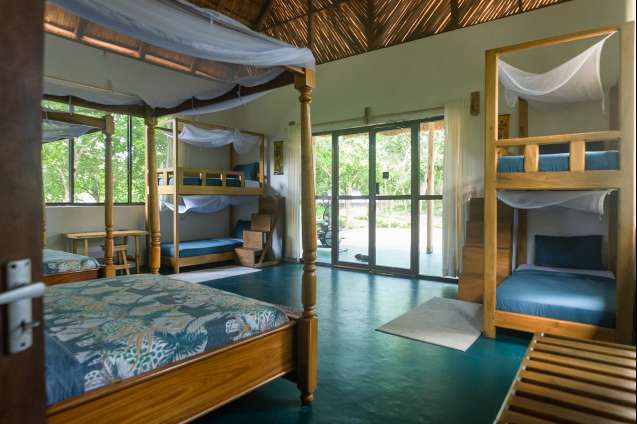
Accommodation can make or break an African safari with kids.
Lodge safaris usually provide the easiest option for younger children, first-time safari families and multi-generational groups.
Look for:
Family suites may offer better value than two separate rooms, but check the maximum occupancy and whether older children require their own room.
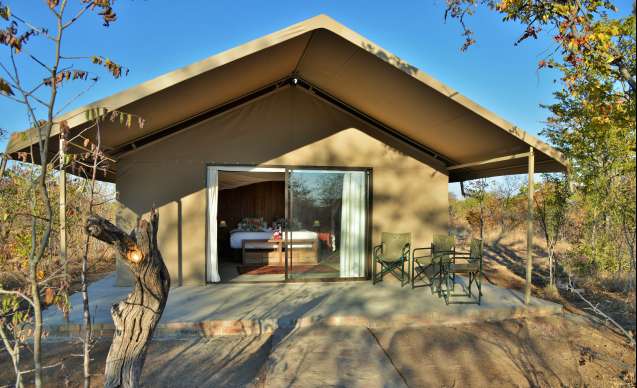
Camping can be a fantastic family adventure, especially for older children who enjoy sleeping outdoors and becoming part of camp life.
Parents should still consider whether everyone will cope with:
A camping safari can be affordable and memorable, but only when the family sees the simplicity as part of the adventure rather than a fault in the booking system.
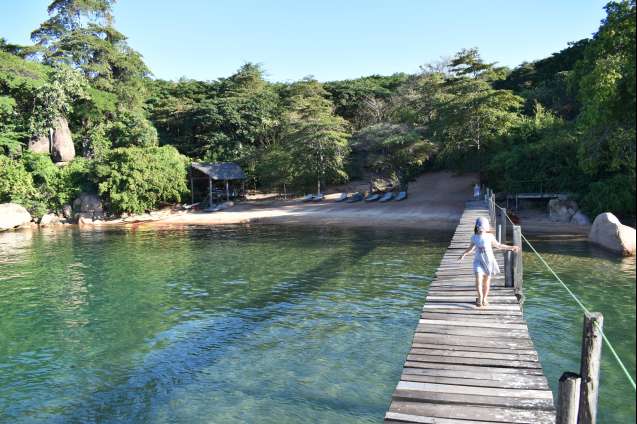
Do not rely on the phrase “family-friendly” alone. Ask what it means at each property.
| What to check | Why it matters |
|---|---|
| Minimum child age | A lodge may accept children but exclude them from certain activities |
| Family-room layout | Confirm beds, privacy, occupancy and whether rooms are adjoining |
| Fenced or unfenced property | Unfenced camps require closer supervision and often evening escorts |
| Swimming pool | Downtime between drives is essential for many children |
| Children’s meals | Check meal times, dietary needs and whether early dinners are possible |
| Junior ranger activities | These can keep younger guests engaged outside game drives |
| Babysitting | Useful when children cannot join a drive or evening activity |
| Medical access | Important when travelling with babies, allergies or health conditions |
| Electricity and refrigeration | May be needed for medication, baby supplies and charging devices |
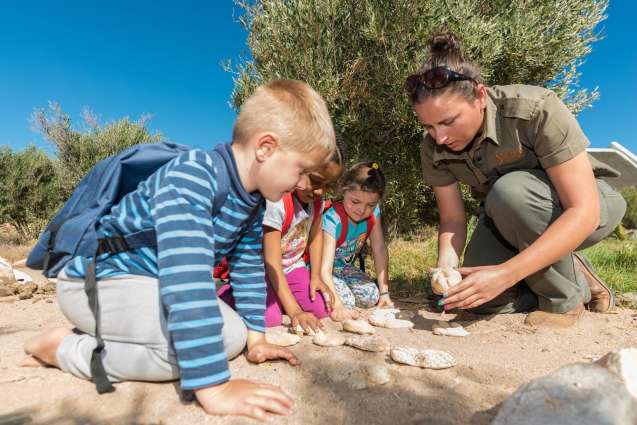
Children’s programmes can be a genuine safari highlight rather than simply somewhere to park the smaller members of the expedition.
Activities may include:
Programmes vary in quality, age range and availability. Ask whether they operate every day, whether they are supervised and whether they cost extra.
Not sure which safari will work for your children? Tell our safari experts your children’s ages, travel dates, preferred destinations and approximate budget. We can help you compare suitable tours, family-room options, activity restrictions and transfer times before you book. Start planning your family safari.
__medium.jpg)
Travel logistics are easy to underestimate when planning a family safari.
A transfer that looks like a harmless line on a map can occupy most of a day once stops, road conditions and park entrances are taken into account.
Road safaris generally cost less and allow families to see more of the country between parks.
They work particularly well when:
Flying between safari areas can reduce travel time dramatically, but usually increases the overall price.
Small bush aircraft may also have strict luggage limits and use soft-sided bags. Families carrying baby equipment or several large suitcases should check the allowance before booking.
For younger children, paying more to avoid consecutive full-day drives may be money very well spent.
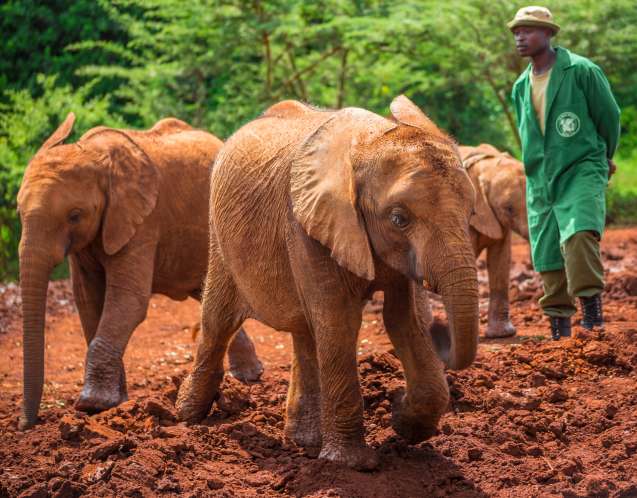
One of the most common planning mistakes is trying to see too much.
Children rarely remember how many national parks they visited. They remember an elephant splashing in the river, the taste of marshmallows around a fire, and the night a hyena called outside the room.
A slower itinerary with fewer destinations usually gives families:
Where possible, stay at least two or three nights in major safari locations and avoid stacking several long travel days together.
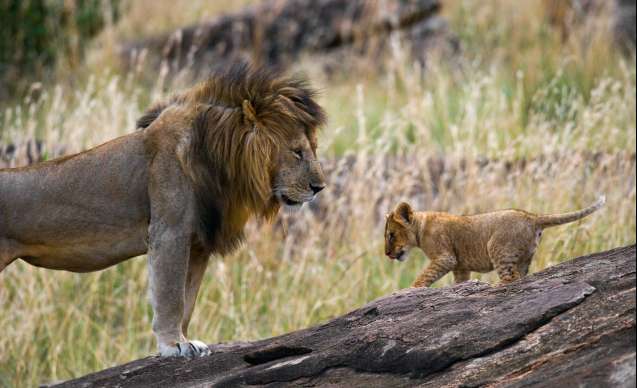
Professionally operated safaris are designed around wildlife safety, but parents and children must follow the guide’s instructions.
Many safari camps are unfenced, which means animals may move through the grounds. This is part of the magic, but it also means children require close supervision.
Speak to a qualified travel clinic or healthcare professional well before departure. Advice will depend on your destination, travel dates, medical history and each child’s age and weight.
Ask about:
Do not rely on a blog or lodge description for personalised medical advice. Read our complete African safari medical guide, then confirm the latest recommendations with a healthcare professional.
Reputable lodges generally maintain strong hygiene standards and can often accommodate dietary needs with advance notice.
Families travelling with babies should ask whether the property provides:
A family safari is a significant investment, but the most expensive option is not automatically the best, and the cheapest itinerary may not offer good value.
Family safari costs are influenced by:
For a broader explanation of safari prices, see how much an African safari costs.
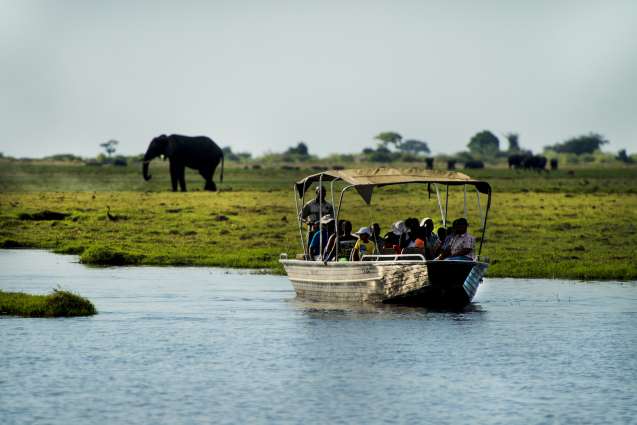
For families with young children, flexibility is often the upgrade that delivers the greatest value.
Check whether your quotation includes:
Our guide to extra and unexpected safari costs will help you compare quotations more accurately.
__medium.jpeg)
Children usually enjoy a safari more when they know what to expect.
Explain that game drives involve patience and that wildlife sightings are never guaranteed. There may be exciting encounters, but there will also be quiet stretches when the guide studies tracks, birds, insects and suspicious-looking bushes.
Before travelling:
A safari becomes more rewarding when children are active participants rather than passengers waiting for the next lion.
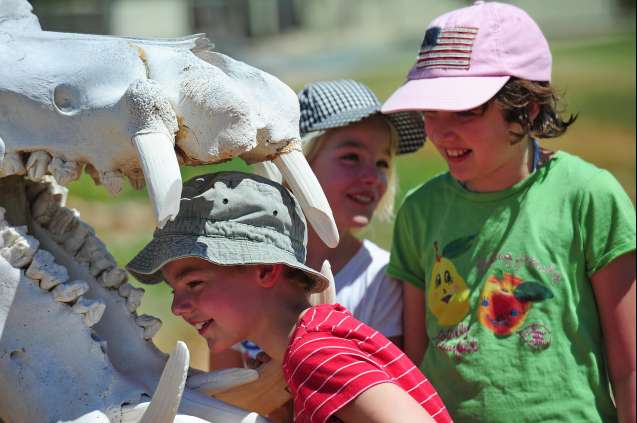
Pack for comfort, weather changes and long periods away from shops.
Useful items for children include:
Small safari flights may limit luggage weight and require soft-sided bags, so check the rules before packing the entire contents of the playroom.
See our complete African safari packing guide for clothing, luggage, documents and practical packing advice.
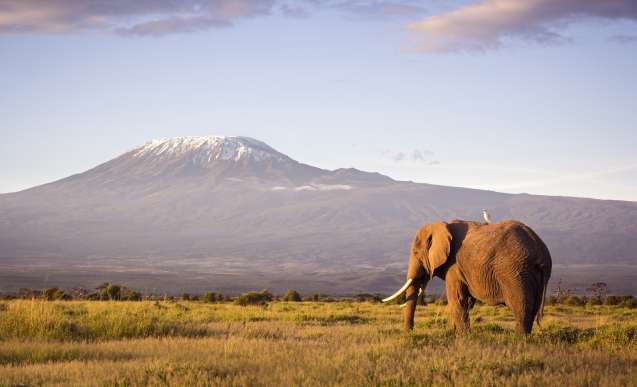
Before confirming your trip, ask the safari company the following questions.
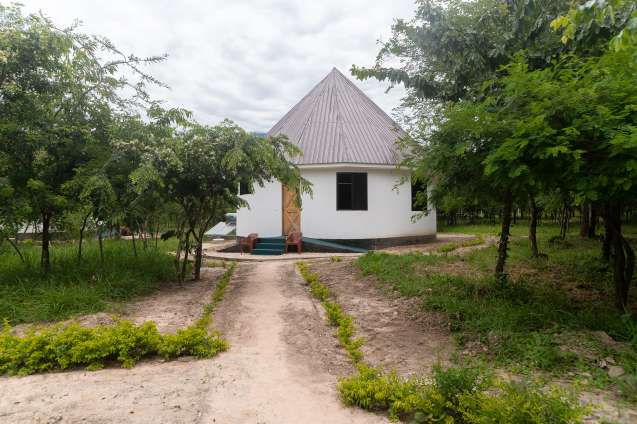
An experienced safari consultant should answer these questions honestly and recommend a different itinerary when the original option is not a good fit.
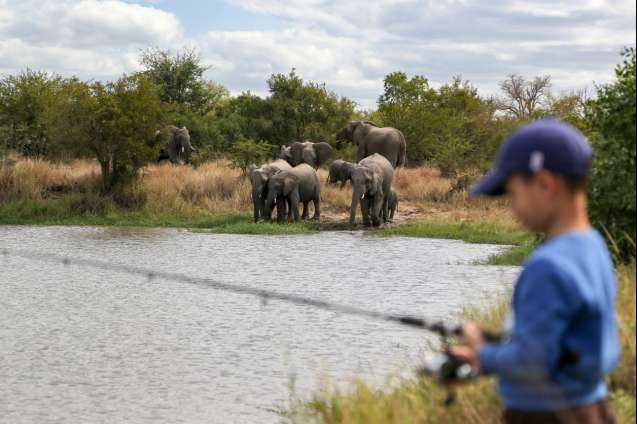
Children between roughly six and twelve often respond especially well to safaris because they can follow safety instructions and remain engaged during game drives. However, younger children can also enjoy a carefully designed private or malaria-free itinerary.
Yes, but lodge policies and shared-drive restrictions vary. Families with toddlers usually benefit from short transfers, flexible routines, private vehicles and accommodation designed for young children.
Many lodges allow children on game drives, but minimum ages differ. Some accept all ages on private vehicles while restricting younger children on shared drives. Always verify the rules for each property.
South Africa is often the easiest option because it offers many malaria-free reserves, reliable infrastructure and a broad range of family-friendly accommodation. The best destination still depends on the family’s budget, travel dates and interests.
A private safari offers more flexibility around drive lengths, meal times, naps and transfers. It is particularly useful for younger children, grandparents and mixed-age families, although it usually costs more than a scheduled group tour.
Many families enjoy between five and ten safari days, but the pace matters more than the total length. Fewer destinations and longer stays are often more enjoyable than rushing through several parks.
Yes. Road-based tours, family rooms, shoulder-season travel and scheduled departures can reduce costs. The key is to compare what each package includes and spend more only where it improves comfort, safety or flexibility.
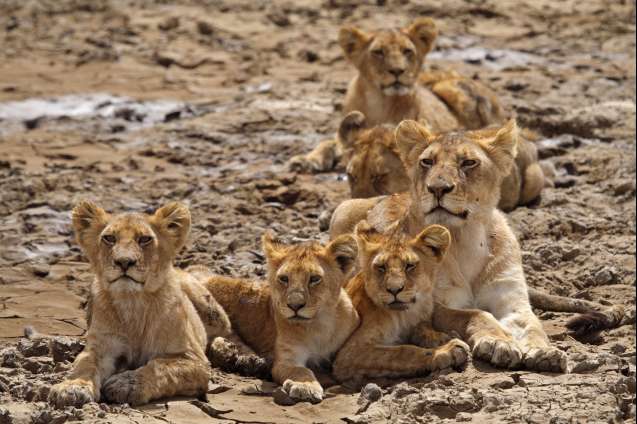
The right family safari is not determined by the most famous park or the longest list of animals.
It comes from matching your children’s ages, your preferred pace, your accommodation needs and your budget with a safari that everyone can genuinely enjoy.
At African Budget Safaris, we have helped travellers compare tours from trusted African operators since 2006. For families, that means looking beyond the headline itinerary and checking the details that matter, including age restrictions, room layouts, drive lengths, transfer times and private-vehicle options.
Explore our recommended African family safari destinations and tours, compare private safari options, or send us your family safari enquiry.
Tell us your children’s ages, preferred travel dates, approximate budget and the kind of experience your family wants. Our safari experts will help you narrow down the options before anyone starts packing six stuffed animals and a cricket bat.





Call us toll free from US/Canada on 1-888-414-6513, or from the UK on 0-808-189-1052. All other countries can contact us on +27 21 791 0878.
© 2026 African Budget Safaris | Privacy | Terms | Cookie Policy | Consent Preferences
