Essential safari gear includes:
See our easy guide on What to Pack for an African Safari
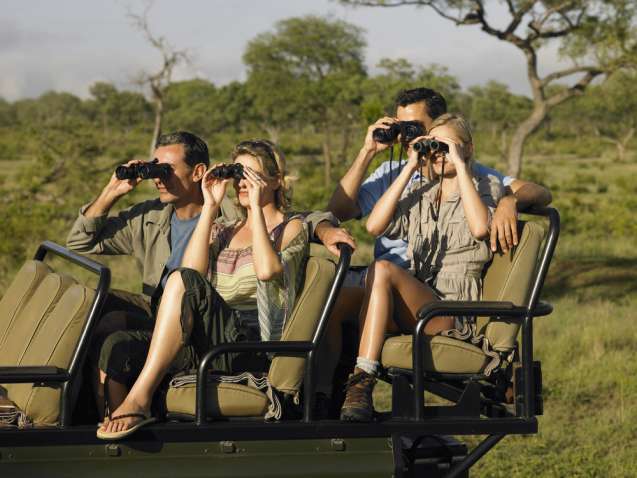
Always wear natural and pale-coloured clothing on African safaris. Avoid white or any brightly coloured fabric, including patterned or striped material. Black is also not good because it's not suitable for hot, sunny days. Neutral tones, such as brown, beige, pale blue, or green, are the best.
Shorts & T-shirts are perfect for warm afternoons at the lodge and other activities. However, lightweight long-sleeved shirts provide more protection from the sun and prevent insect bites. Similarly, long trousers or slacks are better than shorts or skirts when you are in the bush.
See our guide on What to Wear on Safari in Africa
No, but you should pack a pair of comfortable closed shoes. The African bush has a lot of rugged terrain, so you need sensible, worn-in shoes that are suitable for walking around in dusty, muddy, or rocky places.
See our guide to What to Wear on Safari in Africa
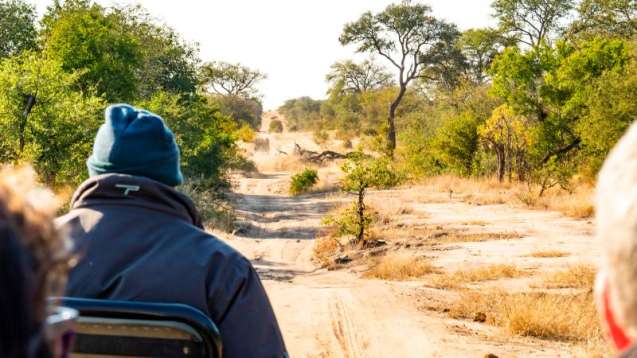
Soft-sided luggage is the best option for safari travel. Many safari flights in smaller planes have strict weight limits and don’t allow hard suitcases. Opt for a high-quality, durable duffel bag that is both lightweight and secure. You can even get soft bags with wheels and handles.
Many safari lodges offer laundry services, some of which are complimentary, while some charge an extra fee.
This depends on where you're staying. Always check with your guide or camp staff before drinking the tap water. Bottled or filtered water is typically provided on game drives, in transfer vehicles, at lodges and camps, and on our guided tours.
Packing Tip: Bring a reusable water bottle to refill at the lodges.
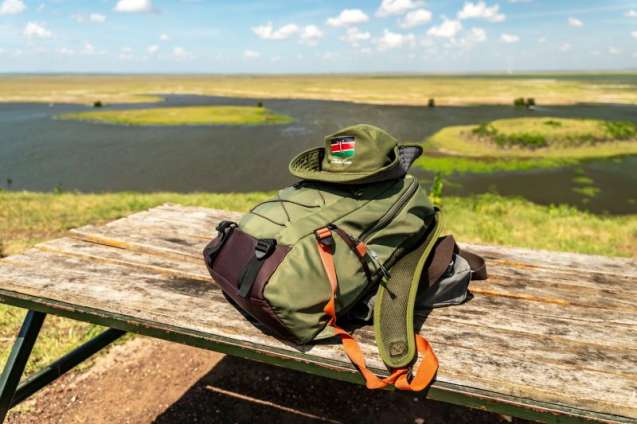
A safari daypack should include essentials for comfort and safety, such as a water bottle, sunscreen, hat, and sunglasses for sun protection, along with insect repellent to avoid bites. Pack a camera or smartphone for capturing wildlife, binoculars for better viewing, and snacks for energy. Other essential items include a light jacket, a first-aid kit, wet wipes, hand sanitiser, and a flashlight or headlamp for nighttime use.
See our easy guide on What to Pack for an African Safari
Yes
See our easy guide on What to Pack for an African Safari
Yes. To keep the many African bugs at bay.
Drones are generally not permitted on safari due to concerns about safety, privacy, and environmental impact. Many national parks, game reserves, and safari lodges have strict regulations prohibiting the use of drones to prevent disturbance to wildlife and other visitors. It is important to check the specific regulations of the park or lodge you’re visiting and adhere to local laws to ensure a responsible and enjoyable safari experience.
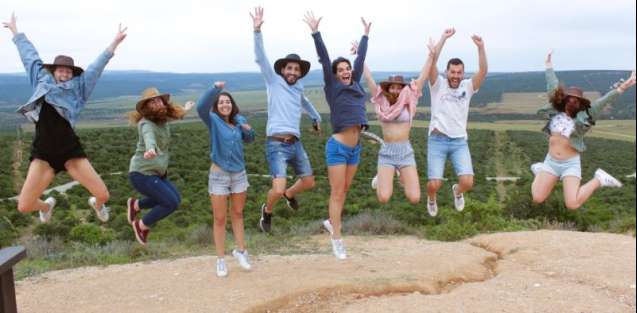
Episode 2 of our African Safari Guide series: African Safari Planning Essentials: Tips for Your Dream Adventure walks you through practical planning tips for your trip to Africa. From the best times to visit top destinations like the Serengeti and Etosha to helpful advice on budgeting, tipping, and picking accommodation.
There are a few recommended and required vaccinations for travel in and around Africa. Commonly recommended immunisations include Yellow Fever, Hepatitis A/B, Typhoid, and routine shots. Malaria prevention is also advised in many regions.
When preparing for an African safari, it is advisable to visit a travel clinic 4 to 6 weeks before your departure. Travel clinics stay updated on changing vaccination requirements and will offer you the best advice for what is needed.
See our Africa Safari Medical Guide
Malaria is widespread in Africa, and there are many malaria areas where anti-malaria precautions are necessary. Anti-malarial prophylactic medication is readily available and effective; the choice should be made individually in consultation with a doctor or a travel clinic.
There are also non-drug precautions you can take. See our guide on Malaria Made Simple.
What should I pack in a safari first-aid kit?
We suggest at least:
See our Africa Safari Medical Guide
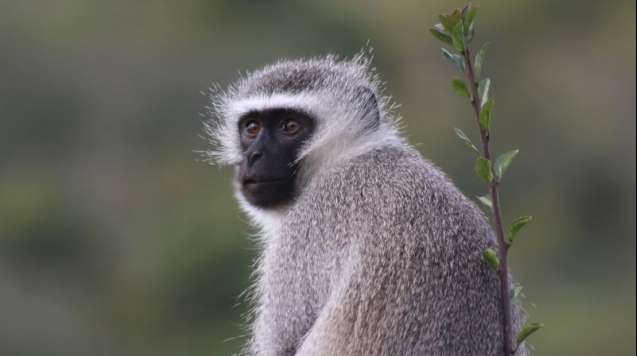
Comprehensive travel insurance protects travellers financially and medically, which is why it is mandatory when you book through African Budget Safaris.
See our guide on Africa Safari Travel Insurance
Africa is home to numerous safe and well-managed safari destinations, attracting thousands of visitors annually. National parks and private reserves are generally secure, with trained guides and rangers ensuring safety during game drives and walking safaris.
However, like in any part of the world, urban areas may have crime risks, particularly in major cities. Take standard precautions, such as avoiding walking alone at night, securing valuables, and using reputable transportation services.
While rare, petty theft can occur. Use safes in lodges for valuables and avoid leaving belongings unattended.
Also, keep accommodations secure (ie, closing doors & windows or zipping tents) to prevent unwanted animal visits.
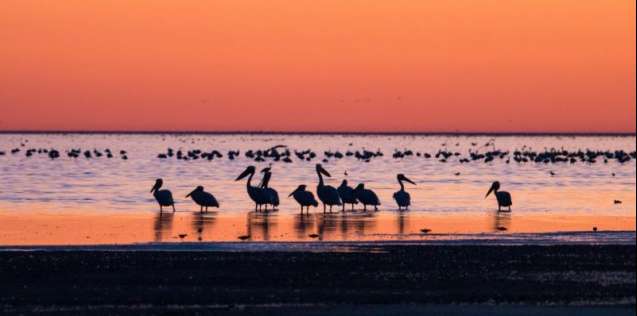
A safari is an adventure into the heart of Africa’s wild beauty.
Our safari experts at African Budget Safaris can help you plan your trip - from understanding all the iconic safari destinations to finding the right itinerary options to suit you and your budget.
Contact our expert team today for personalised advice and safari planning to make your African Safari truly memorable.
Below you'll find further reading and articles related or similar to this post.



Call us toll free from US/Canada on 1-888-414-6513, or from the UK on 0-808-189-1052. All other countries can contact us on +27 21 791 0878.
© 2026 African Budget Safaris | Privacy | Terms | Cookie Policy | Consent Preferences