Get answers to the most frequently asked questions about African safaris in this year's safari guide. Take a quick look at these common FAQs for easy planning.
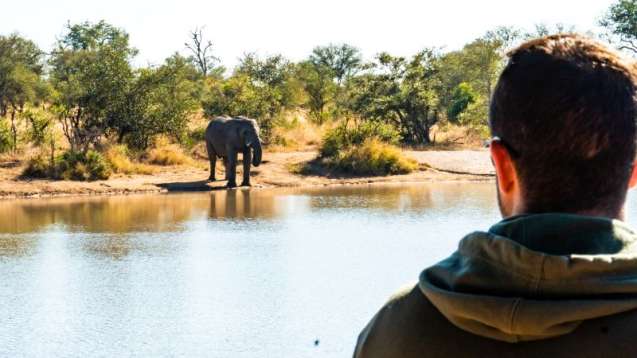
A safari is the most famous and sought-after type of holiday in Africa. The word 'safari' is derived from the Arabic word "safar," which means journey or travel. At its core, it is an expedition to get close to nature, observing and photographing wildlife in their natural habitats. Read more in What is a Safari?
The best places to visit are in southern and East Africa, particularly:
See our safari guide to The Best Place to Safari in Africa
The best time for African safaris depends on where you’re going:
Speak to our safari experts for advice on the best months to travel in the location of your choice and see our tips on when to go on an African safari.
Most safari trips range from 3 to 10 days. Shorter tours are great for seeing highlights, while longer trips allow for deeper exploration.
A longer overland trip of up to 60 days is a once-in-a-lifetime adventure that allows you to experience diverse landscapes, encounter a wider range of wildlife, and immerse yourself in the rhythm of nature while also enjoying the adventure of remote, off-the-beaten-path destinations.
The cost of an African safari starts at around US$ 150 per person per day for an all-inclusive budget package. This is a no-frills budget tour, where you stay at campsites and take advantage of off-season rates. If you want to spend more, the sky is the limit with luxury African safari tours.
Factors that will affect how much your African safari costs include accommodation or level of comfort required, flexibility of dates out of peak travel season, mode of transport, for example, driving or flying, the size of your group, your chosen destination or destinations, and the duration of your trip.
See our African Safari Cost Guide
Many lodges offer family-friendly safaris with kid-friendly activities. An African trip can be a fantastic experience for kids, offering exciting wildlife encounters, educational opportunities, and unforgettable family adventures to instil a lifelong love for nature. However, some lodges have age restrictions for game drives, typically for children under six. Game drives involve many hours of driving around the reserve, so younger kids may not have the attention span for this.
See our safari guide on Family Friendly African Safaris.
Some destinations, such as Kruger National Park in South Africa, allow self-drives. However, a guide enhances your experience. Guides have expert knowledge about wildlife behaviour, tracking skills, and insights into the local ecosystem, making wildlife sightings more meaningful.
Guided safaris also ensure safety, as trained professionals know how to navigate the terrain and handle close encounters with wild animals. While self-drive trips offer flexibility and independence, they require careful planning, a good understanding of park rules, and the ability to spot animals without assistance.
Each type of safari offers a unique way to experience Africa’s wildlife and landscapes:
Options include group tours with set itineraries and shared travel, private group tours for a more intimate experience with a dedicated guide, and tailor-made safaris that offer complete customisation to suit personal preferences. Safaris can also be categorised by accommodation types. A lodge tour is accommodated in brick-and-mortar lodges and hotels, while a camping one stays in tents, either basic dome tents or luxury canvas-tented camps.
See our safari guide to choosing the type of safari that suits you.
Accommodation options range from:
See our safari guide for African accommodation options.
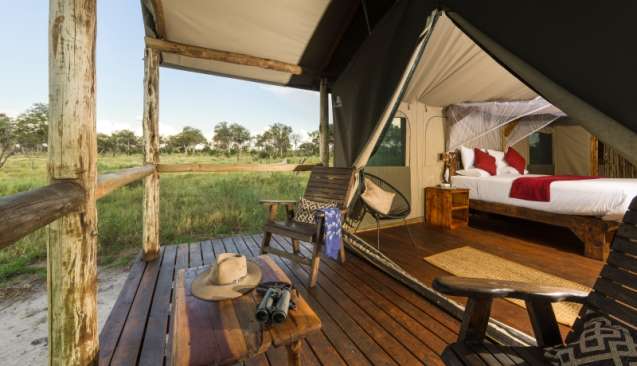
The main difference between a tented camp and a lodge lies in their structure and level of permanence. A lodge is a more permanent structure, typically built with solid materials like wood or stone, providing hotel-like amenities. In contrast, A tented camp consists of canvas tents or tented rooms. These often have comfortable furnishings, en-suite bathrooms, and wooden decks, so comfort is not compromised.
Yes, most game lodges have electricity, but the availability and reliability can vary depending on the location and type of lodge. More remote lodges and tented camps may rely on generators or solar power, offering electricity only during certain hours of the day. Some eco-friendly camps limit power usage to preserve the environment, so guests may need to charge their devices in communal areas.
Dining is often one of the highlights of a safari stay. Most lodges and camps serve a mix of local and international cuisine. Even in remote areas, you can expect fresh meals with vegetarian and special dietary options. Camp staff usually go all-out to produce delicious and hearty spreads for their guests … morning, noon, and night!
Yes, camp staff will try to accommodate special dietary requirements wherever possible. Be sure to let your travel consultant know when you book.
Yes, you can drink alcohol, and many lodges and camps offer a selection of wines, beers, and spirits for guests to enjoy.
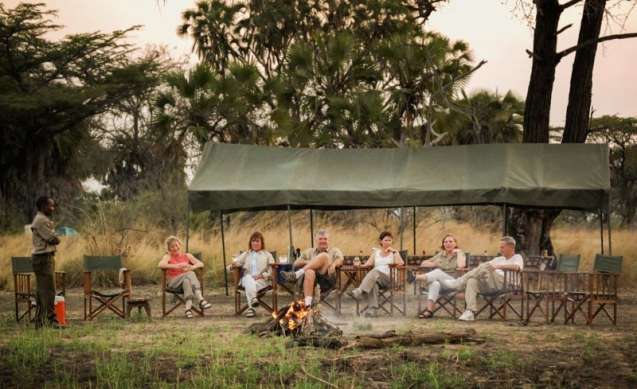
Many lodges offer Wi-Fi, but connections may be slow or limited. In remote areas, cell signals can be weak or nonexistent. A wildlife safari is a great time to disconnect and enjoy nature, after all!
Most lodges have a swimming pool.
Tipping is the norm in Africa. It often contributes a significant portion of income to those working in the service industry.
See our safari guide to tipping on safari.
No. Before heading out on a game drive, it's advisable to use the lodge’s toilet. If nature calls during the drive, your guide will find a safe, discreet spot for a ‘bush toilet.' Always follow their instructions and bury your toilet paper to minimise environmental impact.
For a more adventurous experience, some lodges provide "sleep-out" options, such as elevated star beds or fly camps to sleep under the open sky while still ensuring safety.
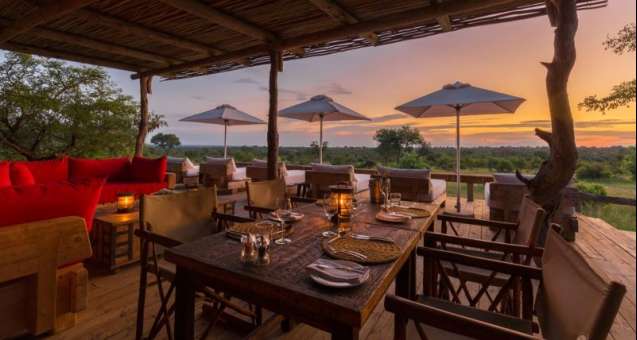
An African safari is the adventure of a lifetime, especially when well-planned.
Our travel experts at African Budget Safaris can help you plan your trip - from understanding all the iconic destinations to finding the right itinerary options to suit you and your budget.
Contact our expert team today for personalised advice and help with safari planning to make your adventure truly memorable.
Below you'll find further reading and articles related or similar to this post.



Call us toll free from US/Canada on 1-888-414-6513, or from the UK on 0-808-189-1052. All other countries can contact us on +27 21 791 0878.
© 2026 African Budget Safaris | Privacy | Terms | Cookie Policy | Consent Preferences



__medium.jpg)