If you're considering a safari in Africa, you probably have questions about the wildlife. We get a lot of questions about African safari animals, so in this post, we answer 15 of the most popular FAQs to help you prepare.
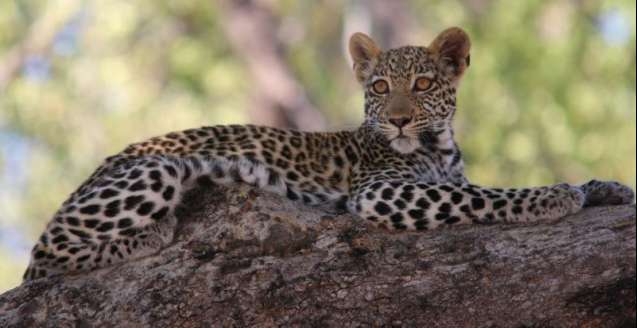
The Big 5 of Africa are the most often-mentioned, relentlessly searched-for, and much-loved five big African safari animals.
The Big Five safari animals are lion, leopard, elephant, rhino, and buffalo.
The term is a throwback from the big game hunting days of the late 18th century for the most dangerous wild African animals to hunt on foot. Today, Africa's Big 5 animals are still hunted, but the prize is the thrill and excitement of seeing these wild animals free in their natural habitat.
Read more in Facts about the Big 5 of Africa.
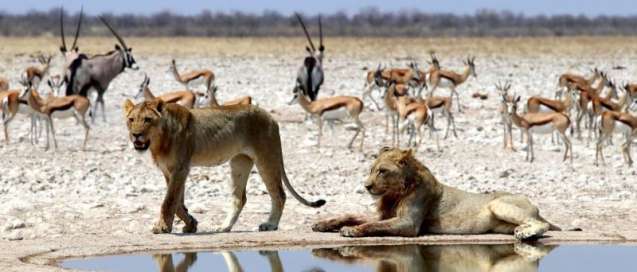
Be warned, sometimes the pursuit of the Big Five can blind you to the other wonders that the African wilderness can reveal. Often, travellers become so single-minded about the need to tick off the Big 5 species that they ignore the other spectacular animals they encounter on their game drives.
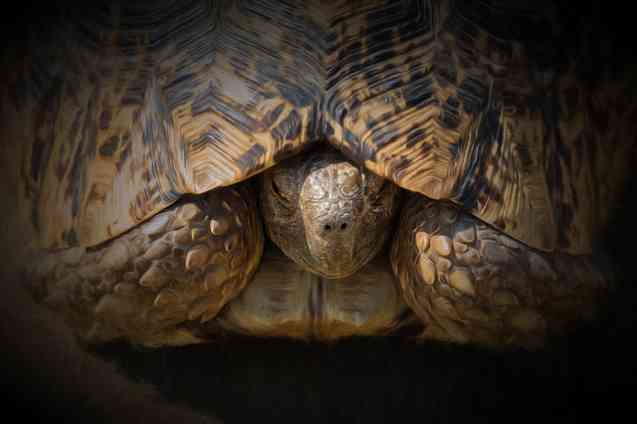
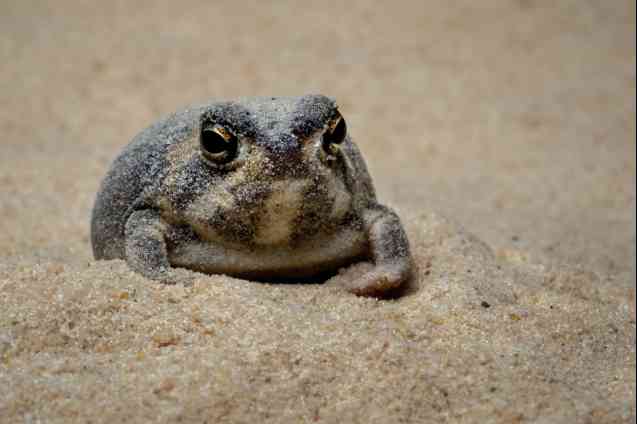
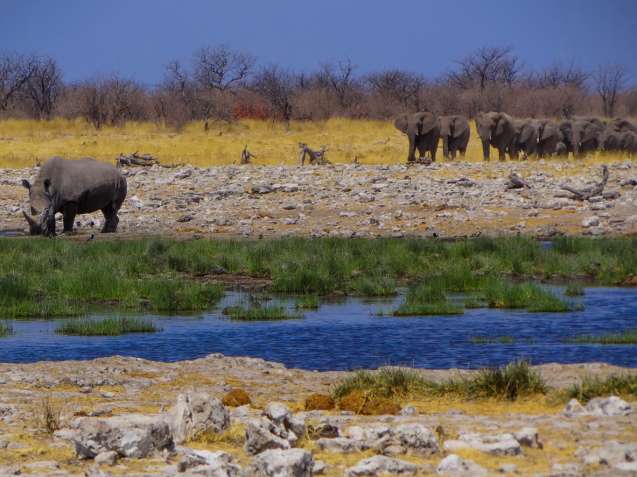
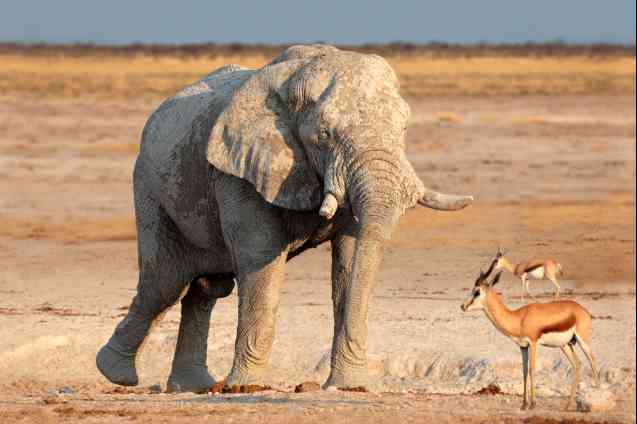
This depends on your destination, but common African safari animals include:
For interesting wildlife insights, see Fun African animal facts.
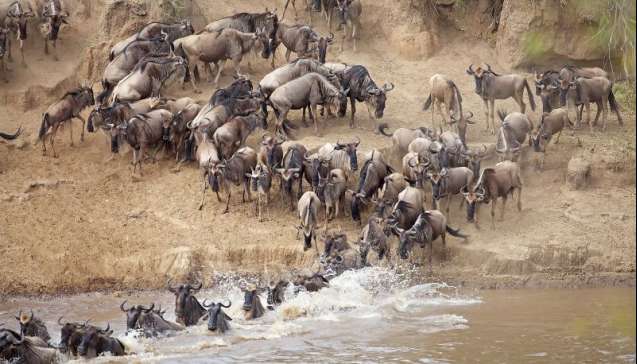
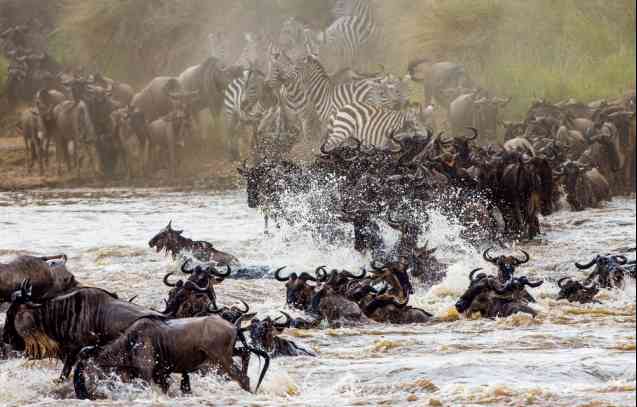
The great migration in Africa, known as the wildebeest migration, is an impressive natural spectacle.
It is the year-long movement of nearly 2 million wildebeest, zebra, and antelope as they follow the rains in search of grazing. They follow a circular route around the Serengeti-Masai Mara ecosystem, which spans the border of Tanzania and Kenya.
At different times of the year, the herds will be located in different parts of the Serengeti in Tanzania or the Masai Mara in Kenya.
Read our Guide to the Africa Great Migration.
Not all game reserves and African wildlife destinations are home to all five Big 5 African safari animals.
Some places are better than others for spotting the famous five. Here are some of the best places to see the Big 5 animals on safari in Africa.
Check with your travel consultant whether your destination is home to the Big 5. With wildlife and weather, there can never be guarantees, and sometimes you may miss one thing but be rewarded with something completely different.
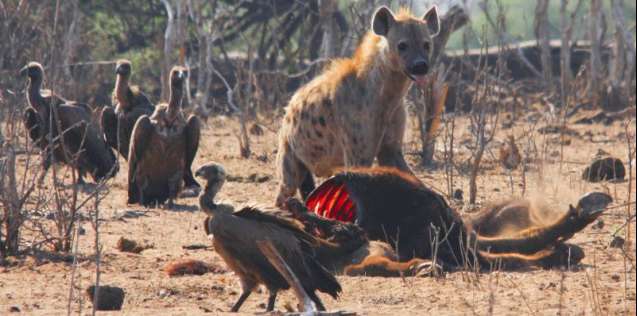
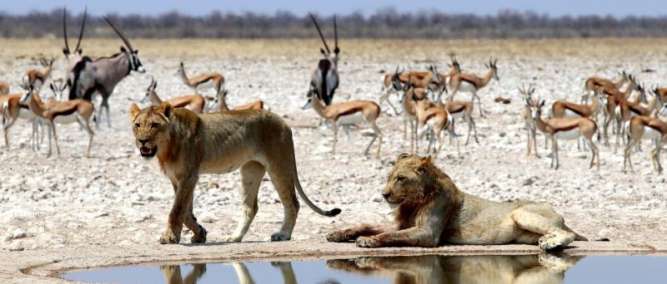
Seeing a kill on safari is a rare and unpredictable event, as it depends on factors like animal behaviour, timing, and luck.
Predators such as lions, leopards, and cheetahs usually hunt during the early morning or late evening when temperatures are cooler, increasing the chances of witnessing a chase. However, successful kills happen quickly and may occur in dense vegetation, making them difficult to spot.
As with seeing the Big 5 safari animals, some places are known for their predator-prey interactions. Talk to a safari expert who can tell you which places (even which areas within certain parks) have the most predator action if this is something you would love to see.
Find out where to see endangered wildlife in Protected African animals or see our guide on Africa's small, shy, & ugly animals.
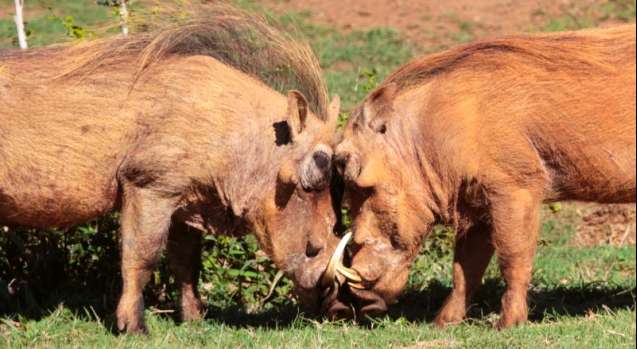
African safari animals are wild, so you should always keep a respectful distance from them. Unless a guide says otherwise, stay in the game-viewing vehicle.
Predators such as lions, leopards, cheetahs, and hyenas can be dangerous to humans, but attacks are extremely rare on safaris. These African animals generally see safari vehicles as non-threatening and do not associate them with food, allowing for close but safe viewing.
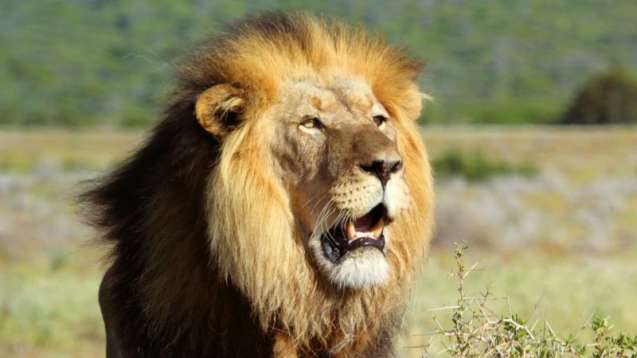
Most incidents occur when humans behave recklessly, such as making sudden movements, approaching too closely, standing up in open vehicles, or wandering outside designated areas. By following expert guidance and respecting wildlife, safari-goers can safely observe predators in their natural habitat without risk.
Explore the Most Dangerous Aquatic Animals in Africa.
On safari, insects to be wary of include tsetse flies, mosquitoes, and scorpions. Tsetse flies have a painful bite and can carry sleeping sickness. Mosquitoes may carry malaria, and scorpions often have painful stings.
Awareness of snakes is essential, though they generally avoid humans. Help minimise encounters by wearing closed shoes and staying on designated paths. Using insect repellent, wearing long sleeves, and checking shoes before wearing them can reduce the risks of a nasty encounter. Err on the side of caution to avoid getting into bad situations, and be aware of your surroundings (no walking around with your phone in your face!).
If you encounter African safari animals on foot, stay calm, avoid sudden movements, and never run, as this may trigger a chase response from predators.
Maintain a safe distance and slowly back away while keeping the animal in sight, giving it space to move away naturally. If you're with a guide, follow their instructions carefully, as they are trained to handle such situations.
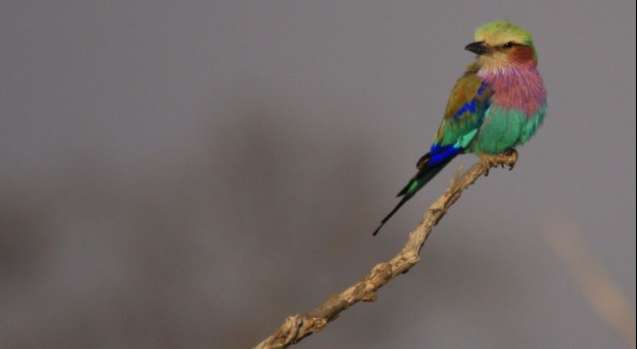
African safaris support conservation by generating revenue for wildlife protection, funding anti-poaching efforts, and promoting sustainable tourism practices. Many safari lodges and tour operators contribute directly to conservation programs, such as habitat restoration, wildlife monitoring, and community-based conservation initiatives.
By providing employment and economic benefits to local communities, safaris also encourage local people to protect African wildlife rather than exploit natural resources unsustainably.
Most people who go on safari in Africa have a perfectly safe trip. How safe your African safari is largely depends on the risks you take and whether you choose to follow sound advice.
See our Guide on safety on safari.
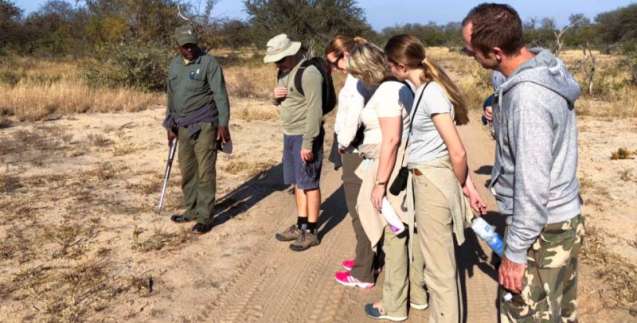
Walking safaris are generally safe when conducted by experienced guides who are well-trained in animal behaviour and safety protocols and are often armed. Exploring on foot offers a unique and intimate perspective of the ecosystem. While encounters with African safari animals are possible, guides maintain a safe distance and emphasise silence, awareness, and respect for the environment. By following instructions and staying alert, guests can enjoy a thrilling yet secure walking safari experience.
The first step is to contact your guide or lodge staff immediately, as they are trained to handle emergencies and can provide quick assistance. It is important to ensure that your travel insurance includes the option of medical evacuation (by air) as many regions visited are far from reliable medical facilities.
We strongly advise our clients to check that they are signing up with a company that assists with medical evacuations, particularly if they travel to remote areas of Africa and/or participate in high-risk activities.
Usually, yes. Most camps and lodges are fenced to ensure your safety. But some camps are purposefully unfenced to enable wildlife to wander through. Many visitors love the thrill of spotting animals roaming from the comfort of their rooms and decks.
When you arrive at a bush camp or remote lodge, the staff usually hold a safety briefing. On our guided safaris, your tour leader will often brief you en route or upon arrival at your accommodations. Ask the lodge staff before walking around alone, especially at night.
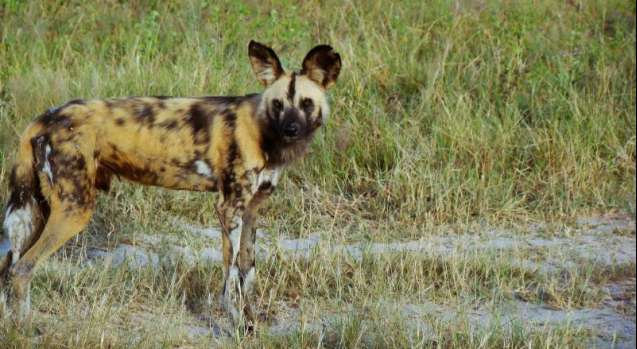
A safari is an adventure into the heart of Africa’s wild places, which are home to all kinds of incredible wildlife.
Our safari experts at African Budget Safaris can help you prepare for your trip - from sharing insights about African safari animals to helping you understand all the iconic destinations and finding the right itinerary options to suit you and your budget.
Contact our expert team today for personalised advice and safari planning to ensure you have the best safari in Africa.
Below you'll find further reading and articles related or similar to this post.




Call us toll free from US/Canada on 1-888-414-6513, or from the UK on 0-808-189-1052. All other countries can contact us on +27 21 791 0878.
© 2026 African Budget Safaris | Privacy | Terms | Cookie Policy | Consent Preferences

__medium.jpg)