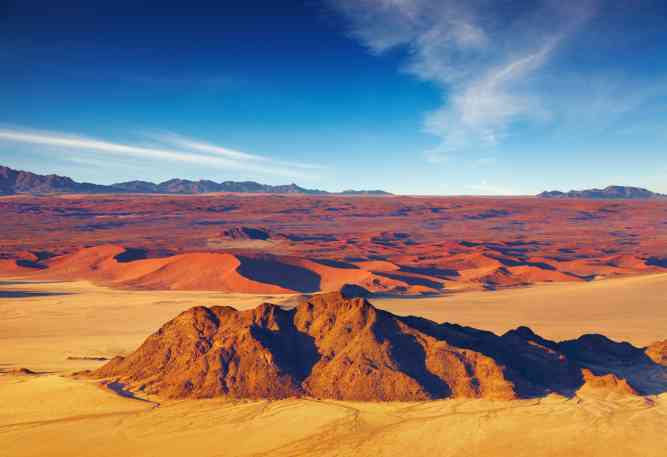
The Namib Desert in southern Africa is a unique coastal desert that is home to some remarkable desert-adapted animals despite its arid and inhospitable nature. How many of these desert creatures do you know? And how many would you like to see on safari in Namibia?
2025 is an exceptional year for Namibia safaris, thanks to unusually heavy rains transforming the landscapes!
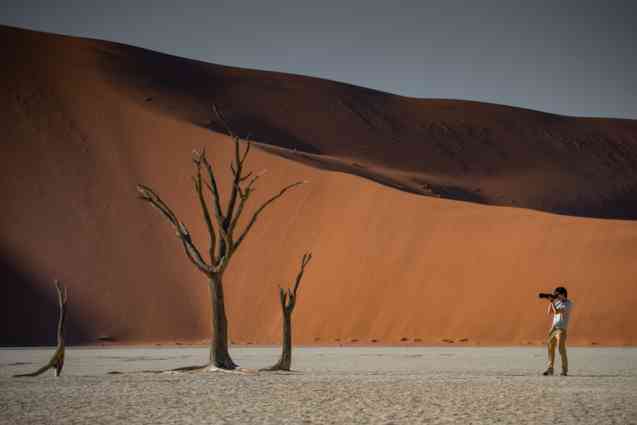
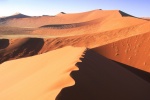
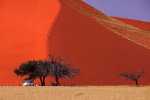
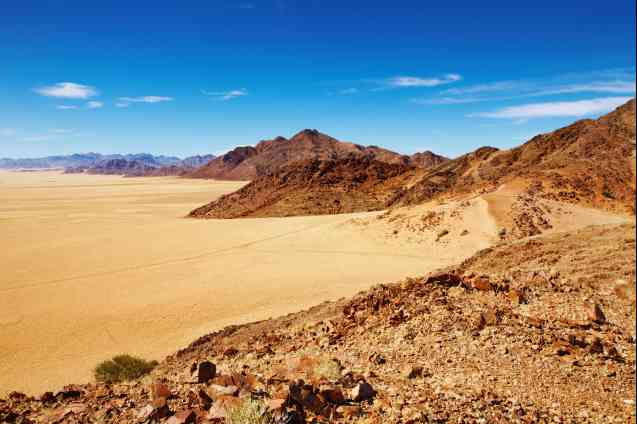
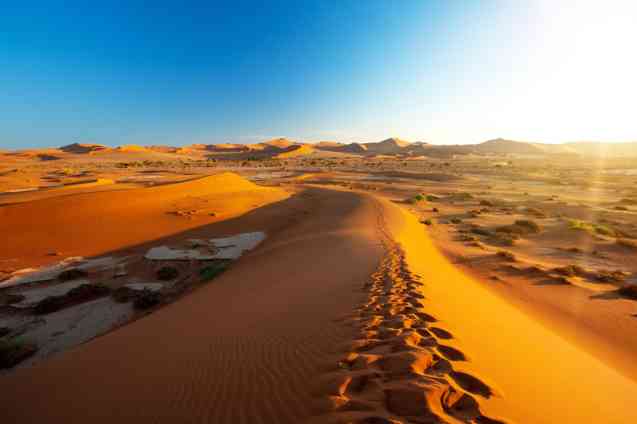
The Namib Desert in southwest Africa is the world's oldest desert, with sands dated to about 55 million years old. Spanning 34,000 km², the Namib Sand Sea features some of the planet's highest dunes, like Big Daddy and Dune 45. Fed by sediment from the Orange River, coloured by particles of oxidising iron, and shaped by southern winds, this unique desert is sustained by ocean fog and supports an astonishing collection of specialised desert-adapted species.
Read more about the Namib Desert
__medium.jpg)
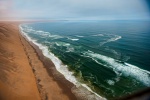
The mysterious desert lions of Namibia are found mostly outside protected areas in the Kunene region. Adapted to survive the harsh desert conditions, the black-maned desert lions do not need to drink water, but rather sustain their moisture needs from their prey like ostrich and gemsbok. These desert lions are well known to forage and hunt along the Skeleton Coast, feeding on marine carcasses, hunting cormorants, and even seals.
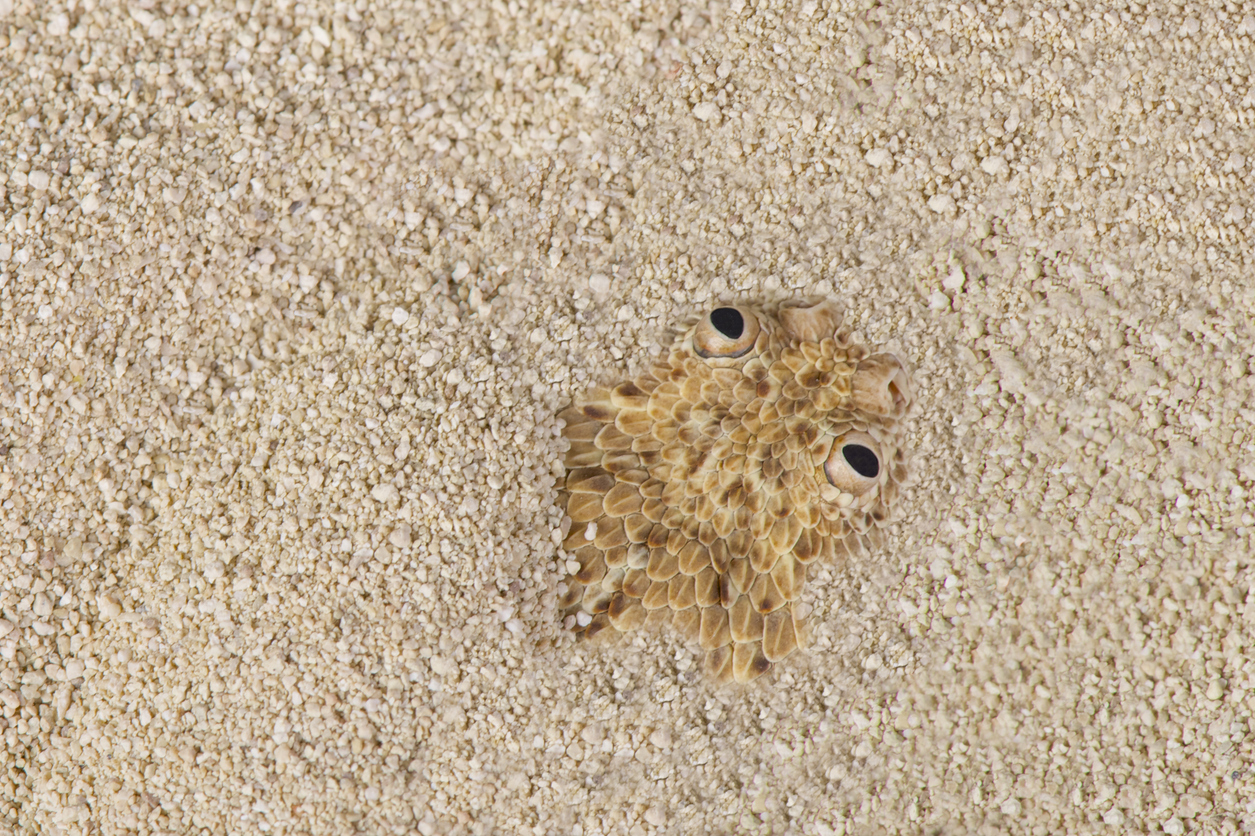
Péringuey’s adder, at just 25cm fully grown, is a small desert specialist. This desert adder thrives in the parched sands of the Namib Desert. Small and venomous, Péringuey’s adder exhibits desert adaptations like specialised kidneys to limit water loss, the ability to ‘side-wind’ over the sand, bury itself to avoid the sun, and ambush its prey with eyes located on top of its head. Feeding mainly on barking geckos and desert lizards, Péringuey’s adder is hard to find and due to its reclusive nature, poses little threat to humans.
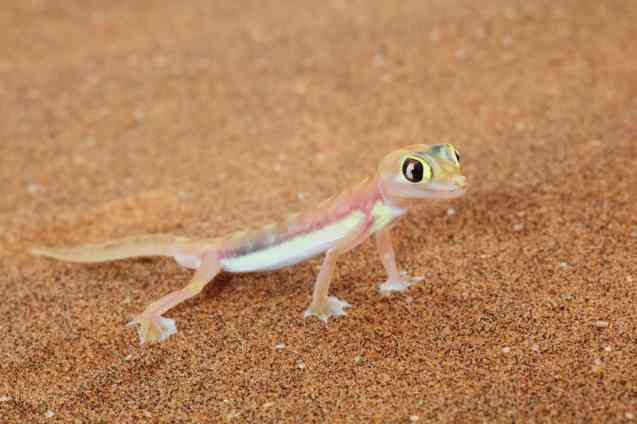
The Namibian web-footed gecko, or Palmetto gecko, is a desert specialist with unique adaptations. This small nocturnal gecko feeds on invertebrates and uses its webbed feet to move swiftly over soft sand and burrow for daytime shelter. Remarkably, it cleans its eyelids and collects water from fog using its tongue. Recently, scientists have discovered that this diminutive creature also has glow-in-the-dark markings that shine neon green in moonlight, a mechanism unseen in other land vertebrates.
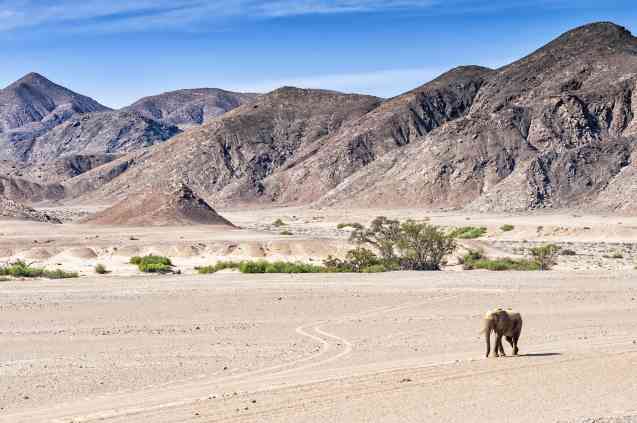
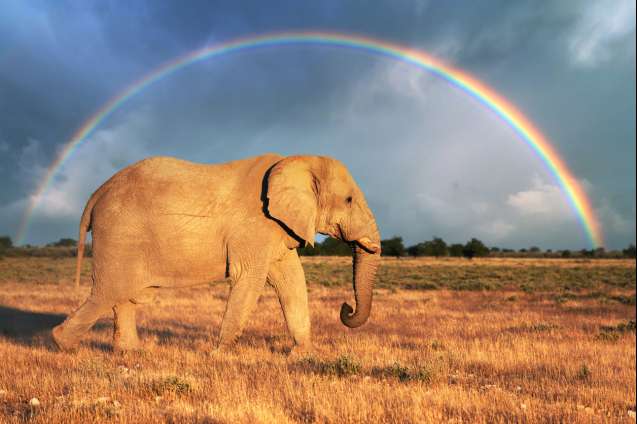
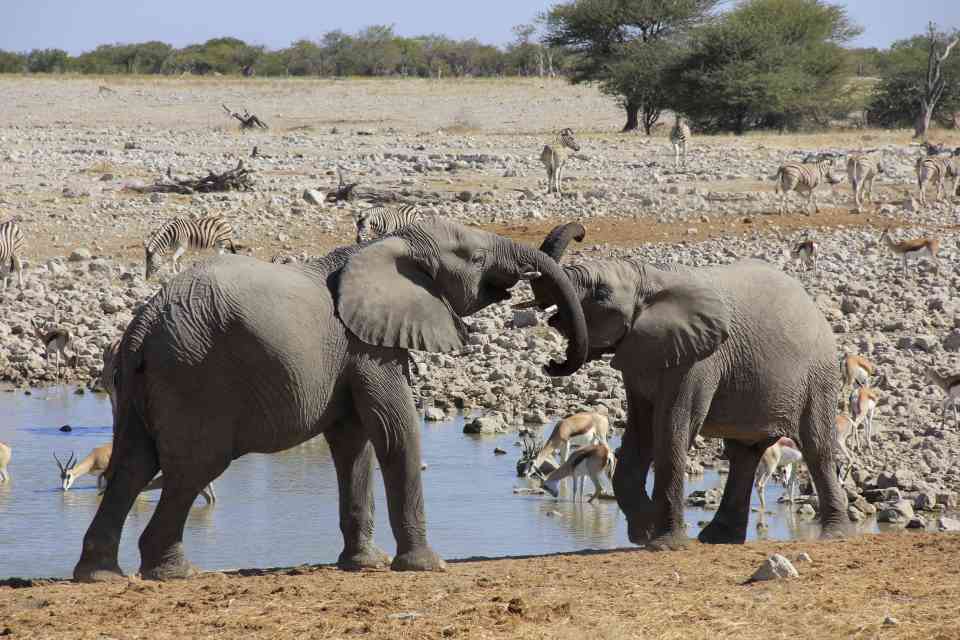
The unique and rare desert-dwelling elephants of Namibia are found primarily in the rocky mountains, sandy deserts, and stony plains of the Kunene region. These gentle giants can survive without water for up to three days. Females travel in family groups, while adult bulls are solitary. Adapted to desert life, they have smaller bodies, broader feet, and longer legs. In the wet season, they prefer fresh leaves and buds but can survive on drought-resistant plants in the dry season.
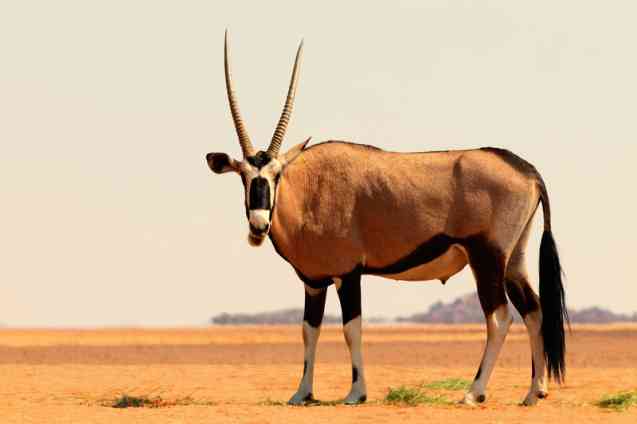
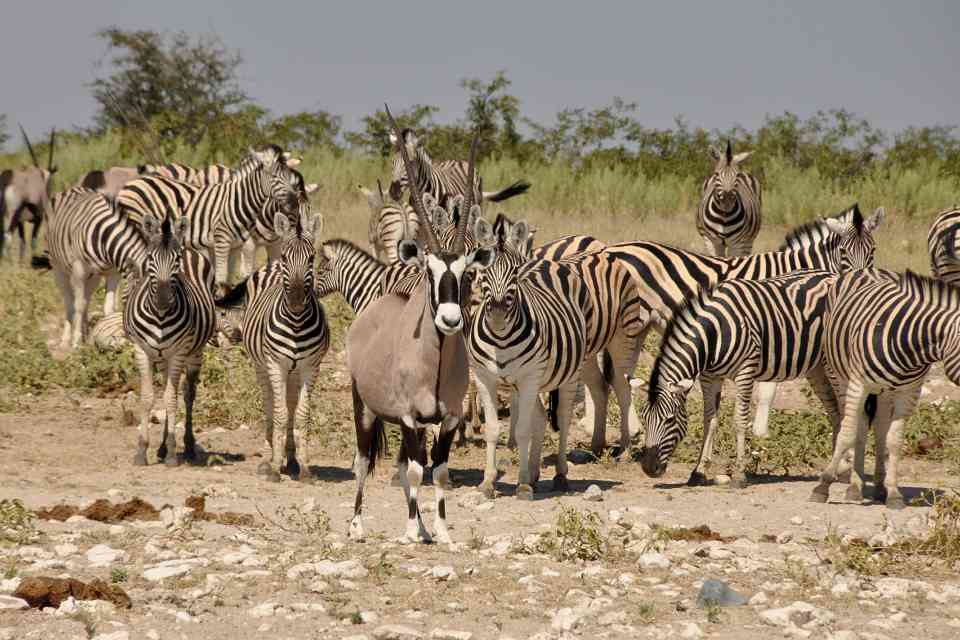
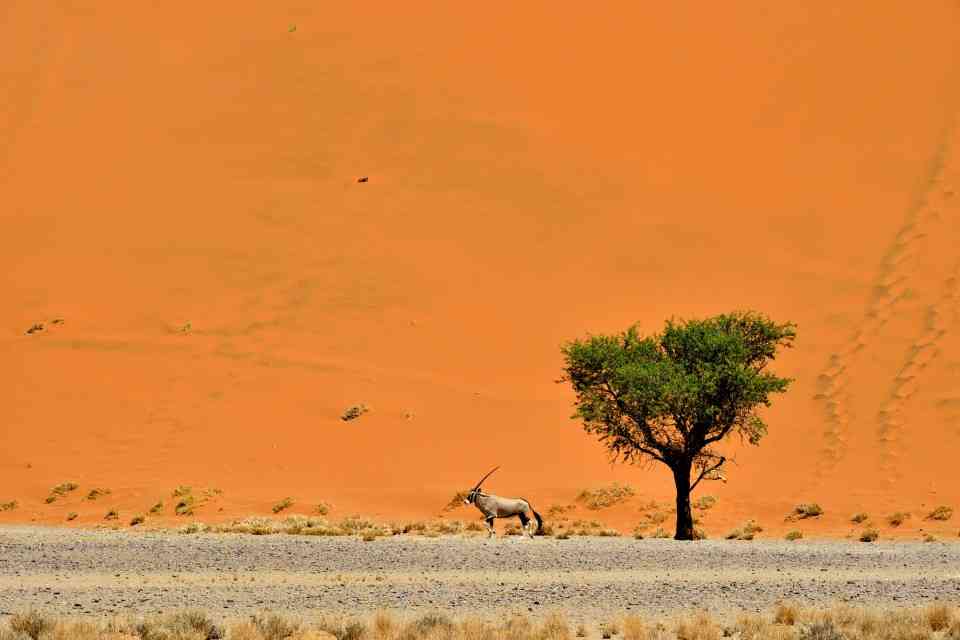
The beautiful oryx, known as gemsbok in southern Africa, is highly adapted to Namibia's harsh desert terrain. They extract moisture from their food, have a very low metabolic rate to help conserve water, and have an intricate network of veins and blood vessels that can prevent overheating and sustain a body temperature of up to 45 degrees Celsius. Oryxes cool the blood flowing to their brains and adjust their behaviour to conserve water and energy, seeking shade or positioning their bodies away from the sun, aided by their heat-deflecting colouration.
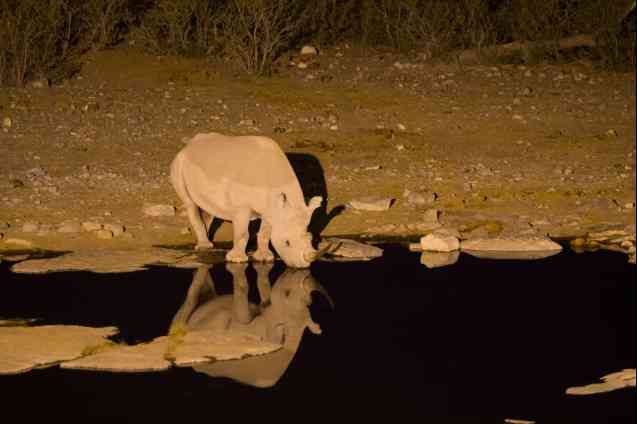
If you want to see one of Africa’s rarest and most endangered inhabitants, black rhino tracking in Namibia’s Damaraland should be on your bucket list. This area is home to desert black rhinos, which are slightly larger than their South African counterparts and have adapted with larger feet for scaling mountains. They cover vast areas up to 2,500 km² in search of food and can go three to four nights without drinking water. One of the best places to see these charismatic beasts is in the Etosha National Park.
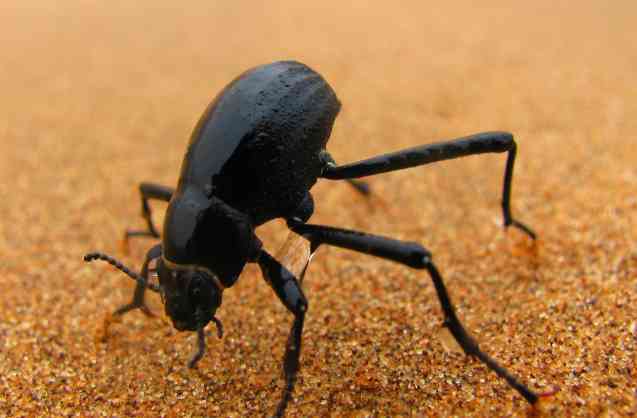
One of Namibia’s ingenious desert-adapted creatures is the fog beetle, which thrives in the coastal areas where the cold Atlantic Ocean meets the hot land. This clever beetle relies on foggy conditions to collect drinking water. In the early mornings, the fog beetle performs a headstand, allowing the fog to condense on its back and trickle down to its mouth. Through this unique method, the fog beetle can drink up to 40% of its body weight during its morning routine. This remarkable adaptation ensures its survival in the arid desert environment.
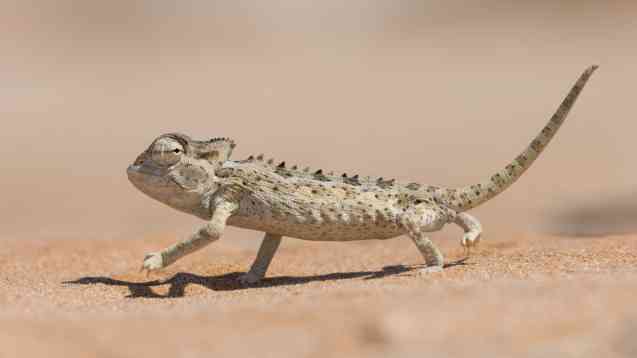
The Namaqua chameleon survives in sandy regions, such as coastal dunes with scrub vegetation. These mainly terrestrial creatures endure some of the hottest and most desolate areas, including the Namib Desert, Skeleton Coast, Swakopmund, and Namib Naukluft Park. To cool down on scorching days, they climb onto rocks or bushes, lying on their backs with their heads facing the sun, thus minimising their exposure to the sun's heat. Their diet is diverse, consuming locusts, lizards, crickets, and even snakes like Peringuey's adder. Known for their voracious appetite, Namaqua chameleons can devour up to 200 beetles daily.
Namibia is a fantastic desert and wildlife destination. The Namib Desert and Kalahari are the two top deserts to visit. Coastal Swakopmund is the adventure capital of the country and Etosha National Park is the best place for a wildlife safari in Namibia.
For more about the deserts of Namibia, see Namibia Deserts: Explore the Namib, Karoo & Kalahari Deserts.
The Kalahari Desert stretches between Namibia, South Africa, and Botswana. You can find out more about the Kalahari Desert in Fun Kalahari Desert Facts and more about the animals found here in Kalahari Desert Animals. The Namib Desert is along the western Atlantic coast of Namibia and you can find out more about it in Namib Desert Facts.
African Budget Safaris specialises in custom and bespoke safari tours. You can browse our Namibia safari destinations above, or talk to one of our expert travel consultants and start planning your African desert safari today.
Explore these destinations mentioned in this post.
Below you'll find further reading and articles related or similar to this post.




Call us toll free from US/Canada on 1-888-414-6513, or from the UK on 0-808-189-1052. All other countries can contact us on +27 21 791 0878.
© 2026 African Budget Safaris | Privacy | Terms | Cookie Policy | Consent Preferences

__thumb.jpg)





__medium.jpg)

__large.jpg)
__large.jpg)