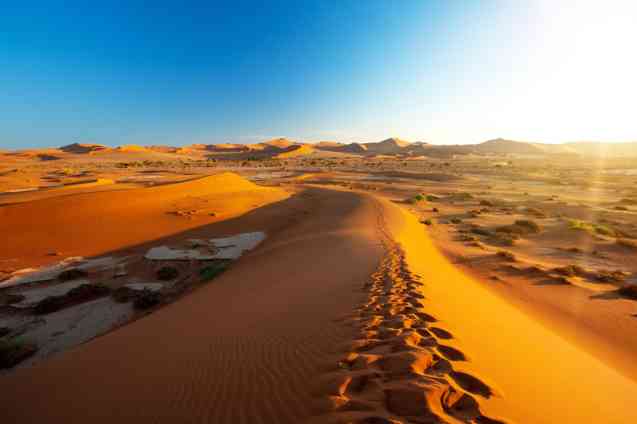
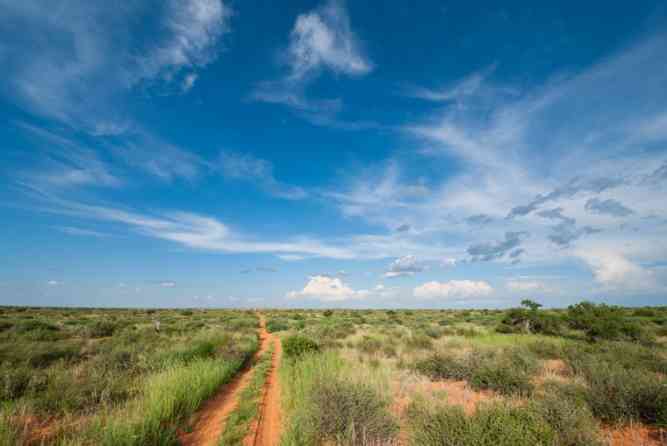
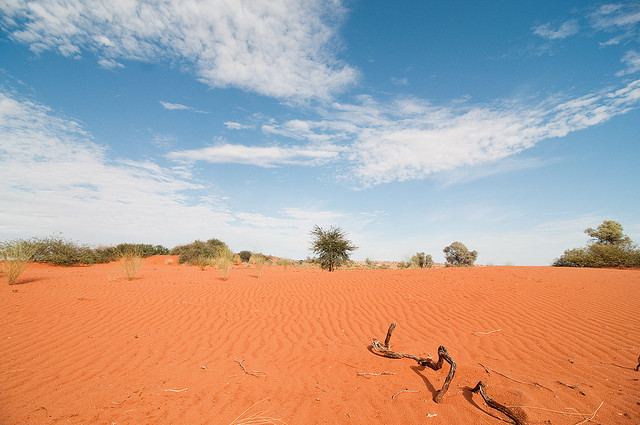
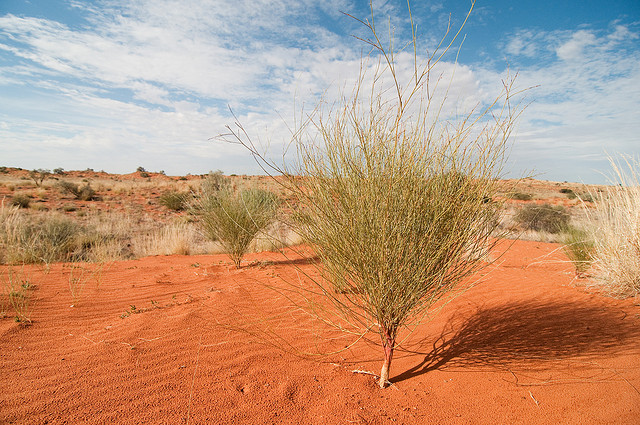
The name Kgalagadi comes from the Tswana for Kgala, which means 'place of thirst'. This conservation area covers a sparsely vegetated desert terrain of red sand dunes and the now dry riverbeds where the Nossob and Auob rivers once flowed.
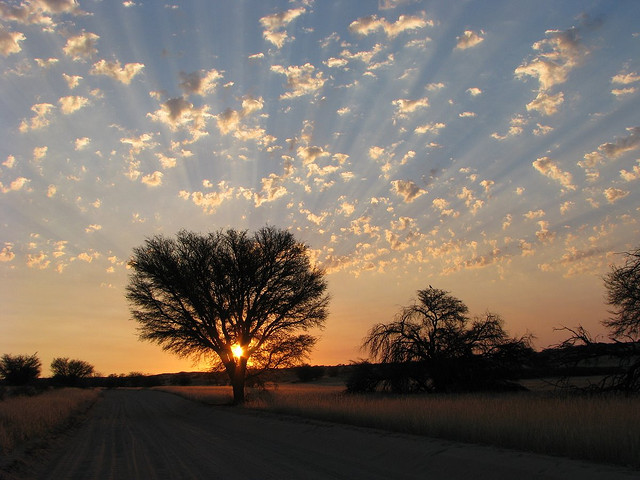
One of South Africa's best-kept safari secrets, Kgalagadi Park is home to an array of hardy plants and a surprising abundance of animals. The barren landscapes dotted with thorn trees and the occasional waterhole offer excellent visibility on game-viewing drives.
Africa's first formal trans-border conservation area combining the Kalahari Gemsbok Park in South Africa and Gemsbok National Park in Botswana - Kgalagadi was established in May 2000. This is one of Africa's largest reserves, incorporating desert and semi-desert landscapes. The Kalahari Gemsbok Park section is situated in the northernmost corner of South Africa's Northern Cape Province.
Kgalagadi Transfrontier Park is considered malaria-free, although precautionary measures (insect repellent and mosquito nets) are recommended to prevent mosquito bites, especially in summer.
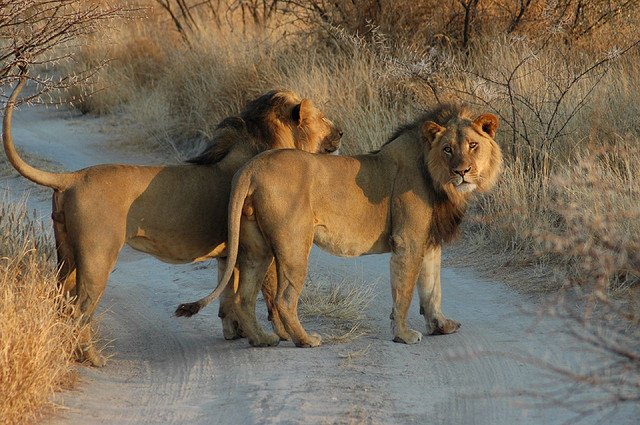
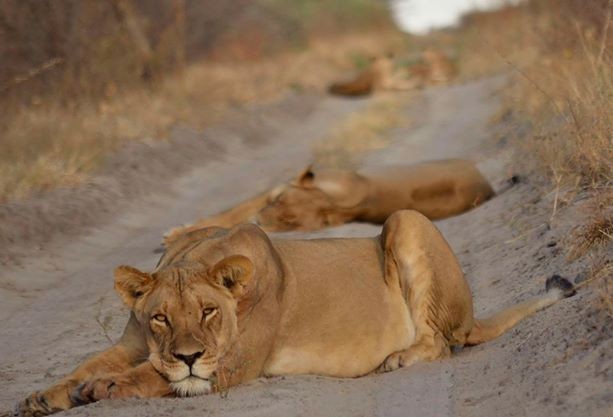
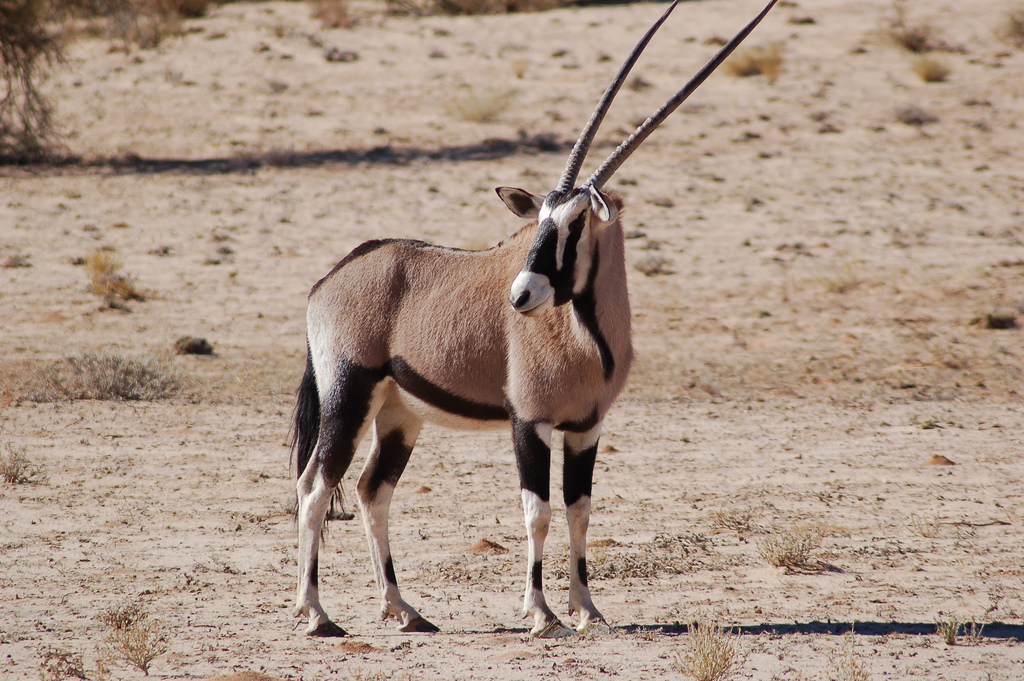
Kgalagadi is famous for its big black-maned lions of the Kalahari and sightings of the striking Gemsbok (Oryx).
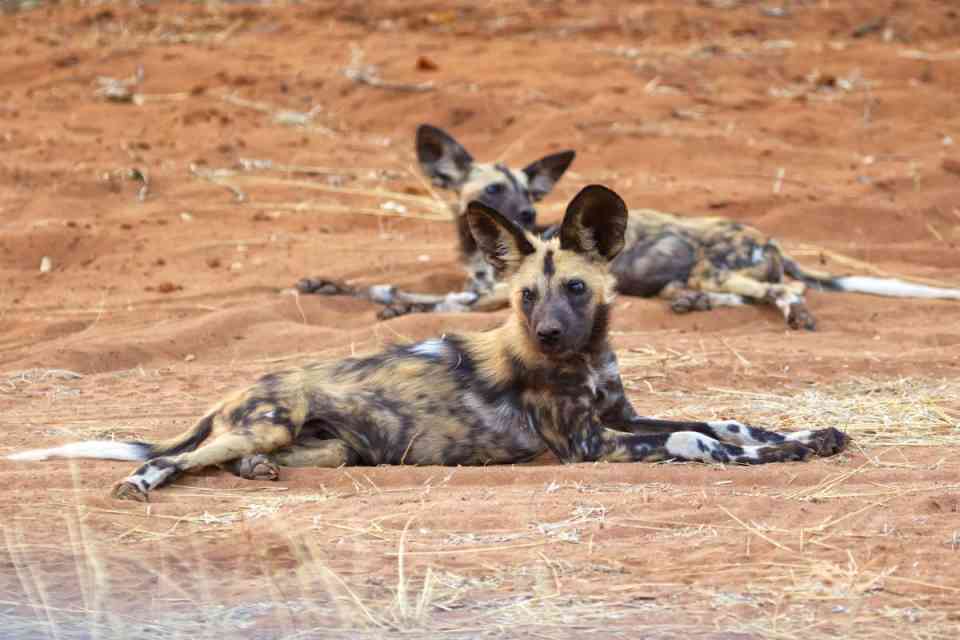
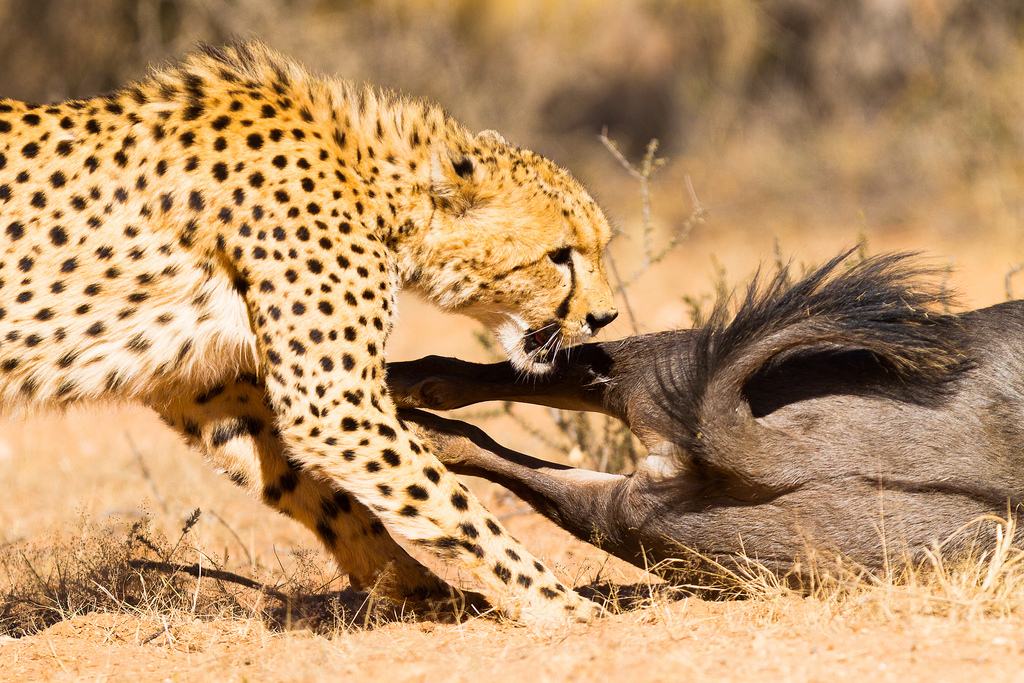
It also hosts numerous other predators; which are commonly sighted, including leopards, cheetahs, wild dog, bat-eared fox, black-backed jackal and hyenas (brown and spotted). Some 1775 species of predators are said to roam this park.
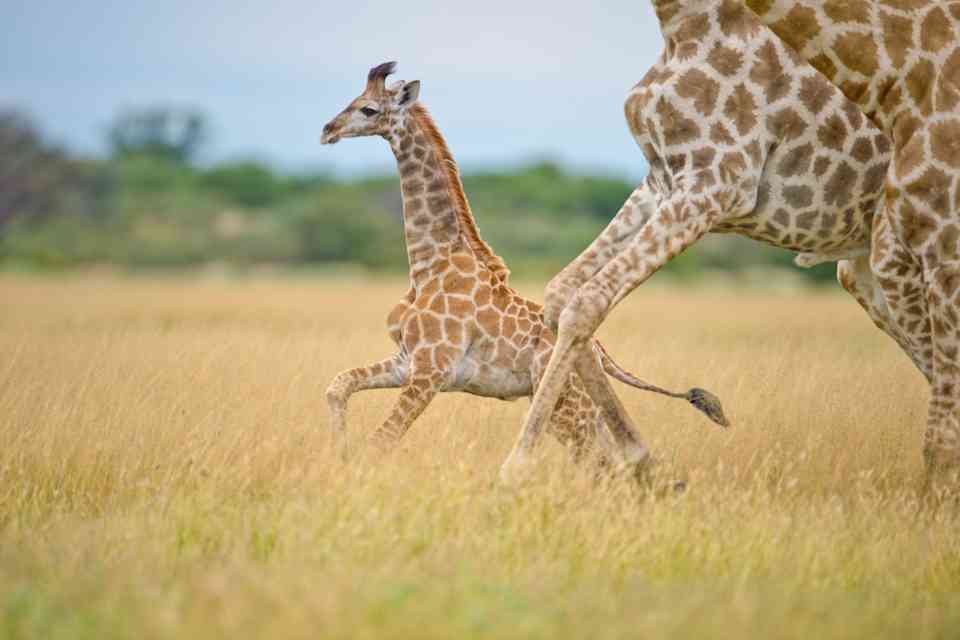
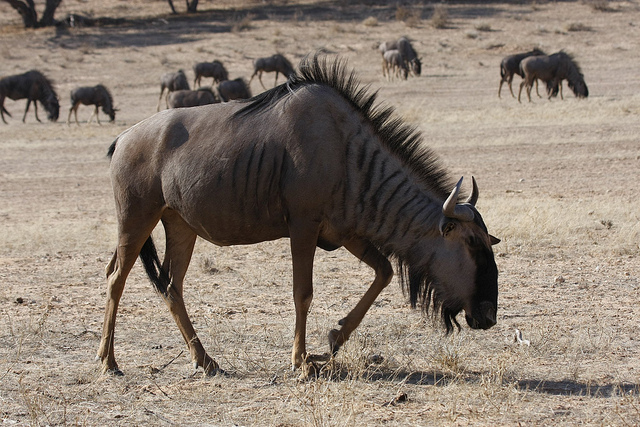
Also renowned for the seasonal migration of game, including a variety of antelope species such as gemsbok, blue wildebeest, springbok, eland and red hartebeest, as well as giraffe and Burchell's zebra.
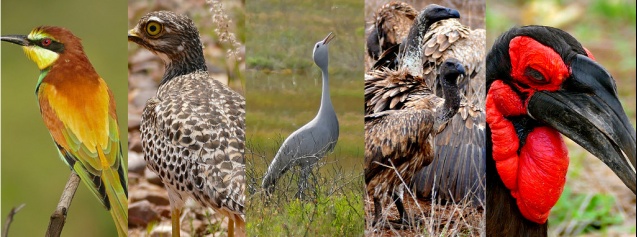
Other inhabitants include ground squirrels, suricates (meerkats), pangolins and honey badgers. All kinds of reptiles, rodents and insects can be spotted here. Known for its raptors the park is home to over 260 bird species, such as eagles (snake, tawny, martial), bateleurs, vultures, goshawks, pygmy falcons, greater kestrels, eagle owls and secretary birds.
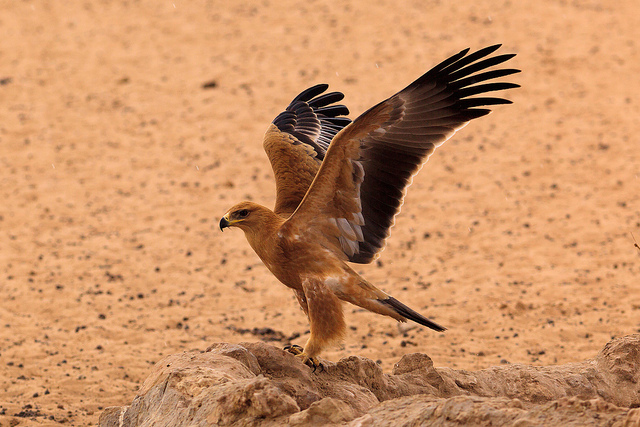
Safari-goers often get surprisingly close up to the animals, many of which appear undisturbed by visitors.
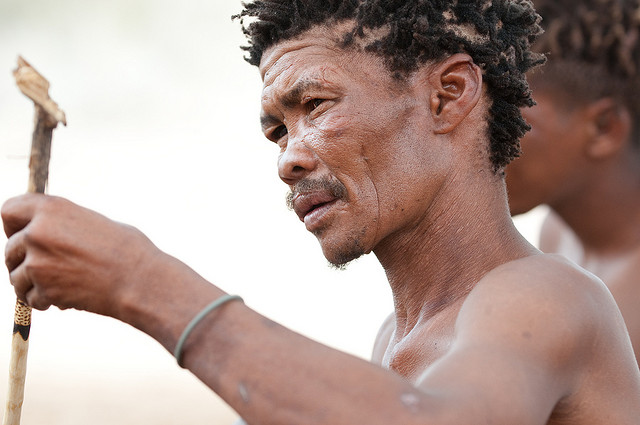
The Kalahari is famous for the intriguing local San people, sometimes called the Kalahari Bushmen. In the harsh Kgalagadi area of the Kalahari Desert, you can meet the traditional hunter-gatherer tribes of the Khoisan (Bushman).
Sizeable populations of Khoisan still live in the arid Kalahari Desert, first inhabited by their ancestors. Encountering the descendants of the San communities that have lived in the unforgiving Kalahari region for thousands of years, is a fascinating experience. You can get an idea of what life was like for the ancestors of these ingenious and tenacious people and how they survived in such a sparsely vegetated place.
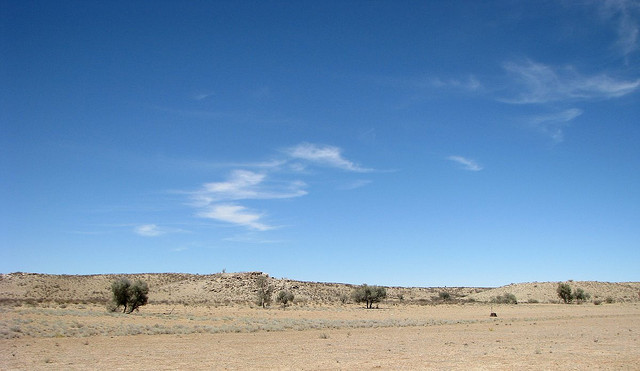
The Kalahari Desert falls mostly in Botswana, as well as in neighbouring Namibia and South Africa. The northern fringes of the Kalahari Basin extend as far north as Angola and Zambia, constituting one of the world's most extensive sand basins.
Almost 70% of Botswana is covered by the Kalahari, much of which lies in the Central Kalahari Game Reserve (CKGR) - the largest game reserve in the world. The Kalahari is not classified as a true desert, with large tracts of the semi-desert terrain receiving annual rainfall supporting grasses, scrub bushes and some trees.
Find out more about Kalahari Desert Animals or Fun Facts About the Kalahari Desert.

Explore these destinations mentioned in this post.
Below you'll find further reading and articles related or similar to this post.




Call us toll free from US/Canada on 1-888-414-6513, or from the UK on 0-808-189-1052. All other countries can contact us on +27 21 791 0878.
© 2026 African Budget Safaris | Privacy | Terms | Cookie Policy | Consent Preferences


_(1)__thumb.jpg)