What animal species thrive in the Kalahari Desert? Come with us as we explore the desert-adapted animals of the Kalahari Desert and where to find them on your desert safari in Africa.
__medium.jpeg)
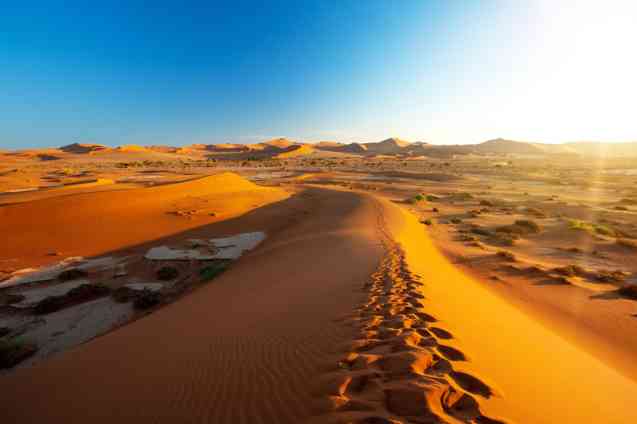
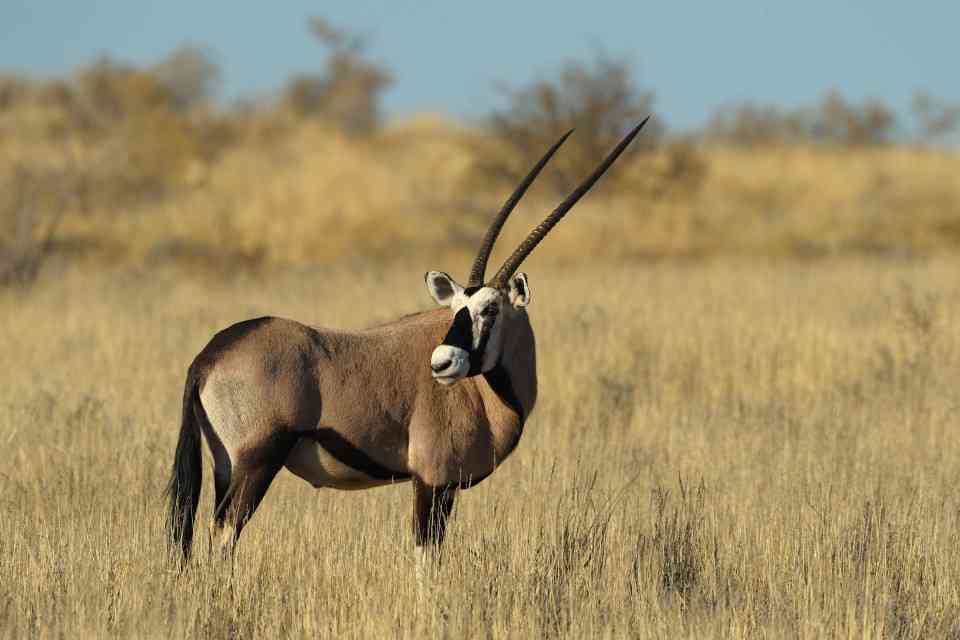
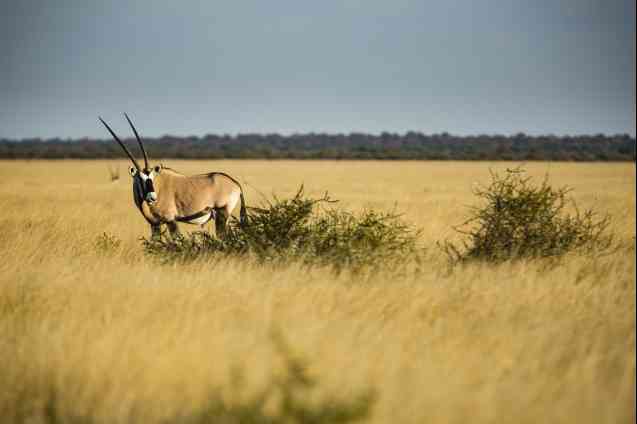
The Kalahari Desert, spanning over 900,000 km² across Namibia, Botswana, and South Africa, is a semi-arid region rather than a true desert due to its slightly higher rainfall. Despite this, water quickly evaporates or sinks below the sand. The Kalahari teems with life, including oryx, springbok, meerkats, foxes, brown hyenas, cheetahs, leopards, and the famous Kalahari Desert lions.
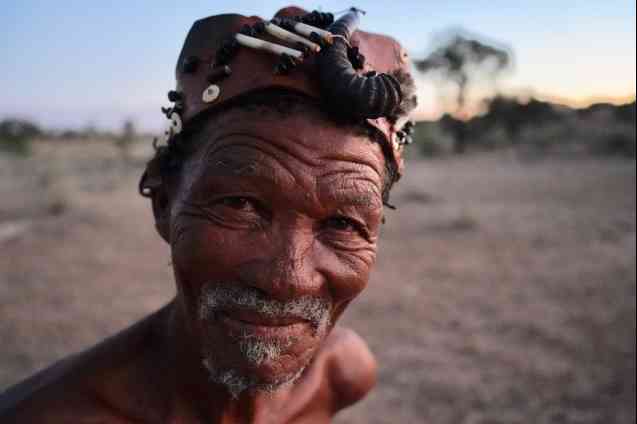
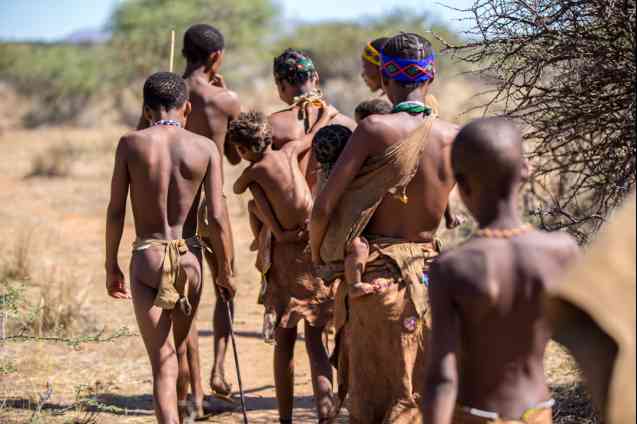
Home to the first inhabitants of southern Africa, the Kalahari Bushmen (or San people), the Kalahari Desert is one of the largest deserts in the world. Its open expanses and striking red sands set the scene for one of Africa's most memorable desert safari experiences.
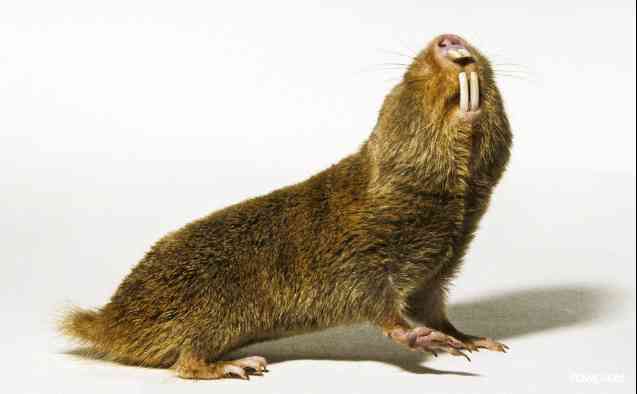
The Damaraland mole rat, widely distributed across southern Africa and commonly associated with the red Kalahari Desert sands, lives in large colonies, similar to bees. Only the queen breeds, while other females gather food, including tubers, corms, and roots, during the rainy months to store in communal larders for the dry season. A fascinating adaptation is that their teeth are positioned in front of their lips, helping them ingest less sand.
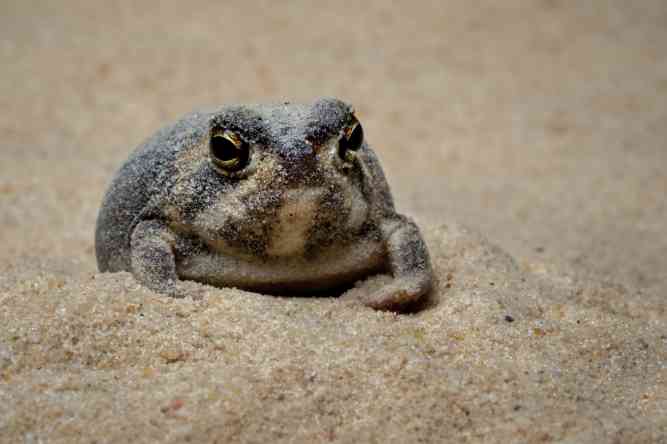
The desert rain frog is only the size of a ping pong ball. Hiding during the day to avoid the harsh desert sun, desert rain frogs emerge at night to feed, eating insects. Found in South Africa and Namibia, the desert rain frog lives in a narrow strip of sand between the sea and Kalahari Desert dunes. With a lifespan of up to 15 years, they have a transparent frame revealing their internal organs and seek out foggy areas to stay hydrated in their arid environment. The desert rainfrog has become a viral YouTube sensation with his adorable sonorous war cry.
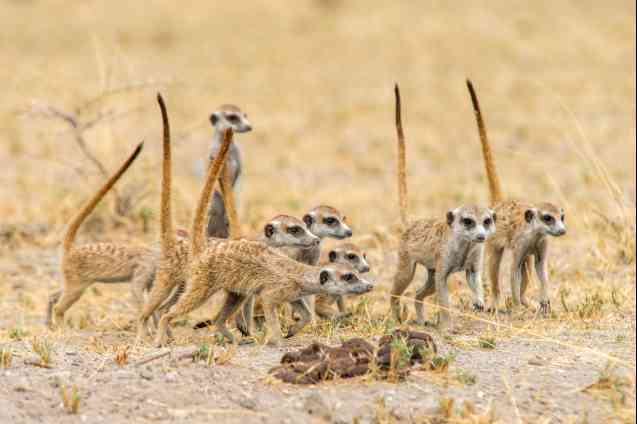
The meerkat is a small mongoose native to southern Africa. Living in the harsh Kalahari Desert environment, meerkats are highly social forming bands of up to 30 members known as mobs or gangs. Meerkats are known for their playful antics, intelligence, and ferocious nature often taking on snakes and scorpions. With at least 12 vocalisations including squeaks, yelps, growls, and spits, meerkats are a joy to encounter on desert safaris. They can thermoregulate and can be found in the early morning basking in the sunshine before heading into the desert sands to forage. Vulnerable to predators, one meerkat stands sentinal allowing the others to forage.
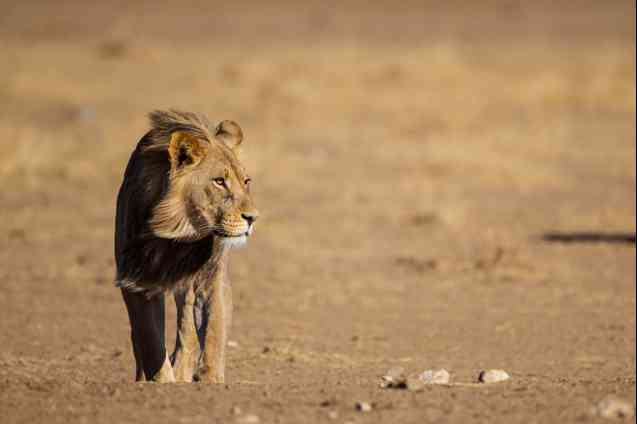
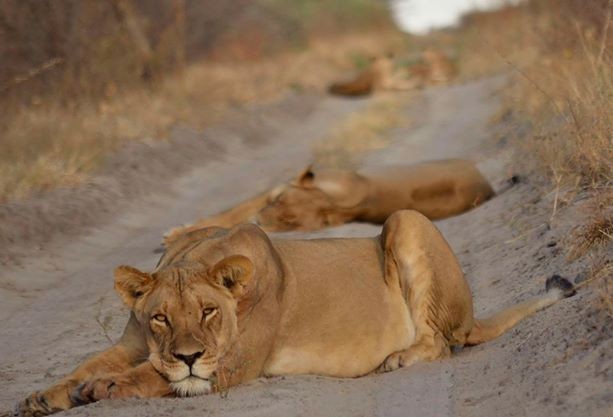
The Kalahari Desert lions, known as the black-maned Dune Kings, have unique physical adaptations like pale gold fur, long legs, large feet, and distinctive manes ranging from blonde to black. Females are lean, strong, and built for endurance. These desert lions have cooling mechanisms to protect against heat and resistance to thirst. They rely on frequent small meals, preying on anything from birds to elands, and even porcupines. Their survival-driven pride dynamics and scavenging habits set them apart. The black-maned lions are a sought-after sighting on many a desert safari bucket list.
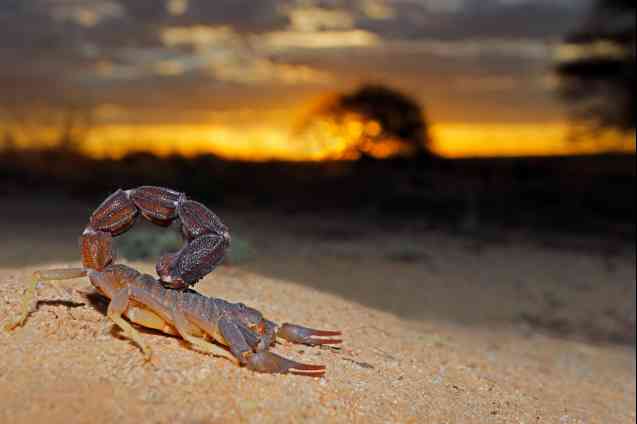
It is said that every desert has its animal and that the Kalahari Desert's animal is the scorpion. The Kalahari thick-tailed scorpion, Parabuthus raudus is a large scorpion about 16 cm long with its tail extended. Typically pale orange or yellow with a darker back these scorpions live in shallow burrows under rocks and emerge at night to feed on insects. The high toxicity of their venom has negated the need for large pincers. Found in the Kalahari Desert biome of the Northern Cape, as well as parts of Namibia, Botswana, and Angola. The Kalahari Desert scorpion is a favourite food of meerkats and will glow under UV light (so remember to take a UV torch on your desert safari).
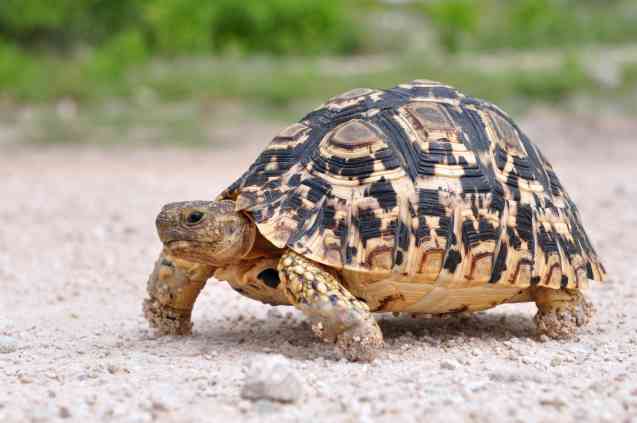
The Kalahari tent tortoise is named for its habitat in the Kalahari Desert, favouring woodland, thorn bush, and savannah areas while avoiding drier regions. The tent tortoise forages primarily in the morning, with activity tapering off as the mercury rises. Found in the eastern Kalahari Desert, this tortoise feeds on over 30 different plant species. The Kalahari tent tortoise is one of the smallest and most striking tortoises in the world. Its distinctive convex carapace features yellowish, serrated shields with geometric patterns making it desirable for both curios and the pet trade pushing it onto the vulnerable species list.
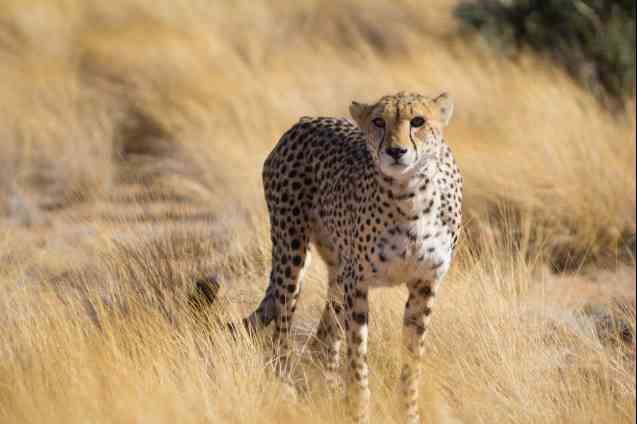
The name "cheetah" comes from the Sanskrit word 'chitraka,' meaning "spotted one," given their distinctive coat pattern. Their scientific name, Acinonyx jubatus, translates to "immovable claw," highlighting their semi-retractable claws essential for speed. Cheetahs have evolved for explosive speed with slender bodies, long legs, and flexible spines. In the Kalahari Desert cheetahs roam huge territories in search of prey and are a prized desert safari sighting. While commonly diurnal hunters, Kalahari cheetahs are known to hunt at night. Other interesting adaptations of desert cheetahs include the intergenerational care of cubs.
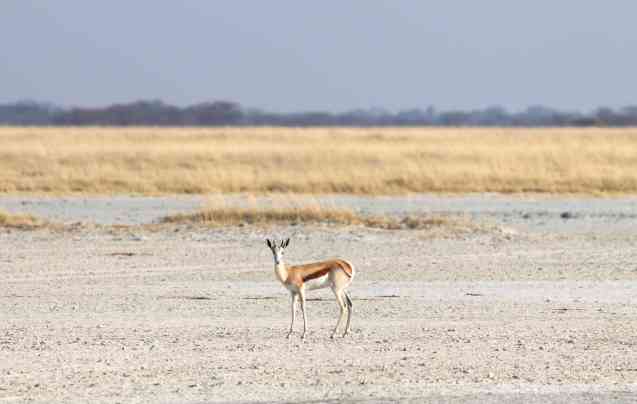
Visiting the Kalahari Desert is a magical safari experience (discover more about Kalahari Desert Safaris in Botswana). However, the area spans over 900,000km² as the second-largest desert in Africa, so how do you know where to go?
The top Kalahari Desert safari destinations are the Central Kalahari Game Reserve in Botswana, the Kgalagadi Transfrontier Park that straddles South Africa, Namibia, and Botswana, the Makgadikgadi and Nxai Pans in Botswana, and the Augrabies Falls National Park in South Africa.
If you are still unsure where best to go check out African Desert Safaris: Where and When to Go in Southern Africa or talk to an African Budget Safaris expert and start planning your unforgettable desert safari today.

Explore these destinations mentioned in this post.
Below you'll find further reading and articles related or similar to this post.




Call us toll free from US/Canada on 1-888-414-6513, or from the UK on 0-808-189-1052. All other countries can contact us on +27 21 791 0878.
© 2026 African Budget Safaris | Privacy | Terms | Cookie Policy | Consent Preferences

_(1)__thumb.jpg)