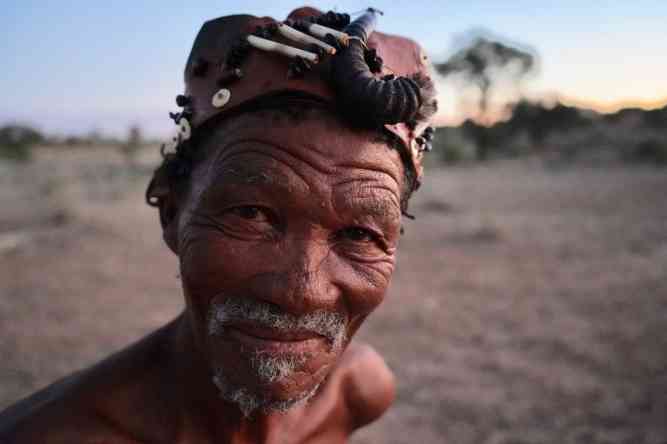
Fabled for their ability to survive in arid climates, the Khoisan people have a remarkable legacy of plant knowledge. Explore the plant culture of the San bushman tribe, also known as the Kalahari San or bushmen.
When the Dutch settlers arrived at the Cape in South Africa 400 years ago, the first people they encountered were the diminutive Khoisan, who were widely dispersed across southern Africa. They called them “Hottentots” and immediately began to document what these folk knew of the local fauna and flora. They knew a lot! The Khoisan or Khoe-Sān culture is one of the oldest in the world, estimated to be at least 50,000 years old. “Khoisan” is an umbrella term for two groups: the nomadic, hunter-gatherer San or Bushmen, and the Khoekhoen, also known as Hottentots. “Khoe” means click, and refers to their distinctive language.
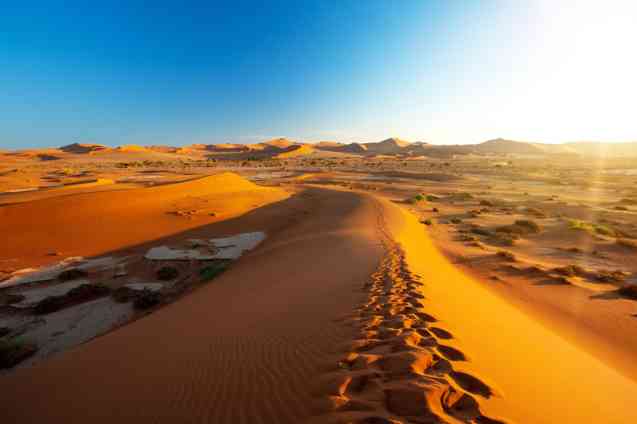
As the Dutch and French colonists became the Afrikaners, they and the Bantu tribes began to populate more of the lower part of the continent over the next 400 years, and the Khoekhoen were dispersed, enslaved or integrated into other cultures, especially the so-called “coloured” culture. The San were hunted down or pushed off their traditional lands and forced to live in inhospitable desert environments. The tiny San were expert hunters, but their vast knowledge of the bush — particularly their plant lore — meant they could survive even in places like the Kalahari.
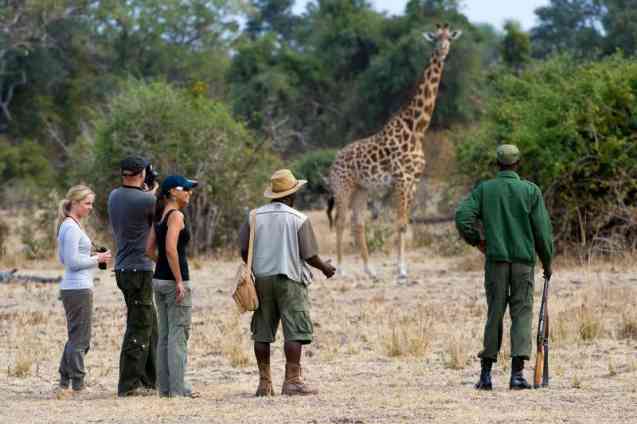
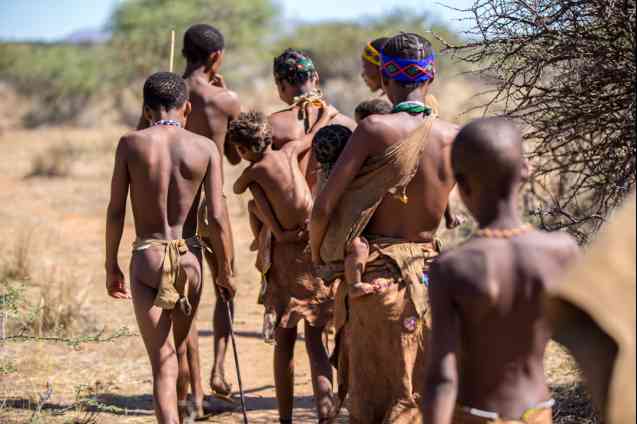
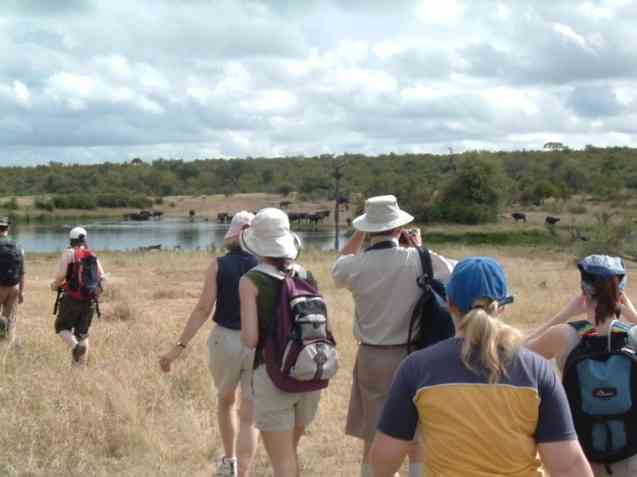
There are still some San groups living in remote areas who can be visited on special Kalahari safaris, where visitors can walk with them and observe some of their traditional practices. Few pure Khoisan exist, and their languages are dying out; most now speak Afrikaans. The majority of the surviving tribes reside in Botswana.
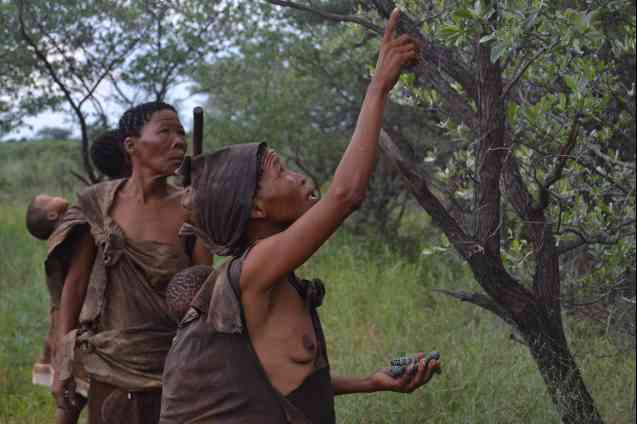
Traditionally, while the Khoisan men hunted, the women foraged for plants, for three to four days each week. They knew of and used between 400 and 500 different plant varieties, from succulents to shrubs to trees. Their vast knowledge of plants meant that not only could they find enough to eat wherever they settled or wandered – even in harsh, waterless terrain – but they also knew which plants to use for healing, for fumigating their sleeping quarters, for making powerful glues and for hunting.
They knew, for instance, that combining liquids from toxic beetles with poisonous plants created a lethal poison that they dipped their arrows in, enabling them to bring down large prey like eland. They used plants for not only healing physical ailments, but psychological and spiritual afflictions, often rubbing ointments into shallow cuts on their skin. Plants were burnt, chewed or scattered in various ceremonies like the famous trance dance.
The Afrikaners feared the Khoisan’s poison arrows but learned much from them – especially which plants could nourish and nurture – and adopted them into their own culture. Afrikaans actor Antoinette Pienaar even became apprenticed to a Griqua shaman called Oom Johannes Willemse, who taught her about the herbs of the Karoo. The Griquas are related to the Khoisan, and Pienaar, who had cerebral malaria, claims in her book Kruidjie roer my that the herbs healed her. The Bantu tribes also incorporated the Khoisan plant lore into their own cultures as they became integrated with them.
The Khoisan people were able to exist in perfect harmony with it. They believed it was sacred, and never took from nature without ensuring enough was left of the resource they were using; for instance, when gathering honey, enough was left for the hive to survive.
It was this value system that enabled them to thrive for millennia; some believe that, along with the Aboriginal tribes, these were the most successful cultures ever. The Khoisan were one of the most oppressed of all groups in southern Africa. Their legacy is only now beginning to be appreciated.
__medium.jpg)
Today, many of the plants that the Khoisan used for thousands of years are being farmed, processed, synthesised and commercialised, and visitors to South Africa can benefit richly from knowing what these natural remedies are able to do. Some aid with weight loss or help to cure heart diseases, others with inflammation. Many are now available on other continents, particularly in countries where South African expats live, or they can be ordered online. A portion of the proceeds of the sales in some cases go back to the Khoi and San Councils, who represent the Khoisan people, to acknowledge those who discovered the plants’ magic in the first place.
Discover more about the Khoikhoi and San Tribes in South Africa in Who are the Khoisan People?
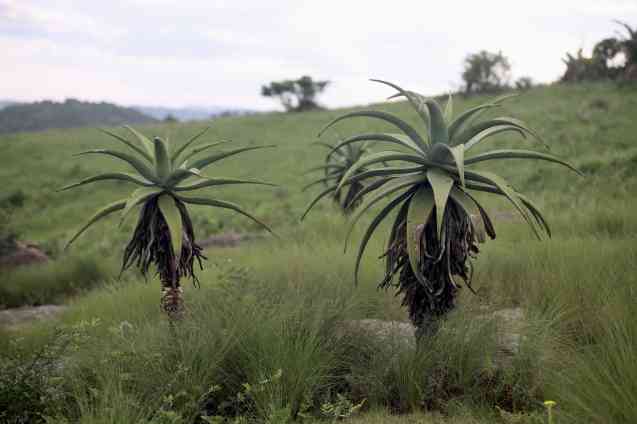
Aloe ferox, also known as bitter aloe, is a succulent that has been used by the Khoisan people for thousands of years — we know this because it is one of the few plants depicted in their rock paintings. It was known to the ancient Greeks but was traded from Africa, which is the only place it grows, soon after the first white settlers arrived in the Cape. Today it is the basis of an industry that is worth hundreds of billions globally. It grows wild and requires no pesticides or fertilisers. There are 400 varieties of aloe, but Aloe ferox and Aloe vera yield the best remedies.
Aloe is best known as a wonder skincare product, derived from a gel it yields, although it is also renowned for healing wounds and for boosting the immune system. In addition, it is used as a bitter tonic, a cure for thrush, for arthritis and as a powerful purge or laxative. There are so many uses for aloe for the skin that it has been dubbed “a pharmacy in a plant”. Among others, it helps with burns, reduces wrinkles, improves skin elasticity by increasing blood flow and reduces tumours. It combats bacteria and has antifungal and antiviral properties. Last but not least, in South Africa, it is an attractive garden plant.
Find out more about San Rock Art in Southern Africa
African potato or Hypoxis hemerocallidea shot to media fame shortly after the new millennium began when South African Health Minister Manto Tshabalala-Msimang proposed that eating garlic, onions, olive oil and African potatoes was all that was needed to stave off HIV. This caused much controversy, but there is no doubt that the root of the African potato has myriad healing properties. It is used in many African cultures to decrease inflammation, boost immunity and heal ailments of the heart, prostate and urinary tract. It is often applied directly to the skin to heal wounds, and it helps with fevers, headaches and arthritis.
It was used by the Khoisan people when water supplies ran short and it's also crammed with nutrients and vitamins, so it is indispensable for survival in the desert. Today it is widely used to hydrate the skin and to promote hair health, as it is rich in essential fatty acid and antioxidants. It helps to clean the gut and to regulate blood sugar. Many women use it to help lessen abdominal pain during their time of menopause. In African cultures, it is widely used as a “muthi” and is believed to have powerful psychological effects on insanity, barrenness, impotence and bad dreams. Its attractive yellow flower makes it a popular addition to gardens. Quite a list!
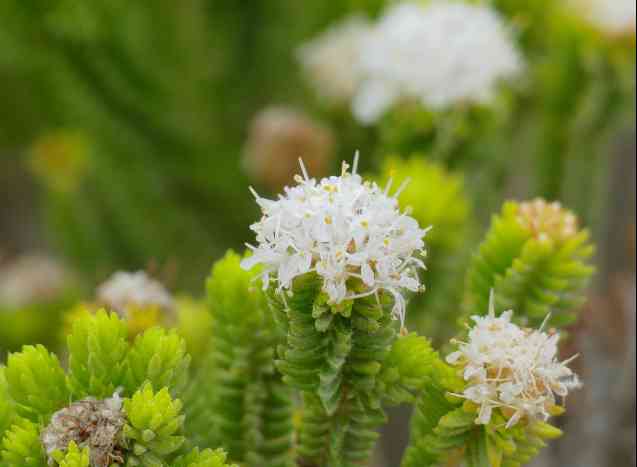
Agathosma, a genus of about 140 species of flowering plants, is native to the southern part of Africa. The Khoisan people knew the benefits of this aromatic plant for thousands of years and would smear their brides-to-be with a mixture of buchu and eland fat. They were particularly interested in the smell of the plant, which they regarded as a vehicle for transformation.
There are so many benefits to this anti-inflammatory plant: it helps with flu and colds, prostate cancer, bladder, kidney and liver issues, high blood pressure, stomach problems and IBS, joints, gout, hypertension, sexually transmitted disease and skin conditions. It is no wonder that the Europeans began trading buchu with the Khoisan and exporting it back home, where it became known as “Royal Tea”. Bales of buchu were even onboard the Titanic when it sank.
Buchu has remained a top export for South Africa, so much so that almost all of it went overseas! Recently, however, visitors can see where it is grown and harvested at sites such as Cape Kingdom Nutraceutical in the Cederberg area of the Western Cape.
Due to its shape and the vicious thorny protrusions on its fruit, Harpagophytum is known as Devil’s Claw, wood spider and grapple plant. Found in the Kalahari Desert, Namibia and Angola, it is actually the root that was used by the Khoisan people to reduce pain and inflammation. Today it is still used for this, but also for fevers, weight loss, menstrual problems, appetite restoration and indigestion. Devil’s Claw grows well in agricultural situations, and since 2002 Namibia has exported hundreds of tons of it each year.
The active ingredient harpogoside has been proven to reduce the action of cytokines, which promote inflammation, and it has been demonstrated to reduce pain and the symptoms of osteoarthritis. It also has antibacterial, antifungal, antivirus, antioxidant and anticancer properties. As it is believed to give racehorses an unfair advantage, it has been banned by the FEI (Federation Equestre Internationale) from being administered just before a race – though afterwards is okay.
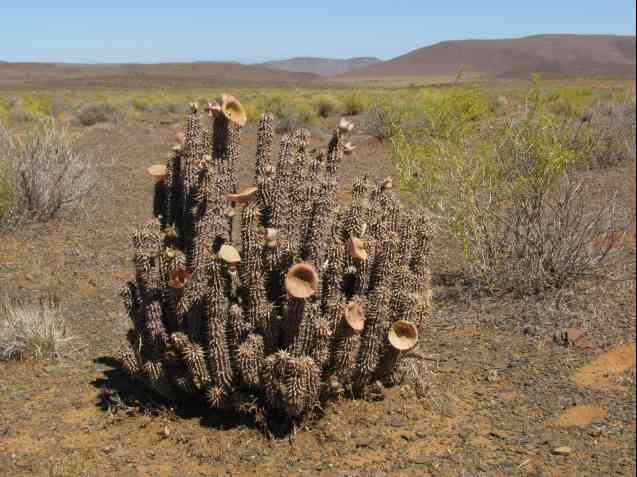
The spineless succulent Hoodia gordonii is also known as “Queen of the Namib,” or “Bushman’s hat”. It grows in the deserts of southern Africa. It is believed that Hoodia was used by the Khoisan to ward off hunger on long hunts, which sometimes went on for days. As obesity is a significant issue in today’s world, Hoodia has attracted much attention and is widely marketed as a weight loss solution. It is available in many different forms, including teas, tablets and patches.
It is not clear yet that Hoodia does actually work, as few studies have been carried out. It has reached the market without adequate testing on the basis that it is a supplement, not a medicine. It is thought that Hoodia changes the insulin levels in the body and “tricks” it into thinking the stomach is full. It is protected under the Convention in International Trade in Endangered Species on Wild Flora and Fauna (CITES), because there are fears that Hoodia and species similar to it may be over-harvested.
Archaeological evidence shows that the marula tree (Sclerocarya birrea) has been used as a valuable source of nutrition by the Khoisan people and other southern African tribes for at least 10,000 years. The fermented fruit of the enormous tree has been rumoured to make elephants drunk since the 1974 Jamie Uys film Beautiful People, but this myth has long been debunked. The healing properties of marula are genuine, however: the oil is used for skin care, the leaves for indigestion, and the bark for dysentery and diarrhoea. It is also used as a tonic and for controlling sugar levels. Today there is a thriving biotrade in Marula that incorporates and empowers many local communities.
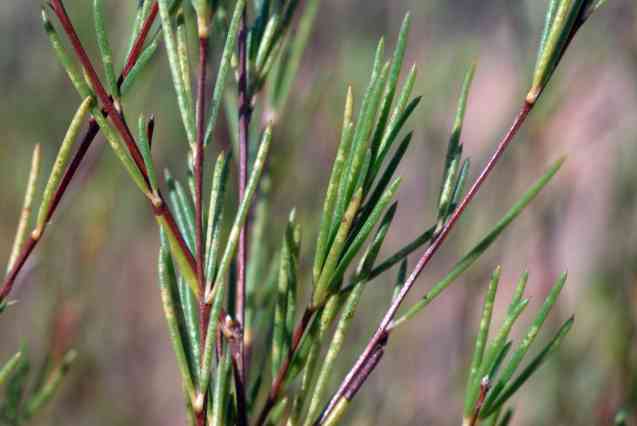
Aspalathus linearis, a plant species that grows in the Western Cape area of South Africa, has been used by European settlers for hundreds of years after they noticed the Khoisan making use of its many benefits. Rooibos or “red-bush” tea is about as Afrikaans as you can get! Many South Africans will only drink the pleasant-tasting, caffeine-free tea made from its leaves, eschewing “ordinary” tea, although some like to mix the two together. It blends well with milk and sweeteners and is made by fermenting the leaves, which then make a reddish brew.
Rooibos is especially good for people with heart conditions, as it reduces the chances of developing cardiovascular conditions, lowers blood pressure and reduces calorie levels. It may help with cancer, bones and digestion but the jury is still out on this. The longer rooibos is seeped, the more the antioxidants it contains percolate through into the water, and the taste improves instead of diminishing. The antioxidant aspalathin lowers blood sugar levels and inflammation resulting from high blood sugar, while its polyphenol antioxidants have benefits for accelerated hydration — although it can make you pee more. Green rooibos (unfermented) has even higher levels of antioxidants but has a grassier taste.
For travellers who wish to see rooibos being cultivated, there is a Rooibos Route in the Cederberg, where you can learn about its history and sample it in tea shops.
Sceletium Tortuosum, more commonly known just as Sceletium, was used by the Khoisan people to combat fatigue, hunger and thirst, but also for healing and spiritual purposes, as it promotes a general feeling of well-being. Traditionally it was chewed, hence the name “kougoed” (chewing stuff) or kanna, but it was also used as a snuff. Today it is promoted as a treatment for anxiety and depression, as well as for helping with addictions and bulimia. The alkaloids it contains are also being researched as it is thought to have anti-inflammatory and antioxidant properties, in addition to its more renowned antidepressant effects.
__medium.jpg)
For more about African culture see 9 Famous African Tribes, their Cultures & Traditions
The Khoisan people's extensive knowledge of plants has given invaluable benefits. Their deep understanding of the flora in the Kalahari Desert honed over centuries, can contribute significantly to modern science and medicine.
Visiting the Khoisan in the Kalahari presents an exciting opportunity to engage with their rich cultural heritage and traditional wisdom firsthand. Such experiences foster cultural appreciation and inspire innovative approaches to environmental stewardship and holistic health.
Learning from the Khoisan people's extensive knowledge of plants offers invaluable benefits, such as discovering new medicinal uses, promoting biodiversity conservation, and gaining insights into sustainable living practices. Their deep understanding of the flora in the Kalahari Desert honed over centuries, can contribute significantly to modern science and medicine. Moreover, visiting the Khoisan or Kalahari bushmen presents an exciting opportunity to engage with their rich cultural heritage and traditional wisdom firsthand.
Visit the Kalahari San on this 7-Day Kalahari Desert Safari in Botswana or contact African Budget Safaris for help planning your Kalahari Safari.

Explore these destinations mentioned in this post.
Below you'll find further reading and articles related or similar to this post.




Call us toll free from US/Canada on 1-888-414-6513, or from the UK on 0-808-189-1052. All other countries can contact us on +27 21 791 0878.
© 2026 African Budget Safaris | Privacy | Terms | Cookie Policy | Consent Preferences


_(1)__thumb.jpg)


__medium.jpg)