__1200w.jpg)




- More destinations related to Namib-Naukluft National Park:
- Namibia
- Etosha National Park
- Sossusvlei
- Windhoek
- Caprivi
- Damaraland & Kunene
- Fish River Canyon
- Namib Desert
- Skeleton Coast
- Swakopmund
- Waterberg Plateau National Park

__1200w.jpg)
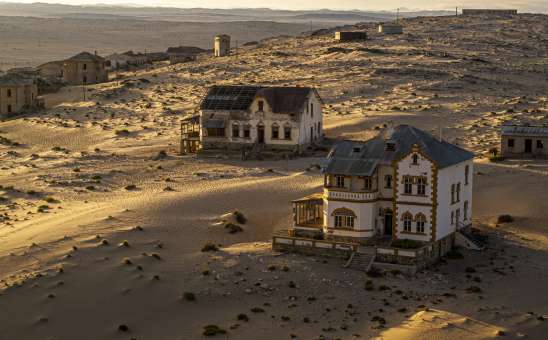
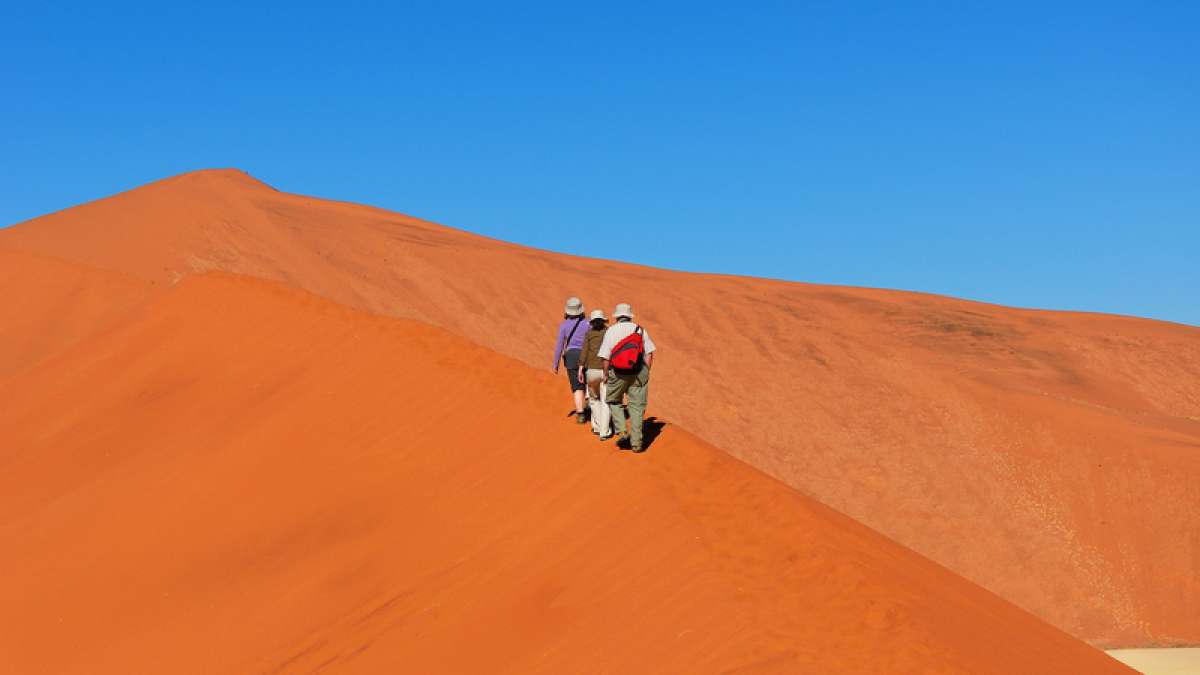
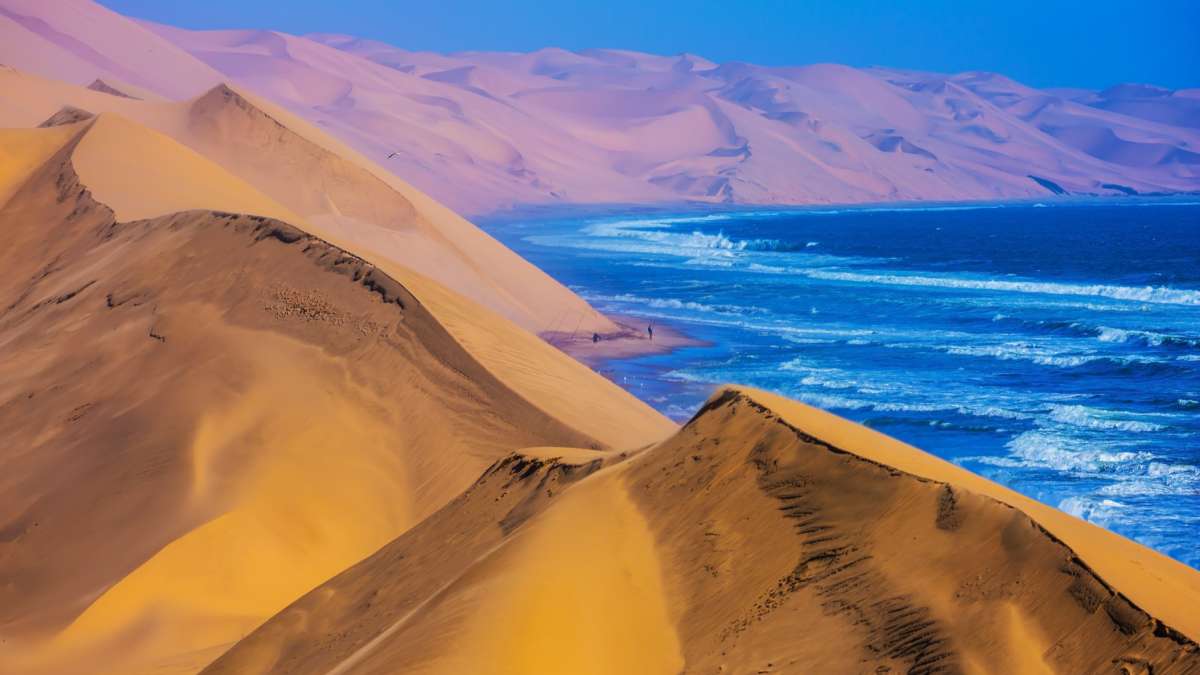
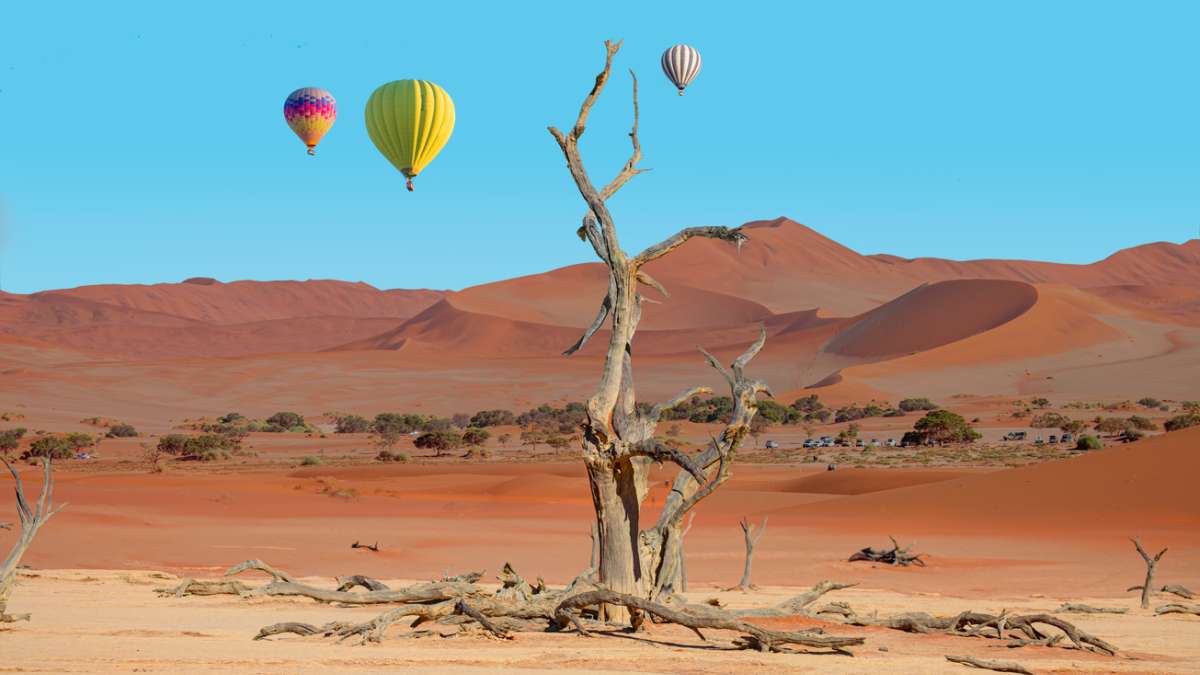
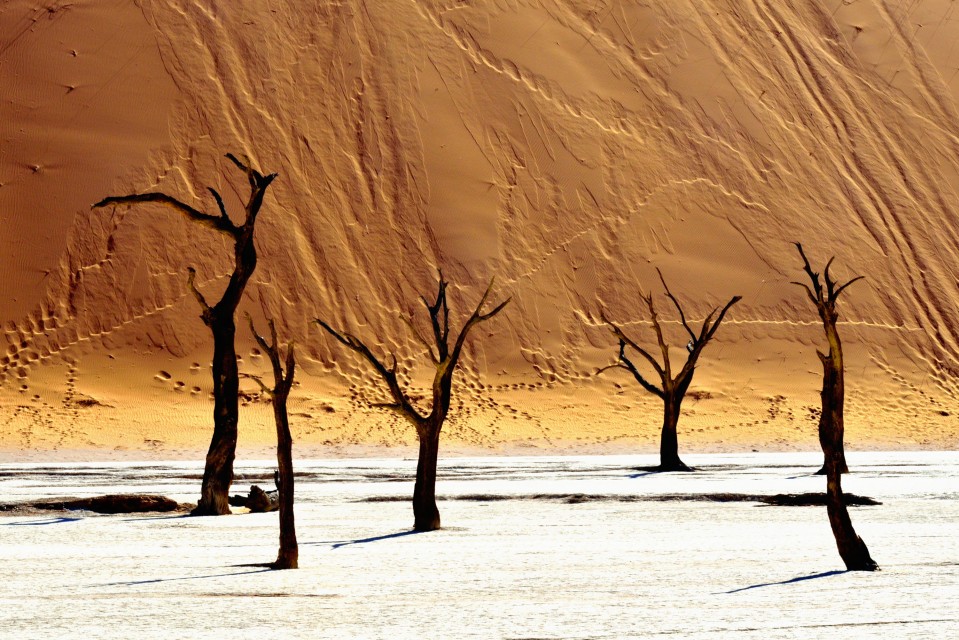
Namib-Naukluft National Park is one of Africa’s great landscape destinations, famous for towering red dunes, surreal desert scenery, and remarkable desert-adapted wildlife. Home to Sossusvlei, Deadvlei, and parts of the world’s oldest desert, it offers unforgettable experiences for photographers, hikers, and travellers seeking something beyond traditional game drives. With excellent road access and a wide range of camps and lodges, it fits perfectly into budget and mid-range safaris, offering exceptional value for money in Namibia.
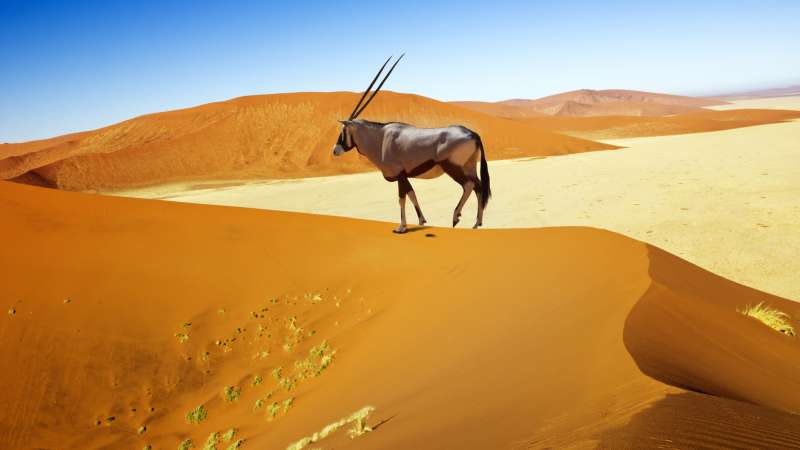
A vast desert wilderness where scale and silence are part of the experience.
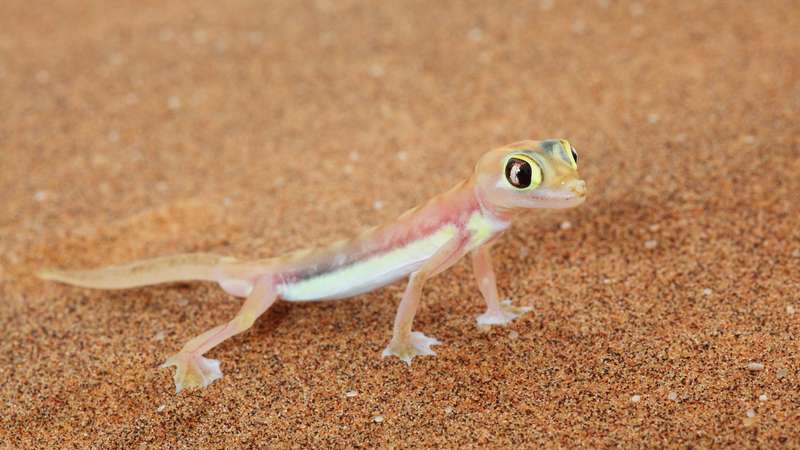
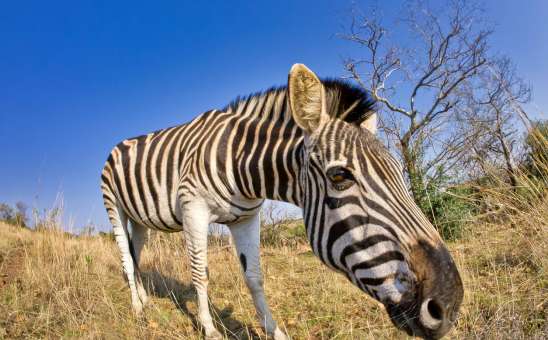
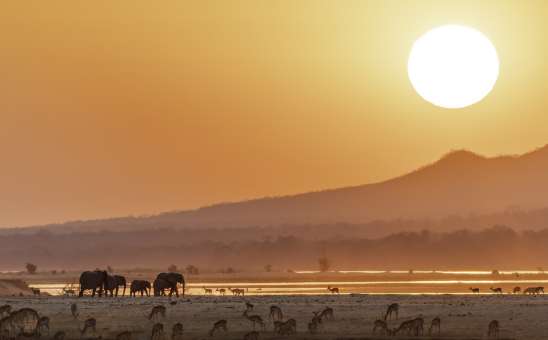
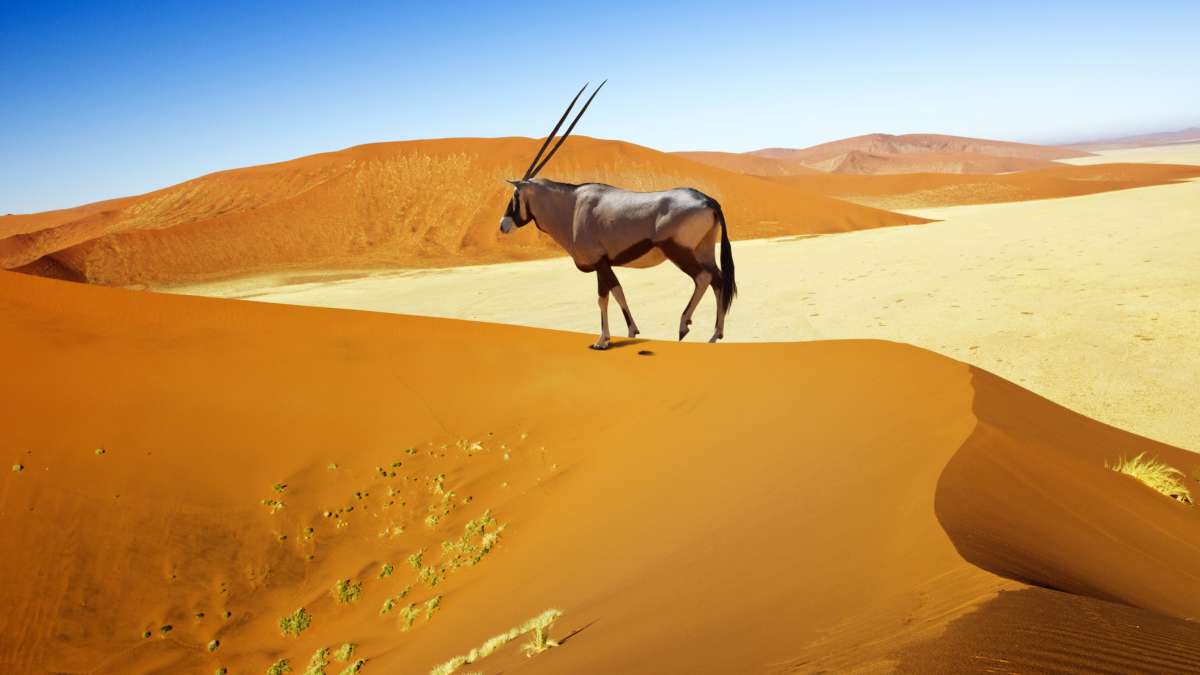
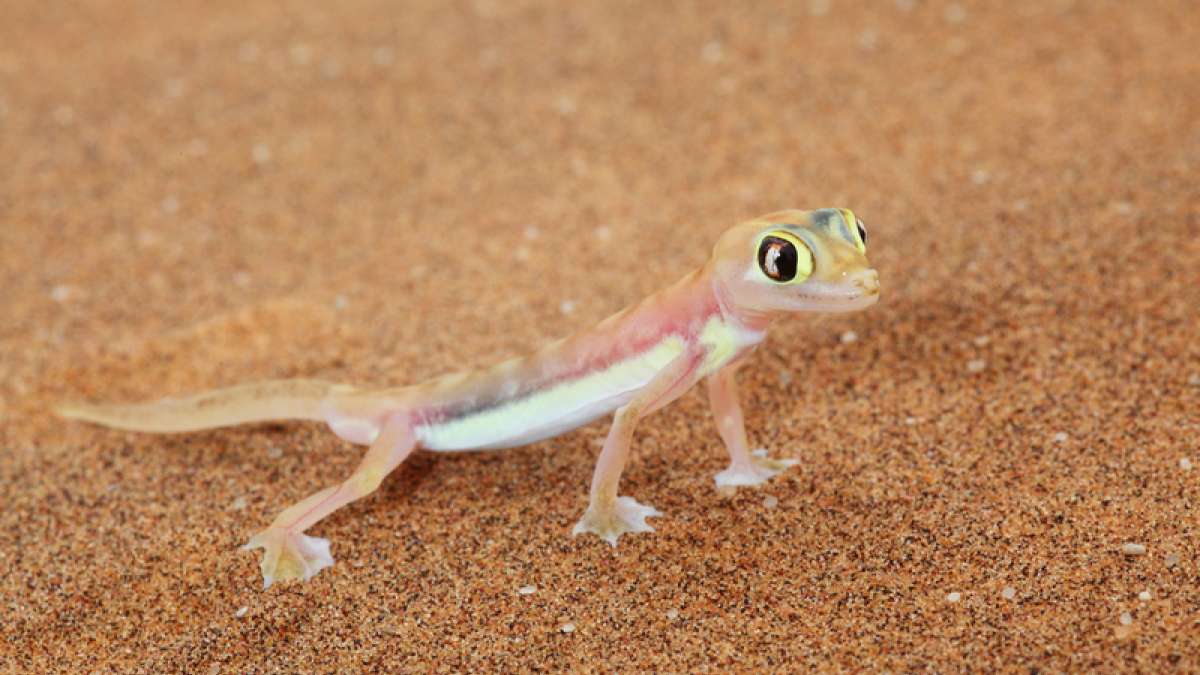
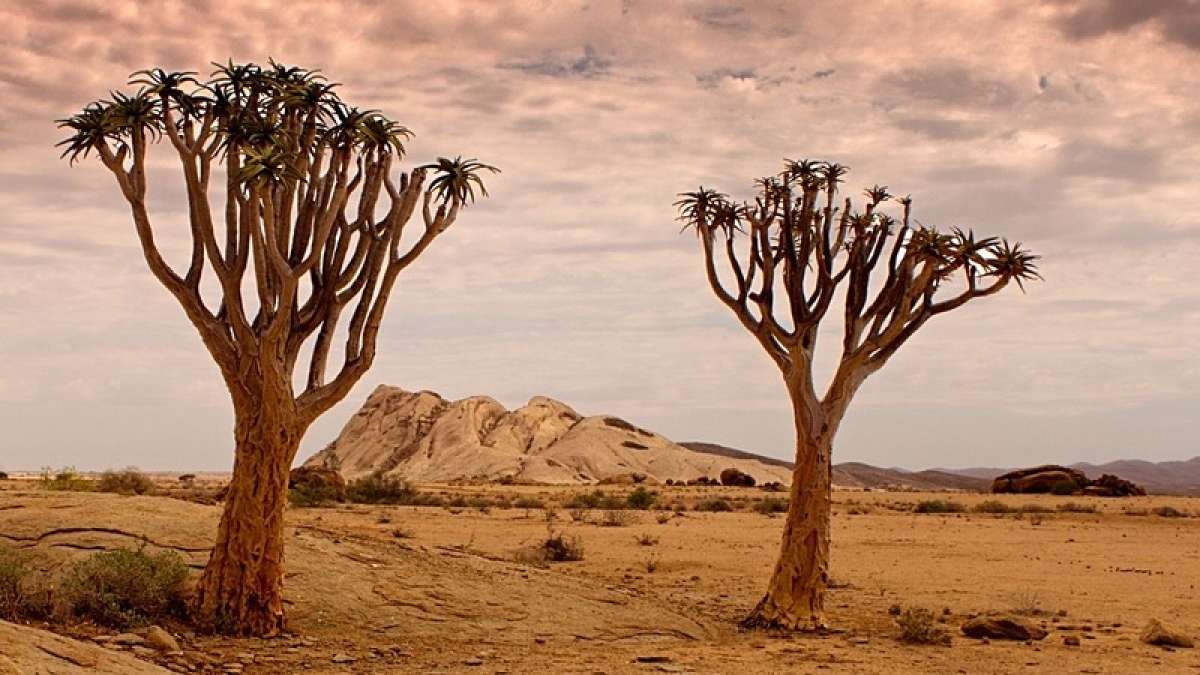
Namib-Naukluft National Park showcases one of Africa’s most specialised ecosystems, where wildlife has evolved extraordinary adaptations to survive extreme heat, shifting sands, and scarce water. While sightings are often subtle rather than abundant, they offer a fascinating insight into desert survival and make this park a rewarding stop for nature lovers and photographers.
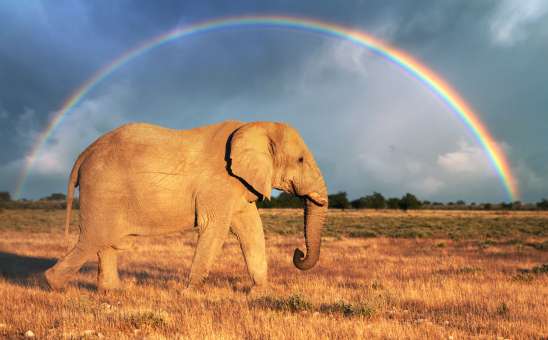
These desert-adapted species are a key reason Namib-Naukluft feels so different from traditional safari destinations. Rather than classic Big 5 game drives, the focus here is on ecology, adaptation, and landscape-driven wildlife, making it an ideal contrast to Etosha or other wildlife-rich parks on a Namibia safari itinerary.
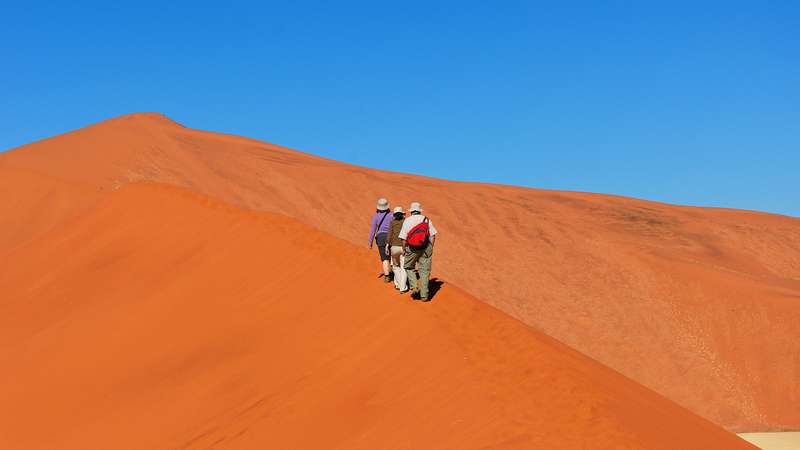
This is a park made for exploration, photography, and slow travel.
__800w.jpg)
Thanks to its central location, Namib-Naukluft pairs effortlessly with many of Namibia’s top destinations.
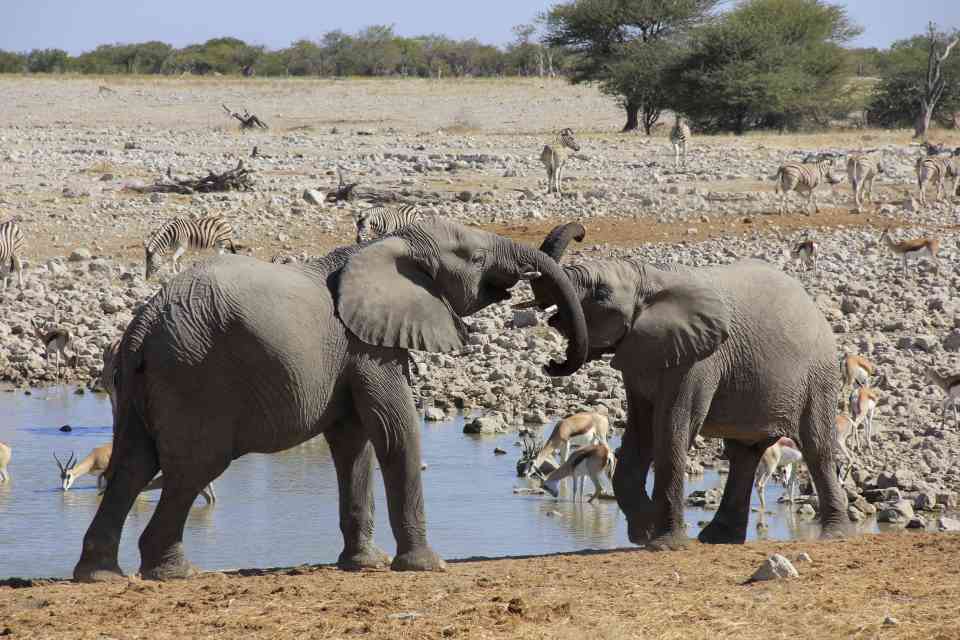
Etosha National Park: Classic wildlife safaris and Big Game viewing
Swakopmund & the Skeleton Coast: Coastal scenery and adventure activities
Damaraland & Kunene: Desert elephants, rock art, and dramatic landscapes
Fish River Canyon: Ideal for longer Namibia overland routes.
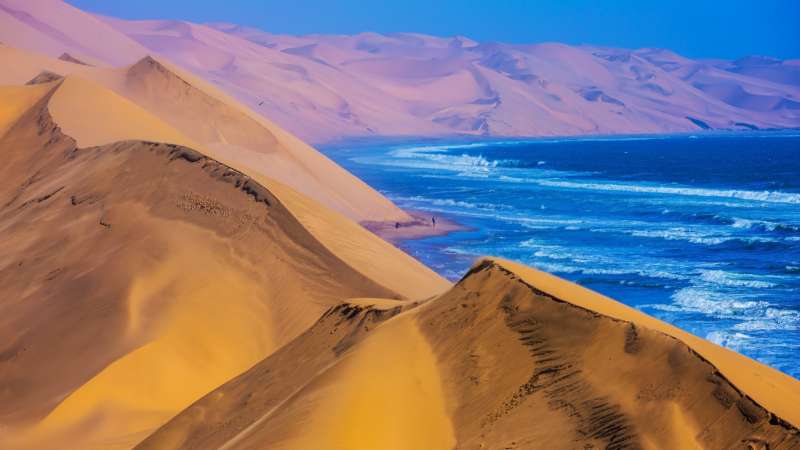
Yes. Namib-Naukluft National Park is considered very safe for travellers, especially when visited as part of a guided safari or well-planned self-drive route. Roads are generally good, facilities at key sites are well managed, and Namibia is known for its stable, traveler-friendly environment. As with all desert travel, it’s important to plan fuel stops, carry water, and follow local advice, something experienced safari operators handle with ease.
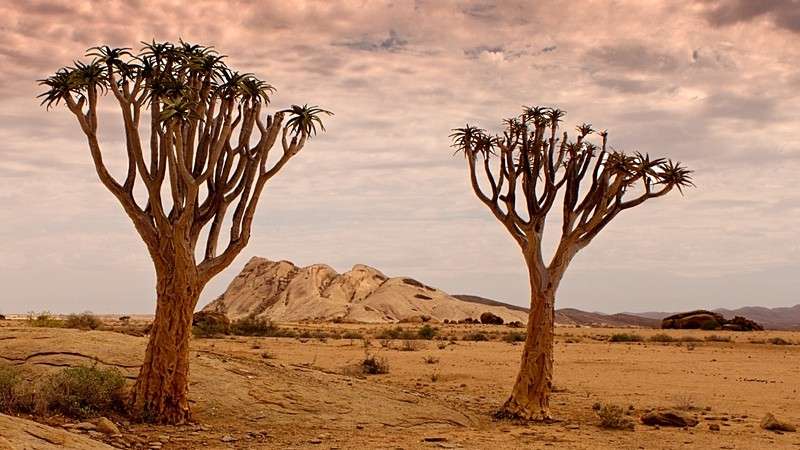
From classic overland routes to value-packed lodge safaris, our team knows how to build Namibia itineraries that make the most of your time and budget. Chat to our friendly safari consultants and let’s start planning an unforgettable journey through one of Africa’s most extraordinary landscapes.
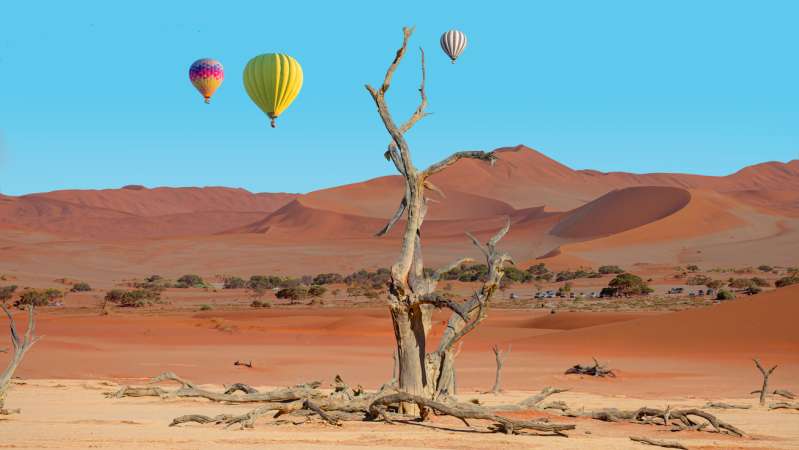
The best time to visit Namib-Naukluft National Park is from May to October, during the dry season, when temperatures are cooler, and conditions are ideal for exploring the dunes.
Dry Season from May to October:
Cooler daytime temperatures, clear skies, excellent visibility, and the best conditions for dune climbs, hiking, and photography. Peak travel season with higher demand.
Hot Season from November to March:
Very hot temperatures, fewer visitors, and dramatic desert light. Occasional summer rains can bring fleeting greenery and striking cloud formations, excellent for photographers, but midday heat can be intense.
Shoulder Months April & November:
A balance between heat and comfort, fewer crowds, and good value, ideal for travellers seeking quieter conditions.
Safaris to Namib-Naukluft are typically included as part of Namibia overland safaris, self-drive routes, and guided lodge safaris offered by African Budget Safaris. Most trips combine Sossusvlei with other highlights like Etosha, Swakopmund, and the Skeleton Coast, delivering outstanding value and variety without the high price tag of fly-in safaris. These are African Budget Safaris' most popular safari tours that include the Namib-Naukluft National Park.




Call us toll free from US/Canada on 1-888-414-6513, or from the UK on 0-808-189-1052. All other countries can contact us on +27 21 791 0878.
© 2026 African Budget Safaris | Privacy | Terms | Cookie Policy | Consent Preferences