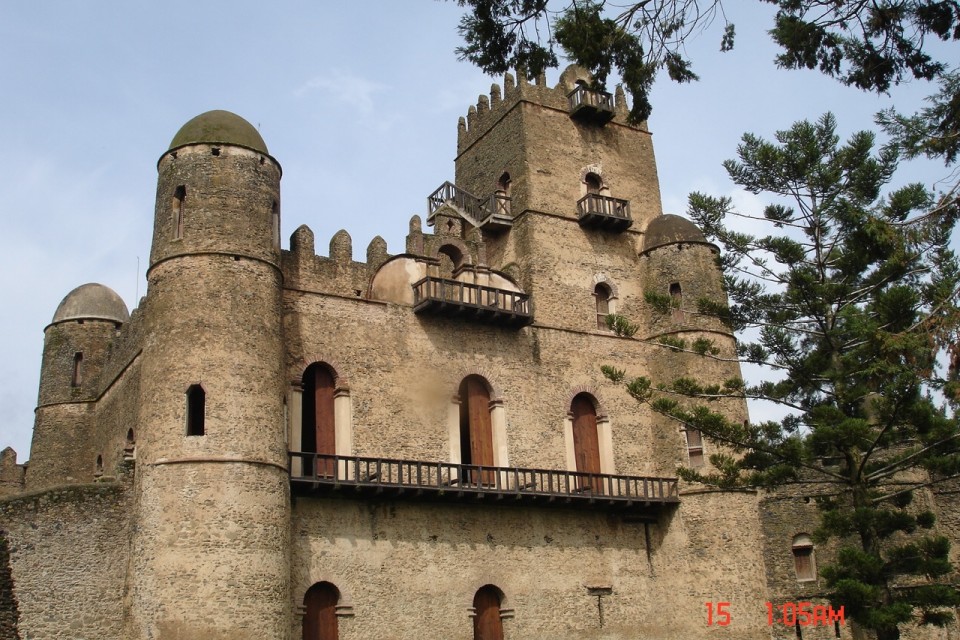
Southern and East Africa boast some of the world’s most remarkable UNESCO World Heritage Sites, from Robben Island to the ancient rock art at Twyfelfontein and Matobo Hills.
From Tanzania, Kenya, and Uganda to Zimbabwe, Namibia, and South Africa, these are 13 of the best UNESCO World Heritage Sites in Africa and the African cultures they protect.
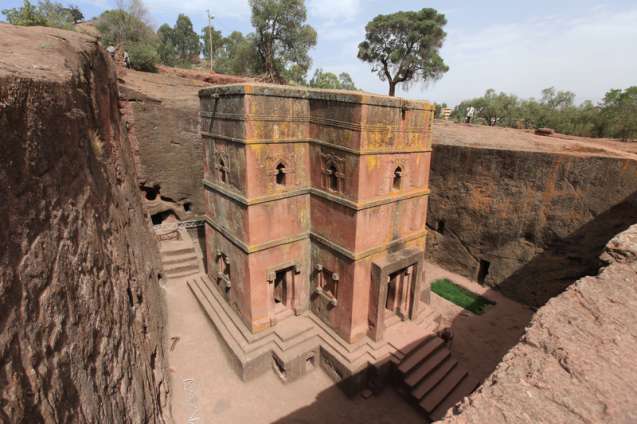
Ethiopia embraced Christianity early, following the Aksumite emperor Ezana’s conversion in the 4th century, with Aksum serving as its spiritual and political heart. As Aksum's influence waned, Lalibela rose, becoming Ethiopia’s capital in the 12th century. In 1187, unable to reach Jerusalem due to conflict, King Lalibela commissioned rock-hewn churches as a symbolic ‘New Jerusalem’ for Ethiopian Orthodox pilgrims, reflecting Ethiopia’s enduring devotion.
The rock-hewn churches of Lalibela, carved directly into volcanic rock in the 12th century, are one of Ethiopia’s holiest sites. Not only vital to Ethiopian Orthodox Christian identity, Lalibela is also a UNESCO World Heritage Site. This collection of 11 unique, monolithic churches features intricate designs, ceremonial tunnels, and symbolic decorations that reflect Ethiopia’s rich religious heritage. The rock-hewn churches of Lalibela remain a deeply spiritual pilgrimage site that celebrates age-old Orthodox Christian traditions, it also attracts visitors from around the world who come to experience this remarkable cultural heritage site. You can read our free Ethiopia Guide for more information about this fascinating country.
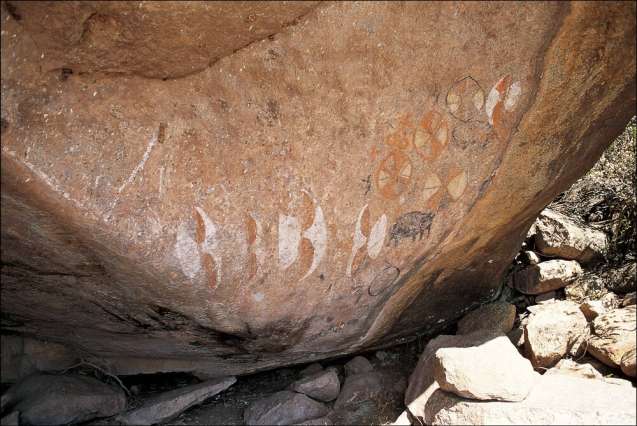
The Kondoa Rock Art Sites, located on the eastern slopes of the Maasai escarpment in Tanzania, feature over 150 decorated rock shelters and caves, showcasing an extensive collection of rock paintings that span at least two millennia. These artworks represent the cultures of hunter-gatherer and pastoralist communities, reflecting their beliefs and practices. Distinguished by their unique streaky style and depictions of domesticated animals, the paintings provide invaluable insights into the region’s socio-economic evolution and continue to hold ritual significance for local populations.
The Kondoa Rock Art Sites protect a rich cultural heritage, showcasing ancient paintings of animals, humans, and hunting scenes that reflect the spiritual beliefs and daily lives of early societies, including the Sandawe people. These sites continue to serve local communities for rituals such as rainmaking, divination, and healing, reinforcing a crucial cultural continuum. The ongoing use of rock art in ceremonies demonstrates a deep connection to the past while highlighting the importance of balancing conservation with traditional cultural practices.
Tanzania is brimming with amazing safari destinations and several other UNESCO World Heritage Sites including Ngorongoro and the Serengeti. Read our Tanzania Safari Guide to learn more about what Tanzania has to offer.
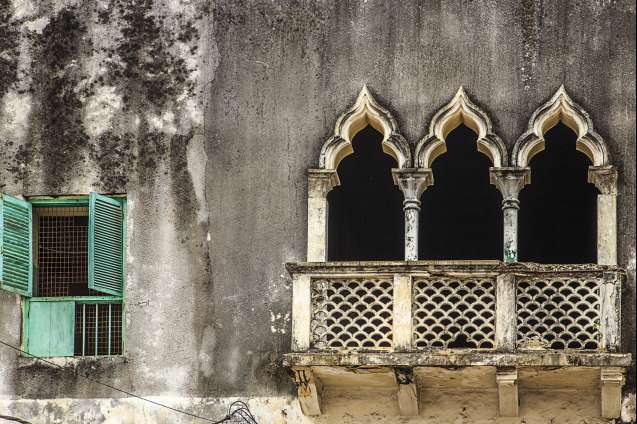
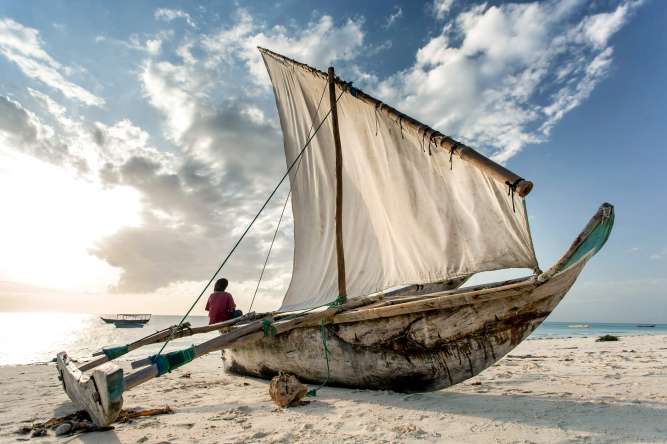
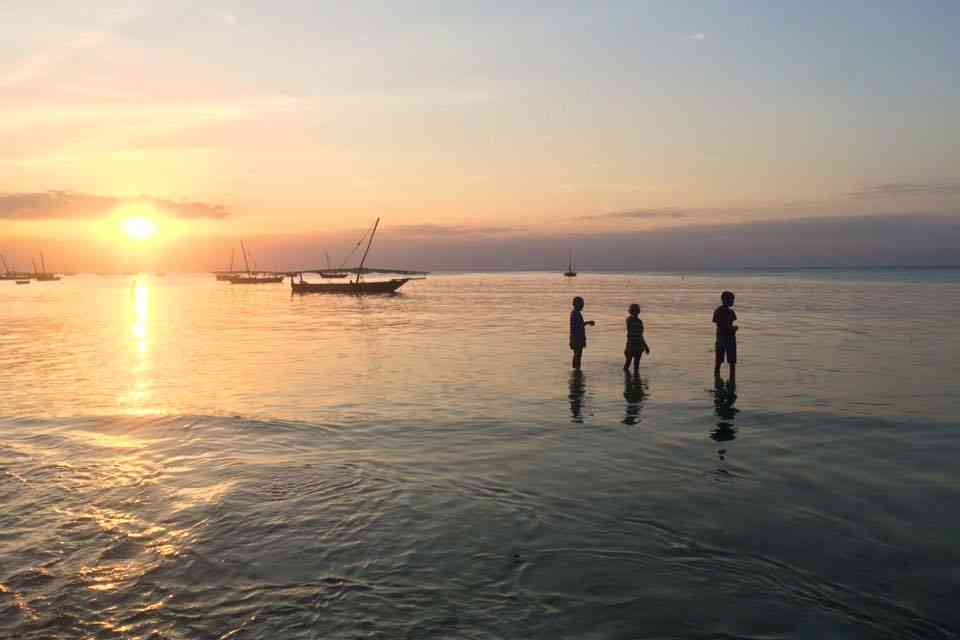
Stone Town, Zanzibar, is a beautifully preserved Swahili coastal trading centre known for its unique architecture that blends Arab, Persian, Indian, European, and African influences. Notable for its narrow streets and intricately carved wooden doors, the town also bears historical significance as a former major port for the slave trade, with remnants such as the last slave market and a monument to David Livingstone. Visitors can explore its narrow alleys, and vibrant markets, and savour delicious Zanzibari cuisine, making it an ideal starting point for beach trips and spice tours. Zanzibar is an amazing destination perfect for a bush and beach break. You can read more about Zanzibar with our free Zanzibar Travel Guide.
Stone Town is a vibrant cultural hub of the Swahili Coast, reflecting the rich fusion of African, Arab, Persian, and Indian influences in its architecture, cuisine, and crafts. As a UNESCO World Heritage Site, it serves as a living testament to the cultural synthesis that shaped the Swahili civilization. The town’s winding streets and grand mansions highlight its historical role as a trading centre, emphasizing the importance of preserving its unique heritage and historical sites for future generations.
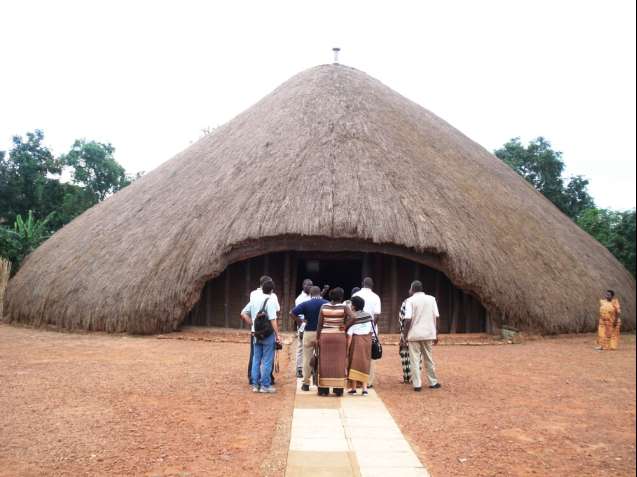
The Kasubi Tombs, a UNESCO World Heritage Site built in 1882 as a palace for Kabaka Muteesa I, is a significant burial site for Buganda’s kings and royal family members. Following the king's death just two years after its construction, the tombs became the final resting place for four Kabakas. They symbolize the rich history and cultural heritage of Uganda and East Africa, reflecting the region's royal traditions and significance.
The Kasubi Tombs epitomize Baganda heritage through their distinctive architecture and deep spiritual significance. The main circular, domed building, crafted from wood, thatch, reed, and wattle, showcases remarkable organic design. Beyond architecture, the tombs hold profound intangible value, symbolizing belief, spirituality, and continuity for the Baganda people. As an active religious centre, the site exemplifies Ganda cultural traditions and palace design, marking it as a masterpiece of human creativity.
Uganda is a popular destination, especially for gorilla trekking in the Bwindi Forest National Park. You can read more about Uganda here in our free Uganda Safari Guide.
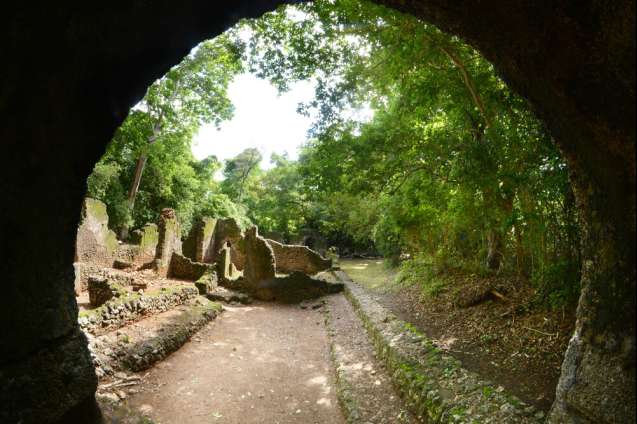
The Gedi Ruins, a UNESCO World Heritage Site near Kenya's Indian Ocean coast, lie within the Arabuko-Sokoke Forest near the town of Gedi. Part of a network of medieval Swahili coastal settlements, Gedi reflects the region’s historical significance as a trade centre. Rediscovered in the 1920s, the ruins have since become a major archaeological site, providing insight into Swahili culture and trade connections along East Africa’s coast.
Located about 5km from Kenya’s Watamu beach in the Arabuko-Sokoke Forest, the ruins of Gedi are part of an ancient Swahili network of trade centres along East Africa’s coast. Archaeological finds like Venetian beads, Ming pottery, and Islamic artefacts reveal Gedi’s historic wealth and trade links with China, Arabia, and beyond. Despite Gedi's economic prominence, its remote forest location and lack of early written records add an intriguing mystery to its historical significance as a thriving cross-continental hub.
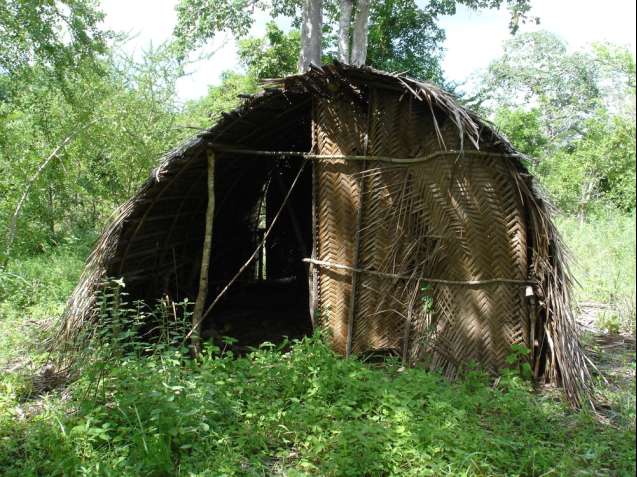
In the same coastal forests, the Sacred Mijikenda Kaya Forests in Kenya are revered cultural sanctuaries for the Mijikenda people. These forests, encompassing 10 separate sites along Kenya’s coast, house the remains of fortified 16th-century villages called kayas. Though abandoned in the early 20th century, the kayas are preserved by councils of elders as sacred sites and ancestral abodes. They represent the spiritual beliefs and identity of the Mijikenda, embodying both cultural heritage and ecological conservation.
The Sacred Mijikenda Kaya Forests in coastal Kenya are vital to the cultural identity of the Mijikenda, nine Bantu-speaking ethnic groups. These sacred forests are centres for oral traditions and rituals, performing arts, spiritual practices, and folklore that reflect the Mijikenda’s heritage. They also provide medicinal plants, highlighting a deep connection to nature and traditional knowledge, which is essential to preserving Mijikenda culture.
Kenya is most notable for its epic safaris to destinations like Amboseli, Tsavo, and the Masai Mara, read about Kenya's other highlights in our Kenya Safari Guide. You can read more about the incredible Arabuko-Sokoke Forest in our blog 10 Best African Forests & Woodlands.
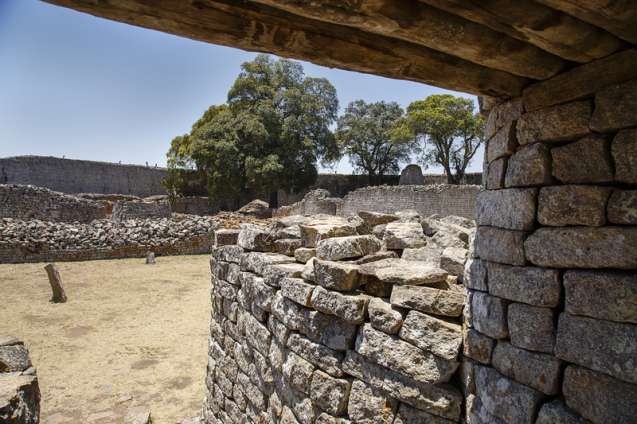
The Great Zimbabwe National Monument, located near Masvingo, Zimbabwe, is an exceptional remnant of Shona civilization, built between the 11th and 15th centuries. Spread over 800 hectares, it comprises the Hill Ruins, Great Enclosure, and Valley Ruins. This ancient city, with its granite stone enclosures and narrow passageways, served as a significant trade centre. The Hill Ruins, likely a royal city, include ritual areas with unique stone bird sculptures, reflecting its cultural and historical richness.
Learn more about the mystery of the Zimbabwe Ruins in our blog What are the Zimbabwe Ruins?
The Great Zimbabwe Ruins, once the heart of the Shona Kingdom, stand as the largest stone complex in sub-Saharan Africa, symbolizing the Shona people's social, economic, and political legacy. A national emblem of Zimbabwe, these ruins hold profound cultural and historical significance. Their monumental artistry has inspired visitors for centuries, with the steatite bird emblem resonating as a symbol of Zimbabwean identity and heritage.
Zimbabwe is home to Victoria Falls, Hwange National Park, and the mighty Zambezi River, read our Zimbabwe Guide to find out what this southern African country has to offer.
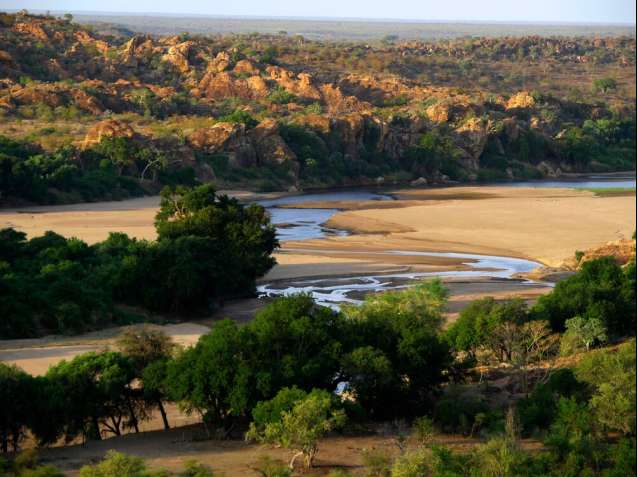
The Mapungubwe Cultural Landscape, located at the confluence of the Limpopo and Shashe rivers near South Africa's northern border, showcases the remnants of the largest kingdom in the subcontinent before its abandonment in the 14th century. Spanning nearly 30,000 hectares, this site features well-preserved palace ruins and settlements that illustrate the social and political evolution of the first indigenous kingdom in southern Africa from 900 to 1300 AD. Its strategic location facilitated control over trade routes, enriching the kingdom with gold, ivory, and foreign imports like Chinese porcelain and Persian glass beads.
The Mapungubwe Cultural Landscape is a significant cultural site that reflects the rise and fall of the Mapungubwe State, the largest kingdom in the African subcontinent during its height from AD 900 to 1300. Set against the stunning backdrop of the Limpopo/Shashe confluence, it showcases vital cultural exchanges that shaped southern Africa. Artefacts, including gold sculptures, reveal the region’s wealth and sophisticated trade networks with Asia, which influenced later cultures across southern Africa.
__medium.jpg)
Robben Island, used as a prison, hospital, and military base from the 17th to the 20th centuries, stands as a powerful symbol of the struggle for democracy and freedom in South Africa. Its historic buildings, particularly the maximum-security prison for political prisoners, reflect the triumph over oppression and racism. The island's diverse heritage includes 17th-century quarries, the tomb of Hadije Kramat, 19th-century administrative structures, and remnants of a leper colony, all contributing to its profound cultural significance.
Robben Island is an iconic symbol of South Africa's struggle for freedom, famously housing Nelson Mandela and other anti-apartheid leaders. Today, the island commemorates the fight for equality and represents the triumph of democracy over oppression, embodying the indomitable human spirit and the enduring quest for justice that is revered around the world.
Find out more about the Mother City in our free Cape Town Travel Guide.
African Budget Safaris offers over 100 Cape Town Safari Tours from Garden Route tours to Big 5 Cape Town safaris near the mother city.
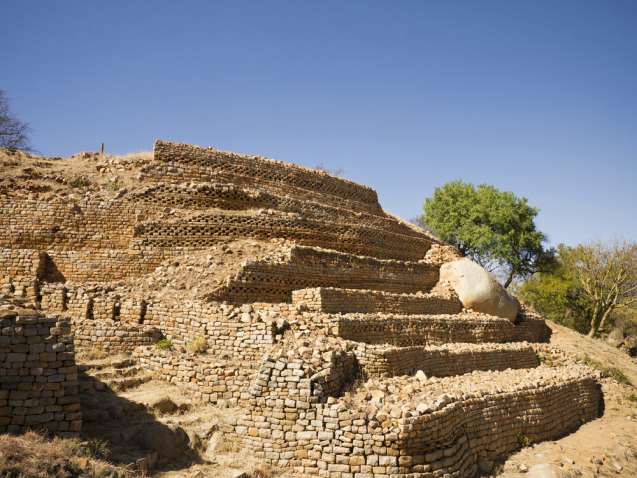
The Khami Ruins in Zimbabwe, developed after the decline of Great Zimbabwe, serve as a major archaeological site highlighting the Torwa dynasty's legacy from 1450 to 1650. Situated on a hilltop near Bulawayo, Khami was a vital trading centre with connections to Europe and China. Known for its complex dry-stone walls, unique chevron decorations, and narrow passageways, Khami showcases an evolution in regional stonework and remains a testament to ancient southern African craftsmanship and trade networks.
The Khami Ruins in Zimbabwe reflect the architectural skill and cultural depth of the Shona kingdoms following the fall of Great Zimbabwe. As the second-largest stone-built site in the country, Khami represents the wealth and trade links of the Rozwi and Torwa, evidenced by Portuguese artefacts found here. Unlike many ancient sites, Khami’s undisturbed layers offer valuable insight into Zimbabwe’s historical timeline, showing development from the Stone Age to the Iron Age.
Take a look at the attractions that Zimbabwe has to offer in our free Zimbabwe Safari Guide.
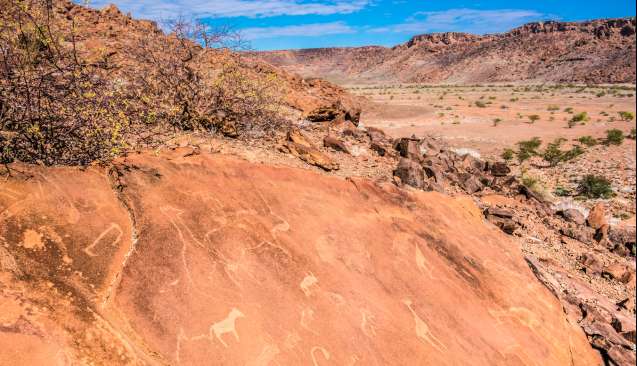
Twyfelfontein, or /Ui-//aes, in Namibia, holds one of Africa's largest collections of rock engravings, dating back to the Late Stone Age. These well-preserved petroglyphs depict rhinos, elephants, ostriches, giraffes, and human and animal footprints, alongside red ochre-painted shelters. The site offers a vivid record of ancient hunter-gatherer communities' ritual and economic practices, illustrating their cultural and spiritual connection to the land over 2,000 years.
Namibia is a hugely popular destination with incredible attractions, read more about Namibia in our free Namibia Safari Guide.
Twyfelfontein, or /Ui-//aes, in Namibia, is one of Africa's richest rock engraving sites, showcasing thousands of petroglyphs by the San people. The engravings, depicting animals, hunting scenes, and spiritual symbols, express the San's profound connection to their environment and reliance on water sources. Spanning over 2,000 years, this UNESCO site preserves the San’s ritual and economic practices, symbolizing the land's sacred role in supporting hunter-gatherer communities.
Culture: Ndebele and Shona
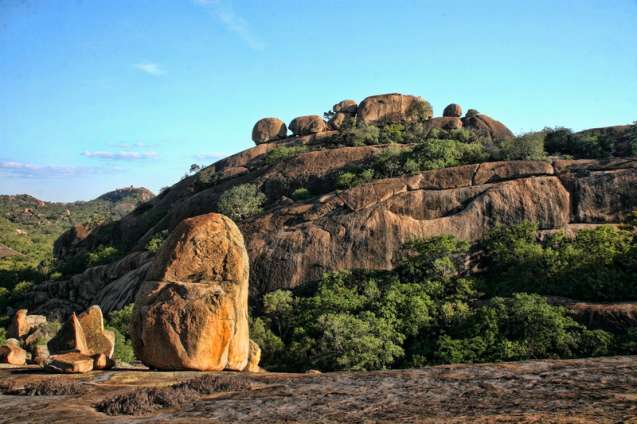
The Matobo Hills in Zimbabwe are an iconic landscape of striking granite formations and large boulders that have sheltered human communities from the Stone Age to modern times. This UNESCO site holds one of the highest concentrations of prehistoric rock paintings in southern Africa and remains spiritually vital. With sacred shrines linked to the Mwari (or Mlimo) oracular cult, it continues to play a central role in the region's cultural and historical identity.
Significance:
The Matobo Hills are a culturally and spiritually significant landscape, blending natural beauty with historical depth. Known for some of southern Africa's highest concentrations of rock art, the site reveals layers of human history, from Stone Age foragers to Iron Age farmers. Sacred to the Shona and Ndebele people, these granite hills remain central to the Mwari oracular tradition, symbolizing ancestral spirits and sustaining powerful rituals tied to the region’s intangible heritage.
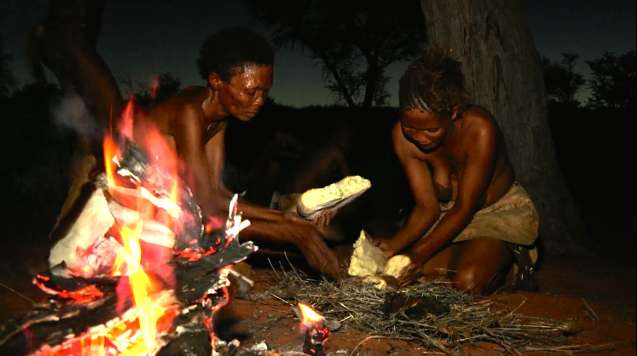
The ǂKhomani Cultural Landscape, located along the borders of Botswana and Namibia within the Kalahari Gemsbok National Park, preserves the ancient heritage of the ǂKhomani San people. This desert expanse, inhabited since the Stone Age, reflects the cultural practices, ethnobotanical knowledge, and survival strategies developed by the formerly nomadic ǂKhomani to thrive in a challenging environment. The landscape embodies a cultural history spanning thousands of years.
The ǂKhomani Cultural Landscape reflects the deep relationship between the ǂKhomani San people and their environment, embodying a tradition of sustainable living and profound respect for nature. As the ǂKhomani community reclaims their ancestral knowledge, languages, and customs, they preserve a rare cultural ethos of coexistence with the land. This landscape exemplifies ancient hunting-gathering skills and unique ethnobotanical knowledge still remembered by a few !Ui-Taa speakers.
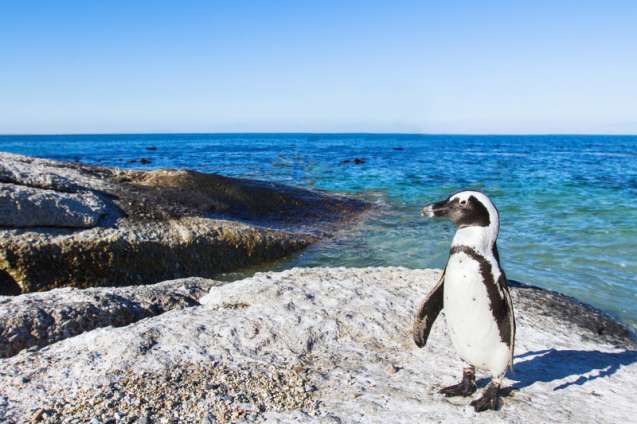
These African cultural sites capture the essence of East and Southern Africa’s heritage, preserving ancient ways of life, spiritual beliefs, and significant historical events that continue to shape the region's identities.
If you are planning an African safari, consider adding at least one of these amazing UNESCO World Heritage Sites to enrich your trip.
Talk to African Budget Safaris today for tips, advice, and booking information.

Explore these destinations mentioned in this post.
Below you'll find further reading and articles related or similar to this post.




Call us toll free from US/Canada on 1-888-414-6513, or from the UK on 0-808-189-1052. All other countries can contact us on +27 21 791 0878.
© 2026 African Budget Safaris | Privacy | Terms | Cookie Policy | Consent Preferences













__large.jpg)