The best time to visit Ngorongoro Crater in Tanzania depends on your preferences and safari plans. The Ngorongoro Crater is a year-round destination for African safaris because wildlife remains in the steep-sided crater year-round.
Deciding when is the best time to visit Ngorongoro Crater is more about your tolerance for crowds than finding the optimal time for game viewing.
Before we unpack the best time to visit, here’s a quick explanation of the crater. The Ngorongoro Crater is a must-visit destination for nature lovers and wildlife enthusiasts. Located in Tanzania, East Africa, this unique safari destination is home to an incredibly diverse range of wildlife, including the Big 5 animals, within the walls of an extinct volcano.

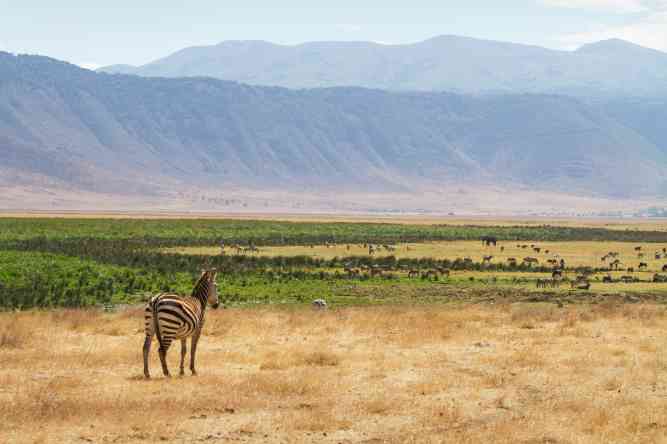
Ngorongoro Crater is a remarkable natural feature and a UNESCO World Heritage Site. It is a 25-kilometer-wide (15-mile) geological feature formed around three million years ago when a massive Rift Valley volcano erupted and collapsed. What remains is the world's largest inactive, unbroken, and unflooded caldera, a 610-meter (2,000-feet) deep crater covering an area of 260 square kilometres (100 square miles).
Ngorongoro Crater is a destination on the popular Tanzania Northern Safari Circuit. The crater floor forms a natural amphitheatre home to an incredible array of wildlife, including elephants, lions, hyenas, zebras, wildebeest, and the endangered black rhino. Additionally, the crater features a soda lake, Lake Magadi, at its centre, which attracts flamingos and other water birds. Small streams flow from the lake, providing the ecosystem with water, and Ngoitokitok Spring near the eastern crater wall also drains into a swamp area popular with elephants and hippos.
Now, let’s see when the best time is to visit this Big 5 Tanzanian wildlife haven.

The best time to visit Ngorongoro Crater depends on your interests and holiday plans. For the full African safari experience, many choose to combine Ngorongoro Crater with the world-famous Serengeti National Park. Others combine a Ngorongoro Crater safari with beach time on Tanzania’s exotic spice island, Zanzibar. Here are the key travel seasons to keep in mind:
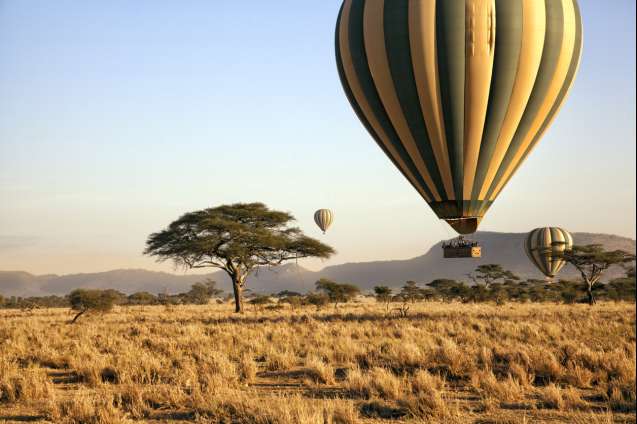
This is the time to experience the Great Migration in Serengeti National Park. While the animals do not stick to our calendars and sightings are never guaranteed, June marks the early stage of the Great Migration when the enormous herds begin to move from the southern Serengeti.
By July/August the migration is in full swing, and this is the time to witness the herds crossing the Grumeti River with crocodiles and other predators lying in wait. In these months, the floor of Ngorongoro Crater is blanketed in short grass ideal for superb wildlife viewing.
On Zanzibar Island, the dry season means lower humidity and slightly cooler temperatures. The ocean is calm and clear — perfect for snorkelling and diving. However, this is peak tourist season in Tanzania, meaning higher rates and more visitors.
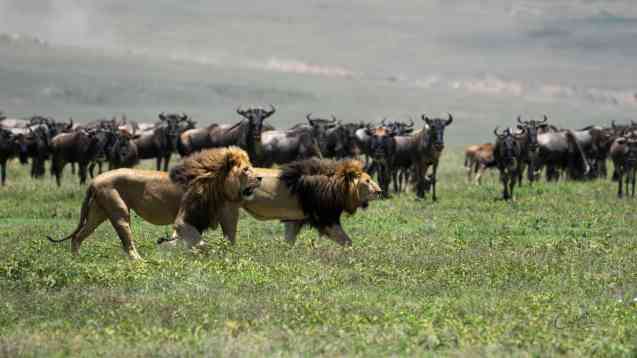
January marks the start of calving season in the Serengeti and Ngorongoro Crater, when vast herds of wildebeest and zebra give birth, attracting predators.
You may witness newborn calves taking their first steps. The shoulder season falls between the short rains (Nov–Dec) and long rains (Mar–May), so expect mostly dry weather with occasional showers and fewer crowds.
On Zanzibar Island, the weather is hot but less humid after the rains. It’s a lovely time for a beach break, and the island is quieter than during peak season.
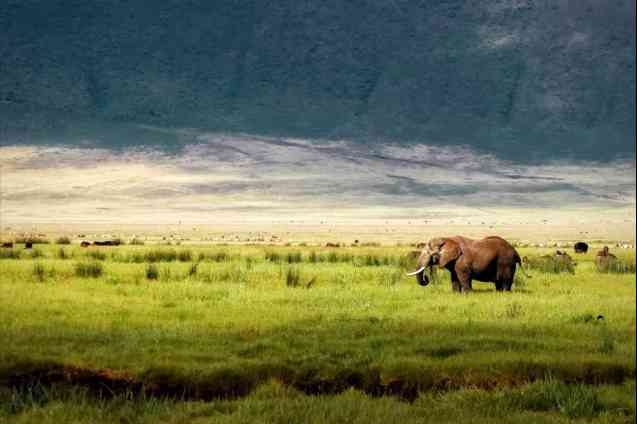
The Green Season is a beautiful time to visit Ngorongoro Crater and the Serengeti.
Lush green landscapes appear after the rains, and safari areas are quieter. The Great Migration herds begin to move back to the southern Serengeti. Migratory birds also arrive in large numbers, making this a fantastic season for birding.
Rain showers may briefly interrupt travel, but are usually short-lived and followed by clear skies. As this is a less popular travel period, safari prices are lower.
On Zanzibar Island, this transitional season brings occasional rain and plenty of sunny breaks, along with fewer visitors and better-value rates.
Find out more about when to visit and planning a Tanzania Safari.

The unique geology of the Ngorongoro Crater creates some of the easiest and most rewarding wildlife viewing in East Africa.
The crater floor hosts Big Five animals — lion, elephant, buffalo, leopard, and black rhino — as well as large herds of wildebeest, zebra, and antelope. Flamingos and other waterbirds gather around the soda lake, while raptors soar overhead.
In addition to spectacular scenery, Ngorongoro Crater safaris are known for remarkable predator–prey interactions due to the high density of wildlife.
Ngorongoro Crater is recognised as a UNESCO World Heritage Site for several reasons:
The wider Ngorongoro Conservation Area also supports part of the Great Migration, with more than 1 million wildebeest, 72,000 zebras, and 350,000 gazelles.

Explore these destinations mentioned in this post.
Below you'll find further reading and articles related or similar to this post.




Call us toll free from US/Canada on 1-888-414-6513, or from the UK on 0-808-189-1052. All other countries can contact us on +27 21 791 0878.
© 2026 African Budget Safaris | Privacy | Terms | Cookie Policy | Consent Preferences