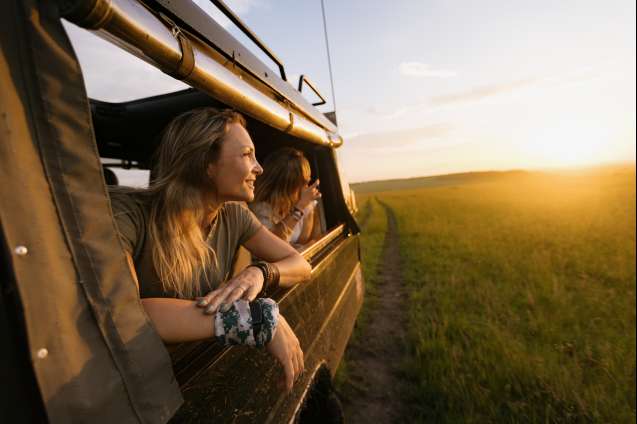
Tanzania is one of the most popular destinations for wildlife safaris in Africa. Home to some of the most diverse and abundant wildlife in East Africa, Tanzania has a wide range of landscapes and habitats that support this vast array of species. This can make it tricky to choose the best places to visit on safari in Tanzania. From the Serengeti Plains to the lush forests of Gombe Stream National Park, Tanzania offers something for every traveller, but where should you go?
Whether you’re an avid birdwatcher, a wildlife photographer, or simply seeking an immersive African safari experience, Tanzania offers incredible destinations. In this article, African Budget Safaris highlights some of the best places to visit on safaris in Tanzania, and what you can expect to see and experience in each.
| Best Places to Visit on Safari in Tanzania: Quick Links |
|---|
Tanzania has 21 National Parks, making it one of East Africa’s hottest safari destinations. Top of the list (and the most famous) is the Serengeti National Park, but don’t stop there! Tanzania’s other wildlife parks each offer something special for those who choose to discover them. Here is our (short) list of must-visit places for excellent-value safaris in Tanzania.
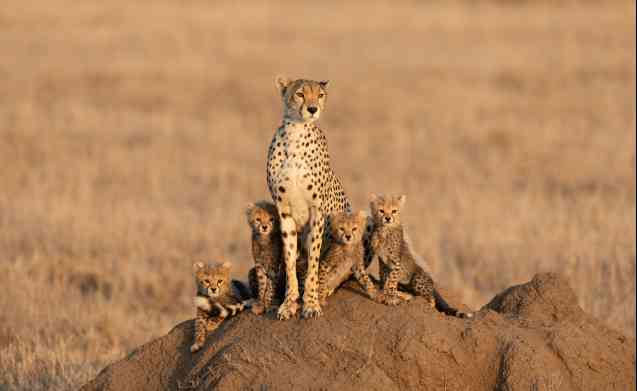
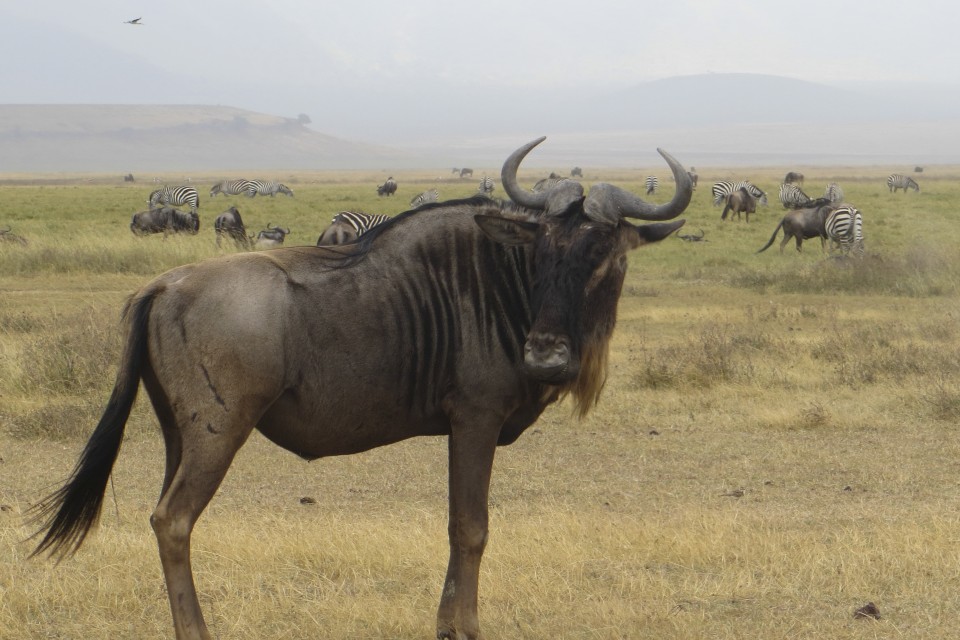
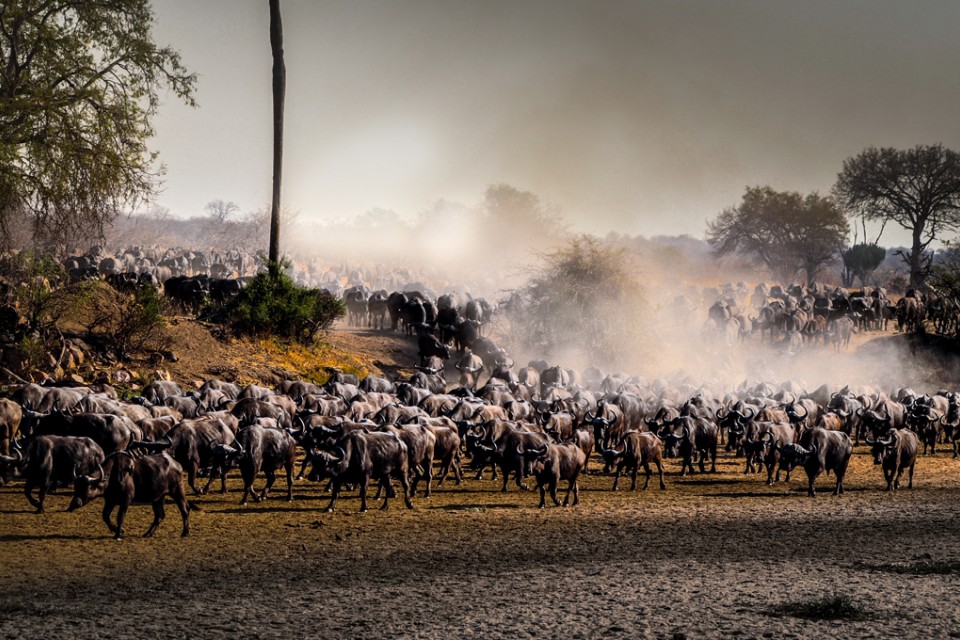
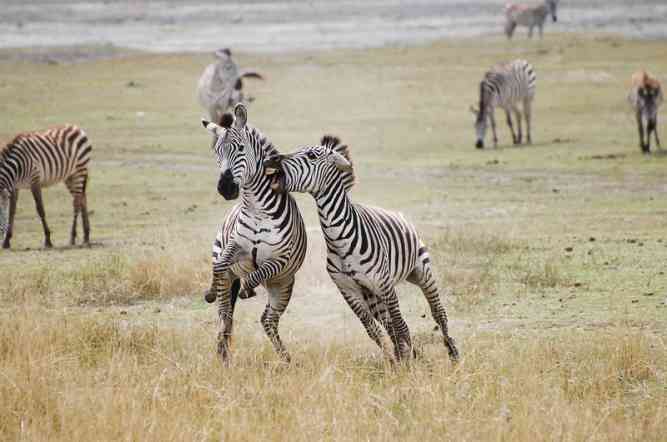
With vast open landscapes, Serengeti National Park is one of the world's most famous wildlife destinations. It is also Tanzania’s premier safari destination. Known for its annual wildebeest migration, where millions of wildebeest and zebras cross the plains in search of food and water, the Serengeti is not to be missed.
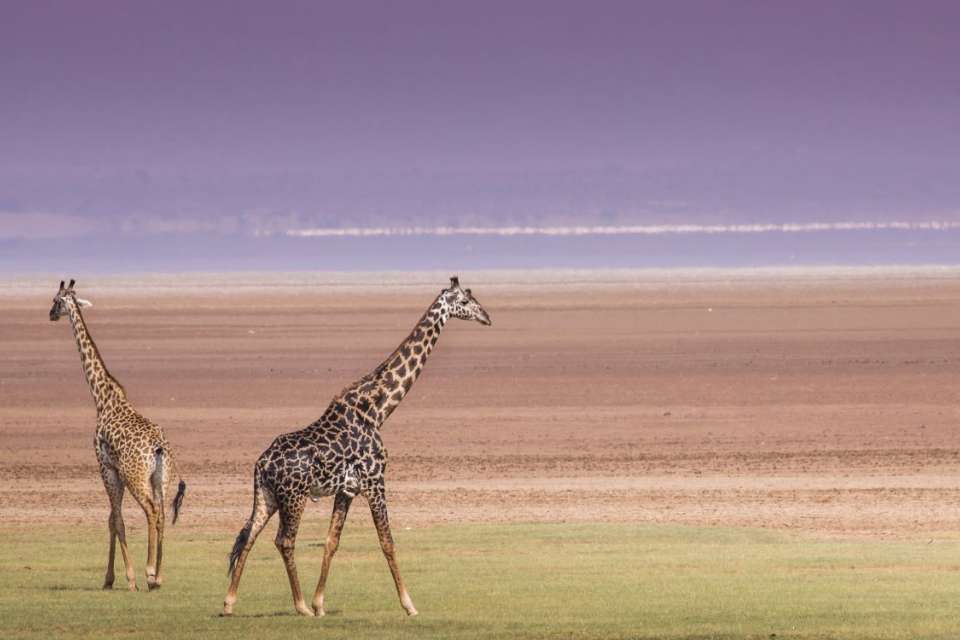
While the Great Wildebeest Migration takes place from July to October, the Serengeti is an all-year-round African safari destination. In addition to the thousands of migrating wildebeest and zebras, plenty of these mammals do not migrate. The Serengeti savannah is home to a wide range of wildlife, including over 450 bird species, elephants, giraffes, eland, topi, gazelles, impala, Roan antelope, buffalo, rhino, aardvarks, and pangolins. Where there are herbivores, there are predators, and the Serengeti does not disappoint. The abundance of large game animals makes the Serengeti one of the best places to see predator action. Lions, cheetahs, leopards, and serval are all in evidence as well as hyenas and wild dogs.

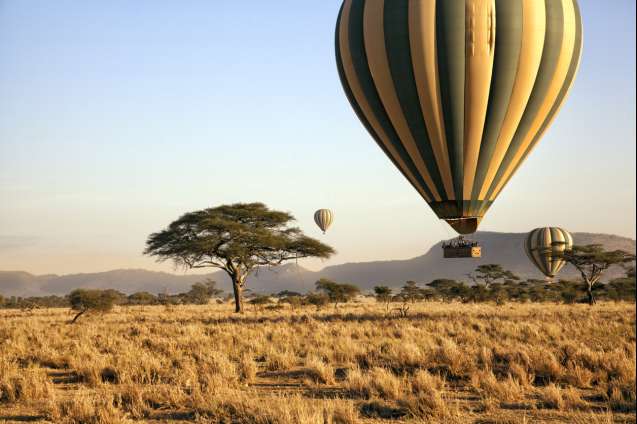
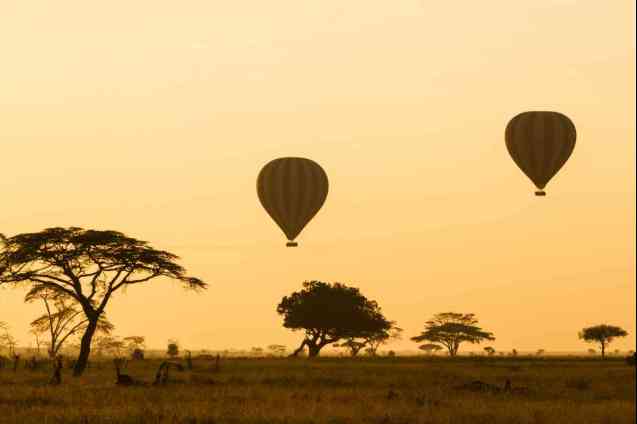
The main attraction of Serengeti Safaris is the abundance of African wildlife during the great migration. Safari activities include game drives, night safaris, walking safaris, and hot-air balloon rides. Watching the herds of wildebeest and zebra moving across the open grasslands from a hot air balloon is an unforgettable experience that many safari enthusiasts budget for. The Serengeti is Tanzania’s premier tourist destination for a good reason, but don’t forget that there is more to these epic African plains than the great migration, and the Serengeti, with fantastic accommodation options, is an all-year-round safari mecca.

Next door to the Serengeti National Park, in northern Tanzania, is the UNESCO-designated Ngorongoro Conservation Area. Ngorongoro is a renowned African safari destination for its impressive biodiversity and striking beauty. The Ngorongoro Crater formed millions of years ago when a series of volcanic eruptions created a mammoth 264km² (164 sqm) crater that is now home to (reportedly) the highest concentration of mammals in the world.
The Ngorongoro Conservation Area is part of the greater Serengeti-Mara ecosystem. From December to February, the Ndutu region sees over a million wildebeest gather to feast on the grass plains and to calve. Over 8,000 wildebeest are born into the world every day. This spectacle of life is closely accompanied by death as predators and scavengers alike take advantage of the glut of vulnerable food. This is Africa at its most miraculous and brutal.

While the game viewing in the Ngorongoro Conservation Area and the Ngorongoro Crater is impressive, the area is also known for its peek into our ancient ancestral history.
Walk in Olduvai Gorge, where Bone fragments of Homo habilis, Paranthropus boisei, Homo erectus, and Homo sapiens have all been found around the gorge, illustrating a history that stretches back over 1.9 million years. Founded by celebrated archaeologist Mark Leakey, you can visit the Olduvai Gorge Museum, which offers curious tourists a chance to view some of the area's archaeological treasures, which include the much-debated Laetoli footprints.
Ngorongoro’s other attractions include: picnicking at Ngoitokitok spring, exploring the smaller volcanic craters of Olmoti and Empakaai on foot, visiting the gneiss inselberg of Naseru Rock, which protrudes sharply from the plains, bird watching at Lake Natron, and a trip to ‘The Mountain of God’ - Ol Doinyo Lengai.
Tanzania safaris to Ngorongoro Crater are spectacularly rewarding.
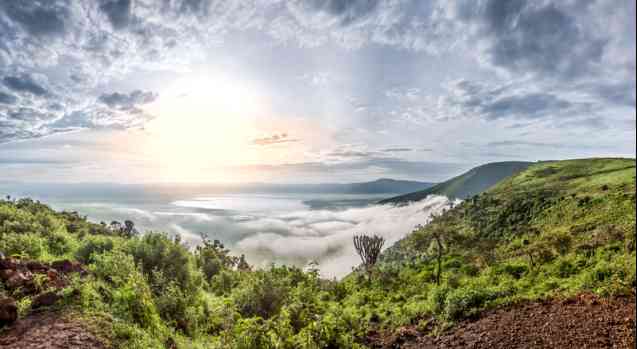
Ruaha National Park is not only one of Tanzania's largest national parks but also one of its least visited. Ruaha is a popular destination for African safari enthusiasts returning to Tanzania for a second or third time who seek a more secluded safari experience.
Ruaha National Park covers 20,000 km², and including the surrounding parks, the unfenced area extends to over 50,000 km². Home to 10% of Africa’s lions, Ruaha boasts huge elephant herds, leopard, buffalo, rhino, hyenas, jackals, African painted wolves, kudus, various antelope, and 580 bird species, including vultures, eagles, and storks.

Because of Ruaha’s remote location, visitors enjoy a more intimate wildlife experience, with fewer crowds and a genuine sense of Africa's untamed nature. In addition to its abundant wildlife, Ruaha National Park straddles the transition between open grassland and Miombo woodland and is known for its stunning landscapes, rocky outcrops, and large baobabs. Visiting Ruaha is truly a magical experience.

Nyerere National Park, formerly the Selous Game Reserve, is one of Tanzania’s largest wildlife reserves, covering approximately 55,000 square miles. The park is named after the country's first president, Julius Nyerere, and is a UNESCO World Heritage Site.
Home to a diverse range of wildlife species, Nyerere National Park boasts elephants, lions, buffalo, zebras, giraffes, and various species of antelopes and primates. In addition to the more common residents, the park is also an essential habitat for the endangered African wild dog.
Visitors to Nyerere National Park can enjoy a range of activities ,which include game drives, walking safaris, and boat trips on the Rufiji River, which runs through the park and is home to large populations of hippopotamuses and crocodiles. Nyerere is a birdwatcher's paradise, with over 400 bird species recorded in the area.
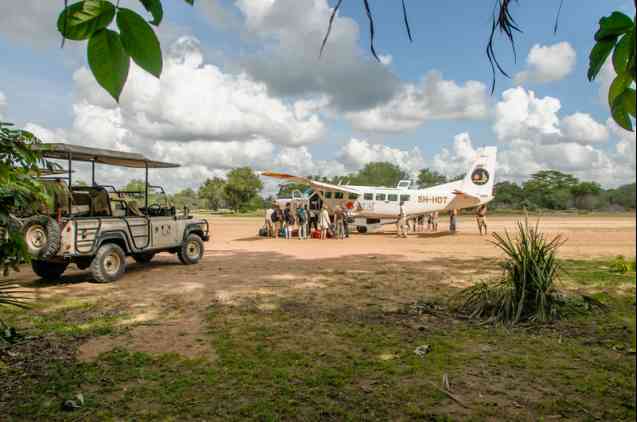
Despite its many attractions, Nyerere National Park is still relatively undiscovered and offers visitors a unique and off-the-beaten-track wildlife safari in Tanzania. Whether you're looking to observe wildlife, learn about the area's culture, or simply get away from it all, Nyerere National Park is well worth a visit.

Lake Tanganyika is the oldest and deepest freshwater lake in Africa and the second-deepest in the world, after Lake Baikal in Siberia.
The lake is a hotbed of endemism with an estimated 2,000 animal and plant species, about 600 of which are endemic. Surrounded by lush tropical forests and rolling hills, the lake is known for its stunning scenery, breathtaking vistas, and clear crystal waters.

On the shores of Lake Tanganyika is one of Tanzania’s smallest national parks. With a tiny 14 square miles (35 sq km), Gombe Stream National Park is famous as the site of Jane Goodall's chimpanzee research.
Gombe is hilly with dense primordial forest, steep valleys, and bubbling streams. In addition to chimpanzees, Gombe is home to blue monkeys, red colobus monkeys, olive baboons, and vervet monkeys, over 200 species of birds, and a kaleidoscope of butterflies.
Visitors to Gombe National Park can walk through the jungle to observe primates in their natural habitat or join chimpanzee trekking safaris to get a little closer to our closest relatives. Boat rides on Lake Tanganyika are also a popular activity to explore the area.
__medium.jpg)
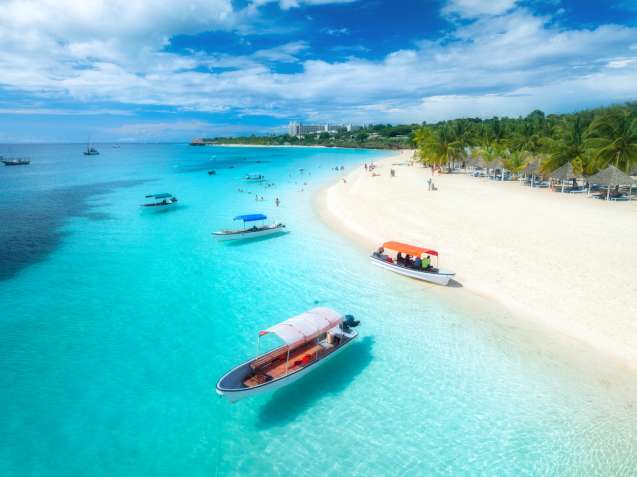
The Zanzibar archipelago, off the coast of Tanzania, is a famous Indian Ocean entrepot. Its rich history, well-preserved architecture, and stunning beaches make Zanzibar a must-visit for any safari in Tanzania.
Located on the western edge of Unguja Island in the Zanzibar archipelago, Stone Town is known for its unique style of architecture, which is a fusion of African, Arabic, Indian, and European styles. The architecture in Stone Town is characterized by intricately carved wooden doors, tall, narrow openings, decorated balconies and verandas, and coral stone as the primary building material. Stone Town’s architecture reflects the diverse cultural influences of the many traders, merchants, and settlers who lived and traded there over the centuries.
__medium.jpg)
Unsurprisingly, Stone Town is a UNESCO World Heritage Site, and its narrow, winding streets, historic buildings, and vibrant bazaars make it a fascinating place to explore. Visitors can tour the city’s museums and historical sites, including the Zanzibar Palace Museum, the House of Wonders, and the Arab Fort.
Many people, however, visit Zanzibar, not for its colorful history, but for the stunning beaches. White, powdery sand and warm Indian Ocean waters make Zanzibar a beach destination for everyone. Kite surfers should head to Paje Beach, visit Nungwi for dhow tours and sunsets, Pongwe for swimming and snorkelling, or Jambiani, Matemwe, or Pingwe for some chilled-out beach R&R.
Zanzibar’s rich history, beautiful beaches, and crystal-clear waters make it an excellent destination for those who want to combine a wildlife safari with a Zanzibar beach holiday.

Kilimanjaro is the tallest mountain in Africa. While the most iconic views of Kilimanjaro are in Amboseli, Kenya, those who wish to climb the mountain must visit Tanzania. Located in Northern Tanzania, near the Serengeti plains, Ngorongoro Crater, and Tarangire National Park, Kilimanjaro is a destination for serious hikers worldwide.
Surrounded by lush forests, rolling hills, and breathtaking vistas, summiting Kilimanjaro is a challenging but rewarding experience. Visitors can choose from a variety of routes to reach the top, which vary in scenery, fitness required, and technical expertise. Whether you’re a seasoned climber or a beginner, the Kilimanjaro trek is an unforgettable experience.

The entire mountain is within Mount Kilimanjaro National Park and is affectionately known as Kili. With 5 distinct climatic zones and their own unique flora and fauna, summiting Kilimanjaro is akin to walking from the equator to the North Pole in just a few days. The highest mountain in Africa, the highest freestanding mountain in the world, and its proximity to some of the most sought-after safari destinations in the world, all make visiting Kilimanjaro a must.
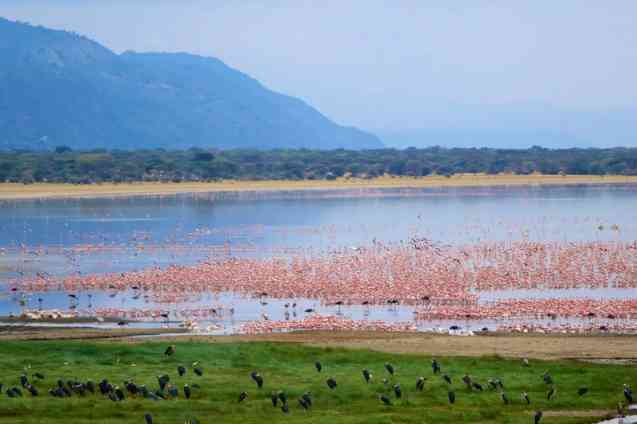
Both greater and lesser flamingos flock to Tanzania's Great Rift Valley lakes. In the dry season, these shallow alkaline lakes attract sizeable flocks of flamingos and other water birds that come to feed and breed. Although populations fluctuate with seasonal changes, there are large aggregations of these bright-pink birds in various parts of Tanzania. Lake Natron is believed to be the birthplace of 75% of the world’s flamingos and is a popular destination for flamingo safaris.
In addition to Lake Natron, you can visit Lake Manyara, the Ngorongoro Crater, Rubondo Island National Park, Lake Tarangire, the Momella Lakes, and Lake Magadi. The Flamingo's distinctive pink colour results from their diet of small algae and crustaceans. Watching the flamingos feed and interact is a magical experience not to be missed.
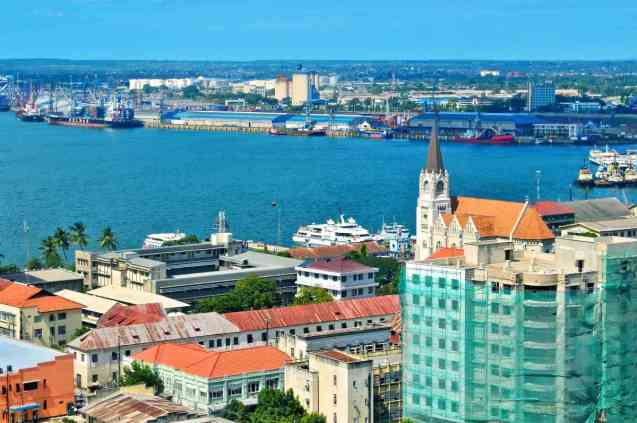
Not an obvious choice, Dar es Salaam is Tanzania's largest city and commercial capital. Most safaris in Tanzania begin in Dar, and you will likely spend time there at the start or end of your safari. In Dar es Salaam, everyone is always on the move, and it’s a great place to get a sense of Tanzania’s contemporary culture.

Dar es Salaam is known for its vibrant street life with markets, food stalls, and craft shops. Every traveller should visit the massive, bustling Kariakoo Market for anything you can imagine, and quench your thirst with a freshly cut piece of sugar cane. Learn about Tanzania’s history at the National Museum of Tanzania, and in the afternoon, visit the beach to cool down with the locals.
Spend some time in Arusha before you hit the parks. Scruffy, Arusha is the starting point for the Northern Tanzania Safari Circuit. Arusha’s climate is mild and pleasant, and it’s a good place to walk. Consider a coffee tour or a hike to the Chemka Hot Springs. In the town, the Maasai Market is a great place to pick up gifts and curios. Mt Meru is a smaller, less crowded alternative to Kilimanjaro that offers stunning views from the top.
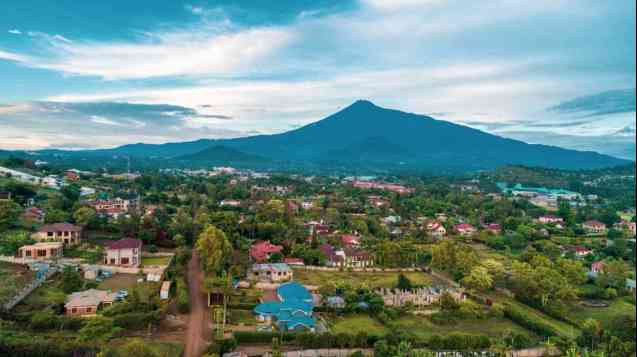
You can’t go wrong with a wildlife safari in Tanzania. These are just a few of the incredible options available for your Tanzania safari. Whether you choose the more remote southern Tanzania game parks or the legendary parks of the northern safari circuit, you'll experience an unforgettable African safari in Tanzania.
Talk to one of our experienced East Africa safari specialists, and start planning your trip today!
__medium.jpg)

Explore these destinations mentioned in this post.
Below you'll find further reading and articles related or similar to this post.




Call us toll free from US/Canada on 1-888-414-6513, or from the UK on 0-808-189-1052. All other countries can contact us on +27 21 791 0878.
© 2026 African Budget Safaris | Privacy | Terms | Cookie Policy | Consent Preferences






tours_through_stone_town__thumb.jpg)

__medium.jpg)