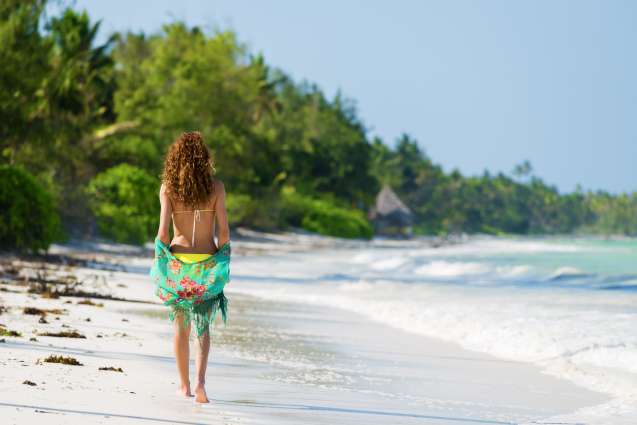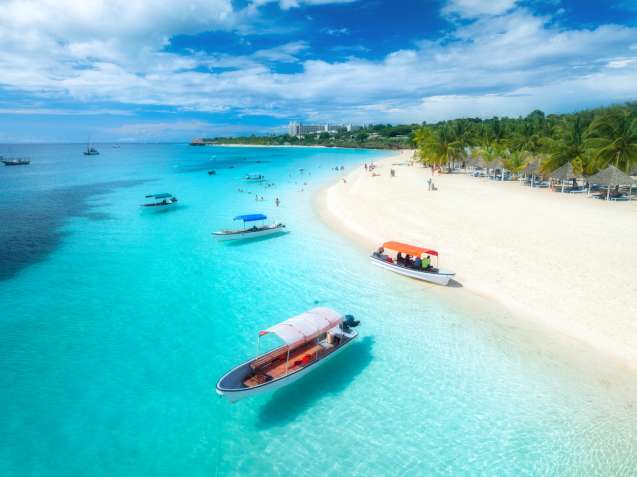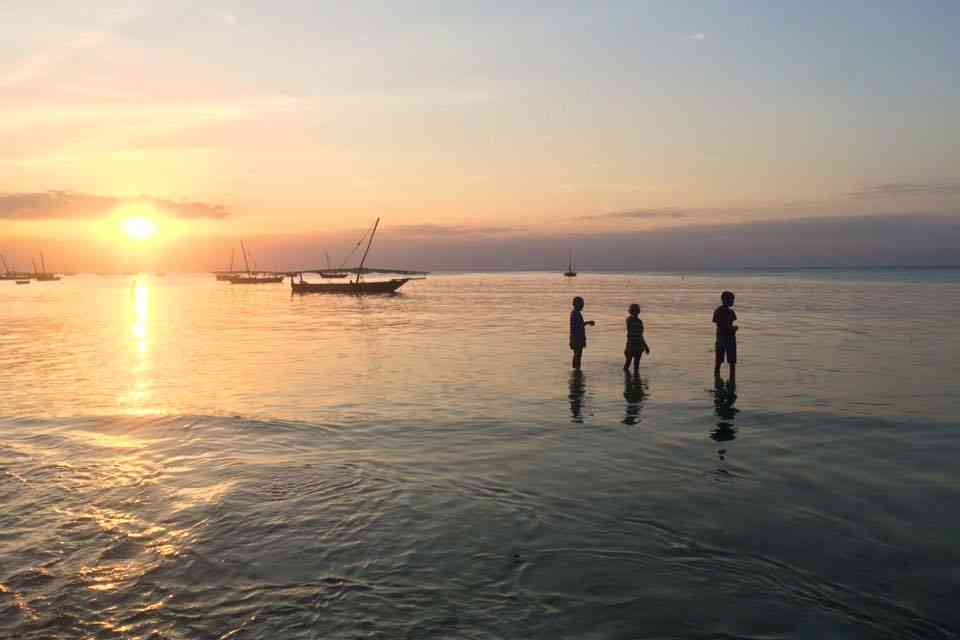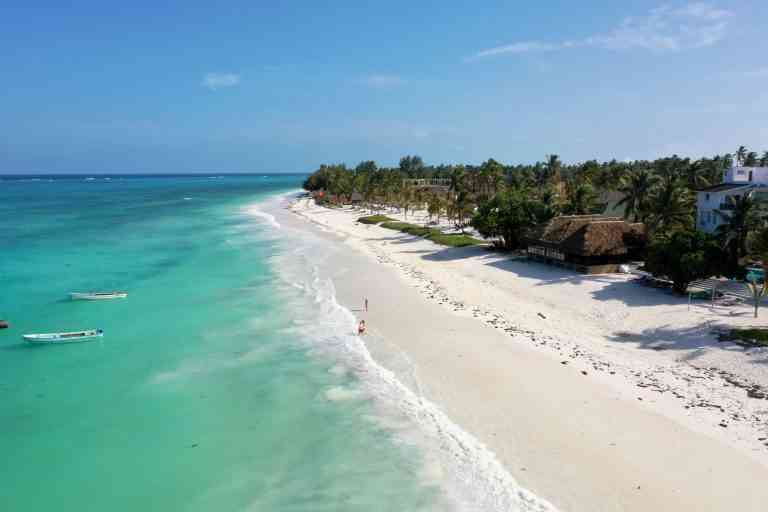
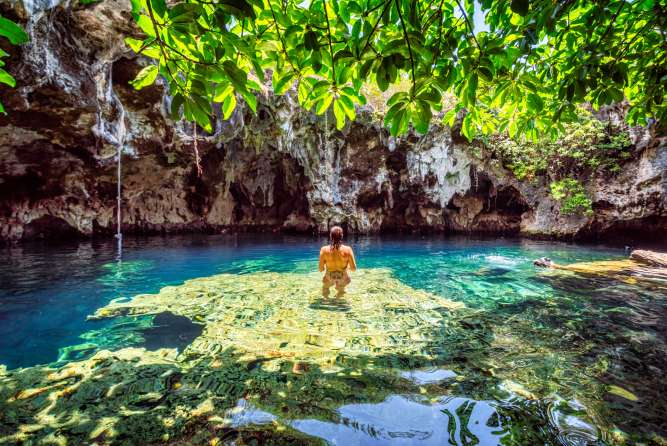
Planning a Zanzibar holiday? This Zanzibar travel guide answers the most common questions about where Zanzibar is, the best time to visit, safety, weather, travel tips, and how to get there.
Set just off the coast of Tanzania in the Indian Ocean, Zanzibar is one of Africa’s most enticing island destinations.
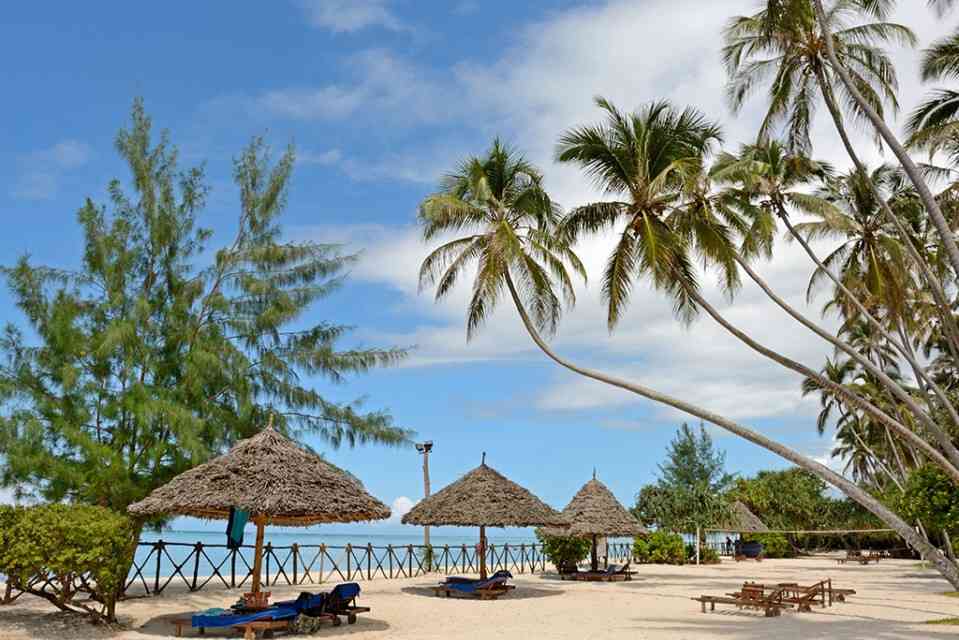
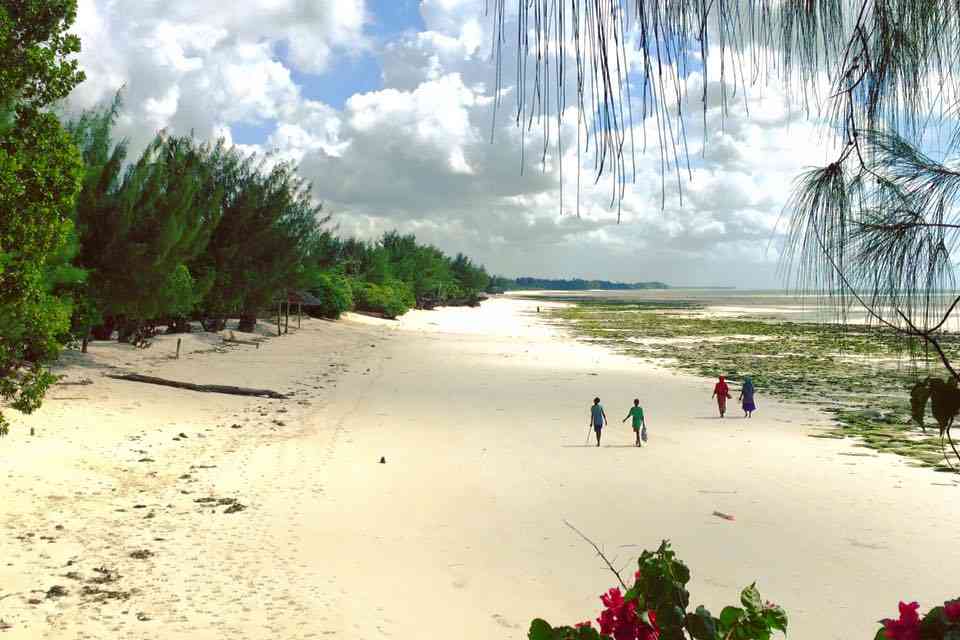
Travellers come here for powdery white beaches, warm turquoise waters, rich Swahili culture, and the chance to pair a tropical escape with a world-class safari.
If it's your first trip to this idyllic island, you'll want to ensure your dream getaway goes as planned.
Here are the answers to 12 of the most popular Zanzibar travel questions to help you plan your time in this magical destination.
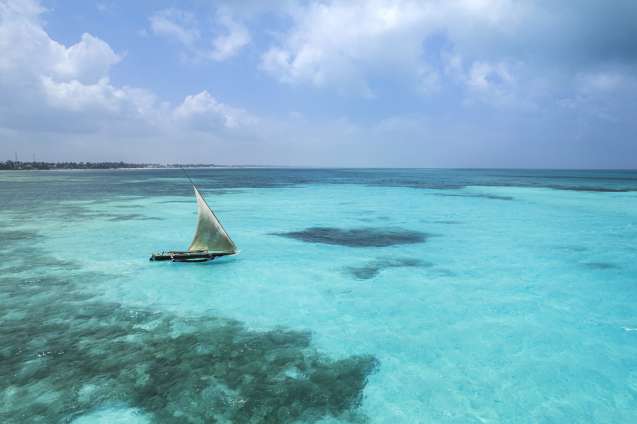
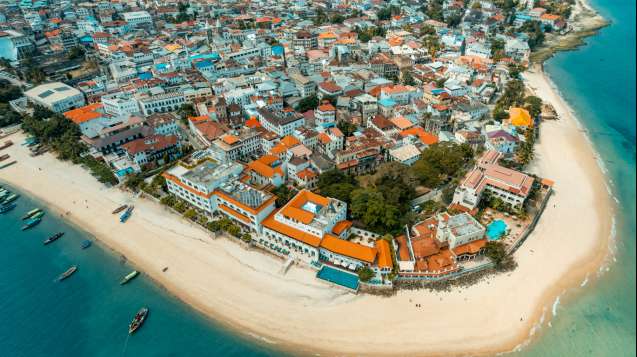
Zanzibar is part of Tanzania and lies just off the east coast of mainland East Africa in the Indian Ocean.
The Zanzibar archipelago consists of two main islands:
The historic heart of Zanzibar is Stone Town, located on Unguja.
This UNESCO-listed old town is famous for its winding alleyways, carved wooden doors, and rich blend of African, Arab, and European influences.
Zanzibar is just 25-50km from mainland Tanzania, making it incredibly easy to combine with a safari.

Zanzibar is worth visiting for its white-sand beaches, Stone Town, spice farms, diving, wildlife, and easy safari-and-beach combinations with Tanzania.
Zanzibar holidays stand out thanks to their:
Zanzibar is also easy to combine with iconic safaris in northern Tanzania and is more affordable than many other Indian Ocean destinations like the Maldives or Seychelles.
In short, this island is famous for its dreamy beach vibe, rich cultural history, and nearby safari opportunities, all without an eye-watering price tag.
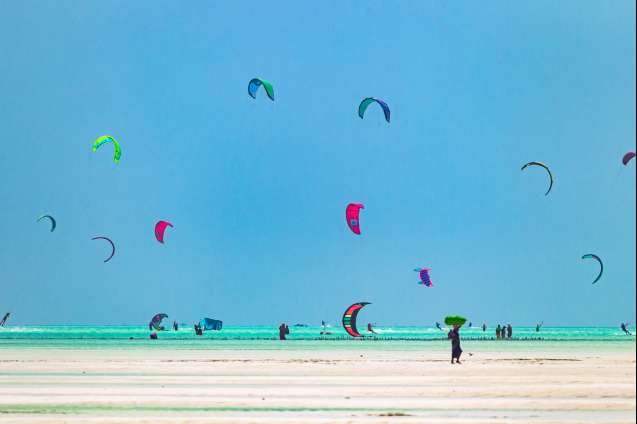
The best time to visit Zanzibar is from June to October, when the weather is generally dry, sunny, and less humid. These months are ideal for beach days, Stone Town exploring, island hopping, and combining Zanzibar with a Tanzania safari.
This is also peak safari season in mainland Tanzania, especially in Serengeti National Park and Ngorongoro Crater, where dry conditions often make wildlife easier to spot around permanent water sources.
July and August are the busiest months, especially during European summer holidays, so book early if you want the best-value beach stays. For similar weather with fewer crowds, June, September, and October are excellent choices.
If diving or snorkelling is your main priority, February and March can offer excellent underwater visibility, especially around Mnemba Atoll. Just keep in mind that these months are hotter and more humid.
The worst time to visit Zanzibar is usually during the main rainy season from March to May. Known as the long rains, this period can bring heavy tropical downpours, high humidity, rougher seas, and fewer reliable beach days.
April is typically the wettest month, and some hotels or smaller lodges may close during this quieter period. Prices can be lower, but the weather trade-off is often not worth it unless you are travelling on a very tight budget.
Zanzibar also has a shorter rainy season in November and early December. These showers are usually less intense than the long rains, and conditions often improve from mid-to-late December into February.
If you are planning a Zanzibar holiday from November to February, ask your accommodation or safari consultant which coast is best for that season, as wind direction and sea conditions can vary around the island.
The best time for scuba diving in Zanzibar is usually from July to October and from January to March, when sea conditions are often calmer, and visibility can be good. Conditions vary by dive site, wind direction, and season, so check local advice before booking specific dives.
The best time to combine a Tanzania safari with Zanzibar is from June to October. These months offer excellent safari conditions in northern Tanzania and good beach weather on Zanzibar, making them ideal for a classic bush-and-beach itinerary.
For more seasonal safari advice, see our guide to the best time to visit Tanzania.
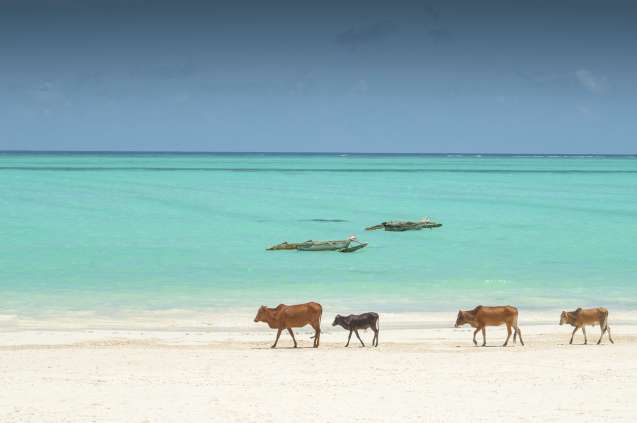
For a more practical view, the table below gives a simple month-by-month travel snapshot.
| Month | Weather | Crowds | Best For |
|---|---|---|---|
| January | Hot, sunny, and humid, with occasional short showers | Medium to high | Beach holidays, snorkelling, diving, and festive-season escapes |
| February | Hot, mostly dry, and humid | Medium | Diving, beach time, and warm-weather holidays |
| March | Hot and humid, with rain increasing later in the month | Low to medium | Lower prices, fewer visitors, and flexible travellers |
| April | Wettest month, with heavy tropical rain and high humidity | Low | Budget travellers who do not mind rain, but beach conditions are less reliable |
| May | Rain begins to ease, but showers and humidity remain | Low | Quiet travel, lower rates, and end-of-rainy-season value |
| June | Dryer, cooler, and more comfortable | Medium to high | Safari-and-beach trips, beach holidays, and exploring Stone Town |
| July | Dry, sunny, and pleasantly warm | High | Best overall weather, Tanzania safari combinations, and family holidays |
| August | Dry, sunny, and comfortable | High | Beach time, snorkelling, diving, and peak safari season combinations |
| September | Dry, warm, and clear, with excellent beach conditions | Medium to high | One of the best all-round months for Zanzibar and Tanzania safaris |
| October | Warm and mostly dry, with humidity starting to build | Medium | Late dry-season travel, diving, and fewer peak-season crowds |
| November | Short rains, with showers, humidity, and some windy days | Low to medium | Lower prices, quieter beaches, and flexible itineraries |
| December | Early December can be showery; mid-to-late December is usually hotter and drier | Medium to high | Festive holidays, beach breaks, and summer sunshine |
Pick your timing based on what matters most to you: beach days, diving, wildlife, budget, or the best time to visit Tanzania more widely.
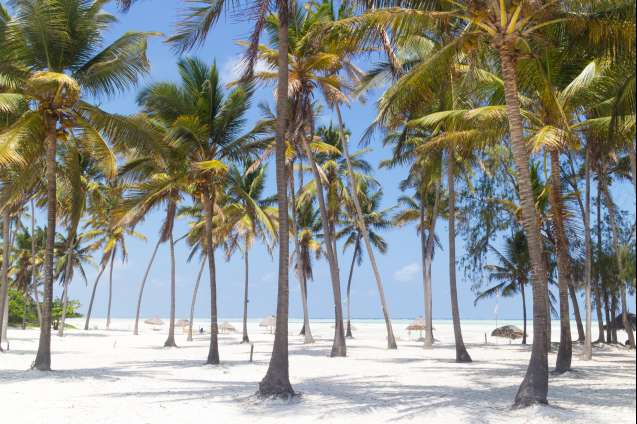
Here’s a quick snapshot of Zanzibar’s month-by-month climate to help you plan the best time for your beach holiday, safari add-on or island escape.
| Month | Average Temperature | Rainfall | Humidity |
|---|---|---|---|
| January | 27 to 32°C | Low | Medium |
| February | 27 to 33°C | Low | Medium |
| March | 27 to 32°C | Medium | High |
| April | 26 to 31°C | High | Very high |
| May | 25 to 30°C | High | Very high |
| June | 24 to 29°C | Low | Medium |
| July | 23 to 29°C | Low | Medium |
| August | 23 to 29°C | Low | Medium |
| September | 24 to 30°C | Low | Medium |
| October | 25 to 31°C | Low | Medium |
| November | 26 to 31°C | Medium | High |
| December | 27 to 32°C | Medium | High |
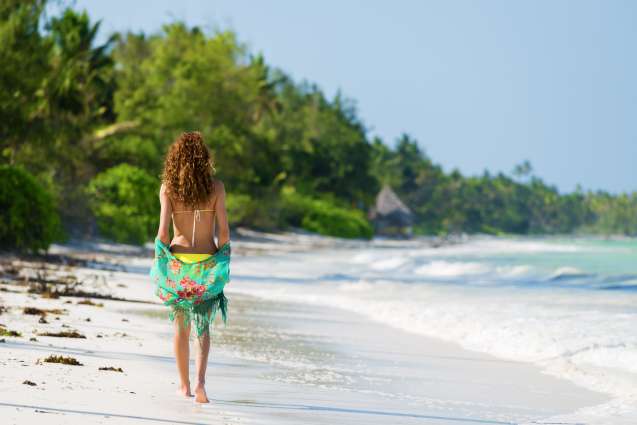
Zanzibar is generally safe for tourists, including first-time visitors, but it is still important to travel with normal awareness.
The most common issues visitors may encounter are petty theft, persistent beach vendors, and occasional tourist hassle in busy areas such as Stone Town, Nungwi, and Kendwa.
Keep valuables secure, avoid walking alone late at night, use registered taxis or trusted drivers, and ask your accommodation or guide for current local safety advice.
In resort areas and on private beaches, visitor hassle is usually far less of an issue. If you ever feel uncomfortable, speak to your lodge, hotel, or tour operator so they can assist.
Yes, Zanzibar is considered safe for solo female travellers, although you should always avoid walking alone late at night.

Stone Town is safe during the day, but can feel quiet at night.
It is recommended you use registered, local taxis or guides to escort you in the capital after dark.
If you do need to walk at night, stick to well-lit areas and avoid isolated streets after dark.
Learn more in this Stone Town guide.
Yes, the beaches are generally safe for swimming in Zanzibar.
The Indian Ocean is warm, and the waves tend to be small, which makes Zanzibar a popular destination for snorkelling and scuba diving too.
Be mindful of:
Sharks do live in the wider Indian Ocean, but dangerous encounters around Zanzibar’s main swimming, snorkelling, and diving areas are extremely rare.
Most snorkelling and diving trips take place in recognised marine areas with experienced local operators. As always, follow your guide’s instructions, avoid swimming far offshore on your own, and check local conditions before entering the water.
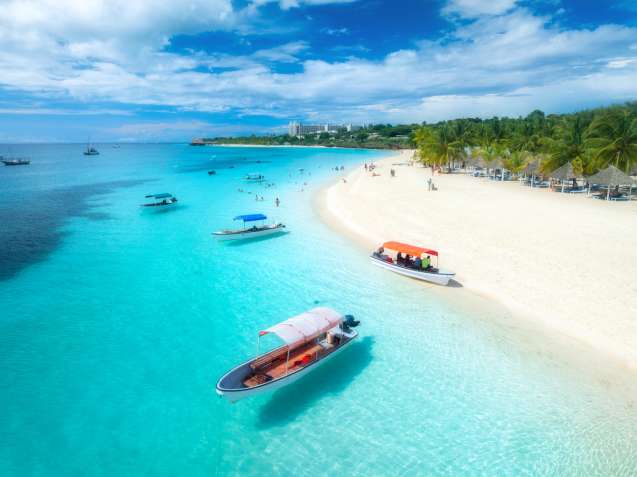
The easiest way to get to Zanzibar is to fly into Abeid Amani Karume International Airport, Zanzibar’s main airport, located near Zanzibar City on Unguja Island.
Many travellers reach Zanzibar via Dar es Salaam, Nairobi, Doha, Dubai, Addis Ababa, or other regional and international hubs. Travellers from South Africa, Europe, and East Africa can usually connect to Zanzibar by flying via mainland Tanzania or another major African or Middle Eastern hub.
Flying is the quickest and easiest option, especially if you are combining Zanzibar with a Tanzania safari. There are regular connections between Zanzibar and mainland safari gateways such as Arusha, Kilimanjaro, and Dar es Salaam, depending on the season and airline schedules.
After a northern Tanzania safari, many travellers fly from Arusha or Kilimanjaro to Zanzibar for a few nights on the beach. This makes Zanzibar one of the easiest beach add-ons for Serengeti, Ngorongoro, Tarangire, and Lake Manyara safaris.
Flight time from Dar es Salaam is just 20 to 30 minutes.
The ferry from Dar es Salaam to Stone Town is a popular option for budget-conscious travellers already on the mainland. The crossing usually takes around 90 minutes to 2 hours, depending on the ferry company, sea conditions, and schedule.
If you are prone to seasickness, flying may be more comfortable. If you choose the ferry, book with a reputable operator, arrive early, keep your valuables close, and avoid unofficial ticket sellers.
Zanzibar works beautifully after a Serengeti, Ngorongoro Crater, or northern Tanzania safari. Our safari experts can help you match the right route, beach stay and budget, without turning your dream trip into a spreadsheet safari.
View Tanzania safari packages or explore Zanzibar holiday packages.
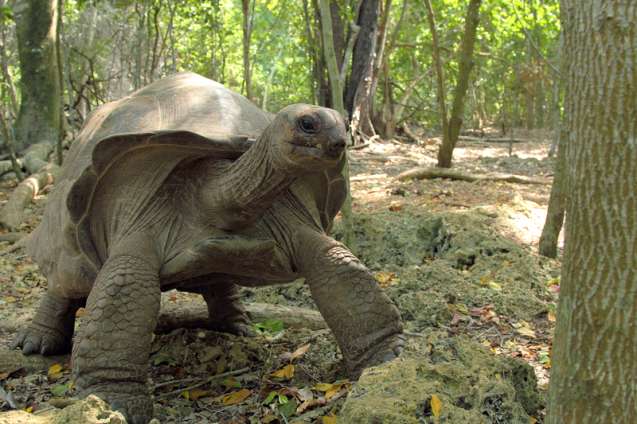
While it's an amazing experience to 'live like the locals' when you travel, some things are better left alone. Getting around Zanzibar falls into that category!
Here's a breakdown of your options:
This is the most convenient way to get around the island, with an average cost of around $20 to $25 for an hour's drive.
It's best to get registered taxis or, even better, book a trusted driver for your trip through your accommodation.
A rental car gives you flexibility, but when you consider the island's relatively small size and the chaotic nature of driving in Zanzibar, it can be a lot of stress and unnecessary hassle.
Local buses in Zanzibar are called dala dalas and can range from newish minivans to old, open-air pick-up trucks.
While this may be great for your budget, with no official bus system, you may struggle to find stops and get to your destination easily.
Asking your accommodation is the best option when it comes to the most up-to-date information.
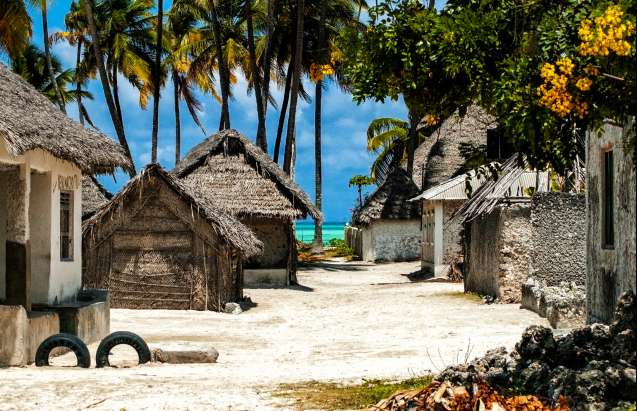
Where you stay in Zanzibar can shape your whole beach experience, from swimming conditions to nightlife, diving, and budget.
| Area | Best For | Good to Know |
|---|---|---|
| Nungwi and Kendwa | Swimming, sunsets, nightlife, and classic beach stays | Popular and busier, with more hotels, restaurants, and activity options. |
| Paje and Jambiani | Kitesurfing, relaxed beach stays, and budget-friendly options | More tidal, with a laid-back East Coast feel. |
| Stone Town | Culture, history, food, and short stays | Best for one or two nights before or after the beach. |
| Matemwe | Diving, snorkelling, and quieter beaches | Good access to Mnemba Atoll excursions. |
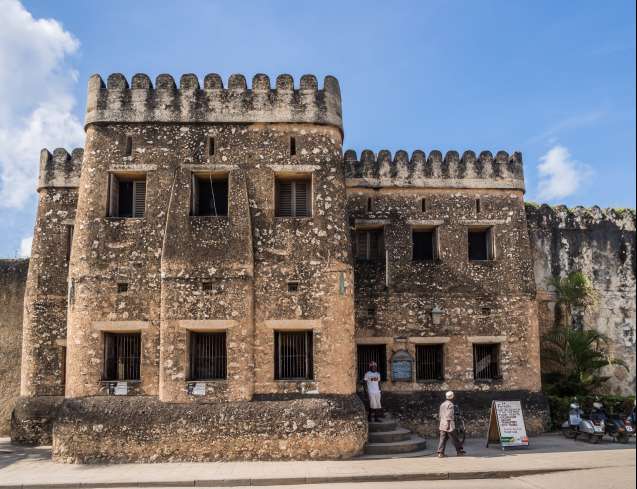
The best things to do in Zanzibar combine beaches, culture, spice history, ocean activities, and a little wildlife.
For a fuller breakdown of beaches, marine activities, culture, and wildlife, read our complete guide to the top things to do in Zanzibar.

Most travellers need 3 to 7 days in Zanzibar, depending on whether the island is the main holiday or the beach ending to a Tanzania safari.
| Length of Stay | Best For | What You Can Do |
|---|---|---|
| 3 nights | Quick beach break | Relax on the beach and spend a little time in Stone Town. |
| 4 to 5 nights | Safari add-on | Unwind after safari, add a spice tour, snorkelling trip, or dhow cruise. |
| 7 nights | Full island holiday | Combine beaches, Stone Town, Jozani Forest, diving, snorkelling, and cultural tours. |
Three days is enough for a short beach break after the safari. Spend one day in Stone Town, then two days relaxing at the beach in Nungwi, Kendwa, Paje, or another coastal base.
Five days gives you a better balance of beach time and exploring. You can visit Stone Town, take a spice tour, enjoy a snorkelling or diving trip, and still have proper downtime beside the ocean.
Seven days is ideal if Zanzibar is a major part of your holiday. You can split your stay between Stone Town and the beach, add Jozani Forest or Prison Island, enjoy ocean activities, and avoid feeling rushed.
If you are combining Zanzibar with a Tanzania safari, a popular rhythm is 5 to 7 days on safari followed by 3 to 5 nights on the island. That gives you the adventure of the bush and enough beach time to remember what sitting still feels like.
View our Zanzibar holiday packages for ready-made island and bush-and-beach trip ideas.
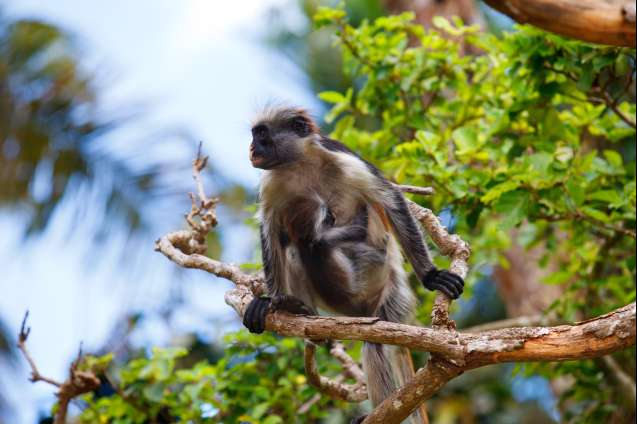
These practical Zanzibar travel tips will help you plan smoothly, pack sensibly, and avoid the common first-time mistakes.
The official currency is the Tanzanian Shilling. US dollars are widely accepted in many tourist areas, but small local payments are easier in shillings. Carry some cash, especially outside major hotels and resorts.
Tipping is appreciated but not usually compulsory. Tip guides, drivers, hotel staff, and restaurant teams when service is good. Around 5 to 10% is a useful guideline for good service.
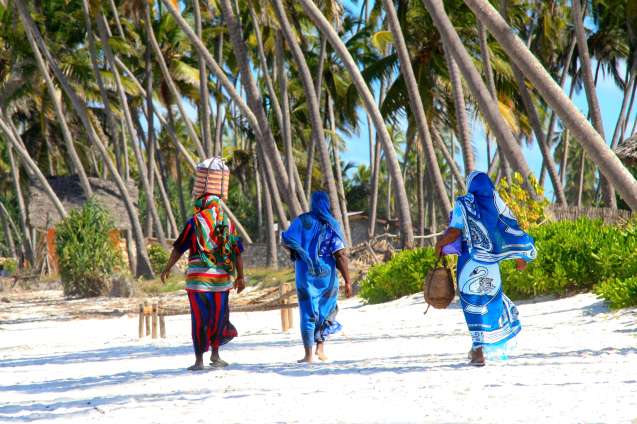
Zanzibar's population is predominantly Muslim, which means dress standards are fairly conservative.
If you're heading to the beach, it's perfectly fine to wear bikinis and shorts, but trips to Stone Town, villages, and mosques will require you to dress modestly, think clothing that covers below the knee and shoulders.
Lightweight, breathable clothing is best for staying cool and protecting your skin from the tropical rays.
Swahili is the main language, and English is widely spoken in tourist areas. Learning a few Swahili greetings is always appreciated.
Local SIM cards and data packages are available in Tanzania and Zanzibar. They are useful for maps, messaging, and transfers, but ask your guide or accommodation where to buy from a reliable outlet.
Consider an eSIM you can buy ahead of your trip to save time once you reach Tanzania.
Zanzibar follows East Africa Time, which is GMT+3.
Malaria can occur in Tanzania, including Zanzibar, so speak to a travel clinic or doctor before you travel. They can advise whether anti-malaria medication is recommended for your itinerary and travel dates.
Good mosquito protection is always sensible. Pack repellent, cover up in the evenings, and choose accommodation with mosquito nets or screened rooms where possible.
Alcohol is available at many hotels, resorts, and tourist restaurants, but Zanzibar has conservative cultural norms. Drink respectfully and avoid public drunkenness.
Most countries require a visa to enter Tanzania, which automatically grants you access to the islands of Zanzibar too, although do check your specific requirements before you travel.
Most passport holders can apply online using Tanzania's e-visa system. Visas may also be available on arrival at international airports, but requirements and costs can change.
When travelling to Zanzibar, ensure your passport is valid for at least six months from your departure date.
Visa requirements and costs are subject to change, so please check the official Tanzania eVisa website for the latest information before you travel.
Foreign visitors to Zanzibar are currently required to arrange official Zanzibar inbound travel insurance before arrival. This is separate from your normal travel insurance, so check the official Zanzibar tourism portal before you travel and keep your confirmation or QR code handy for immigration.
Entry requirements can change, so always confirm the latest visa, passport, and insurance rules before booking flights.
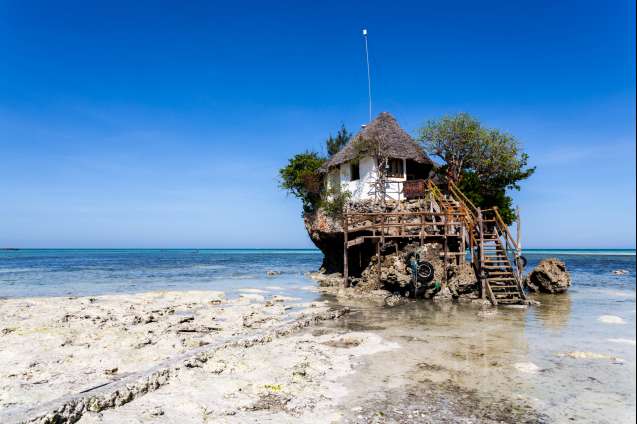
Zanzibar can be surprisingly affordable for an Indian Ocean island, especially once you are there. Your highest costs are usually international flights, accommodation, and how much you choose to eat, drink, and explore through organised activities.
Budget travellers can keep costs down by staying in simple guesthouses, eating at local restaurants and markets, and using shared transfers or ferries where practical. Mid-range travellers can expect comfortable beach hotels, private transfers, and guided day trips. Luxury travellers will find high-end resorts, private villas, and honeymoon-style beach escapes, especially along the north and east coasts.
| Travel Style | Estimated Daily Budget | What This Usually Covers |
|---|---|---|
| Budget | US$60 to US$120 per day | Simple accommodation, local meals, shared transport, and low-cost activities. |
| Mid-range | US$120 to US$250 per day | Comfortable beach hotels, taxis, restaurant meals, and guided day trips. |
| Higher-end | US$250+ per day | Beach resorts, private transfers, hotel dining, and premium excursions. |
For many travellers, the best value comes from combining a Tanzania safari with a few days on Zanzibar. This lets you enjoy the big-ticket wildlife experience on the mainland, then slow things down on the beach without adding another long-haul destination.
For package ideas, browse our Zanzibar holiday packages.
Yes, combining a Tanzania safari with a Zanzibar holiday package is one of the most popular and rewarding ways to experience East Africa.
It’s the classic bush-to-beach itinerary: world-class wildlife first, white-sand beaches afterwards.
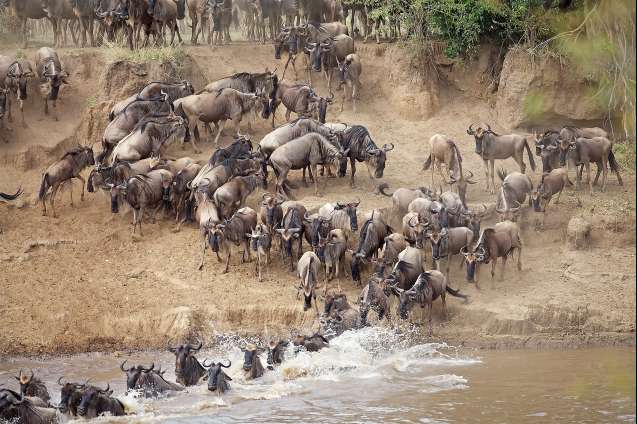
Most travellers start with a safari in northern Tanzania, exploring iconic destinations like Serengeti National Park and the Ngorongoro Crater.
These parks are home to the Big Five and, depending on the time of year, the Great Migration, one of the most spectacular wildlife events on the planet.
After your safari, it’s a short and easy hop over to Zanzibar.
Flights from safari hubs like Arusha or the Serengeti airstrips to Abeid Amani Karume International Airport typically take between 1 and 2 hours, making the transition from game drives to beach loungers surprisingly seamless.
There’s also the option to travel via Dar es Salaam if you’re coming from mainland Tanzania.
A well-balanced trip usually includes:
This split works brilliantly because safaris are early starts, long days, and full-on experiences.
By the time you reach Zanzibar, you’ll be more than ready for a slower pace.
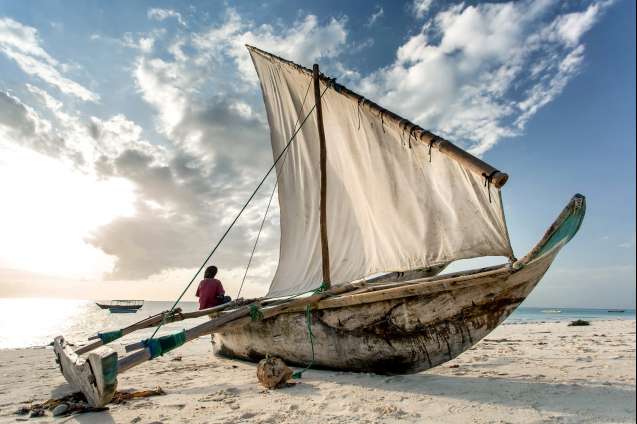
It’s also one of the easiest ways to turn a once-in-a-lifetime safari into a more rounded holiday.
A popular option is a 12-day itinerary that combines multiple safari highlights in mainland Tanzania with Zanzibar beach time. For example:
Our 12-Day Tanzania Safari & Zanzibar Holiday Package combines Lake Manyara, Serengeti National Park, and the Ngorongoro Crater with five nights at a Zanzibar beach resort.
You can also browse our Tanzania safari packages and Zanzibar holiday packages, or ask one of our consultants to help match the right safari route with the best beach stay for your dates and budget.
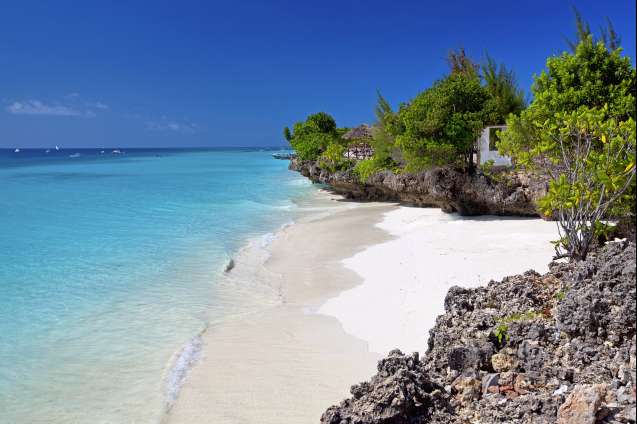
Zanzibar is one of the easiest and most rewarding beach escapes to add to an East African safari. Whether you want a few lazy nights after the Serengeti or a full island holiday with Stone Town, snorkelling, and spice tours, the right route makes all the difference.
Start with our Zanzibar holidays guide for destination inspiration, or browse our Zanzibar holiday packages for ready-made trip ideas.
If you want to combine beach time with wildlife, explore our Tanzania safari packages or speak to one of our African travel specialists. We can help you build a practical, good-value safari-and-beach itinerary that gets the big stuff right: timing, route, budget, comfort, and enough time to enjoy the ocean without sprinting through paradise.
Contact an African Budget Safaris consultant and let us help you plan your Zanzibar and Tanzania safari holiday.

Below you'll find further reading and articles related or similar to this post.




Call us toll free from US/Canada on 1-888-414-6513, or from the UK on 0-808-189-1052. All other countries can contact us on +27 21 791 0878.
© 2026 African Budget Safaris | Privacy | Terms | Cookie Policy | Consent Preferences