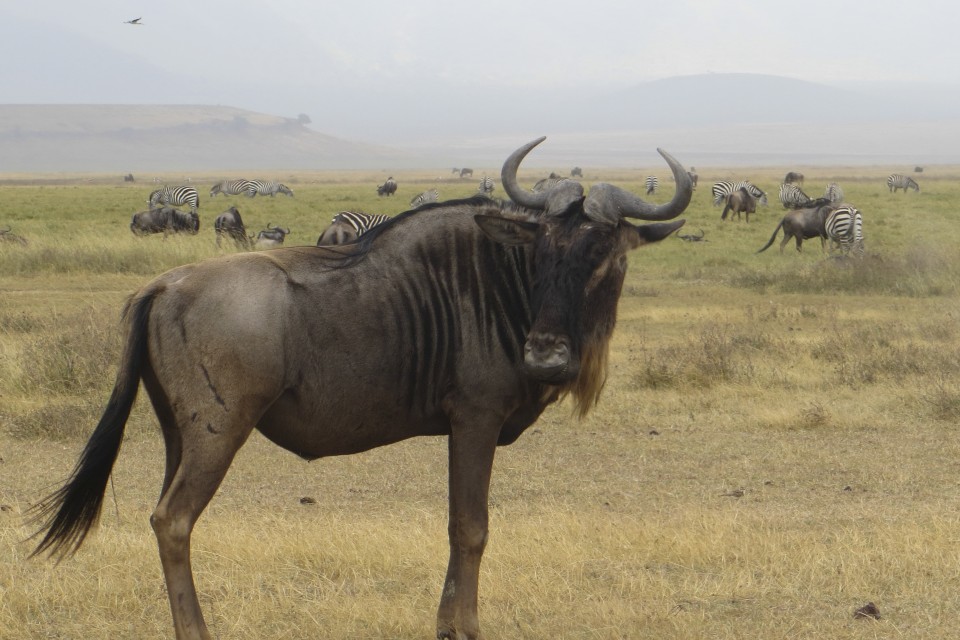

This budget-friendly Tanzania Lodge Safari takes you to three of East Africa's best wildlife destinations, and you stay at beautiful safari lodges and tented camps along the way.
This small and personal group safari accommodates no more than 7 travellers, ensuring window seats are guaranteed.


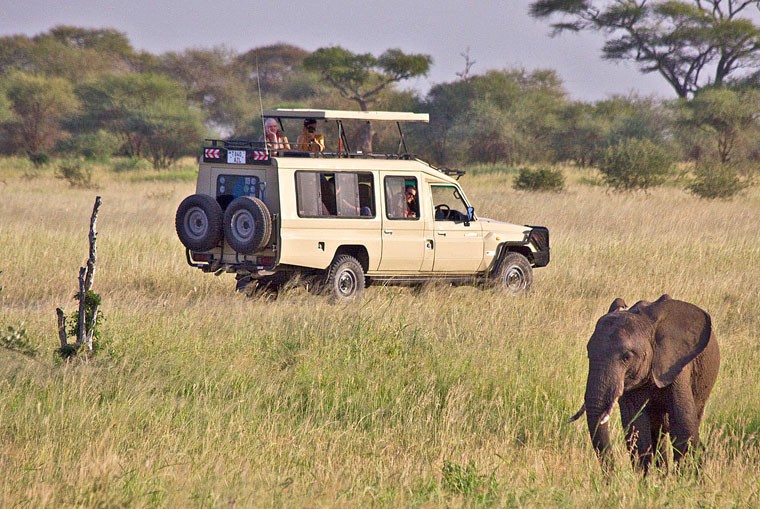


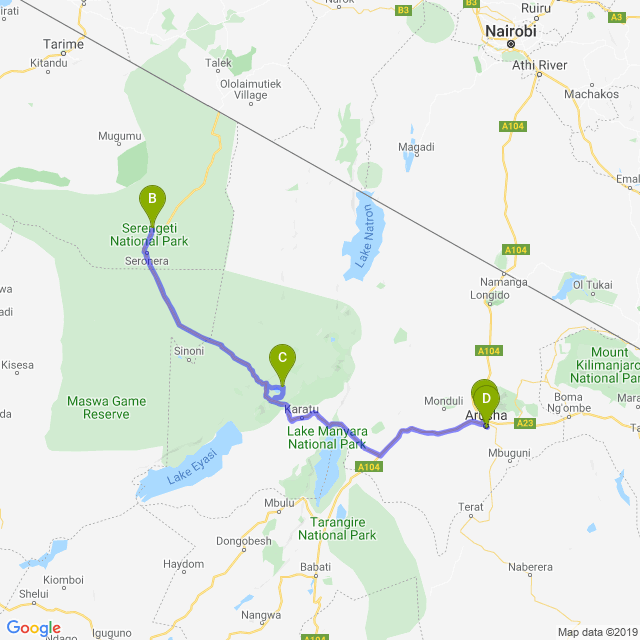
Your Tanzania Lodge Safari starts with a short tour briefing in Arusha before setting off southwest to our first Tanzania safari destination, Tarangire National Park.
Home to incredible wildlife and considered one of the most beautiful wilderness areas in northern Tanzania, Tarangire Park is home to one of the largest elephant populations. The game park is dotted with big baobab and acacia thorn trees and is home to an impressive array of birds. This top Tanzanian game park is also home to various big cats, including lions, leopards, and cheetahs, as well as tree-climbing pythons. Other African animals inhabiting the game park include many giraffes, buffalo, zebras, and various antelope species such as gazelles.
We spend the afternoon enjoying superb game viewing in Tarangire Park, followed by our first overnight stay at a tented safari lodge, a short drive from Tarangire National Park.
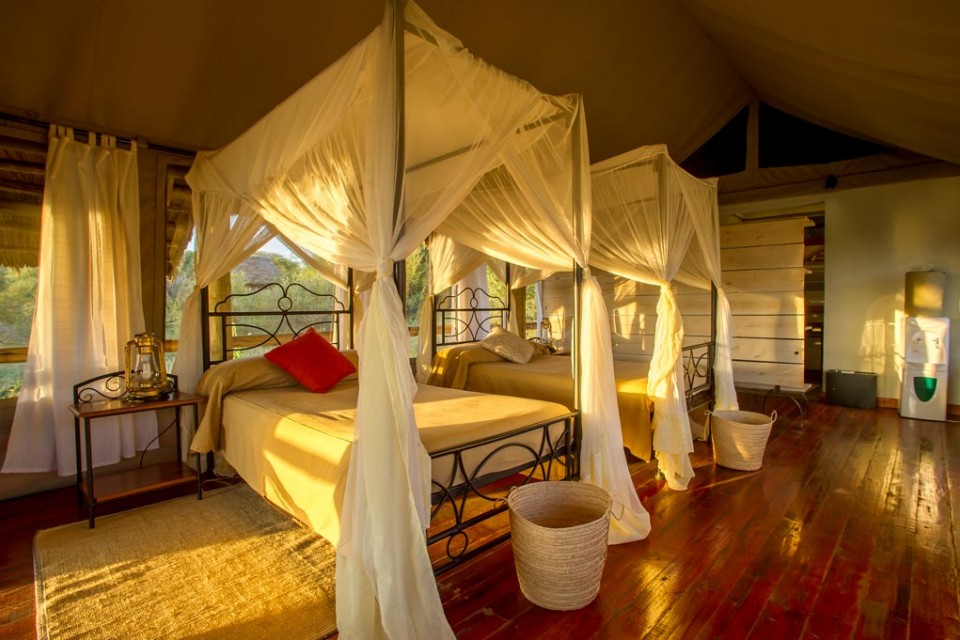
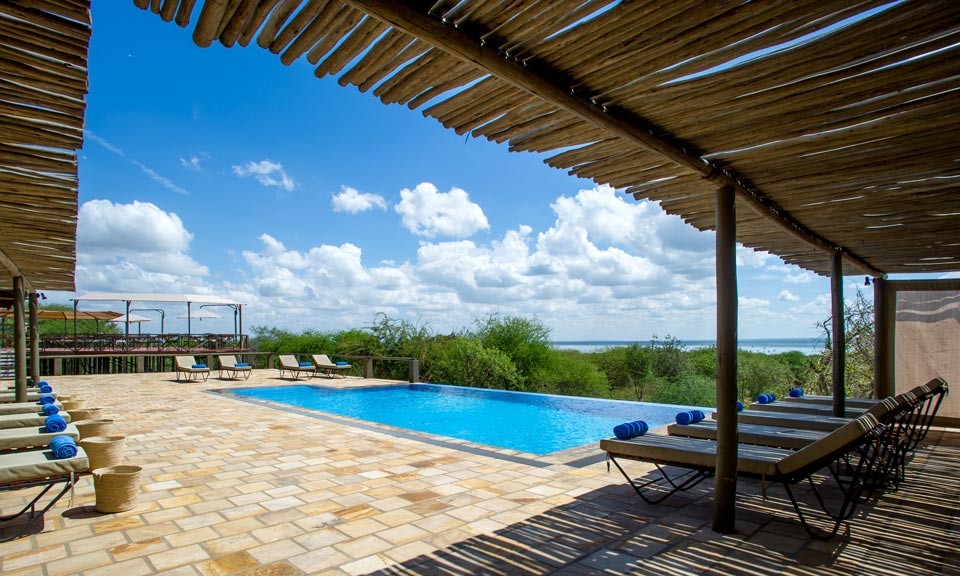
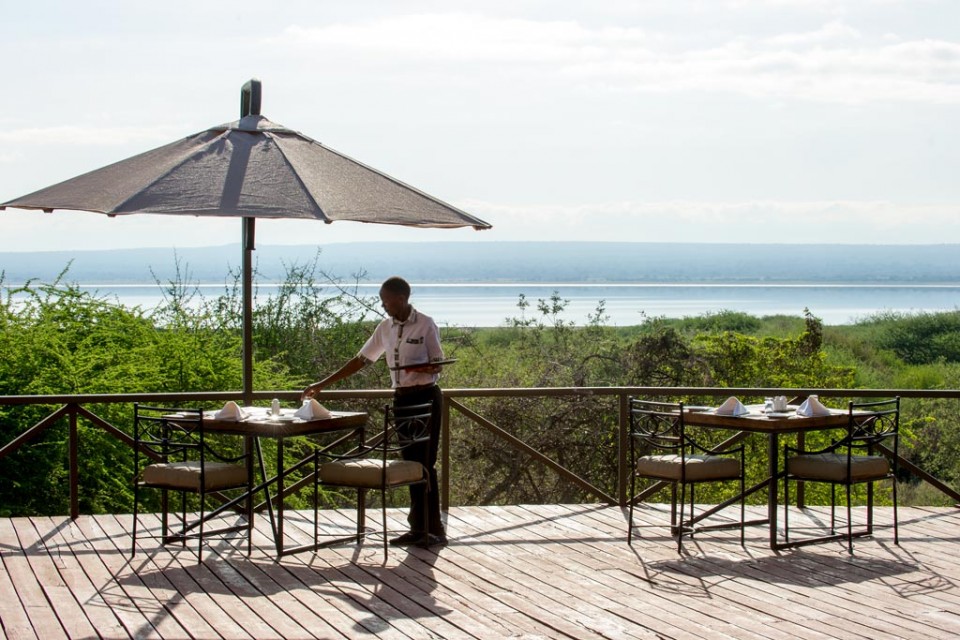
We stay in luxury, en-suite tents with verandas that look out over Lake Burunge and Tarangire beyond. Facilities at the safari camp include a pool, and main lounge and a dining/bar area raised on a wooden deck so that guests can enjoy the views. Sit back and relax with sundowners as the sun sets over the lake and surrounding bush, or sidle up to the cosy fireplace on chilly nights.
Spend an entire day of your Tanzania Tour on safari game drives through the stunning landscapes of Tarangire National Park. In the dry season, the Tarangire River becomes a vital water source, attracting a wide variety of wildlife, and offering you a unique opportunity to witness their behaviour up close. With a full day dedicated to exploring the park, you can venture into its quieter, less-travelled areas, taking in everything from iconic sightings of lions and giraffes to the smaller, fascinating moments like the industrious dung beetles at work.
After a thrilling day on safari in Tarangire, head back to the lodge with its lake views, located just outside the park.
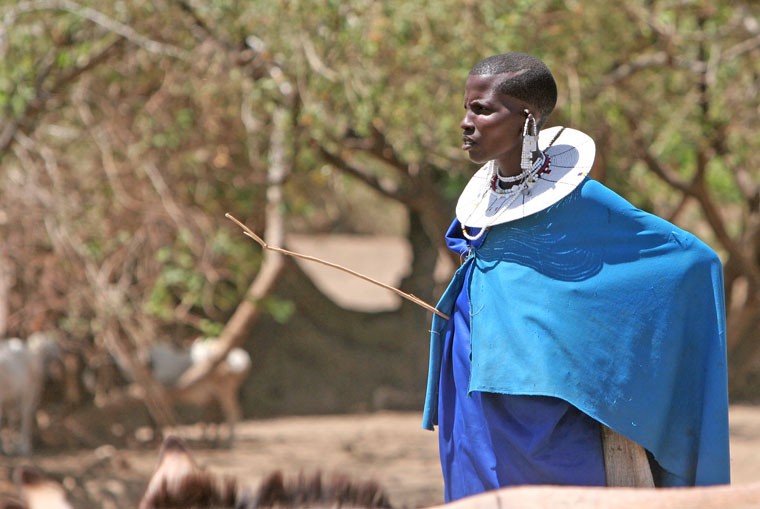
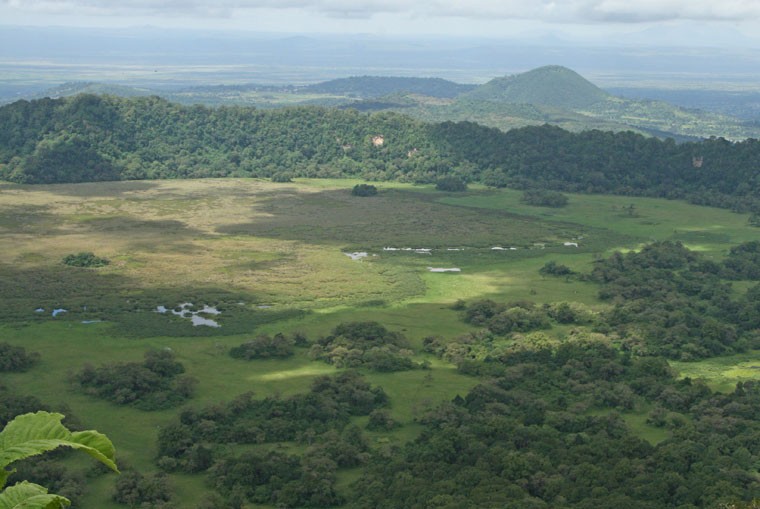
On day three, we leave the African Rift Valley, travelling via the lush crater highlands to the renowned Serengeti National Park. Reaching the Ngorongoro Crater highlands, we are met by panoramic views over the southern Serengeti Plains. Along the way, we stop to take photographs and enjoy the scenic views. Looking out over the rolling plains, it is easy to see why the Maasai people call it “Siringitu” - the endless plain.
At about noon, our African budget safari reaches the famous Serengeti National Park. We then enter the southern region of Tanzania's largest national park and head to our tented safari lodge inside Serengeti National Park. The southern section of the Serengeti Plains truly appears to go on forever, stretching as far as the eye can see. The Kopje (small rocky hill) dotted plains offer an ideal hunting terrain for cheetahs and the other big cats of Africa.
We stay at a tented camp located in the central Serengeti, with game viewing en route. This evening, we relax around the campfire at our tented safari lodge, surrounded by the African bush.
Day four of our Tanzania Lodge Safari is set aside for game viewing in the vast Serengeti National Park. Seek out the best vantage points for the best chance to observe the wild animals and capture that perfect photo.
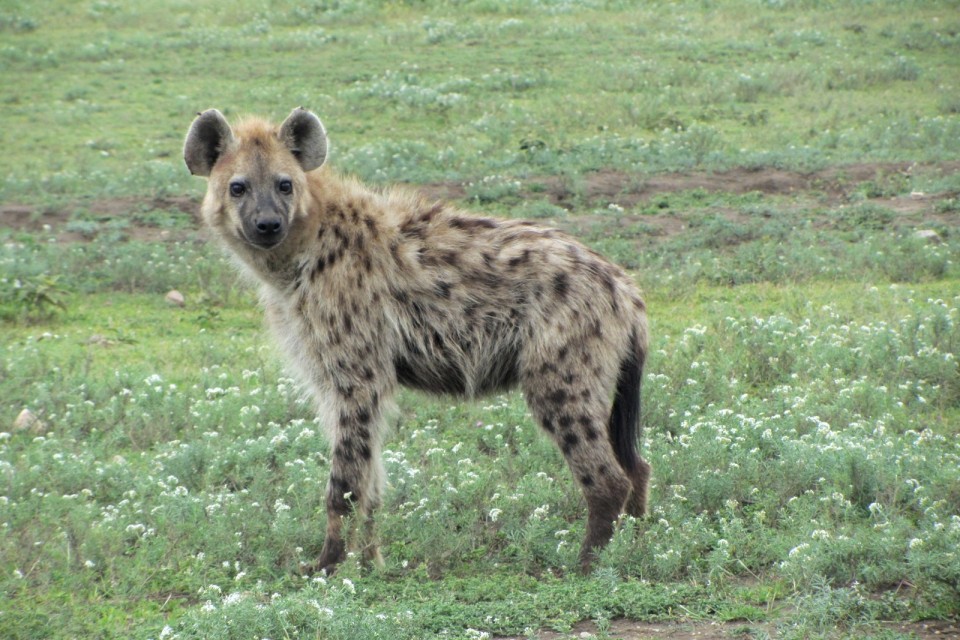
Tanzania's most famous game park, the Serengeti National Park, offers spectacular game viewing year-round, being home to healthy populations of Africa's Big Five - rhino, lion, buffalo, elephant, and leopard as well as huge numbers of various antelope species such as eland, topi, kudu, impala, oribi, waterbuck, and gazelle. Cheetah, hippo, giraffe, serval cat, crocodile, hyena, and a rich array of other wildlife, including numerous monkey, mongoose, and rodent species, also inhabit the Serengeti, along with over 500 bird species!
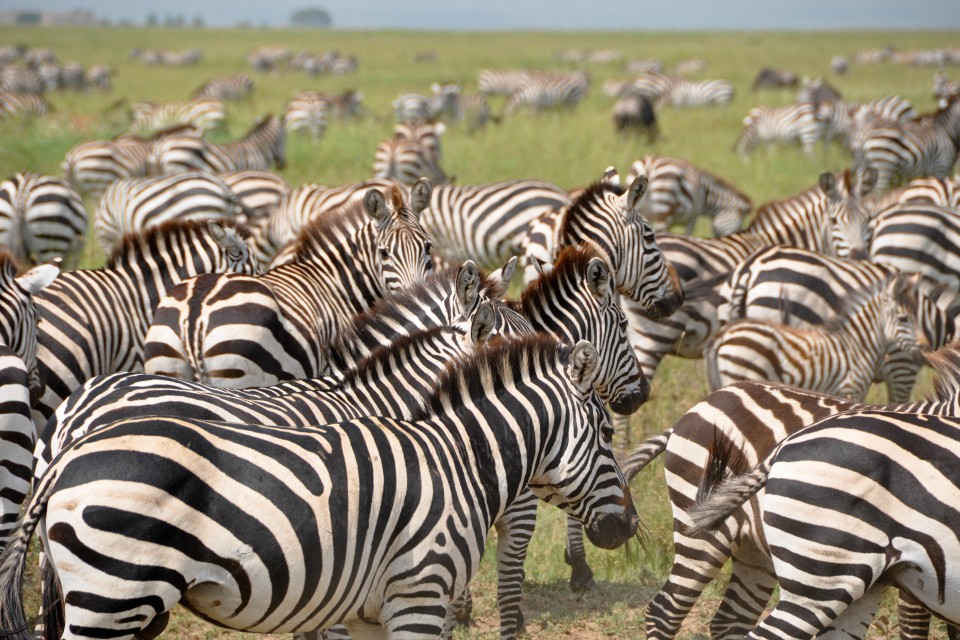
Serengeti National Park, most famously, is where the wildlife spectacle of the annual Great Migration takes place. Vast herds of stampeding wildebeest, gazelle, and zebra can be seen migrating across the plains in search of fresh grazing, in turn attracting numerous predators. Depending upon the time of year, you have the chance to witness the great migration as a hundred thousand wildebeests and zebras stampede across the plains. During the small rainy season in October and November, you will typically see these herds moving from the Kenyan Maasai Mara through the northwest Serengeti to the plains in the south. After the rainy season in April, May, and June, the herds travel slowly back through the west and northwest Serengeti. With fluctuations in rainfall, the animals migrate at different times and along various routes. Your guide will know where and when to find the animals to ensure that you have the best spot to see them.
You have the option of taking a guided trip to the Visitor's Centre with a representative of the Frankfurt Zoological Society. The knowledgeable guide can tell you about the work this organisation has been involved in for the last thirty years in Serengeti (request when booking). We enjoy some more rewarding game viewing in the afternoon, before returning to our tented camp in Serengeti for another night in the African wilderness.
Tonight you will stay at the same Serengeti Tented Camp as on day three.
This morning, after breakfast, we make our way out of the Serengeti. Along the way, enjoy one last leisurely game drive, admiring Africa's wildlife before we leave the park in the early afternoon towards the Ngorongoro Crater.
Arriving at the edge of the Ngorongoro Crater, we are treated to spectacular views of the famous extinct volcanic caldera below. Then we leave the Ngorongoro Conservation Area behind and head to our next safari lodge near Karatu. After settling in at our safari lodge in the lush Ngorongoro highlands. You can join a guided walk in the nearby coffee estate to find out more about how coffee is grown and produced.
Stay at one of the ideally located safari lodges near Karatu offering beautiful views over the highlands, and about a 30-minute drive to the entrance gate of the Ngorongoro Crater Conservation Area.
Day six of our Tanzania Lodge Safari takes us into the Ngorongoro Crater, known as Africa's Garden of Eden, after an early breakfast at our safari lodge in the highlands. We descend the steep outer walls in our 4x4 safari vehicle to spend an unforgettable morning exploring this diverse Tanzania safari park, teeming with wildlife. Ngorongoro, part of the Serengeti ecosystem, is a massive caldera of an ancient volcano spanning an impressive 18 km in diameter with walls as high as 600m. This UNESCO World Heritage Site is home to the densest mammalian population in Africa, with around 25,000 large animals.
The Ngorongoro Crater hosts the Big Five of Africa (lion, leopard, rhino, elephant, and buffalo), boasting one of the highest concentrations of lions in the world. Ngorongoro Crater not only hosts the Big Five of Africa but also almost all of the wild animal species found on the savannahs of East Africa. Ngorongoro offers first-class game viewing and is considered one of the best places to capture the endangered black rhino on film. The diverse habitats found on the fertile crater floor support a variety of wildlife, including elephants, monkeys, hyenas, jackals, and herds of zebra, wildebeest, buffalo, and other antelope species.
We stop for a picnic lunch in the crater on our thrilling game drive, and later head out of the crater and Ngorongoro Crater Conservation Area to return to our safari lodge near Karatu.
After a relaxing breakfast at our scenic lodge, we travel back to Arusha, where this budget Tanzania Lodge Safari ends.
Depending on your personal travel plans and your flight departure, there might be some time for a visit to the markets in Arusha or to enjoy other optional activities.
Please note that the Wildebeest Great Migration is seasonal. As a natural wildlife phenomenon, it is fluid and unpredictable. For this reason, seeing the Great Migration cannot be guaranteed.
The wildebeest and other wild herbivores migrate between the Masai Mara in Kenya and the Serengeti in Tanzania. These herds move in a massive circular route covering some 1200 miles (1931km). It is a continuous movement of wildlife that can be seen in different areas at different times of the year. During certain phases of this annual trek, the animals disperse or slow down, whilst at other times the migration picks up speed, with the herds becoming larger and denser. Not only does the Wildebeest Great Migration vary from place to place and season to season, but the movement of these large wildlife herds also varies from year to year.
Please talk to a travel expert from African Budget Safaris about seeing the Wildebeest Great Migration on your safari to find out more. Also, check out our detailed article about the Great Migration in Serengeti and Masai Mara.
This tour does not take children.
This itinerary may have some long travelling days, and we would therefore not recommend this group safari for young children.
Families with younger children who are confident and comfortable with travelling long distances, are welcome on a private safari basis only.
Please contact African Budget Safaris for information regarding private tours and quotations.
All Arusha Departures | All Tanzania Tours |
Maximize your Great Migration experience with a private 7-day fly-in safari in Tanzania. Explore Ngorongoro Crater, Tarangire, and Northern Serengeti for peak river crossings (July–Oct). Customizable & exclusive.
More on this 7 Day Budget Lodge Safari

Discover Tanzania's wildlife on a 7-day lodge safari featuring Serengeti National Park, Ngorongoro Crater and escarpment with 4x4 game drives, cultural experiences and optional fly-in access.
More on this 7 Day Budget Lodge Safari

The Tanzania Safari to Serengeti & Beyond is an affordable wildlife lodge safari tour offering the ultimate African safari experience. Explore Serengeti National Park, Tarangire, Lake Manyara Park & Ngorongoro Crater, staying at comfortable safari lodges.
More on this 7 Day Budget Lodge Safari
Experience Tanzania's premier national parks on this 7-day safari. Visit Serengeti, Ngorongoro Crater & Tarangire. Expert guides & luxury lodges included.
More on this 7 Day Budget Lodge Safari

Explore an 8-day Tanzania wildlife safari on the Northern Circuit, visiting Serengeti National Park, Ngorongoro Crater, Lake Manyara and Tarangire. Lodge-based safari with a private guide and flexible departures.
More on this 8 Day Budget Lodge Safari

The Tanzania Wildlife Safari is one of the best affordable Tanzania camping safari tours to Serengeti Park & Ngorongoro Crater teeming with wildlife, Africa's Big 5 included.
More on this 7 Day Budget Camping Safari

A Deluxe Tanzania Lodge Safari in Tanzania staying at affordable luxury lodges to explore Serengeti National Park, Ngorongoro Crater & Lake Manyara on a fantastic budget!
More on this 7 Day Budget Lodge Safari

Climb Kilimanjaro on this 8-day Machame Route hiking tour. Includes mountain camping, guided trekking, summit attempt and airport transfers in Tanzania.
More on this 8 Day Hiking Tour
Experience an intimate private safari Tanzania adventure across 4 iconic parks. Exclusive mobile camping with expert guide & chef, max 6 guests. Tarangire to Serengeti.
Our team has the destination knowledge to help you plan an unforgettable African adventure. We're based in Cape Town and ready to help.
We can also plan you an affordable private group or tailor-made tour. We built our business on turning luxury travel into affordable travel.