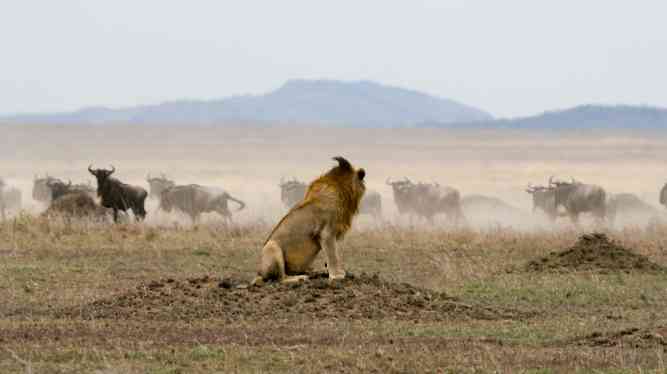
That is during the peak of the Wildebeest Great Migration, from late June to August or early September. And in the calving season from January to mid-March. But, that's not the whole story about when to go on Serengeti safaris.
The game viewing in Serengeti Park is spectacular at any time of year! And the weather is great for safaris in Tanzania for most of the year.
Serengeti National Park is a year-round safari destination.
So, there's more than one best time to visit the Serengeti in Tanzania.
Every season has its advantages for Serengeti safaris, as well as its disadvantages. Below we'll cover the pros and cons of each time of year in Serengeti National Park.
Although the Serengeti is a year-round safari destination, the Great Migration is the main attraction. So the peak of the migration is arguably the very best time to visit Serengeti. The wildebeest migration is, after all, the reason why most people visit the Serengeti National Park and Tanzania.
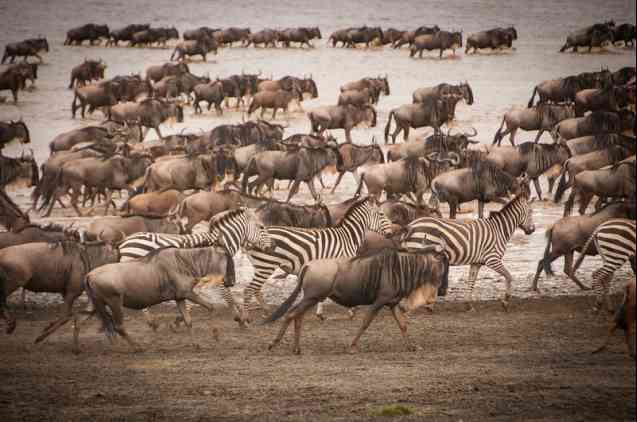
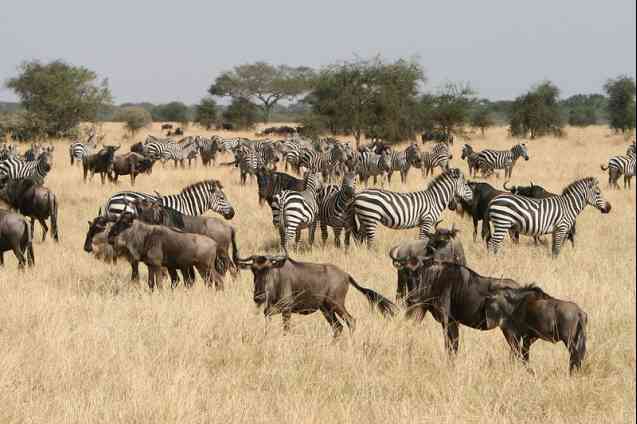
The Wildebeest Great Migration is a massive annual wildlife trek in East Africa. Every year, almost 2 million grazers migrate across the open plains with predators in tow.
This mass movement of animals is also known as the wildebeest migration. With about 1,5 million wildebeest creating the bulk of this 800km-long wildlife migration. Joined by 200,000 zebras and thousands of gazelles and other antelopes. Attracting all kinds of hungry predators. The migration moves through the Serengeti National Park in Tanzania and the Masai Mara in Kenya.
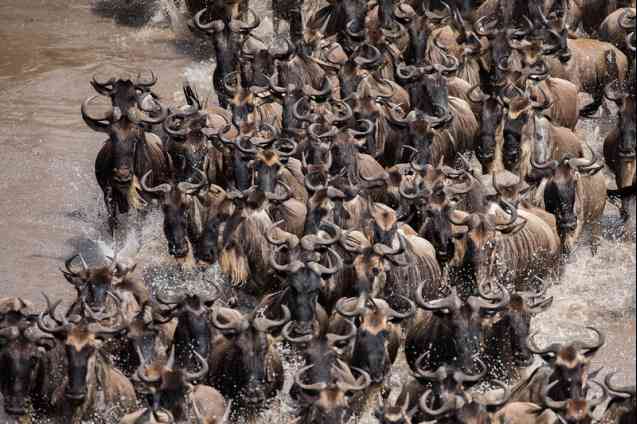
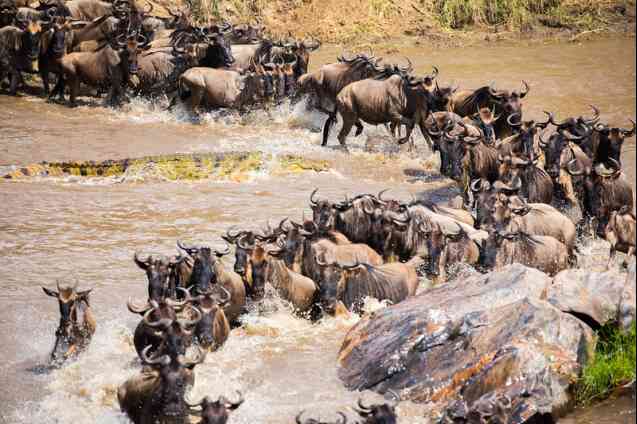
From late June to August is the best time. This is when the Great Migration peaks (late June to August) making it arguably the best time to visit Serengeti. Depending on the movement of the animals and where exactly in the Serengeti National Park you are going on safari.
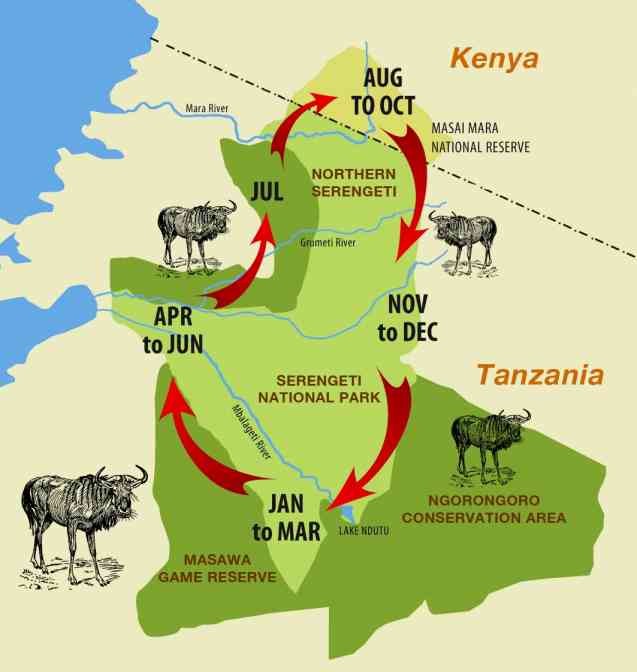
- the best months to see the Great Migration in Serengeti
In late June and July, the migration moves into north-western Serengeti. Thus, these are the best months to see the migration in the western region of Serengeti. And, in August you can see the great migration in northern Serengeti. This is when you may see the herds plunging into the crocodile-infested Mara River as they cross into Kenya.
- unpredictable time for migration safaris in Serengeti
Late September and October are the least desirable months to see the Great Migration in the Serengeti National Park. In early September you might catch the last of the herds crossing the Mara River. As they move from Tanzania to Kenya. But, this isn't always the case. As a general rule, it is better to visit the Masai Mara in September and October to see the Wildebeest Great Migration.
- a good time of year to see the Great Migration but in the short rainy season
By November the herds are returning to northern Serengeti from the Masai Mara in Kenya. They usually linger in north-eastern Serengeti and migrate further south in December.
The timing of the migration does shift from year to year, so check when you are planning your safari. Talk to a safari expert for up-to-date advice.
- an excellent time to see calves and young animals, but not the best for seeing the migration on the move
Calving season in Serengeti. The migration continues at speed in January. But in February the herds slow down while mothers give birth in southern Serengeti. By March they are on the move again as the young calves gain strength.
- depending on the rains this can be a great time to see the wildebeest migration, but it can be wet
The wildebeest migration moves to the western region of central Serengeti from about April to June. At first, the herds move more slowly because their calves are still young. By May the herbivores are speeding up as the young grow stronger.
But, April and May are the peak rainy season months so the road conditions are often poor. Many of the mobile camps and lodges also close over the rainy season.
In early June the herds become more scattered and cover vast distances, crossing the Grumeti River.
From January to March is birthing time, or calving season, in the Serengeti National Park.
This is the ideal time for Serengeti Safaris to see young wildebeest, zebras and antelopes. By February the birthing season is usually in full swing. Expect to see newly born calves and even claves being born. The chances of witnessing a predator kill are also high as the big cats take advantage of vulnerable young.
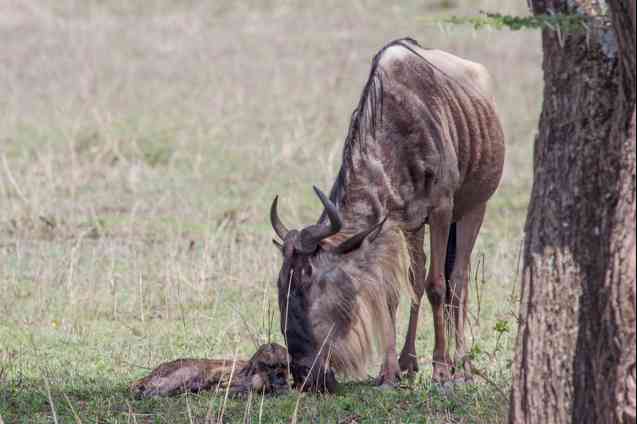
In the calving (or birthing) season you'll see baby animals aplenty. Sighting them as they learn new lessons about life on the African savannahs.
This is the best time of year for Serengeti safaris where you'll see baby animals feed and prance around in the wild. Observing the bonds between a protective mother and her young. You might witness a narrow escape from death. Or catch sight of a predator claiming its young prey in the harsh cycle of nature.

It's not just the wildebeest and antelope giving birth at this time of year. You'll also see lion and cheetah cubs, elephant calves and various other baby animals.

Many experienced safari-goers consider the calving season the best time of year for a Serengeti safari. Given the intensified wildlife action, baby animals, and lush scenery it's hardly surprising.
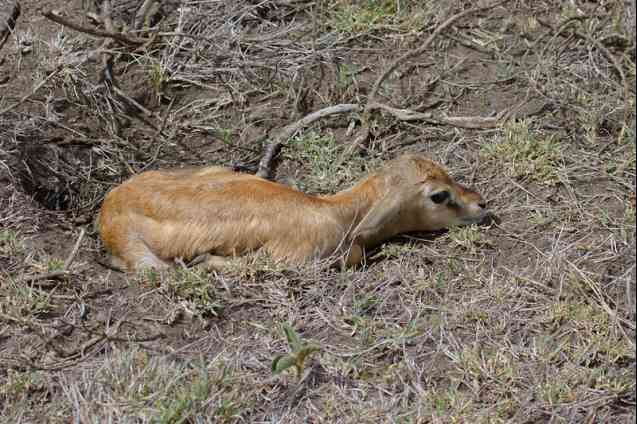
The calving season in Serengeti is from late January to the middle of March.
The best time to experience the calving season in the Serengeti is in February.
This is the peak birthing season in Serengeti National Park when about 8,000 wildebeest are born, each day! Along with a plethora of other animals.

The best time for a Serengeti Safari without the crowds is in the rainy season, from late March to April or May, and from November to December.

You'll still catch the great migration in action but escape the crowds of peak season (late June to early September).
There may be little to no rainfall during your Tanzania safari, even in the rainy season! The weather is unpredictable so there can be dry spells at any time of year. Plus, even in the wet months, the rainfall is often limited to scattered afternoon showers that won't ruin your game viewing.
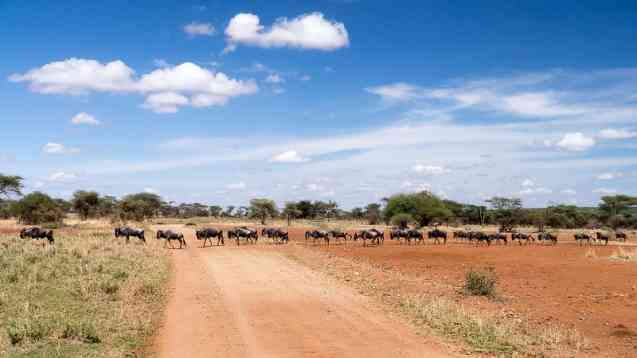
The rainy season is also a great time to find discounted safaris and save on accommodation. Safari lodges and camps often run fantastic safari specials during the low season which can save you a lot of money. Or you may be able to stay at camps that would otherwise be unaffordable on your travel budget.
The best times to save money on Serengeti safaris are in the low seasons, from March to May and November to December. In these off-peak months, there are usually discounted safaris and lower accommodation prices on offer.
The safari specials and deals are often also available during the shoulder seasons - just before and after peak safari season (June to September) in Serengeti National Park.
The best time to visit Serengeti for good weather is in the dry season, from June to October.
The dry season in Serengeti is also winter. But, the daytime temperatures are usually warm and pleasant. Unlike peak summer months when it can get very hot and humid. In winter, the temperatures drop in the early mornings and at night, so pack accordingly for your safari.
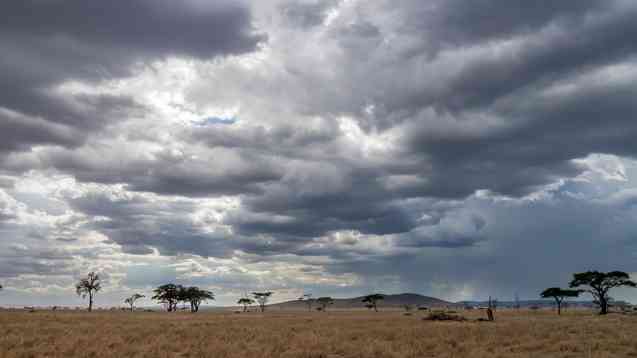
There are two rainy seasons in Tanzania. The 'long rains' from March to May and the 'short rains' in November and December.
The short rains are not as heavy as the long rains and are less predictable. Often there are only short afternoon showers that won't ruin your game drives. So, the short rainy season can still be an excellent time of year to visit Serengeti. Even the main, long rainy season can be a good time, depending on the rains in the year you go and the conditions at the specific time you visit.
To avoid the wettest time of year in Serengeti, visit outside of the main rainy season from March to May.
For the best birdwatching safaris in Serengeti, visit in November and December, or from January to May.
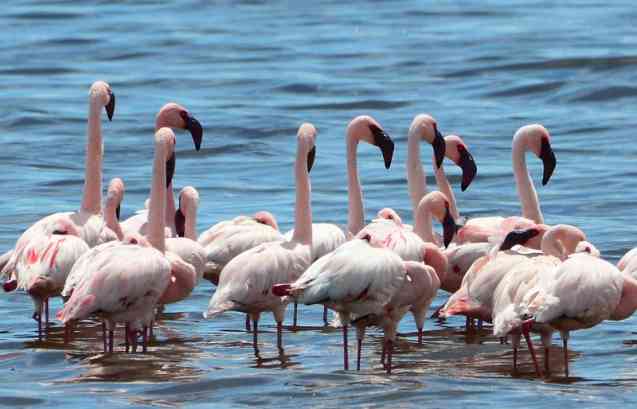
In November many of the migratory bird species fly in and the bird populations swell. The scenery is also very lush and beautiful at this time of year. But, keep in mind that April and May are the wettest months of the year in Serengeti National Park.

More than 500 bird species have been recorded in the Serengeti ecosystem, so the birding is excellent year-round.

Serengeti Park is a year-round safari destination. The scenery and the game viewing are spectacular at any time of year.
There is more than one best time to visit Serengeti National Park. There are actually several best times for Serengeti Safari trips, based on your needs and wants. A few of these are:
Remember, every season has its advantages and disadvantages, so the best time of year for a Serengeti safari depends on what's most important to you.

The weather will of course have an impact on your Serengeti safari. It may affect the road conditions, which lodges and mobile camps are open, and possibly your game drives. Plus, the rainy season can get very hot and humid so this will also affect your comfort levels.
If you don't tolerate heat or humidity well then avoid the hottest, wettest months (Nov/Dec and March to April).
For more details see The Best Time to Visit Tanzania for a Wildlife Safari
The climate is becoming increasingly unpredictable across the planet, Africa included. Weather patterns have become less predictable with unexpected rains and droughts in all seasons. Check with an experienced safari-goer or expert before you go, to get your timing right.
But, as always, take a flexible attitude with you on safari in Africa and you'll have a great adventure no matter what the weather does.
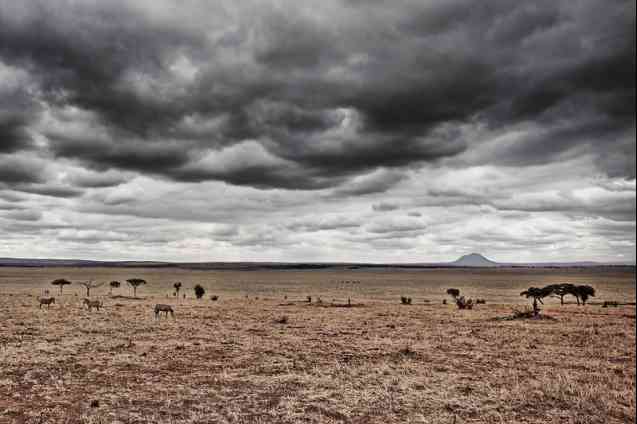
The Serengeti National Park is a large game reserve, covering about 14,763 km² (5,758 mi²). The great migration moves from one region to another within Serengeti (and Masai Mara in Kenya) so you need to plan according to the movement of the migration (at the time).
There are also private safaris to Serengeti which we can arrange at reasonable prices. Talk to a safari expert at ABS for help planning the best Serengeti safari for you.
“To witness that calm rhythm of life revives our worn souls and recaptures a feeling of belonging to the natural world. No one can return from the Serengeti unchanged, for tawny lions will forever prowl our memory and great herds throng our imagination.” - George Schaller (American author and biologist)
See our affordable Serengeti Safaris or all our Tanzania Safaris.
Explore these destinations mentioned in this post.
Below you'll find further reading and articles related or similar to this post.




Call us toll free from US/Canada on 1-888-414-6513, or from the UK on 0-808-189-1052. All other countries can contact us on +27 21 791 0878.
© 2026 African Budget Safaris | Privacy | Terms | Cookie Policy | Consent Preferences



__medium.jpg)