A Serengeti safari has a reputation for being expensive, and in peak season, it absolutely can be. But in 2026, smart route planning, shoulder-season travel, and well-structured group safaris make it possible to experience Africa’s most famous wildlife destination without paying luxury lodge prices.
The key is knowing where to save, when to travel, and how to structure your route. This 2026 Serengeti budget guide breaks down real safari costs, park fees, seasonal pricing patterns, and practical ways to reduce your overall spend without compromising on wildlife sightings.

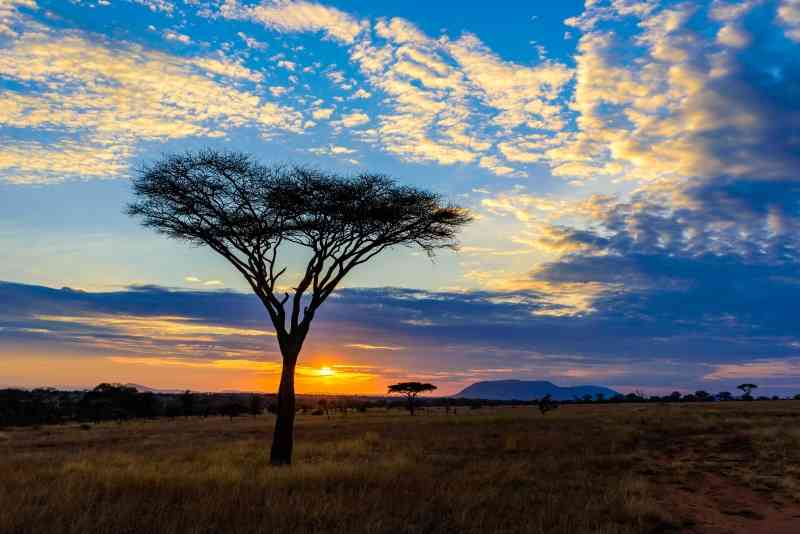
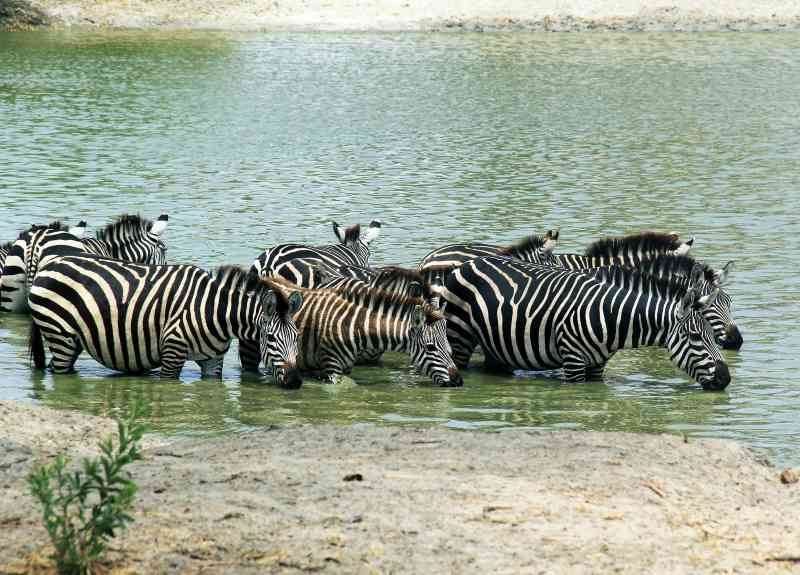
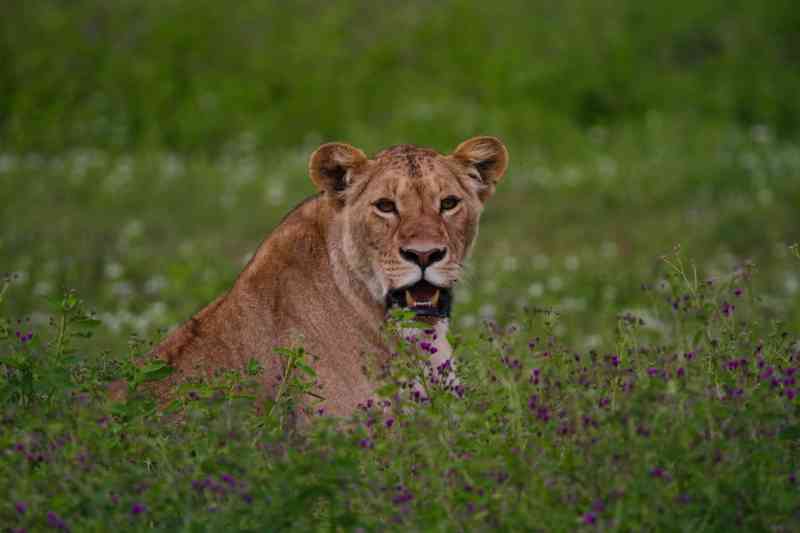
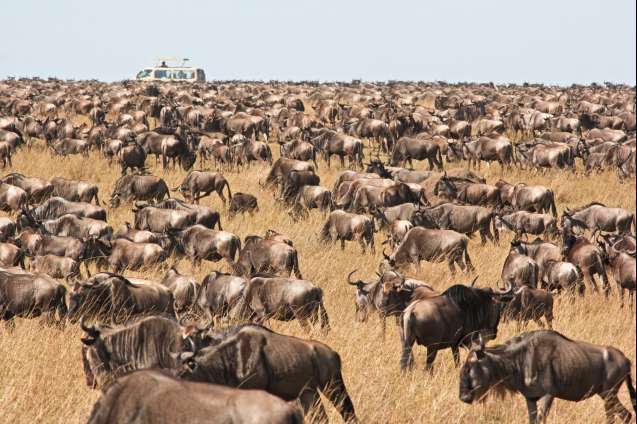
Located in northern Tanzania, Serengeti National Park forms part of Tanzania’s famed Northern Safari Circuit and is a UNESCO World Heritage Site. It remains one of Africa’s most wildlife-dense and visually dramatic ecosystems.
Here’s why it continues to justify its reputation:
Serengeti safari costs vary significantly depending on duration, accommodation level, and season.
For 2026, you can expect:
Park Fees in 2026
Foreign non-residents pay approximately US$70 per adult per day to enter Serengeti National Park (subject to seasonal adjustments). Most structured safari packages include park fees in the overall price, but always confirm this before booking.
What’s Changed for 2026?
If your dates are flexible, cost savings of 15–30% are realistic outside peak season.
Planning a 2026 Serengeti safari? Speak to our Tanzania specialists for up-to-date pricing and availability before peak season fills.

Both the Serengeti National Park and the Masai Mara National Reserve host the Great Migration, but cost structures differ.
For most budget travelers planning 6–8 days, Serengeti offers stronger long-term value due to Northern Circuit combinations.

At African Budget Safaris, we believe the magic of Africa should be within reach for all travelers, not just those with luxury budgets. Terry, founder of African Budget Safaris, says:
"Our mission has always been to make world-class wildlife adventures accessible to a wider audience, guided by real experiences and honest traveler feedback, not commissions."
Here are our tips for keeping down the costs of your Serengeti Safari:
Avoid the peak seasons that come at high costs. The Serengeti has two peak seasons where safari fees are at their maximum: Dry Season (June to October) and Calving Season in the southern Serengeti (December to March). If you're flexible, consider traveling during the shoulder seasons (April-May and November). Shoulder season months offer:
Luxury lodges may cost upwards of $800 per night, but there are affordable alternatives that still offer comfort and a touch of adventure. Affordable accommodation options include:
Pro Accommodation Tip: Booking accommodation through a local tour operator often secures better rates than international platforms.
Private safaris offer exclusivity and flexibility, but they’re significantly more expensive. Opting for a group safari allows you to split costs on:
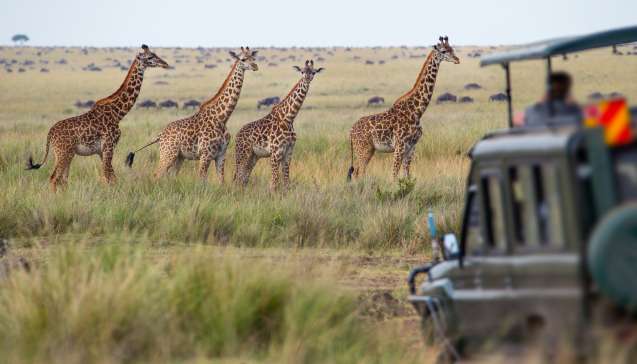
Safari costs can add up quickly when you factor in necessities like park entry fees, accommodation, meals and drinks, transport, and guiding fees. Many budget safari packages include all of the above in one flat rate. This simplifies planning and often reduces overall costs. When booking, check that your package includes:
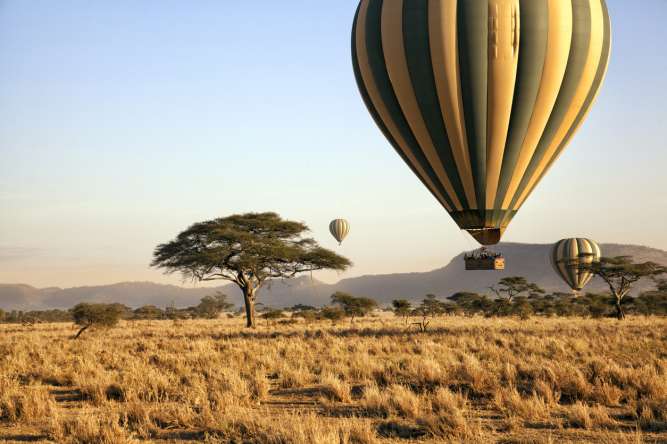
Balloon safaris and luxury lodge dinners are spectacular, but costly. By focusing on the core safari experience—the wildlife, the landscapes, and the thrill of the chase—you can keep costs down while still having an unforgettable adventure. If you're on a tight budget, consider skipping:
Being well-prepared can save you from unnecessary spending during your trip. Buying these items last-minute or in remote areas of Tanzania can be expensive. Plan ahead and bring essentials like:
__medium.jpg)
International tour companies often mark up prices significantly and do not understand the realities of safari travel in Africa. At African Budget Safaris, we don’t just plan trips; we craft deeply personal journeys backed by years of experience, passion, and genuine care. Our consultants are Africa lovers first and travel experts second, and that shows in the way we connect with our clients. To get the most out of your safari booking, work with locally-owned safari operators who:
While the Serengeti is the premium safari destination, other parks in Tanzania’s Northern Safari Circuit are in proximity to the Serengeti. Combine a visit to the Serengeti with the other parks in the Northern Safari Circuit. This allows for diverse landscapes and wildlife experiences while significantly reducing overall costs. For this reason, many safari tours choose to combine the Serengeti with other top destinations on Tanzania's Northern Safari Circuit:
Arusha is the gateway to the Serengeti and the Northern Safari Circuit, and the most affordable travel to the parks is available from here. Fly into Kilimanjaro International Airport (JRO), which is about 1.5 hours from Arusha. Accommodation in Arusha is also much cheaper than in or near the Serengeti itself. Arusha offers:
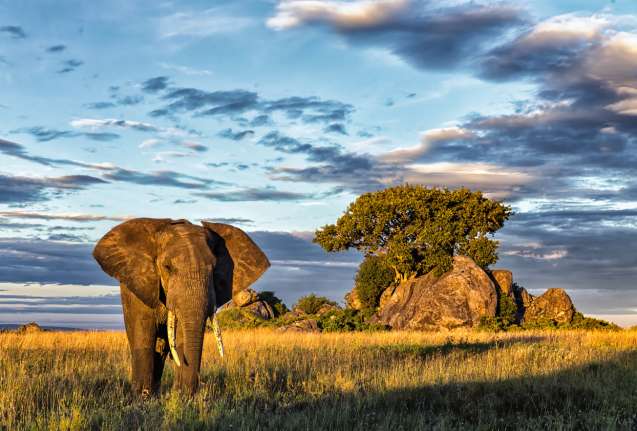
Below are proven itineraries offering strong wildlife value without luxury pricing.
A cost-efficient Northern Circuit route covering Tarangire, Lake Natron, Serengeti, and Ngorongoro. Ideal for travelers wanting maximum wildlife diversity at the lowest per-day cost.
Short on time but want prime migration positioning? This fly-in option maximizes game-viewing hours and reduces long road transfers.
__medium.jpg)
Balances comfort and cost while covering Tarangire, Serengeti, and Ngorongoro.
Comfort-focused, full Northern Circuit highlights including Lake Manyara.
An epic-value bush and beach route combining Kenya, Tanzania, and Zanzibar.
Not sure which option suits your budget? Our safari consultants can compare routes, seasons, and accommodation levels to match your travel dates and price range.
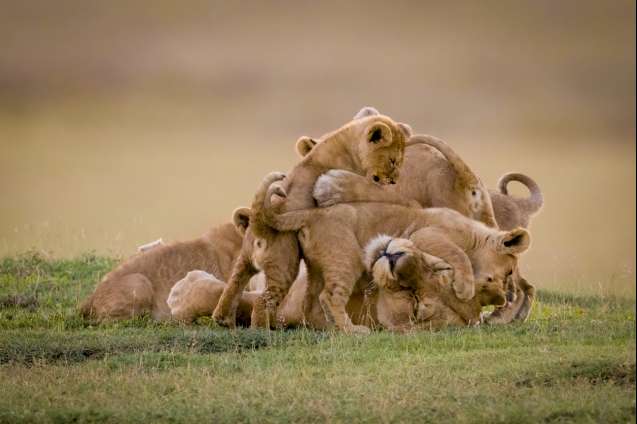
A Serengeti Safari promises rich wildlife experiences that follow a time-honoured safari schedule, regardless of the price tag.
Your days start before dawn with a gentle wake-up for an early game drive led by expert guides, giving you prime opportunities to spot predators and other wildlife at their most active. Return to camp for a hearty meal and some downtime. After a relaxed midday break, you’ll head out again in the golden afternoon light, enjoy sundowners at a beautiful spot for sunset, and end the day with a fireside dinner back at camp. Sometimes there may be an option for a night drive to view nocturnal animals.
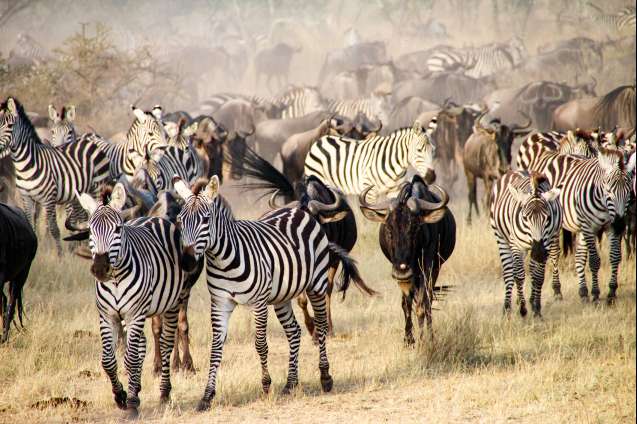
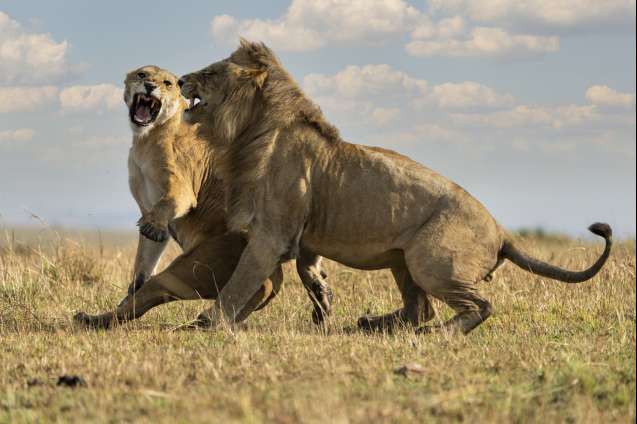
With smart planning and comfortable, well-located accommodations, you’ll witness the raw beauty of the Serengeti while keeping costs down, making for an unforgettable, immersive adventure. Whether you're watching a pride of lions on the hunt, gazing at herds of wildebeest under the setting sun, or listening to hyenas calling in the night, the Serengeti is sure to create memories that last a lifetime.
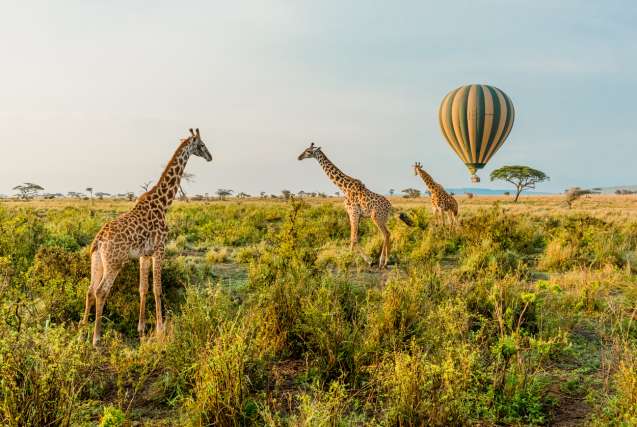
Yes. While the Serengeti has premium lodge options, well-structured group safaris and camping tours offer access to the same wildlife ecosystem at significantly lower prices.
Generally, multi-day Serengeti itineraries offer better long-term value because they combine with other Northern Tanzania parks. However, shorter Masai Mara trips from Nairobi can be cheaper for travelers with limited time.
Joining a group camping safari from Arusha is typically the most affordable option, as transport, guiding, accommodation, and park logistics are shared.
Self-driving is possible, but not always cheaper. Park fees, vehicle rental, fuel, and navigation challenges often make guided group safaris more cost-effective and safer.
April, May, and November offer the lowest accommodation rates and fewer crowds, while still delivering excellent wildlife viewing.
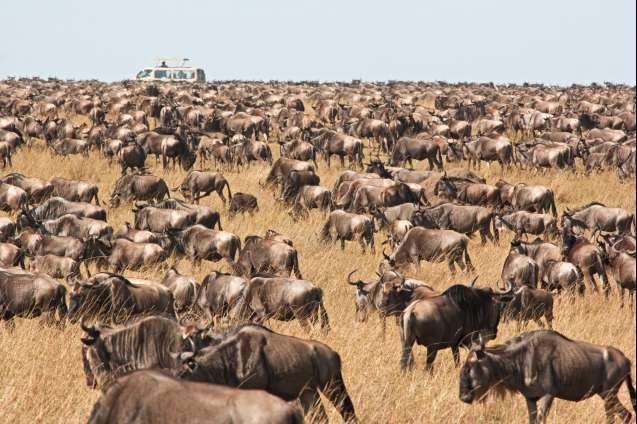
Yes. Migration viewing depends on timing and location, not price level. Budget camping and mid-range safaris access the same migration areas as higher-end tours.
For peak migration months (June–October), book 6–12 months in advance. Shoulder season departures can sometimes be secured closer to travel.
Most structured safaris include park fees in the advertised price, but always confirm before booking.
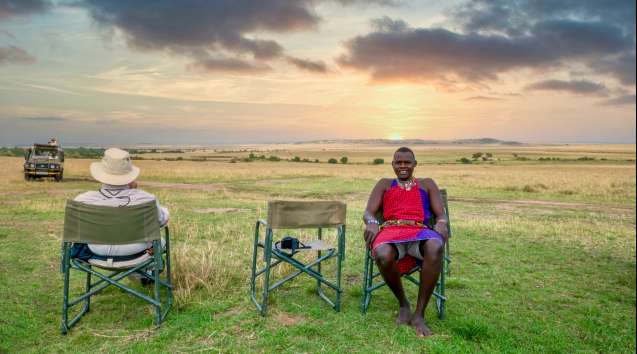
The Serengeti remains Africa’s most iconic wildlife destination, and in 2026, smart planning makes it more accessible than most travelers expect.
Contact African Budget Safaris for honest advice, transparent pricing, and expertly structured Northern Tanzania itineraries that maximise wildlife while protecting your budget.
Explore these destinations mentioned in this post.
Below you'll find further reading and articles related or similar to this post.




Call us toll free from US/Canada on 1-888-414-6513, or from the UK on 0-808-189-1052. All other countries can contact us on +27 21 791 0878.
© 2026 African Budget Safaris | Privacy | Terms | Cookie Policy | Consent Preferences