Choosing between the Serengeti and the Okavango Delta isn’t easy.
Safari lovers are spoiled, and possibly overwhelmed, for choice. One is famous for vast savannah and the great migration; the other, a lush oasis teeming with wildlife. Both of these iconic African destinations deliver unforgettable safaris. They’re both incredible, but in very different ways, which makes choosing between them a real challenge.
This guide compares the Serengeti and Okavango across key categories, from cost and wildlife to accessibility and traveller type, to help you decide which safari suits you best.
__medium.jpg)
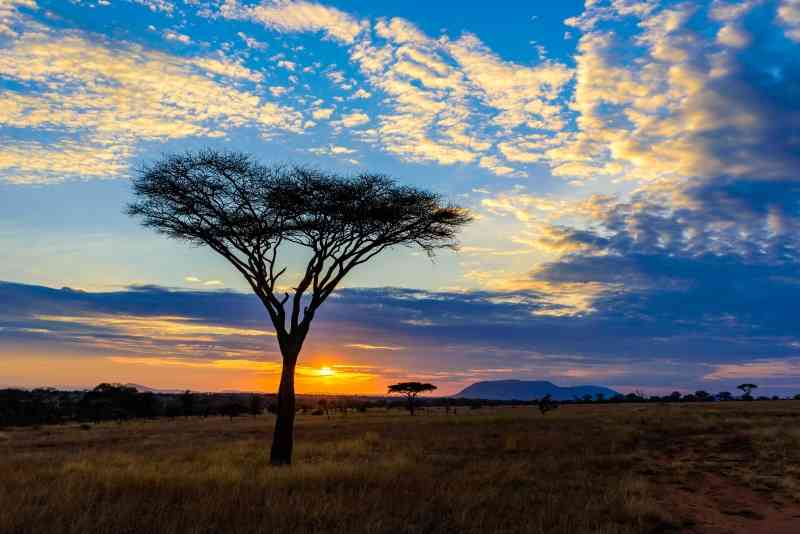
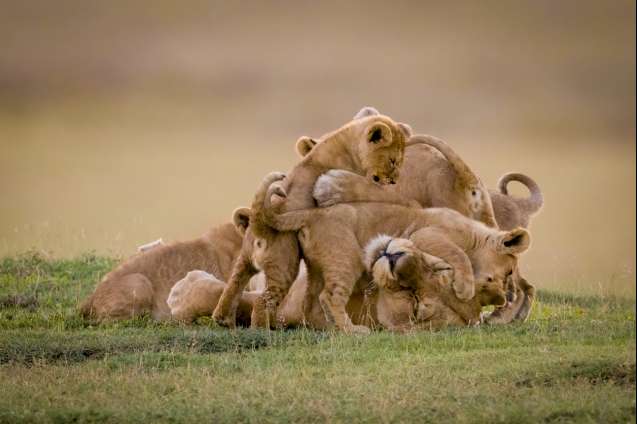
The open savannah of the Serengeti is the quintessential African Big 5 safari destination. It is one of East Africa’s most sought-after destinations. Travellers come to see the Great Migration, where over a million wildebeest, zebras, and gazelles traverse the open plains, searching for food, breeding, and giving birth, as they are pursued by predators.
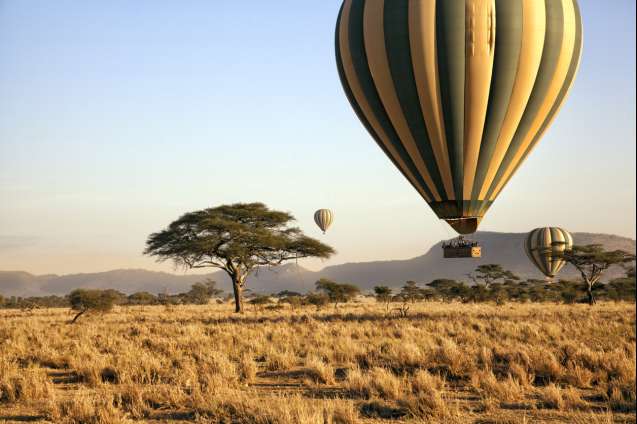
While seeing the river crossing on the Mara River is exceptional, the Serengeti’s ultimate bucket list activity is a hot air balloon safari at dawn. As the sun rises over the endless plains, you’ll drift silently above herds of wildebeest, giraffes, and elephants, a surreal and unforgettable perspective on the African wilderness. Balloon safaris in the Serengeti are not typically included in tour packages, but time is allocated for this sought-after activity.
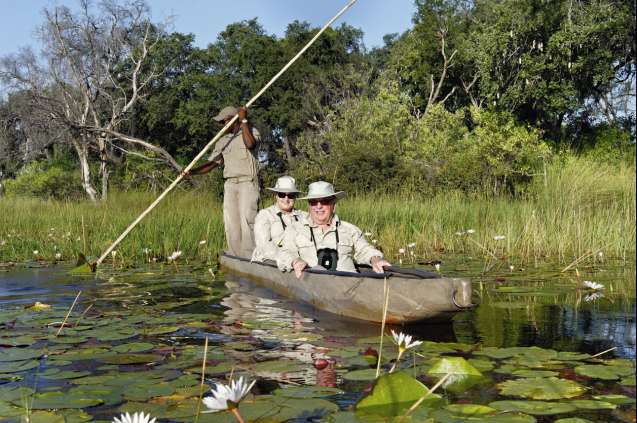
The Okavango Delta, equally rich in wildlife, offers a more intimate safari style. During the dry season, life-giving water floods into the delta, creating an oasis that attracts wildlife from far and wide. While scenic flights are incredible, the Delta’s ultimate highlight is the mokoro safari. These traditional dugout canoes will glide through reed-lined channels, piloted by expert polers. These low-impact excursions bring guests eye-level with frogs, birds, and elephants, a quiet, personal, and unique experience in this wild part of Africa. Mokoro trips into the Delta are usually included in Okavango safaris.
Perfect for those seeking an immersive wilderness and birding experience, the Okavango offers a safari like no other. Unlike traditional vehicle-bound safaris, here you can explore on foot or by mokoro (dugout canoe), allowing for a more intimate connection with nature. Camping in untouched wilderness areas enhances the sense of isolation and tranquillity, making the Okavango a true gem for nature lovers.
- Daniel De Lapelin Dumont, African Budget Safaris senior travel consutant
One of the biggest factors affecting which destination is best for you is travel time. We’ve based this section on major travel hubs in Amsterdam, California, Austin, New York, Arusha, and Johannesburg.
Most international travellers fly into Kilimanjaro International Airport (JRO) close to Arusha, which is the main access point for the Serengeti and Tanzania’s Northern Safari Circuit.
From Amsterdam, direct flights to JRO take around 11 hours, making it one of the most convenient options from Europe.
Travellers from New York (JFK) can expect around 18 hours total travel time with one stop, usually in Doha, Istanbul, or Amsterdam. Flights from Austin (AUS) or California (LAX) typically take 24–26 hours with two layovers that reroute via Dallas, London, or Nairobi.
From Arusha, you can either take a light aircraft flight that takes 1 to 2 hours, depending on your camp, or travel overland and extend your trip to include Tarangire, Ngorongoro, and Lake Manyara.
On private safaris, it is possible to fly one way and drive the other, but this does come at an extra cost. Our blog post on Planning Serengeti Safaris takes a look at some of the pros and cons of Serengeti logistics.
These are the estimated overland travel times and distances when driving from Arusha to popular Serengeti gates:
__medium.jpg)
The Okavango Delta is typically accessed through Johannesburg (JNB) in South Africa, the region’s largest travel hub.
From Amsterdam, there are direct flights to Johannesburg taking around 11 hours. Travellers from New York can reach JNB in about 15 hours with one stop in Europe or the Middle East. From Austin or California, total flight times range between 21 and 23 hours, usually with two layovers.
Make sure you check with us on the area of the delta you want to visit, as water levels play an important part in your Delta experience. Choosing the right camp at the right time of year is super important.
- Terry Murphy, founder and owner of African Budget Safaris
Once in Johannesburg, you'll connect to Maun or Kasane via a 1.5 to 2-hour flight. From there, most travellers board a light aircraft to reach their remote Delta camp, which takes an additional 30 to 90 minutes.
There is no true overland option into the heart of the Okavango, which keeps the experience exclusive and less crowded.
Compared to the Serengeti, travel to the Okavango involves more internal flights but fewer long road journeys, which means you can maximise your time spent on a true African bush experience.
|
Departure City |
To Johannesburg (JNB) |
To Kilimanjaro (JRO) / Arusha |
Onward Travel – Okavango Delta |
Onward Travel – Serengeti |
|---|---|---|---|---|
|
California (LAX) |
~21 hrs (2 stops) |
~24 hrs (2 stops) |
JNB → Maun (1.5 hrs) → light aircraft to lodge (30–90 min) |
JRO → Arusha (1 hr drive) → Serengeti: 8–11 hrs overland or 1–2 hr light aircraft |
|
Austin, Texas |
~22 hrs (2 stops) |
~25 hrs (2 stops) |
JNB → Maun (1.5 hrs) → light aircraft to lodge (30–90 min) |
JRO → Arusha (1 hr drive) → Serengeti: 8–11 hrs overland or 1–2 hr light aircraft |
|
New York (JFK) |
~15 hrs (1 stop) |
~18 hrs (1–2 stops) |
JNB → Maun (1.5 hrs) → light aircraft to lodge (30–90 min) |
JRO → Arusha (1 hr drive) → Serengeti: 8–11 hrs overland or 1–2 hr light aircraft |
|
Amsterdam |
~11 hrs (direct) |
~11 hrs (direct to JRO) |
JNB → Maun (1.5 hrs) → light aircraft to lodge (30–90 min) |
JRO → Arusha (1 hr drive) → Serengeti: 8–11 hrs overland or 1–2 hr light aircraft |
In short, the Serengeti offers more flexibility with both road-based and fly-in options, while the Okavango Delta is more remote, making for a smoother, but pricier, experience.
Choosing the right time to visit the Serengeti or the Okavango Delta can dramatically shape your safari experience.
In the Serengeti, the dry season runs from June to October. This is peak safari season, especially for travellers hoping to witness the great migration river crossings in the northern Serengeti. The drier weather means less vegetation, and wildlife is easier to spot as animals gather around permanent water. The cooler temperatures are ideal for game drives and exploring the park. However, this is also the busiest and most expensive time to visit. The low season, from March to May, brings the long rains, but also lush green landscapes, calving herds, and fewer tourists. For budget travellers and photographers alike, the green season is a great time to travel. January to March is also excellent in the southern Serengeti when the calving season brings an abundance of predator action.
I can highly recommend traveling to the Serengeti in the green season as the wildlife is still spectacular and there are way less crowds which will give you the quintessential out of Africa feeling and the beauty of an late afternoon thunderstorm is something to behold and a highlight in itself.
-Terry Murphy, founder and owner of African Budget Safaris
In the Okavango Delta, the dry season runs from May to October. This coincides with the annual inland flooding of the delta. These months offer the best wildlife viewing, as animals migrate into the delta’s lush channels and floodplains. It's also the best time for mokoro safaris and boat excursions, with cooler temperatures and little rainfall. Expect high prices and limited lodge availability in these months. The wet season, from November to April, is quieter and greener, with fewer crowds and lower rates. While some lodges may be closed or harder to reach during heavy rains, especially from December to March, this is an excellent time for birding, spotting newborn animals, and budget-friendly travel.
Cost is a major consideration when planning any safari. What you get for your money is just as important as what you spend, and this, in turn, depends on what you want to get out of your safari experience.
When it comes to cost, the Serengeti offers more flexibility across the board. Budget travellers can join group safaris and camping tours starting from around US$150 to US$250 per person per day, especially during the green or shoulder seasons. Luxury options are also available, with fly-in lodges and tented camps ranging from US$600 to over US$1,500 per night. This range makes it easier to match your safari experience to your budget.
In contrast, the Okavango Delta is renowned for its high-end, low-impact safari model. Most lodges are accessible only by light aircraft, and strict visitor numbers help protect the fragile environment. This model does, however, push prices up. Expect to pay US$500 to US$2,000 per person per night at fly-in camps, with most mid-range options sitting around US$800 to US$1,200 per night.
However, if you're willing to camp and travel in a group, there are affordable overland packages that include the Okavango, Chobe, and even Victoria Falls. These tours start from as little as US$960 for 7 days, or under US$140 per person per day.
|
Serengeti, Tanzania |
Okavango Delta, Botswana |
|
|---|---|---|
|
Pros |
|
|
|
|
|
|
|
|
|
|
|
|
|
|
|
Cons |
|
|
|
|
|
|
|
Generally speaking, the Serengeti is more budget-friendly and flexible, making it ideal for travellers who want to stretch their dollars and still enjoy exceptional wildlife.
The Okavango Delta offers exclusivity and immersion, which is best suited to those seeking comfort and privacy and who are willing to pay for it.
Both destinations deliver world-class safaris that offer completely different safari experiences. Both the Serengeti and the Okavango are sublime and worth every penny.
Both the Serengeti and Okavango Delta can be part of incredible multi-stop itineraries. Depending on your personal bucket list and preferences, combining your safari with beaches, waterfalls, or city escapes is an excellent option!
The Serengeti forms the heart of Tanzania’s popular northern safari circuit, making it a seamless addition to longer itineraries that include the Ngorongoro Crater, Lake Manyara, and Tarangire National Park. Its accessibility from Arusha is ideal for travellers wanting a classic East African safari experience.
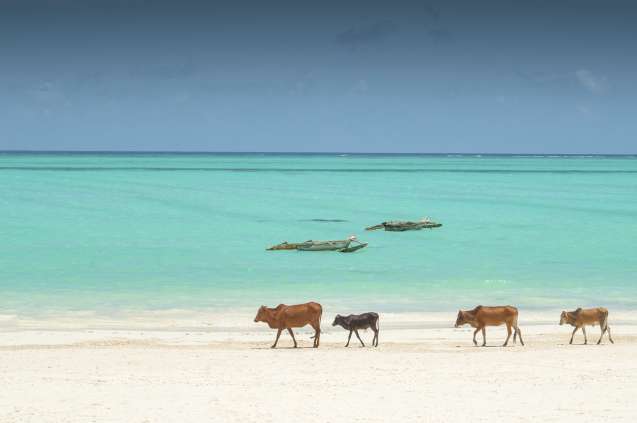
From the Serengeti, it’s easy to fly to Zanzibar, where you can unwind on powder-white beaches and explore the island’s rich Swahili culture, spice farms, and turquoise waters. The most idyllic bush and beach combo.
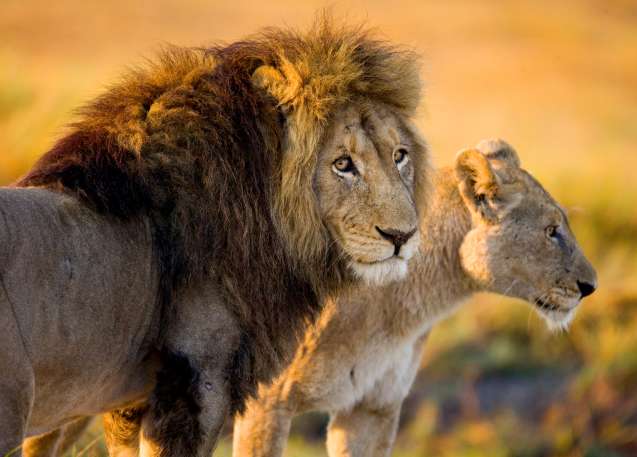
There is NO bad time to see the Serengeti. Every single season has its magic and often the quieter months give you a greater perspective of the vast plains and with less people the wildlife is ‘wilder’ somehow.
- Bronwyn, African Budget Safaris Senior Consultant
The Okavango Delta, on the other hand, pairs naturally with Chobe National Park, known for its massive elephant herds and scenic boat safaris.
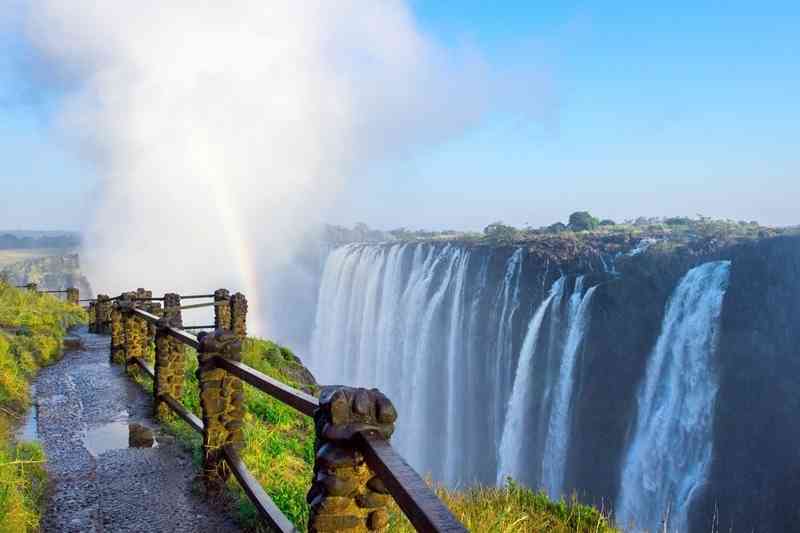
Just 70 km from the Okavango, Victoria Falls is a bucket-list destination for many travellers. One of the Seven Natural Wonders of the world, Victoria Falls straddles the border between Zimbabwe and Zambia, and, in addition to the incredible sight of the falls, offers numerous activities, including white-water rafting, bridge swings, waterfall hikes, swims in the Devil's Pool, and much more.
Victoria Falls is also a major travel hub that offers connections to Cape Town, Johannesburg, Nairobi, Windhoek, and beyond. This makes it easy to extend your safari with a trip to Cape Town, where you’ll find dramatic coastlines, Table Mountain views, vibrant food and wine culture, and a touch of urban sophistication.
Both the Serengeti and the Okavango present the opportunity to extend your classic safari into a diverse bush and beach exploration or a multi-country tour.
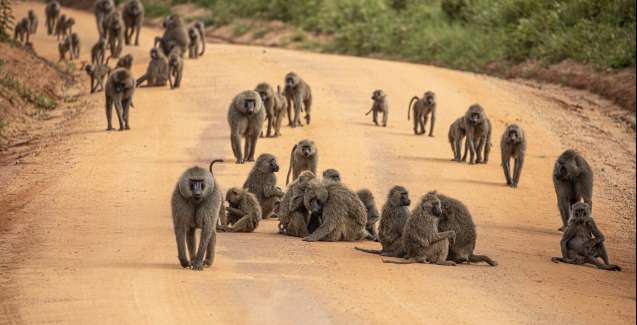
For families travelling with younger children, the Serengeti is often the more practical and affordable choice.
Located along Tanzania’s well-established northern safari circuit, it offers relatively easy access by road or short regional flights from Arusha. Though the distances are large, it is possible to tailor travel times and legs around kids' needs.
The northern safari circuit is well established and boasts a wide range of accommodation options. From budget-friendly lodges and family tents to luxury camps with child-friendly amenities, there is something to suit every price point. Many safari operators in Tanzania cater specifically to families, with customised game drives, flexible schedules, and private guides.
| Serengeti vs Okavango & Malaria-Free Safaris in Africa |
|---|
|
Both the Serengeti and the Okavango Delta lie within malaria zones, so taking proper precautions is essential. Travellers are strongly advised to take antimalarial medication and consult a travel doctor well in advance of travel. Additional protective measures include using insect repellent, wearing long-sleeved clothing in the early morning and evening, and sleeping under mosquito nets. Lodges that cater to families are especially well equipped with precautionary measures. For a malaria-free safari, especially with children under 5 years old, consider travelling to South Africa. Here are our Tips for a Malaria Free Safari in South Africa. |
In contrast, Botswana’s Okavango Delta is a more remote and exclusive destination, typically reached by light aircraft from Maun or Kasane. The remote location makes it less accessible for families with small children. The added cost of charter flights and lodge transfers can also become prohibitive, not to mention the long-haul flights from abroad. Many lodges in the Okavango Delta come with age limits of 6, 8, or even 12 years old. Lodges are unable to accept very young children due to safety concerns around open water, wildlife, and walking safaris. Older children or teenagers, on the other hand, can expect a truly remarkable safari experience that is both adventurous and action-packed.
The Serengeti is, generally speaking, better suited for families with younger kids thanks to its accessibility, affordability, and broader accommodation range, while the Okavango is ideal for older, adventurous families looking for something off the beaten path, provided they're comfortable with a higher price point and more remote setting.
In both the Serengeti and the Okavango Delta, solo travel is the exception and not the rule. The biggest deterrent is the additional costs incurred when travelling solo on a guided tour.
Both the Serengeti and the Okavango Delta are better suited to group travel. On organised tours and private small group safaris, costs are spread across the participants. Solo travellers are often charged single supplements, which can significantly increase the price of a safari by up to 50% in season.
In the Serengeti, costs like park fees, vehicle hire, and guide expenses add up quickly, making group tours a more budget-friendly and social option. The Okavango Delta is a wild and untamed place where solo travel is less common, partly because the remote, lodge-based experience is something many travellers prefer to share. That said, solo travel is not impossible. Many lodges will cater to solo travellers in the low and shoulder season, where it is sometimes possible to enjoy an entire camp with a private guide and a fully customised experience. However, linking with a small group tour in Maun, or joining an overland safari that includes the Delta, can be a smart way to cut costs.
For solo travellers who can take the extra costs, the Serengeti and Okavango are incredible destinations that are unbelievably rewarding. For those on a tighter budget, the best strategy is to join up with a group safari, or travel in the off-season, when you’re more likely to avoid single supplements that add significant cost.
I loved travelling to the Serengeti in late May into June, just after the long rains and before the hoardes of tourists arrive to catch the migration. Chances are you will catch a glimpse of the movement (of the migration) too at this time and have a far more ‘one on one’ time with this phenomenal force of nature. Likewise for the Okavango Delta, shoulder season late May into early June means water is rising nicely allowing for magical mokoro excursions without the high season pricing and more human footprints.
-Claire Monson, African Budget Safaris Senior Consultant
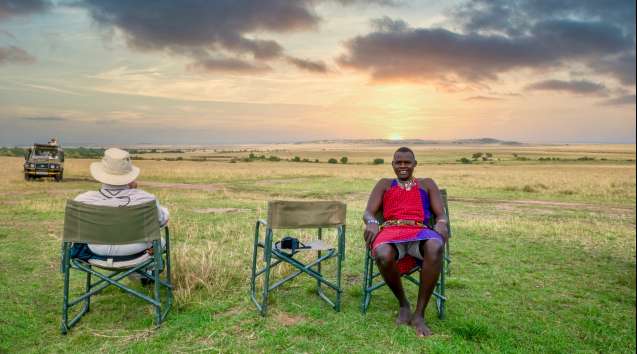
For mature travellers, both the Serengeti and the Okavango Delta offer rewarding safari experiences that can be tailored to individual needs and comfort levels.
The Serengeti is part of Tanzania’s northern safari circuit, where many tours involve long road journeys over rough terrain. While these overland safaris can be scenic and immersive, they may pose a challenge for those with mobility concerns or who prefer a more relaxed pace.
Fortunately, fly-in safaris to the Serengeti are available and significantly reduce travel time between camps and wildlife-rich areas. Many lodges in the region are well-equipped to assist older guests, offering comfortable accommodations, slower-paced itineraries, and private guides for a more personalised experience.
For a detailed guide, read our blog post Serengeti Safaris for Mature Travellers.
In contrast, the Okavango Delta is naturally geared toward fly-in safaris where travellers arrive by light aircraft directly at their lodge’s airstrip. This minimises road travel, allowing for a smoother and more accessible experience. While the Delta’s safari style is typically more exclusive and expensive, the benefit is a high level of comfort, intimate camps, and flexibility to customise activities around mobility and energy levels. Lodges often provide walk-in showers, easy terrain, and private guiding, especially if requested in advance.
Read more about tailoring your trip to the Okavango in our blog, Private Safaris in Botswana: Customisation Guide
When booking any safari, clear communication with your safari planner is essential to ensure that the pace, access, and amenities suit your safari needs. Whether you're seeking quiet game drives, a private vehicle, or minimal transfers, with the right setup, the Serengeti and the Okavango are as rewarding for senior travellers as they are for anyone else.
For more African safari advice for senior and mature travellers, read our Budget Safari Advice Guide for Senior Travellers.
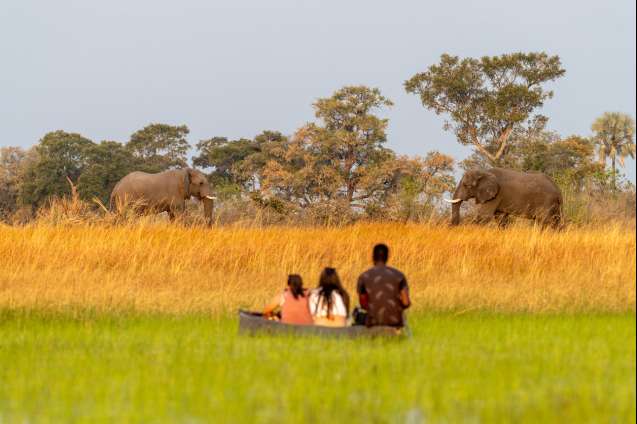
For younger travellers, whether solo backpackers, students, or adventurous couples, both the Serengeti and the Okavango Delta can be exciting options.
In Tanzania, the Serengeti is ideal for budget-conscious explorers, especially those joining longer overland safaris through East Africa.
While combining the Serengeti is part of the Northern Safari Circuit, which includes the Ngorongoro Crater, Lake Manyara, Tarangire, and can include Kilimanjaro and Zanzibar too, Tanzania also combines easily with other East African destinations.
Kenya, Uganda, and Rwanda are nearby. Bucket list items in these destinations include the Masai Mara, Amboseli, Tsavo, and Samburu, Bwindi Impenetrable Forest and Volcanoes National Park, Akagera, Queen Elizabeth National Park, and Murchison Falls. Standout activities include gorilla and chimpanzee trekking, tree-climbing lions, the Rwenzori Mountains, unique food and culture in Uganda, and getting up close with giraffes and baby ellies in Nairobi.
While flights can add to the cost of a safari, longer overland tours with larger groups take in all the hits while saving on day-to-day costs.
__medium.jpg)
The Okavango Delta appeals to travellers looking for something more remote and raw.
Centrally located between Namibia, Zambia, and Zimbabwe, nearby attractions include Chobe, Victoria Falls, Caprivi Strip, Makgadigadi Pans, the Central Kalahari, and Hwange.
While Botswana can be an expensive private safari destination, longer overland tours that travel north or south between Vic Falls and Cape Town can be an affordable way to see the best that southern Africa has to offer.
For young travellers, the excitement and social aspect, not to mention the excellent price point, make longer overland safaris an excellent choice.
Southern Africa offers more diversity of cultures, landscapes, wildlife, and highlights that include the Okavango, Kruger, Cape Town, whale watching, Big 5 safaris, forests, deserts, and incredible adventure hubs like Victoria Falls.
East Africa offers the quintessential safari experience in Tanzania and Kenya. In addition to the Serengeti, East Africa offers gorilla trekking, the white sand beaches of Zanzibar and Mombasa, as well as fashionable and exciting Nairobi.
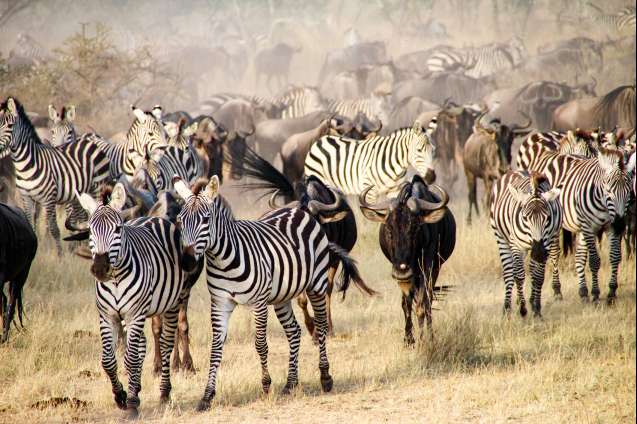
Both the Serengeti and the Okavango Delta offer exceptional Big 5 safaris. The landscapes are starkly different and offer hugely different experiences.
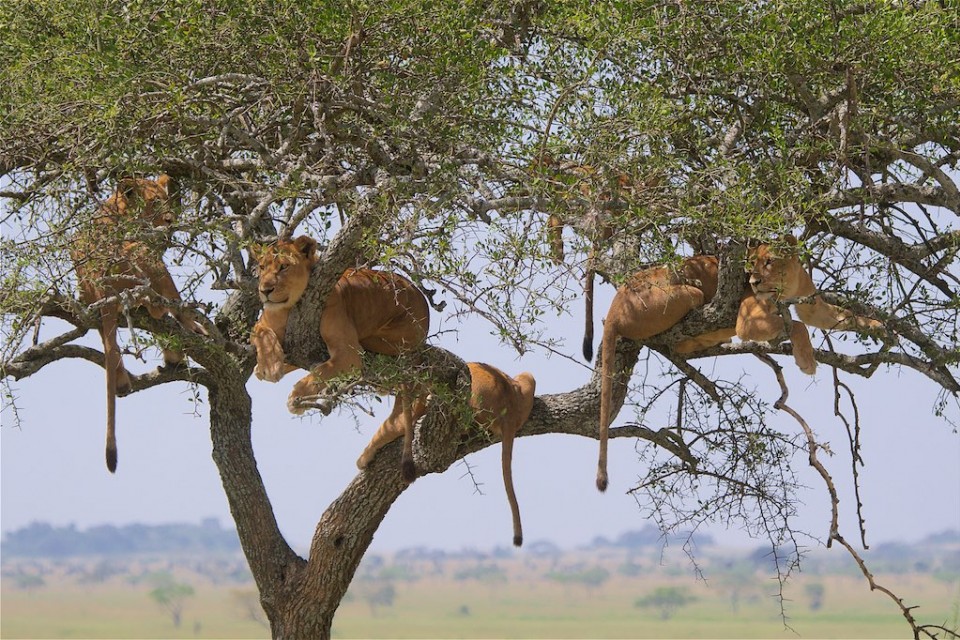
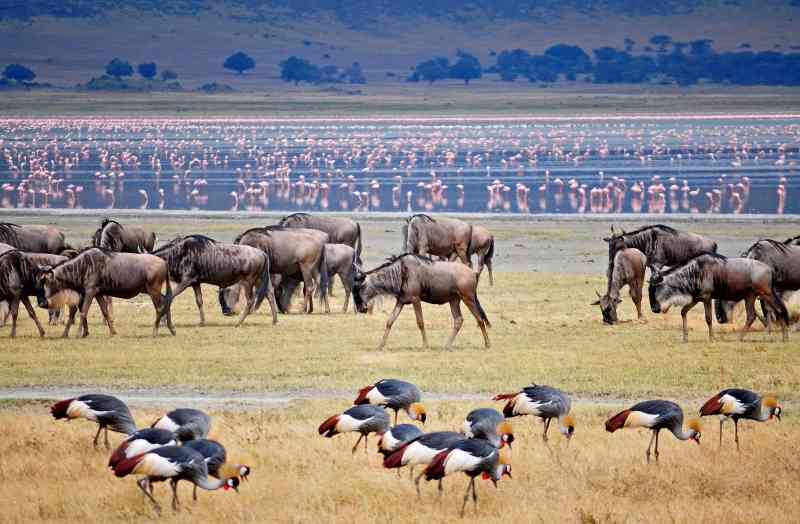
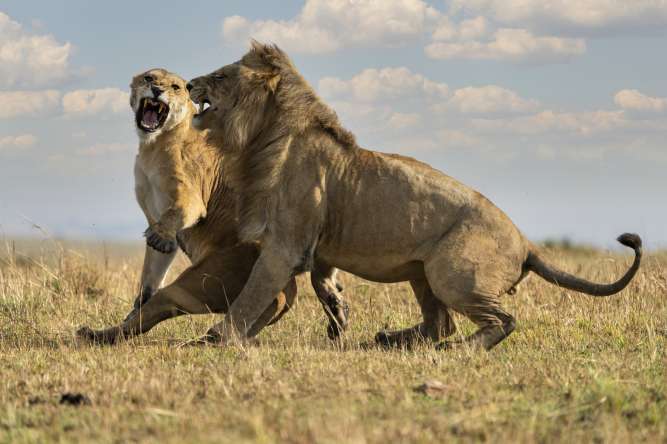
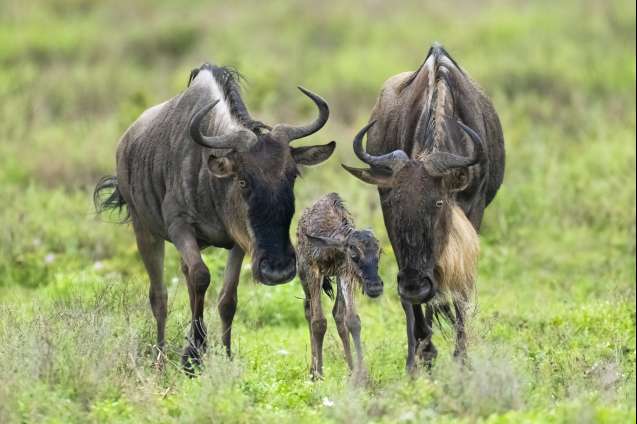
The Serengeti is best known for the Great Migration, one of the world’s most iconic wildlife spectacles. Over 1.5 million wildebeest, along with zebras and gazelles, move in a circular route through the ecosystem, followed closely by predators like lions, hyenas, and cheetahs.
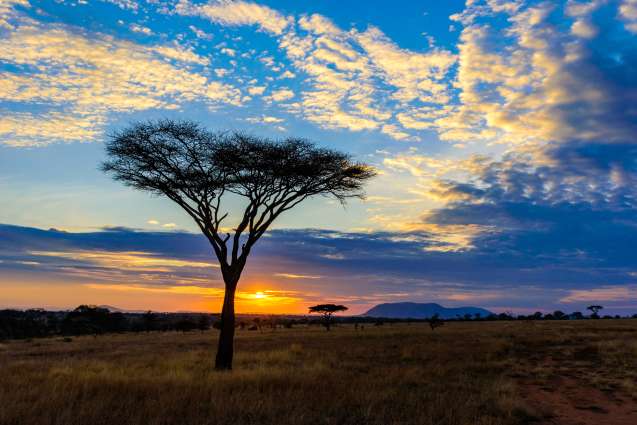
The vast plains of the Serengeti, punctuated by ancient volcanic kopjes, provide a dramatic and photogenic setting for wildlife encounters. The expansive landscapes and iconic African skies, especially the exaggerated sunrises and sunsets, create unforgettable backdrops. It’s a classic destination for safari game drives, offering exceptional opportunities to witness large wildlife in open, cinematic spaces.
- Daniel De Lapelin Dumont, African Budget Safaris senior travel consutant
From June to October is the best time to see the migration in the Seronera region and the Mara River crossings. However, wildlife is abundant year-round, and the calving season from January to March in the southern plains is also a popular event to witness, offering fantastic predator sightings and fewer crowds.
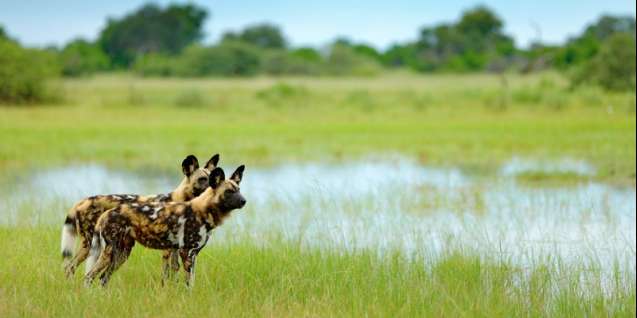
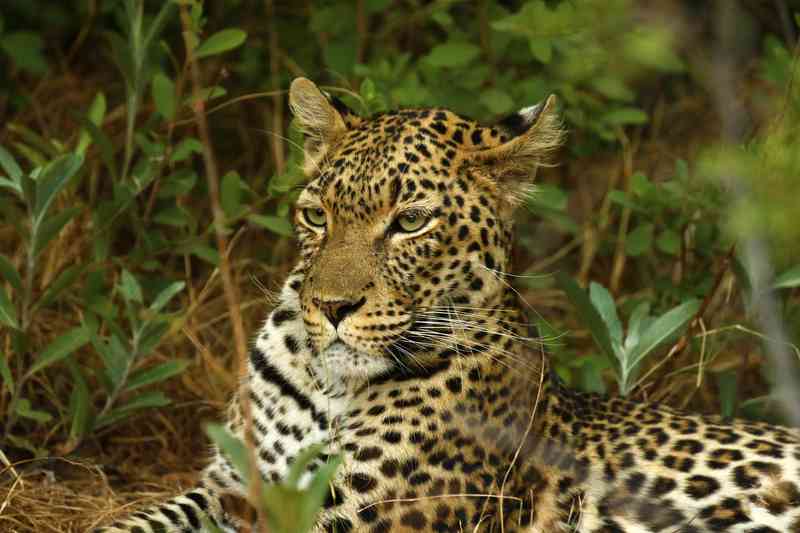
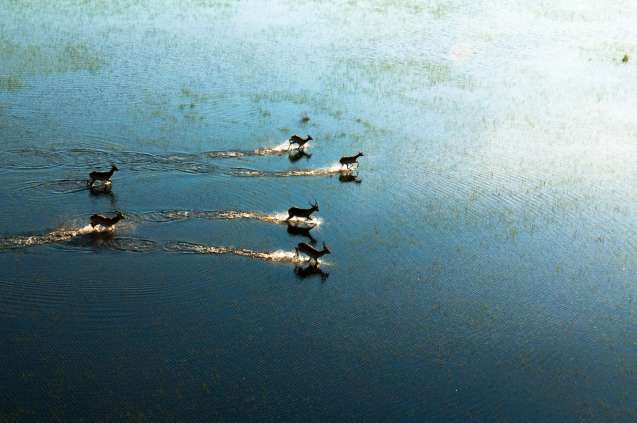
The Okavango Delta, a UNESCO World Heritage Site, is a paradise for birders and big game lovers alike. In addition to the Big Five, it’s one of the best places in Africa to spot rare species like African wild dogs, sitatunga, red lechwe, and leopards.
The best time to visit the Delta is during the flood season from May to October. At this time, the Delta is lush and teeming with wildlife drawn to the seasonal waters. Game viewing is excellent during this dry season, with mokoro safaris, boat excursions, and walking safaris offering varied ways to experience the wilderness.
__medium.jpg)
For photographers, whether casual or professional, both the Serengeti and the Okavango Delta offer different, but stunning, visual rewards.
The Serengeti is defined by its wide-open plains, dotted with flat-topped acacia trees and rocky granite outcrops known as kopjes. The scale of the Serengeti and the immensity of the landscape create epic backdrops to wildlife photography. Light can be harsh during the day, and it is best to plan your photographic excursions for the golden hours in the early morning and evening. Because of the Great Migration, predator action is a big draw card with lions, hyenas, cheetahs, and leopards all present. While the Great Migration river crossing is much sought after, many safari goers forget to put the camera down and just enjoy the spectacle, thus missing out on the magic.
When you are in the papyrus and lily lined channels of the delta, the silence of the waterways will recharge you as nothing else in the world. The chatter of the polers seems to enhance this silence. Don’t go to the Delta with the idea of seeing masses of wildlife, the secret of the delta is the channels and the experience. The experience is unbeatable.
- Bronwyn, African Budget Safaris Senior Consultant
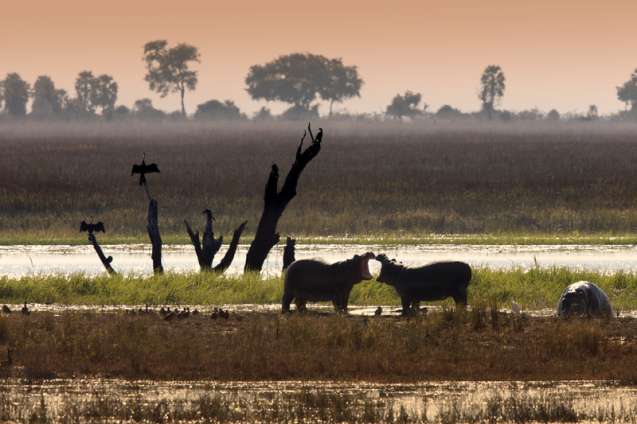
In contrast, the Okavango Delta is a mosaic of water channels, lagoons, islands, and palm-studded floodplains, creating a very different kind of visual experience. The interplay of reflections on still water, misty mornings, and dense vegetation produces moody, atmospheric compositions that feel almost painterly. The lighting in the Delta is softer and more diffused, and the bird life is exceptional. Mokoro rides during early morning mokoro rides or boat safaris at sunset provide a great opportunity for some unique water-based shots, hippos, elephants, lechwe, and an assortment of water birds.
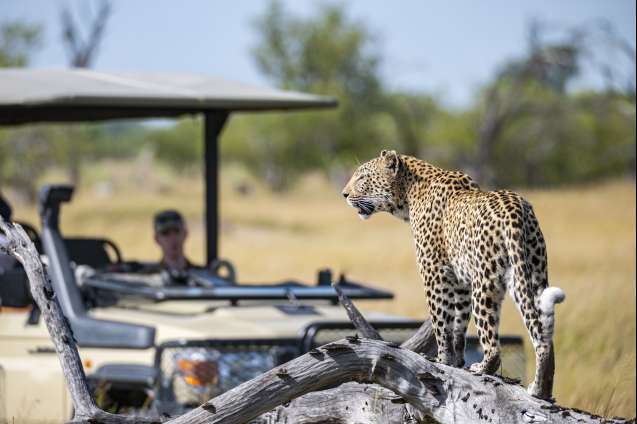
If you want dramatic wildlife spectacles, more affordable options, and cultural depth, consider visiting the Serengeti National Park.
If you’re after a serene, water-based safari with fewer crowds, luxurious lodges, and pristine nature, the Okavango Delta is a remarkable safari destination.
Still not sure? Contact an African Budget Safaris consultant today and get some expert advice based on your travel dates, budget, and safari bucket list.
Explore these destinations mentioned in this post.
Below you'll find further reading and articles related or similar to this post.



Call us toll free from US/Canada on 1-888-414-6513, or from the UK on 0-808-189-1052. All other countries can contact us on +27 21 791 0878.
© 2026 African Budget Safaris | Privacy | Terms | Cookie Policy | Consent Preferences


_(1)__thumb.jpg)

__large__thumb.jpg)