The Best Time to Visit Serengeti: Month-by-Month Weather & Wildlife Guide
Published on 22 September 2025, Last updated on 22 September 2025.
By Sue Maude in Places in Africa.
Dreaming of a safari in Tanzania's Serengeti? The Serengeti is truly in a league of its own! This national park’s vast plains, large herds, and roaming big cats are what make the Serengeti one of the best safari destinations in Africa. Few, if any, places can compete with the excitement of watching thousands of wildebeest thunder across the Mara River past hungry predators in the great migration, one of nature's most spectacular events.
But when is the best time to visit the Serengeti? While Serengeti delivers year-round magic, the time of year you go will impact your experience, budget, and what you’ll see on safari. We have created a Serengeti month-by-month guide to help you pick the best month for your trip to Tanzania. From the seasons, weather, wildlife, prices, and crowds, we have you covered.
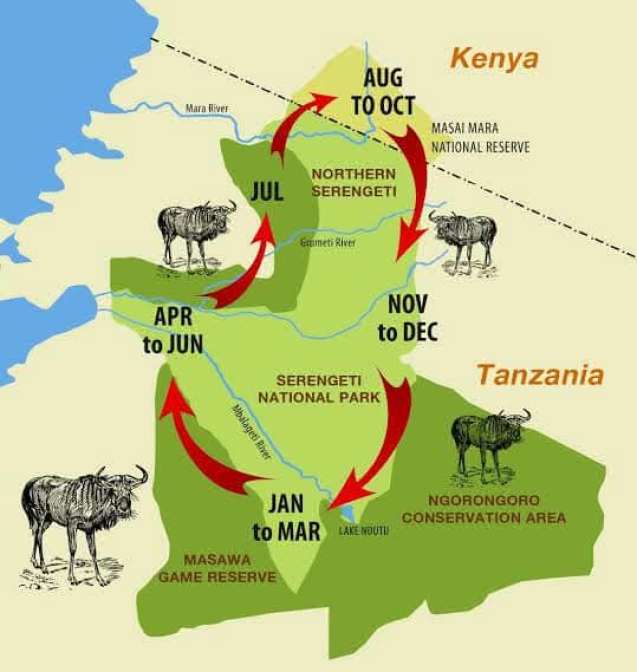
The great migration herds are moving south in January. By February, the herds slow down as they reach the southern Serengeti and the Ndtu Region, and mothers give birth. The herds remain here as the youngsters gain their strength.
By March, they are on the move again, heading north and west to the wide grass plains of the Central Serengeti.
Long Rains (April–May)
Lush green scenery, fewer visitors, lower prices; herds moving north; excellent photography; heavy rains at times.
The great migration herds are moving into the western region of central Serengeti from about April to June. They move slowly while the calves are still young.
By May, the herbivores are speeding up as the young grow stronger. The herds eventually scatter over the vast plains, feasting on lush, fresh grass.
Dry Season & Migration North (June–October)
Cool, dry, clear skies; Grumeti & Mara River crossings; peak predator sightings; high crowds, especially Jul–Sep.
In late June and July, the migration moves into the northwestern Serengeti.
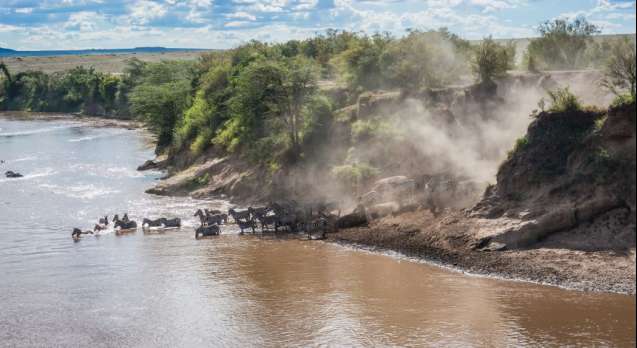
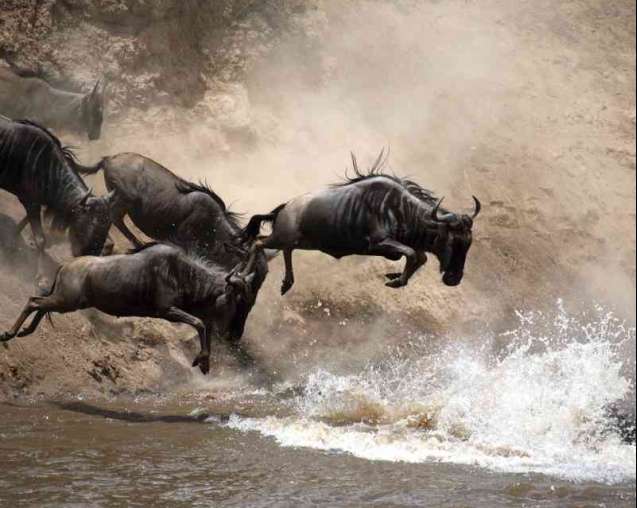
In August, the migration herds begin to move northwards into the northern Serengeti. This is when you may see the dramatic river crossings where the herds plunge into the crocodile-infested Mara River as they cross into Kenya.
This is the time to explore the many other habitats in the Serengeti, spotting the resident wildlife beyond the great herds of herbivores involved in the migration.
Short Rains & Return South (November–December)
Green landscapes, good birding; herds moving south; calving begins late Dec; moderate crowds, busier over holidays.
By November, the herds are returning to the northern Serengeti from the Masai Mara in Kenya.
They usually linger in the north-eastern Serengeti and migrate further south in December.
The timing of the migration does shift from year to year, so check when you are planning your safari. Talk to a safari expert for up-to-date advice.
What is the Great Migration in the Serengeti?
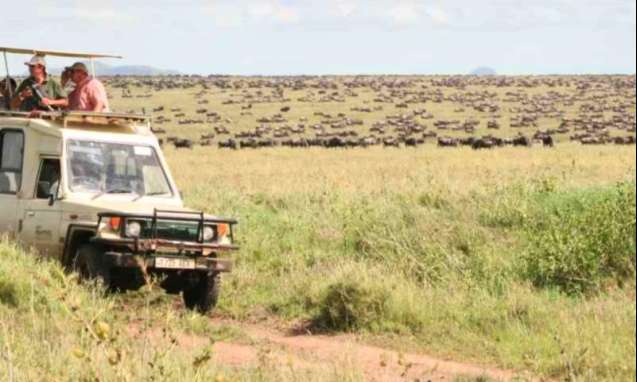
The Wildebeest Great Migration is a massive annual wildlife trek in East Africa. Every year, almost 2 million grazers migrate across the open plains with predators in tow. The migration moves through the Serengeti National Park in Tanzania, over into the Masai Mara in Kenya, and back. 1,5 million wildebeest create the bulk of this 800-kilometer-long wildlife migration. They are joined by 200,000 zebras and thousands of gazelles and other antelopes, attracting all kinds of hungry predators in their wake.
Great Migration seasons in the Serengeti explained
Best Time to Visit by Travel Style
Solo Travellers: Choose November to March for a quieter and more affordable single supplement cost.
Couples & Honeymoons: Honeymoons are best from late July to August when the drama of the migration is at its peak. Expect to pay top dollar at this time of year, or visit off-season for fewer crowds and better honeymoon package deals.
Families: Travelling from June to September may be more expensive for family travel, but the guaranteed dry conditions and uncomplicated overland logistics will make the whole trip easier for everyone.
Mature Travellers: Choose January, February, June, or November for milder weather, fewer crowds, and off-season discounts.
Budget Travellers: The best time for budget travellers is from March to May or from November to December. Limited camp options and daily showers are a small price to pay for some great discounts.
Wildebeest herds migrating across the Mara River in peak season
January - Calving Season Begins in the Southern Serengeti
Weather: Warm, mostly dry, with occasional short showers.
Wildlife: Calving season begins in the southern Serengeti; large herds of wildebeest, zebra, and gazelle; predators like lions and cheetahs are active due to abundant prey.
Crowds: Moderate; fewer visitors than mid-year peak but busier around the southern calving areas.
Travel Tips: Animal movement is less predictable; bring insect repellent. It's a great time for baby animal photography.
February - Peak Calving & Predator Action
Weather: Warm and dry with clear skies.
Wildlife: Peak wildebeest calving season in the Ndutu area; high predator action; good sightings of cheetahs, lions, and hyenas.
Crowds: Moderate to high in southern Serengeti and Ndutu due to calving season popularity.
Travel Tips: Best month for calving season safaris; expect predator kills; sensitive travellers should be prepared for harsh predator-prey scenes.
March - Transition to the Long Rains
Weather: Warm, with increasing humidity and the start of the long rains toward the end of the month.
Wildlife: Herds still in the south but starting to move west; predators remain active; excellent birdlife with many species in breeding plumage.
Crowds: Low; quieter period before the long rains intensify.
Travel Tips: One of the wettest months; bring waterproof gear; good for avoiding crowds and finding safari specials.
April - Wettest Month & Lush Landscapes
Weather: Wettest month of the year; heavy, long rains and lush green landscapes.
Wildlife: Fewer visitors; wildebeest herds spread out in central and western Serengeti; good for photography of dramatic skies and vibrant scenery.
Crowds: Very low; one of the quietest months in the Serengeti.
Travel Tip: Many mobile camps close; great for discounted safaris; excellent photography with dramatic skies. This may not be the best time for first-timers, but for experienced travellers seeking solitude and value, it’s ideal, especially for seniors.
Travel Tip: Bring a good rain jacket and waterproof bags for cameras and gear. Expect delays on muddy roads and keep your travel plans flexible.
May - Herds Move Through the Western Corridor
Weather: Long rains continue, but with occasional dry spells.
Wildlife: Wildebeest begin migration northwards through the Western Corridor; crocodiles gather at the Grumeti River in anticipation of crossings.
Crowds: Low; good for travellers seeking solitude and lower prices.
Travel Tips: Off-peak prices; birdwatching is excellent; roads can be challenging.
June - Dry Season Starts & Grumeti Crossings
Weather: Dry season begins; cooler temperatures, clear skies.
Wildlife: Herds mass in the Western Corridor; first river crossings at Grumeti; predators concentrated along migration routes.
Crowds: Increasing; start of the high season, but still quieter than July–August.
Travel Tips: One of the best months for game viewing and good weather; still less crowded than July/August.
Wildebeest river crossing in the Serengeti during migration
July - Peak Migration & Mara River Crossings
Weather: Cool mornings and evenings; dry and sunny.
Wildlife: Northern migration in full swing; dramatic Mara River crossings in northern Serengeti; high predator activity.
Crowds: High; peak season in the north with many safari vehicles at crossing points.
Travel Tips: Book well in advance to avoid disappointment. Migration river crossing sites can be crowded with vehicles. Book safari accommodation in the northern Serengeti for close access to Mara River crossings. Mornings and evenings are crisp, so layer up for early drives. It’s a good idea to book in advance
August - Prime Migration & Predator Sightings
Weather: Dry, sunny, and cool in the mornings.
Wildlife: Mara River crossings peak; large predator concentrations; elephants and buffalo seen in large numbers in the north.
Crowds: Very high; peak migration viewing season in northern Serengeti.
Travel Tips: One of the best months for dramatic migration scenes; limited availability at top lodges.
September - Big Cats & Migration in the North
Weather: Warm and dry with minimal rainfall.
Wildlife: Herds remain in northern Serengeti and Masai Mara; excellent big cat sightings; good for resident game across the park.
Crowds: High in the north; moderate in central Serengeti.
Travel Tips: Better migration viewing is often across the border in Kenya at this time.
October - Southward Migration & Resident Wildlife
Weather: Dry season ending; occasional showers start late in the month.
Wildlife: Herds begin southward migration; predators follow; good sightings in central Serengeti of both migrants and resident species.
Crowds: Moderate; fewer vehicles than peak season, but still busy in migration areas.
Travel Tips: Less chance to observe the great migration, but rest assured, the Serengeti is still rewarding with plentiful resident wildlife, good for spotting predators and scenery.
November - Short Rains & Herds Moving South
Weather: Short rains bring fresh green grass.
Wildlife: Migration moves into eastern and southern Serengeti; excellent for birding with migratory species arriving; predators are active.
Crowds: Low to moderate; fewer visitors due to rainy conditions, but still popular with photographers and birders.
Travel Tips: Good for avoiding crowds and securing low-season deals; occasional afternoon showers are unlikely to disrupt game drives.
December - Green Season & Calving Begins
Weather: Warm with scattered short showers.
Wildlife: Herds settle in southern Serengeti; beginning of calving season; predator activity increases as prey numbers rise.
Crowds: Moderate; busier over Christmas/New Year holidays.
Travel Tips: Good time for both migration sightings and festive season safaris; book early for holiday dates.
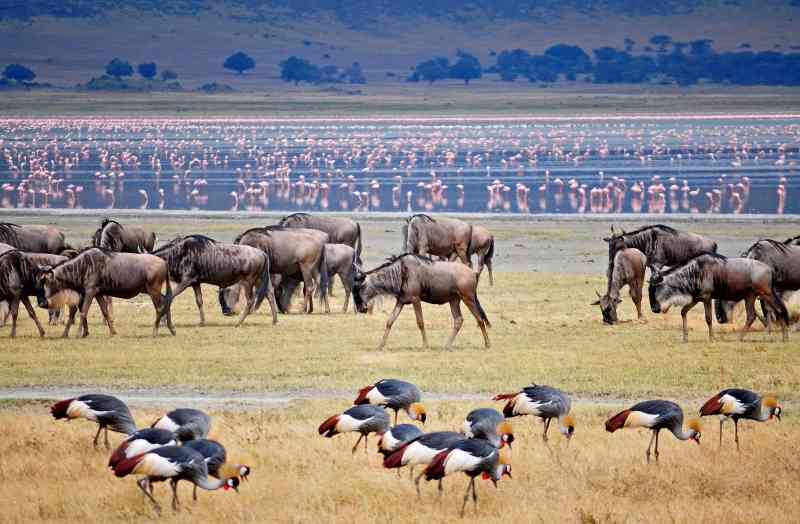
Serengeti migration of wildebeest and zebra
Quick Snapshot: Best Time to Visit Serengeti by Travel Priority
When is the best time to visit the Serengeti for the Great Migration?
From late June to August is the best time to witness the Great Migration in the Serengeti National Park.
The great migration peaks from late June to August, making it arguably the best time to visit the Serengeti.
Sightings are dependent on the movement of the animals each year, and on where exactly in the park you are located - the Serengeti National Park is a huge game reserve, covering about 14,763 km² (5,758 mi²), and the great migration moves from one region to another. You need to plan according to the movement of the herds (at the time) to make the most of your safari.
Advantages of a Great Migration Safari in Serengeti
Seeing the wildebeest migration (aka the great migration) in action. Watching countless wildebeests, gazelles, and zebras stampeding across the open plains.
Dubbed the greatest wildlife spectacle on earth, this is a must-see on a Tanzania safari, a once-in-a-lifetime natural phenomenon.
Catching the predator action as lions, leopards, hyenas, and other predators leap at the easy prey. Seeing massive herds of herbivores plunging into rivers and getting snapped up by huge crocodiles.
Disadvantages of a Great Migration Safari in Serengeti
The great migration is a bucket-list African safari experience, so it is very popular. The peak of the wildebeest migration is thus also peak safari season. It can get crowded.
You'll come across more vehicles on your game drives and at wildlife sightings.
Safari and flight prices go up in the high season.
You need to book in advance. The lodges and camps are often fully booked as far as a year in advance, so you need to plan ahead and book early.
Best Time to See Baby Animals in Serengeti
January to March brings the calving season, with young wildebeest, zebras, antelopes, and predators taking advantage of vulnerable prey. Many experienced safari-goers consider the calving season the best time of year for a Serengeti safari. Given the intensified wildlife action, baby animals, and lush scenery, it's hardly surprising.
From January to March is birthing time, or calving season, in the Serengeti National Park. This is the ideal time for Serengeti safaris to see young wildebeest, zebras, and antelopes.
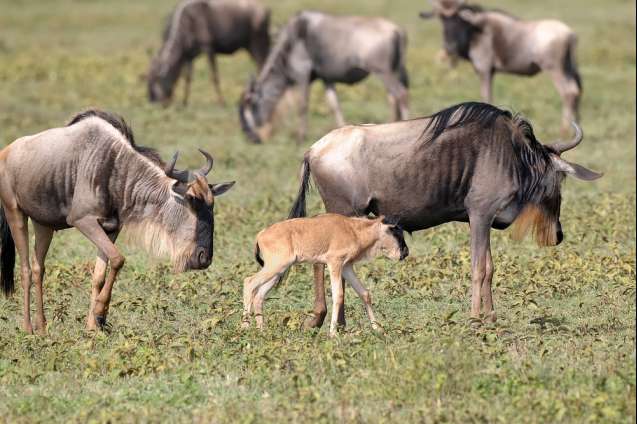
By February, the birthing season is usually in full swing. Expect to see newly born calves and even calves being born.
It's not just the wildebeest and antelope giving birth at this time of year. You'll also see lion and cheetah cubs, elephant calves, and various other baby animals.
The chances of witnessing a predator kill are also high, as the big cats take advantage of vulnerable young. You might witness a narrow escape from death, or catch sight of a predator claiming its young prey in the harsh cycle of nature.
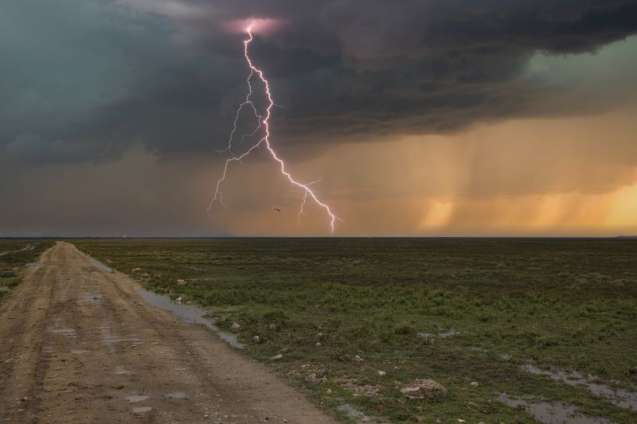
Thunderstorms during the Serengeti rainy season bring rain and greener landscapes
Best Time to Avoid the Crowds in the Serengeti
The best time for a Serengeti safari without the crowds is in the rainy seasons, from late March to April or May, and from November to December. These months offer quieter parks, lower prices, and dramatic skies, which are ideal for photographers.
There may be little to no rainfall during your Tanzania safari, even in the rainy season! The weather is unpredictable, so there can be dry spells at any time of year. Even in the wet months, rainfall is often limited to scattered afternoon showers that won't ruin your game viewing. What's more, you get to witness dramatic stormy cloudscapes, which make for fantastic photographs!
Shoulder Seasons: You'll still catch the great migration in action, but escape the crowds of peak season if you travel in late June to early September.
Best Time for Affordable Serengeti Safaris
The best times to save money on Serengeti safaris are in the low seasons, from March to May and November to December.
In off-peak months, there are usually discounted safaris and lower accommodation prices on offer. Safari lodges and camps often run fantastic safari specials during the low season that can save you a lot of money. Or you may be able to stay at camps that would otherwise be unaffordable on your travel budget.
Safari specials and deals are often also available during the shoulder seasons - just before and after peak safari season (June to September) in Serengeti National Park.
The best time to visit Serengeti for good weather is in the dry season, from June to October. These months offer warm, sunny days and cool mornings. Avoid March–May for the heaviest rains. It may affect the road conditions, determine which lodges and mobile camps are open, and possibly the comfort of your game drives.
The dry season in Serengeti is also winter. Winter daytime temperatures are usually warm and pleasant.
If you don't tolerate heat or humidity well, avoid the hottest, wettest months (Nov/Dec and March to April).
In winter, the temperatures drop in the early mornings and at night, so pack accordingly for your safari.
There are two rainy seasons in Tanzania. The 'Long Rains' from March to May and the 'Short Rains' in November and December.
The short rains are not as heavy as the long rains. Often, there will just be short afternoon showers that won't ruin your game drives. So, this may be an excellent time to visit the Serengeti to avoid the crowds.
To avoid the wettest time of year in Serengeti, visit outside of the long rains from March to May.
*Important Weather Note: The climate is becoming increasingly unpredictable across the planet, including Africa. Weather patterns have become less predictable with unexpected rains and droughts in all seasons. Check with an experienced safari-goer or expert before you book to get your timing right. But, as always, take a flexible attitude with you on safari in Africa, and you'll have a great adventure no matter what the weather does.
Best Time to Visit the Serengeti for Birdwatching
The best time to visit the Serengeti for bird watching is from November to May, when migratory species swell the Serengeti’s bird count to over 500 recorded species. However, the Serengeti ecosystem offers excellent birding year-round
In November, many of the migratory bird species fly in, and the bird populations swell. The scenery is also very lush and beautiful at this time of year.
Keep in mind that April and May are the wettest months of the year in Serengeti National Park.
Remember, every season has its advantages and disadvantages, so the best time of year for a Serengeti safari depends on what's most important to you.
“To witness that calm rhythm of life revives our worn souls and recaptures a feeling of belonging to the natural world. No one can return from the Serengeti unchanged, for tawny lions will forever prowl our memory and great herds throng our imagination.” - George Schaller (American author and biologist)
Newborn wildebeest calf in the Ndutu region of theSerengeti
Planning Your Visit to the Serengeti
Whether you want the drama of the migration or the calm of the green season, Serengeti offers something unique every month. Speak to our safari experts to match your travel style with the perfect timing.
There is really no single “best” time to visit the Serengeti; it offers something unique every month.
Need help choosing the best month for your travel style or group?
A Serengeti safari on a budget is doable with the right planning. This is where a safari expert comes in. At African Budget Safaris, a passion for Africa lies at the heart of everything we do. Our Cape Town-based team of travel consultants lives and breathes the African wilderness. Each consultant brings a wealth of firsthand experience, regularly venturing into the bush to better understand the landscapes, lodges, and logistics of every itinerary we recommend. They will help craft the perfect Serengeti safari to suit your needs.
Sample Serengeti Safari Itineraries
These are some sample itineraries. Combine Serengeti with other destinations on the Tanzania Northern Safari Circuit to bring down costs:
Sue is a proud African with a love for the bush. Sue likes nothing better than a road trip and won’t stop until she's driven every road in South Africa! She spent her 20s working abroad backpacking the world and has had the travel bug ever since. As long as it's an adventure, she is equally happy to explore the city lights, follow the footsteps of history, try unique activities, or go deep into nature to enjoy silent spaces, earthy smells and fascinating fauna & flora. When she is not on the road, Sue lives close to the beach in Cape Town.
Related Destinations
Explore these destinations mentioned in this post.