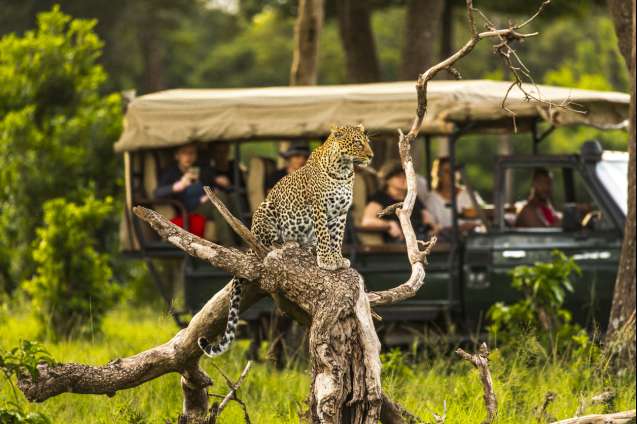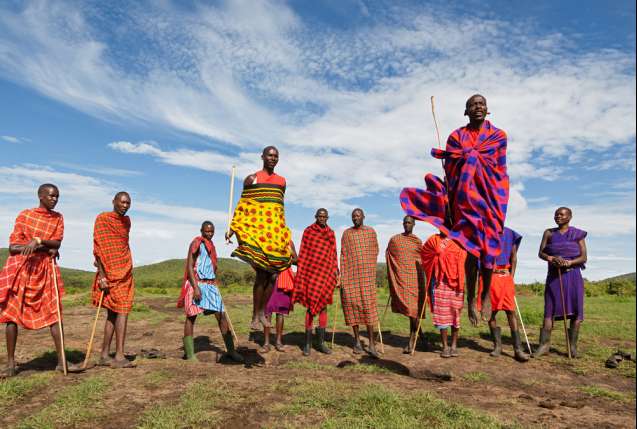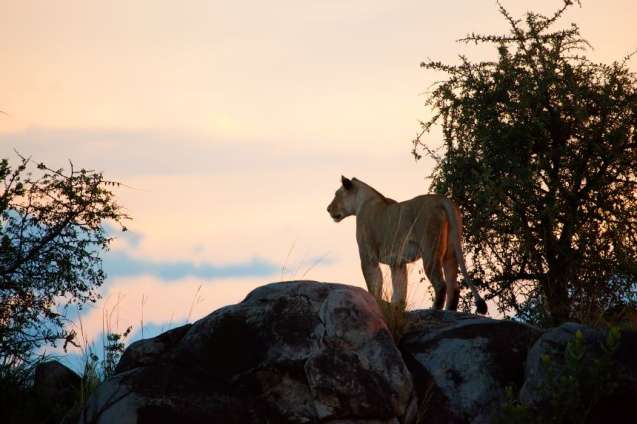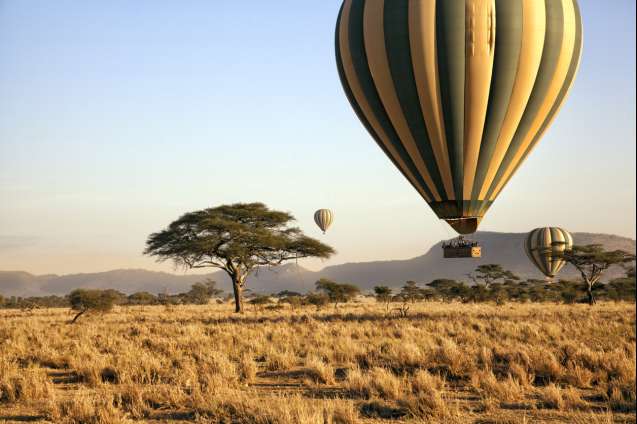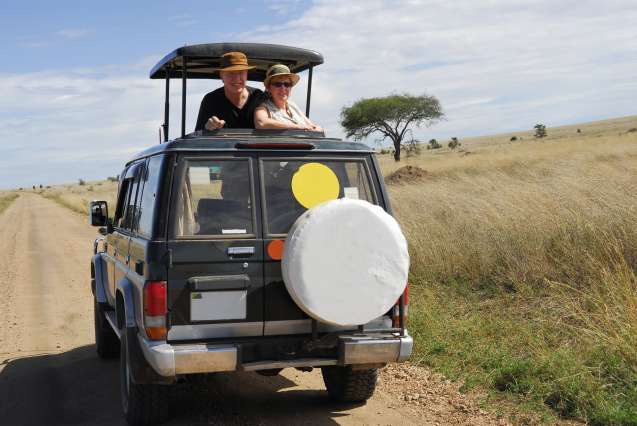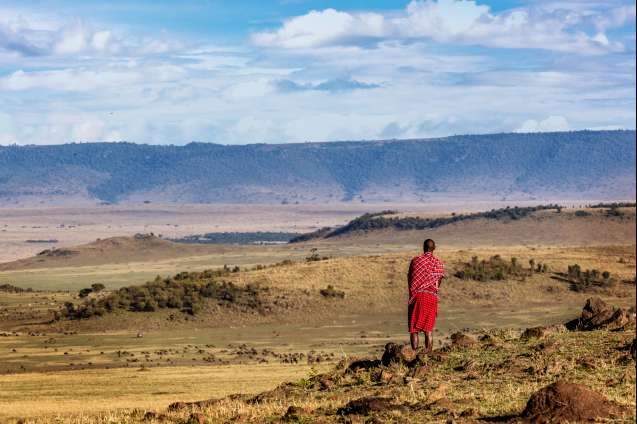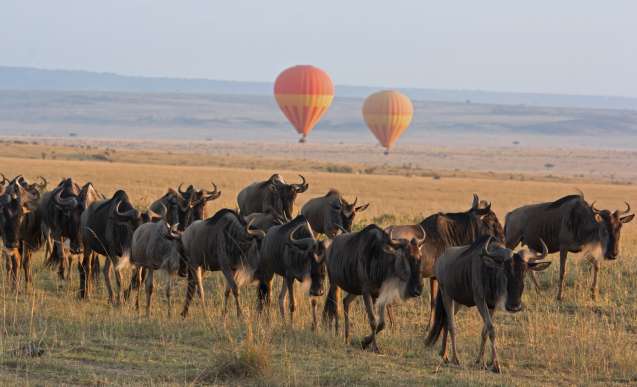
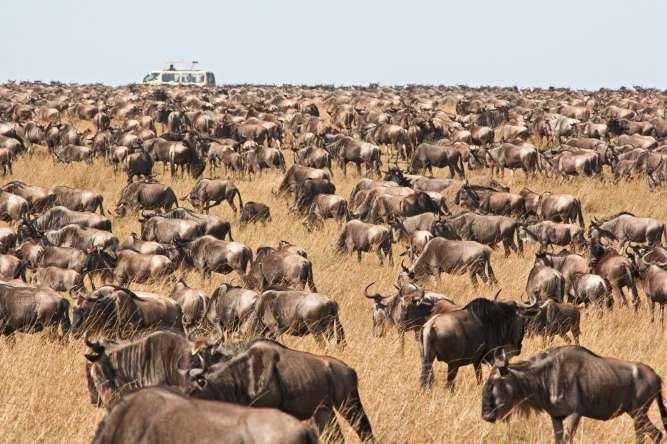
The wildebeest migration between the Serengeti and Masai Mara is Africa’s most in-demand safari experience. Each year, over 1.5 million animals follow seasonal migration routes across the Serengeti–Mara ecosystem in Tanzania and Kenya, creating distinct wildlife highlights throughout the year.
February is the critical booking month. This is when the best-located migration camps near active routes and river crossings still have availability, before prices rise and choice narrows. From March onwards, options disappear quickly, especially for budget and mid-range travellers.
Is it important to book early for a migration safari?
Yes its super important now for the migration to start the booking process for clients, as in a month its going to be difficult to get accommodation booked at clients first choice options, and the month thereafter it probably will be the clients 3rd or 4th choice options only.
Terry, founder African Budget Safaris
This guide compares the Masai Mara vs Serengeti great migration. We cover park size, access, costs, pros and cons, realistic budget options, and the mistakes travellers most often make.
The goal is simple: help you choose the right destination and book early before availability disappears.
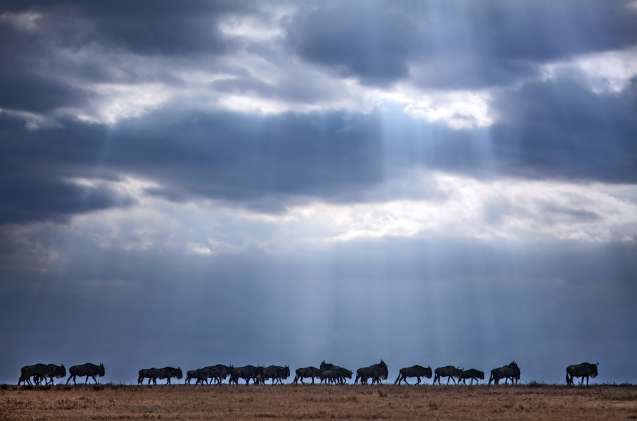
What is the great migration, and when is the best time to see it?
The great migration is a year-round movement of over 1.5 million wildebeest, joined by zebra and gazelle, across the Serengeti–Masai Mara ecosystem in Tanzania and Kenya. The herds follow seasonal rainfall and fresh grazing, creating different wildlife highlights throughout the year. River crossings usually occur between July and October, but the migration can be seen in different regions from January to December, depending on conditions.
The map below shows the seasonal wildebeest migration route between the Serengeti–Mara ecosystem in Tanzania and Kenya.

This route map highlights:
Understanding this annual movement is essential for choosing the right destination, travel dates, and camp location — especially for budget and mid-range travellers.
For a full month-by-month breakdown, see our complete wildebeest migration planning guide.
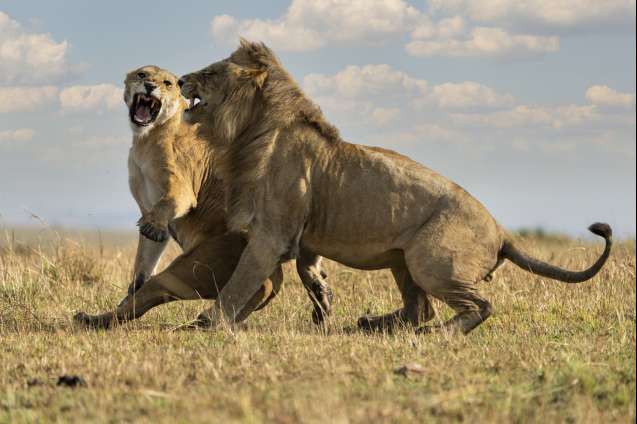
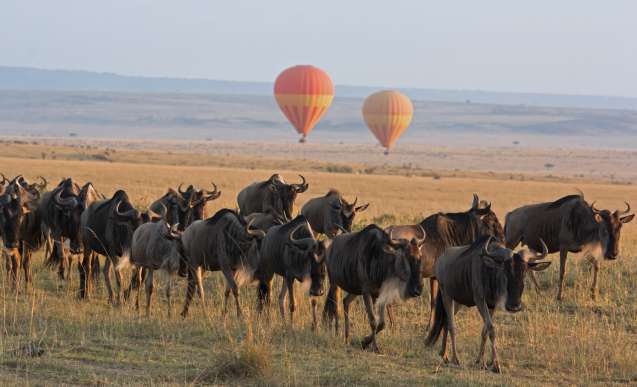
Comparatively small, the Masai Mara delivers the most concentrated great migration experience. Between July and October, large herds gather along the Mara River, increasing the likelihood of dramatic river crossings and intense predator action. Because the reserve is relatively compact, sightings are closer together, and game drives are more efficient. The wildlife in the Masai Mara is habituated to game vehicles, which increases the likelihood of experiencing high-intensity predator action like hyena and lion kills.
Accessible from Nairobi, the Masai Mara is especially appealing to first-time safari travellers and those with limited time who want maximum impact in a shorter stay. The Masai Mara also pairs brilliantly with the Swahili Coast for a classical Kenya Bush & Beach Safari.
The Masai Mara is one of Africa’s easiest migration destinations to reach. Most travellers fly into Nairobi, then continue by light aircraft (45–60 minutes) or road transfer (5–6 hours). The straightforward logistics allow shorter itineraries to work well and help keep overall costs under control, making the Masai Mara an excellent choice for first-time safaris.

Pros
Cons
Want the best for the great migration in the Masai Mara? Talk to a Masai Mara safari expert and start planning your safari today.
_(1)__medium.jpg)
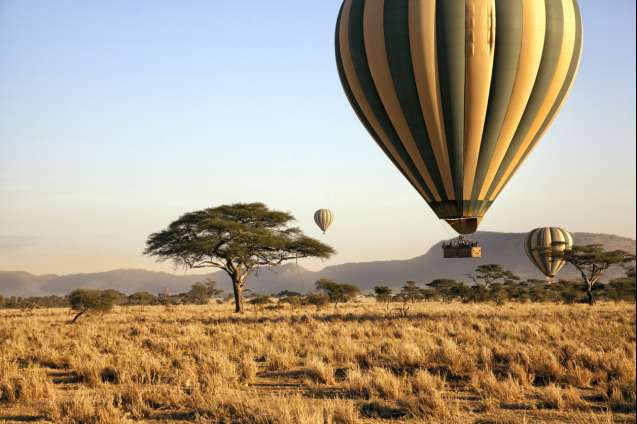
The Serengeti is defined by rolling grasslands, flat-topped acacias, huge horizons, and incredible wildlife. Its vast size allows the migration to be experienced across multiple regions throughout the year, from calving season in the southern plains to river crossings in the north.
Because of the Serengeti’s vast size, it is possible to have a quieter migration safari with fewer vehicles at sightings and a classic wilderness feel. Shorter Serengeti itineraries usually focus on the central Seronera plains, which have by far the highest concentration of lodges and are easily accessible. For those with more time, it is worth exploring the western corridor around the Grumeti River and the far north: fewer lodges, fewer guests, and a quieter, more intimate Serengeti experience.
While the migration is the headline event of any Serengeti safari, the park also has a quieter side that is well worth exploring. Game is plentiful, predator action is fantastic, and the Serengeti boasts over 500 bird species.
Most Serengeti safaris route via Arusha or Kilimanjaro, with the park sitting at the far end of Tanzania’s Northern Safari Circuit. This classic overland safari route links Tarangire, Lake Manyara, and Ngorongoro before reaching the Serengeti, making it one of Africa’s most popular safari journeys.
Serengeti safaris typically are either overland or fly-in, depending on budget and time constraints. It is, however, possible to travel overland one way and fly the other. This reduces long drive times while still experiencing the full circuit. While this combination adds cost, it reduces travel time.
Booking early for the Serengeti is important as the camps are so spread out, and the most sought-after, value, and budget accommodations linked to the great migration get booked out fast.
Pros
Cons
Want to book early for the Serengeti? Talk to an experienced Serengeti safari consultant and book the best seats to the great migration.
__medium.jpeg)
| Feature | Masai Mara | Serengeti |
|---|---|---|
| Country | Kenya | Tanzania |
| Park Size | ±1,510 km² | ±14,750 km² |
| Best Migration Months | July–October |
|
| River Crossings | Frequent, concentrated | Seasonal, spread out |
| Crowding Risk | Higher in peak zones | Lower due to scale |
| Access | Fast and simple | More complex |
| Best For | Short trips, first-timers | Longer, quieter safaris |
__medium.jpg)
This is the second most-asked great migration question, and the honest answer is no, there are never guarantees.
River crossings are unpredictable. They depend on herd movement, rainfall, water levels, and timing. The Masai Mara offers a higher probability of seeing crossings during peak season, while the Serengeti offers fewer vehicles and more space but less predictability.
What matters most is camp location, not just the park you choose. Being close to active crossing points dramatically improves your chances.
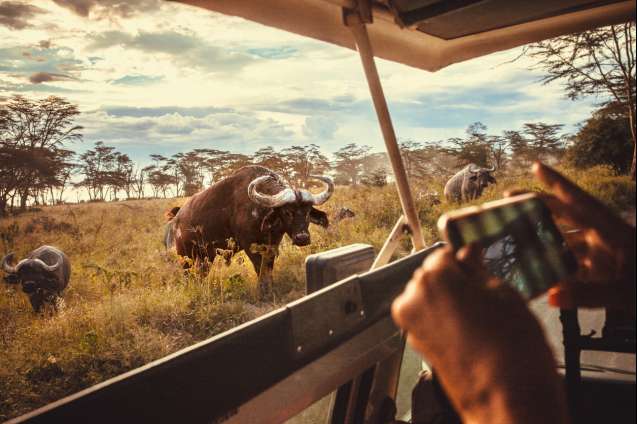
The Masai Mara can work well for budget-conscious migration travellers when planned carefully. Short travel distances, the option to drive instead of fly, and a strong selection of camps outside the main reserve boundaries help keep costs down without sacrificing wildlife quality.
Budget safaris here work best for 3–4 night stays, focused specifically on migration activity rather than broad exploration. Timing is everything. Once peak season begins, prices rise quickly, and late bookings often mean paying more for less favourable locations.
Masai Mara reality check: cheaper for short trips, expensive if you wait.
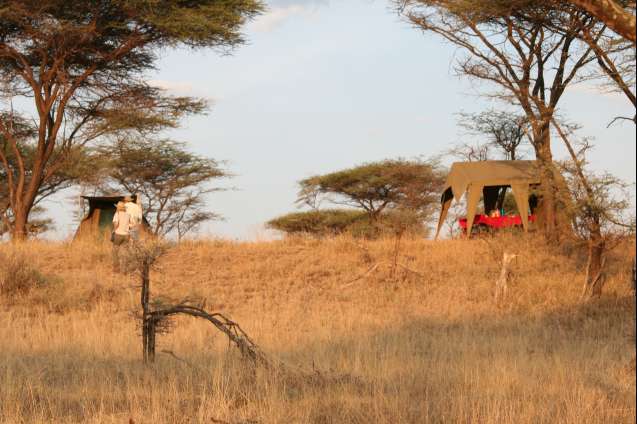
The Serengeti often surprises travellers looking for great safari value. While flights increase upfront costs, mobile migration camps that follow the herds reduce wasted driving and deliver excellent wildlife density without luxury pricing.
Budget Serengeti safaris work best as longer itineraries, often combined with Tarangire or Ngorongoro to spread transport costs and maximise time in the bush. For travellers with flexible dates, the Serengeti can deliver stronger overall value than expected.
Serengeti reality check: costs more upfront, often better value over time.
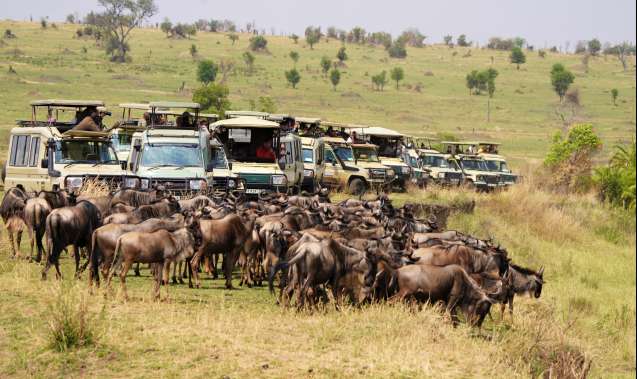
Many travellers are disappointed not because of the migration, but because of planning errors:
These mistakes are closely linked to overcrowding and greenwashing, both of which can be avoided with proper planning and honest advice.
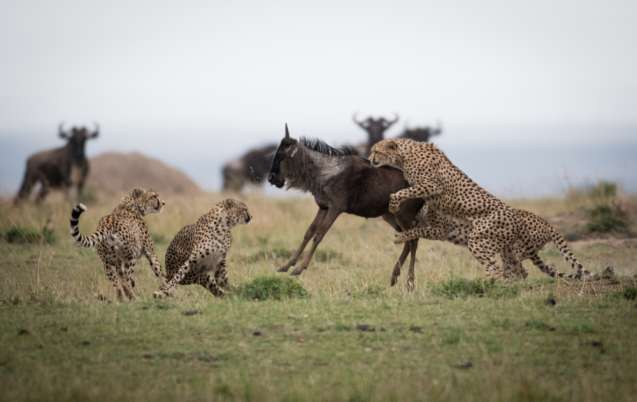
The great migration does not reward last-minute planning. By February, the best-located camps in both the Masai Mara and Serengeti still have availability, and pricing is more stable. From March onwards, choice drops sharply, especially for August and September.
Early booking aligns directly with advice on avoiding overcrowding and greenwashing on safari and consistently delivers better value.
-2__medium.jpeg)
The Masai Mara and the Serengeti both deliver the great migration, but they do so in very different ways. The right choice depends on how much time you have, how flexible your dates are, how you feel about crowds, and how your budget is structured. Understanding these differences now makes the decision straightforward and helps you secure the right camp before peak-season availability disappears.
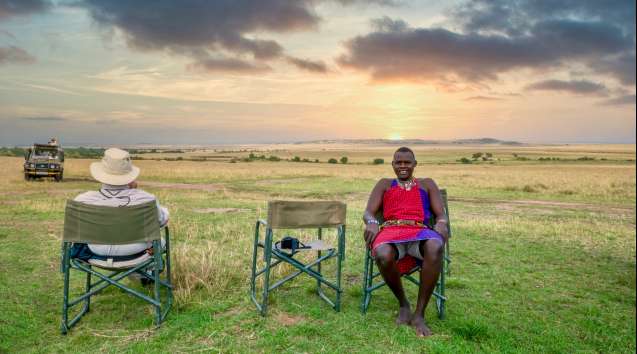
Both the Masai Mara and Serengeti deliver the great migration. The difference lies in timing, camp placement, and budget structure. The migration will happen whether you plan or not. The question is whether you’ll be in the right place to experience it properly.
Speak to an experienced African Budget Safaris consultant, and we’ll help you choose the right destination, secure the right camp, and book before the best options disappear.
The earlier you plan, the better your safari will be.

Explore these destinations mentioned in this post.
Below you'll find further reading and articles related or similar to this post.




Call us toll free from US/Canada on 1-888-414-6513, or from the UK on 0-808-189-1052. All other countries can contact us on +27 21 791 0878.
© 2026 African Budget Safaris | Privacy | Terms | Cookie Policy | Consent Preferences