Sustainable travel in Africa is on everyone’s lips.
From eco-friendly safaris to sustainable lodge stays, the promise of “green” experiences is everywhere.
But as the environmental focus has gone mainstream, so too has greenwashing – the art of looking eco-conscious without actually being so.
For safari travellers who genuinely care about their carbon footprint, as well as their impact on communities and conservation, knowing how to tell the difference between greenwashing and real ethical travel is vital.
This guide explores how to recognise greenwashing in African tourism, how to choose truly sustainable safari options, and how to make a meaningful impact on the people and places you visit across this amazing continent.
We've dotted a few of our best safaris with eco-credentials, and that includes stays at eco camps throughout Africa.

Greenwashing in tourism happens when a travel company makes misleading claims about being environmentally friendly.
This might mean a safari lodge boasting about conservation credentials while wasting water, or a tour operator advertising “community visits” that contribute little to local livelihoods.
The problem is not always malicious. Sometimes it’s the result of vague marketing or a lack of understanding about what sustainability really involves.
Either way, greenwashing dilutes the meaning of responsible travel and confuses travellers who want to make good choices.
Real sustainability in Africa involves much more than planting a few trees or banning plastic straws.
It’s about reducing carbon emissions, respecting wildlife, supporting local economies, and ensuring that tourism benefits communities rather than exploiting them.
The African safari industry is particularly vulnerable to greenwashing because it trades heavily on nature and conservation imagery.
The temptation to appear eco-friendly is strong, especially as travellers increasingly seek responsible experiences.
Here are some warning signs…
1. Vague promises
Phrases such as “eco-lodge”, “green stay” or “community-focused” sound good but often lack substance. Look for evidence. What exactly makes it eco-friendly?
2. No transparency
Genuine sustainable lodges will be open about where their money goes, how they manage waste, and how they support conservation. If details are missing, be wary.
3. Overemphasis on luxury
There’s nothing wrong with comfort, but a lodge that prioritises infinity pools over water-saving measures is unlikely to be eco-conscious.
4. Token gestures
A recycling bin and a solar light do not make a property sustainable. Ask about wider efforts such as local employment, renewable energy, and responsible sourcing.
5. Wildlife interference
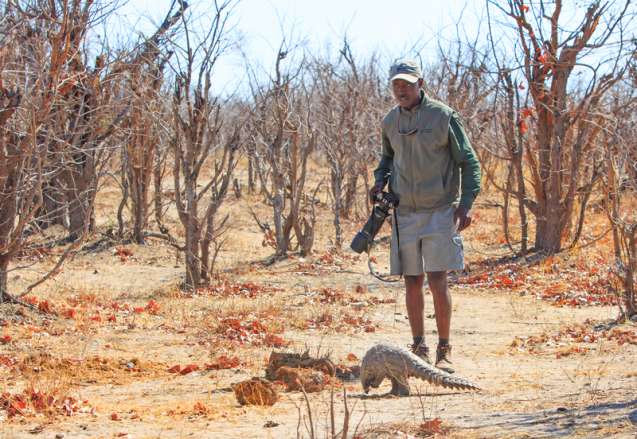
Any operator that allows close contact with wild animals, such as riding or petting them, is unethical. True conservation never exploits wildlife for entertainment.
Responsible safari travel starts with asking the right questions about eco travel in Africa before you book.
A sustainable operator should be proud to share the answers.
Some questions to consider posing are…
· Where does your money go?
Ask how much of your trip cost remains in the local economy. Ethical operators pay fair wages and source locally.
· What conservation projects do you support?
Look for specific examples rather than general claims. It could be anti-poaching patrols, wildlife corridors, or reforestation programmes.
· Do you work with local communities?
Community-based tourism helps ensure that residents benefit directly from your visit. Ask if the company employs locals or partners with community trusts.
· How do you reduce your carbon footprint?
Operators should monitor their fuel use and offer carbon offset options that support verified projects.
· Are you certified by a recognised body?
Accreditation schemes such as Fair Trade Tourism (South Africa), EcoAwards Namibia, or Travelife can provide reassurance of genuine sustainability.
__medium.jpg)
Beyond choosing ethical operators, there are many ways travellers themselves can reduce their footprint while still enjoying Africa’s extraordinary landscapes and wildlife.
Instead of hopping between multiple destinations, spend more time in each. This reduces flights, transfers, and overall emissions while giving you a deeper cultural connection.
Family-run guesthouses and community lodges are more likely to reinvest in their area than international chains.
Many national parks and reserves in Africa depend on visitor fees for anti-poaching and habitat management. Visiting responsibly helps fund the protection of iconic species.
Skip elephant rides, lion cub petting, and any encounters that use wild animals as photo props. Observe wildlife at a respectful distance, ideally within a reputable reserve.
Bring a filter water bottle, reusable cutlery, and cloth bags. Some African destinations (such as Kenya and Tanzania) have banned plastic bags entirely, so coming prepared helps both you and the environment.
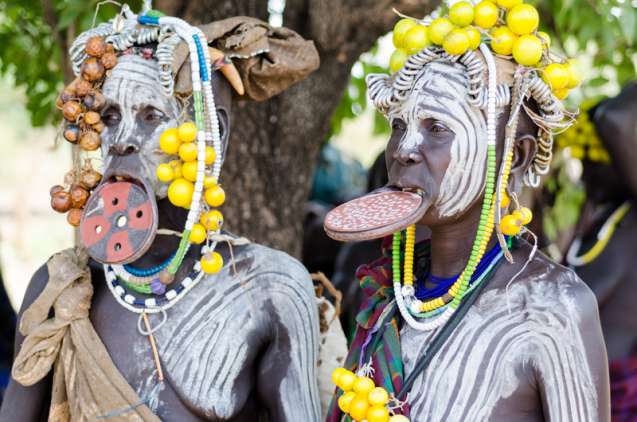
Sustainability is as much about people as it is about the planet. Learn a few phrases in the local language, ask before taking photos, and dress appropriately for rural or religious areas. Be mindful of cultural appropriation.
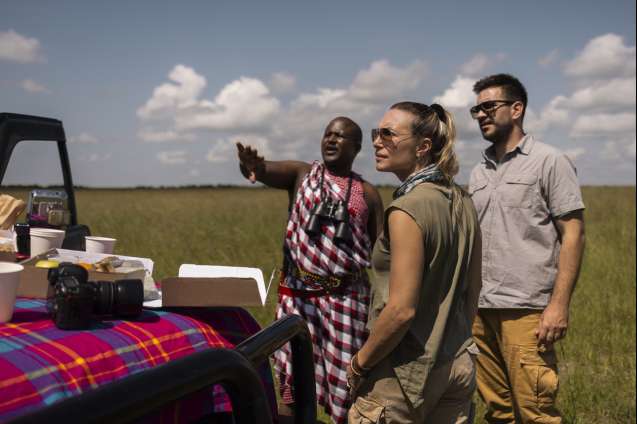
One of the easiest ways to verify sustainability claims is through recognised certifications.
However, not all are created equal.
Here are a few worth familiarising yourself with…
· Fair Trade Tourism (FTT): Based in South Africa, this certification focuses on fair wages, community benefits, and responsible environmental management.
· EcoAwards Namibia: Recognises lodges and operators demonstrating best practice in conservation and community engagement.
· Travelife for Tour Operators: An international certification assessing social and environmental impact.
Be cautious of self-created “eco labels” that have no independent verification.
A professional certification requires regular audits and evidence, not just good marketing.
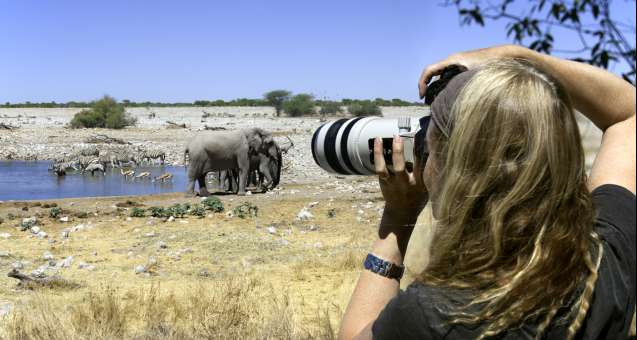
Africa’s tourism industry employs millions and supports vast areas of protected wilderness.
Yet it’s also at the frontline of climate change, habitat loss, and economic inequality.
Sustainable travel is not a buzzword here; it’s essential for the continent’s future.
When travellers make conscious choices about green travel in Africa, they help preserve the very experiences they’ve come to enjoy.
Supporting community-owned lodges keeps money in rural economies. Choosing ethical safari operators helps protect endangered species. Demanding transparency discourages companies from greenwashing in the first place.
Sustainability isn’t about perfection. It’s about progress and awareness – choosing better each time we travel.
Uganda's Best Sustainable Tour Company supplies these tours:

Whether you’re tracking gorillas in Uganda or exploring Namibia’s deserts, you have the power to ensure your presence leaves a positive mark.
Greenwashing may have blurred the meaning of sustainable travel, but informed travellers can cut through the noise.
By asking questions, valuing authenticity over image, and supporting local initiatives, you help shape a tourism industry that benefits Africa and its people long into the future.
Travelling sustainably is not only possible – it’s the most rewarding way to experience Africa’s wild beauty and resilient spirit.
African Budget Safaris does its best to find quality tours with great credentials. Speak to one of our African travel experts to learn more...

Explore these destinations mentioned in this post.
Below you'll find further reading and articles related or similar to this post.




Call us toll free from US/Canada on 1-888-414-6513, or from the UK on 0-808-189-1052. All other countries can contact us on +27 21 791 0878.
© 2026 African Budget Safaris | Privacy | Terms | Cookie Policy | Consent Preferences


_(1)__thumb.jpg)