Crowds challenged the great migration in 2025; in 2026, smarter timing and planning can bring back the magic.
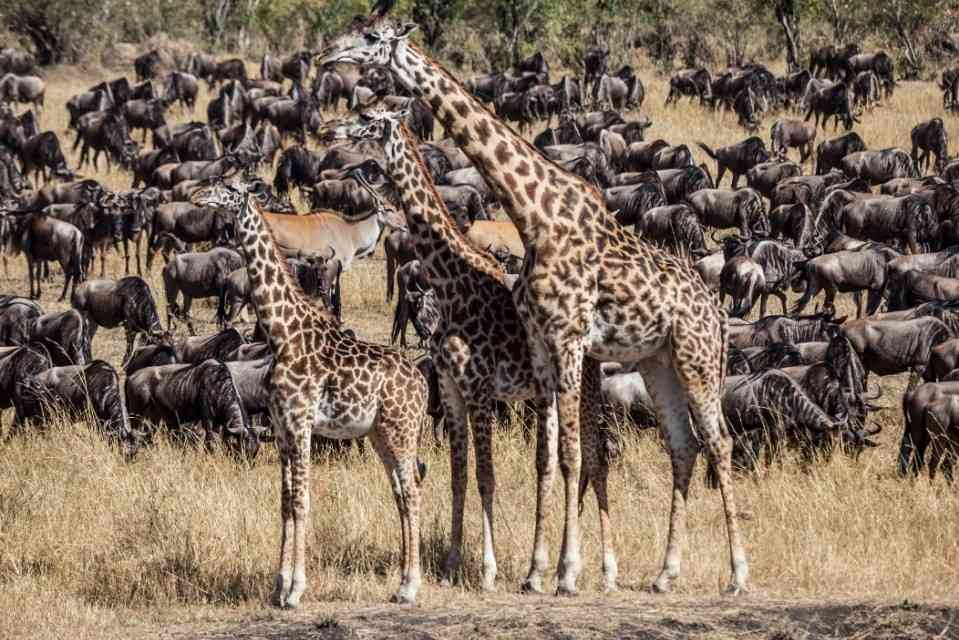
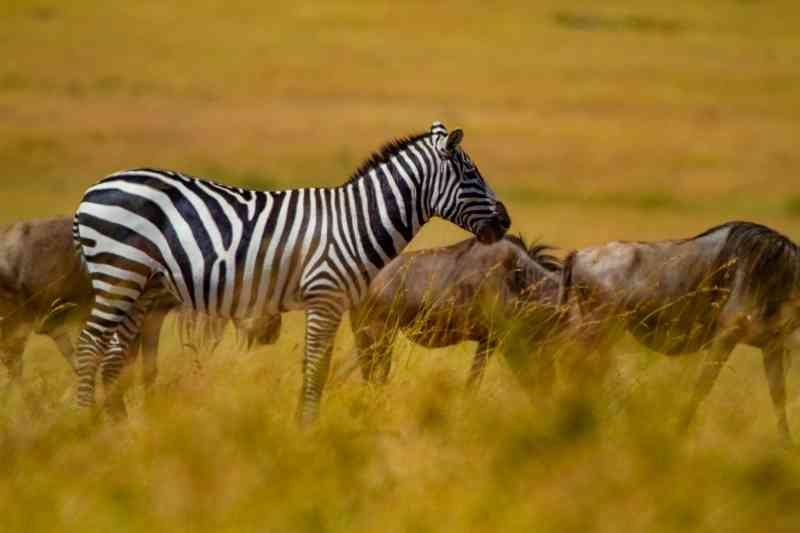
Every year, the great migration draws travellers from across the globe to witness more than a million wildebeest and zebra moving across the Serengeti and Masai Mara.
It’s one of the most awe-inspiring natural events on earth, but in 2025, the magic was overshadowed by something less inspiring - overcrowding.
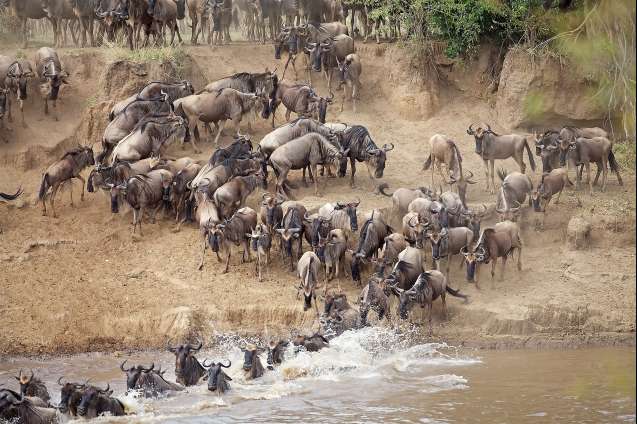
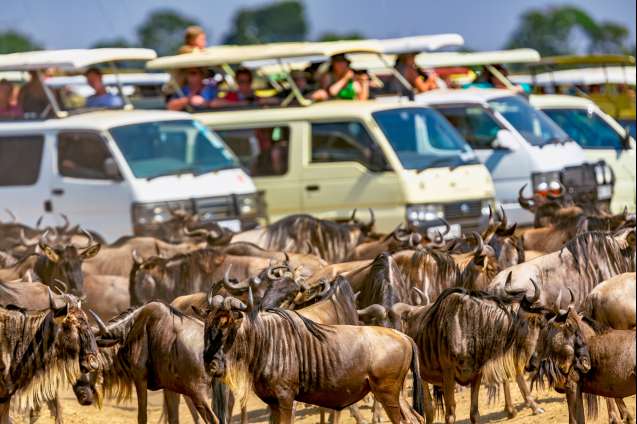
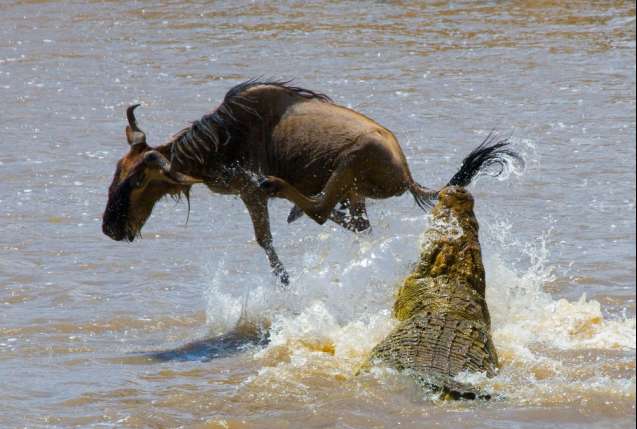
At the height of the dramatic river crossings, where wildebeest leap to avoid the predatory Nile crocodiles lying in wait, long lines of safari vehicles jostled for position, sometimes blocking wildlife pathways and creating a chaotic atmosphere.
Reports of congestion and poor visitor behaviour sparked conversations about how sustainable this spectacle really is.
The great migration overcrowding of 2025 wasn’t just an inconvenience for travellers; it highlighted a growing issue of overtourism in East Africa’s most famous parks – the Masai Mara and the Serengeti - where too many vehicles chase the same dramatic moments.
Beyond the disappointment of noisy, crowded sightings, this congestion puts pressure on fragile ecosystems and disrupts the very wildlife people come to see.
As one safari guide put it, “We’re loving the migration to death.”
But there’s a silver lining - travellers heading to the great migration in 2026 have a chance to do things differently.
By learning the lessons of this year, you can witness the migration in a way that feels more intimate, more responsible, and far less crowded.
This isn’t just about improving your own safari experience; it’s about being part of a collective shift towards responsible safari travel in East Africa.
The great migration overcrowding in 2025 made headlines for all the wrong reasons.
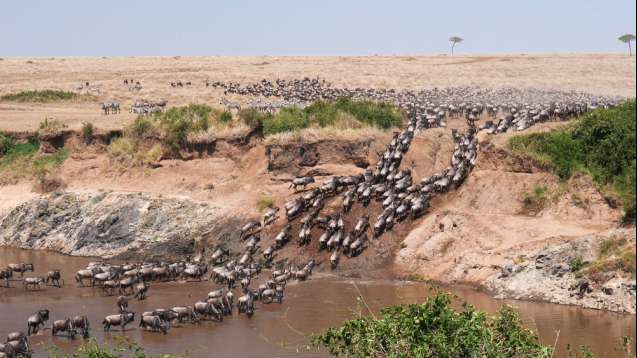
At the most famous Mara River crossings, dozens of vehicles squeezed in for the same view.
Some drivers edged dangerously close to the banks, creating stress for wildebeest herds preparing to cross.
The result?
Animals hesitated, crossings were delayed, and the experience felt more like a traffic jam than a wilderness spectacle.
This surge wasn’t accidental.
Aggressive marketing by some operators fixated on the “dramatic river crossing” moments, drawing in travellers who understandably didn’t want to miss the action.
But this single-minded focus created bottlenecks.
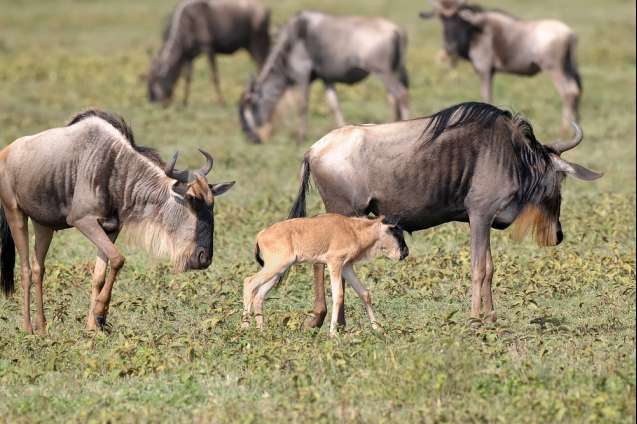
Meanwhile, other stages of the migration - such as the calving season in the southern Serengeti - remained relatively peaceful, despite offering equally spectacular wildlife encounters.
__medium.jpg)
As Debbie Addison, director of Wild Frontiers, explains, “Due to recent development in the Serengeti, where more accommodation has become available, it stands to reason there will be more people and therefore pressure will be put on prime areas of the park.
In addition, guests will often demand their guide to be in a prime position (these days, everyone wants a selfie), and the guides want to please their clients so guidelines get broken.”
This type of overtourism carries serious consequences.
Too many vehicles disrupt natural behaviours, push predators off hunting grounds, force herds to scatter unpredictably, and erode fragile riverbanks.
Wildlife conservation and overtourism are deeply linked, with unchecked visitor numbers threatening both animal welfare and the long-term sustainability of safari tourism.
For travellers, the impact is equally disappointing.
Instead of silence broken only by pounding hooves and splashing water, many great migration visitors in 2025 found themselves competing with camera shutters and revving engines.
The great migration is supposed to feel timeless and wild - overcrowding strips away that sense of wonder.
The biggest takeaway from 2025 is that timing and location matter.
The great migration is not one single event - it’s a year-long cycle that spans a vast ecosystem, stretching between the Serengeti in Tanzania and the neighbouring Masai Mara in Kenya.
By focusing too heavily on the Mara River crossings, travellers concentrated themselves in just a few hotspots across the huge migration area.
As Debbie Addison explains, “the wildebeest don't 'vanish' down a big hole outside of peak season, they are still in the parks year round!”
Another lesson is the importance of choosing ethical safari operators for great migration experiences.
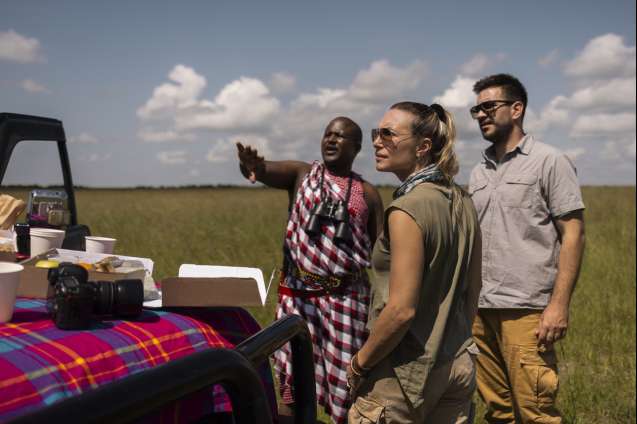
Companies that enforce strict vehicle limits, keep a respectful distance from wildlife, and encourage guests to explore beyond the busiest areas help preserve both the environment and the visitor experience.
The problem isn’t tourism itself, but how it’s managed.
Planning for 2026 gives travellers a chance to do better.
Debbie’s advice is to enjoy the Serengeti from “March through June.”
She adds, “December and January are also lovely times of the year to travel the Serengeti and, as a bonus, most accommodation providers offer reduced rates at this time… plus the birding is fantastic!
However, if you can only travel in peak season and are adamant about seeing a great migration river crossing, then do NOT encourage your guide to break the rules, or get too close.
Instead, buy some binoculars and watch the action from a respectful distance.”
Following on from Debbie’s fantastic advice, here are some practical ways to experience the migration without becoming part of the problem…
Read more about when to go where for the best African safari planning.
Not all safari companies operate with the same standards.
In 2025, some operators contributed to the problem, encouraging guides to chase crossings at any cost.
In contrast, responsible safari operators respected vehicle limits, avoided blocking animal paths, and prioritised wildlife welfare over guest selfies.
Here at African Budget Safaris, we pride ourselves on only working with the top operators in each country we list.
We vet all our operators by ensuring they are registered and vetted members of their local tourism bodies, which in turn have stringent admission criteria.
These tourism bodies ensure that their code of conduct is above reproach.
In addition, our staff conducts regular educational trips with our suppliers to ensure we are 100% satisfied with their delivery, giving us peace of mind that our clients are working with the best.
If you're planning your 2026 great migration trip, find out more with our Great Migration FAQs.
If you want to deepen your understanding of an operator's practices, then here are some probing questions to ask in advance...
Travellers who choose wisely send a powerful signal; after all, demand for ethical safaris creates supply.
Local authorities are also part of the solution.
In Kenya and Tanzania, discussions are underway about stricter park fee regulations at river crossings and limiting the number of vehicles in sensitive zones.
While these measures may increase costs slightly, they are designed to protect the very resource that sustains safari tourism, namely the wildlife and its habitat.
Supporting these initiatives means embracing a mindset that values conservation over convenience.
After all, paying a little more or choosing a quieter season is a small price compared to losing the integrity of the great migration altogether.
The lessons from the great migration overcrowding in 2025 are clear - if travellers and operators repeat the same choices, the problem will only grow.
However, if we embrace smarter planning -choosing shoulder seasons, exploring beyond the busiest riverbanks, and travelling with ethical safari companies - we can enjoy one of the world’s greatest wildlife spectacles without damaging it.
The great migration in 2026 doesn’t have to be defined by crowds.
It can be the year you experience the thunder of hooves, the drama of predator and prey, and the vast beauty of the Serengeti and Masai Mara in a way that feels personal, responsible, and unforgettable.
Speak to one of our African travel experts today. We’ll help you design a great migration 2026 safari that avoids the crowds, supports conservation, and gives you front-row seats to the drama of nature - without becoming part of the problem.

Explore these destinations mentioned in this post.
Below you'll find further reading and articles related or similar to this post.




Call us toll free from US/Canada on 1-888-414-6513, or from the UK on 0-808-189-1052. All other countries can contact us on +27 21 791 0878.
© 2026 African Budget Safaris | Privacy | Terms | Cookie Policy | Consent Preferences