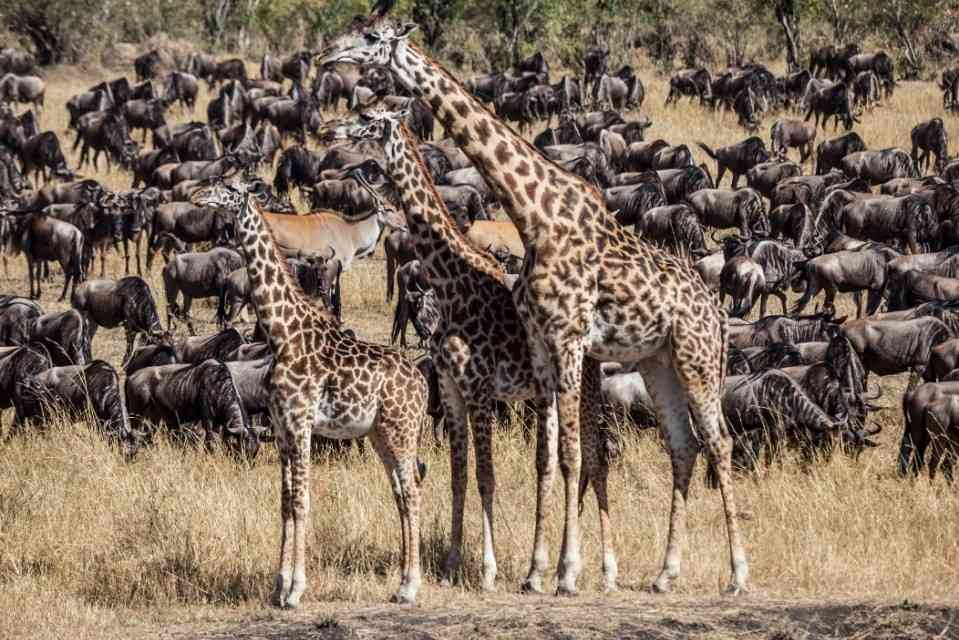
The Masai Mara has a reputation for champagne breakfasts and five-figure safaris, yet a huge slice of travellers experience it every year on far more sensible budgets.
You still roll out of a canvas tent at dawn to the smell of coffee and dust, you still watch lion prides melt out of golden grass, and you still bump along the same game drive tracks as the luxury lodges.
The difference is not the wildlife. It is the level of polish, privacy, and price.
This Masai Mara guide is for budget-conscious travellers, first-time visitors to Kenya, solo travellers, couples, and families who want a real Masai Mara safari without burning through their life savings.
If you are happy to share a vehicle, sleep in a simple but comfortable tent, and travel on set departure dates, this is exactly your world!
This guide aims to cut through the fog of confusing prices and show what affordable Kenya and Masai Mara safari packages really look like, what they include, and where the savings are hiding.
So let’s get stuck in…
_(1)__medium.jpg)
Before diving into camps and transport, here is what a typical Masai Mara safari budget actually looks like in 2026.
These examples reflect typical Masai Mara budget safari packages used by cost-conscious travellers in 2026. We’ve based these figures around a typical trip during the Masai Mara’s shoulder season. These estimates reflect contracted 2026 rates from Kenyan operators and camps.
Travellers on a US$1,000 to US$1,200 budget typically choose a 3-day group safari with shared tented accommodation and scheduled departures.
This is the sweet spot where value, wildlife time, and comfort meet.
If you’d like to see current budget-friendly Masai Mara packages for 2026, you can explore our affordable Masai Mara safari tours here.
One of the biggest misconceptions is that a Masai Mara budget safari means fewer animals or worse game drives!
In reality, all vehicles enter through the same Kenya Wildlife Service gates and use the same network of tracks across the reserve.
Your guide might not wear a crisp uniform, and you might not have a fridge in your 4x4, but when a leopard climbs a fig tree, everyone sees it!
Budget safaris save money by sharing vehicles, using simpler accommodation, fixed departure dates, and eating set menus.
They do not save money by cutting corners on wildlife access.
Timing is everything when it comes to keeping your Masai Mara budget down.
This handy table aims to give you an overview of the best times to visit…
Avoiding the great migration is one of the single biggest ways to keep a Masai Mara budget safari affordable.
July to October brings the famous river crossings, but it also brings peak park fees, sold-out camps, traffic jams of safari vehicles, and the highest prices of the year.
Add in European and Kenyan school holidays, and costs can easily double for the same wildlife experience.
If you are serious about seeing the Masai Mara on a budget, the smartest move is to travel outside the migration window.
The secret most first-time visitors do not realise is that the Mara is a permanent wildlife ecosystem.
Lions, elephants, cheetahs, leopards, and huge plains game herds live here year-round - the animals do not disappear just because the wildebeest move on.
For travellers focused on visiting the Masai Mara on a budget, skipping the migration is not a compromise. It is a strategic move that delivers better value, fewer crowds, and just as much big cat excitement.
November to March is one of the best-value periods for a budget safari in the Masai Mara, and it is often called lion season by guides.
This is when prides are full of new cubs after mating season, and you will regularly see playful youngsters tumbling through long grass, mothers nursing in the shade, and dominant males patrolling territory.
At the same time, young wildebeest, zebra, and gazelle calves are being born across the plains.
These inexperienced grazers are prime targets for predators, which means hunting behaviour is frequent and dramatic.
For wildlife action, these months can actually feel more intense than migration season, but without the inflated prices!
From a cost perspective, this period is a gift. Camp rates drop, availability is wide open, and there’s usually cheap Masai Mara safari packages up for grabs with far more flexibility.
Travelling in the low-season months of April, May, and June can save you 20-40% compared to August, while wildlife viewing remains excellent.
Grass is green now, animals are healthy, and crowds are thinner.
You can experience more rainfall during these months, but for bird watchers and photographers especially, it’s often a dream time to visit the Mara.
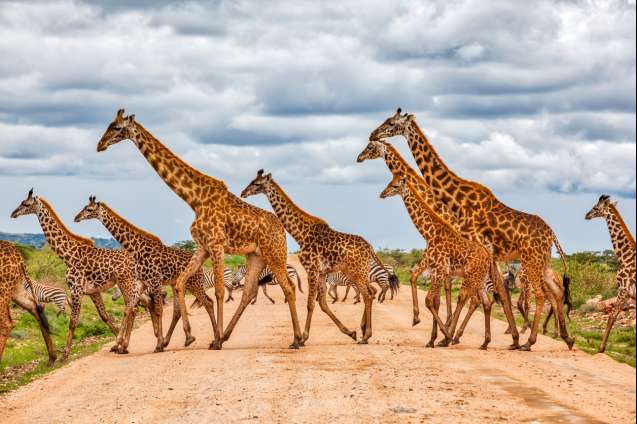
Standard affordable Masai Mara safari packages include…
They do not include…
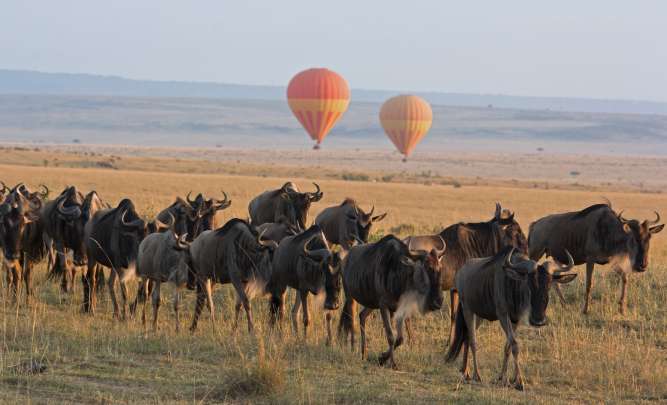
A hot air balloon safari costs around US$450 to US$500 per person in 2026. It is spectacular, but rarely part of a budget Masai Mara safari package!
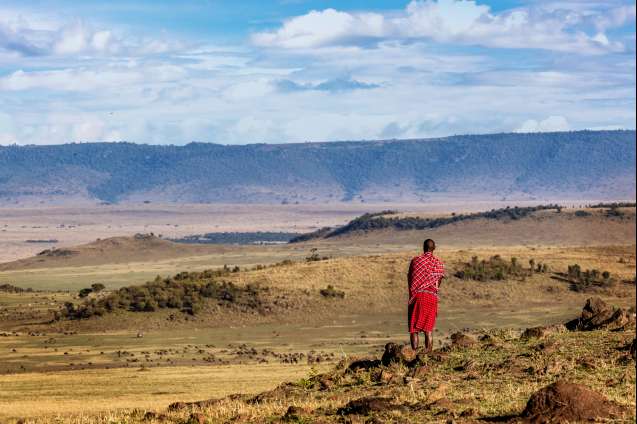
For similarly magnificent views at a much lower price, opt for sundowner drinks at the beautiful Oloololo Escarpment in the Masai Mara.
A stunning viewpoint that towers over the plains below, heading here for golden hour, when the light is incredible, is the ideal way to soak up the epic views and memories of your time in the Mara with an ice-cold gin and tonic!
With views like this as the sun sets, you’ll have no regrets about plumping for this over a balloon ride, and will be pleased with yourself that you’ve found another way to see the Masai Mara for less!
Now that we’ve covered what’s included, let’s run through the costs of all the major Masai Mara safari components that make up the overall prices above…
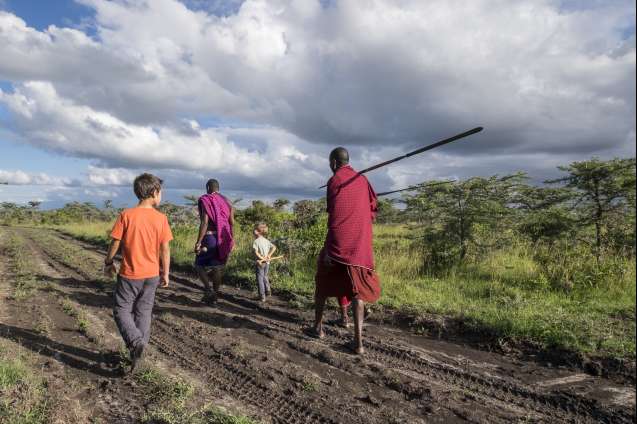
Park fees are a big part of your Masai Mara safari budget, and they are non-negotiable.
Kenya Wildlife Service sets these fees, and all operators and visitors pay the same rates.
In 2026, Masai Mara reserve fees are expected to sit around…
These fees are built into safari packages, which is why prices jump in peak months.
You can learn more about seasonal timing in this excellent month-by-month Masai Mara guide.
In some cases, the Masai Mara conservancies can offer better value rather than lower prices. In some itineraries, you can avoid Masai Mara reserve fees by staying in private conservancies bordering the Masai Mara National Reserve instead!
These private wildlife areas include Naboisho, Olare Motorogi & Ol Kinyei Conservancies.
They share unfenced borders with the Masai Mara proper, enabling wildlife to roam freely across the boundaries, so you’ll see just as much!
They also offer a more exclusive safari experience, as visitor numbers are limited to a handful of guests at a few intimate camps.
Plus, you can embark on guided walking safaris and even night game drives in the private conservancy areas - both of which are not allowed in the national park itself.
__medium.jpeg)
This is where the magic of affordable Kenya safari packages really happens.
Budget camps are not shacks in the bush!
Tented camps are by far the best accommodation option when it comes to balancing the best prices in the Masai Mara with a good level of comfort!
Tented camping safaris usually involve staying at semi-permanent camps with large, walk-in canvas tents that have real beds, clean bedding, bedside lamps, mosquito nets, and showers.
Bathrooms are usually either private and en-suite, or they can be shared between a few tents in some of the much cheaper options.
Hot water comes via solar heaters or the classic hot bucket shower, which is more satisfying than it sounds after a dusty game drive.
Electricity is often on only in the evening, enough to charge phones and cameras.
Meals are filling and homelike, often served buffet-style in a communal dining tent. There’s sometimes a communal lounge area too.
You hear lions at night. You see stars you forgot existed. You do not get room service, but the experience more than makes up for it!
These are examples of good-value accommodation options used in cheap Masai Mara safari packages.
These places are all clean, well-located, and designed for safari travellers who want a real Masai Mara experience.
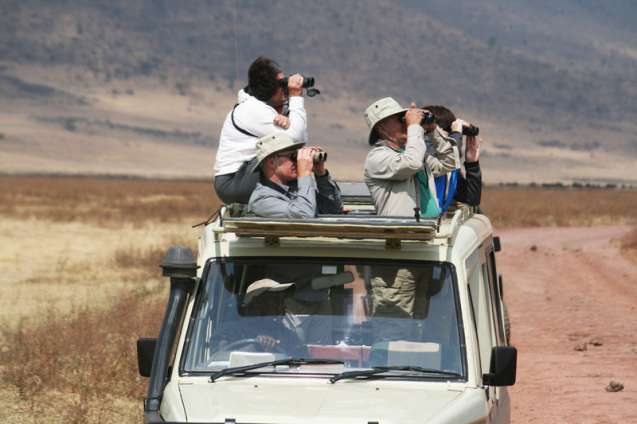
Many travellers are surprised by how much they save by joining a shared vehicle instead of booking a private 4x4.
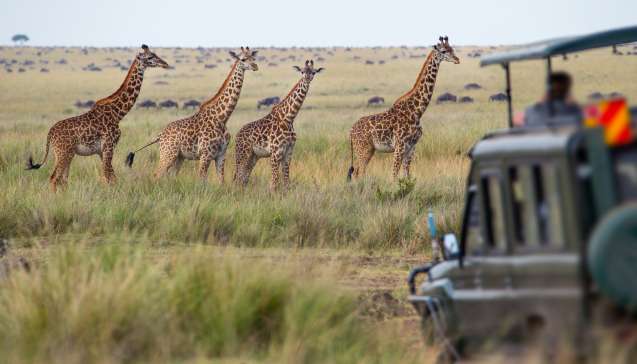
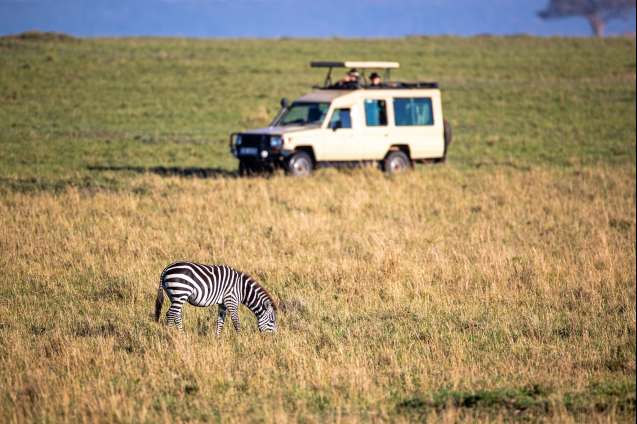
A typical group vehicle on a Masai Mara safari carries 6 - 7 guests, plus a driver who also acts as a guide.
Everyone gets a window seat, and the roof pops up for viewing and photos.
On budget trips, game drives usually run in the early morning and late afternoon when animals are most active.
You may not have unlimited hours to chase a single cheetah, but you will cover a wide area and see a strong mix of species.
Lower-priced safaris often include 1 - 2 game drives per day, while mid-range trips may include longer drives and more flexibility.
How you get to the Mara can shape your budget more than almost anything else.
Most travellers access the park directly from Nairobi, Kenya’s capital, which has excellent international air connections.
Some tour companies bundle international flights into their Masai Mara itineraries, pitching it as convenience.
In reality, this is one of the easiest ways to overpay for a safari.
When flights are packaged together with your safari, you lose the ability to shop around, use airline sales, or fly from cheaper regional airports.
For a true Masai Mara on a budget, it is almost always better to book your flights to Nairobi yourself and then join a safari that starts in the city.
Nairobi is served by Kenya Airways, British Airways, KLM, Turkish Airlines, Ethiopian Airlines, and a growing number of Middle Eastern carriers.
Competition keeps fares lower than flying directly into smaller safari airstrips, and deals to Nairobi are far easier to find than fully packaged safari flights.
Most budget Masai Mara safari packages include transport from Nairobi by safari minibus or 4x4.
The drive takes around 5-6 hours via the Rift Valley, which is bumpy, but scenic and sociable.
Road transfers are the cheapest option and cost around US$150 - US$250 return when bundled into a group safari.
Flying from Nairobi Wilson Airport to the Mara cuts travel time to 45 minutes; it does add US$200 - US$350 per person return.
For tight budgets, this is usually not worth it.
Discover more about overland routes and how safaris link to Nairobi.
__medium.jpg)
Booking your own Nairobi base also gives you access to the city’s wide range of affordable hotels, hostels, and serviced apartments.
Instead of paying safari lodge prices the night before your trip, you can stay comfortably for a fraction of the cost and still be picked up by your safari operator the next morning.
There is also a bonus that having a day or 2 in Nairobi adds value to your trip without adding much cost.
You can hand-feed giraffes at the Giraffe Centre or watch rescued elephants at the Sheldrick Wildlife Trust.
These experiences are far cheaper than safari lodge activities, yet they deepen your Kenyan adventure before you even reach the Mara.
__medium.jpg)
Some travellers consider booking transport, camps, and park fees separately to save money.
In the Masai Mara, this almost always costs more!
Tour operators, like African Budget Safaris, buy in bulk.
They have contracted rates with camps, guaranteed vehicle availability, and park fee systems already in place.
Trying to pay gate fees yourself, hire a vehicle, and book a camp usually adds up to more than a bundled Masai Mara budget safari.
Independent travel also means handling logistics, fuel, breakdowns, and gate timings by yourself.
On a short safari, that stress steals time from wildlife and your overall experience.
For a deeper dive into safari cost structures, this budget African safari cost guide is useful.
Taking a safari tour with an African-based tour company, like African Budget Safaris, really can help you do a Masai Mara safari on a budget.
And that’s because these local companies often have useful connections and on-the-ground knowledge that external organisations don’t.
In general, African operators know about (and have access to) a far wider selection of lodges and camps, offering a range of accommodation options that suit all budgets.
__medium.jpg)
Couples travelling on a US$1,500 each budget often choose a 4-day Masai Mara budget safari in May’s green season, with tented camp accommodation and 3x shared game drives.
Solo travellers on a US$1,000 budget would be best to join a 3-day group shoulder season safari in March, with budget camping and 3 shared game drives.
Families of 4, travelling on a total budget of US$4,200 - US$4,800 budget, would be well placed to book a 4-day Masai Mara budget safari during the low season in June, where they share a large family tent at a simple tented camp spot and travel in a shared 4x4 with 1 other family to keep costs down.
These prices are based on contracted 2026 rates from Kenyan ground operators and camps we work with directly.
__medium.jpg)
As you’ll have noticed, we’ve focused this budget guide on the Masai Mara on trips of 3 days+.
And there’s a reason for this!
2-day safaris to the Masai Mara do exist, but they can involve you spending more time driving than watching wildlife!
A 2-day safari from Nairobi means you arrive late on day 1 and then squeeze in a short game drive only before sleeping.
You’ll then have a brief game drive on day 2, before having to head back to Nairobi.
And of course, you still pay for 2 days of park fees!
That’s why maximising your time in the park, to squeeze the best value out of those park fees, is key!
3 days is the entry-level length for a worthwhile Mara experience, as you get 2 full game drive days and a much better chance of seeing big cats and migration herds.
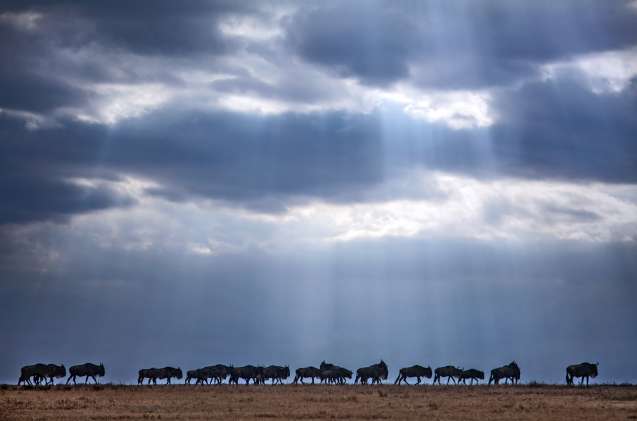
The Quick Answer?
Yes, you will see lions, cheetahs, elephants, giraffes, zebras, buffalos, wildebeest, and plenty more.
A budget Masai Mara safari delivers the same wildlife encounters as higher-end trips, because animals don’t care what you paid to be there.
The Masai Mara is one of Africa’s most productive wildlife ecosystems, with animals spread across open plains, river systems, marshes, and woodland. Good guides, smart timing, and understanding the terrain matter far more than lodge category.
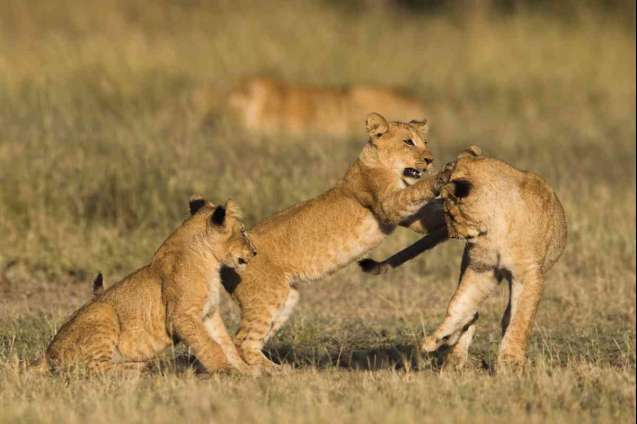
Lions are the Masai Mara’s headline act and are seen year-round. Pride territories cluster around riverine woodland and open plains near the Mara and Talek rivers, as well as areas like Musiara. Early morning and late afternoon drives are prime time, when lions leave the shade to hunt, patrol territory, or socialise.
Leopards are more elusive, favouring rocky outcrops, riverine trees, and kopjes where they stash kills out of reach. They’re less predictable than lions, but experienced guides know the regular hotspots and viewing angles.
Cheetahs prefer wide, open grasslands where speed is their greatest weapon. Areas such as Ntiakitiak and Nyasirori are classic cheetah country, and seeing one stalk low through the grass before a high-speed chase is a highlight on any Masai Mara safari, budget or otherwise.
Spotted hyenas, jackals, and smaller predators are common and often heard at night around camps, adding to the atmosphere of sleeping in the bush.
Elephants are frequently encountered along river systems and in woodland areas, moving in relaxed family groups. Watching them cross open plains or feed along riverbanks is one of the Mara’s most memorable sights.
Cape buffalo are widespread, often forming large herds near marshes and water sources. Their bulk, attitude, and constant tension with nearby lions make for dramatic game viewing, especially during midday drives.
Zebra, wildebeest, giraffe, topi, hartebeest, and gazelles are seen throughout the reserve, forming the backbone of the Mara’s food chain. These grazing herds attract predators and shape daily game drive routes.
During migration months, wildebeest numbers swell dramatically, but even outside peak season, large herds remain in the ecosystem. For budget travellers, this means strong wildlife viewing year-round without needing to visit during the most expensive months.
__medium.jpg)
The Masai Mara supports a wide variety of birdlife, from large raptors such as martial and bateleur eagles to colourful rollers, bee-eaters, and herons near watercourses. Wet season months bring an influx of migratory species, making this a rewarding time for casual birdwatchers.
Reptiles like Nile monitors and lizards are commonly seen near rivers, while smaller mammals such as mongooses and hyrax add texture to game drives. These sightings complement the big wildlife moments rather than dominating the experience.
Understanding where animals concentrate helps maximise every game drive, especially on shared, time-limited safaris.
Even on budget Masai Mara safaris, skilled guides read tracks, terrain, and animal behaviour, ensuring excellent sightings without needing premium extras.
Learn more about the Masai Mara migration details and seasonal wildlife patterns to get the best from your safari.
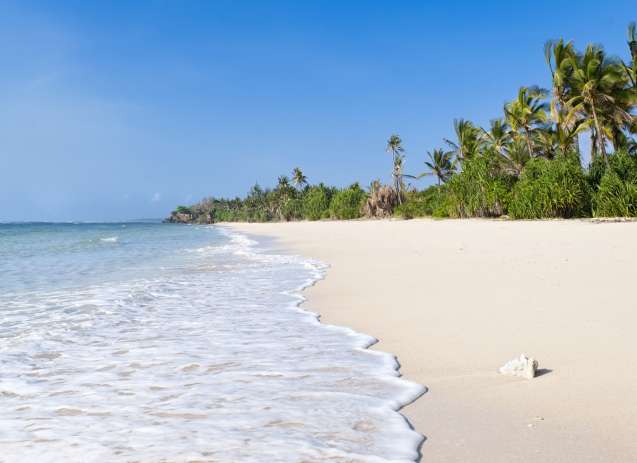
Many travellers stretch their safari budget by pairing a short Masai Mara trip with a beach stay along Kenya’s fantastic Indian Ocean coastline.
Safaris feel more affordable when spread across a longer holiday, and heading to the coast afterwards gives you time not only to relax, but also to experience a different side to this wonderful African country.
Learn more with our Kenya bush and beach safari guide.
A budget safari Masai Mara experience is not about cutting corners on wildlife. It is about cutting out the unnecessary extras.
You trade infinity pools and silverware for stars, dust, and the thrill of spotting a cheetah at dawn.
For many travellers, that trade feels like a win.
Contact African Budget Safaris and talk to one of our experienced safari consultants to start planning your Masai Mara safari.
Having spent over 2 months in the country, Steph Parker has written extensively about Kenya's safari circuit, including Masai Mara migration guides, Kenya coastal breaks, safari budget planning, and regional travel logistics across East Africa.

Explore these destinations mentioned in this post.
Below you'll find further reading and articles related or similar to this post.




Call us toll free from US/Canada on 1-888-414-6513, or from the UK on 0-808-189-1052. All other countries can contact us on +27 21 791 0878.
© 2026 African Budget Safaris | Privacy | Terms | Cookie Policy | Consent Preferences