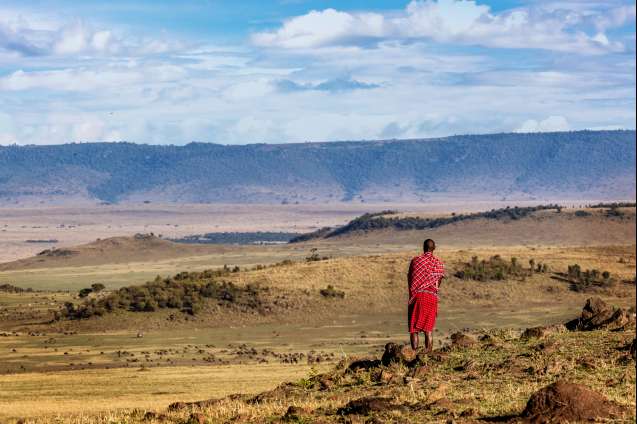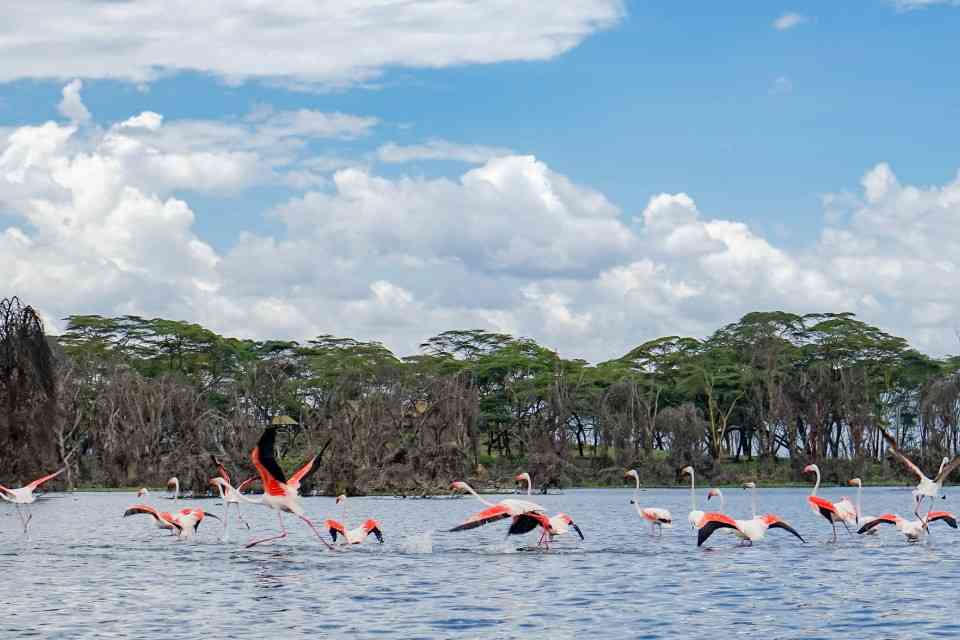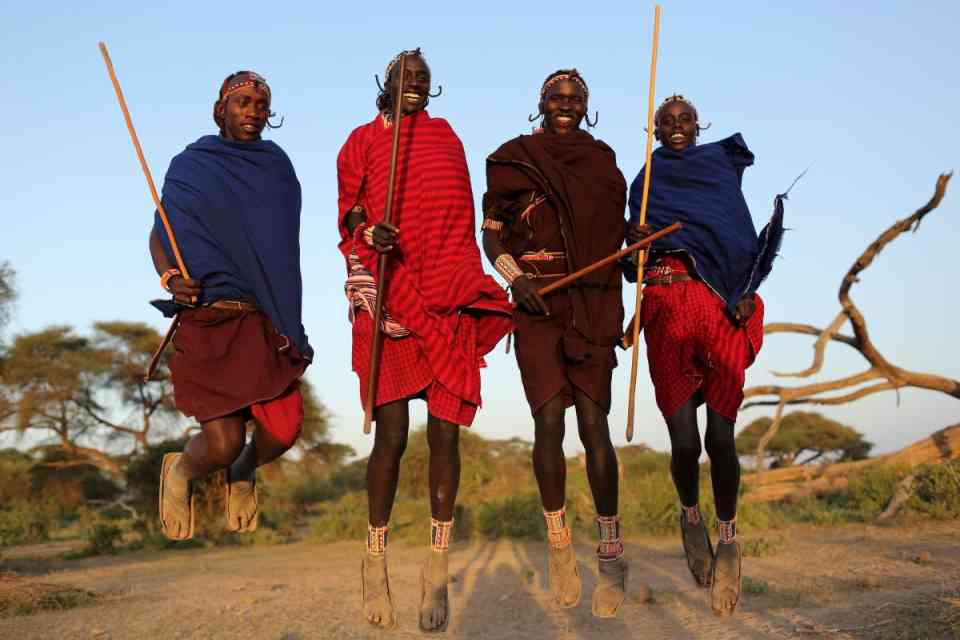
Planning a Masai Mara safari? This Masai Mara month-by-month guide reveals the best time to visit the Masai Mara month by month, helping you plan your safari around weather, wildlife, crowds, and cost.
The smell of dust. The sounds of the bush. The heat of the African sun on your skin. A game drive in East Africa is a feast for the senses.
A safari in Kenya’s Masai Mara? It’s in a league of its own.
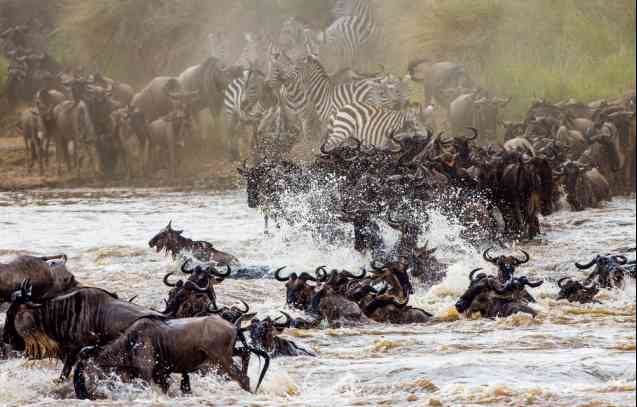
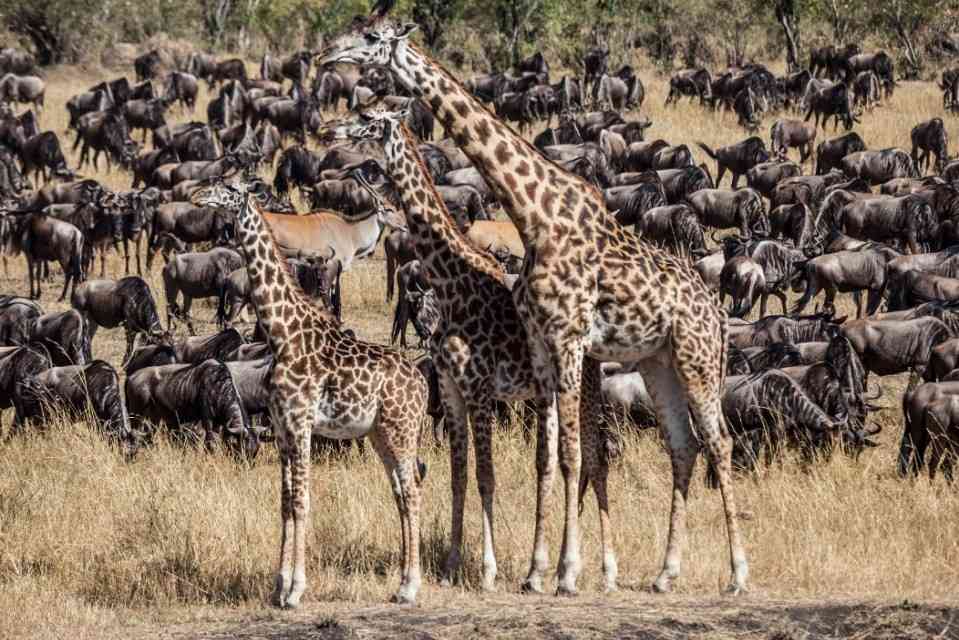
Few, if any, places can compete with the excitement of watching thousands of wildebeest thunder across the Mara River past hungry predators. The national park’s high density of game and roaming big cats are what make the Masai Mara legendary and one of the best African safari destinations.
…But when is the best time to visit the Masai Mara?
While it delivers year-round magic, the time of year you go will impact your experience, budget, and what you’ll see on safari.
We have created a Masai Mara month-by-month guide to help you pick the best month for your trip to Kenya. From the seasons, weather, wildlife, prices, and crowds, when you’re done, you’ll know which month is perfect for your safari in Kenya.
| Quick Snapshot: Best Time to Visit Masai Mara by Month & Travel Style |
|---|
Choose November to March for a quieter and more affordable single supplement cost.
Honeymoons are best from July to October when the drama of the migration reaches the Masai Mara. Expect to pay top dollar at this time of year, or visit off-season for fewer crowds and better honeymoon package deals.
Travelling from June to September may be more expensive for family travel, but the guaranteed dry conditions and uncomplicated overland logistics will make the whole trip easier for everyone.
Choose January, February, June, or November for milder weather, fewer crowds, and off-season discounts.
The best time for budget travellers is from March to May or from November to December. Limited camp options and daily showers are a small price to pay for some great discounts. |
Kick off the new year with Big 5 sightings in the Masai Mara. January and February are a sweet spot between Kenya’s two rainy seasons, giving you vivid green plains, dramatic skies, and plenty of predator action around the waterholes.
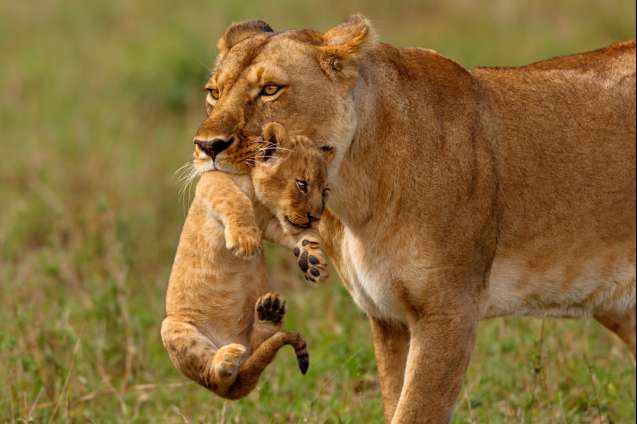
Why? It’s calving season for wildebeest, zebra, and giraffe. Watching these adorable baby animals take their first steps is a core memory you’ll cherish forever.
However, baby animals attract lurking predators, such as lions, cheetahs, and leopards, who are eager to take advantage of their vulnerability for a quick meal.
It’s the perfect storm for thrilling game drives and once-in-a-lifetime wildlife photography moments. Pack extra batteries and memory cards—you’ll need them!
…But wait, there’s more.
January and February are the low safari season in Kenya, which means discounts on safari packages and far fewer crowds. If you’re on a tight budget, a solo traveller, or a senior traveller, it’s one of the most underrated periods to visit the Masai Mara.
Plus, you’ll skip the high-season park fees, which double to US$200 per person per day during the Great Migration.
Yikes.

March to May marks the wettest period of the year, and many camps and roads become inaccessible. Even with a 4x4, you may encounter impassable muddy roads.
So, why visit now? Three great reasons:
This may not be the best time for first-timers, but for experienced travellers seeking solitude and value, it’s ideal, especially for seniors.
June marks the beginning of the dry season and high park fees. Wildlife becomes easier to spot, and the weather is still comfortable—perfect for mature travellers.
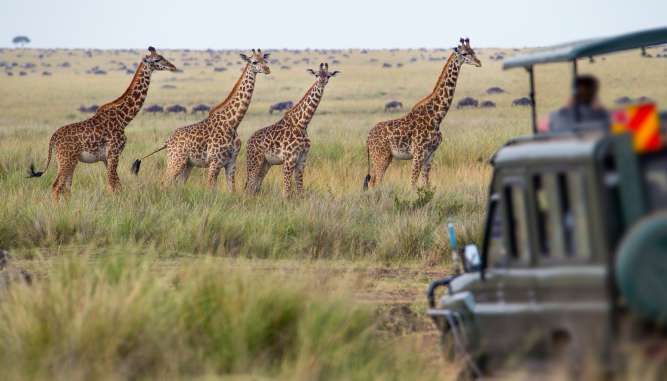
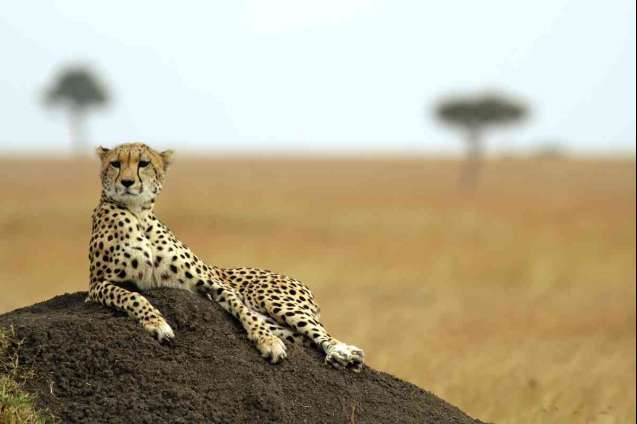
Though the Great Migration hasn’t arrived yet, you’ll still enjoy sightings of elephants, giraffes, and big cats.
The downside? More vehicles and rising prices.
| The Masai Mara Wildlife Calendar Month by Month |
|---|
Wildebeest, zebra, and giraffe give birth High predator activity: lions, cheetahs, and hyenas target young Great time for Big 5 sightings and dramatic interactions
Birdwatching peaks: migratory species arrive Wildlife is still present, but harder to spot due to the tall grass Fewer tourists = more intimate sightings
Vegetation thins, improving visibility Elephants, giraffes, and large herds gather near water sources Predator sightings increase as hunting becomes easier
Over a million wildebeest and zebra arrive from the Serengeti Iconic river crossings with crocodile ambushes Peak predator action: lions, cheetahs, and leopards follow the herds Big 5 sightings are common
Calving season resumes for many herbivores Excellent time to see young animals and predator interactions Migratory birds return; the landscape is green and photogenic |
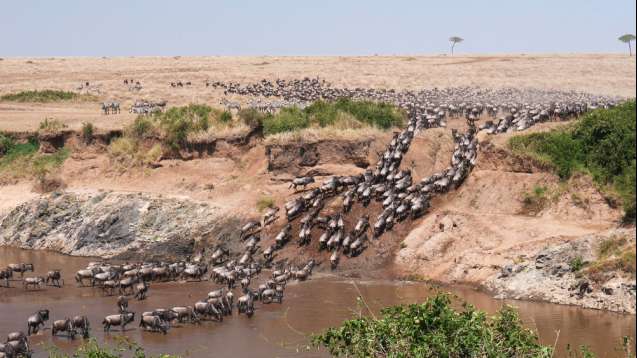
The greatest wildlife show on Earth! Millions of wildebeest pour into the Mara, crossing rivers and dodging predators.
It’s action-packed and perfect for first-time travellers. Though expensive and busy, it’s worth every cent.
Want to avoid the crowds? Choose lodges near the river for faster access and better positioning.
Family safaris work well in this dry season thanks to smooth logistics and great weather. September and October offer cooler temperatures for those with young kids.
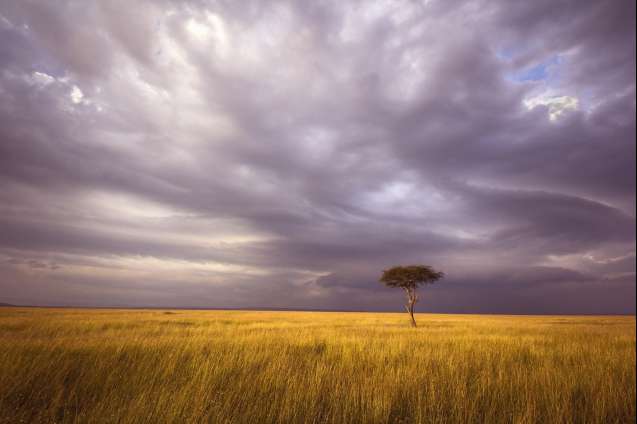
The Mara turns lush again as short rains begin. Like in Jan–Feb, baby animals abound, and birding is excellent.
Rain is lighter and less disruptive than the long rains, and many camps offer discounted rates outside festive season dates. It’s a great time for value and a quieter honeymoon.
| Masai Mara Weather by Month: Quick Overview |
|---|
Expect sunny skies and little rain. Daytime temperatures range from 25°C to 28°C (77°F to 82°F), making it ideal for game drives and photography.
The wet season begins in April, while May sees the heaviest downpours. Humidity rises, and muddy roads are common. Daytime temperatures range from 23°C to 26°C (73°F to 79°F).
Mostly dry with cooler mornings and evenings. Vegetation thins, and wildlife becomes easier to spot. Daytime temperatures hover around 22°C to 25°C (72°F to 77°F).
Clear, dry days with the most pleasant safari weather. Daytime temperatures stay between 22°C and 26°C (72°F to 79°F), with crisp mornings and low humidity.
Brief but intense afternoon showers mix with sunshine. The landscape turns green again. Daytime highs range from 24°C to 27°C (75°F to 81°F). |
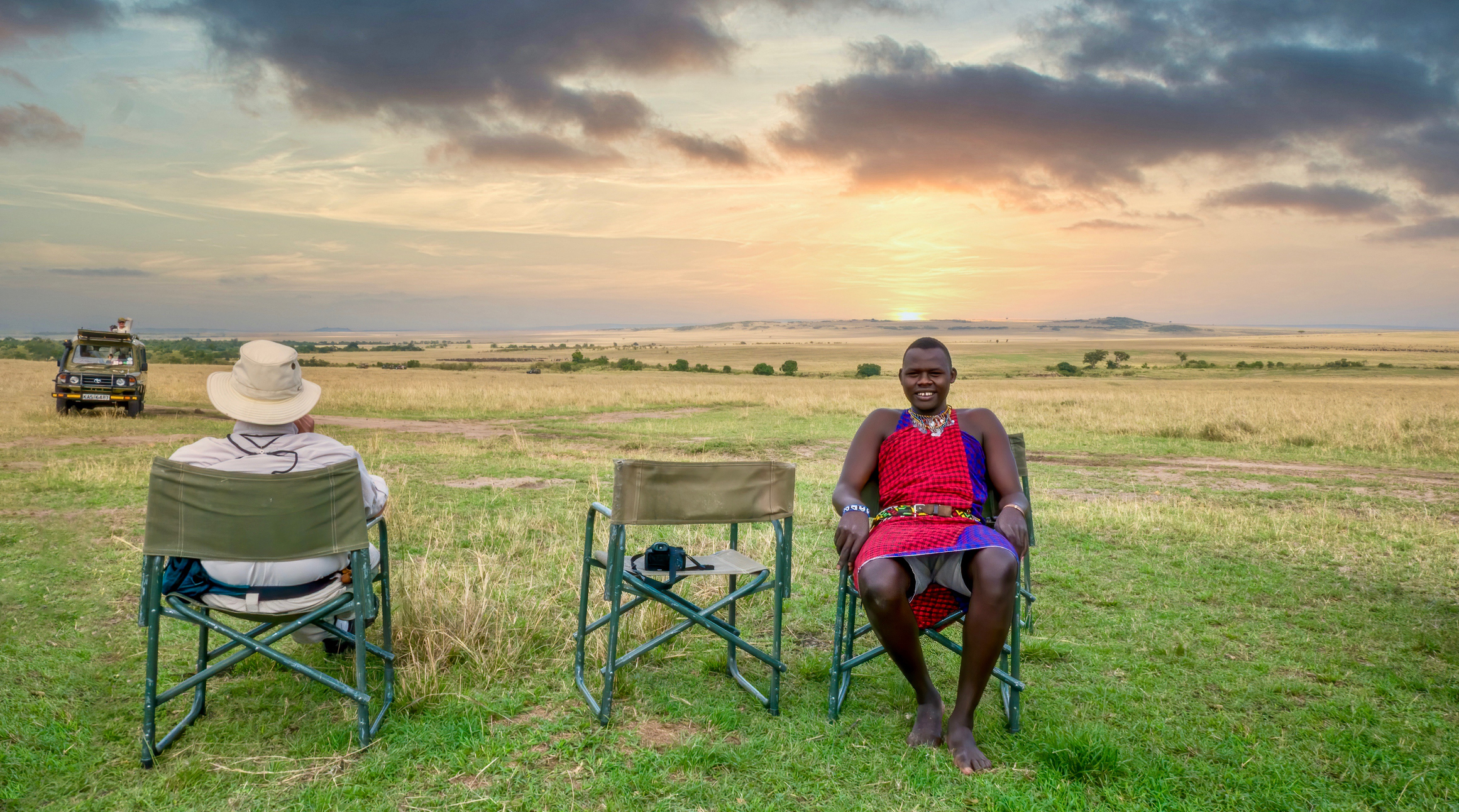
There’s no single “best” time to visit—the Masai Mara offers something unique every month. A Masai Mara safari on a budget is absolutely doable with the right planning.
Whether you want the drama of the Migration or the peace of the green season drives, the Mara delivers.
Need help choosing the best month for your travel style or group? Chat with one of our safari experts today to build a trip that fits your vision, budget, and pace.

Explore these destinations mentioned in this post.
Below you'll find further reading and articles related or similar to this post.




Call us toll free from US/Canada on 1-888-414-6513, or from the UK on 0-808-189-1052. All other countries can contact us on +27 21 791 0878.
© 2026 African Budget Safaris | Privacy | Terms | Cookie Policy | Consent Preferences