




- More destinations related to Tsavo National Park:
- Kenya
- Masai Mara
- Nairobi
- Amboseli National Park
- Great Rift Valley
- Lake Naivasha
- Lake Nakuru
- Masai Mara Conservancies
- Mombasa
- Samburu National Reserve

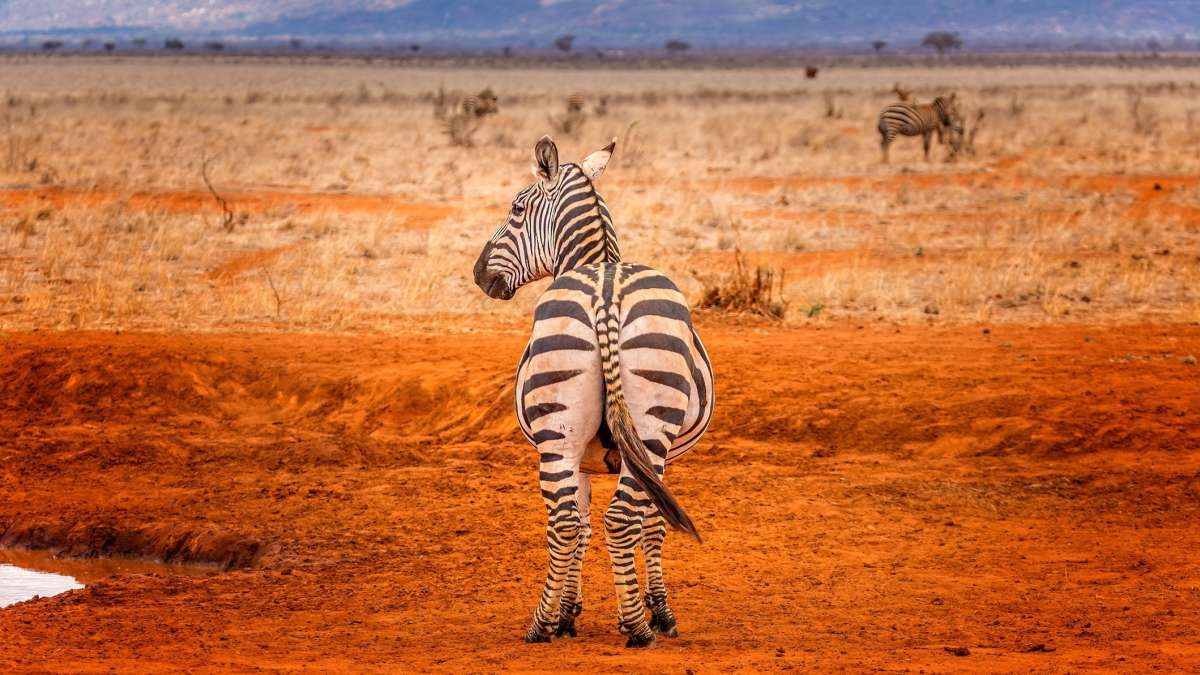
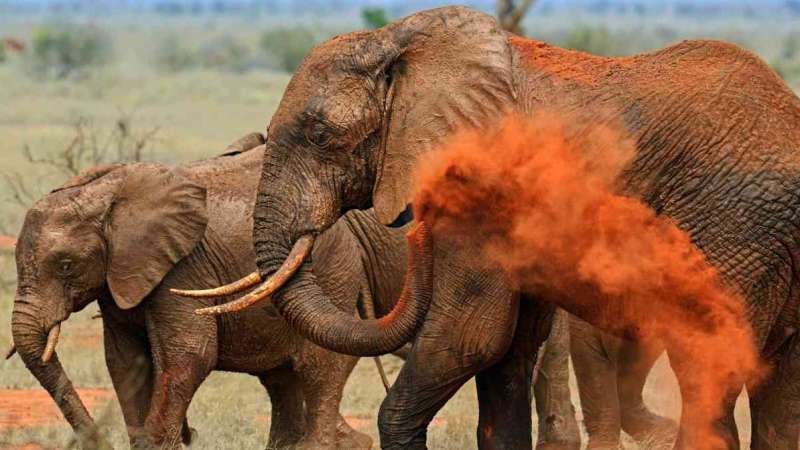
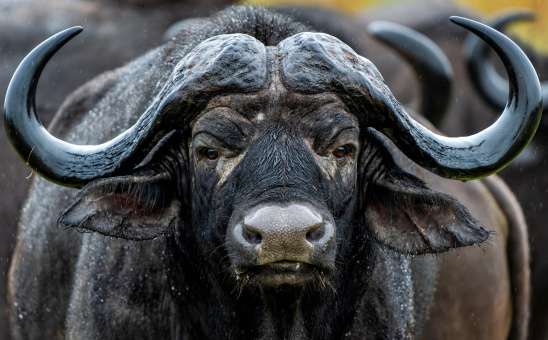
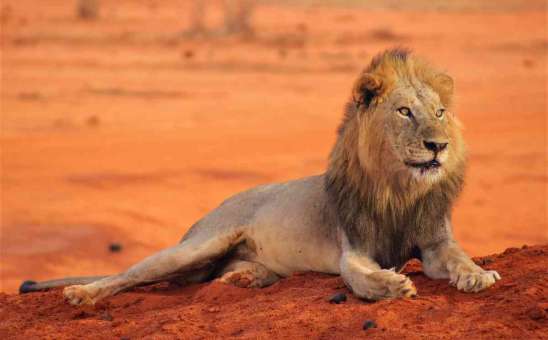
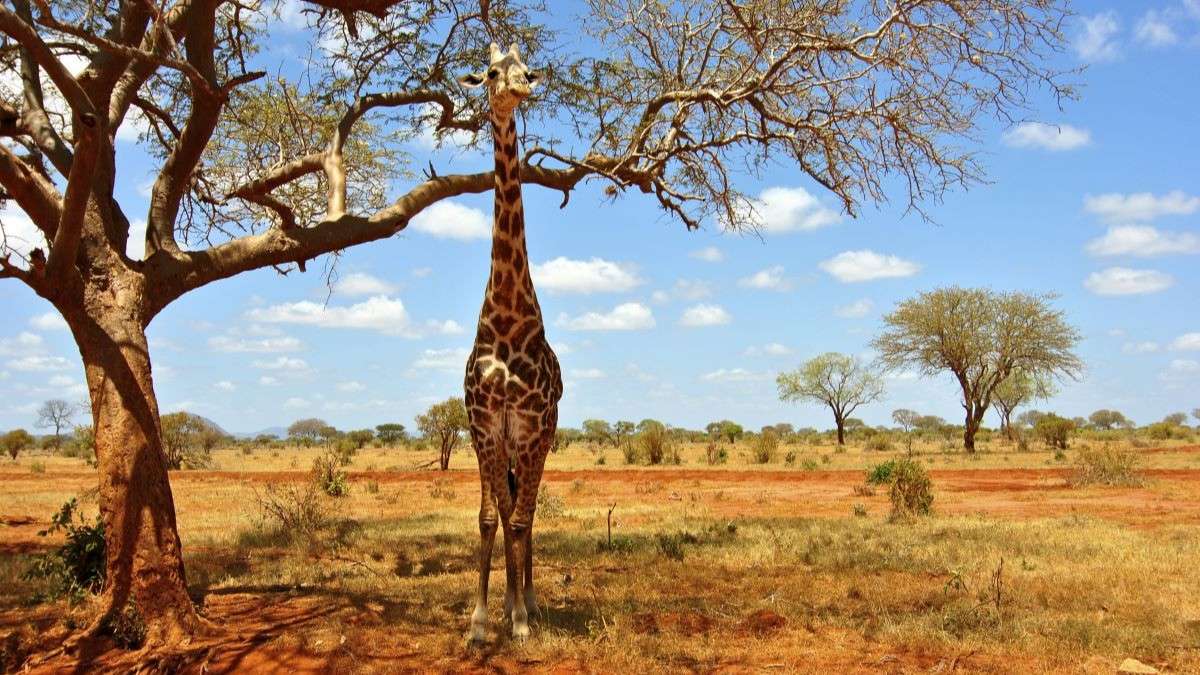
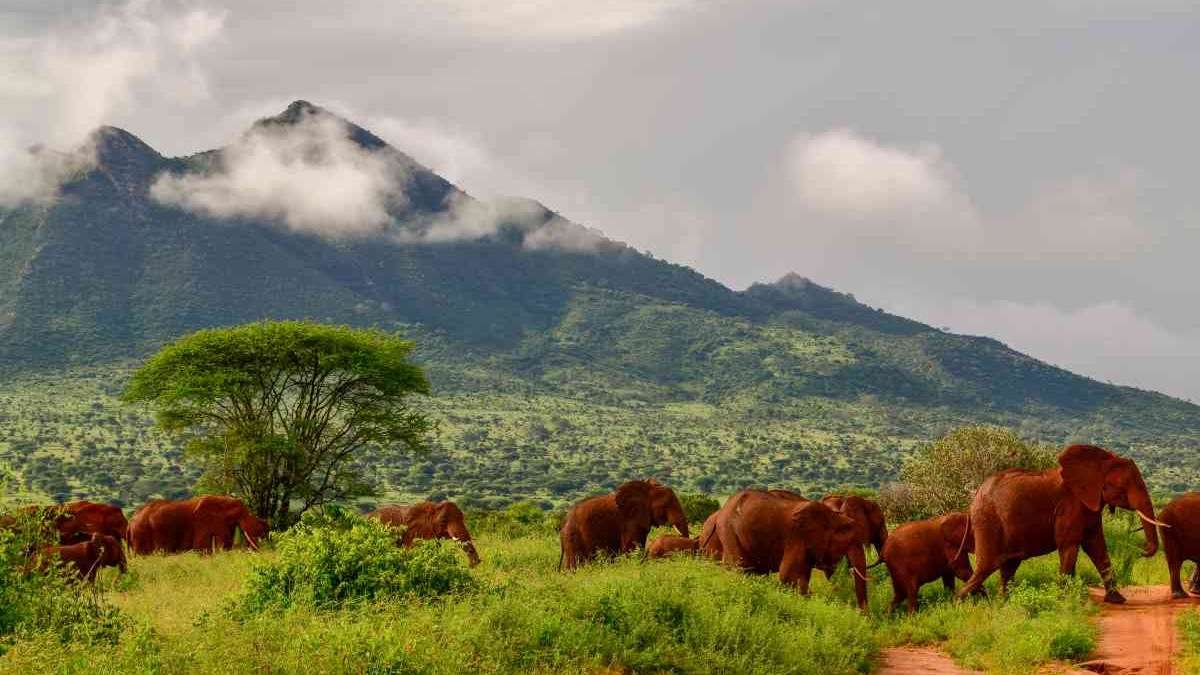
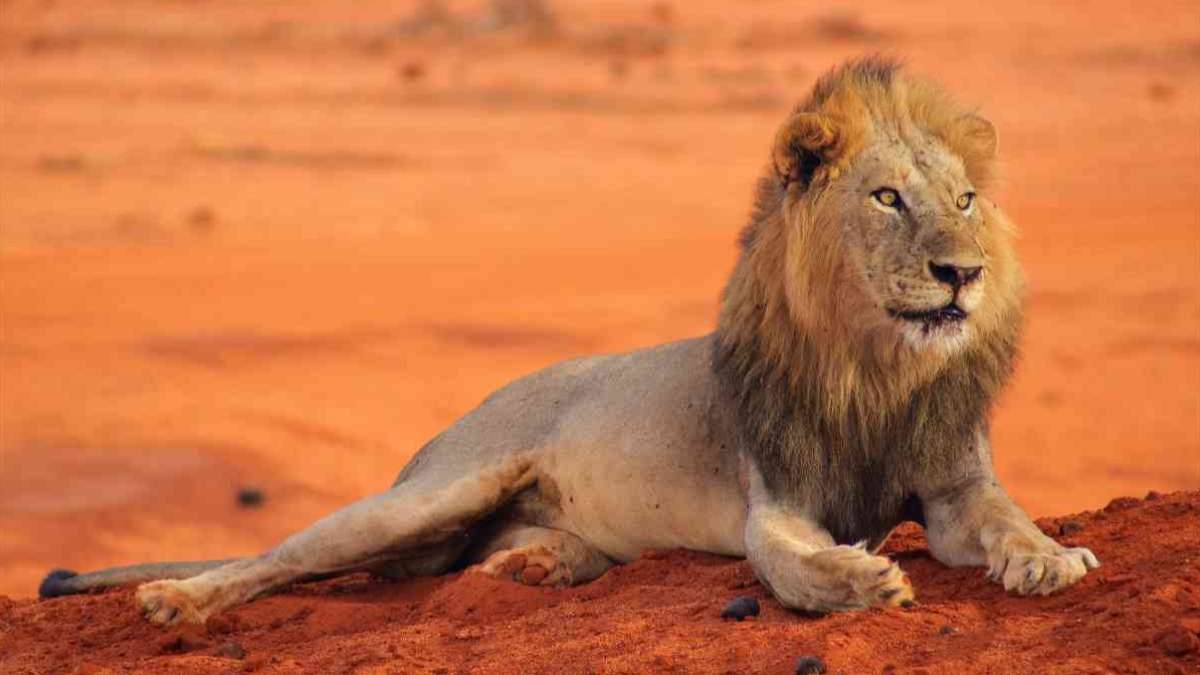
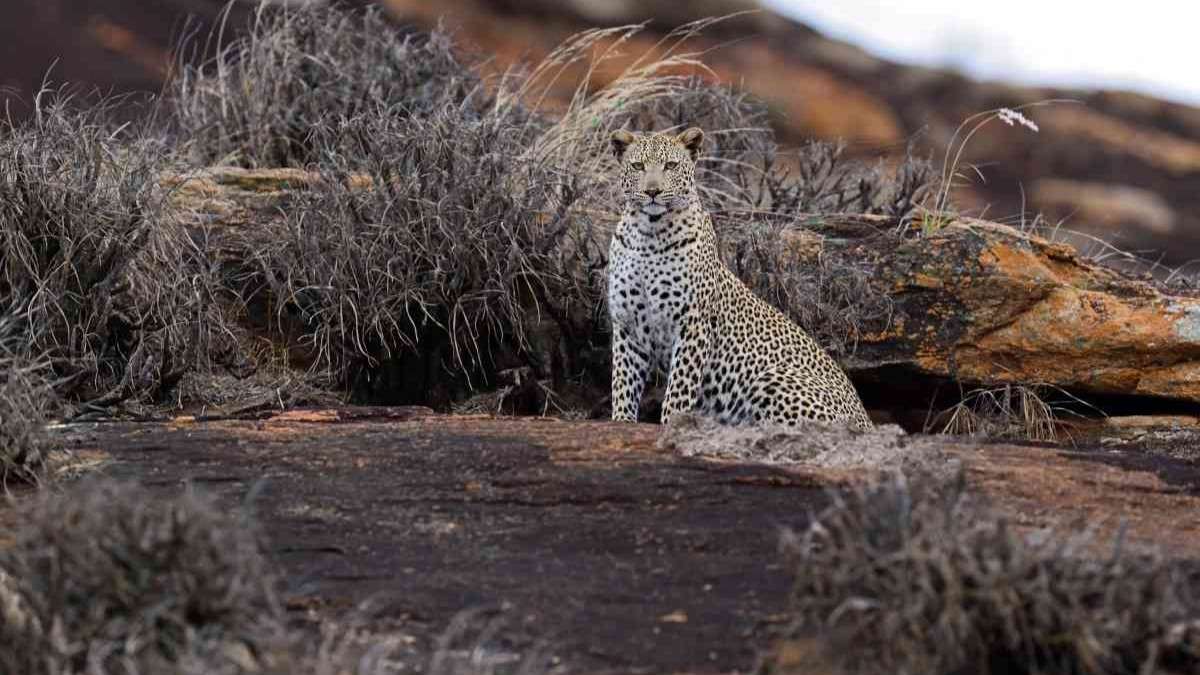
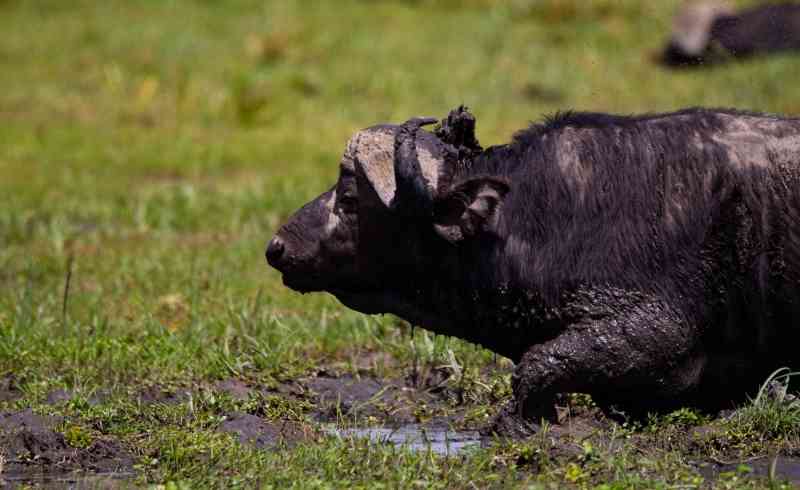
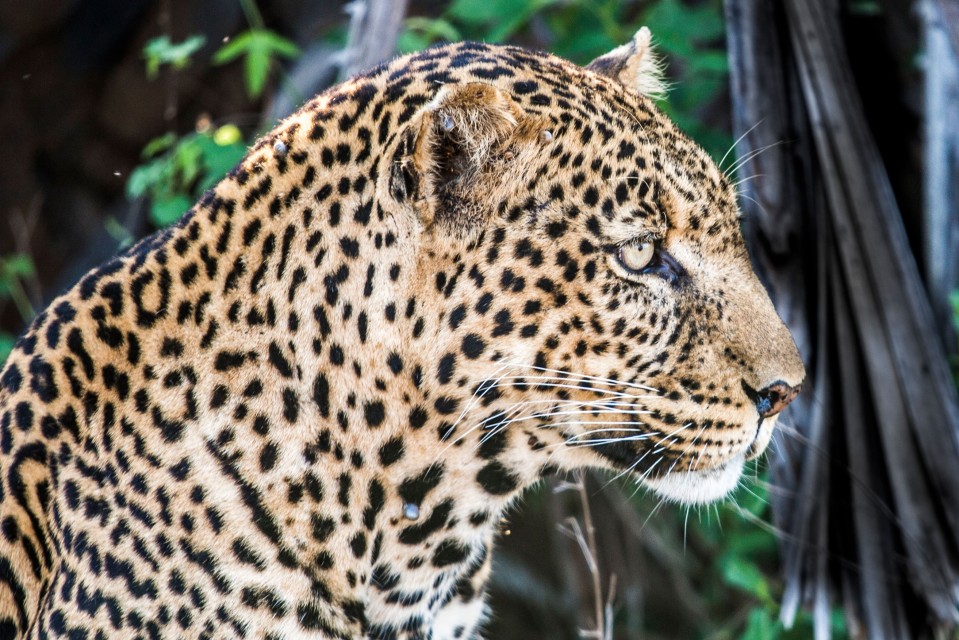
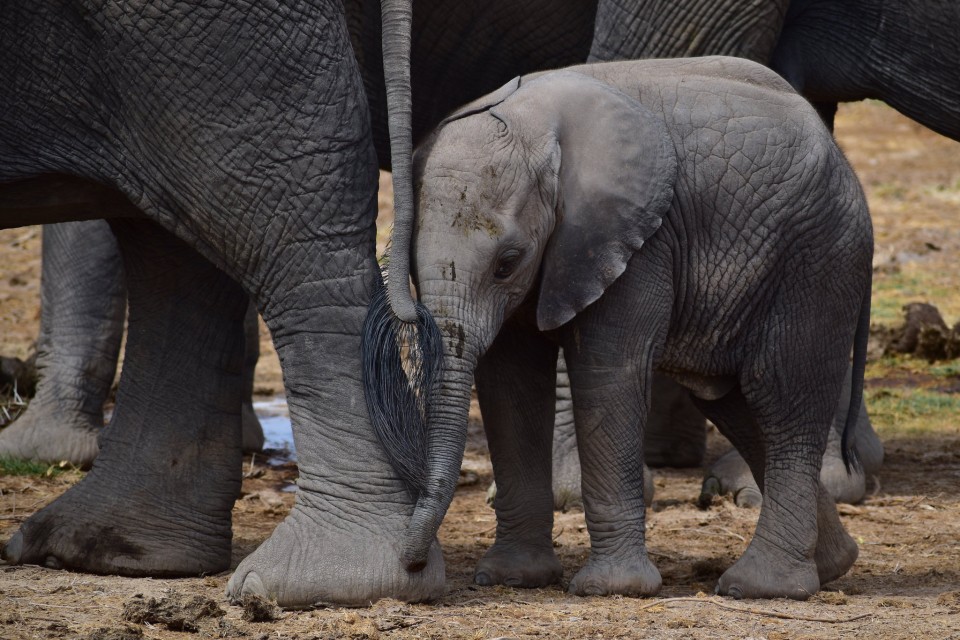
Tsavo National Park is one of Kenya’s great wilderness destinations, offering superb wildlife viewing across vast, uncrowded landscapes. Home to all of the Big Five, the park is particularly known for its elephant and lion populations, with the added possibility of spotting the rare black rhino at the Ngulia Rhino Sanctuary in Tsavo West. Tsavo also stands out for its excellent birding, including a range of dry-country specials, and scenic natural landmarks such as the Galana River, Mudanda Rock, and the crystal-clear springs of Mzima. With off-the-beaten-track safari options and easy access from Kenya’s coast, Tsavo delivers exceptional value and a true sense of space for travelers seeking a wilder safari experience.
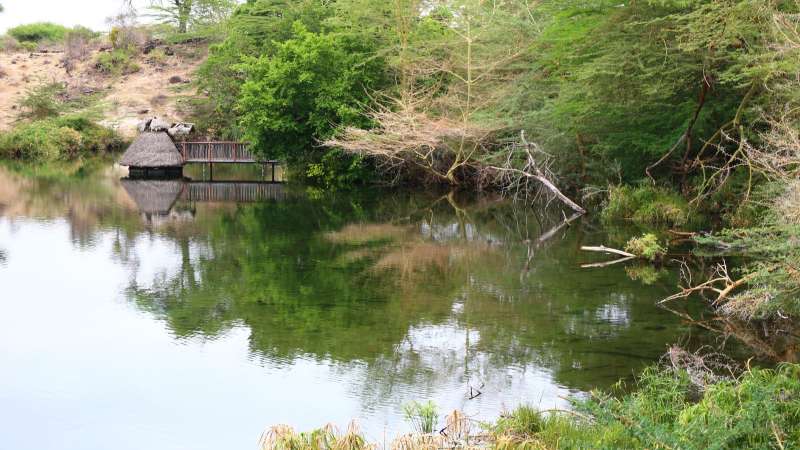
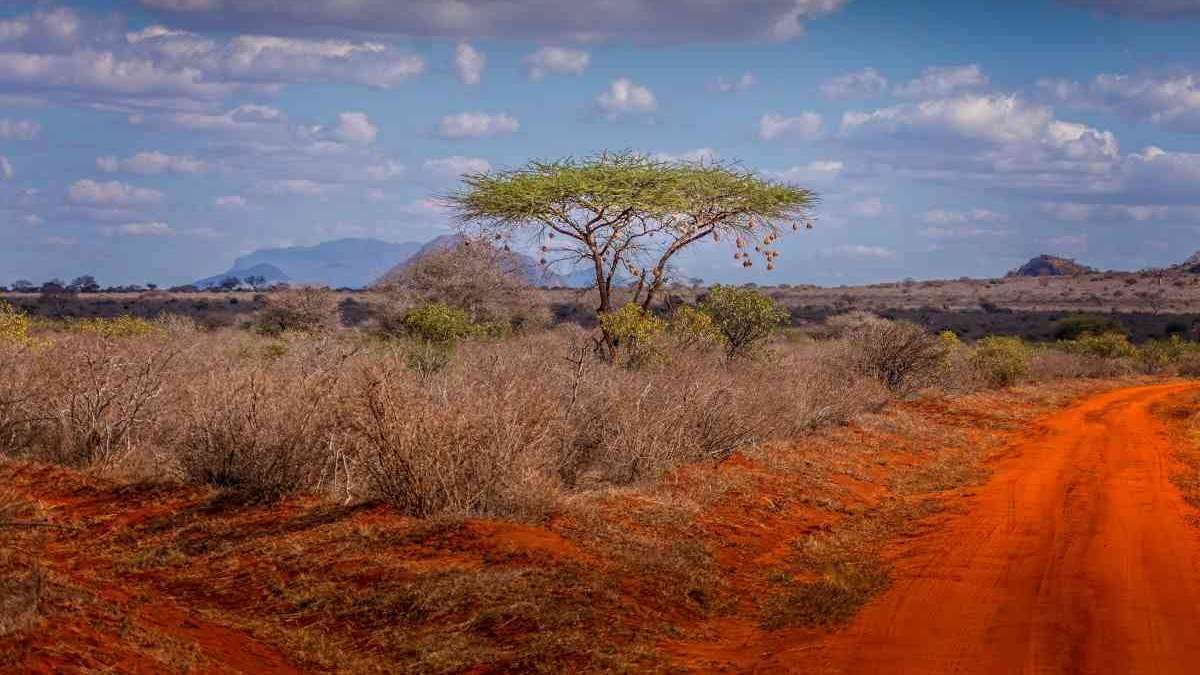
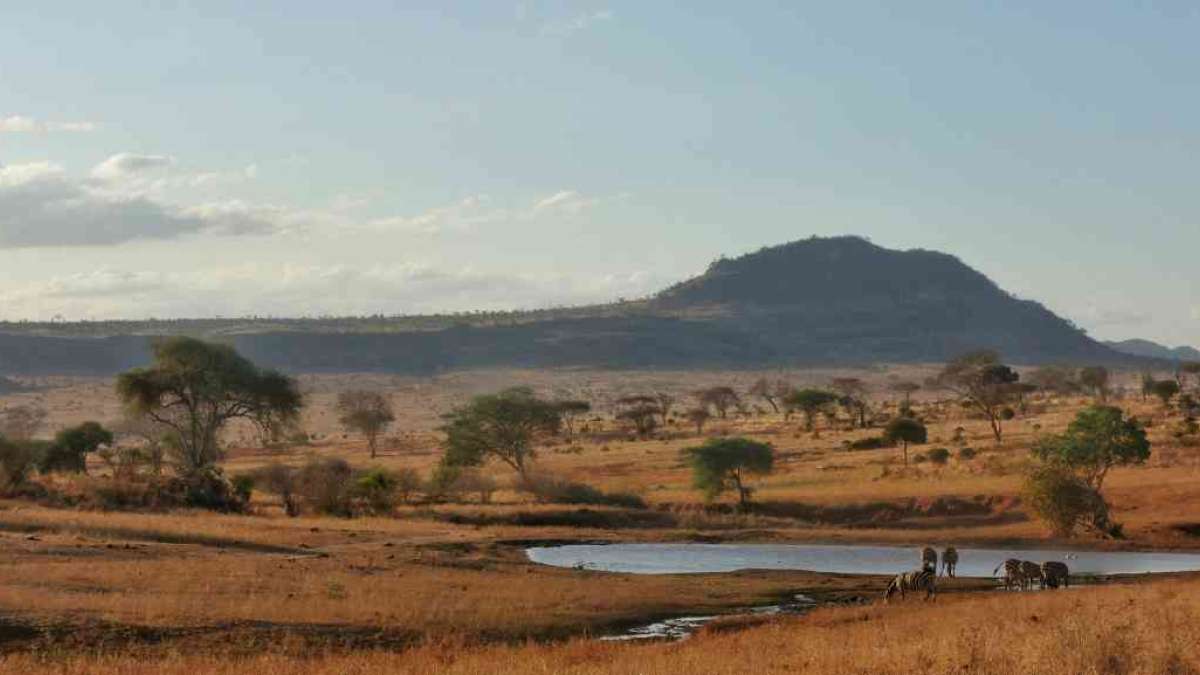
Tsavo is defined by vast distances, dramatic geology, and wildlife adapted to arid conditions.
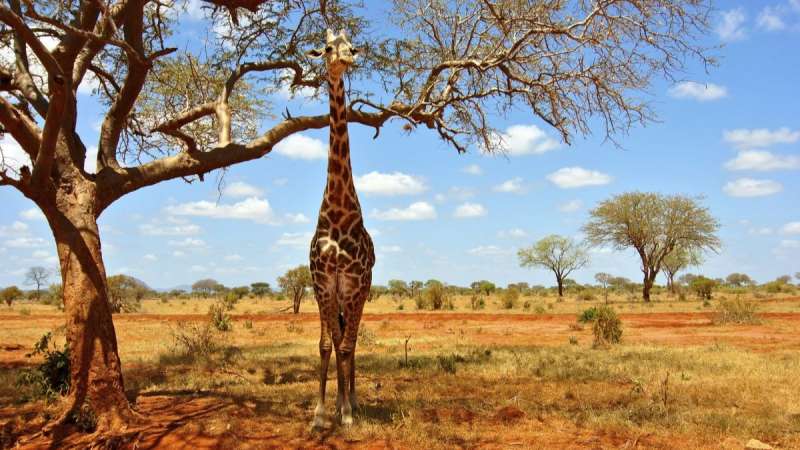
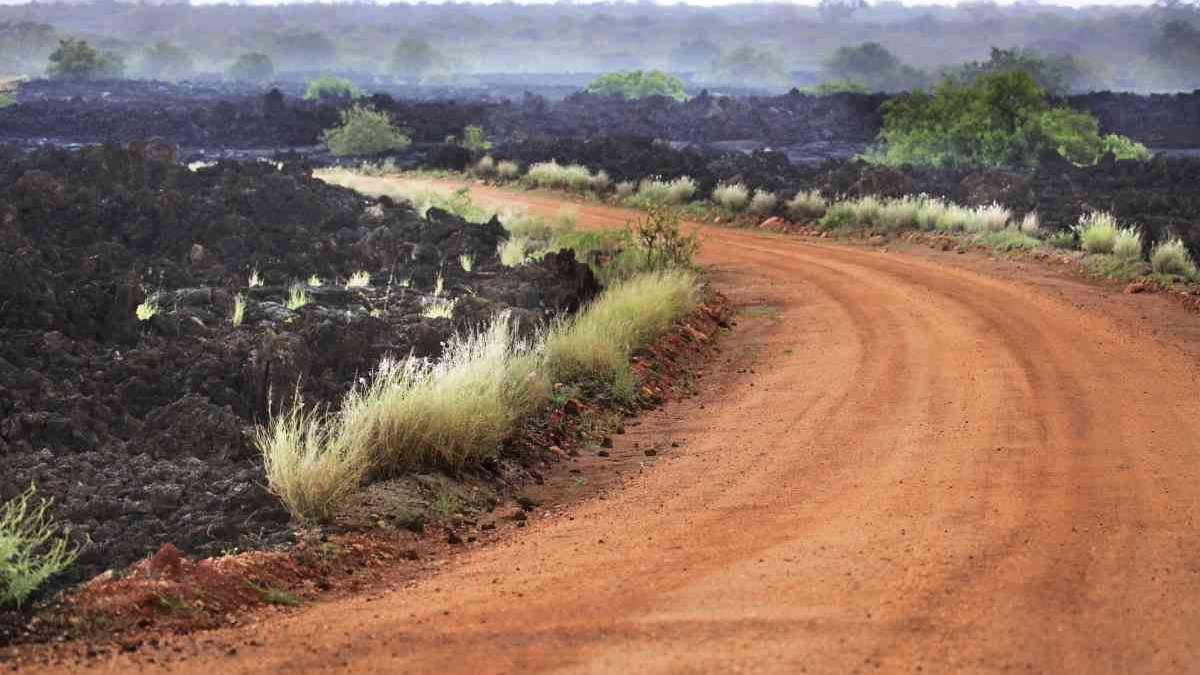
Tsavo offers a spacious, uncrowded safari experience shaped by vast landscapes and wildlife adapted to dry conditions. Game drives explore open plains, river systems, and volcanic terrain, with fewer vehicles and a slower pace than Kenya’s northern parks. It’s best suited to travellers who value scale, atmosphere, and a true wilderness feel over high-density wildlife viewing.
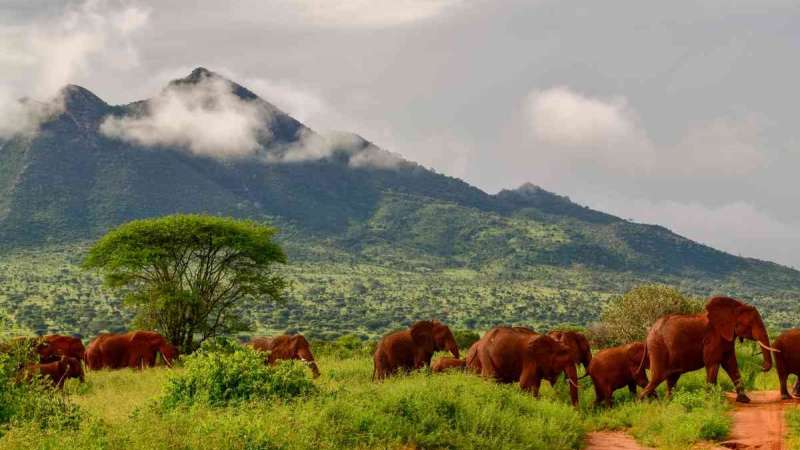
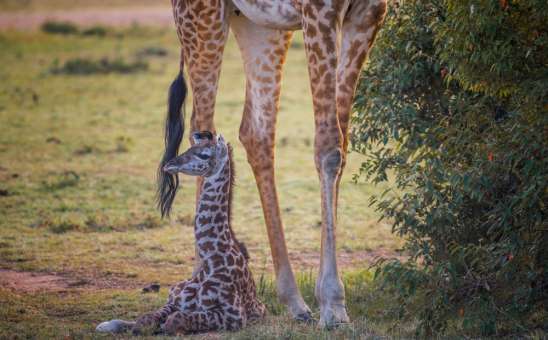
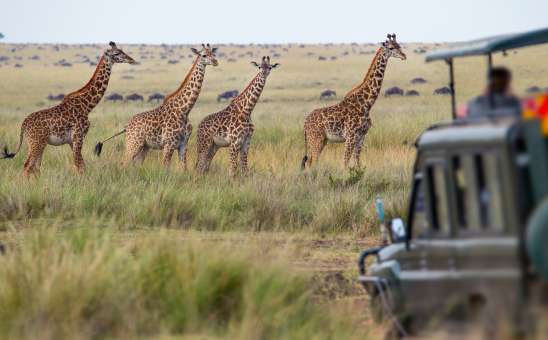
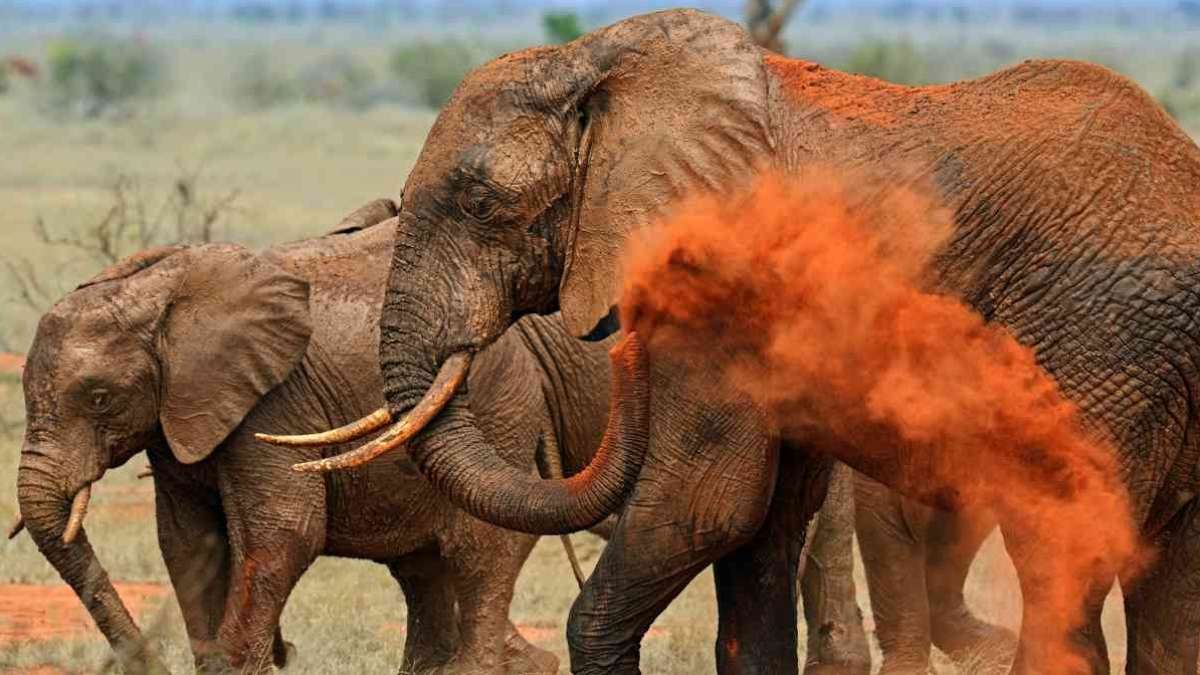
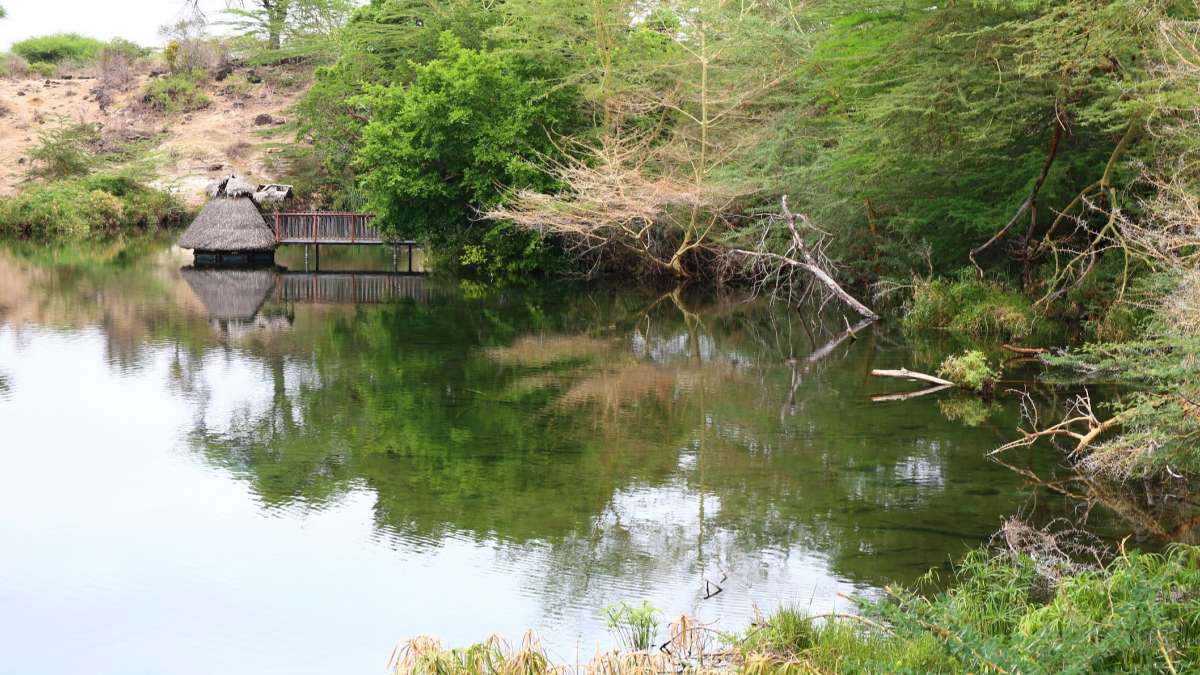
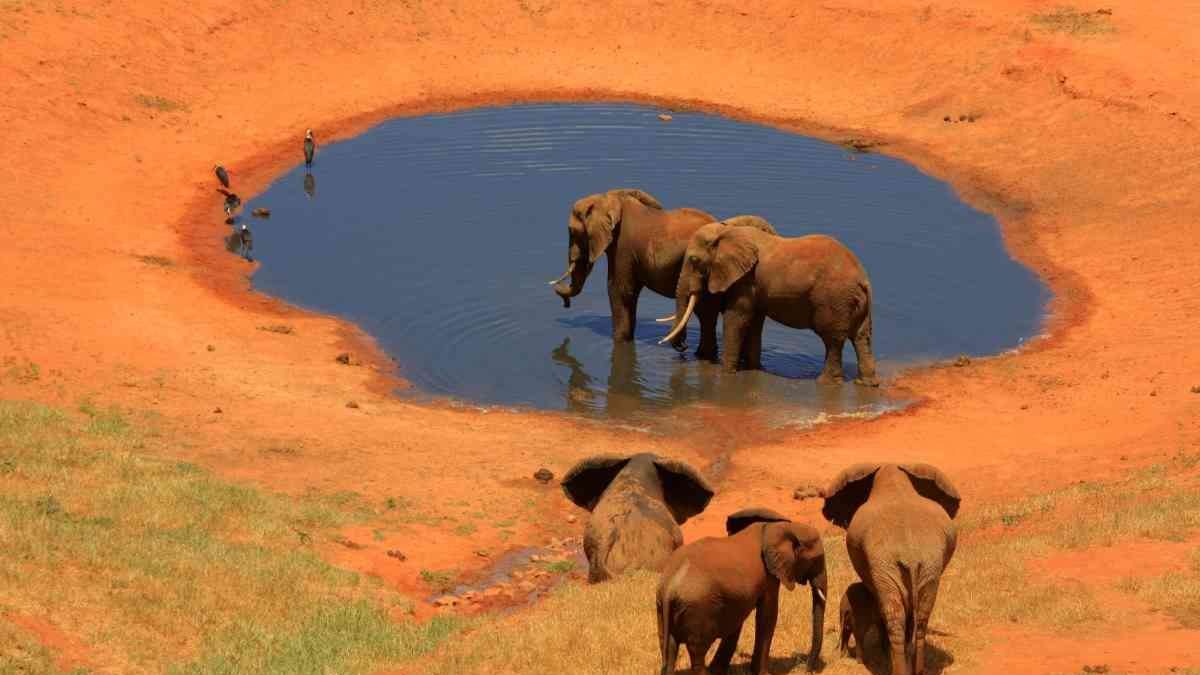
Tsavo National Park is split into two contrasting regions, each offering a distinct safari experience shaped by landscape, wildlife density, and travel style. Tsavo East National Park is defined by vast, open plains and long sightlines that make wildlife easier to spot, delivering a classic, game-focused safari with high concentrations of elephants, lions, buffalo, and giraffe, including the park’s famous red-dust elephants. Tsavo West National Park, by contrast, is more rugged and scenic, with volcanic hills, lava flows, denser vegetation, and natural highlights like Mzima Springs, offering a slower-paced safari that balances wildlife viewing with dramatic landscapes and atmosphere. Choosing between them often comes down to whether you prioritise wildlife density and simplicity, or scenery and variety, and many travellers opt to combine both for a more rounded Tsavo experience.
Why Tsavo West is the safari you never knew you needed?
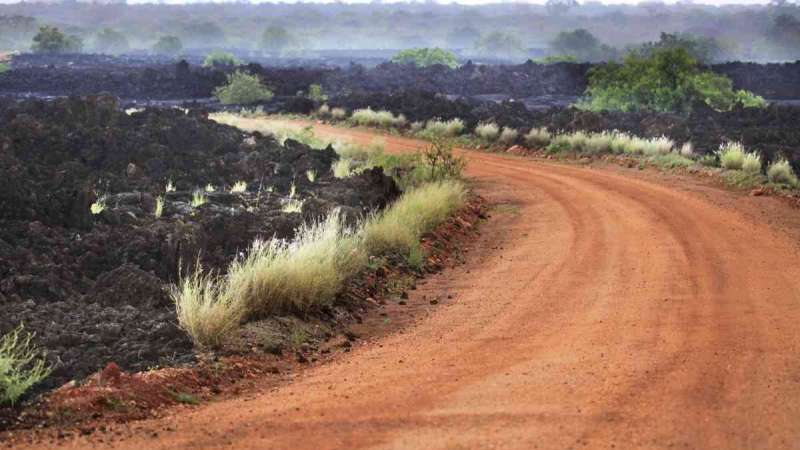
Tsavo focuses on classic safari pleasures done properly, with room to breathe and explore.
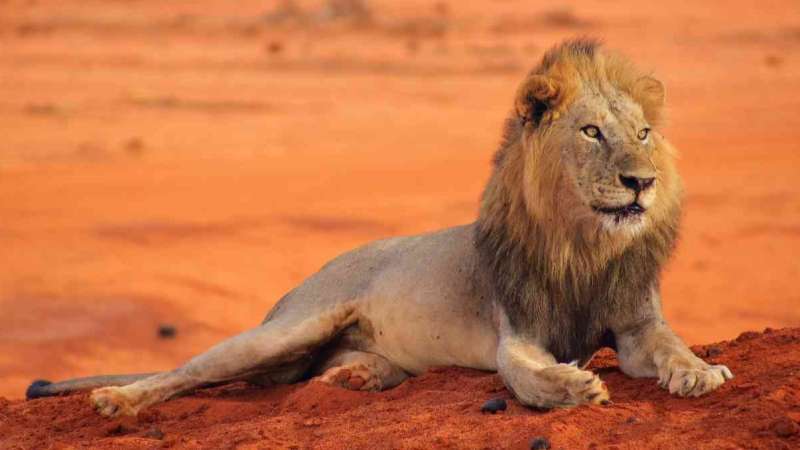
One of Africa’s most infamous wildlife stories unfolded in Tsavo in 1898, during the construction of the Kenya–Uganda railway. Two male lions began preying on railway workers, killing dozens over several months and bringing construction to a halt.
Unlike typical prides, these lions operated without females and showed unusually bold behavior around human camps. Modern research suggests several contributing factors, including environmental stress, declining natural prey, human encroachment, and dental injuries that may have made hunting traditional prey difficult.
The lions were eventually killed by British officer John Henry Patterson, and today their preserved skins are displayed at the Field Museum in Chicago. While the story has been sensationalized over time, it remains an important reminder of how human expansion can disrupt wildlife behavior.
Today’s Tsavo lions are no more dangerous than those elsewhere in Africa, and safaris operate safely with experienced guides. The legend adds historical depth to the landscape, enriching the experience rather than defining it.
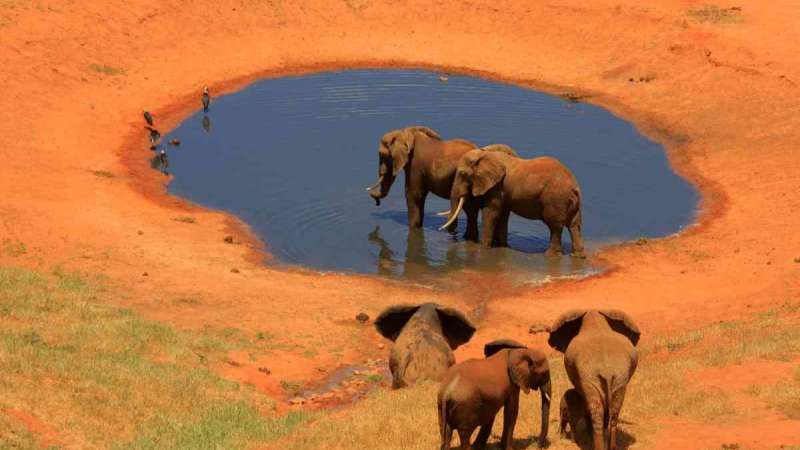
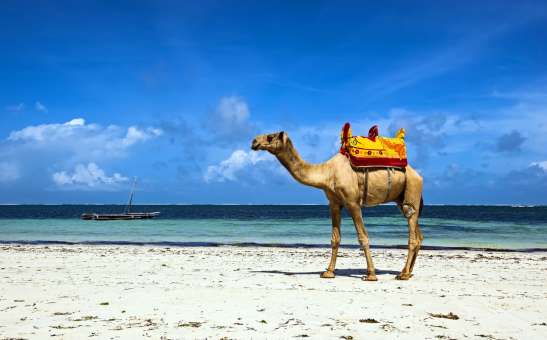
Located in southeastern Kenya between Nairobi and the Indian Ocean coast, Tsavo sits on one of East Africa’s most natural safari corridors. Its position makes it easy to link inland wildlife experiences with coastal relaxation or extend a Kenya safari into neighbouring regions, creating flexible, great-value itineraries that balance game viewing, scenery, and travel time.
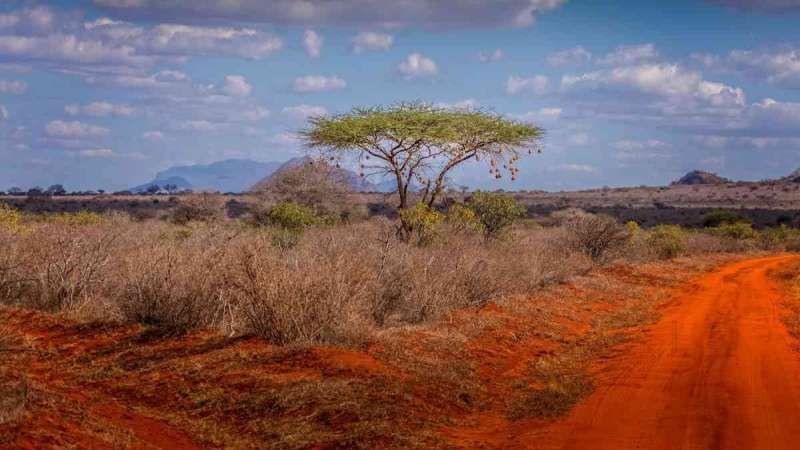
Tsavo is generally safe for travelers, especially when visiting with reputable safari operators. As with all safari destinations, safety is enhanced by experienced guides, well-planned routes, and following standard travel precautions. Most visitors experience Tsavo as peaceful, remote, and welcoming.
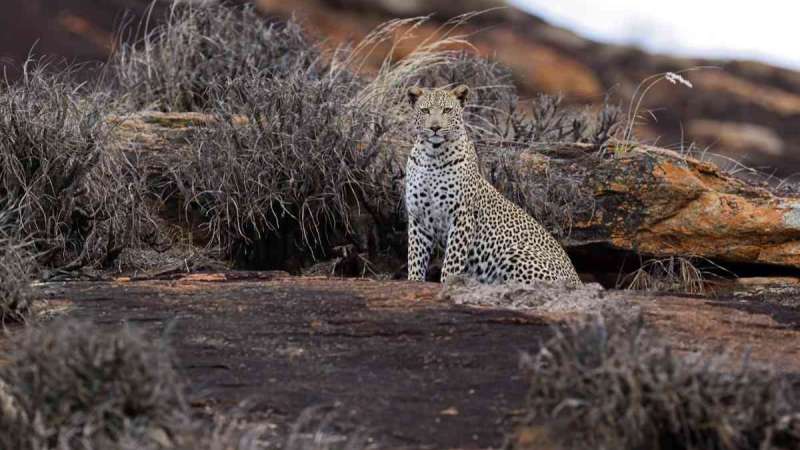
Whether you’re planning a short Tsavo safari, a Kenya overland adventure, or a safari-and-beach combination, our expert team can help you find the best-value route for your time and budget.
Contact African Budget Safaris today and start planning your East African adventure.
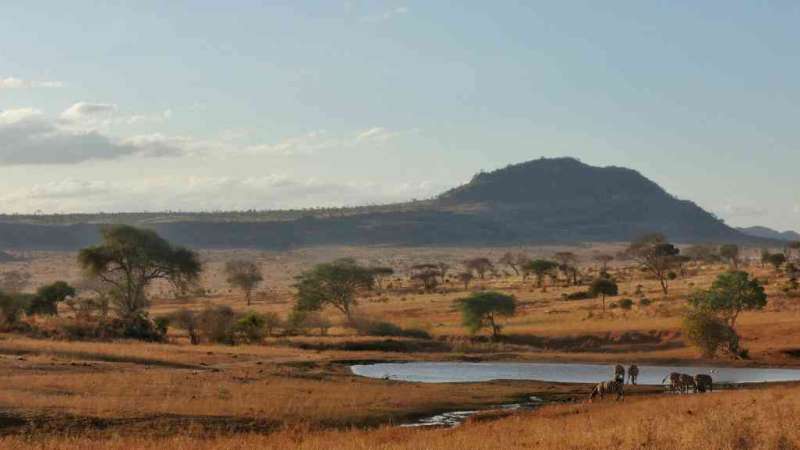
The best time to visit Tsavo National Park is during the dry seasons from June to October and January to February.
African Budget Safaris offers a wide range of Tsavo safaris, from affordable lodge stays and small-group tours to overland adventures and tailor-made private itineraries. Tsavo is often included on Kenya safari routes departing from Nairobi or combining safari and beach combinations. These are some of the most popular inineraries including Tsavo, that make flexible, cost-effective options for travelers wanting big wildlife experiences in one of East Africa’s most iconic destinations.




Call us toll free from US/Canada on 1-888-414-6513, or from the UK on 0-808-189-1052. All other countries can contact us on +27 21 791 0878.
© 2026 African Budget Safaris | Privacy | Terms | Cookie Policy | Consent Preferences